
REVIEW · OKINAWA ISLANDS AND BEACHES
Naha: Guided E-Bike Tour of the 12 Zodiac Temples
Shuri is made for slow discovery, and this e-bike circuit gives you that. You’ll follow a guided route through the 12 zodiac temples and shrines in the Shuri area, with standout stops like Shuri Kannon Temple and a photo stop at the Shureimon Gate. The value is strong for the time and effort you save, but the main catch is simple, you need to be comfortable riding a bike for a 3 hour outing, and sandals or flip flops are out.
I also like the human touch here. The tour runs in a small group of up to 5, and the helmets have an intercom so you can actually talk while you ride, not just wave at each other. If you’re lucky with your guide, names like Maria, Maki, Hiro, Reiji, and Jojo show up in the guide lineups, and their style tends to be friendly, safety-focused, and clear on what you’re looking at and where you’re going next.
In This Review
- Key Highlights You’ll Care About
- Why Bike Through Shuri’s 12 Zodiac Temples on an E-Bike
- Price, Time, and What Your Money Covers
- Meeting at ダイショウビル and Getting Ready with Intercom Helmets
- A Short Rickshaw Ride, Then the Backstreets of Shuri
- Shuri Kannondo: Red Temple Details and the Shuri View Moment
- Ankoku-ji to Shureimon Gate: Gajumaru Trees and an Iconic Red Photo
- Daruma Temple: Health and Pregnancy Prayers in Red and Gold
- Seikoji Temple: Jizo Statues, Sacred Quiet, and a Modern Building Nearby
- Saki Kasahigawa Miracle Spring and Sogenji Royal Mausoleum
- How the Small Group and the Guide Style Affect Your Experience
- Who Should Book This E-Bike Temple Tour (and Who Should Skip It)
- Should You Book This Naha Zodiac Temples E-Bike Tour?
- FAQ
- How long is the Naha guided e-bike tour?
- What does the tour cost?
- How big is the group?
- What is included in the price?
- Where do I meet the guide?
- Are meals and drinks included?
- What should I bring and wear?
- Are sandals or flip flops allowed?
- What happens if the weather is bad?
- What languages are the guides?
Key Highlights You’ll Care About
- 12 zodiac temples and shrines in one focused loop, built for learning without rushing
- Intercom helmets so your group stays connected on the ride
- Shuri Kannon Temple with the red setting, carvings, and a Shuri view moment
- Shureimon Gate photo stop, a signature Shuri landmark with classic red drama
- Saki Kasahigawa miracle spring for a calm, nature-driven stop
- Former royal mausoleum at Sogenji, finishing with a park-like breath of air
Island hopping from Naha, reviewed
- Official Street Go-Kart Tour – Okinawa Shop
★ 5.0 · 699 reviews - Naha: North Okinawa Sightseeing Tour & Churaumi Aquarium
★ 4.4 · 472 reviews - Okinawa: From Naha: Kerama Islands 1-day snorkeling tour
★ 4.4 · 423 reviews - From Naha: Tokashiki Island Day Trip by Boat
★ 4.3 · 385 reviews
Why Bike Through Shuri’s 12 Zodiac Temples on an E-Bike
This tour is built around a smart idea. In Shuri, the best spiritual sites are also the easiest to miss if you’re on foot with no plan. By using electric bikes, you can cover more streets and temple entrances in a few hours, while still slowing down enough to actually look.
The “12 zodiac temples” theme also helps you connect the dots. Instead of a random list of shrines, you get a guided path that ties the area’s religious sites to Okinawan history and local traditions. That makes the walk-by moments feel meaningful, especially at the iconic red temple stops and the gates where the architecture does the talking.
If you want an Okinawa day that feels cultural but not stiff, this is a good match. It’s active, but not punishing, thanks to the e-bike assist. And because it’s a small group, you’re not lost in a crowd or glued to the back of a line.
Price, Time, and What Your Money Covers
The price is listed at $95 per person for about 3 hours. That’s not cheap for a short tour, but you’re paying for two things that matter in real life: electric bike rental and a guided tour.
If you compare it to doing it on your own, you’re basically buying:
- the bike itself (e-bikes make the route doable even if you’re not super fit)
- the guide’s navigation and temple context
- time efficiency, since getting between these sites by public transit and on foot would be harder
Meals and drinks are not included, so plan on grabbing something before or after. Also, temple offerings are not included. If you want to participate respectfully at shrines, bring a little cash just in case.
The other cost factor is footwear. You’ll want comfortable shoes, because the day includes temple visits where you’ll be standing and walking more than you’d think. This tour is best when you treat the bike time as the connector between sites, not the only activity.
Meeting at ダイショウビル and Getting Ready with Intercom Helmets
You’ll meet at the shop area near Makishi Monorail Station, about a 5 minute walk from Monorail Makishi Station, next to the post office. The starting and ending point is the same location, ダイショウビル, so you’re not stuck figuring out how to get back at the end.
Once you arrive, you get fitted with your e-bike. Helmets come with an intercom system, which is a genuinely useful feature. It makes group coordination easier when you’re riding close together, and it also turns the ride into a more social experience.
I like tours that don’t pretend biking is automatic. Here, the tour setup supports you so you can focus on the route and the temples. And with the small group size, you’re less likely to feel rushed or overwhelmed in the first few minutes.
Cover Naha on two wheels instead
- Afternoon Adventure: Okinawa Local Cycling with Spectacular Views★ 5.0 · 92 reviews
- Naha: Guided E-Bike Tour of the 12 Zodiac Temples★ 4.9 · 50 reviews
- E-Bike Nature Tour in Shuri★ 5.0 · 25 reviews
A Short Rickshaw Ride, Then the Backstreets of Shuri
One detail that makes this route feel smoother is the use of pedicab or rickshaw segments in between temple clusters. The schedule includes a few shorter rides on those vehicle portions, which can take the pressure off after climbs or between areas.
Then you switch back to the e-bike to move through Shuri’s backstreets. This matters because Shuri is not laid out like a modern grid. Getting from one site to another without getting turned around can be frustrating. With a guide, you spend your energy on the places that actually deserve your attention.
Expect the pacing to be “see, learn, ride, repeat.” At each stop, you’re not just snapping a photo and disappearing. You have a chance to take in the design details, the setting, and the spiritual purpose. If you like travel that blends motion with meaning, this structure works.
Shuri Kannondo: Red Temple Details and the Shuri View Moment
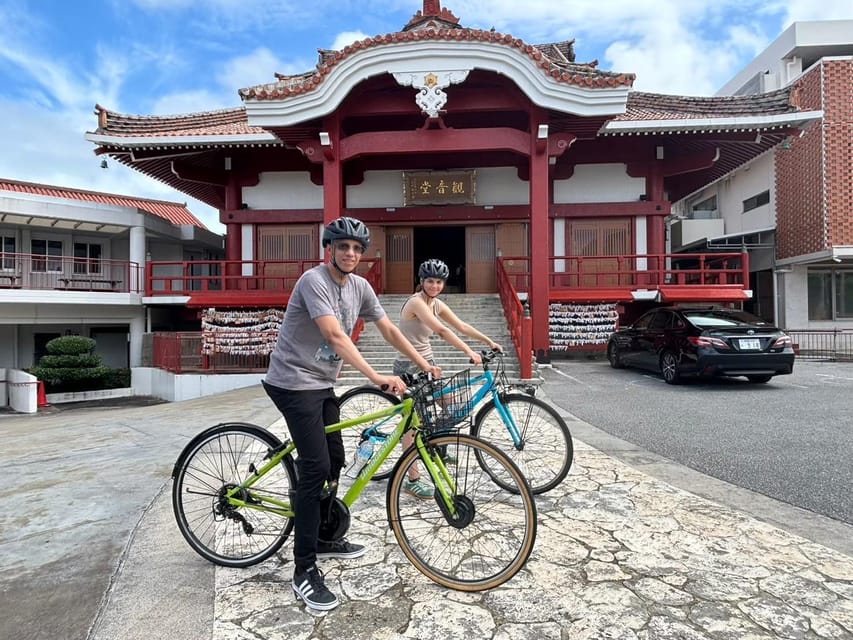
Shuri Kannondo is your first major temple stop, and it sets the tone. This is the Shuri Kannon Temple, described as a guardian temple from the Ryukyu Kingdom. That background matters because the temple isn’t just pretty, it’s part of how Okinawa’s royal-era culture expressed itself through religious sites.
What you’ll look for here:
- the vivid red temple setting
- decorative carvings and temple ornamentation
- a moment to look out over Shuri as you move through the area
The best thing about starting here is the emotional contrast. You’ll likely notice how different the temple colors and textures feel compared to the street life nearby. It’s the kind of stop that turns your brain on, so later gates and shrines feel more connected.
A small practical note: even though you’re on an e-bike, you’ll still be walking inside and around temple grounds. Comfortable shoes matter more than you’d expect, since you’ll be standing to look at details and taking photos from decent angles.
Ankoku-ji to Shureimon Gate: Gajumaru Trees and an Iconic Red Photo

Next comes Ankoku-ji Temple, a local temple experience that feels grounded and everyday compared to the grand spectacle sites. You’ll spend time here admiring a classic ancient gate and a large gajumaru tree, along with traditional houses in the area.
The gajumaru detail is a good example of why this route works as a guided tour. Big trees, gate frames, and quiet corners are part of how place feels. A guide helps you notice those details instead of rushing past them while thinking about the next stop.
Then you get to the Shureimon Gate. This is one of Okinawa’s most recognizable symbols, and the tour builds in a photo moment in front of the striking red gate, with your bike included. That’s not just for fun. The gate is often a “see it in a photo” landmark, but standing there in person gives you scale and context, and the red color looks different than it does online.
If you care about photography, timing helps. A gate photo is better when your group is ready together. Here, the structure of the route keeps that moment from feeling chaotic.
Daruma Temple: Health and Pregnancy Prayers in Red and Gold
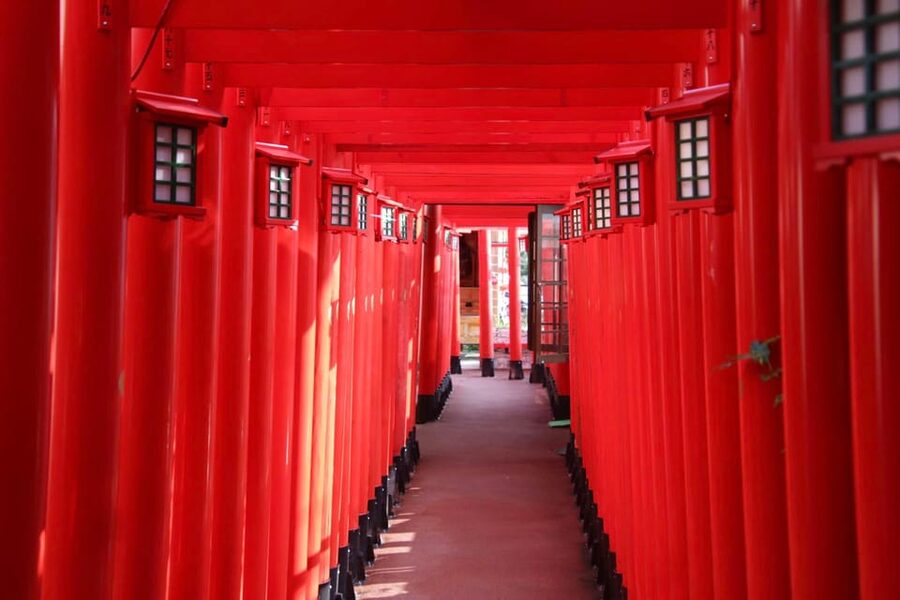
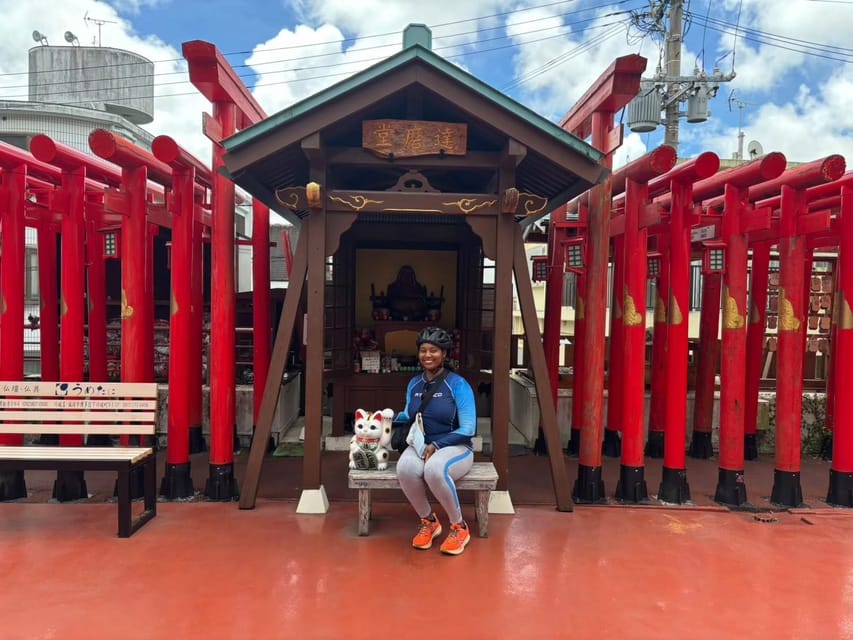
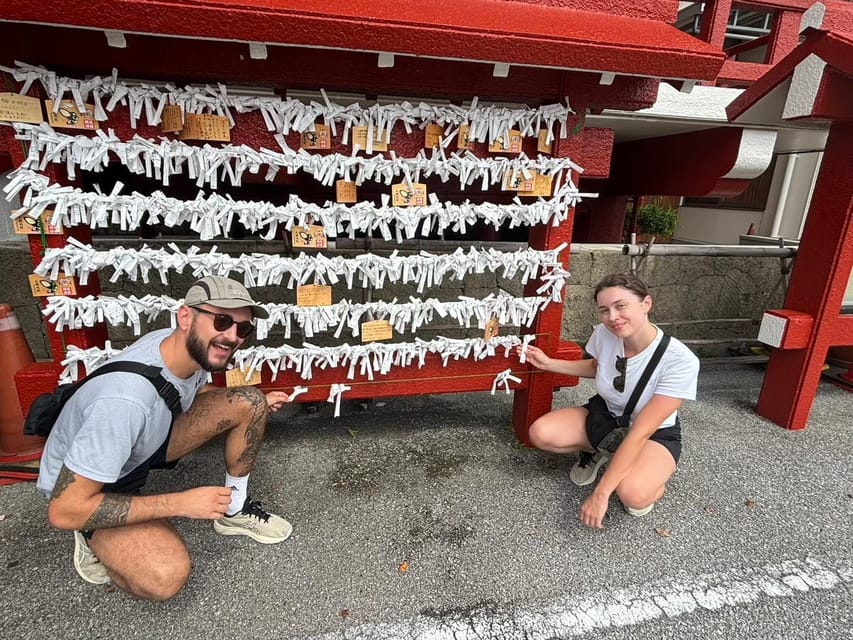
Daruma Temple is next, and it shifts the mood in a very specific way. This stop is popular for prayers related to health and pregnancy. That theme shows up visually in the decorations, including striking red daruma dolls and a torii gate.
You don’t have to be a scholar of religious practices to enjoy this. The “why people come here” explanation makes the decorations feel purposeful. The daruma figures are bold, almost playful at first glance, but in context they become a focal point for hope and prayers.
The torii gate adds another layer. It reminds you that Okinawa’s spiritual landscape is not a single uniform tradition. It’s a mix of influences expressed through local practice. A guide helps you see that as more than decoration, it’s a working symbol.
Practical tip: if you plan to make an offering, offerings money is not included in the tour. Bring a small amount so you’re not scrambling later.
Seikoji Temple: Jizo Statues, Sacred Quiet, and a Modern Building Nearby
Seikoji Temple is described as peaceful and full of sacred atmosphere. This is one of those stops where the experience shifts from “look at the big landmark” to “slow down and feel the space.”
You’ll see Jizo statues here, which adds an emotional human element. Jizo statues often tie into themes of care and protection, and even if you don’t know the full background, the expressions and arrangement can make the place feel personal.
You’ll also notice a modern building within the context of the temple area. That contrast can be a quiet reminder that sacred space in everyday cities is not frozen in the past. It continues, and it adapts.
If your group likes a mix of types of stops, Seikoji is a nice break between the more visually dramatic gates and red temple décor.
Saki Kasahigawa Miracle Spring and Sogenji Royal Mausoleum
The tour ends with two very different, but equally memorable, closing acts.
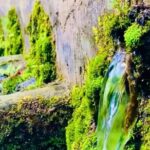
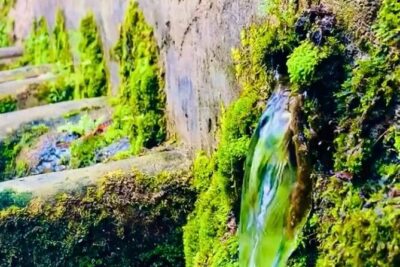
First is Saki Kasahigawa, a miracle spring that flows from the deep forest. The idea of “miracle” here is about the story and meaning attached to the water, not about spectacle. When you’re there, you can feel why people would treat a spring like this as something special. It’s a calm moment in the schedule, and it helps you transition from the temples and gates into a nature-focused mindset.
Then the final stop is Sogenji Temple, a former royal mausoleum. This is the park-style finish, described as having pure air in the surrounding area. You’ll see the gate and a gajumaru tree again, creating a nice visual echo from earlier in the day.
Ending at a mausoleum makes sense. After seeing the guardian temple, prayer sites, and iconic gates, the royal context gives a sense of why Shuri’s religious landscape is so carefully preserved. The day closes with a slower feeling, which is exactly what you want after a 3-hour ride.
How the Small Group and the Guide Style Affect Your Experience
This is a small group tour, limited to 5 participants. That’s a big deal on a bike-based cultural tour. You get easier communication, fewer delays, and more chance to ask questions without the guide constantly looking over their shoulder.
The intercom helmets also reduce friction. Instead of everyone shouting in passing traffic, you can coordinate and keep the group together. It makes the ride feel more like a team outing than a bus tour with wheels.
Guide style seems to matter a lot here, and the names that have shown up include Maria, Maki, Hiro, Reiji, and Jojo. Across those guides, the pattern is consistently friendly and safety-minded. They also do more than read facts. They tend to explain what you’re seeing, how to move through the next stop, and how to handle the practical parts of riding in a city.
One extra detail that can improve the day: some guides add small time-friendly extras like a bakery stop, if it fits the schedule. It’s not the core of the tour, but it can turn a good cultural loop into a more personal Okinawa moment.
Who Should Book This E-Bike Temple Tour (and Who Should Skip It)
This tour fits best if you:
- can ride a bike confidently, because it’s required
- want a guided route through the Shuri temple area without navigating on your own
- prefer active sightseeing that still includes time for looking closely
- like learning context, not just collecting photos
You should skip it if you can’t ride a bike. The tour is built around cycling between stops. Also, if you show up in sandals or flip flops, you’ll be out of compliance. Comfortable closed-toe shoes are your best friend here.
Weather can also affect the plan. If precipitation probability exceeds 70% or severe weather shows up, the tour may adjust the route. You’ll be contacted the day before.
Finally, if you hate surprises in pacing, note that the schedule includes a few rickshaw or pedicab segments. The bike still drives the experience, but the route uses multiple transport modes to connect temple clusters efficiently.
Should You Book This Naha Zodiac Temples E-Bike Tour?
If you’re visiting Naha and specifically want to understand Shuri’s spiritual side without spending the day getting lost, I’d book it. The blend of electric biking, a structured route through the 12 zodiac temples, and the chance to see signature places like Shureimon Gate makes it good value for a half-day experience.
Book it if you want more than a sightseeing checklist. The stops are varied, from guardian temple carvings to prayer-focused daruma décor, to the quiet feel of Jizo statues, ending at a royal mausoleum setting with trees and gates.
Skip it only if biking stresses you out. The tour is welcoming, but you do need to pedal, steer, and stay aware. If that’s okay with you, this is one of the smartest ways to see Shuri when you only have a few hours.
FAQ
How long is the Naha guided e-bike tour?
The tour lasts about 3 hours.
What does the tour cost?
The price is $95 per person.
How big is the group?
The group is limited to 5 participants.
What is included in the price?
You get an electric bicycle rental and a guided tour. Helmets include an intercom system.
Where do I meet the guide?
Meet near Monorail Makishi Station, about a 5 minute walk from the station next to the post office. The tour starts and ends at ダイショウビル.
Are meals and drinks included?
No. Meals and drinks are not included.
What should I bring and wear?
Bring comfortable shoes and water. It is recommended to wear clothing suitable for cycling, and bring sunscreen and a hat.
Are sandals or flip flops allowed?
No. Sandals or flip flops are not allowed.
What happens if the weather is bad?
If the precipitation probability exceeds 70% or there is severe weather, the tour plans may change, and you will be contacted the day before.
What languages are the guides?
The live tour guide is available in English, Chinese, and Japanese.
Bicycles and E-Bikes We Have Ridden


Okinawa, Island by Island



Newest Naha write-ups from the Loving Japan desk



Okinawa Islands and Beaches, side by side.
 ★ 5.0Official Street Go-Kart Tour – Okinawa ShopFrom $36699 reviews
 ★ 4.4Naha: North Okinawa Sightseeing Tour & Churaumi AquariumFrom $50472 reviews
 ★ 4.4From Naha: Kerama Islands 1-day snorkeling tourFrom $81423 reviews
 ★ 4.3From Naha: Tokashiki Island Day Trip by BoatFrom $58385 reviews
 ★ 4.7Naha, Okinawa: Keramas Island Snorkeling Day Trip with LunchFrom $70370 reviews
 ★ 5.0[Miyako Island/Half Day] Sea Turtle SnorkelingFrom $45337 reviews
 ★ 5.0Okinawa Ishigaki Blue Cave Snorkeling TourFrom $45332 reviews
 ★ 4.5Snorkeling in the Blue Cave area【Okinawa Prefecture: Free feeding & photo images!English and Chinese speaking guide available!From $19249 reviews
Filed on these lists too