
REVIEW · OKINAWA ISLANDS AND BEACHES
Kintsugi Accessory Experience in Naha, Okinawa
Breaks become beauty here. In Naha, I love how a Kintsugi jewelry workshop turns damaged ceramics into something you can wear with gold or silver lacquer, and the staff make the whole thing feel calm, not complicated. One more thing I like is that you leave with an actual finished accessory, not just a worksheet. The main catch is that the studio limits the class size, so if you want a spot, you should book ahead.
This workshop is built around the Japanese art of Kintsugi, the golden joinery idea that celebrates imperfections instead of hiding them. In about 1 hour 30 minutes, you’ll mend a pre-prepared ceramic piece and assemble it into a necklace or bracelet, guided step by step so you can keep moving at a comfortable pace.
You meet at Urushi Studio Kodemari in Naha, and the activity ends back at the same place. It’s close to public transportation, and you’ll get a mobile ticket after booking.
In This Review
- Key highlights you’ll care about
- Kintsugi in Naha: what you actually make and wear
- Finding Urushi Studio Kodemari in Naha, and what the first minutes feel like
- Step one: picking your ceramic piece and learning the simplified Kintsugi method
- Turning mended ceramic into a necklace or bracelet
- What Kintsugi means here: resilience, beauty, and a different way to look at damage
- Price and value: is $50.30 worth 1 hour 30 minutes?
- Timing, pacing, and group size: why the class feels workable
- Who should book this Kintsugi accessory experience
- Should you book the Okinawa Kintsugi Experience in Naha?
- FAQ
- What is the duration of the Kintsugi accessory experience?
- How much does the experience cost?
- Where do I meet for the workshop in Naha?
- What will I create during the class?
- Do I need prior art or Kintsugi experience?
- What materials are used for the Kintsugi repair?
- Are tools and materials provided?
- How large is the group?
- How does the ticket work?
- Can I cancel and get a refund?
Key highlights you’ll care about
Hands-on Kintsugi, with wearable jewelry
You’ll repair a ceramic piece and turn it into a necklace or bracelet.
Beginner-friendly, simplified steps
The workshop uses a beginner-safe approach with gold or silver-colored materials.
Small-group attention
There’s a maximum of 8 travelers, which helps you get real guidance.
Friendly instruction with real names
People specifically mention guides such as Mia, Asa, Mayo, and Keiko for being welcoming and helpful.
Take-home value
You bring home a one-of-a-kind accessory, not just a demo to watch.
Island hopping from Naha, reviewed
- Official Street Go-Kart Tour – Okinawa Shop
★ 5.0 · 699 reviews - Naha: North Okinawa Sightseeing Tour & Churaumi Aquarium
★ 4.4 · 472 reviews - Okinawa: From Naha: Kerama Islands 1-day snorkeling tour
★ 4.4 · 423 reviews - From Naha: Tokashiki Island Day Trip by Boat
★ 4.3 · 385 reviews
Kintsugi in Naha: what you actually make and wear
If you’ve ever bought a Kintsugi souvenir that looks gorgeous but feels a bit like a museum item, this experience is different. Here, you’re making something that goes on your body, a small wearable reminder of the idea that breakage does not have to mean the end.
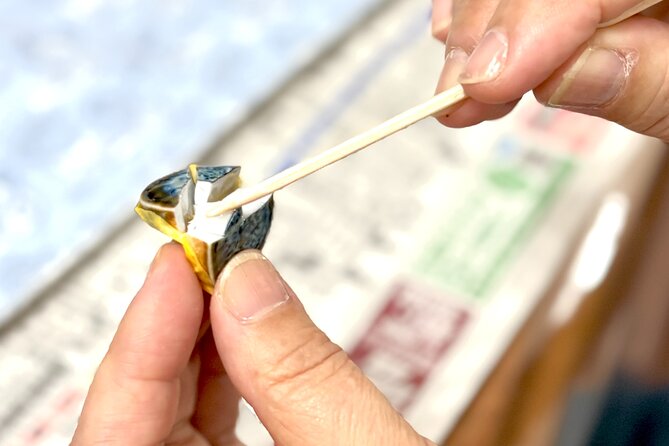
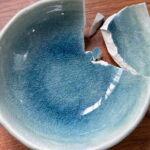
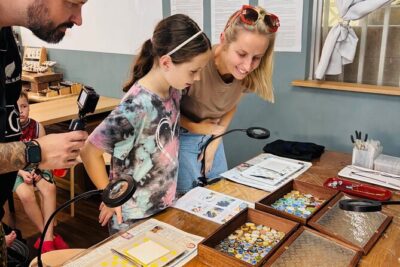
You start with a ceramic piece that’s already prepared for the workshop. Then you learn a simplified Kintsugi process using gold or silver-colored lacquer. That means you can focus on the craft and the design choices without having to be an expert first.
By the end, you assemble your own accessory. The workshop is set up so most people end with a necklace or a bracelet that feels personal, because you chose the piece and you made the joins and assembly your own way.
Finding Urushi Studio Kodemari in Naha, and what the first minutes feel like
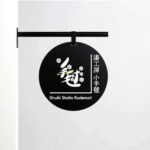
The meeting point is at 漆工房 小手毬, also listed as Urushi Studio Kodemari, 2-chōme-16-6 Maejima, Naha, Okinawa 900-0016, Japan. The location is described as near public transportation, which matters in Naha where getting around can be as much about timing as distance.
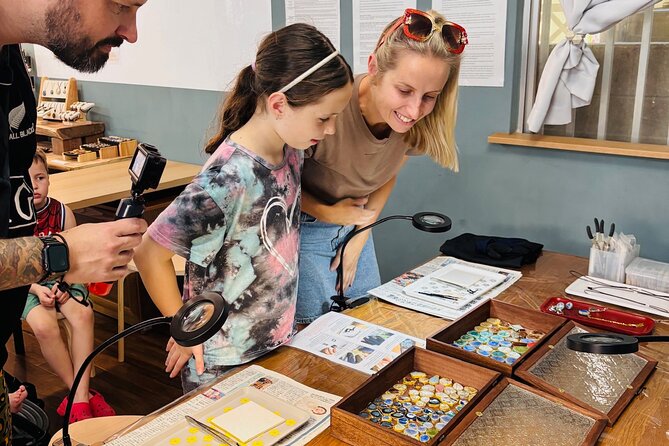
When you arrive, the vibe is meant to be peaceful. The whole experience is built around hands-on repair, with guidance from instructors who keep things clear and supportive. In the feedback I’m using to guide this review, guests repeatedly single out how friendly the team is, including names like Mia, Asa, Mayo, and Keiko. That kind of welcome is not just nice, it affects the quality of your result. If you feel comfortable, you slow down at the right moments and you pay attention to detail.
You’ll also want to plan on being present for the full 1 hour 30 minutes. This isn’t a drop-in show where you wander around. It’s a working session, and that’s exactly where the value comes from.
Step one: picking your ceramic piece and learning the simplified Kintsugi method
Here’s what makes this workshop practical: you don’t have to start from scratch with your own broken pottery. Instead, you choose from pre-prepared ceramic pieces. That removes a big headache. You can show up as a normal traveler with curiosity, not a bag of ceramics.
Next, your instructor explains the simplified Kintsugi technique. The key detail is that the workshop uses gold or silver-colored lacquer. That matters for two reasons.
First, it keeps the experience beginner-safe. You’re working with materials meant for this kind of class, not something too advanced to learn in a short session.
Second, it gives you an immediate look at the Kintsugi effect. When the golden or silver joinery lines take shape, it stops being abstract. You can see the philosophy, right on the ceramic.
Your instructor will show you the steps, then guide you through making your own joins and assembling the accessory. The class is designed so you can follow along without prior art experience.
Make something to take home. Other workshops
- Kintsugi Workshop in Naha, Okinawa★ 5.0 · 79 reviews
- Kintsugi Experience in Naha, Okinawa – Art from Broken Pieces!★ 5.0 · 28 reviews
Turning mended ceramic into a necklace or bracelet
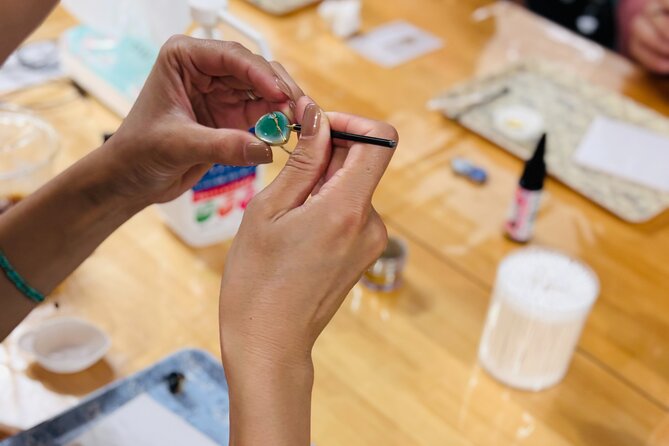
Once you’ve done the repair work, the session shifts toward transforming your finished ceramic piece into wearable art.
The workshop focuses on assembly into a necklace or bracelet. That’s a smart choice for travelers because it’s a complete outcome in one sitting. You’re not waiting for a multi-day drying or a follow-up visit. You’re meant to leave with your finished accessory as a take-home souvenir that feels genuinely made by you.
As you work, you’ll likely appreciate how the class nudges you toward design decisions. Even with pre-prepared pieces, you still get to make choices through your accessory style and how the final joinery lines visually read as part of the whole piece.
This is also where the meditative side shows up. You are doing careful, repetitive work that rewards patience. If you tend to rush on tours, this one actually trains you to slow down. And that’s a nice break from the usual checklist of sights.
What Kintsugi means here: resilience, beauty, and a different way to look at damage
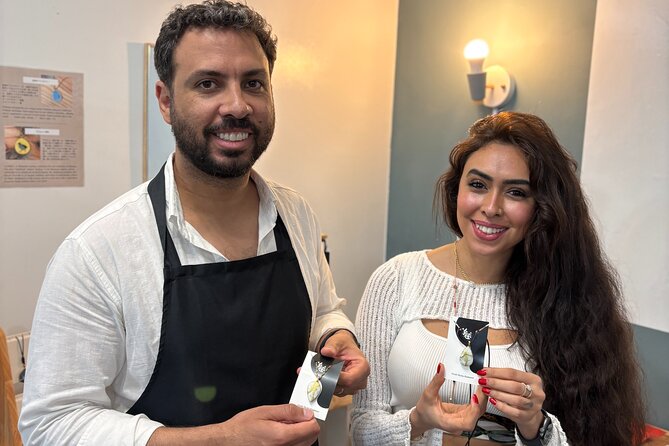
Kintsugi is often described as art, but it’s also a philosophy. The simple version is: if something breaks, you don’t have to hide the evidence. You can honor it.
In this workshop, that idea becomes tactile. You’re not just told to appreciate imperfection. You are literally creating it into the design through gold or silver-colored joinery. The broken line becomes a feature, and the repair becomes part of the story.
That matters when you’re traveling, because travel can make you feel like you’re always collecting new things. A Kintsugi piece flips that. It’s a reminder that transformation can happen to what’s already damaged. It’s a small story you can wear on your wrist or keep close around your neck.
Guests also call the experience therapeutic and meaningful, and that tracks. When you’re focusing on one careful task, the workshop becomes a break for your brain, not just a craft activity.
Price and value: is $50.30 worth 1 hour 30 minutes?
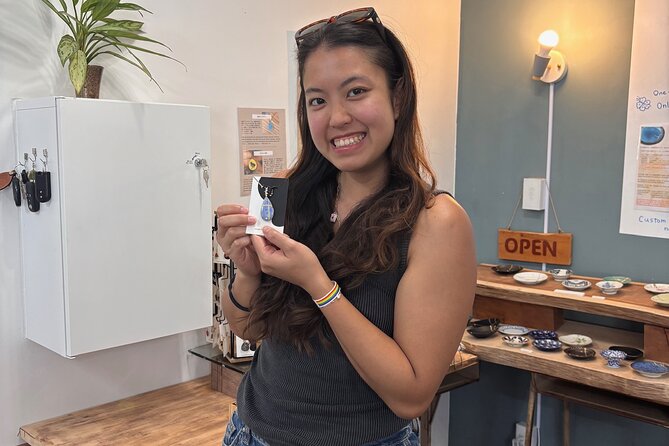
At $50.30 per person, this sits in the sweet spot for a short, hands-on cultural workshop. The value is strongest because the price includes tools and materials, and you take home a one-of-a-kind accessory.
Let’s translate that into traveler value:
- You’re paying for instruction plus materials, not just admission to a studio.
- You’re paying for a finished souvenir, not a potentially incomplete craft.
- You’re paying for small-group attention, up to 8 people, which helps if you want to understand what you’re doing, not just copy it.
The 1 hour 30 minutes also helps. It’s long enough for real making, but short enough to fit into a day in Naha without rearranging everything.
If you’re deciding between a quick shop stop and a hands-on workshop, I’d pick this kind of experience when you want something personal and cultural. It’s more memorable than a mass-produced item, and it carries meaning beyond the photo.
Timing, pacing, and group size: why the class feels workable
A few practical notes make this easier to plan.
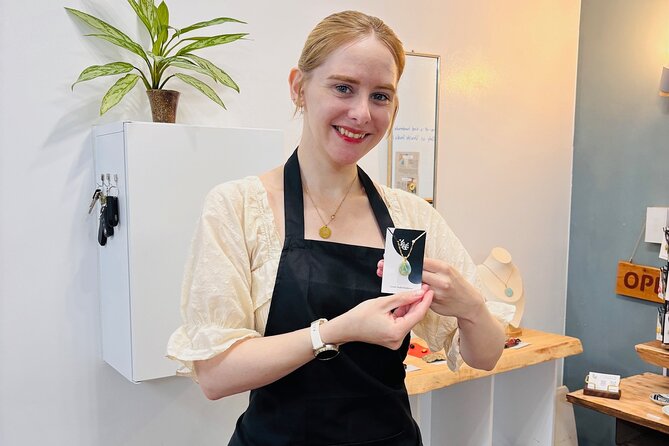
The maximum group size is 8 travelers. In a workshop like Kintsugi, that small number is a big deal. It usually means you get attention when you have questions, and your instructor can check your technique without everyone waiting.
Most travelers can participate, and the workshop is designed for beginners. That means you don’t need confidence in art skills. What you need is patience and a willingness to try a careful, slow process.
Also, the workshop uses a mobile ticket. That’s handy on the road, since you don’t have to worry about printing. And confirmation is received at the time of booking.
Who should book this Kintsugi accessory experience
This workshop is a strong match if you want:
- A meaningful Okinawa cultural activity that isn’t just sightseeing
- A hands-on project you can actually finish in one session
- A souvenir that you can wear, something with story value
- A calming experience that doesn’t require previous art knowledge
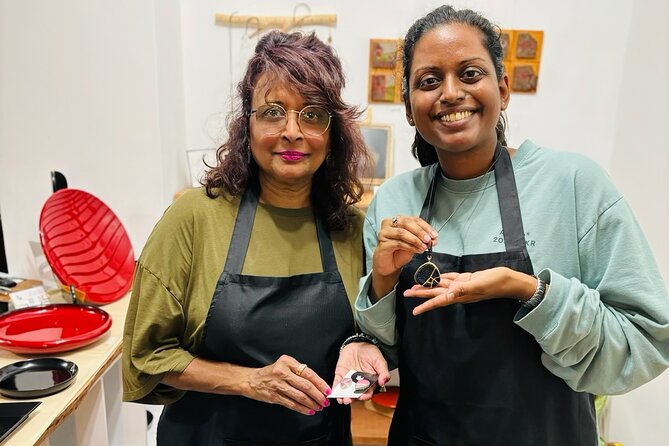
It’s also a good fit for couples. One couple-focused comment in the feedback highlights doing it as a pair and both enjoying the process and philosophy. It can work just as well solo, since small groups and instructor guidance generally keep you from feeling lost.
Consider this less ideal if you’re looking for a broad, long walking tour or lots of outdoor viewing. This is studio-based making. You’ll get cultural meaning, but you won’t get a scenic driving route or a multi-stop itinerary.
Should you book the Okinawa Kintsugi Experience in Naha?
Yes, if you want a small, genuine experience in Naha that blends craft with philosophy, this is a booking-worthy choice. The combination of step-by-step instruction, beginner-safe materials (gold or silver-colored lacquer), and the fact that you leave with a necklace or bracelet makes it feel like real value.
One more reason I lean toward recommending it: the class seems to earn strong satisfaction, with a 4.7 rating and a 92% recommendation rate. And people consistently highlight how welcoming the team is, with names like Mia, Asa, Mayo, and Keiko coming up in the feedback.
Book it if you’ll be in Naha and you have 1 hour 30 minutes to slow down. Skip it only if you strongly prefer activities that are primarily outdoors or if you want to work from your own broken pottery, since this experience starts with pre-prepared ceramic pieces.
FAQ
What is the duration of the Kintsugi accessory experience?
It runs about 1 hour 30 minutes.
How much does the experience cost?
The price is $50.30 per person.
Where do I meet for the workshop in Naha?
You meet at 漆工房 小手毬 Urushi Studio Kodemari, 2-chōme-16-6 Maejima, Naha, Okinawa 900-0016, Japan.
What will I create during the class?
You’ll repair a ceramic piece using Kintsugi techniques and turn it into a wearable accessory such as a necklace or bracelet.
Do I need prior art or Kintsugi experience?
No. It’s beginner-friendly, and the instruction is designed for people with no prior experience.
What materials are used for the Kintsugi repair?
You’ll use gold or silver-colored lacquer for simplified Kintsugi techniques.
Are tools and materials provided?
Yes, all tools and materials are provided.
How large is the group?
The class has a maximum of 8 travelers.
How does the ticket work?
You receive a mobile ticket.
Can I cancel and get a refund?
Yes. Free cancellation is available if you cancel at least 24 hours before the experience’s start time for a full refund. If you cancel less than 24 hours before, the amount paid is not refunded.
Made by Hand, and Yours to Keep
Okinawa, Island by Island



Newest Naha write-ups from the Loving Japan desk



Okinawa Islands and Beaches, side by side.
 ★ 5.0Official Street Go-Kart Tour – Okinawa ShopFrom $36699 reviews
 ★ 4.4Naha: North Okinawa Sightseeing Tour & Churaumi AquariumFrom $50472 reviews
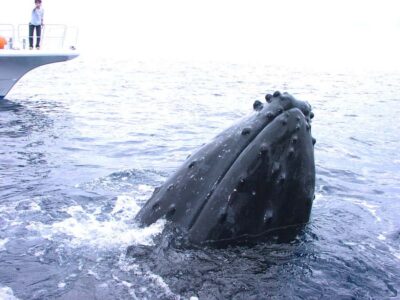 ★ 4.4From Naha: Kerama Islands 1-day snorkeling tourFrom $81423 reviews
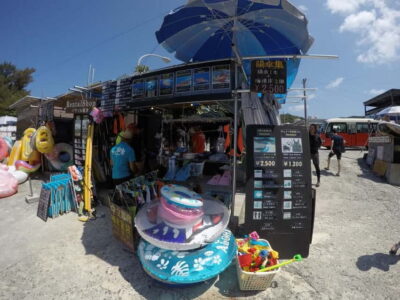 ★ 4.3From Naha: Tokashiki Island Day Trip by BoatFrom $58385 reviews
 ★ 4.7Naha, Okinawa: Keramas Island Snorkeling Day Trip with LunchFrom $70370 reviews
 ★ 5.0[Miyako Island/Half Day] Sea Turtle SnorkelingFrom $45337 reviews
 ★ 5.0Okinawa Ishigaki Blue Cave Snorkeling TourFrom $45332 reviews
 ★ 4.5Snorkeling in the Blue Cave area【Okinawa Prefecture: Free feeding & photo images!English and Chinese speaking guide available!From $19249 reviews
Filed on these lists too