
REVIEW · ASAKUSA, SENSO-JI AND TOKYO SKYTREE
Asakusa: Tokyo Skytree Exploration and History Tour
Asakusa tells Japan in walking distance. This guided tour uses real streets and landmarks to explain how Japan went from isolation to opening up, then sends you to Tokyo Skytree for big-city views from 350m and 450m above the ground.
I especially love the way the guide makes symbols make sense. Stops like Kaminarimon and Senso-ji are more than photo backdrops, they become clues to religion, culture, and global history. I also like the small-group feel, with guides like Machiko and Keiko using the headset system to answer questions and keep the pace workable, even on hot days.
One thing to consider is that it is a lot of walking and stair climbing. If the weather is cold, rainy, or you just prefer slower routes, you may want to plan for extra breaks and comfortable shoes.
In This Review
- Key points worth getting excited about
- Why start in Asakusa before Tokyo Skytree
- From Kaminarimon to Senso-ji: history you can point at
- Kaminarimon Gate
- Nakamise Street
- Hōzōmon Gate and Senso-ji Temple
- Asakusa Shrine
- The Sumida River crossing that bridges old Tokyo and new Tokyo
- Tokyo Skytree at 350m and 450m: what you really get up there
- Let your guide point out the city
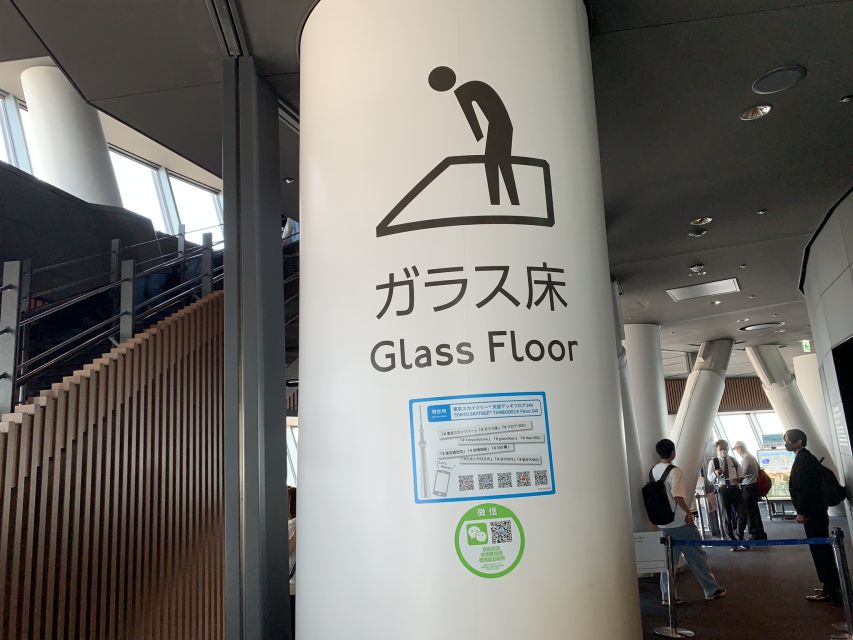
- The glass floor
- Photos, postcard, and small souvenirs
- Pace, comfort, and small-group reality
- Price value: what $116 covers and why it can be worth it
- Should you book this Asakusa and Skytree tour?
- FAQ
- What is the meeting point for the tour?
- How long is the tour?
- What is included in the price?
- Is the train fare included?
- Do I need to buy Tokyo Skytree tickets in advance?
- What languages are offered?
- What happens if I cancel?
Key points worth getting excited about
- Big-picture history on foot: You connect Asakusa landmarks to Japan’s isolation and reopening story.
- Meaning over selfies: Religion, symbolism, and world history are explained at the places you actually see.
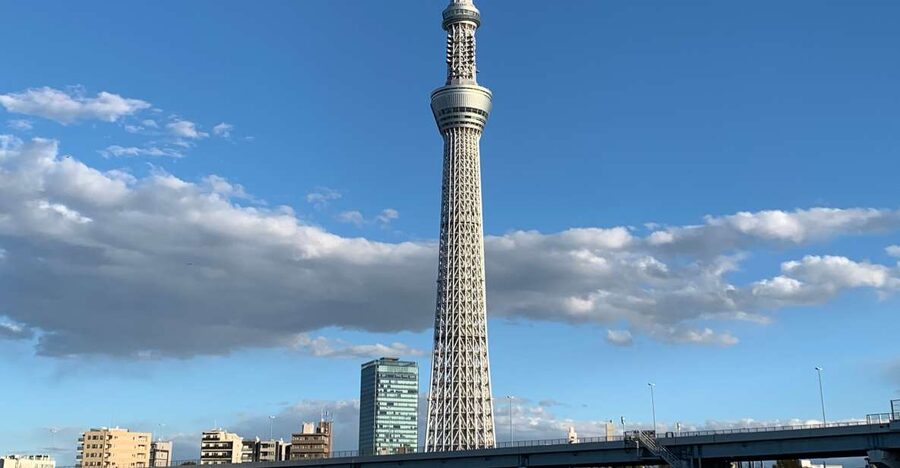
- Tokyo from real height: Observation decks at 350m and 450m help you orient the city.
- Glass floor moment: Step onto the glass floor for a look straight down at the streets below.
- Skytree extras: Option for a downloadable commemorative photo plus a Skytree-exclusive postcard.
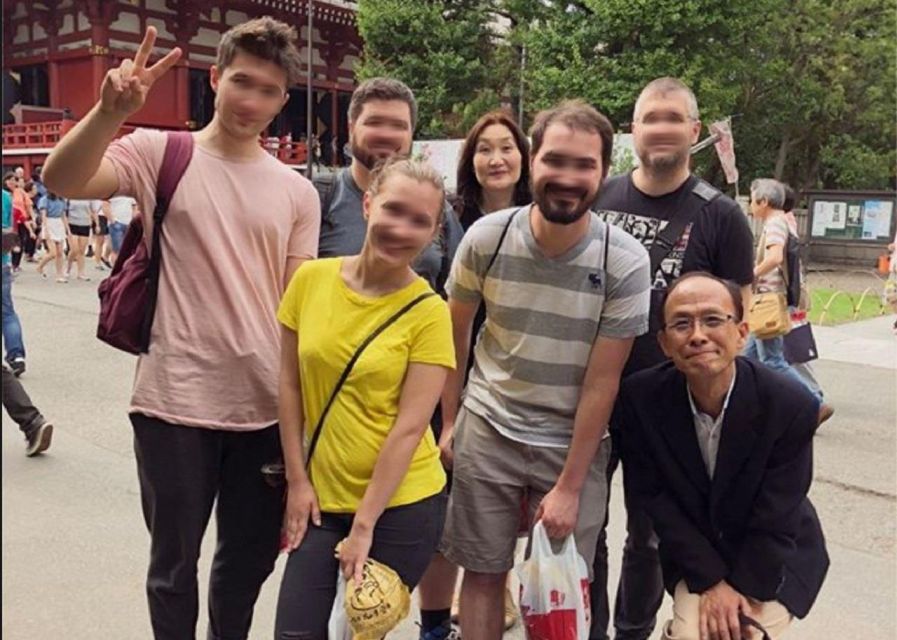
- Small group, limited to 8: It stays interactive, and your guide can actually respond to questions.
Why start in Asakusa before Tokyo Skytree
Tokyo Skytree is the headline. But the Asakusa walk is the reason the day feels complete.
Asakusa sits along the Sumida River, where you can literally follow the story of old Tokyo. On this tour, I like that you are not just checking off famous spots. You are learning how a feudal society and its religious culture helped shape Japan, and then how the country was pushed to reopen to the world. The guide ties that bigger story to the specific places you pass, so you leave understanding what you saw, not just that you saw it.
This matters because Tokyo can feel like a blur of neighborhoods that all look new. Here, you get a grounded start. The old Tokyo bits around Asakusa make the modern Tokyo moments at Skytree land differently.
From Kaminarimon to Senso-ji: history you can point at
The walking portion is built around landmark meaning, and it is done in a way that helps you keep track even in a crowded area.
Kaminarimon Gate
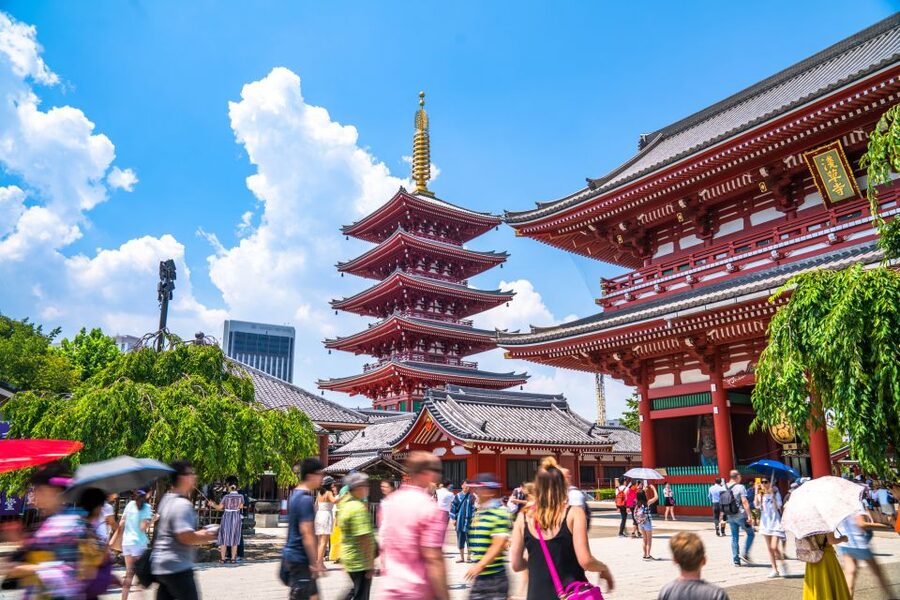
Kaminarimon is one of those places where people go for photos without reading the signposts. The guide helps you understand what you are looking at and why the gate matters as a gateway into the temple complex. Think of it as the tour’s front door. Once you understand the symbolism here, everything inside the temple area makes more sense.
Nakamise Street
Nakamise Shopping Street is the classic approach to Senso-ji Temple. You get time to stroll along the shopping street while your guide keeps explaining what you are seeing. In some groups, guides also work in small tastings from the market area, which is a fun way to slow down and enjoy the local rhythm instead of just walking through.
A practical note: this is a shopping street in a busy temple zone. If you get motion-sick or hate shoulder-to-shoulder crowds, you will still enjoy it, but you may want to treat it as “browse with breaks,” not “shop until you drop.”
Hōzōmon Gate and Senso-ji Temple
After Nakamise, you continue through gate after gate. The tour uses these transitions to teach the logic of the sacred space: where you are moving, why it is structured that way, and what it signals.
Senso-ji is the heart of it all. The guide focuses on religion and symbolism, so you understand the place as a living cultural center. This is also one of those moments where the guide’s explanations make you look more carefully at details you might otherwise skip.
Asakusa Shrine
Then you round out the area with Asakusa Shrine. By the time you reach this stop, you have enough context from the temple side to notice the differences in tone and purpose. It helps you feel the area as a broader cultural district, not a single attraction.
The Sumida River crossing that bridges old Tokyo and new Tokyo
One of my favorite “story beats” in this tour is the moment you leave Asakusa and move toward Tokyo Skytree.
After the Asakusa history walk, you take a short two-minute train ride across the Sumida River. It is brief, but it works as a mental reset. You go from historic temple streets into the modern skyline focus. And because the walk already gave you the big-picture context, the shift from old Tokyo to new Tokyo feels intentional, not random.
Small heads-up: train fare of JPY160 from Asakusa Station to Tokyo Skytree Station is not included. This is worth budgeting so you are not scrambling at the station.
Tokyo Skytree at 350m and 450m: what you really get up there
Skytree is visually impressive, yes. But the value here is how the view turns into orientation, thanks to your guide.
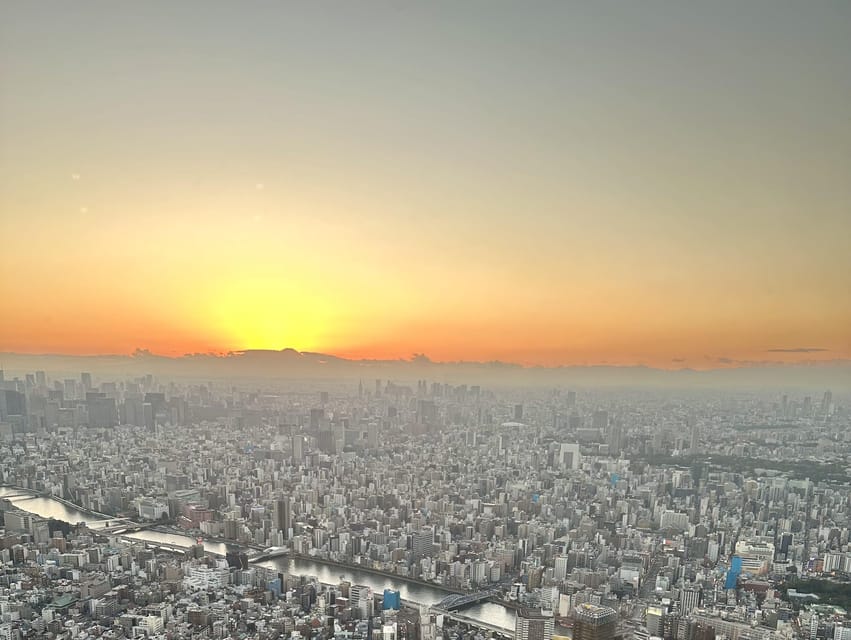
You ascend to both observation decks. First, you start at the Tembo Deck floor at 350m. Then you go up to the Tembo Galleria at 450m. The difference in altitude changes how you read the city. From higher up, the major districts spread out more clearly, and it is easier to understand where things sit in relation to each other.
Let your guide point out the city
A common highlight from groups is that the guide helps identify major landmarks across the vast metropolis. That is a big deal for first-time Tokyo visitors. Without help, Skytree views can stay generic. With help, you start mapping Tokyo in your head.
The glass floor
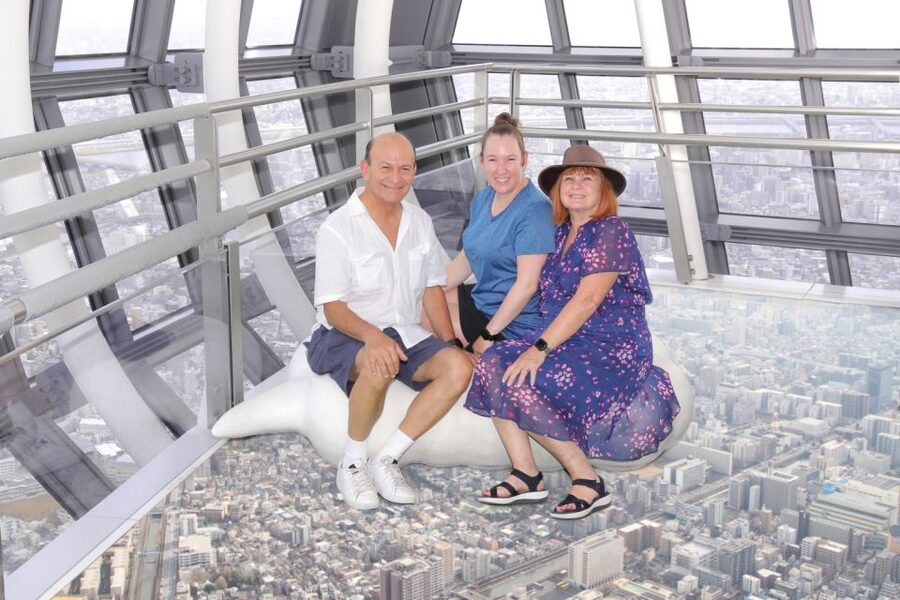
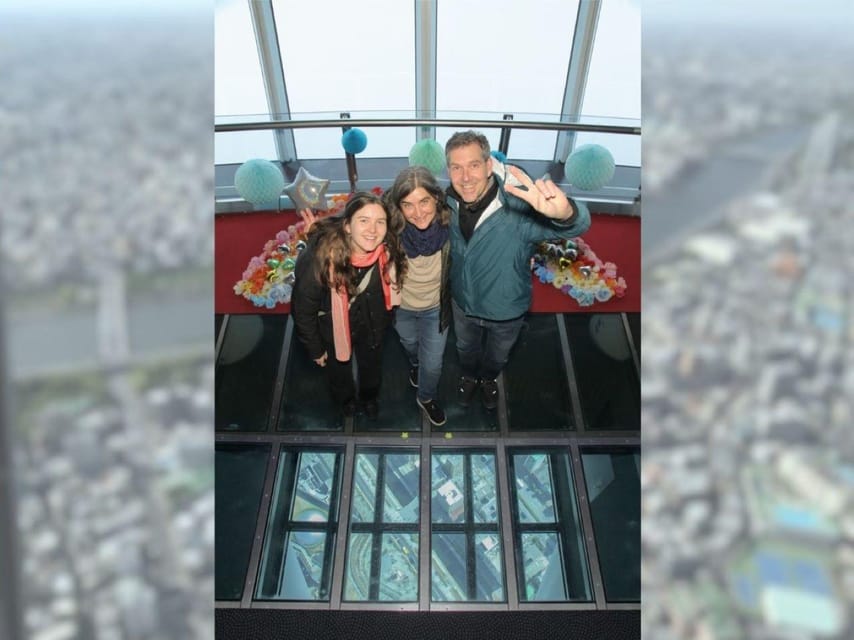
Then there is the glass floor. The experience is simple: step out, look straight down at the streets below, and feel that small thrill that comes from height. If you want a memorable “I did something” moment, this is it.
Photos, postcard, and small souvenirs
There is an option for a commemorative photo, plus a downloadable copy. You can also send a Skytree-exclusive postcard to anywhere in the world. If you like collecting proof that your day happened, these add a tangible touch beyond just “I saw the view.”
And once you descend, you get free time to explore the shopping complex at the base of the tower. This is where you can pick up souvenirs and snacks without turning your day into an extra commute.
Pace, comfort, and small-group reality
This is a small-group tour limited to 8 participants, run in English with a live guide and an included English audio guide. I like this setup because it reduces friction. When the crowd surges, you can still hear the key points through the headset system.
Guides such as Yasu, Aki, and Keiko have been praised for being caring about comfort and for making the walk feel un-rushed. One group even noted the guide making room for rest and drinks when it was around 30 C and sunny. That kind of practical pacing matters on a day that includes stairs, gates, and a tower entry.
Still, there are a couple of things to plan around:
- It is outdoors and you move through areas with lots of steps.
- If your guide’s voice is softer, you may need to stay closer for best audio clarity.
My suggestion: wear shoes that handle uneven stone and expect vertical movement. If you hate carrying a bag all day, travel light. You will appreciate the flexibility when shopping time or breaks pop up.
Price value: what $116 covers and why it can be worth it
At $116 per person for 210 minutes, the price makes sense if you treat this as more than “a ticket to Skytree.”
Here is what is included:
- Entrance tickets to the lower and upper observation decks of Tokyo Skytree
- A live English guide for the Asakusa history walk and Skytree portion
- Skip the ticket line
- English audio guide
What is not included:
- Hotel pickup and drop-off
- Train fare of JPY160 for the hop between stations
So, you are paying for an organized, guided day that blends history explanations, timed movement through major sites, and two observation decks. For many visitors, that is the sweet spot: you skip the guesswork, you get interpretation at the key moments, and you still have a chance to roam at the top and at the base.
If you were doing this alone, you would still spend time figuring out where to start in Asakusa, how to order the sites, and how to make Skytree more than a viewpoint. This tour tries to remove that friction.
Should you book this Asakusa and Skytree tour?
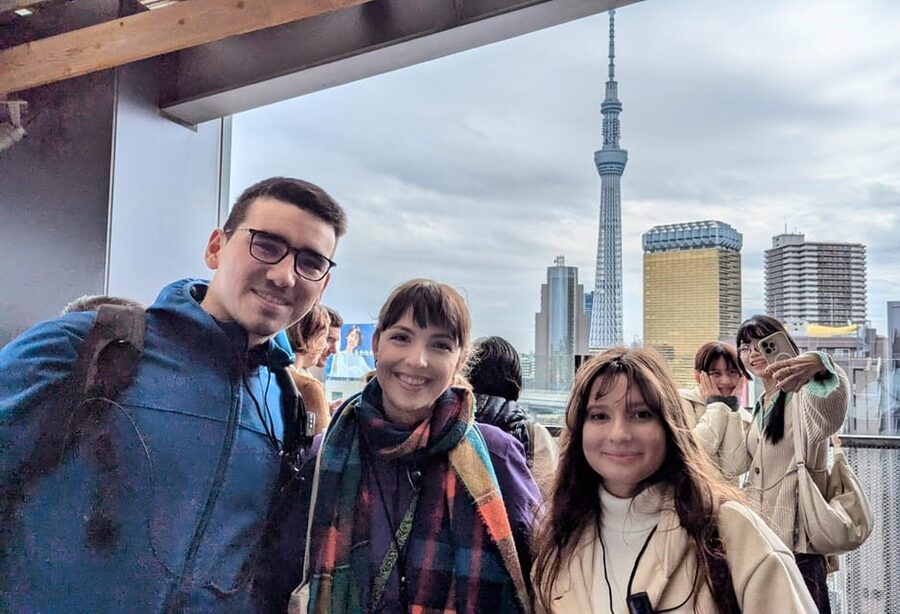
Book it if you want a day that feels like a story. You like when guides connect what you see to why it exists, and you want more than a checklist of photos. The small group size, the focus on landmark meaning, and the guided orientation from Skytree’s heights are the reasons this works for many first-timers.
I would pass if you want total freedom and minimal walking. This is structured, and it includes temple-gate walking plus tower time. Also, because it involves sightseeing in real weather, bring layers and be ready for crowds around the popular temple approach streets.
If you are on the fence, here is the simple decision rule I use: if you care about understanding Japan beyond surface-level sightseeing, you will get your money’s worth from the Asakusa portion. And if you want the 350m and 450m views without wasting time at the ticket line, Skytree seals the deal.
FAQ
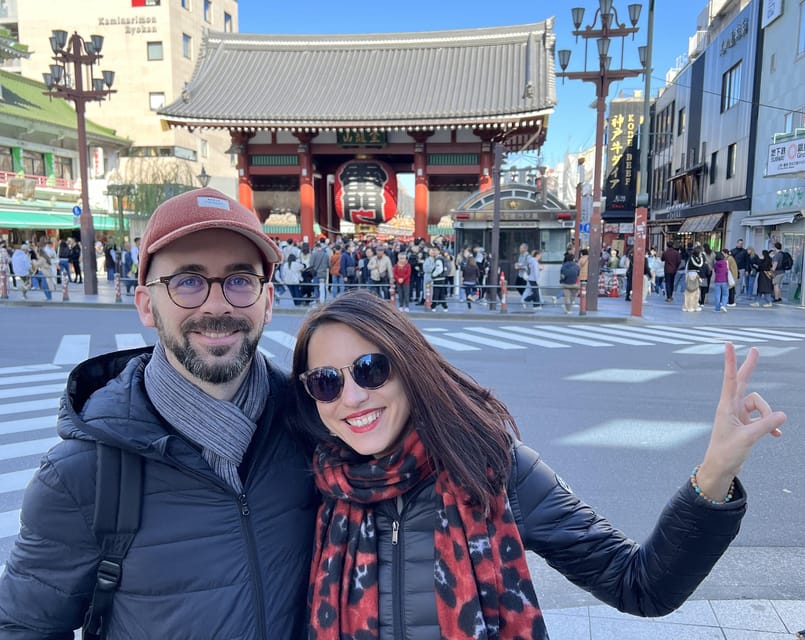
What is the meeting point for the tour?
Meet in front of the Burger King restaurant right next to Exit 4 of Asakusa subway station on the Ginza line (G19).
How long is the tour?
The experience runs for 210 minutes.
What is included in the price?
Entrance tickets to the lower and upper observation decks at Tokyo Skytree are included, along with a live English guide and an English audio guide. The tour also skips the ticket line.
Is the train fare included?
No. Train fare of JPY160 from Asakusa Station to Tokyo Skytree Station is not included.
Do I need to buy Tokyo Skytree tickets in advance?
It is always advisable to buy the tickets online as early as possible, because on-the-spot purchases may involve waiting. The tour notes that online tickets are non-cancelable and have non-changeable dates, and they buy the tickets after the free cancellation period is over.
What languages are offered?
The live tour guide is English, and an English audio guide is included.
What happens if I cancel?
The activity is listed as non-refundable.
Asakusa, Senso-ji and Tokyo Skytree, side by side.
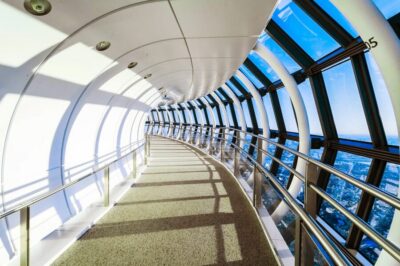 ★ 4.5TOKYO SKYTREE® Admission ticketFrom $1311,192 reviews
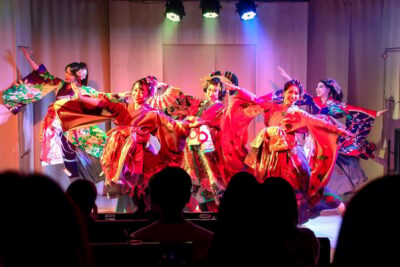 ★ 4.8Japanese Dance Cabaret Theater Asakusa-Kaguwa TicketFrom $492,270 reviews
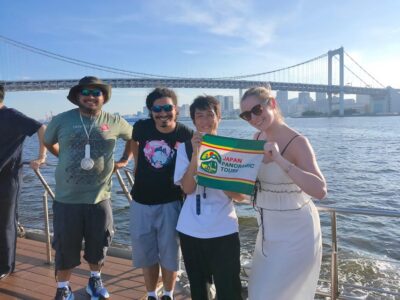 ★ 4.7Meiji Shrine, Asakusa, Skytree Bus Tour and CruiseFrom $1221,986 reviews
 ★ 4.9Roll and Authentic Sushi Making Class in AsakusaFrom $581,957 reviews
 ★ 4.8Asakusa Walking Tour with Sensoji Temple VisitFrom $221,583 reviews
 ★ 5.0Tokyo Asakusa Rickshaw TourFrom $421,375 reviews
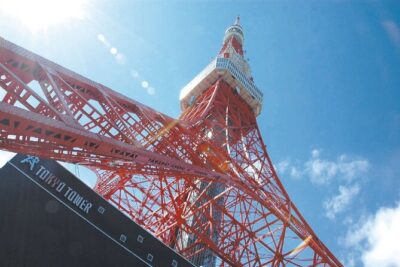 ★ 4.5Tokyo Panoramic 1 Day: Meiji Shrine, Asakusa, Odaiba and SKYTREE®From $851,222 reviews
 ★ 5.0Tokyo Go Kart: Asakusa, Skytree, and Akihabara **IDP MUST**From $99988 reviews
Filed on these lists too