
REVIEW · ASAKUSA, SENSO-JI AND TOKYO SKYTREE
Tokyo: Asakusa Walking Tour with Sensoji Temple Visit
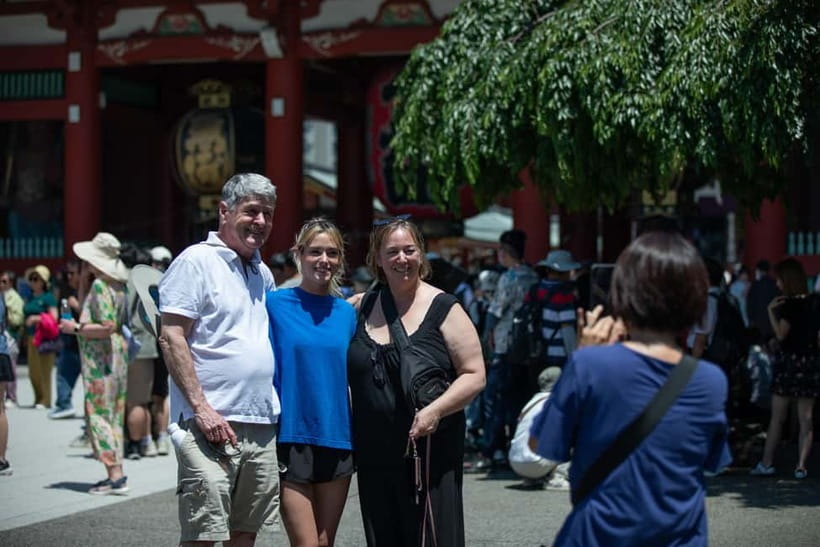
Asakusa starts where Tokyo feels real. In this 2-hour walk, you go from Kaminarimon to Sensō-ji and then into the shopping lanes that locals actually use, guided by people like Aya, Keiko, and Polina who know how to explain what you’re seeing.
I especially like two parts: the incense and temple rituals at Sensō-ji with clear context, and the way you also get time for Nakamise shopping streets instead of turning it into a photo sprint.
One possible drawback is simple, crowds. The area is busy and the schedule is tight, so if you want long, slow museum-style time in one spot, this is more of a focused orientation than a deep sit-down experience.
In This Review
- Key highlights worth showing up for
- Meeting at Kaminarimon Gate, and why that first 10 minutes matters
- Thunder Gate to Nakamise Street, old Tokyo’s snack and souvenir rhythm
- Sensō-ji Temple visit, incense rituals and what to actually look for
- Asakusa Shrine photo stop, the Shinto contrast that makes the area make sense
- Hoppy Street and Shin-Nakamise, when the tour becomes about the neighborhood
- Finishing at Azuma Bridge, and using the location for the rest of your day
- Price and value for a 2-hour guided taste of old Tokyo
- Guide quality is the real “upgrade,” from Aya to Keiko to Hiroko
- Who should book this Asakusa and Sensō-ji tour, and who might skip it
- Should you book this Asakusa and Sensō-ji tour?
- FAQ
- How long is the Tokyo Asakusa Walking Tour with Sensoji Temple visit?
- How much does the tour cost?
- Is the tour guided in English?
- Where do I meet the guide?
- Where does the tour end?
- Is the tour wheelchair accessible?
- What is included in the price?
- Can I cancel and get a full refund?
- Is there a reserve now, pay later option?
Key highlights worth showing up for
- Thunder Gate first, so you understand the temple story before you enter.
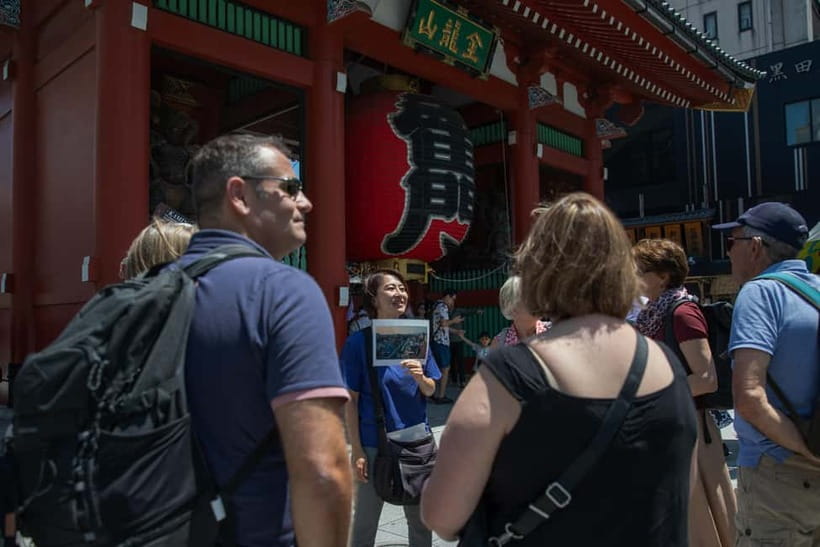
- Sensō-ji with incense rituals plus guided explanation and a proper photo window.
- Nakamise Street shopping lanes, where traditional snacks and craft stalls shape the walk.
- Asakusa Shrine nearby, giving you a Shinto contrast right alongside the big Buddhist temple.
- Hoppy Street and Shin-Nakamise, which shift the vibe from landmark sightseeing to neighborhood life.
- Finish at Azuma Bridge, making it easy to plan lunch or keep exploring the river area.
Still on the Sumida side? A few more Asakusa options
- Tokyo: Japanese Dance Cabaret Theater Asakusa-Kaguwa Ticket
★ 4.8 · 2,270 reviews - Tokyo: Meiji Shrine, Asakusa, Skytree Bus Tour and Cruise
★ 4.7 · 1,986 reviews - Tokyo: Roll and Authentic Sushi Making Class in Asakusa
★ 4.9 · 1,957 reviews - Tokyo: Asakusa Walking Tour with Sensoji Temple Visit
★ 4.8 · 1,583 reviews
Meeting at Kaminarimon Gate, and why that first 10 minutes matters
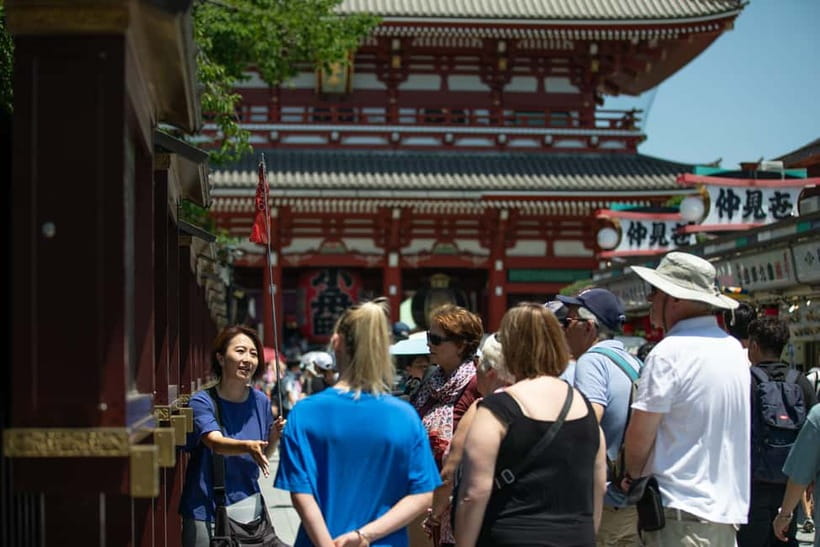
You meet in front of Kaminarimon Gate, on the left side, near Tokiwado Kaminari-okoshi Honpo. Your guide will be holding a sign, and the meeting point is close enough that you should be able to spot them fast.
That early start is more than convenience. When a guide like Aya or Hiroko sets the scene right at Kaminarimon, the rest of the walk clicks. You’re not just looking at an iconic entrance, you’re hearing what it represents before you get swept up in the crowd.
Thunder Gate to Nakamise Street, old Tokyo’s snack and souvenir rhythm
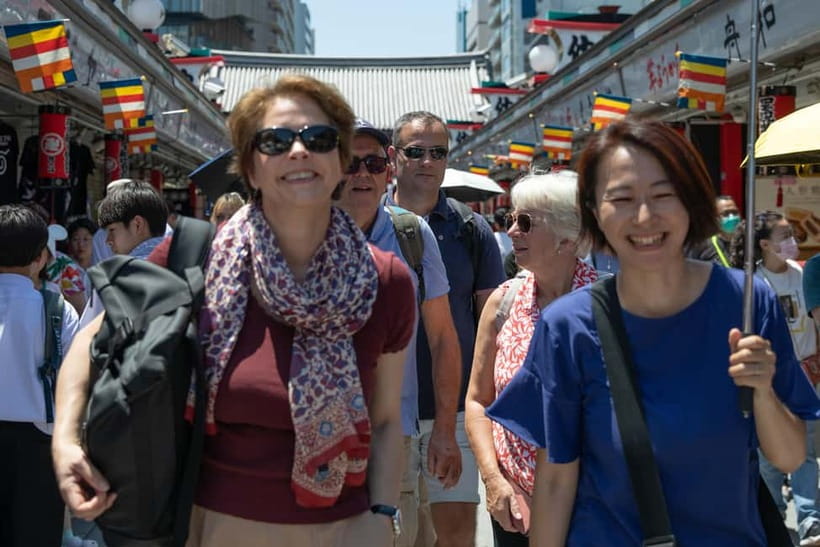
From the gate area, you walk into Nakamise Shopping Street for a guided stop. This street is one of the older shopping corridors in Japan, and it shows up in your senses immediately, smells from food stalls and the visual rhythm of rows of shops.
I like that the guide doesn’t treat Nakamise as background. You get nudges about what to notice, what kinds of items tend to be traditional, and how to keep your bearings without feeling lost. Even if you don’t buy anything, it helps you read the street like a local market lane, not a random tourist corridor.
Watch for the common issue in Asakusa: people stop dead for photos. A good guide keeps the group moving and gives you short, timed windows to look around, which makes the walk feel smooth rather than frantic.
Sensō-ji Temple visit, incense rituals and what to actually look for
Sensō-ji, also known as Asakusa Kannon, is Tokyo’s oldest-established Buddhist temple. The tour brings you in with a guided visit and photo time, then gives you a block of free time so you can linger.
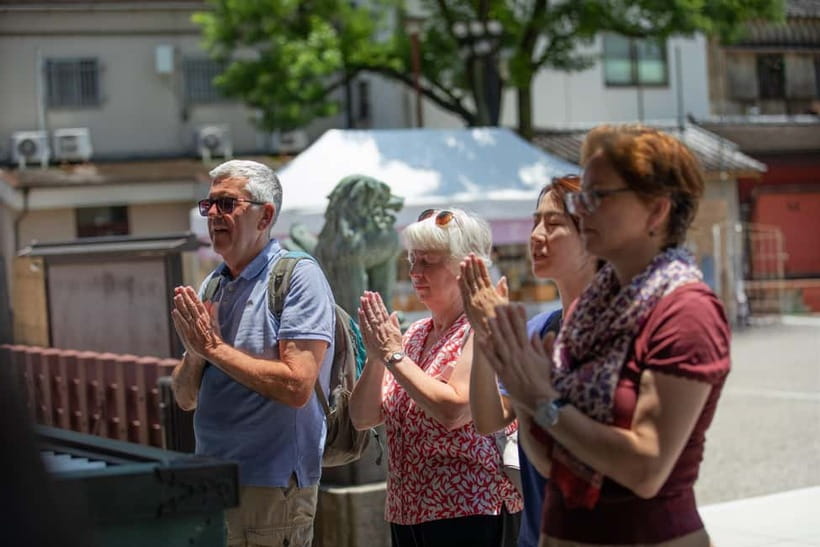
One of the best moments is the incense-burning experience. Your guide helps you understand what you’re seeing and why it’s done, so the ritual doesn’t feel like a weird tourist performance. You can participate with more confidence, and you’ll know what to look for in the temple setting while you’re there.
You also get enough time to do the two essential things: take photos and slow down for details. The free time window at Sensō-ji gives you a chance to step back from the main flow and actually notice architectural details and the way people move through the space.
If you’re sensitive to crowds, plan your expectations. This area can feel packed, and that can affect how long you can spend at any single spot, even with free time. Still, a guide makes a big difference by pointing you toward the spots that are worth your attention.
- Mt Fuji and Hakone 1-Day Bus Tour Return by Bullet Train★ 5.0 · 26,383 reviews
- 1-Day Tokyo Bus Tour★ 5.0 · 14,250 reviews
- Tokyo: teamLab Planets TOKYO Digital Art Museum Entry Ticket★ 4.6 · 9,779 reviews
- Mt Fuji & Hakone Cruise, Drum Show Bullet Train 1 Day from Tokyo★ 4.0 · 7,413 reviews
- Tokyo: Shinjuku Food Tour (13 Dishes at 4 Local Eateries)★ 5.0 · 6,603 reviews
Asakusa Shrine photo stop, the Shinto contrast that makes the area make sense
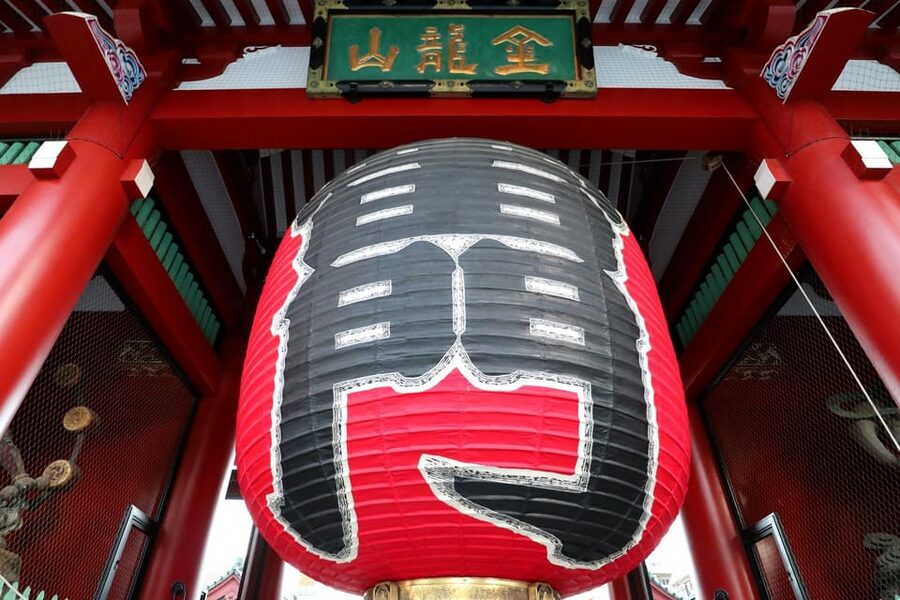
After Sensō-ji, the tour includes a stop for Asakusa Shrine. You’ll get a photo moment and guided context before moving on.
I find this stop helps you understand Asakusa as more than one religion-themed postcard. Seeing a Shinto shrine close to the major Buddhist temple reinforces how Tokyo’s spiritual landscape can overlap in real neighborhoods, not in separate theme parks. If you’ve been trying to decode how Japan handles religion in daily life, this quick contrast is genuinely useful.
It’s also a breather in the schedule. By the time you reach the shrine, you’ve already absorbed the big temple, so you can approach this stop more calmly and look at it as a companion landmark.
Hoppy Street and Shin-Nakamise, when the tour becomes about the neighborhood
Next is Hoppy Street, followed by a visit to Shin-Nakamise Shopping Street. These are the parts that help the tour feel like more than a straight line from monument to monument.
Hoppy Street adds a different texture to Asakusa. It’s where you start to sense the local routine, and the vibe shifts from worship-focused spaces into everyday eating and meeting places. Then Shin-Nakamise gives you extra shopping-lane time, which matters if you’re the type who likes to pick up a few edible souvenirs or browse traditional crafts.
Two practical reasons this section is valuable:
- It gives you a sense of where you might return later for lunch or a snack.
- It helps you understand Asakusa as a lived-in district, not only a one-time sightseeing stop.
Finishing at Azuma Bridge, and using the location for the rest of your day
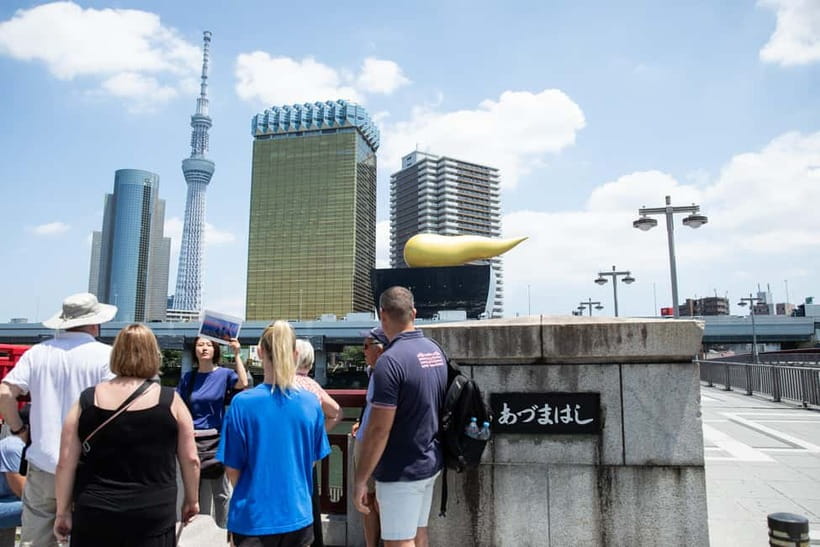
The tour ends at Azuma Bridge. That finish point is helpful because it gives you a natural next step, whether you want river views, a different neighborhood direction, or a straightforward lunch plan nearby.
I like tours that don’t just dump you back at the starting point. Ending at Azuma Bridge helps you keep momentum, and it makes the two hours feel like an effective orientation to the area. From there, you can continue exploring without feeling like you still need to get your bearings.
Price and value for a 2-hour guided taste of old Tokyo
The price is $22 per person for a 2-hour guided walking tour. That’s not free, obviously, but it’s also not trying to sell you a long, expensive day.
Where the value shows up is in the guide role. You’re paying for someone to translate what you’re seeing at Sensō-ji and Kaminarimon, and to steer you through Nakamise and the side streets so you don’t waste time guessing. Guides like Loc and Rio are known for sharing practical pointers and answering lots of questions, which can make the experience feel less like sightseeing and more like learning what to look for.
This is also a short duration. Two hours is long enough to cover the key landmarks and shopping lanes, but short enough that you’re still able to use the rest of your day on your own terms.
Guide quality is the real “upgrade,” from Aya to Keiko to Hiroko
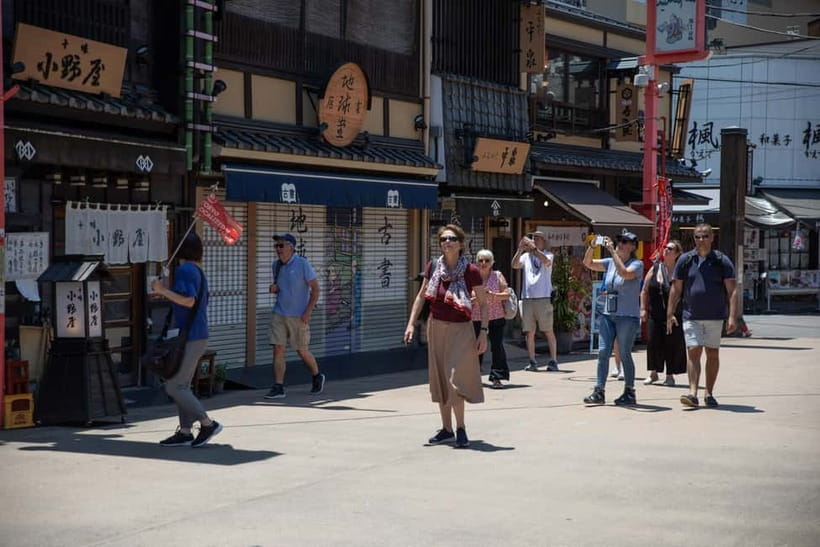
What makes this tour consistently work is the way guides handle questions and pacing. In groups where people included kids or teens, guides like Keiko were described as patient and aware of pace. Others like Hiroko and Polina were praised for clear English and a friendly style that keeps the group engaged.
You also get the kind of guidance that helps beyond the tour route. Multiple guides are noted for recommending where to eat after, and that can save you time when you’re hungry and the menus are overwhelming. If you’d rather spend your effort on the next great meal instead of research, this is a nice bonus.
Who should book this Asakusa and Sensō-ji tour, and who might skip it
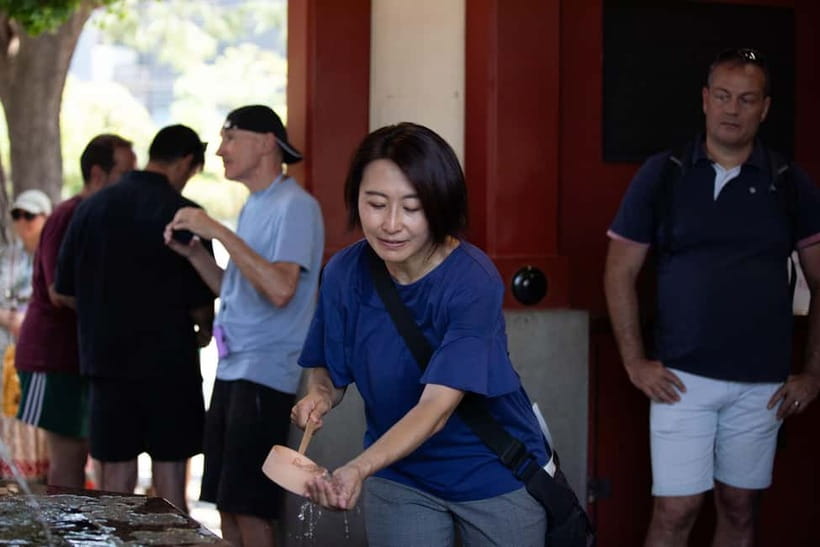
This tour is a strong match if:
- You’re new to Tokyo and want a quick, guided introduction to Asakusa traditions.
- You like temples but also want the street-life piece, the shopping lanes and snack stops.
- You enjoy learning the story behind landmarks, especially with guides who explain details and answer questions.
You might skip it if:
- You hate crowds and prefer quiet, independent exploring.
- You want a long, slow temple experience with lots of unstructured time, because the schedule is designed for a compact route.
Should you book this Asakusa and Sensō-ji tour?
Yes, if you want a smart two-hour start in Tokyo that combines Sensō-ji, Kaminarimon, and the shopping streets that make Asakusa feel like a real district. The guided explanations at the big spiritual sights help you enjoy the place more, and the shopping-lane stops help you turn that interest into a practical plan for snacks and lunch.
If you’re the type who loves wandering without any structure, consider doing Asakusa on your own later in the day. But for your first pass through the area, a guided walk like this is one of the most efficient ways to get oriented fast and still enjoy the details.
FAQ
How long is the Tokyo Asakusa Walking Tour with Sensoji Temple visit?
It lasts 2 hours.
How much does the tour cost?
The price is $22 per person.
Is the tour guided in English?
Yes, it includes a live tour guide in English.
Where do I meet the guide?
Meet in front of the Kaminarimon Gate on the left side, near the Tokiwado Kaminari-okoshi Honpo shop. The guide will be holding a sign.
Where does the tour end?
It finishes at Azuma Bridge.
Is the tour wheelchair accessible?
Yes, it is wheelchair accessible.
What is included in the price?
The tour includes a walking tour and a guide.
Can I cancel and get a full refund?
Yes. You can cancel up to 24 hours in advance for a full refund.
Is there a reserve now, pay later option?
Yes. You can reserve now and pay later, so you can book without paying today.
Asakusa and the Skytree, Keep Going


Newest Tokyo write-ups from the Loving Japan desk
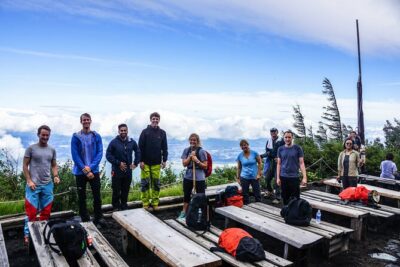
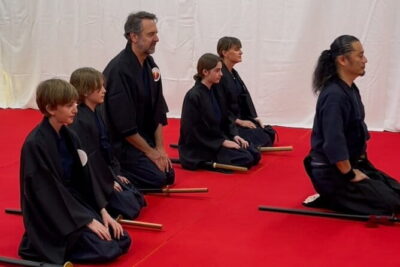
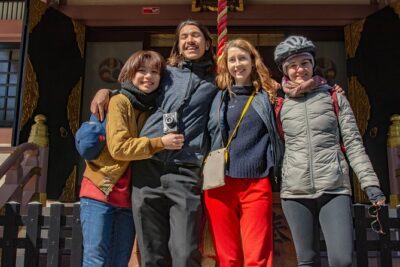
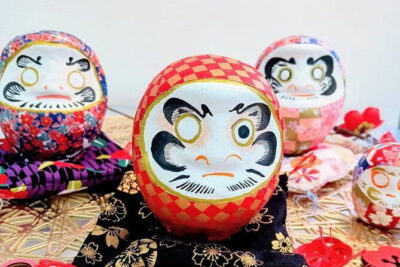
Asakusa, Senso-ji and Tokyo Skytree, side by side.
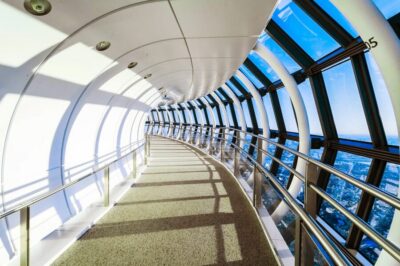 ★ 4.5TOKYO SKYTREE® Admission ticketFrom $1311,192 reviews
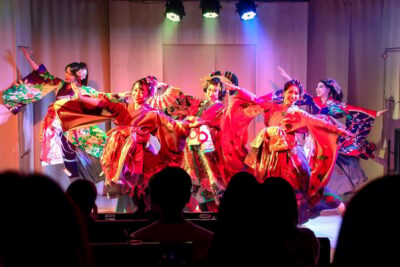 ★ 4.8Japanese Dance Cabaret Theater Asakusa-Kaguwa TicketFrom $492,270 reviews
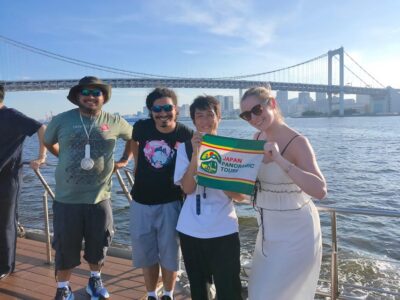 ★ 4.7Meiji Shrine, Asakusa, Skytree Bus Tour and CruiseFrom $1221,986 reviews
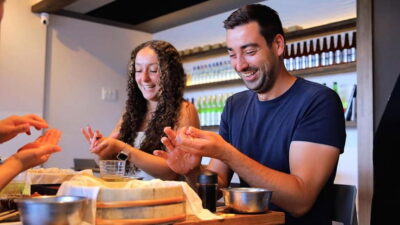 ★ 4.9Roll and Authentic Sushi Making Class in AsakusaFrom $581,957 reviews
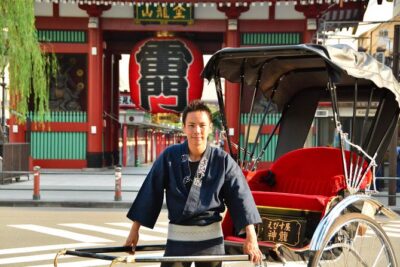 ★ 5.0Tokyo Asakusa Rickshaw TourFrom $421,375 reviews
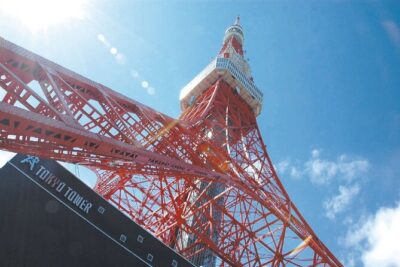 ★ 4.5Tokyo Panoramic 1 Day: Meiji Shrine, Asakusa, Odaiba and SKYTREE®From $851,222 reviews
 ★ 5.0Tokyo Go Kart: Asakusa, Skytree, and Akihabara **IDP MUST**From $99988 reviews
 ★ 5.0Eat and Drink Like a Local: Tokyo Ueno Food Tour-Taverns&RamenFrom $95957 reviews
Filed on these lists too