
REVIEW · ASAKUSA, SENSO-JI AND TOKYO SKYTREE
Tokyo: Roll and Authentic Sushi Making Class in Asakusa
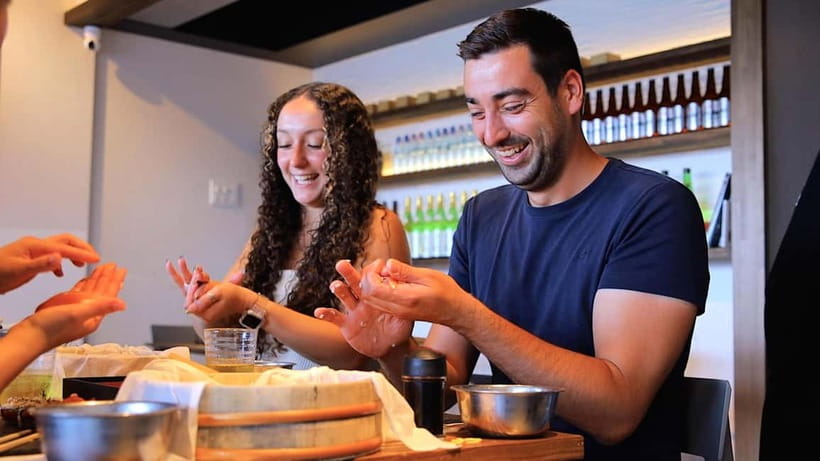
Asakusa makes sushi feel personal. You’ll learn to roll and shape nigiri with English-speaking local staff, plus a playful sushi-history quiz, all in historic Asakusa close to Tokyo Skytree.
I like two things most: you actually make two sushi styles with step-by-step help, and the vibe is upbeat and patient, with instructors like Hitomi and Tomona mentioned often. The one drawback to keep in mind is timing, the class is paced into about 100 minutes, so there’s less room to linger if you want to go extra slow.
In This Review
- Quick Takes
- Asakusa Sushi Class, Right by Sensō-ji and Tokyo Skytree
- What You’ll Make: Roll Maki and Classic Nigiri
- The Sushi History Quiz That Makes the Food Stick
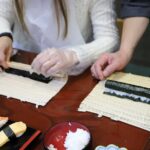
- From Rice to Rolling Mat, Your Hands Get Busy Fast
- Nigiri Shaping Skills and How to Tell Good Fish
- Eating the Result, Plus Optional Sake and Beer
- Ingredients, Portion Feel, and What Fresh Means Here
- Dietary Options: Vegan, Gluten-Free, Halal, and Allergy Limits
- English Support and the Staff Energy, From Hitomi to Ken
- Price and Value for a $58, 100-Minute Skill Builder
- Time and Logistics: 3 Minutes from Asakusa Station
- Who This Sushi Class Is For
- Should You Book This Asakusa Sushi Making Class?
Quick Takes
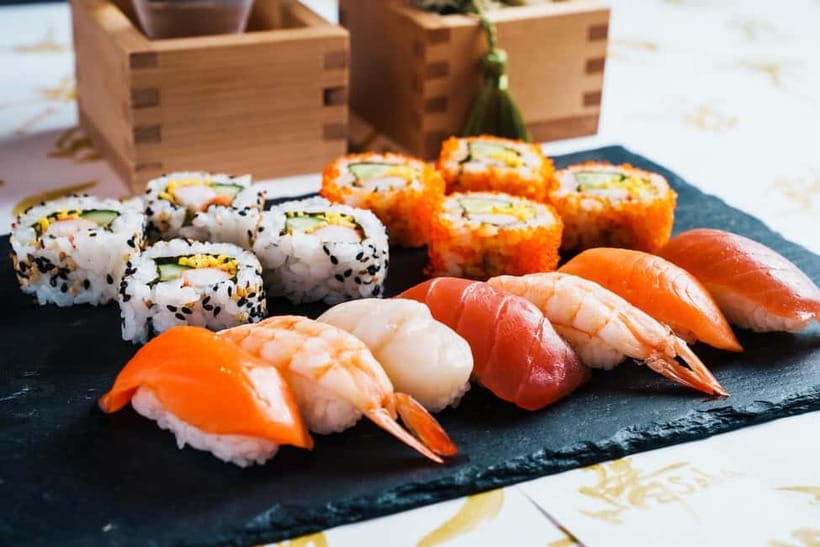
- Make two sushi styles: roll-style sushi and authentic Japanese nigiri
- A quiz that teaches: sushi history comes through with a light, interactive format
- English support: staff help you from rice to final shape, so you do not feel lost
- Historic Asakusa location: close to Sensō-ji area and handy to Asakusa Station
- Fresh, quality ingredients: the fish and toppings are consistently called out as high quality
Still on the Sumida side? A few more Asakusa options
- Tokyo: Japanese Dance Cabaret Theater Asakusa-Kaguwa Ticket
★ 4.8 · 2,270 reviews - Tokyo: Meiji Shrine, Asakusa, Skytree Bus Tour and Cruise
★ 4.7 · 1,986 reviews - Tokyo: Roll and Authentic Sushi Making Class in Asakusa
★ 4.9 · 1,957 reviews - Tokyo: Asakusa Walking Tour with Sensoji Temple Visit
★ 4.8 · 1,583 reviews
Asakusa Sushi Class, Right by Sensō-ji and Tokyo Skytree
This class sits in the Asakusa area, the part of Tokyo that still feels grounded and old-school. It’s especially convenient because the meeting point is only about 3 minutes from Asakusa Station, which makes the whole experience easy to plug into a day of temple walks and street food.
What makes this location matter is how it changes your mindset. You are not just learning cooking at a random studio. You’re learning Japanese food culture in a neighborhood where it still shows up in daily life, near the big sightseeing draw of Sensō-ji and within reach of Tokyo Skytree views.
The staff run the class in English, and the tone is friendly instead of stiff. You’ll hear and see instructions clearly, then practice right away. Several helpers and lead instructors show up by name in the feedback, including Hitomi, Hide, Jun, Kaori, Moe, Ken, and Kenshin, and that matters because you’re not stuck repeating the same confusing steps with no support.
What You’ll Make: Roll Maki and Classic Nigiri
You’ll make two types of sushi during the class. First is a roll-style sushi (maki), where you work with a sheet of nori and spread rice before adding fillings. Second is authentic Japanese sushi (nigiri), where you shape rice and then place topping fish or other ingredients on top.
This mix is smart for beginners. Rolls are forgiving because the structure holds while you learn the basics of rice spreading and rolling pressure. Nigiri is the skill builder because it teaches the feel of shaping rice and placing topping cleanly, so you understand why sushi looks the way it does.
By the end, the meal is not an afterthought. You eat what you make, which makes the whole class click. Learning only works when your mouth connects the technique to the taste.
The Sushi History Quiz That Makes the Food Stick
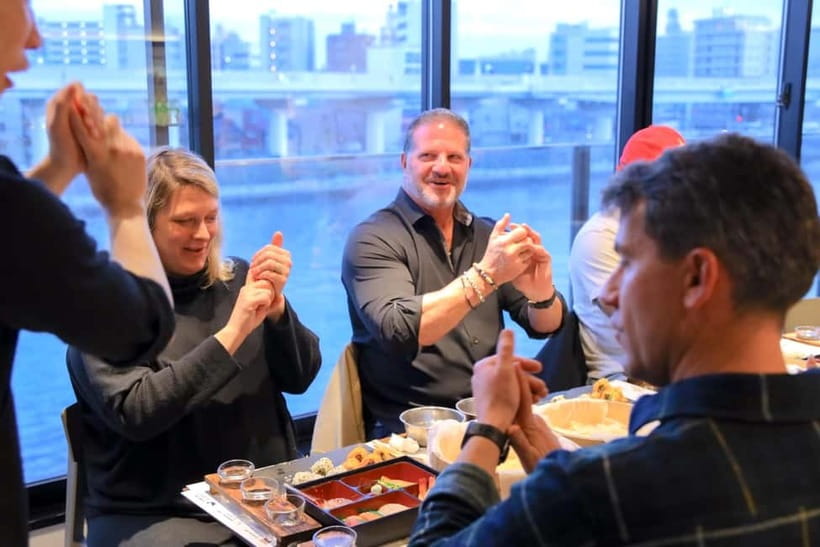
Before your hands take over, the class uses a sushi-history quiz. It’s described as interactive and lighthearted, which is a big deal because sushi history can sound like homework. Here, it becomes a way to remember what you’re making and why it developed the way it did.
This is valuable because sushi is not just a recipe. Sushi has cultural rules, from how rice is seasoned to the difference between evolved varieties and more traditional styles. When you hear the history in a fun format, you’re more likely to keep the lessons after you go home.
You also learn sushi ingredients and how they work together. The feedback repeatedly highlights that the staff explain both process and context, so you’re not only copying steps, you’re building understanding.
Cook it yourself instead. Other kitchens in Tokyo
- Sushi Making Tokyo Roll and Authentic Japanese Sushi Class★ 5.0 · 3,971 reviews
- Tokyo: Sushi Making Class in a Happi Coat near a Famous Spot★ 4.9 · 1,377 reviews
- Tokyo Sushi Making Class in Tsukiji with Professional Chef★ 5.0 · 1,177 reviews
- Ramen & Gyoza Cooking Class in Tokyo with Local Supermarket Visit★ 5.0 · 823 reviews
- Tsukiji Fish Market Guided Tour and Sushi Making with Pro Chef★ 5.0 · 775 reviews
From Rice to Rolling Mat, Your Hands Get Busy Fast
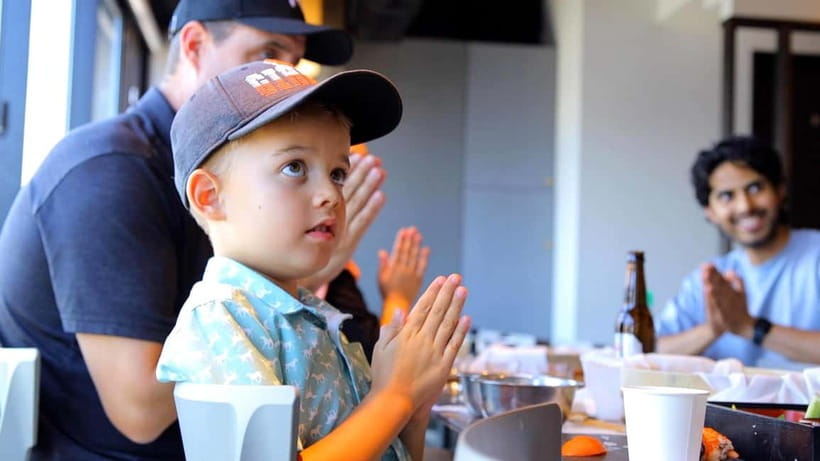
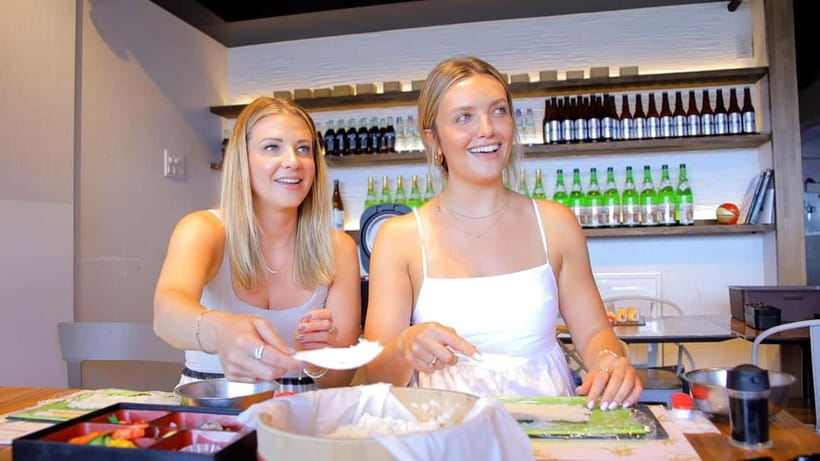
Once the intro is done, the class shifts into hands-on work. You’ll go through the core workflow that drives sushi making: rice preparation concepts, nori handling, adding fillings, and then forming a roll carefully.
A key thing I like about this format is that it matches how people actually learn. You watch a demonstration, you get practical guidance, then you try. If your first try looks a little messy, you’re still on track. The instructors are described as patient and encouraging, which is what you want when you’re learning new technique under a time limit.
You’ll also get timing that keeps you moving. The class is listed as 100 minutes, and the pacing means you can expect a complete cycle, not just a demo. One possible consideration is that the schedule is tight, so if you want to perfect every detail, you may feel there isn’t time to “do one more roll” for practice.
Nigiri Shaping Skills and How to Tell Good Fish
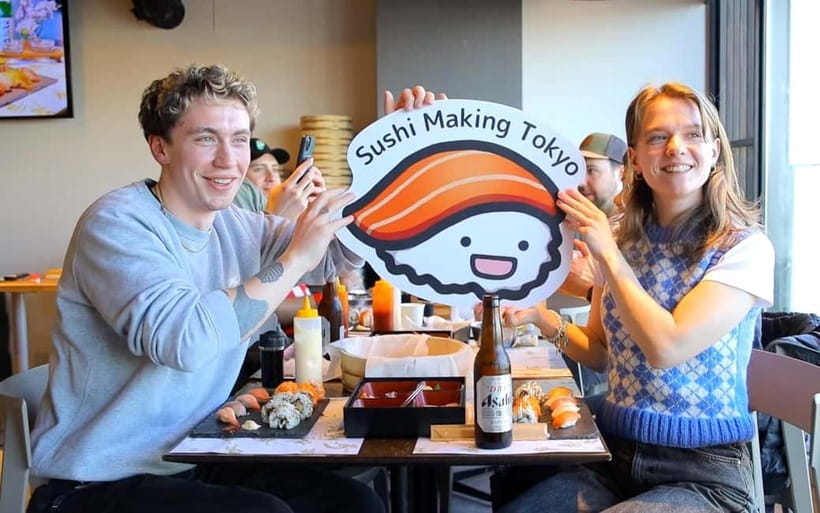
Nigiri is where the class earns its authenticity. You’re not just assembling ingredients, you’re shaping rice and placing topping in a way that respects the look and balance of classic sushi.
The feedback keeps pointing to the quality of the fish and ingredients. That matters because good technique is easier to learn when the raw components taste great. You get instant feedback with every bite: if the topping tastes off, you notice it immediately, but in this class the ingredients are repeatedly described as fresh and high quality.
Also, nigiri teaches discipline. You learn how to handle rice without making it gummy or dry, and how to place topping carefully. That’s the kind of skill you can reuse later if you ever try sushi at home.
Eating the Result, Plus Optional Sake and Beer
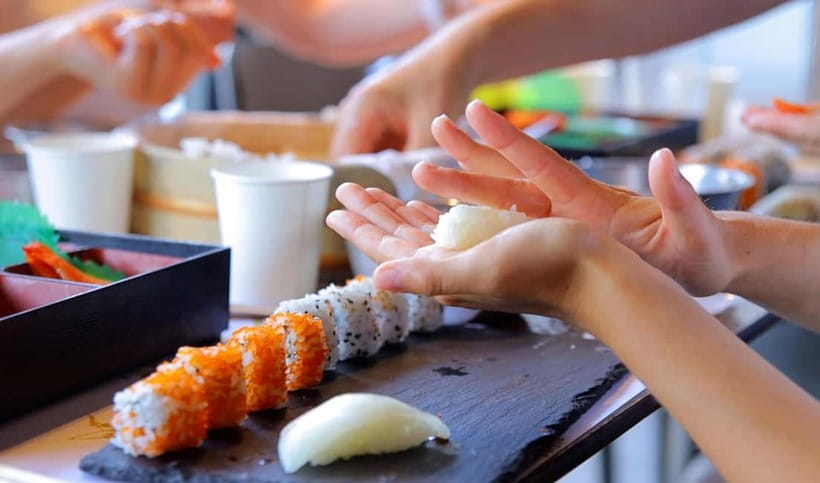
The best part is simple: you eat what you make. That’s not common with every cooking class. Here, the meal is baked into the experience, so the class ends with satisfaction, not with a “thanks, goodbye” handoff.
Some comments mention that sake flights and beer may be available. That’s the kind of add-on that can make the experience feel more like a night out in Asakusa, but it’s not the main point. The centerpiece stays food you created yourself.
If you like getting full without going to another restaurant right after, this is a practical win. It turns a cultural stop into an actual meal experience.
Ingredients, Portion Feel, and What Fresh Means Here
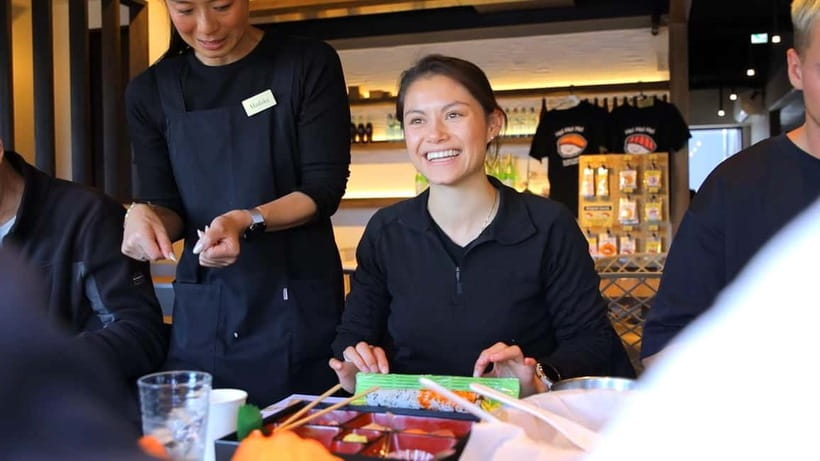
The class includes ingredients and an instructor, so you’re not hunting down tools or buying supplies. The quality is repeatedly called out, with multiple mentions of fresh ingredients and high-quality toppings.
Portions are generally described as generous, with people saying there was plenty to eat. Still, one consideration to keep in mind is that sushi is rice-forward, and if you are a big eater, you might want a little extra rice. The class is designed to be a cooking lesson with a full tasting, not an all-you-can-eat situation.
What fresh means in this context is that the fish and toppings taste clean and current, not tired or heavily processed. When ingredients are handled well, sushi tastes simpler and more intentional.
Dietary Options: Vegan, Gluten-Free, Halal, and Allergy Limits
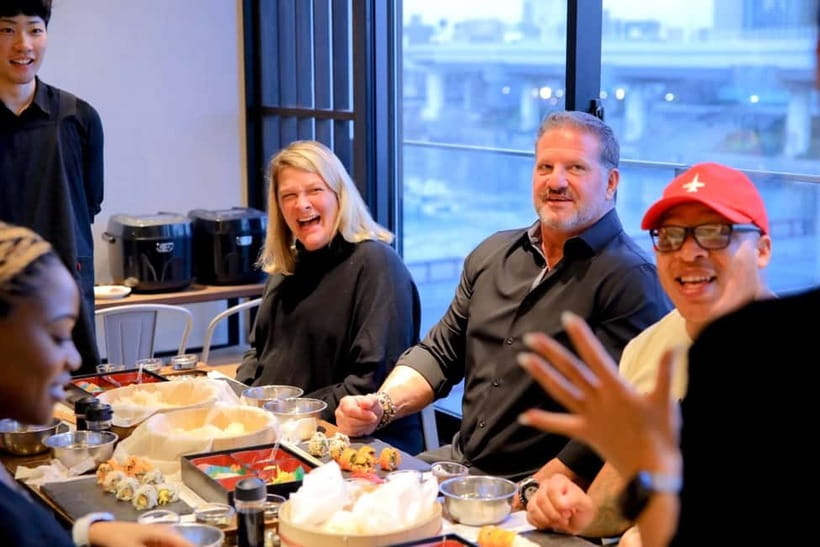
Good news: the class lists several menu options you can request, including vegan, vegetarian, gluten-free, and halal. If you need a change, the guidance is to contact when you make the reservation.
There are also specific allergy limits shared: options note that meat, nuts, fruits, and dairy are not used for the allergy approach. That helps you plan more confidently if you’re sensitive to common ingredients.
One important caution: the class says they cannot respond on the day, and they do not accept ingredients specifications. Translation: do not expect last-minute swaps like you would in a restaurant. If you have dietary needs, lock them in early when you book.
English Support and the Staff Energy, From Hitomi to Ken
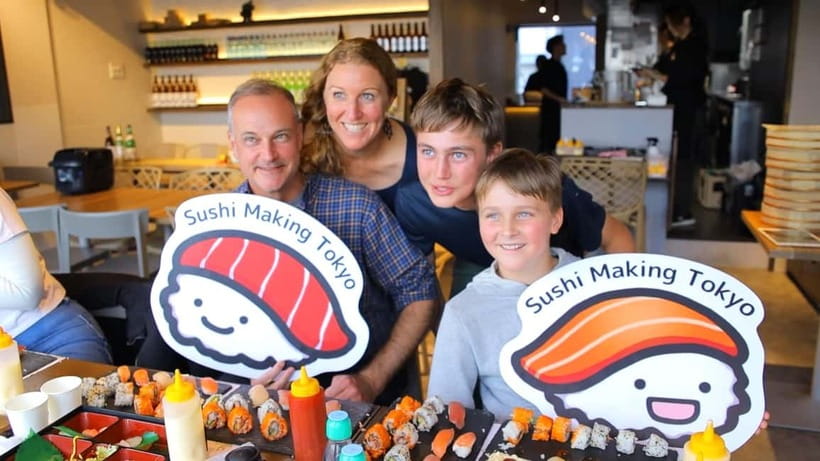
One reason this class stands out is the human factor. The staff are described as funny, entertaining, and patient, and they keep communication clear in English. Names come up again and again, including Hitomi, Tomona, Hide, Moe, Jun, Kaori, Ryouko, Ken, Kenshin, and Yoko, which suggests a consistent team style and training approach.
If you’re traveling solo, that matters. The class format includes both group and solo participants, and multiple comments mention feeling comfortable and supported even when joining alone. If you’re with kids or teens, it also sounds like a good fit because the learning stays upbeat rather than lecture-heavy.
The vibe also tends to be respectful of your pace. People mention not feeling rushed, and that the balance between explanation and hands-on time is well-managed.
Price and Value for a $58, 100-Minute Skill Builder
At $58 per person for a roughly 100-minute class, the value comes from three places. First, you are paying for instruction, not just ingredients. Second, you get ingredients included, so you are not adding grocery-store costs on top. Third, you eat what you make, which means your money converts into an actual meal.
If you’ve ever bought sushi in Tokyo and wondered how it’s made, this is one of the more direct ways to close the gap. You walk away knowing the workflow behind rolls and nigiri, and you leave with a meal that feels personal because it’s yours.
To decide if it fits your budget, think about what you want from the trip day. If you want hands-on culture, this is a strong use of time. If you only want sightseeing photo ops, you may find it too hands-on.
Time and Logistics: 3 Minutes from Asakusa Station
Logistically, this is one of the easier cooking classes in Tokyo to reach. The meeting point is about 3 minutes from Asakusa Station, which helps if you’re bouncing between attractions.
Hotel pickup and drop-off are not included, so plan to arrive under your own steam. The upside is you’re not stuck waiting around for transport schedules.
The class duration is listed as 100 minutes, and starting times depend on availability. One practical strategy: choose a time when you’re not rushed by another reservation. Sushi making gets better when you’re not sprinting into class with ten minutes to spare.
Who This Sushi Class Is For
I think this class is a great fit if you want a Tokyo experience that’s equal parts culture and skill. It’s also useful if you like structured learning but do not want a formal classroom vibe.
It works well for:
- Couples who want something interactive without being too intense
- Families, since the atmosphere is described as fun and kid-friendly
- Solo travelers who want to meet people while doing something hands-on
- First-time sushi learners who want both rolls and nigiri, not just one style
If you already cook a lot and want restaurant-level technique, you might still enjoy it, but the class is best thought of as a confident introduction rather than a deep chef apprenticeship.
Should You Book This Asakusa Sushi Making Class?
Book it if you want a memorable Asakusa moment that ends with your own sushi in hand. The combination of English support, hands-on practice, and a history quiz keeps it engaging, and the setting near Asakusa Station makes it practical.
Skip or reconsider if your top priority is a long, relaxed lesson with lots of spare time, because the format is paced to fit the full session. If you have diet needs, book early so the staff can prepare the right menu option.
If you’re trying to choose between another food experience and a skill you’ll actually use later, this is the better pick. You leave Tokyo with technique, not just a souvenir photo.
Kitchens You Can Book Into


Asakusa and the Skytree, Keep Going


Newest Tokyo write-ups from the Loving Japan desk

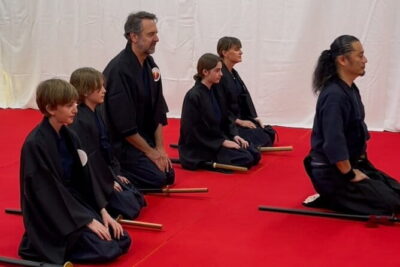

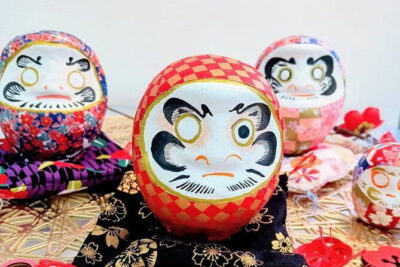

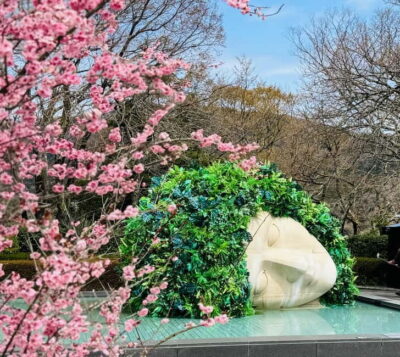
Asakusa, Senso-ji and Tokyo Skytree, side by side.
 ★ 4.5TOKYO SKYTREE® Admission ticketFrom $1311,192 reviews
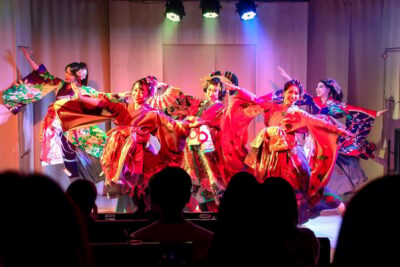 ★ 4.8Japanese Dance Cabaret Theater Asakusa-Kaguwa TicketFrom $492,270 reviews
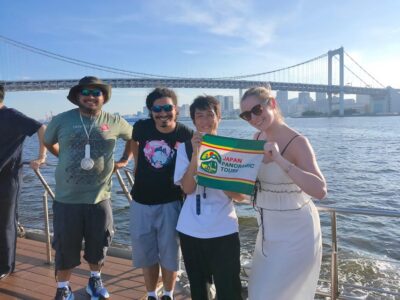 ★ 4.7Meiji Shrine, Asakusa, Skytree Bus Tour and CruiseFrom $1221,986 reviews
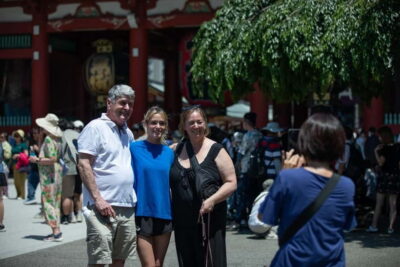 ★ 4.8Asakusa Walking Tour with Sensoji Temple VisitFrom $221,583 reviews
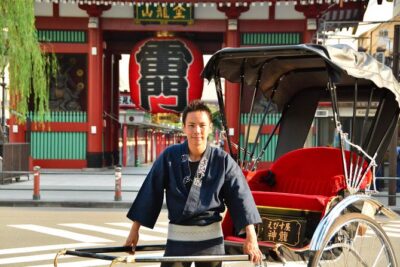 ★ 5.0Tokyo Asakusa Rickshaw TourFrom $421,375 reviews
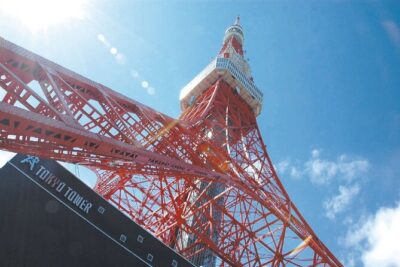 ★ 4.5Tokyo Panoramic 1 Day: Meiji Shrine, Asakusa, Odaiba and SKYTREE®From $851,222 reviews
 ★ 5.0Tokyo Go Kart: Asakusa, Skytree, and Akihabara **IDP MUST**From $99988 reviews
 ★ 5.0Eat and Drink Like a Local: Tokyo Ueno Food Tour-Taverns&RamenFrom $95957 reviews