
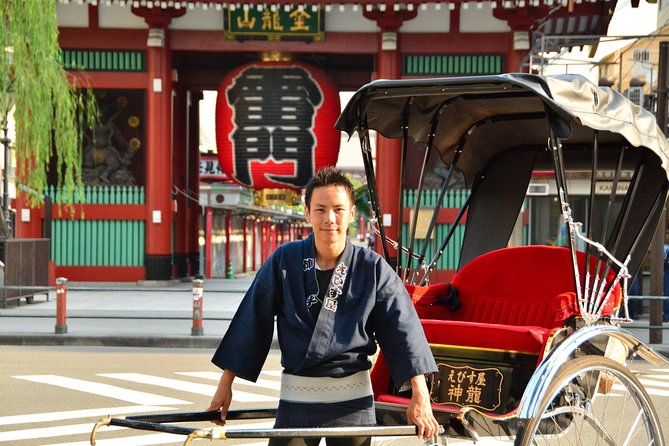
REVIEW · ASAKUSA, SENSO-JI AND TOKYO SKYTREE
Tokyo Asakusa Rickshaw Tour
A rickshaw feels like time travel. In Asakusa, you get a customizable route through old streets, shrines, and gardens, with a guide steering you around at human speed. I especially like that you tell your guide what you care about, so the ride doesn’t feel like a canned checklist.
I also love the mix of classic and quirky. You might spot Edo-era house fronts, then swing over to the raccoons theme street with figurines popping up every few meters, and still fit in major religious stops like Ushijima Shrine.
One drawback to plan for is fit and pacing. The rickshaw is narrow (about 74 cm wide), and there are walking breaks since no rickshaw ride is allowed in the Sensoji/Asakusa Temple area, including Nakamise.
In This Review
- Key things to know before you book
- Getting your bearings in Asakusa, one quiet street at a time
- Custom route, private pace, and what you can realistically pack in
- Meeting outside Asakusa Station, then sitting into a very different view
- Edo-era streets, old amusement energy, and the fun side of history
- Ushijima Shrine and the gate with three entrances
- Sensoji area photos, why rickshaws stop short, and the gate that sets the tone
- Honryuin Matsuchiyama Shoden: radishes, lanterns, and practical symbolism
- Imado Shrine and manekineko cat lore
- The entertainment district vibe, from comedy to old theatres
- Sumida Park and the best kind of break between landmarks
- Price, value, and why $42.90 can make sense
- Guides, energy, and how to get the best conversation
- Comfort tips and who should choose this tour
- So should you book the Tokyo Asakusa rickshaw tour?
- FAQ
- How long is the Tokyo Asakusa Rickshaw Tour?
- What is included in the tour price?
- Where do I meet, and where does the tour end?
- Can I customize which landmarks I visit?
- Is there an English-speaking guide?
- Are there age rules for children?
- How many people can ride per rickshaw?
- Is rickshaw riding allowed in the Sensoji Temple area?
- What happens if the weather is poor?
Key things to know before you book
- You control the focus, tell the guide what you want, and your stops can shift to match
- Quirky streets are real here, not just a quick photo stop, raccoon icons and cat lore show up often
- Expect shrine logic, like Ushijima’s unusual gate layout and how Shinto and Buddhism coexist nearby
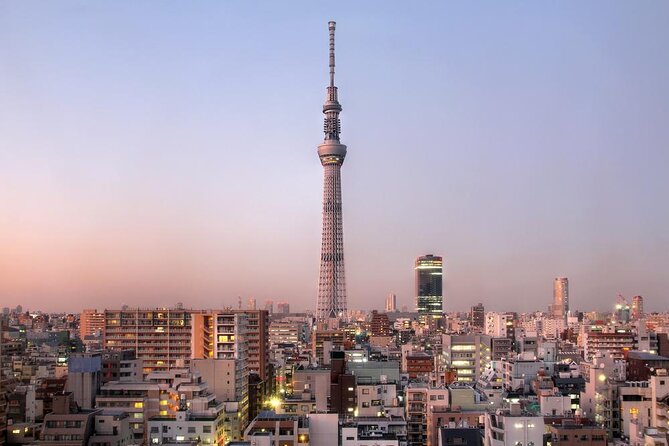
- Skytree views happen with planning, you get a good photo spot across the Sumida River
- One ride, several Asakusas, entertainment district streets, temples, and old amusements in one flow
Still on the Sumida side? A few more Asakusa options
- Tokyo: Japanese Dance Cabaret Theater Asakusa-Kaguwa Ticket
★ 4.8 · 2,270 reviews - Tokyo: Meiji Shrine, Asakusa, Skytree Bus Tour and Cruise
★ 4.7 · 1,986 reviews - Tokyo: Roll and Authentic Sushi Making Class in Asakusa
★ 4.9 · 1,957 reviews - Tokyo: Asakusa Walking Tour with Sensoji Temple Visit
★ 4.8 · 1,583 reviews
Getting your bearings in Asakusa, one quiet street at a time
Asakusa is the kind of neighborhood where you can walk in circles and still keep discovering things. This rickshaw tour helps you sort it fast, without the strain of constant uphill slowdowns or the stress of figuring out which alley is worth your time. The ride feels simple, but the pace is smart.
I like that it is not just a ride. Your guide pedals you through a patchwork of retro streets, religious landmarks, and small details tied to daily life. That is how you leave with a sense of the neighborhood, not only photos.
And yes, you will be seeing maple and cherry trees and gardens alongside the modern city edge. That contrast is part of the magic. Tokyo can feel future-fast, then you turn a corner and it feels old and ceremonial.
Custom route, private pace, and what you can realistically pack in
The tour runs from about 30 minutes to 3 hours, depending on the option you choose. That matters, because Asakusa has more than enough interesting stops to fill a whole day if you let it. With this format, you can pick a short overview or go longer for more landmarks.
Since the route is customizable, you are not stuck with only one flavor. If temples are your thing, you can lean into Shinto and Buddhist sites. If you like pop-culture and local lore, you can steer toward the entertainment district streets and the more quirky stops.
This is also a private experience, so it is only your group. That helps if you want time to take photos, pause to look at shrine gates, or ask questions without feeling rushed.
Meeting outside Asakusa Station, then sitting into a very different view
You meet on your own at the start point near Asakusa Station. The address is 1-chōme-1-4 Asakusa, Taito City, Tokyo 111-0032. Once you are there, you meet the guide and hop in.
The rickshaw is narrow, so comfort is a real factor. With a maximum of two adults per rickshaw, it can be tight depending on your build. The tour notes the width is about 29.1 inches (74 cm), and it sometimes feels more comfortable to book individual rickshaws if you are larger.
If you are traveling with a child, the rules are clear. Adult pricing applies to age 6 and up. Children aged 5 and under can ride free if they sit on an adult’s lap. If a child will use one of the rickshaw seats, they need to book as an adult.
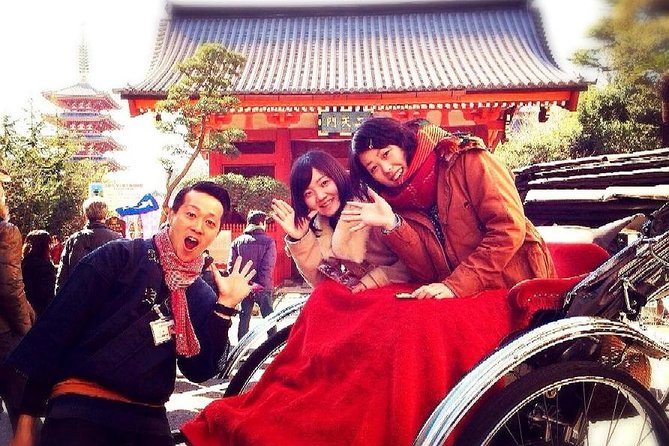
One small practical plus: multiple guides are praised for being attentive and friendly, and some descriptions mention comfort items like warm seat gear and rugs. If you are going in cooler months, those details can make a big difference in how enjoyable the ride feels.
Let something else do the walking
- 1-Day Tokyo Bus Tour★ 5.0 · 14,250 reviews
- Tokyo: Hop-On Hop-Off Sightseeing Bus Ticket★ 3.9 · 4,207 reviews
- Tokyo: Meiji Shrine, Asakusa, Skytree Bus Tour and Cruise★ 4.7 · 1,986 reviews
- Tokyo Asakusa Rickshaw Tour★ 5.0 · 1,375 reviews
- Mt Fuji and Hakone 1-Day Bus Tour Return by Bus★ 4.5 · 929 reviews
Edo-era streets, old amusement energy, and the fun side of history
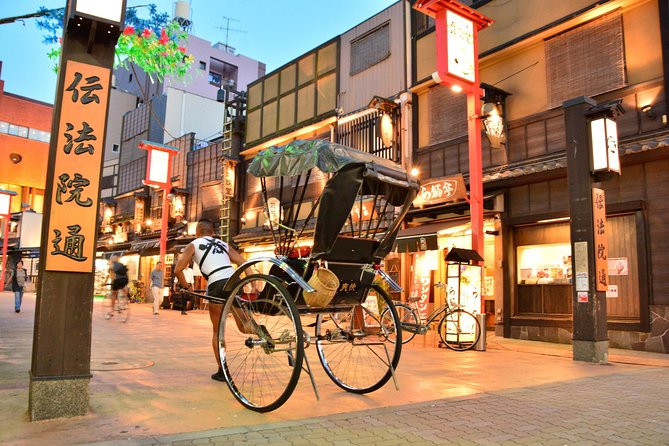
One of the best ways to understand Asakusa is to see what survived the modern rewrite. You ride past a historic street area with Edo-era building facades. The point is not just the architecture, it is the scale and rhythm of the street itself.
From there, the tour can turn toward playful themes. A stop you may make is the raccoon figurine street, where you can spot raccoon icons repeated along the walkway. It is silly in a good way, and it also helps the area feel like a lived-in neighborhood, not only a museum.
Another stop you might include is an amusement park that is among the oldest in Japan and still in operation. Even if you do not ride anything, the fact that it continues signals how Asakusa has kept its street-level fun alive.
Then you shift gears toward the modern edge with Asahi Beer Headquarters and its famous golden flame on top. That visual is perfect because it tells you you are still in Tokyo, just with a different tempo.
Ushijima Shrine and the gate with three entrances
One temple highlight is Ushijima Shrine, a Shinto shrine. Plan for roughly 15 minutes there, and note admission tickets for this stop are listed as not included.
The cool detail is why the shrine gate has three entrances instead of the standard single entrance. A good guide will explain the meaning behind that layout and what it signals about the site. This is the kind of fact that makes you feel like you actually understand what you are looking at.
You also get a chance to slow down and smell the atmosphere. Shrines in Asakusa often feel calmer than the shopping streets nearby. The rickshaw helps you arrive with less effort, then you get to stand and take it in.
Sensoji area photos, why rickshaws stop short, and the gate that sets the tone
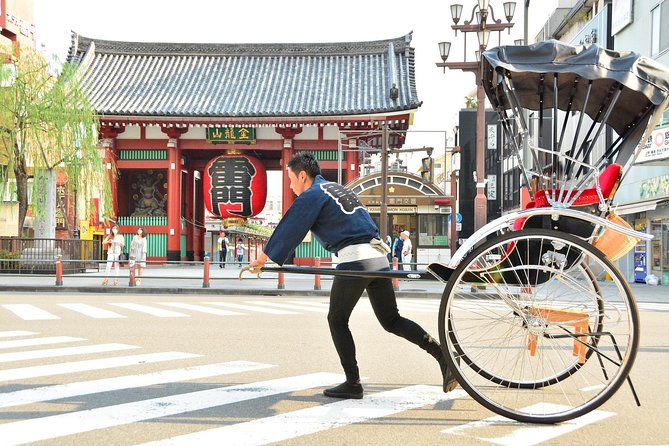
A big part of Asakusa’s identity is Sensoji Temple. You can see the colorful gate that leads into the temple grounds area, and you also visit a Shinto shrine located on the temple grounds. The tour frames this as Shinto and Buddhism peacefully coexisting, which is a great way to interpret what you see without getting tangled in labels.
Here is the key practical note: no rickshaw ride is allowed in the Sensoji/Asakusa Temple area, including the temple buildings, temple grounds, and Nakamise shopping street. So while you start the experience in a rickshaw, you will do short walking segments around that core area.
That is not a deal breaker. It is actually useful. It keeps you from being shoved too close to crowds in a vehicle while also letting you experience the temple approach on foot. Just wear shoes you can walk in.
If Skytree views are on your photo list, this ride can also offer a stop with an excellent view across the Sumida River. It is one of those quick timing-friendly moments where you get a clean skyline shot without hunting for a spot for ages.
Honryuin Matsuchiyama Shoden: radishes, lanterns, and practical symbolism
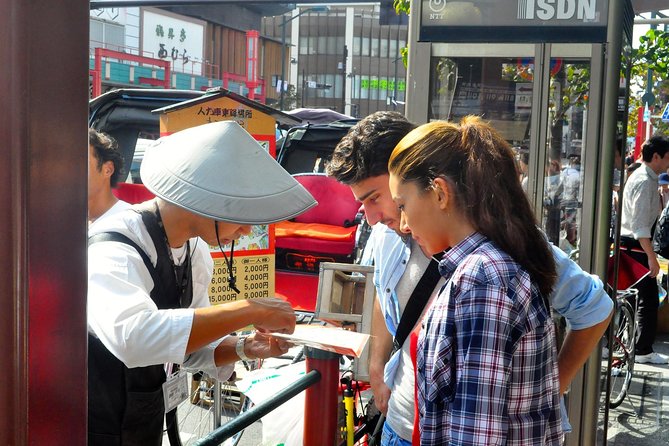
Another stop you may include is Honryuin Matsuchiyama Shoden, a Buddhist temple connected with Sensoji. It is listed with about 15 minutes, and again admission tickets are not included.
The standout detail here is the radish connection. You learn why there are so many radishes in the temple and why radishes appear painted on lanterns. That kind of specific symbol is exactly what makes a religious stop feel personal rather than generic.
If you are trying to understand why people keep returning to the same places year after year, these small recurring motifs explain a lot. They are part of the temple identity you can see without needing a textbook.
Imado Shrine and manekineko cat lore
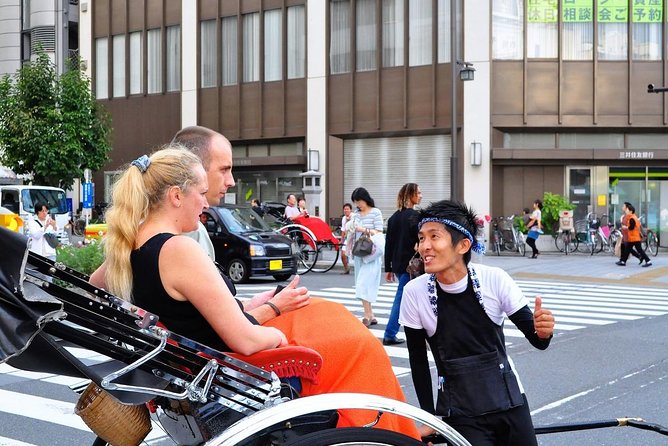
Imado Shrine is another Shinto stop and it focuses on cat figurines, especially the manekineko, the beckoning cat. Plan for about 15 minutes and remember admission tickets are not included.
This is a great stop if you like Japan’s visible folklore. Instead of reading about good luck symbolism, you can see it in the form people display in the area. The cats also add a playful vibe that balances the more solemn temple moments.
If you want to take home a clear mental image of Asakusa’s culture, this is the kind of place that sticks in your head.
The entertainment district vibe, from comedy to old theatres
Asakusa is not only shrines and gardens. The tour can include the area that was and still is a heart of the entertainment district, where you can experience Japanese comedy and shows.
You may also ride by Rokku Street, now part of the retro district. It used to be the most popular entertainment district in Tokyo before the war, with cinemas and theatres.
Even if you do not catch a show during your visit, seeing the street layout and the historic signage feel makes the district make sense. It helps you understand why Asakusa has long been a place for visitors to wander for fun.
Sumida Park and the best kind of break between landmarks
By the time you reach Sumida Park, you are usually ready to stop moving. This park runs along the Sumida River, and it is a strong place to take a breath.
In spring, you can see cherry blossoms there. Even outside cherry season, it is a good open stretch to rest, reset your camera batteries, and get a calmer look at the city.
And because the Tokyo Skytree is across the river, it can serve as both a rest stop and a photo stop. It is the kind of break that keeps the whole ride from feeling like one long sprint.
Price, value, and why $42.90 can make sense
At $42.90 per person, this tour is not trying to be the cheapest thing in Asakusa. What you are paying for is time saving plus a human guide plus the rickshaw format itself.
A big value point is that your guide can adjust the stops based on your interests. If you only care about shrines, you can focus there. If you love playful culture details like the raccoons and cats, you can steer that direction too. That customization makes a short-to-medium duration tour feel more efficient.
Also, the experience includes a local rickshaw driver and the ride itself. Food and drinks are not included, and some admission tickets for specific stops are not included either, so you may budget a little extra if you want to enter every site on your day’s route.
One more value angle: the ride is private for your group, so you avoid the friction of waiting around for strangers to move at their pace. In practical terms, that often makes the experience feel smoother.
Guides, energy, and how to get the best conversation
One reason this tour earns such strong ratings is the guides. Names like Issy, Micchy, Kei, Koko, Yusuke, Takumi, Bu Chi, Taisei, and Nene show up repeatedly in people’s stories. The common thread is a friendly, high-energy style and a lot of real-world know-how about the area.
Here is how you can tap into that. Before the ride starts, say your priorities in plain terms. For example, mention whether you want more temple time, more photo time, or more quirky streets. If you ask one good question early, you tend to get more depth as you go.
If you are interested in photos, tell your guide you want a Skytree shot with the best light. If you care about religious details, ask how the Shinto and Buddhist sites relate in practice, not just on paper.
Comfort tips and who should choose this tour
This experience is a good fit for people who want an overview without turning their trip into a navigation project. It is also ideal if you like mixing shrine culture with street-level quirks.
It is especially suited to:
- Couples and small groups who want a relaxed pace
- Families with kids who like animated streets and lots of photo moments
- First-time Asakusa visitors who want the highlights clustered into one ride
Comfort heads-up:
- The rickshaw is narrow. If you worry about fit, consider booking individual rickshaws as suggested for passenger comfort.
- Plan on short walking sections in the Sensoji area since rickshaw riding is not allowed in the temple grounds and Nakamise shopping street area.
If you are someone who hates walking, you might find the no-ride rule around Sensoji annoying. If you do not mind short walking segments, the overall flow still works well.
So should you book the Tokyo Asakusa rickshaw tour?
I think you should book this tour if you want a guided, no-stress way to understand Asakusa and you enjoy mixing old and new. The combination of Edo-era streets, Shinto and Buddhist stops, plus quirky details like raccoons and cat lore is exactly the kind of Tokyo contrast that feels real.
I would think twice if you are very sensitive about narrow seating or if you hate walking around major crowds. The Sensoji area forces a stop and walk, and the rickshaw dimensions mean comfort can vary by body type.
If you decide to go, pick the duration that matches your style. If you want a highlights sweep, the shorter options are ideal. If you want time for more stops, ask for a longer ride and be proactive about your priorities at the start. That is where the customization shines.
FAQ
How long is the Tokyo Asakusa Rickshaw Tour?
The duration is approximately 30 minutes to 3 hours, depending on the option you choose.
What is included in the tour price?
It includes a local rickshaw driver and the rickshaw ride. Food and drinks are not included.
Where do I meet, and where does the tour end?
You start at 1-chōme-1-4 Asakusa, Taito City, Tokyo 111-0032, Japan. The ending area is listed as Kan’non-dōri1-chōme-2-11 Asakusa, Taito City, Tokyo 111-0032, Japan, and your final finishing location is decided on the day of the tour with your guide.
Can I customize which landmarks I visit?
Yes. The tour can be customized based on your interests, and you tell your guide what you most want to see.
Is there an English-speaking guide?
English and Japanese-speaking driver/guide availability is subject to availability. You should specify your preferred language at checkout.
Are there age rules for children?
Adult pricing applies to age 6 and over. Children aged 5 and under may ride free of charge if they sit on an adult’s lap. If a child 5 years will use one of the two seats, they must book as an adult.
How many people can ride per rickshaw?
A maximum of 2 adults per rickshaw. Up to 2 children aged 5 or under can ride with 2 adults, but children must sit on an adult’s lap.
Is rickshaw riding allowed in the Sensoji Temple area?
No. No rickshaw ride is allowed in the Sensoji Temple/Asakusa Temple area, including temple buildings, temple grounds, and Nakamise shopping street.
What happens if the weather is poor?
This experience requires good weather. If it is canceled due to poor weather, you will be offered a different date or a full refund.
Let Something Else Do the Walking


Asakusa and the Skytree, Keep Going

Newest Tokyo write-ups from the Loving Japan desk
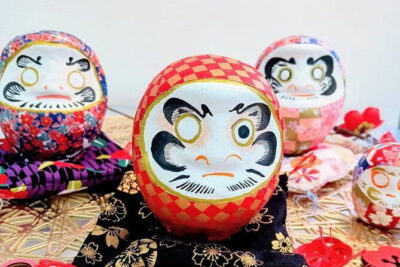
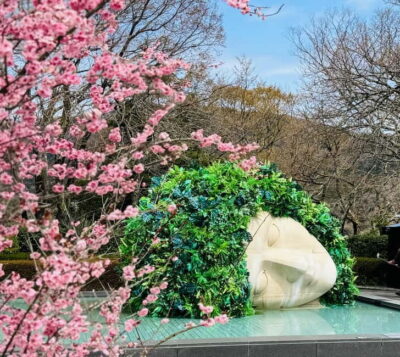
Asakusa, Senso-ji and Tokyo Skytree, side by side.
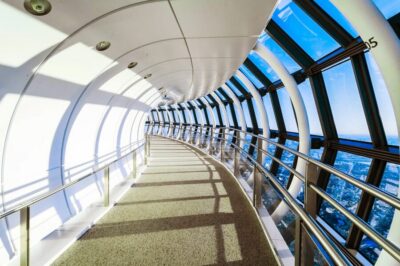 ★ 4.5TOKYO SKYTREE® Admission ticketFrom $1311,192 reviews
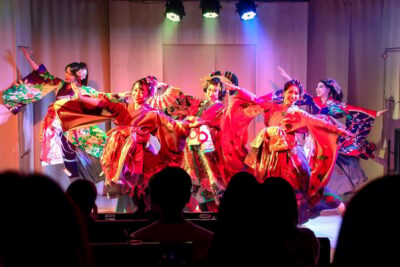 ★ 4.8Japanese Dance Cabaret Theater Asakusa-Kaguwa TicketFrom $492,270 reviews
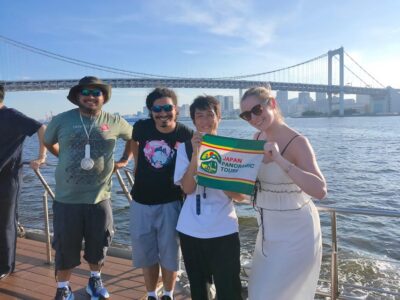 ★ 4.7Meiji Shrine, Asakusa, Skytree Bus Tour and CruiseFrom $1221,986 reviews
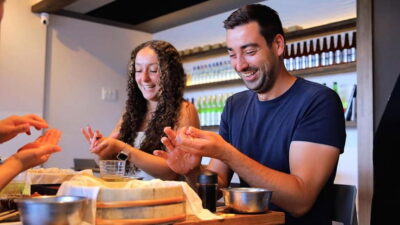 ★ 4.9Roll and Authentic Sushi Making Class in AsakusaFrom $581,957 reviews
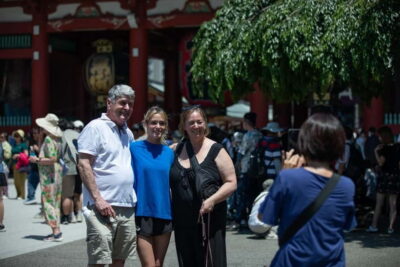 ★ 4.8Asakusa Walking Tour with Sensoji Temple VisitFrom $221,583 reviews
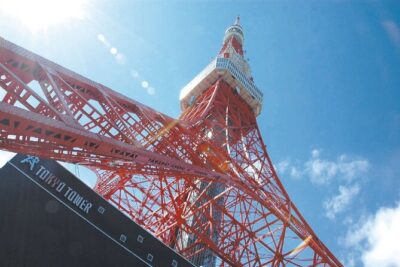 ★ 4.5Tokyo Panoramic 1 Day: Meiji Shrine, Asakusa, Odaiba and SKYTREE®From $851,222 reviews
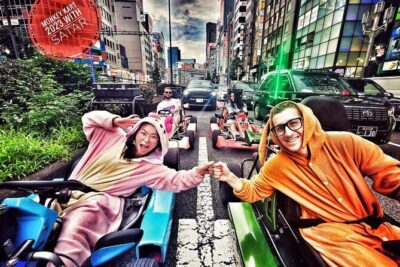 ★ 5.0Tokyo Go Kart: Asakusa, Skytree, and Akihabara **IDP MUST**From $99988 reviews
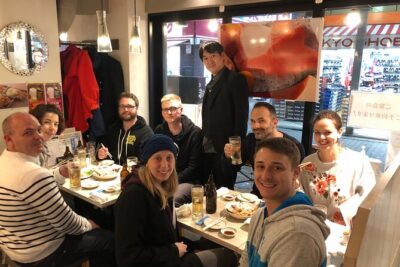 ★ 5.0Eat and Drink Like a Local: Tokyo Ueno Food Tour-Taverns&RamenFrom $95957 reviews
Filed on these lists too