
REVIEW · PRIVATE DRIVERS AND CUSTOMISABLE ITINERARIES
Discover Tokyo, Private Customized Tour with Expert Guides
Tokyo feels huge. This private day tour keeps it simple and guided. The big win for me is the hotel meet-up, plus you get a guide who helps you navigate without the stress of guessing trains and exits. I also like that the itinerary is customizable, so you can spend time where you actually want it, like Meiji Jingu or Tsukiji. One thing to keep in mind: some costs are on you, and Tokyo Tower is listed as not included, so plan for extra entrance and any cash-only spots.
This is a true private tour, meaning it is just your party, and you are not shuffled around with strangers. You also get a flexible time window of about 4 to 8 hours, so it can feel like a smart highlights sampler or a calmer, paced walk through neighborhoods.
I’d only suggest you go in with realistic expectations: you will do a lot of walking, and if you do not reply to your guide’s planning message, you will default to the standard itinerary. Still, if you want structure with room to steer, this one is very practical.
In This Review
- Key things that make this Tokyo private tour work
- Starting in Harajuku, ending in Asakusa: the easiest way to cover Tokyo
- Customizing with your guide, and what happens if you do nothing
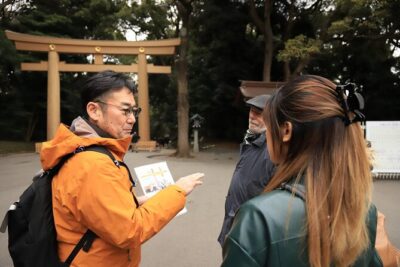
- Stop 1: Meiji Jingu Shrine, the city’s calm reset
- Stop 2: Takeshita Street and Omotesando, fashion energy in full volume
- Stop 3: Tsukiji Fish Market area, from old wholesale power to today’s experience
- Stop 4: Tokyo Tower, the classic skyline icon with extra cost
- Stop 5: Senso-ji Temple and Asakusa lantern streets, classic Tokyo at street level
- Timing, walking, and what to bring so the day stays easy
- Value for money: why $99.10 can make sense in Tokyo
- Who this private Tokyo highlights tour is best for
- Should you book Discover Tokyo, Private Customized Tour?
- FAQ
- How long is the Tokyo private customized tour?
- How much does the tour cost?
- Is hotel pickup available?
- Where do we meet and where does the tour end?
- Are entrance fees included?
- Can I customize which attractions I visit?
- What if I do not respond when the guide contacts me?
- Should I bring cash or anything specific?
- What is the cancellation policy?
Key things that make this Tokyo private tour work
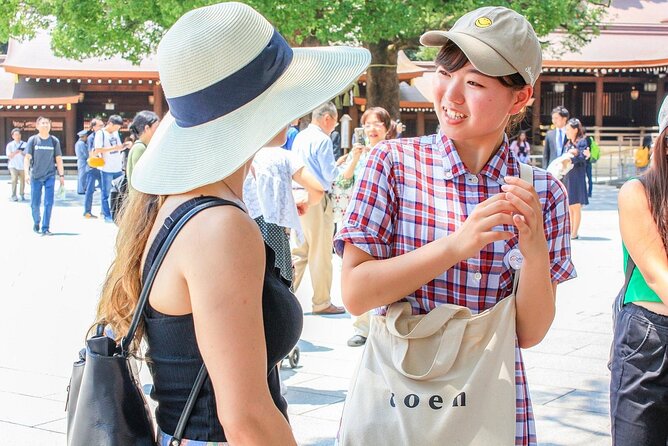
- Hotel meet-up in a designated area helps you start the day already in motion
- Personalized routing so your day reflects your interests, not a fixed bus loop
- Harajuku to Asakusa flow covers iconic sights across the city in one outing
- Multiple free major stops (Meiji Jingu, Tsukiji area, Senso-ji) keep costs down
- Guide-managed timing reduces waiting and keeps you from getting lost in crowds
- Practical reminders like sneakers, cash, and a mask for Tsukiji
Build the day yourself. Other private options
- Mount Fuji Full-Day Private Tour from Tokyo (Customizable)
★ 4.9 · 1,470 reviews - Tokyo Customized Private Tour: See Top Attractions in 1 Day
★ 5.0 · 1,351 reviews - Tokyo Private Sightseeing Tour by Car- English speaking chauffeur
★ 5.0 · 1,004 reviews - Tokyo Private Tour by Vehicle with English-Speaking Chauffeur
★ 5.0 · 504 reviews
Starting in Harajuku, ending in Asakusa: the easiest way to cover Tokyo
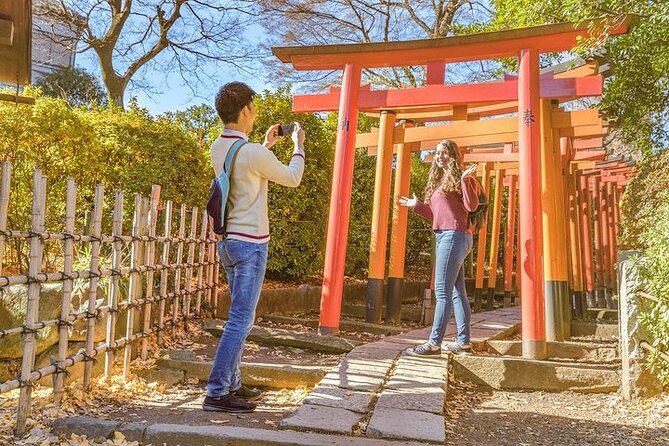
The route is built for people who want highlights without the mental load. You meet at Harajuku Station (Jingu-mae area, Shibuya), and the standard end point is Asakusa Station in Taito City. That matters because Tokyo is not laid out like a simple loop. By planning your day with a natural north-to-east-to-corner-of-the-city arc, you spend less time backtracking and more time actually sightseeing.
If you qualify for pickup, the tour can also arrange a hotel meet-up within a designated area. In Tokyo, starting downtown with a guide already with you is a time saver. It also helps on days when you are jet-lagged, have heavy bags, or just do not want to figure out which exit is right for your exact meeting point.
One more detail that I like: the tour is designed as private, so your guide can manage the group pace. If your party is slower, has photos to take, or wants extra time at one stop, the plan can usually bend around you better than a large-group tour.
Customizing with your guide, and what happens if you do nothing
Here’s how the customization is set up. You share your preferences and customer information after booking. Then your guide contacts you about two weeks before the tour to talk through the itinerary based on what you provide.
That process is great when you know what you want. Want shrines and temples over nightlife? Say so. More street fashion and people-watching? You can steer that direction. The tour layout is flexible, and the guide can adjust where you spend time.
The practical catch is also clearly stated: if you do not respond, the tour will run using the standard itinerary. Translation: you still get a solid highlights day, but you might not get the exact swaps you imagined. If you want control, reply when your guide reaches out.
Also be aware that bad weather can change the transportation method, destinations, or routes. Tokyo weather can flip quickly, so flexibility is a smart built-in feature.
Stop 1: Meiji Jingu Shrine, the city’s calm reset
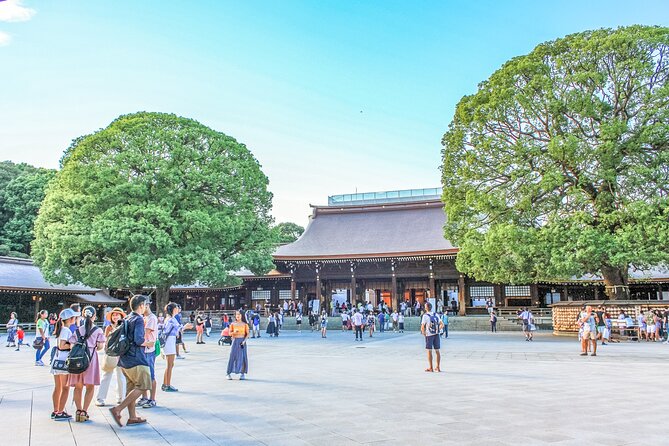
Meiji Jingu is a top choice for a guided first stop because it instantly changes the mood. This shrine has the most worshippers in Japan, and it is one of Tokyo’s most popular sightseeing places. The grounds are surrounded by greenery, so it feels like a breathing space compared with the surrounding neighborhoods.
With a guide, you get more than the postcard view. You can learn what to look for as you move through the complex, and you can also time it better. In a crowd-heavy city, the value is that your guide helps you avoid aimless wandering, so you see the meaningful parts without turning it into a maze.
Duration is about 50 minutes, and admission is free. That makes it a strong value start. It also sets you up mentally for the rest of the day, because the next stops swing back into fashion streets and food-market energy.
Potential drawback: if your priority is strictly “photos only,” you might feel pulled toward slower, respectful viewing. For many people, that’s the point, but if you are in a rush, you may want to explicitly tell your guide you prefer a faster pass.
- Mt Fuji and Hakone 1-Day Bus Tour Return by Bullet Train★ 5.0 · 26,383 reviews
- 1-Day Tokyo Bus Tour★ 5.0 · 14,250 reviews
- Tokyo: teamLab Planets TOKYO Digital Art Museum Entry Ticket★ 4.6 · 9,779 reviews
- Mt Fuji & Hakone Cruise, Drum Show Bullet Train 1 Day from Tokyo★ 4.0 · 7,413 reviews
- Tokyo: Shinjuku Food Tour (13 Dishes at 4 Local Eateries)★ 5.0 · 6,603 reviews
Stop 2: Takeshita Street and Omotesando, fashion energy in full volume
After the calm of Meiji Jingu, Takeshita Street is a contrast in the best way. This area is famous for youth fashion and colorful street culture. It stays busy all year, and you’ll see people dressed for the street as much as people sightseeing the street.
Your tour slot here is about 50 minutes, and admission is free. That length is usually enough to walk the key stretch, browse a bit, and take photos without getting stuck in the same block for an hour because the crowd swallowed you.
If you also want the more design-forward neighbor vibe, your itinerary references Takeshita Street / Omotesando. Omotesando tends to feel a bit more polished and architecturally focused. Having a guide helps because they can suggest the best angles and the quickest way to keep your momentum.
Small consideration: this stop can be emotionally loud and visually intense. If that tires you, tell your guide early. A good guide will steer you to a calmer side lane or shorten the shopping wandering time so the day still feels fun, not exhausting.
Stop 3: Tsukiji Fish Market area, from old wholesale power to today’s experience
Tsukiji has a big timeline. It used to be the largest wholesale fish market in Japan from 1935 to 1983, and then it closed in 2018 and moved to Toyosu. The original Tsukiji location still gets attention, and locals appreciate the historical land even though the wholesale operation moved on.
The tour block here is about 1 hour 30 minutes, and admission is free. That time is useful because the best Tsukiji moments often come from strolling: seeing the rhythm of the area, scanning for snacks, and catching the tiny details like how people queue and where lines form.
One practical tip from the tour info that I really respect: if you go to Tsukiji Market, it is recommended to wear a mask, and you should bring one if possible. Crowds can be packed, and this is Tokyo, where tiny etiquette choices make a big difference for comfort.
Also, be ready for payment friction. The tour notes that some spots only accept cash, so it is worth having bills on hand even if you normally use cards.
What to watch for during this stop: do not treat it like a single fixed “attraction.” Think of it as a food and atmosphere district. With a guide, you can aim for the items and viewpoints that fit your preferences, instead of wasting time chasing every menu that looks interesting.
Stop 4: Tokyo Tower, the classic skyline icon with extra cost
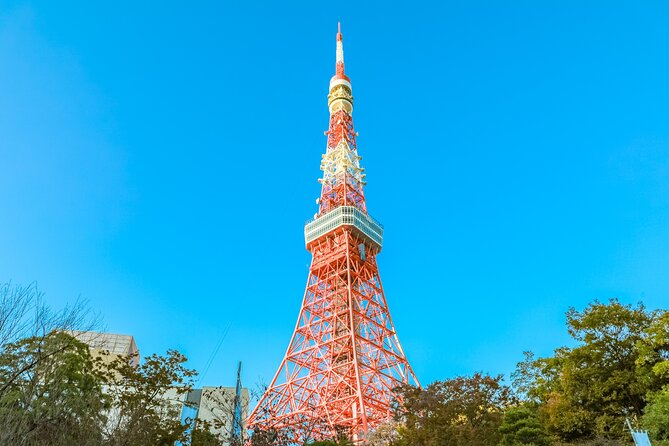
Tokyo Tower is still a symbol for a reason. It was built in 1958, and it has a strong visual presence amid the city’s crowded buildings. It is not the tallest tower anymore, but it’s iconic, and it photographs well because of that clear, recognizable shape.
In this itinerary, the stop is about 45 minutes, and the entrance to Tokyo Tower is marked as not included. That is an important value detail. The tour can cover the guiding and logistics, but you should budget separately if you want to go up.
This stop is still worth doing even if you keep it simple. You’ll get the “Tokyo Tower moment” for sure, and you can choose your level of effort based on your energy. If the day is tiring, you might prioritize external views and save your energy for Senso-ji later.
Consideration: because the Tower fee is separate, your final spend depends on how many paid sights you choose to enter. If you want to keep the day lean, you can treat Tokyo Tower as a photo and viewpoint stop and decide on top access only if it fits your priorities.
Stop 5: Senso-ji Temple and Asakusa lantern streets, classic Tokyo at street level
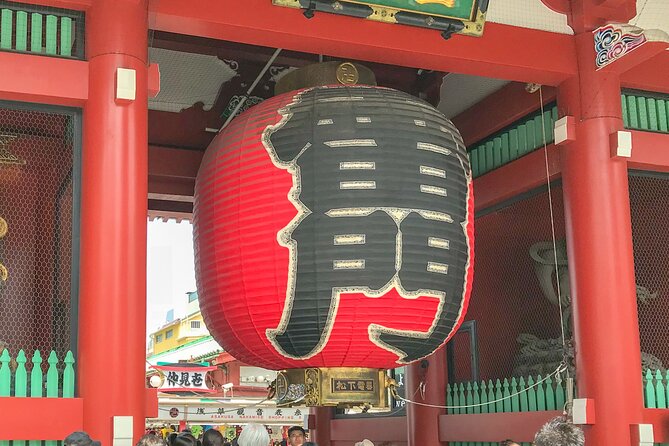
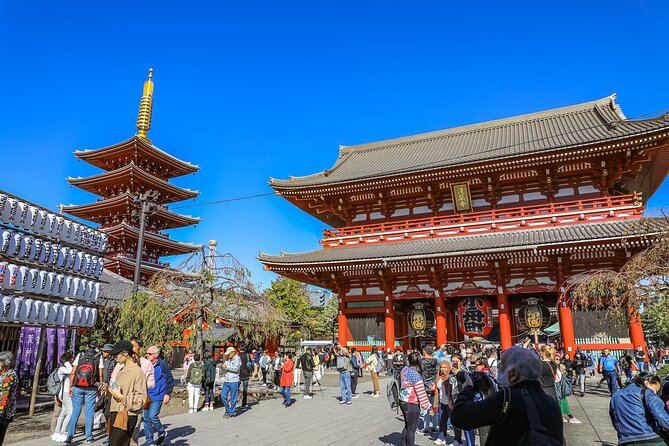
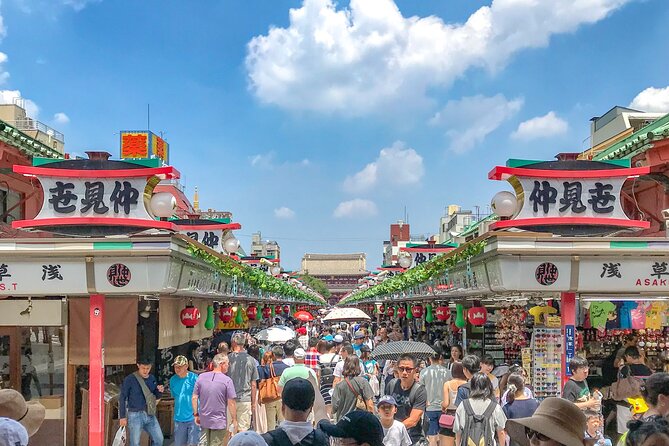
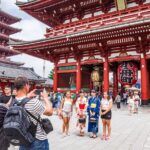
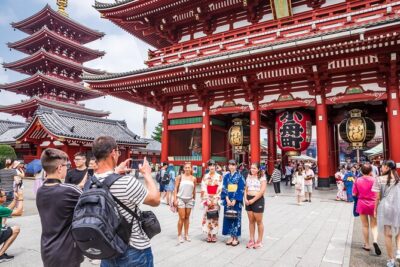
Senso-ji in Asakusa is one of Tokyo’s oldest temples, and it is famous for the big red lanterns that became a symbol of the area. The itinerary sets aside about 45 minutes, and admission is listed as free.
This is a great capstone stop. By this point in the day, you have already sampled shrine calm, fashion street intensity, and market energy. Senso-ji gives you the street-level beauty and the cultural center that makes people fall in love with Tokyo fast.
The guide advantage here is timing and navigation. Asakusa can get crowded, especially near key photo spots. A guide helps you move through the highlights efficiently while still allowing a few pauses for photos and atmosphere. You also avoid the common problem of spending too long on one bottleneck while missing other parts of the temple approach.
What you might enjoy most: the red buildings and the sense of history in a very everyday setting. It feels like Tokyo tradition you can actually walk through.
One practical note: the tour ends at Asakusa Station, which is convenient for continuing your own plan afterward, whether you’re heading to dinner nearby or connecting to your hotel.
Timing, walking, and what to bring so the day stays easy
This tour is structured for a short-to-medium full day, but the walking adds up. The tour specifically recommends sneakers, and I agree with that advice. Tokyo sidewalks are fine, but you are moving between distinct neighborhoods and walking through crowd areas.
Here’s what I would pack based on the tour’s own guidance:
- Sneakers you can walk in for hours
- Cash for spots that may only accept cash
- A mask for the Tsukiji area, if that helps you feel comfortable in dense crowd zones
Also remember that the guide can adjust routes if weather turns. You might still want a light layer and a small umbrella or rain shell, depending on season.
Finally, keep your meeting time tight. If you do not arrive at the specified starting place within 60 minutes of the agreed meeting time, the tour is considered canceled. Tokyo is full of transit delays, but missing the window can cause problems. I’d show up early, then let the guide find you.
Value for money: why $99.10 can make sense in Tokyo
Price is $99.10 per person, and the tour is often booked about 27 days in advance on average. That timing matters because guides and pickup slots can get snapped up.
What you are really paying for here is not just access to sights. You are paying for:
- A guide who manages navigation so you avoid the “which exit, which train, which station entrance?” headache
- A private pace for your group, not a one-size-fits-all schedule
- Customization, meaning your money can go toward what you care about most
Also, several major stops are free in the itinerary: Meiji Jingu, the Takeshita Street area, the Tsukiji market area, and Senso-ji. That helps keep the day from turning into a chain of paid entrances. Tokyo Tower is the notable paid exception listed as not included.
You should also budget for what is not included: transportation fees, entrance fees (where applicable), lunch, and other personal expenses. The guide expenses are noted as something to discuss directly with your guide, so it is worth asking or confirming in advance.
If you compare this to the cost of paying for guides separately just to get from place to place, or the cost of a taxi jump between distant neighborhoods, the math often shifts in your favor. In Tokyo, time saved is real value.
Who this private Tokyo highlights tour is best for
This tour fits best if you want a plan with guardrails but still want control. It is especially good for:
- First-time visitors who feel overwhelmed by Tokyo transit
- People who want multiple iconic areas in one day, without splitting the day into too many separate tours
- Small groups who benefit from a private pace, not a crowded group schedule
- Anyone who wants a shrine and temple day plus market and fashion street stops
If you are the type who loves wandering without structure, you might find this too guided. But if you prefer to get your bearings fast and then spend time where it matters, this is a practical sweet spot.
There is also a hint of quality in how guides manage time. One guide named Isao has a reputation for showing guests the main sights they wanted and also adding additional interests, while keeping the day’s timing under control. That combination is exactly what you want from a private guide.
Should you book Discover Tokyo, Private Customized Tour?
I’d book it if you want a low-friction way to hit Meiji Jingu, Takeshita Street, Tsukiji, Tokyo Tower, and Senso-ji in one guided day, and you like the idea of a schedule that can bend to your interests.
I would hesitate if:
- You have a tight mobility limitation, because the day includes a lot of walking between areas
- You want a strictly budget-only day and do not want extra paid sights like Tokyo Tower
- You hate having to coordinate, since the guide planning requires you to respond to the contact message to customize beyond the standard route
If your goal is an efficient, friendly guide day through Tokyo classics, this private format is a strong match.
FAQ
How long is the Tokyo private customized tour?
The duration is approximately 4 to 8 hours.
How much does the tour cost?
The price is $99.10 per person.
Is hotel pickup available?
Yes, hotel meet-up is offered within a designated area in Tokyo.
Where do we meet and where does the tour end?
You start at Harajuku Station (1-chōme-18 Jingūmae, Shibuya) and the standard end point is Asakusa Station (1-chōme-1-3 Asakusa, Taito City). Your guide can adjust the route based on your request.
Are entrance fees included?
Some stops are listed as free, including Meiji Jingu, Tsukiji Market, and Senso-ji Temple. Tokyo Tower is not included, and lunch is also not included.
Can I customize which attractions I visit?
Yes. This is a customizable private tour, and your guide will adjust the itinerary based on your preferences.
What if I do not respond when the guide contacts me?
If you do not respond, the tour will be conducted according to the standard itinerary.
Should I bring cash or anything specific?
It is recommended to bring cash, since some spots only accept cash. Sneakers are recommended for walking, and a mask is recommended for Tsukiji Market.
What is the cancellation policy?
You can cancel for a full refund up to 24 hours before the experience start time, and it is free cancellation within that window.
Your Driver, Your Route Through Tokyo
Newest Tokyo write-ups from the Loving Japan desk
Private Drivers and Customisable Itineraries, side by side.
 ★ 4.9Mount Fuji Full-Day Private Tour from Tokyo (Customizable)From $3931,470 reviews
 ★ 5.0Tokyo Customized Private Tour: See Top Attractions in 1 DayFrom $1451,351 reviews
 ★ 5.0Tokyo Private Sightseeing Tour by Car- English speaking chauffeurFrom $2681,004 reviews
 ★ 5.0Tokyo Private Tour by Vehicle with English-Speaking ChauffeurFrom $468504 reviews
 ★ 4.8From Tokyo: Mount Fuji Full-Day Customizable Private TourFrom $483451 reviews
 ★ 5.0Arashiyama Customized Rickshaw Tour & Bamboo ForestFrom $51432 reviews
 ★ 4.8Private Customized Walking Tour with a Local InsiderFrom $64383 reviews
 ★ 5.0Kyoto Customized Private Tour: See Top Attractions in 1 DayFrom $132342 reviews
Filed on these lists too