
REVIEW · NAGANO, SNOW MONKEYS AND SKI COUNTRY
eTour de Matsumoto – Electric Bike Tour
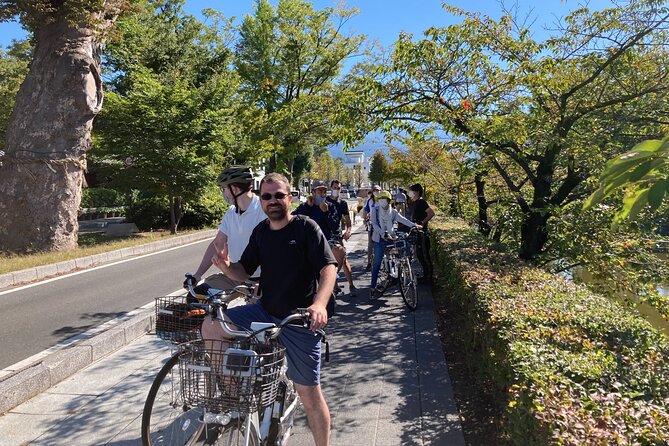
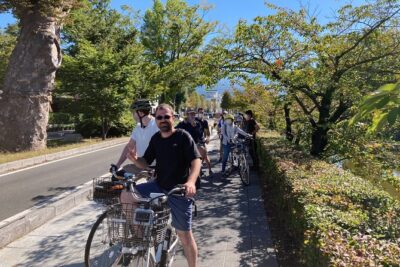
Riding an e-bike makes Matsumoto feel wider. This 4-hour countryside loop pairs electric-assisted cycling with stops at major and lesser-known sights, so you get views plus context without the stress of planning each turn. You’ll roll past rice fields and farmhouses with the Alps in the background, then slow down for history and local culture.
I especially love how the tour mixes historic Matsumoto Castle with quieter places like Fukashi Shrine, where the guide can explain what people actually pray for. Another big plus is the relaxed style, with breaks built in so you can take photos and catch your breath without feeling rushed.
One consideration: it is still cycling. Even with e-assistance and a relaxed pace, you should have moderate physical fitness, and you will want to plan for sun, water, and snacks, especially in summer.
In This Review
- Key highlights you will care about
- Why an e-bike fits Matsumoto so well
- Price and value for an $88.02 half-day
- Where the tour starts at Matsumoto Station
- Fukashi Shrine: a small stop with clear meaning
- Susuki-gawa River and Yamabe Valley for photos and breathing room
- Asama-Onsen Village: hot springs as living culture
- Matsumoto Castle: the National Treasure moment
- The guide factor: why Kevin-style storytelling improves the ride
- Pacing and cycling reality: moderate, but not zero-effort
- What is included, and what you should plan for
- Small group size and what that changes on the ground
- Weather and comfort: the practical side
- Should you book the eTour de Matsumoto?
- FAQ
- How long is the eTour de Matsumoto?
- How much does the tour cost?
- What is included in the tour price?
- What should I bring for the ride?
- What kind of cycling should I expect?
- Where does the tour start and end?
- Is a helmet provided, and is it required?
- What is the cancellation and weather policy?
Key highlights you will care about
- Electric-bike boost for countryside riding so you can enjoy the scenery without arriving wrecked
- Small group size (max 8) which makes it easier to ask questions and move at a comfortable pace
- Fukashi Shrine plus countryside river and valley scenery for variety beyond the usual castle-only route
- Asama-Onsen Village stop for a taste of Japanese hot-spring culture during the ride
- Matsumoto Castle National Treasure as the memorable anchor point
- Helmet provided, with safety guidance and a discovery-tour pace designed for photos and breaks
Snow country and the monkey valley, other departures
- Matsumoto Castle Tour & Samurai Experience
★ 4.9 · 128 reviews - Matsumoto Castle Tour & Samurai Experience
★ 5.0 · 69 reviews - Matsumoto Castle Town Walking Tour
★ 4.8 · 58 reviews - Matsumoto Discovery – Half Day Walking Tour
★ 5.0 · 43 reviews
Why an e-bike fits Matsumoto so well
Matsumoto is a city with a strong core, but the real payoff is what surrounds it. This tour helps you reach that countryside feel fast, without the friction that can come with buses or taxis for a half-day plan. The e-bike is the magic here, because it lets you cover more ground while still enjoying the ride.
You get a route that starts urban, then gradually turns more rural. That shift matters. In cities, you spend your time dodging crowds and traffic. On this ride, you’re moving through fields and valleys, stopping where it feels meaningful, then rolling again when you are ready.
Price and value for an $88.02 half-day
At $88.02 per person for about 4 hours, this is not a bargain tour, but it is not trying to be either. You are paying for an English-speaking guide, the bike, and the structured route that strings together multiple stops in a way that is hard to replicate solo in a short time.
Also, it is small scale. A maximum of 8 people usually means the guide can slow down for questions and adjust the pace when the group hits hills or photo stops. And since it is a discovery tour with plenty of breaks, you are not just being moved from one checkpoint to the next.
You might feel the cost is worth it if you want more than castle photos. If you are mainly chasing one landmark, you could probably build a cheaper plan. But if you want countryside scenery plus shrine and onsen culture, this format saves time and energy.
Where the tour starts at Matsumoto Station
The meeting point is Matsumoto Station at 1 Chome-1 Fukashi, Matsumoto, Nagano. The tour ends back at the same place, which is convenient if you plan to keep exploring afterward on your own.
You’ll receive confirmation at booking time, and you are issued a mobile ticket. Since the site is near public transportation, it is a practical choice even if you are not staying right beside the station.
- From Matsumoto/Nagano: Nakasendo Trail Walking Tour★ 4.9 · 33 reviews
- eTour de Matsumoto – Electric Bike Tour★ 5.0 · 16 reviews
Fukashi Shrine: a small stop with clear meaning
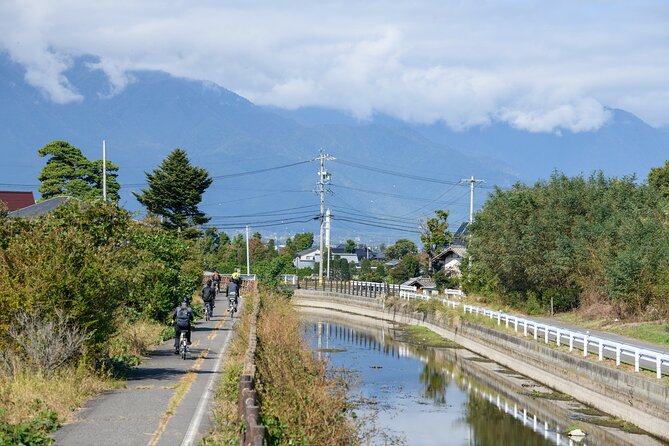
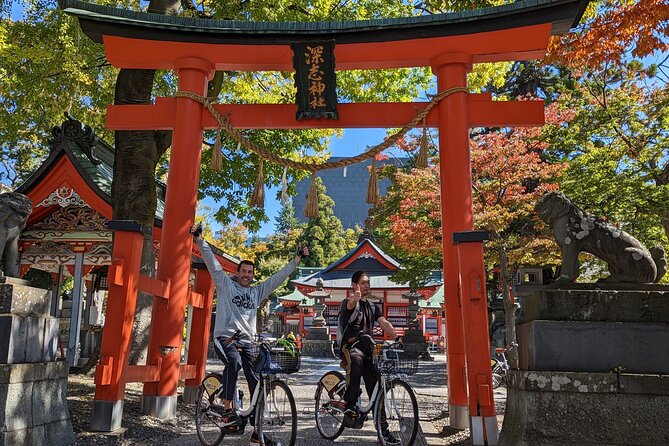
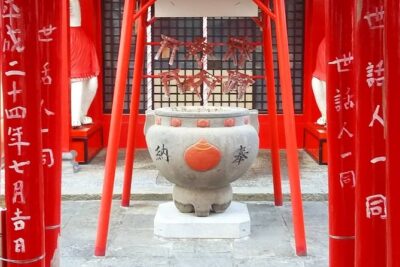
One of the first stops is Fukashi Shrine, dedicated to two Shinto deities: Suwa-Miyojin (wind, water, agriculture) and Tenjin (scholarship). The guide ties the shrine to local tradition, including the Tenjin Matsuri festival, which carries the Tenjin name.
This kind of stop is valuable because it adds depth to what you might otherwise treat as just another shrine building. When you understand the themes people care about, you notice details more. You also get a sense of what the area’s beliefs connect to, like farming and learning, which fits nicely with the surrounding countryside.
A practical note: shrines can involve some walking on uneven ground. The e-bike helps with effort, but you still want sturdy shoes for the short on-foot parts.
Susuki-gawa River and Yamabe Valley for photos and breathing room
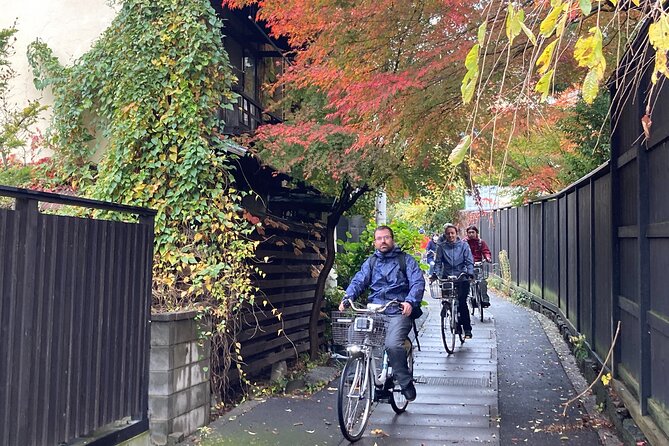
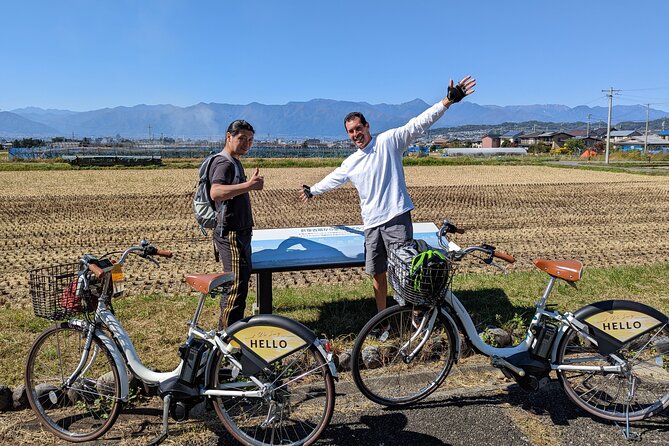
Next, the route heads east where the Susuki-gawa River runs down from the mountains. You’ll pass vineyards and rice fields, then reach the quiet scenery of Yamabe Valley with striking seasonal color.
What makes this segment work is the rhythm. You are not sprinting between stops. The tour is designed at a relaxed pace with breaks for sightseeing and photos, so the valley views land properly. It is also the part of the day where you feel how Matsumoto sits between city and countryside.
If you love landscape light and open space, this is where you will probably slow down the most. Bring whatever helps your camera routine, like a phone strap or a small towel for sweaty hands, because warm weather plus helmet straps can make everything feel more hands-on than expected.
Asama-Onsen Village: hot springs as living culture
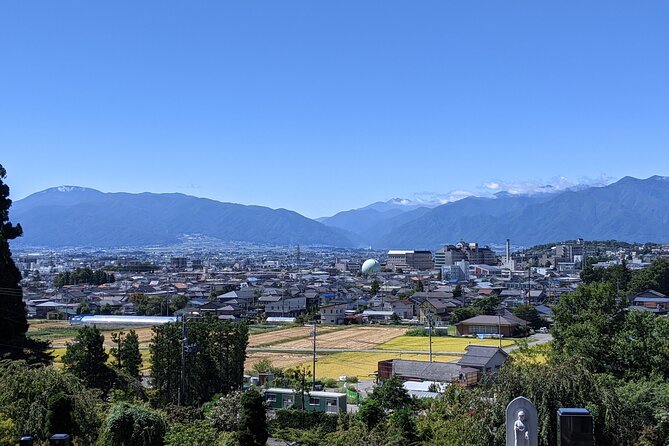
North of Matsumoto City, the tour includes Asama-Onsen Village. This is a practical cultural stop, since onsens are a core part of Japanese life and not just a tourist add-on.
Even if you are not planning to soak, the visit helps you understand why hot springs are woven into daily routines in this region. It also breaks up the day nicely between the river-and-fields stretch and the main castle highlight.
One thing to keep in mind: the tour information you have does not say an onsen soak is included. So if you want that experience, you may need to plan separately based on your timing and what is available during your visit.
Matsumoto Castle: the National Treasure moment
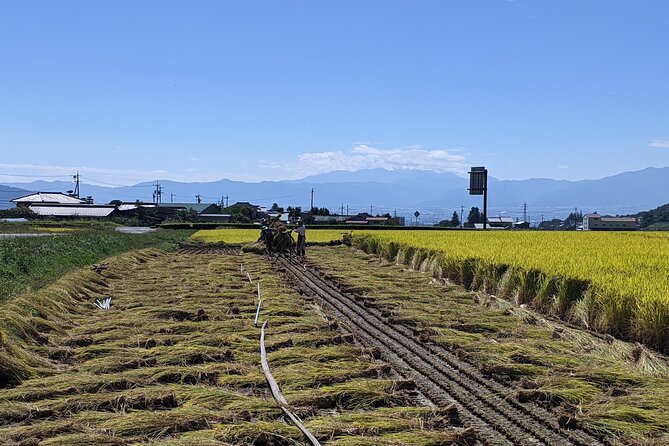
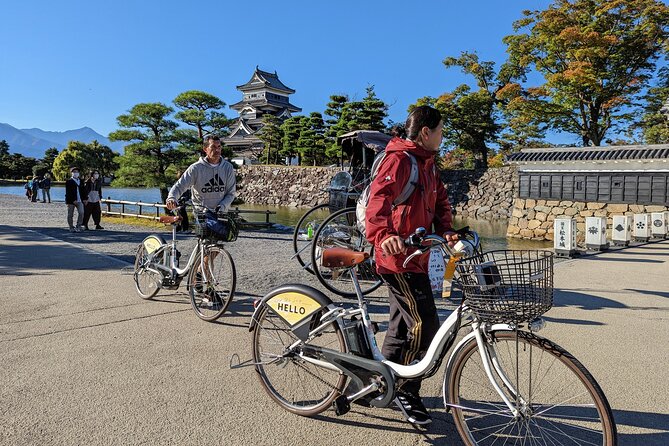
The tour culminates at Matsumoto Castle, which has over 400 years of history and is one of only five Japanese castles designated a National Treasure. The other castles in that group are Himeji, Hikone, Inuyama, and Matsue.
This stop is the perfect anchor. You get countryside riding during the first part of the tour, then you land back in the heart of Matsumoto for the big, unmistakable landmark. It is the kind of sight where the bike ride makes sense, because you are not only seeing the castle, you’re seeing what the castle historically sat above, in terms of region and land use.
If you like details, you’ll likely enjoy how the guide frames the castle and its place in the wider castle list. That context helps you compare what you see today with what you learn about Japanese castle status and preservation.
The guide factor: why Kevin-style storytelling improves the ride
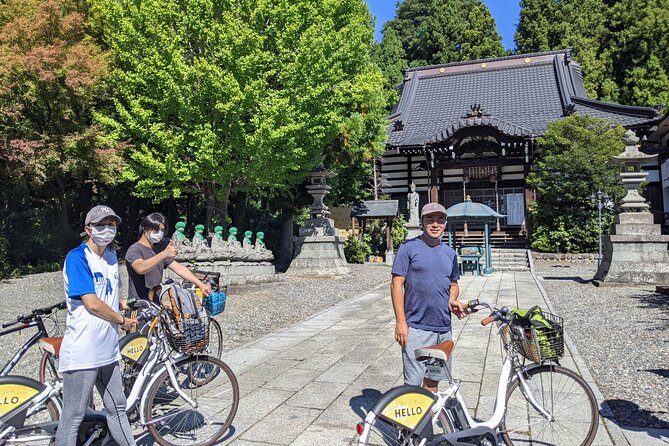
A great tour guide can turn a route into something you actually remember. In this case, one guide named Kevin is highlighted for extensive local knowledge and a friendly approach, leading a perfect day out for an e-bike rider.
Even if your guide is different, the structure is designed to support explanation while you ride and stop. You get historical and cultural context at places like Fukashi Shrine and Matsumoto Castle, plus real-world orientation about the area’s geography as you move through valleys and fields.
In practice, that means you are less likely to feel like you are just following instructions. You have something to listen for, then something to look for, then a reason to care.
Pacing and cycling reality: moderate, but not zero-effort
The tour includes a moderate amount of cycling, and it is suitable for most fitness levels, with a relaxed pace and plenty of breaks. Still, “relaxed” does not mean effort-free.
You should be prepared for:
- time on the bike saddle
- short walks at stops
- possible uneven ground near entrances
- warm-weather discomfort, if your timing is during summer
The e-bike reduces strain, especially on gentle climbs. But you still need basic comfort with sitting and steering, and you should be able to follow guide instructions.
If you are coming straight from long travel days, you might still feel tired by the end. That is normal. The upside is that you end back at Matsumoto Station, ready to transition into dinner plans.
What is included, and what you should plan for
Included:
- English-speaking guide
- Use of bicycle
- Helmet
Not included:
- snacks and souvenirs
- insurance
- lunch
Bring your own snacks, water, and sun protection, especially if you ride in summer. The tour clearly expects you to manage comfort yourself, which is smart. A helmet is provided, but comfort extras like sunscreen and water are on you.
Also, the tour notes that additional safety gear is not included. That means if you want gloves, reflective items, or your own light, plan to bring it.
As for meals, lunch is not included. However, the day can naturally include time for a local bite, and one experience included a great soba lunch from a local restaurant. If you want that kind of plan, treat it as a chance to extend the day, not a guaranteed package.
Small group size and what that changes on the ground
With a maximum of 8 travelers, the tour tends to feel more personal than big-bus sightseeing. That matters on a bike route, because smaller groups are easier to keep together, easier to hear, and easier for the guide to manage at stops.
You also get more flexibility when people want a photo or a little extra explanation. On a half-day bike tour, those micro-pauses add up to a better experience than a strict clock.
Weather and comfort: the practical side
This experience requires good weather. If it is canceled due to poor weather, you will be offered a different date or a full refund.
Plan for:
- sun exposure (helmet plus open fields can get warm)
- hydration needs during the countryside segments
- light rain adjustments, if your new date lands on a different day
Since the itinerary includes river and valley scenery, weather will change how the views look. Clear days will feel more crisp. Cloudy days can still be pleasant, but expect different light for photos.
Should you book the eTour de Matsumoto?
Book this tour if you want a true Matsumoto-and-countryside experience in one go. The combination of Fukashi Shrine, river and valley views, Asama-Onsen Village, and Matsumoto Castle is a strong mix, especially if you do not want to juggle multiple transportation plans.
Skip it if you:
- only care about one major site and would rather do a simpler castle-focused plan
- are not comfortable with moderate cycling, even with electric assist
- travel at a time when you are unlikely to get good weather (because the tour does require it)
If you fit the target audience, I think this tour is a smart value use of time. You trade some cost for convenience, an excellent ride format, and a guided route that helps you see what makes Matsumoto more than a single castle stop.
FAQ
How long is the eTour de Matsumoto?
The tour lasts about 4 hours.
How much does the tour cost?
The price is $88.02 per person.
What is included in the tour price?
It includes an English-speaking guide, use of the bicycle, and a helmet.
What should I bring for the ride?
Bring enough snacks and water, plus sun protection, especially in summer. The tour also notes that extra safety gear is not included, so you may want to bring anything you feel is necessary.
What kind of cycling should I expect?
The tour includes a moderate amount of cycling. It is designed for a relaxed discovery pace with breaks, and it is suitable for most fitness levels, but you should have moderate physical fitness.
Where does the tour start and end?
The tour starts at Matsumoto Station (1 Chome-1 Fukashi, Matsumoto, Nagano) and ends back at the same meeting point.
Is a helmet provided, and is it required?
Yes, helmets are provided and must be worn during the ride.
What is the cancellation and weather policy?
You can cancel for a full refund up to 24 hours in advance. The tour requires good weather, and if it is canceled due to poor weather, you will be offered a different date or a full refund.
Snow Country and the Monkey Valley
Newest Matsumoto write-ups from the Loving Japan desk
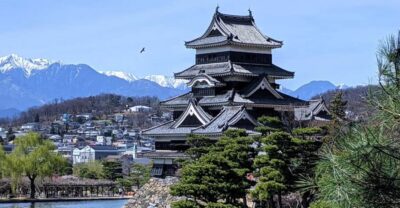
Nagano, Snow Monkeys and Ski Country, side by side.
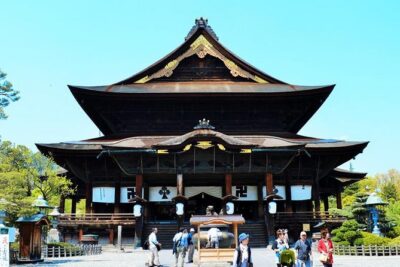 ★ 5.01-Day Snow Monkeys, Zenko-ji Temple & Sake in NaganoFrom $1511,020 reviews
 ★ 4.9Nagano: Snow Monkeys, Zenkoji Temple & Sake Day TripFrom $135833 reviews
 ★ 4.6From Tokyo: Snow Monkey 1 Day Tour with Beef Sukiyaki LunchFrom $151295 reviews
 ★ 4.7From Tokyo: Private Tour Snow Monkey Park & Zenko-ji TempleFrom $445184 reviews
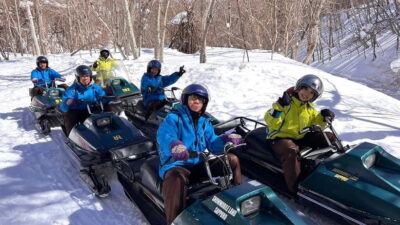 ★ 4.7Hokkaido Seasonal: Lake Toya & Noboribetsu Jigokudani ValleyFrom $55173 reviews
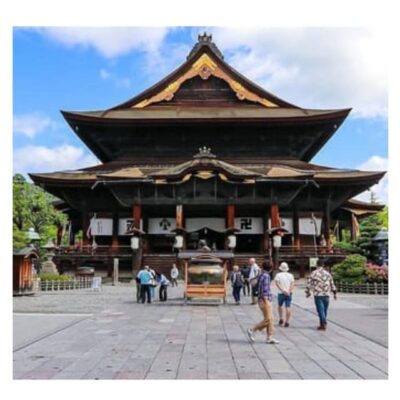 ★ 4.8Snow Monkey & Nagano Customiseable Private Day TourFrom $466138 reviews
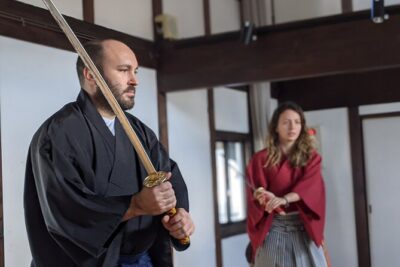 ★ 4.9Matsumoto Castle Tour & Samurai ExperienceFrom $88128 reviews
 ★ 4.5Nagano Snow Monkey 1 Day Tour with Beef Sukiyaki Lunch from TokyoFrom $151123 reviews
Filed on these lists too