
REVIEW · NAGANO, SNOW MONKEYS AND SKI COUNTRY
Hokkaido Seasonal: Lake Toya & Noboribetsu Jigokudani Valley
Winter in Hokkaido hits different. This one-day trip strings together Lake Toya’s frozen views and Noboribetsu’s steaming Hell Valley, with a winter farm stop for a slower, snowy break. I also like that it is built for logistics, not stress, with roundtrip transport from Sapporo and a live guide in English and Chinese. The main drawback to plan around is the optional snowmobile, which is extra and can be canceled if snow conditions are not right.
I like the structure here. You get panoramic time at an observation deck, a real winter activity on the lake (if conditions allow), then a change of pace at a farm before you hit the geothermal drama of Jigokudani. As one practical warning, Hell Valley boardwalks can get slippery in winter, so comfortable shoes and careful walking matter.
If you are visiting Hokkaido for the first time and want a full day of winter scenery without renting a car, this is a smart way to do it. Just make peace with the fact that lunch and any snowmobile fee are on you, and bad weather can shift timing a bit on busy days.
In This Review
- Key Highlights You Should Care About
- A One-Day Route That Actually Makes Sense in Winter
- Lake Toya Observation Deck, Where Snow Meets Mount Yotei
- Optional Snowmobile on Lake Toya, Thrill Worth Planning For
- Lake Hill Farm and the Vintage Sleigh Ride Through Snow Fields
- Showa Shinzan, Volcanic Terrain With Breathing Room
- Noboribetsu Jigokudani Hell Valley, Steam Vents on a Snow Floor
- Price and Logistics, What $55 Actually Buys
- Guides in Practice, From Mila to Mr. Hong and Sunny
- What to Wear and Bring for a Cold, Snowy Day
- Who This Tour Fits Best, and Who Should Skip
- Should You Book This Hokkaido Winter Loop?
- FAQ
- How long is the tour?
- Where do you meet, and where do you end?
- Is the snowmobile ride included?
- What does the tour price include?
- What is not included in the price?
- What languages is the guide?
- What should I bring?
- If I do not snowmobile at Lake Toya, what happens?
- What if there is not enough snow for snowmobiling?
- Is this tour suitable for seniors or people with mobility needs?
Key Highlights You Should Care About
- Lake Toya caldera views from a dedicated observation deck, with Mount Yotei often showing up in the distance.
- Optional one-hour snowmobile ride on snow-covered lakeside fields, led by professional instructors (extra cost).
- Lake Hill Farm winter fun, including a vintage sleigh ride through snow fields and the chance to warm up with milk or ice cream.
- Showa Shinzan free time to admire a volcanic winter scene, plus lunch on your own nearby.
- Noboribetsu Jigokudani Hell Valley boardwalks with steaming vents, snow, and that fiery versus frozen contrast.
- Guides who actively support you, including photo help during the snowmobile break in some schedules, plus strong culture tips.
Further north. Our other Hokkaido write-ups
- Sapporo Bar Hopping Food Tour
★ 5.0 · 232 reviews - Hokkaido Seasonal: Lake Toya & Noboribetsu Jigokudani Valley
★ 4.7 · 173 reviews - Sapporo Private Tour with a Local – Highlights & Hidden Gems
★ 5.0 · 91 reviews - Sapporo: Sumo Show Experience with Japanese food & Photo
★ 4.9 · 81 reviews
A One-Day Route That Actually Makes Sense in Winter
This day trip is designed around three big winter “wow” zones, all reachable in a single managed circuit. You start from Sapporo, then work your way south and east through lake country, farm country, and finally to Noboribetsu’s volcanic basin. By evening, you are back in central Sapporo.
What I like about this format is that it compresses long distances into a single plan. Hokkaido winter is gorgeous, but it is also cold and timing-sensitive. A guided loop keeps you from wasting prime daylight on transfers and waiting in the dark.
Lake Toya Observation Deck, Where Snow Meets Mount Yotei
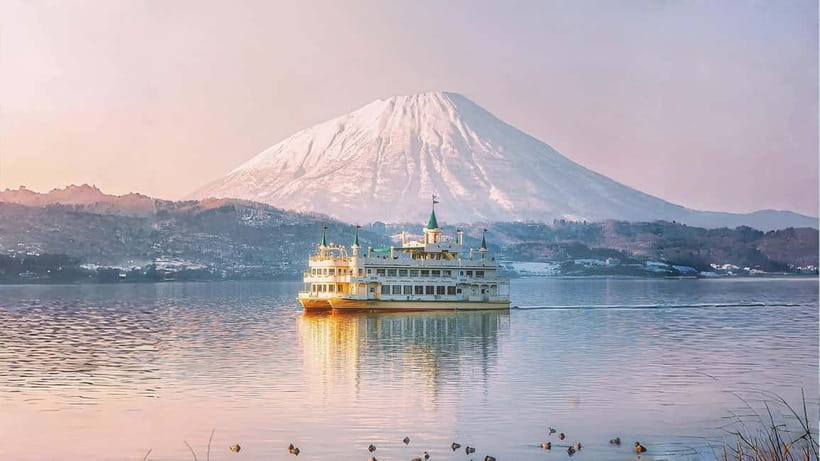
The day begins with a stop at the Lake Toya Observation Deck. This is the “take it all in” moment, built for big views rather than quick photo stops. You look out over the frozen lake with snow-covered shores and mountains forming the frame.
Lake Toya matters here because it is Japan’s third-largest caldera lake, with volcanic islands and forested areas that make the scene feel layered, not flat. In good winter weather, Mount Yotei can appear in the distance, and it tends to be a headline view for camera lovers.
Time at this stop is also where your day splits. If you choose the snowmobile option, you will shift into that activity. If you skip it, you get free time at the observation area. One important note: if you do not join the snowmobile ride, the schedule does not replace it with a different activity at this stop.
Optional Snowmobile on Lake Toya, Thrill Worth Planning For
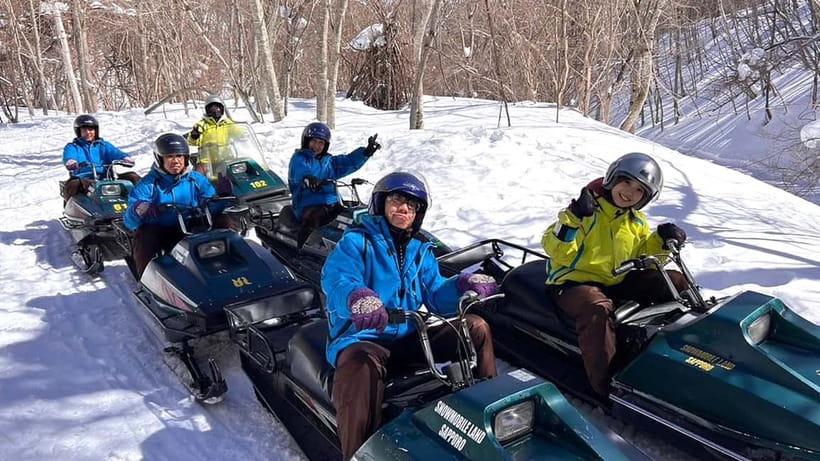
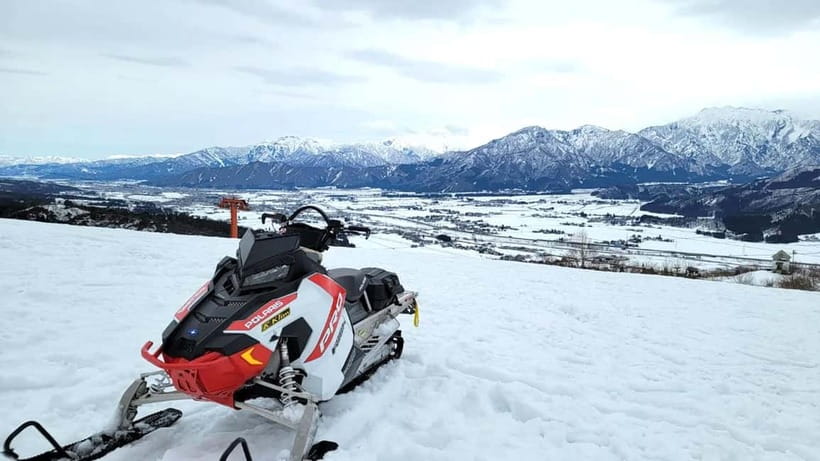
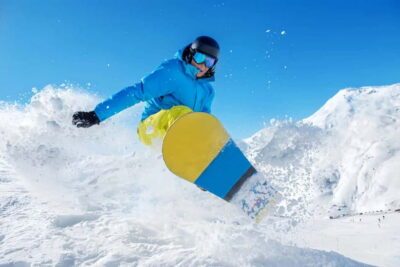
The snowmobile ride is optional and is not included in the base price. It is led by professional instructors, and the goal is to let you glide across snowy lakeside fields instead of just watching winter from a viewing point.
From a value standpoint, the snowmobile is the add-on most people think about. When conditions are right, it becomes the activity that turns Lake Toya from a viewpoint into a lived experience. Guides sometimes help with photos and videos during the ride break, which is a nice touch when you do not want to wrestle your camera in cold hands.
Now for the real winter logistics you need to respect. Snow conditions are not guaranteed. From late March onward, the snow may not be suitable for snowmobiling, and the itinerary adjusts to more relaxed sightseeing around Lake Toya instead. In colder or later months, snow availability can also affect what is possible.
Practical consideration: cold and weather can shape the ride. In some cases it can get wet with rain, and you may be stuck moving slowly depending on conditions. Bring warm layers and take the cold seriously. If you tend to feel it quickly, plan to dress for wind, not just temperature.
Snow country and the monkey valley, other departures
- [Departure from Sapporo] Noboribetsu Jigokudani, Lake Toya, Cape Chikyu by private car★ 5.0 · 37 reviews
- Sapporo: Otaru Asarigawa Ski Resort Day Trip with Gear★ 4.9 · 27 reviews
Lake Hill Farm and the Vintage Sleigh Ride Through Snow Fields
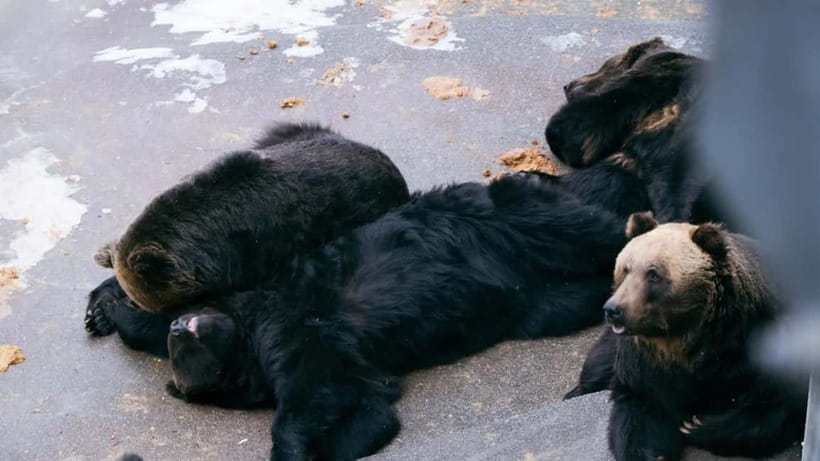
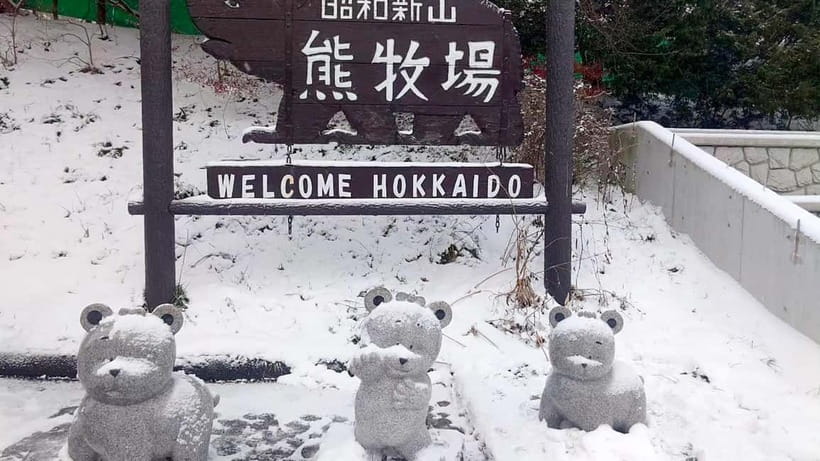
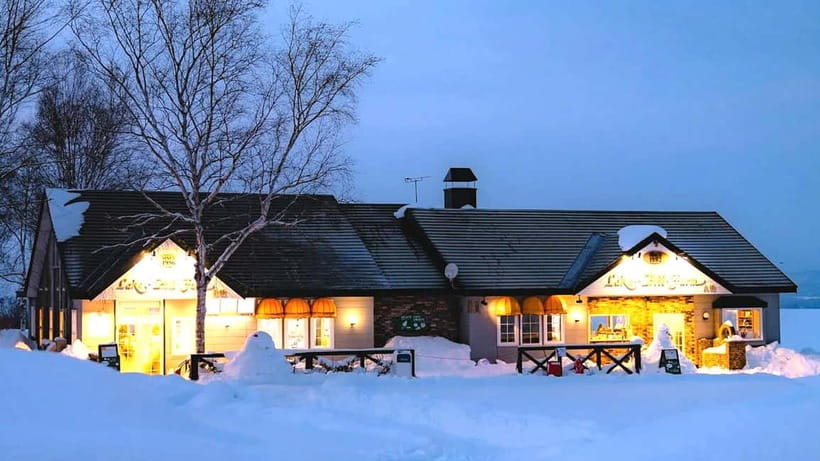
After Lake Toya, the trip heads to Lake Hill Farm. In winter, this hillside farm turns into a fairy-tale setup of snow-covered ground and calm countryside views. This is a nice contrast to the more intense geothermal and snowmobile parts of the day.
The highlight here is the vintage sleigh ride through snow fields. It is a lower-key experience, more about scenery and atmosphere than speed. Think of it as a breather stop, the part of the day where you slow down, look around, and let your brain reset from the cold-motion intensity.
You may also choose to warm up with simple treats like fresh milk or ice cream, depending on what is available. If you love winter “small joys,” this stop delivers. It also tends to be a good moment to get photos without needing to hold perfectly steady in wind-blown snow.
Showa Shinzan, Volcanic Terrain With Breathing Room
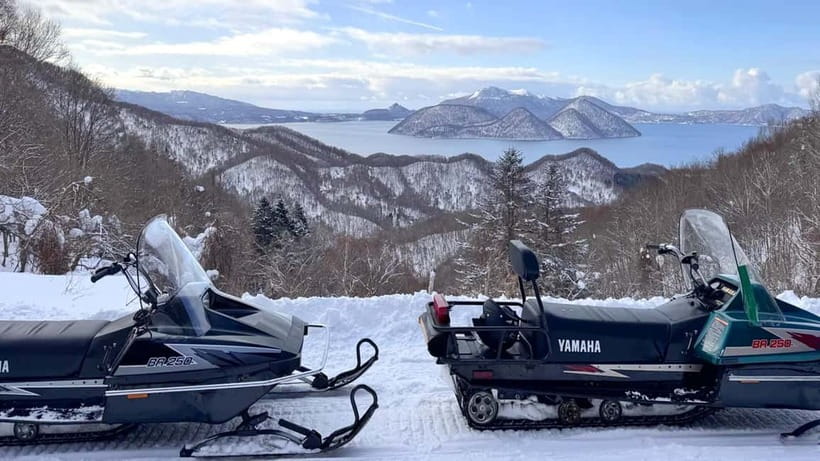
Next up is Showa Shinzan. This stop is arranged with free time so you can admire the volcanic scenery and winter views at your own pace. The tone here is more contemplative than action-based.
Lunch is on your own during this section. That matters because the schedule is built for movement, not for a long sit-down meal. If you get hungry easily, I suggest having a snack strategy ready, even if you think you will just find lunch nearby. One real-world lesson from similar winter timing, some local eateries can have limited service hours during peak seasons.
If you are the type who likes to look first and ask questions later, Showa Shinzan is a good place to do that. You can stand, take photos, and absorb the way winter transforms volcanic terrain into something almost graphic.
Noboribetsu Jigokudani Hell Valley, Steam Vents on a Snow Floor
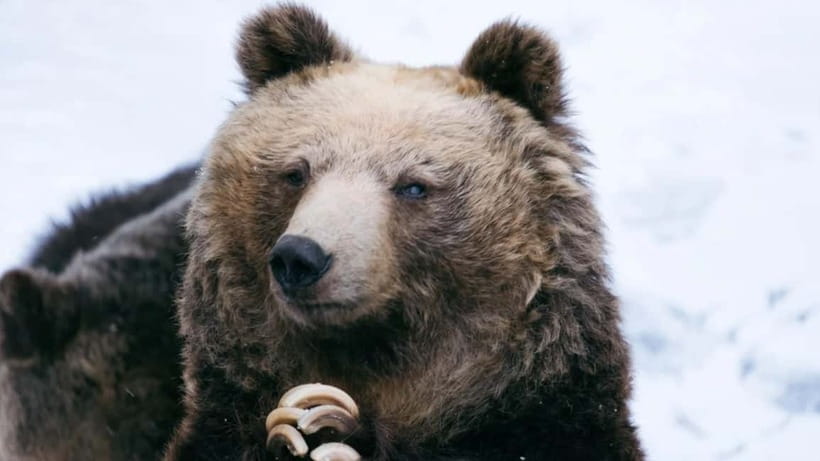
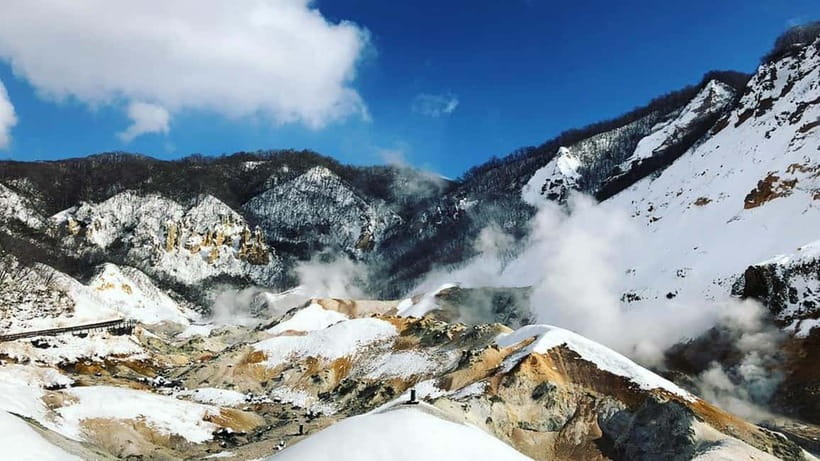
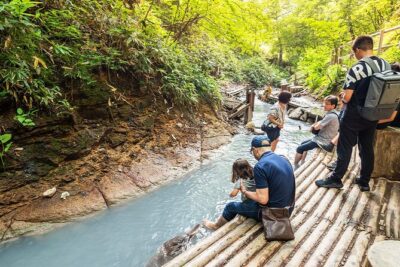
Then comes the headline geothermal site, Noboribetsu Jigokudani Hell Valley. This is a dramatic volcanic basin with steaming vents and active geothermal activity. In winter, it is extra dramatic because steam rises into cold air and the whole area feels like it is caught between worlds.
You walk along wooden boardwalks set up for viewing the vents safely. The contrast is the point. You see fiery geothermal energy while everything around it is crisp with snow. It is the kind of scene that makes you pause, because you can feel how powerful the earth is.
The one caution I want you to take seriously is footing. Winter moisture and steam make boardwalks slick at times. Use your most comfortable grip-friendly shoes, and take your time on the boards. This is not a “walk fast and scroll” kind of stop.
Price and Logistics, What $55 Actually Buys
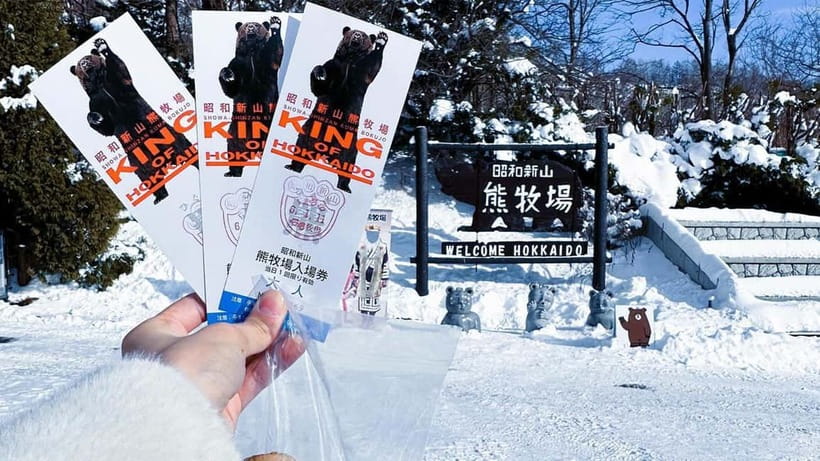
The listed price is $55 per person for a one-day tour. In return, you get guided touring plus roundtrip transportation from Sapporo. The price also covers the driver, parking, fuel surcharge, and toll charges.
What is not included is where you should pay attention:
- Food and drinks
- Attraction tickets, if any are required at specific stops
- Personal expenses
- Personal travel or accident insurance
- The snowmobile fee, since it is optional
So is it good value? For many people, yes, because you are paying to solve the biggest problem in winter Hokkaido: moving between far-flung sights efficiently. Even with good intentions, doing Lake Toya plus Noboribetsu plus the farm in one day on public transport is tough in winter conditions. This tour essentially buys you time and reduces cold-weather transfer hassle.
If you do take the snowmobile option, your total cost rises. But when snow conditions are good, it becomes the part of the day that feels most different from a normal sightseeing loop.
Guides in Practice, From Mila to Mr. Hong and Sunny
A big reason this tour gets high marks is the human side. The tour includes a live guide, and the guide language is Chinese and English. In smaller groups, the driver may also cover limited English commentary, with no narration while the bus is driving.
I have seen names like Mila, Mr. Hong, Sunny, Max, and Lin show up as guides in recent days. What stands out is that many guides focus on clear instructions and keep the day moving without feeling rushed.
A few practical ways guides add value:
- Explaining what you are seeing in simple terms, not just reading signs
- Offering culture context during bus rides
- Sharing food and souvenir tips around the route
- Helping with photos during the snowmobile break in some schedules
One caution from the real world: if you end up with a guide who talks very fast or at high volume, it can feel intense. If that is your preference, you can ask for clarification when you are at a stop. Guides usually adjust when they see you are trying to catch up.
What to Wear and Bring for a Cold, Snowy Day
The tour asks you to bring comfortable shoes and comfortable clothes. In winter, that should translate into traction-friendly footwear and layers you can adjust when you move between the bus and outdoor stops.
Also plan for the fact that you will spend real time outside:
- Lake Toya viewpoint time
- Snowmobile time if you choose it
- Farm time in a snowy outdoor setting
- Hell Valley boardwalk walking in steam and snow
If boardwalks get slippery, you will feel it more if your shoes are not sturdy. Bring the grip you have, not the style you wish you had.
If you get rain during snowmobile time, you will be cold faster. The tour description does not mention provided rain gear, so I suggest you bring something simple to protect your clothes and keep your comfort steady.
Who This Tour Fits Best, and Who Should Skip
This is a great fit if you:
- Want Lake Toya and Noboribetsu in one easy day
- Like winter activities, especially optional snow sports
- Prefer guided routing over self-planning in cold weather
- Enjoy nature-focused stops where you can take photos and slow down
It is not suitable for:
- Children under 3
- Pregnant women
- People with mobility impairments
- Wheelchair users
- People with high blood pressure
- People over 70
If any of those apply to you, it is worth choosing a different plan with fewer physical demands.
Also consider snowmobile availability. If your dates land outside good snow conditions, you might not get the snowmobile portion and you will rely on viewing time and other winter stops instead.
Should You Book This Hokkaido Winter Loop?
I think this tour is worth booking if you want an efficient, guided way to see the best winter contrasts in Hokkaido. Lake Toya gives you that frozen caldera-lake grandeur, and Jigokudani delivers steaming geothermal spectacle right when the air is cold enough to make steam dramatic. The farm stop is a welcome change of pace, not a rushed pit stop.
Skip or reconsider if:
- You hate paying extra fees for the snowmobile
- You are very sensitive to cold and wind, especially during outdoor walking and boardwalk sections
- You want a long, flexible schedule with lots of unstructured time
- You fall into the listed non-suitable categories
If you go in with the right expectations, you will get a full winter day with multiple scene changes, a guide who keeps things organized, and some of Hokkaido’s most memorable winter scenery.
FAQ
How long is the tour?
The duration is 1 day.
Where do you meet, and where do you end?
The meeting point may vary depending on the option booked, and you return to downtown Sapporo in the evening for dismissal.
Is the snowmobile ride included?
No. The snowmobile ride is optional and comes with an additional fee paid by you.
What does the tour price include?
It includes a guided tour, roundtrip transportation, fuel surcharge, driver, parking, and toll charges.
What is not included in the price?
Food and drinks are not included. Attraction tickets may also be extra, along with personal expenses and personal travel or accident insurance.
What languages is the guide?
The live tour guide speaks Chinese and English.
What should I bring?
Bring comfortable shoes and comfortable clothes.
If I do not snowmobile at Lake Toya, what happens?
You can enjoy free time at the observation area, and no alternative activities are arranged at that stop.
What if there is not enough snow for snowmobiling?
From late March onward, snow conditions may not be suitable, and the itinerary will be adjusted to include leisure sightseeing around Lake Toya instead.
Is this tour suitable for seniors or people with mobility needs?
It is not suitable for people with mobility impairments, wheelchair users, people with high blood pressure, and people over 70. It is also not suitable for children under 3 and pregnant women.
Snow Country and the Monkey Valley
Hokkaido, Further North
Newest Sapporo write-ups from the Loving Japan desk
Nagano, Snow Monkeys and Ski Country, side by side.
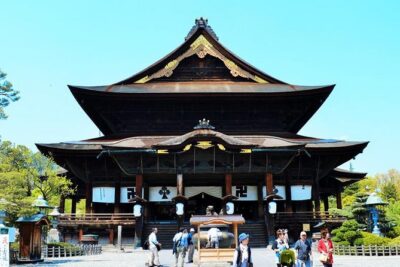 ★ 5.01-Day Snow Monkeys, Zenko-ji Temple & Sake in NaganoFrom $1511,020 reviews
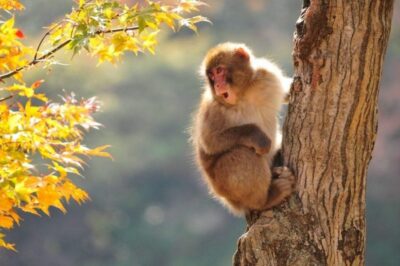 ★ 4.9Nagano: Snow Monkeys, Zenkoji Temple & Sake Day TripFrom $135833 reviews
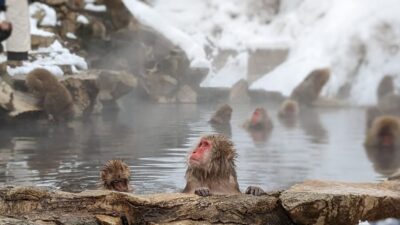 ★ 4.6From Tokyo: Snow Monkey 1 Day Tour with Beef Sukiyaki LunchFrom $151295 reviews
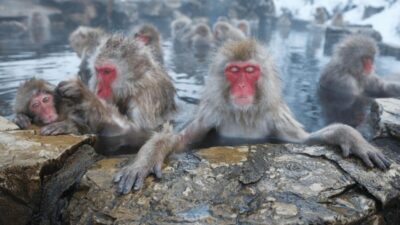 ★ 4.7From Tokyo: Private Tour Snow Monkey Park & Zenko-ji TempleFrom $445184 reviews
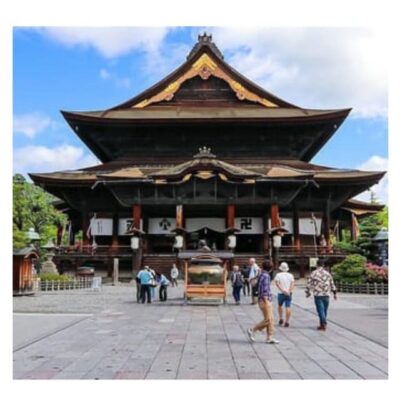 ★ 4.8Snow Monkey & Nagano Customiseable Private Day TourFrom $466138 reviews
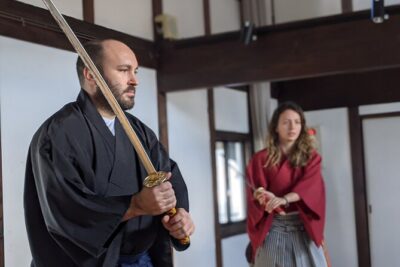 ★ 4.9Matsumoto Castle Tour & Samurai ExperienceFrom $88128 reviews
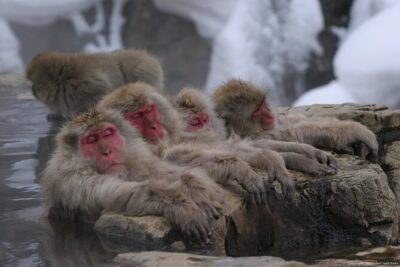 ★ 4.5Nagano Snow Monkey 1 Day Tour with Beef Sukiyaki Lunch from TokyoFrom $151123 reviews
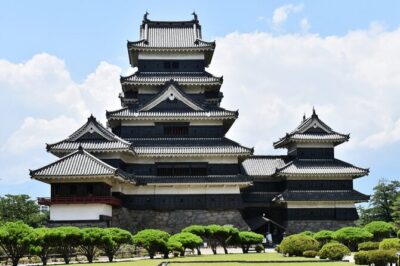 ★ 5.01-Day Tour from Nagano and Matsumoto Kamikochi & Matsumoto CastleFrom $201105 reviews
Filed on these lists too