
REVIEW · NAGANO, SNOW MONKEYS AND SKI COUNTRY
From Matsumoto/Nagano: Nakasendo Trail Walking Tour
Mist, stone steps, and old-town calm. This one-day walk covers the prettiest parts of the Nakasendo Trail and ends in the historic post town of Magome, with the roar of the Odaki-Medaki waterfalls as your big mid-hike reward. I love how the route blends countryside footpaths with town streets, so you feel like you are moving through real Kiso Valley life, not just seeing it from a bus window.
What I also like is the pacing of the day: you start with a guided look at Tsumago-juku, then get out on the trail with stops that make the 8 km feel manageable. You also finish with time to wander Magome’s sloped main street, where restored wooden buildings and waterwheel waterways keep the vibe grounded and visual. One drawback to plan for, though, is the amount of walking and driving, plus the fact this tour is not set up for young kids or anyone with mobility limits.
In This Review
- Key highlights at a glance
- Why the Nakasendo Trail hike feels special between Tsumago and Magome
- How your day runs from Matsumoto or Nagano, without you wrestling logistics
- One planning tip that can save your day
- Tsumago-juku: the old post town that makes the trail click
- The 8 km hike: cobbles, country roads, and the Odaki and Medaki moment
- Odaki and Medaki waterfalls: the mist break you will remember
- Magome: the post town finish with restored streets and waterwheel views
- Price and value: what $189 buys you on this kind of day
- Who this tour suits best, and who should skip it
- What to bring so Odaki and Medaki do not become a problem
- Should you book the Nakasendo Tsumago to Magome day hike?
Key highlights at a glance
- Tsumago-juku to Magome, guided and story-led: You learn as you walk, not after the fact.
- Odaki and Medaki waterfalls break: Cool mist, short pause, then back on the path.
- A real Nakasendo mix of cobbles, rural roads, and trails: Moderate ascents and descents keep it interesting.
- Old post-town streets you can actually stroll: Restored houses along the sloped main street in Magome.
- Coach rides through mountain scenery: Easy views while you travel between Nagano or Matsumoto and the Kiso Valley.
- English live guide who sets the pace: Examples from past groups include Devon, Kim, Shawn, Joyce, Kevin, and Sijung.
Snow country and the monkey valley, other departures
- Matsumoto Castle Tour & Samurai Experience
★ 4.9 · 128 reviews - Matsumoto Castle Town Walking Tour
★ 4.8 · 58 reviews - Matsumoto Discovery – Half Day Walking Tour
★ 5.0 · 43 reviews - From Matsumoto/Nagano: Nakasendo Trail Walking Tour
★ 4.9 · 33 reviews
Why the Nakasendo Trail hike feels special between Tsumago and Magome
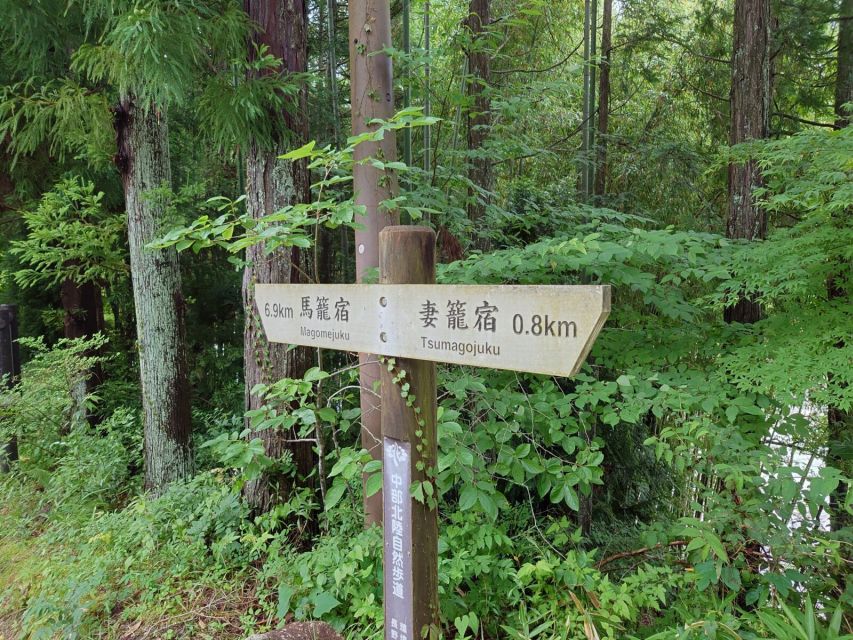
The Nakasendo Trail is one of Japan’s classic “old route” experiences, but this specific stretch has a quality that is hard to fake. You are not just hiking through scenery, you are walking the corridor that once helped connect Tokyo and Kyoto during the Edo era (1600 to 1868). That detail matters because the trail still shows traces of the old road, including sections lined with cobblestones, and you feel the shift from past bustle to quiet today.
I also like the emotional rhythm of the day. You begin in a well-preserved town, then step onto a quieter trail that gradually opens into wide mountain views. Midway you hit Odaki and Medaki, two adjacent waterfalls that turn your break into a sensory moment, not just a photo stop. That mist-on-your-face reward is the kind of payoff that makes the effort feel worth it.
How your day runs from Matsumoto or Nagano, without you wrestling logistics
This tour is built for one thing: getting you from Matsumoto or Nagano into the Kiso Valley with minimal stress. You meet your guide in one of the starting areas (Nagano Station, Kokusai 21, or Matsumoto Station, depending on what you book). Then you board the tour bus and settle in for a long coach ride, with scenery rolling past your window as you head toward the trail area.
The driving time is real. Expect roughly a couple of hours getting from Matsumoto to the Nakasendo area, plus additional time on the coach depending on pickup and the day’s schedule. You also get a bathroom stop along the way, and you will have one more practical reset at a Michi-no-Eki, a roadside service station where you can stretch, grab a quick drink, or use the facilities.
Once you arrive, the day becomes very human-scale. Instead of rushing, the tour layers experiences in a smart order: town first, hike second, then post-town time at the finish. That matters because it reduces “arrival fatigue,” and it gives you something to look forward to when your legs start asking questions.
One planning tip that can save your day
Bring patience for the coach ride. If you expect a short, punchy hike, you might feel time drag. If you treat the bus segment as part of the experience, with mountain views and a couple of breaks, the schedule feels far more reasonable.
Tsumago-juku: the old post town that makes the trail click
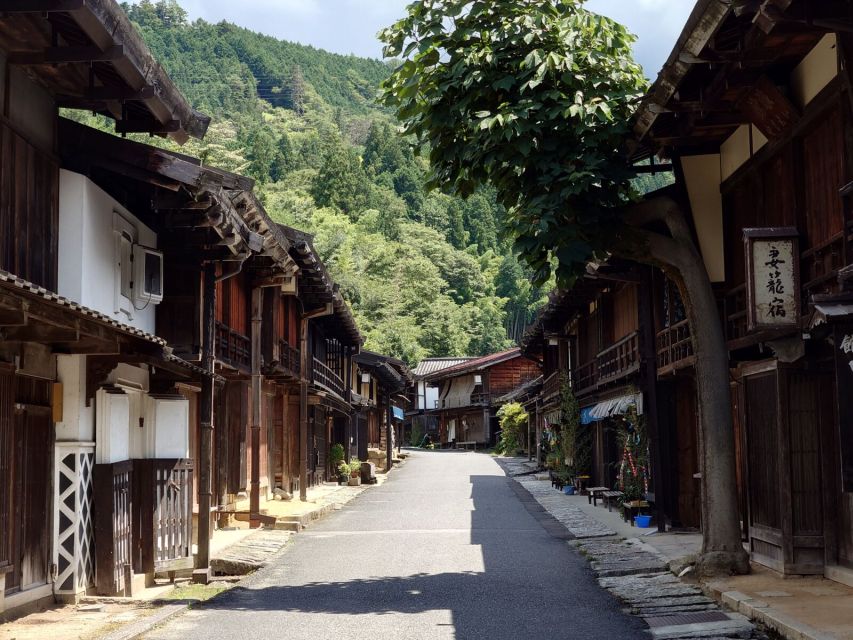
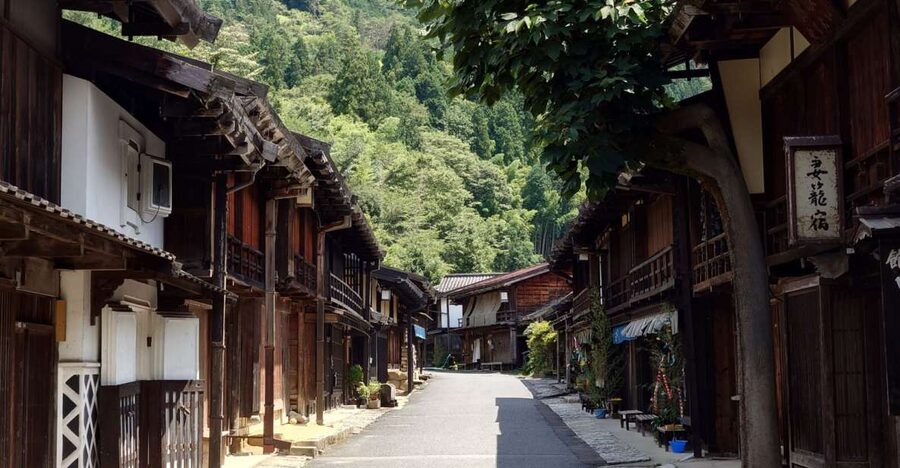
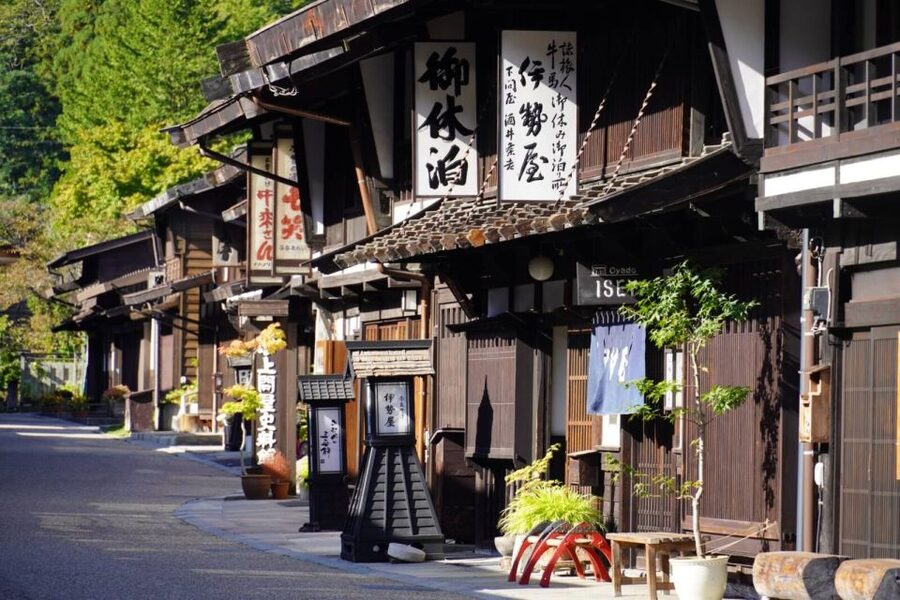
Tsumago-juku is the perfect opening chapter because it teaches you how this road used to function. You arrive in a town of wooden buildings with mountain views, where the streets feel arranged for strolling and lingering. You will tour the town with your guide, including visiting one of the buildings that is open to the public, so you get a glimpse into the lifestyle people once lived on this route.
This is also where the tour becomes more than “pretty walking.” Your guide keeps you informed while you move through Tsumago, and you get context about why these post towns existed and how travelers would have passed through. In past groups, guides like Joyce and Kevin have been praised for mixing history with practical explanations, and that style tends to make the Nakasendo feel personal rather than museum-like.
You will then finish up at Tsumago-juku and shift into hiking mode. That transition is important. Starting in town gives you direction, rhythm, and context, so you are not trying to figure out the meaning of the trail while your shoes are still new to you.
The 8 km hike: cobbles, country roads, and the Odaki and Medaki moment
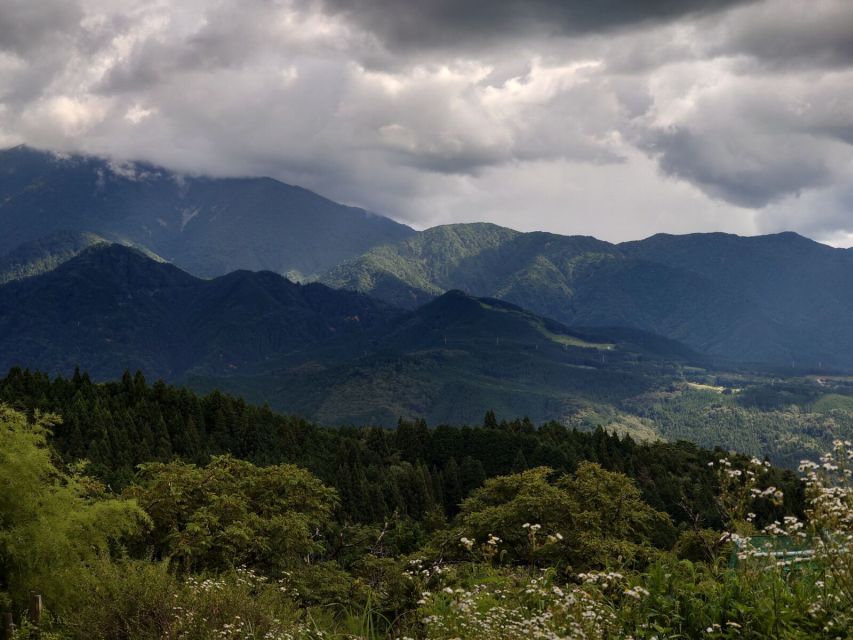
Now for the part you came for. The main hike is about 8 km between Tsumago and Magome, and it includes some moderate ascents and descents. The trail is not a flat stroll, but it also is not described as extreme. If you can handle a steady hour or two of walking with a few uphill stretches, you are likely in the right fitness zone.
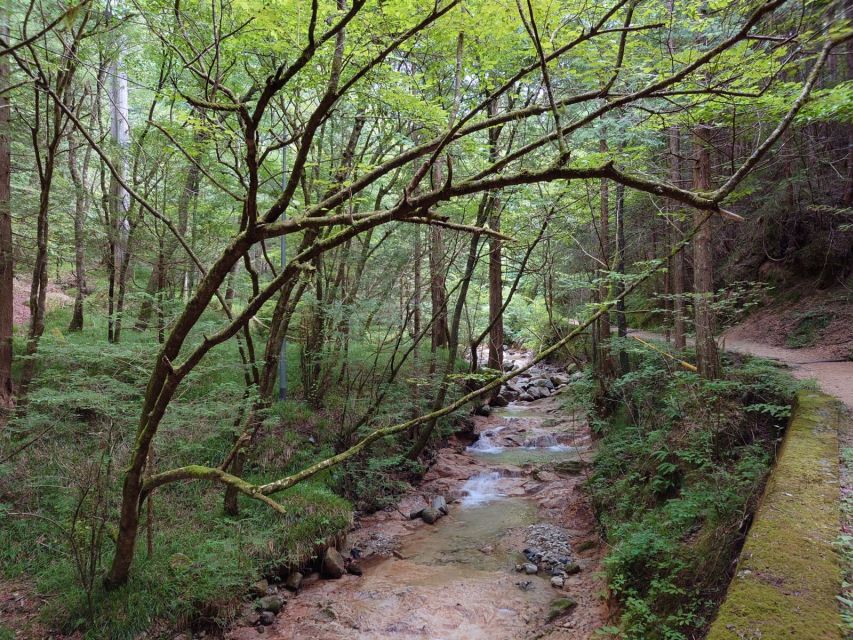
What makes the hike rewarding is the variety in how you move. You will walk country trails and rural roads, with sections that still carry cobblestones from the Edo era. That mix helps the hike avoid the monotony trap. One moment you are on path under trees and open air, the next you are crossing a quiet rural lane, and then you return to old-road textures.
Wildlife is part of the fun too. You might spot birds, lizards, and potentially deer or badgers depending on the day. I would not count on it, but being alert is half the pleasure, especially when the air feels fresh and you are away from city noise.
Odaki and Medaki waterfalls: the mist break you will remember
At the heart of the hike, you will find two adjacent waterfalls, Odaki and Medaki. This is a built-in break point. You can stop, feel the cool mist on your face, and reset your energy before the final stretch toward Magome.
The tour also mentions a traditional house option along the way where you can take water and relax. If you are the type who likes short pauses, that detail is a big deal. It is easier to keep going when you know there is a real chance to rest instead of constantly pushing.
One more real-world consideration: the hike can be sunny at times, and at least one group reported the sun in their eyes for much of the walk. A hat and some sunscreen are simple insurance.
Magome: the post town finish with restored streets and waterwheel views
When you reach Magome, the experience flips from “walk and learn” to “arrive and explore.” The tour includes a guided introduction and then a chunk of free time, roughly 40 minutes, where you can shop, snack, or just wander and take photos.
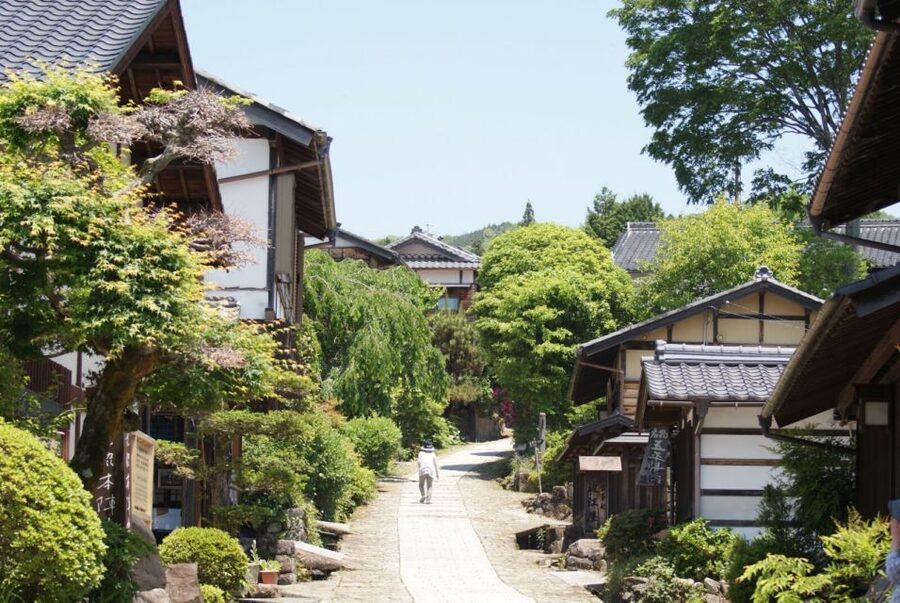
Magome’s main street is sloped and lined with restored wooden buildings, which makes it feel like you are walking through a living time capsule. Even better, the tour highlights the waterways on either side of the street that power waterwheels. Those details are what separate Magome from a generic old-town set piece. You can see how water management shaped daily life.
This is also where you get practical options. There are eateries and souvenir shops around the post-town area, so you can decide whether you want a light treat now or save it for later. Lunch is not included, so planning your own snack or meal is part of making the day work smoothly for you.
Finally, this is a great place to slow down near the end. One past group timed their arrival into Magome for golden hour and described how special it felt. You might not control the sun, but you can control your pace and your camera position once you get there.
Price and value: what $189 buys you on this kind of day
At $189 per person for a one-day experience, the real question is what you are getting besides a hike. You are paying for guided support plus roundtrip transportation from Matsumoto or Nagano. That matters here because the drive is long enough that doing it on your own would mean more planning, more transit coordination, and more time spent figuring out connections.
The guide is the other half of the value. The route covers history, trail points, and town context, and the day is structured so you do not waste time staring at a map. English live guiding is included, and past groups have praised guides such as Devon, Sijung, Kim, Shawn, and others for staying friendly, setting a comfortable pace, and answering questions.
The main thing not included is lunch. That is normal for a hiking day, but it means you should budget for snacks or a meal in Magome or on the way. If you go into the day ready to spend a bit of your own money on food, the price feels fair for the time you save and the ease of the experience.
Who this tour suits best, and who should skip it
This is best for adults or teens who enjoy moderate walking and want a guided cultural trail day. The tour itself calls out that there is a significant amount of walking and that it is not suitable for children due to long distances. It is also not suitable for people with mobility impairments or wheelchair users.
If you are a family with small kids, this is probably not the right day trip. If you are a solo walker or a couple who likes steady pace and history talk while you move, you will likely be happiest here.
One more sweet spot is travelers who want structure but not a full-day grind. The hike is just long enough to feel like a real trail experience, and the towns at each end give you a clear reason to start early and keep going.
What to bring so Odaki and Medaki do not become a problem
Pack for comfort first. The essentials are hiking shoes, water, and weather-appropriate clothing. That might sound obvious, but on Japanese trails, foot comfort is everything, and the waterfall area can mean cooler air and mist.
I would also add a practical checklist based on how this day feels:
- A hat, especially if sunlight is strong on your hike day
- Sunscreen and a light layer if conditions change fast
- A small snack for the gaps, since lunch is not included
If you have sensitive knees, take the moderate ascents seriously. You do not need to be an athlete, but you do want to move steadily and not sprint up the uphill parts.
Should you book the Nakasendo Tsumago to Magome day hike?
If you want a guided, historically grounded walk between two preserved post towns, book it. The combination of Tsumago-juku orientation, an 8 km trail section with cobblestone Edo-era remnants, and the Odaki and Medaki waterfall break is a strong package for a one-day trip. Add in roundtrip transportation and an English guide, and you get a lot of value without the stress of building your own route.
Skip it if you cannot commit to moderate walking distances, or if you need wheelchair-friendly access. Also skip it if you dislike long coach rides, because the day includes significant time traveling.
If you match the fitness and flexibility needs, this is the kind of day hike that leaves you with specific memories, not just photos: the mist at the waterfalls, the feel of old road stones, and Magome’s restored streets with waterwheel views.
Snow Country and the Monkey Valley



Newest Matsumoto write-ups from the Loving Japan desk
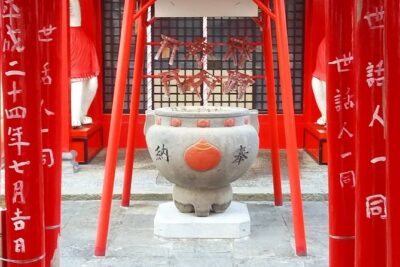
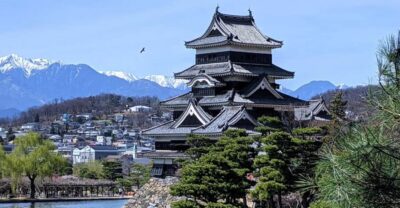
Nagano, Snow Monkeys and Ski Country, side by side.
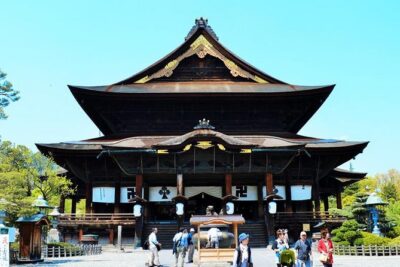 ★ 5.01-Day Snow Monkeys, Zenko-ji Temple & Sake in NaganoFrom $1511,020 reviews
 ★ 4.9Nagano: Snow Monkeys, Zenkoji Temple & Sake Day TripFrom $135833 reviews
 ★ 4.6From Tokyo: Snow Monkey 1 Day Tour with Beef Sukiyaki LunchFrom $151295 reviews
 ★ 4.7From Tokyo: Private Tour Snow Monkey Park & Zenko-ji TempleFrom $445184 reviews
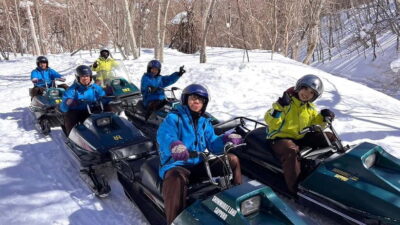 ★ 4.7Hokkaido Seasonal: Lake Toya & Noboribetsu Jigokudani ValleyFrom $55173 reviews
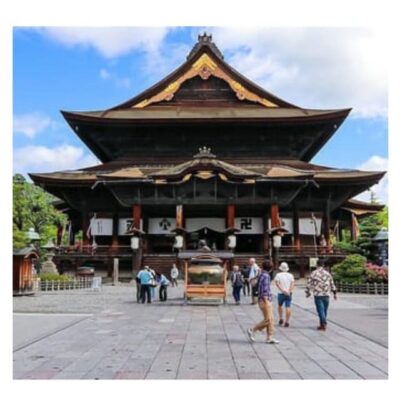 ★ 4.8Snow Monkey & Nagano Customiseable Private Day TourFrom $466138 reviews
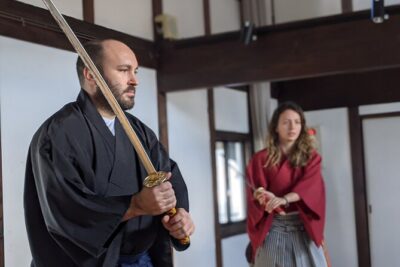 ★ 4.9Matsumoto Castle Tour & Samurai ExperienceFrom $88128 reviews
 ★ 4.5Nagano Snow Monkey 1 Day Tour with Beef Sukiyaki Lunch from TokyoFrom $151123 reviews
Filed on these lists too