
REVIEW · MOUNT FUJI DAY TRIPS
Experience the Stunning Nature of Mt.Fuji – Private Tour
Fuji day, planned to reduce stress. This private Mt. Fuji tour threads together big scenic moments and hands-on stops around the Fuji Five Lakes area, starting with a ride up to Tenjoyama Park. I like that you get a clear route, plus hotel pickup and drop-off in Tokyo so your day stays simple.
Two things I especially like. First, the ride on the Mt. Fuji Panoramic Ropeway to Tenjoyama Park, which is made for panorama views of Lake Kawaguchiko and Mt. Fuji on a clear day. Second, the tour mixes views with food and movement, including hoto noodles near Lake Kawaguchiko and a short bike loop around the lake.
One possible drawback to consider: you are on a full, 11 to 12 hour schedule that depends on weather, and some stops involve walking, steps, and time outdoors. If the weather is rough, you might need to swap to a different date.
In This Review
- Key highlights
- Why this private Mt. Fuji plan feels so much easier than DIY
- The Mt. Fuji Panoramic Ropeway to Tenjoyama Park (and how to make it count)
- Lunch at Lake Kawaguchiko: hoto noodles and local timing
- Lake Kawaguchiko on two wheels, then Oishi Park
- Lake Saiko: a calmer, bluer pause in the Aokigahara area
- Iyashi no Sato Nemba: history you can walk through
- Fugaku Wind Cave in Aokigahara: the cool finale that feels different
- Price and value: what you’re really paying for
- Timing, weather, and the real-world rhythm of a full Fuji day
- What to expect you pay separately (so you can budget calmly)
- Who this Mt. Fuji private tour suits best
- Should you book this Mt. Fuji private tour?
- FAQ
- What time does the tour start?
- How long is the tour?
- How many people can join this private tour?
- Is hotel pickup and drop-off included?
- Does the tour include an English-speaking guide?
- What is included in the price?
- Is lunch included?
- Do I need to buy tickets for the ropeway and other sites?
- What if weather is bad?
Key highlights
- Tenjoyama views by ropeway up to Mt. Tenjo for wide Lake Kawaguchiko panoramas
- Hoto noodles lunch near Lake Kawaguchiko, a local thicker udon-style comfort dish
- Bike time around Lake Kawaguchiko, a practical way to see more without hiking
- Quiet contrast at Lake Saiko, with crystal blue calm and Aokigahara forest setting
- Iyashi no Sato recreated village, built after the 1966 landslide and restored in 2006
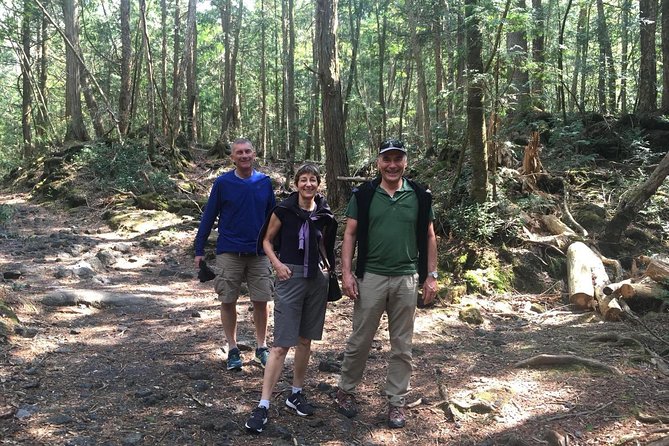
- Fugaku Wind Cave temperature shock, a cold cave experience even in summer
Fuji from Tokyo: the other approaches
- Mt Fuji and Hakone 1-Day Bus Tour Return by Bullet Train
★ 5.0 · 26,383 reviews - Mt Fuji & Hakone Cruise, Drum Show Bullet Train 1 Day from Tokyo
★ 4.0 · 7,413 reviews - Tokyo Mt Fuji 5th St & Hakone Cruise Bus Tour w/Bullet Train
★ 4.4 · 5,024 reviews - From Tokyo: Mount Fuji Full-Day Sightseeing Trip
★ 4.5 · 4,970 reviews
Why this private Mt. Fuji plan feels so much easier than DIY
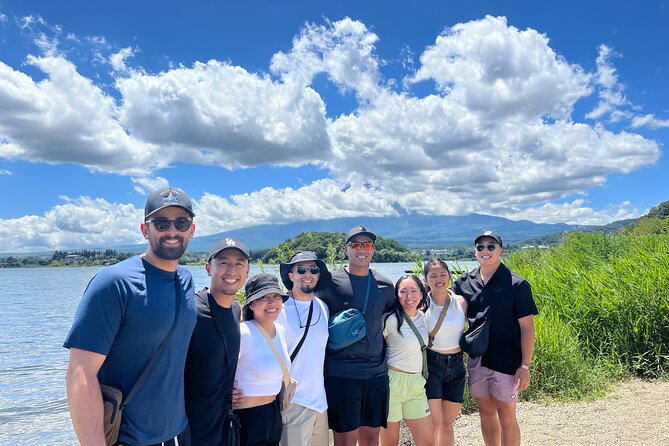
From Tokyo, a Mt. Fuji day can get messy fast. This tour takes the hardest parts off your plate, meaning you spend your energy on the views, the food, and the stops that actually fit together well in one day.
The big win is how it’s built around a smooth flow. You start early at 8:00 am, move through the Fuji viewpoints efficiently, and then end with the cool, offbeat stop at Fugaku Wind Cave. That pacing matters because the road time from Tokyo to the Fuji Five Lakes area can swallow your whole day if you’re improvising.
It also helps that the tour is private, so your guide can adjust the pace to your group. In one review, the guide Yahiro was singled out for being friendly and answering a flood of questions while keeping things comfortable for everyone. That kind of on-the-day responsiveness is exactly what you want when you’re spending a long day away from Tokyo.
The Mt. Fuji Panoramic Ropeway to Tenjoyama Park (and how to make it count)
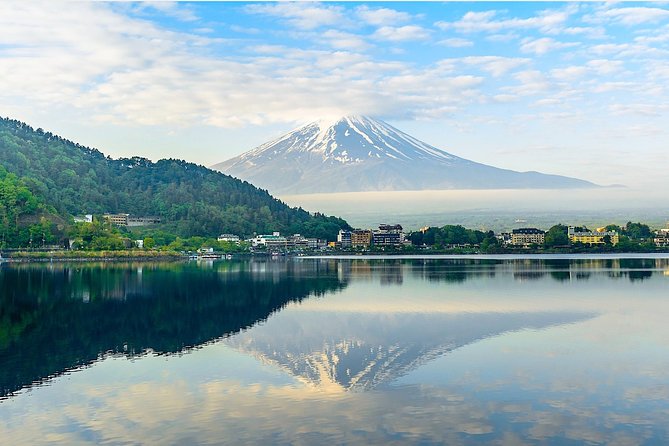
Stop one is the Mt. Fuji Panoramic Ropeway, which lifts you 1,075 meters up to Mt. Tenjo. From there, you get panorama views over Lake Kawaguchiko, and this is one of the moments where the day can feel truly postcard-like.
You should know that ropeway time is not included in the tour price, so you’ll want to budget the ropeway admission (1,000 yen per person). The tour duration shows about 1 hour 30 minutes here, which typically includes time to ride up, take in views, and then move back down toward the next stretch of the itinerary.
The descent is a nice touch. The route down features a hydrangea-lined path on the way toward Tenjoyama Park, so you get more than just the overhead ride. If you’re photographing, plan for a few slow minutes to let your eyes adjust. In Fuji areas, cloud cover can change quickly, and you’ll want to catch the best angles when they appear.
A practical tip: if the sky is iffy, go for the views you can get right then, not the ideal shot you dreamed about. This tour is structured so you keep moving even if one viewpoint is partially blocked.
Lunch at Lake Kawaguchiko: hoto noodles and local timing
Next you head to Lake Kawaguchi for lunch at Hotokura Funari Kawaguchiko. The highlight here is hoto noodles, a local dish in the Kawaguchiko area that’s thicker and heartier than udon, served hot in a stew with vegetables.
Lunch is not included, so you’ll pay for your meal directly. The good part is that the tour uses the time well, giving you about 45 minutes for lunch. That’s long enough to eat without rushing, but not so long that you lose momentum.
I like that this stop anchors the day in a local food choice that fits the region. You’re not just ticking off sights, you’re tasting a Fuji Five Lakes specialty that makes sense geographically and seasonally.
One review also praised how the guide helped find a good lunch situation, including support for a daughter. That matters because it takes the stress out of figuring out what’s open, what’s family-friendly, and where you can sit down without losing half your afternoon.
- Mt Fuji and Hakone 1-Day Bus Tour Return by Bullet Train★ 5.0 · 26,383 reviews
- 1-Day Tokyo Bus Tour★ 5.0 · 14,250 reviews
- Tokyo: teamLab Planets TOKYO Digital Art Museum Entry Ticket★ 4.6 · 9,779 reviews
- Mt Fuji & Hakone Cruise, Drum Show Bullet Train 1 Day from Tokyo★ 4.0 · 7,413 reviews
- Tokyo Mt Fuji 5th St & Hakone Cruise Bus Tour w/Bullet Train★ 4.4 · 5,024 reviews
Lake Kawaguchiko on two wheels, then Oishi Park
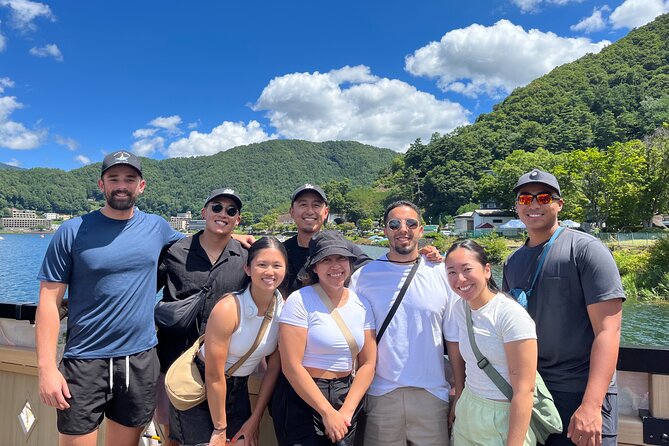
After lunch, the itinerary uses Lake Kawaguchiko again, which is smart because this lake area is one of the most productive places for photos and walking. You get about 45 minutes, and the plan includes renting bicycles at the Shiki no Yado Fujisan hotel.
You’ll bike around the lake for roughly 2.9 km and then drop the bikes at the Kawaguchiko Boathouse. After that, you’ll be driven a few minutes to Oishi Park. This sequence is built for variety: a little motion on the lake loop, then a viewpoint-style park stop right after.
A couple things to think about. First, this is not a long cycling tour, so it’s more about enjoying the scenery than getting a workout. Second, bike rentals are mentioned in the itinerary details, but entrance fees are listed as not included. Keep an eye on what’s included in the bike rental day-of, since the tour only clearly calls out the ropeway admission and other site admissions as extra.
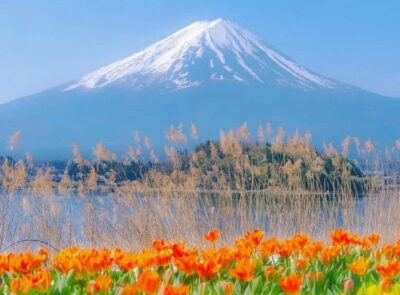
Oishi Park is a good final stop for this half of the day. It gives you a chance to slow down, enjoy flower-filled surroundings, and reset before you head to the calmer Lake Saiko segment.
If you’re traveling with anyone who doesn’t love cycling, you might still appreciate the lake views here, but you’d want to communicate your preferences early to your guide since this part of the itinerary does include bike time.
Lake Saiko: a calmer, bluer pause in the Aokigahara area
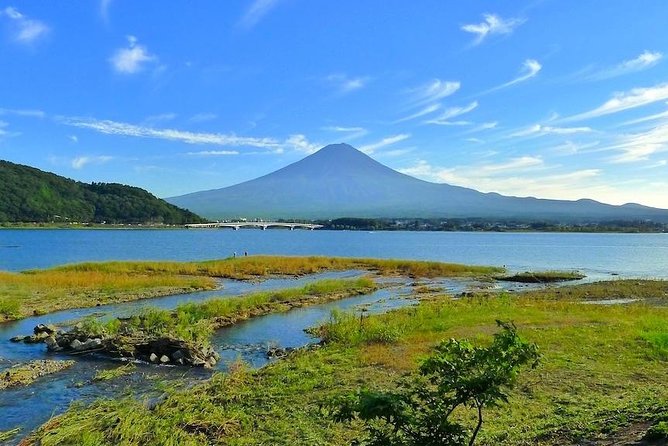
Then the day changes gear. Stop four is Lake Saiko, often described as the most tranquil of the Fuji Five Lakes. The water is noted as crystal clear and blue, and the setting is next to Aokigahara forest.
You’re only there for about 10 minutes, so this is not a sit-and-stay picnic moment. It’s more like a quiet breather, a short walk, and a quick look at how different this lake feels compared with Lake Kawaguchiko.
The itinerary also mentions that this is a good area for swimming or boating. Since your stop is short, you likely won’t do water activities on this exact tour timing, but the point is that Lake Saiko has a different vibe, less “busy postcard” and more “quiet nature reset.”
I think that contrast is the real value of this private approach. If you did this on your own, you might fill your day with only the big, crowded hits. Here, you get at least one genuinely peaceful pocket built into the schedule.
Iyashi no Sato Nemba: history you can walk through
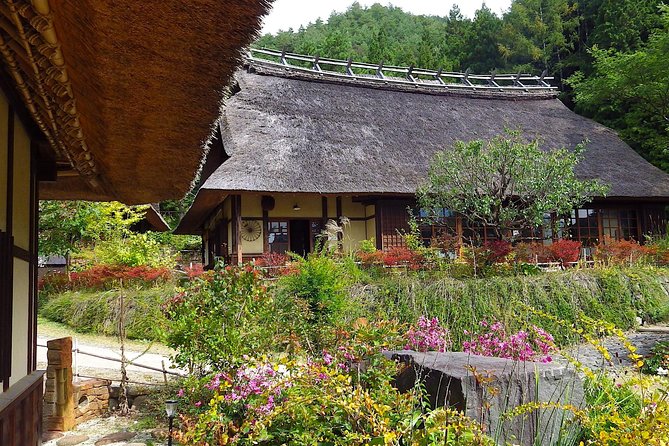
Next comes Iyashi no Sato Nemba, where you explore a recreated traditional Japanese farming village. The village near Lake Saiko was destroyed in a landslide in 1966, and it was reconstructed in 2006, so the place exists as a curated reconstruction rather than an untouched historic site.
You’ll spend about 1 hour here. That length is ideal because you can wander, look at how the village is arranged, and read enough to feel the theme without feeling stuck in a museum-only stop.
I like this kind of stop because it grounds the day beyond scenery. Mt. Fuji is the headline, but the Fuji Five Lakes region is also about how people lived around it. Even if you only speak a little Japanese, the layout helps you understand the idea quickly.
As with the ropeway, admission is not included for Iyashi no Sato Nemba. Plan for that extra cost so you are not surprised at the entrance.
Wear comfortable shoes. You’ll likely do more walking than you expect once you’re inside a village layout, and you want to enjoy it, not rush through.
Fugaku Wind Cave in Aokigahara: the cool finale that feels different
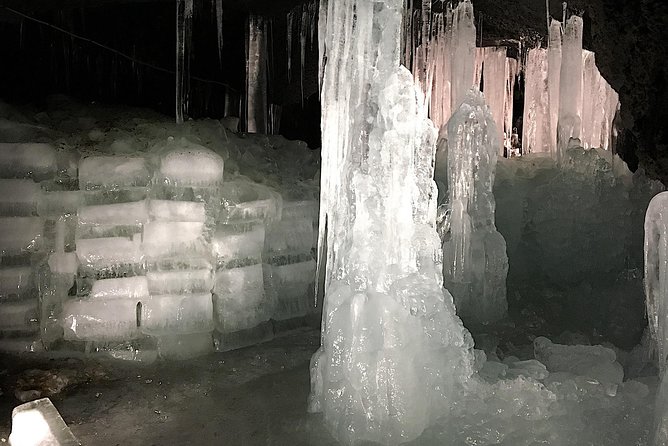
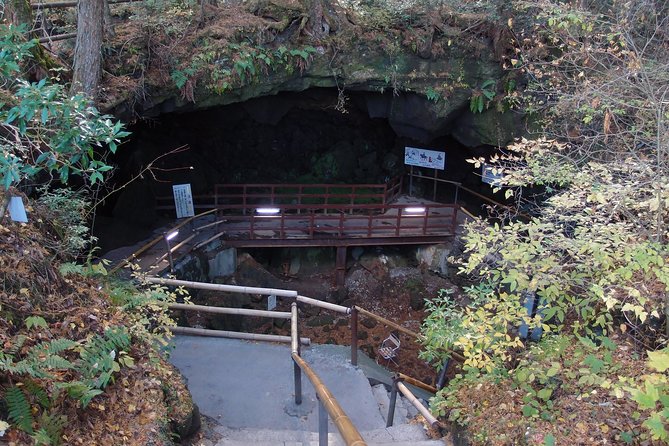
Your final major stop is Fugaku Wind Cave, located in the Aokigahara forest. This is often called an ice cave because it stays freezing even in summer.
The practical reason it matters historically is that it was used for storing ice for warmer months. On a hot Fuji day, stepping into a cold cave is a real sensory change, and it gives the tour a memorable ending that doesn’t rely only on views.
You’ll have about 35 minutes here, which should be enough time to walk through, pause for photos, and get a feel for the space. Like Iyashi no Sato, entrance is not included, so you’ll want to budget for the Ice Cave admission on top of your base price.
One thing to keep in mind: because it’s a cold environment, you might feel chilled longer than you expect if you’re arriving in warm clothes. A light layer can make the cave portion much more enjoyable, especially for kids or anyone who runs cold.
Price and value: what you’re really paying for
The price is $1,248.07 per group for up to 7 people, and the day runs about 11 to 12 hours. That sounds like a lot until you factor in the private vehicle, parking fees, fuel surcharge, and an English-speaking guide.
For a group of 4 to 7, this can become good value, especially because you are doing multiple locations that otherwise require careful transport planning. A DIY day means booking multiple rides, dealing with timing, and hoping you can still get everyone where they need to be. With a private guide, you get a structured route from Tokyo hotel pickup to drop-off.
Also, the itinerary includes experiences that eat time when you self-plan. The ropeway entry timing, the lunch logistics, and the movement from one lake area to another are handled for you. You’re paying to reduce friction, not just to access the same list of stops.
Where value can vary is in your personal preferences. If you love spontaneous travel, this structured day might feel less flexible. If you want the highest chance of seeing key Mt. Fuji area highlights in one day without headaches, this format fits well.
And based on the feedback style that praised guide Yahiro, the human factor is a big part of the value. A friendly guide who stays engaged and helps with day-to-day decisions can turn a tour into a smoother story, not just a checklist.
Timing, weather, and the real-world rhythm of a full Fuji day
This experience runs from 8:00 am and uses long-drive blocks plus scenic stops. That means the “best” version of your day depends on weather, and clear views of Mt. Fuji are never guaranteed.
The good news is the itinerary is built so you still have a lot to do even if the sky is cloudy. You’re not only dependent on one perfect view. You have the ropeway ride, a food stop, a bike loop, a tranquil lake look, and indoor-ish time at Iyashi no Sato and Fugaku Wind Cave.
If the weather changes, you want to keep your expectations practical. Think of the day as a Mt. Fuji region experience, not just a one-shot photo mission. This makes the whole schedule feel more rewarding even when visibility is limited.
Physical fitness is listed as moderate. That’s consistent with what the itinerary suggests: ropeway rides, short walks, and village wandering. You don’t need to be an athlete, but you should be comfortable standing and walking for stretches during a long day.
What to expect you pay separately (so you can budget calmly)
Not everything is included in the tour price. Lunch is not included, and you’ll also pay for site admissions such as the Mt. Fuji Panoramic Ropeway ticket and entries for Iyashi no Sato Nemba and Fugaku Wind Cave.
The itinerary explicitly lists the ropeway cost as 1,000 yen per person. Planning for admissions and lunch upfront helps you avoid last-minute cash or card panic when you’re tired.
One more detail to keep in mind: the Mt. Fuji Ropeway ticket is separate even though the ropeway is central to the first stop. If you’re budgeting tightly, set aside those costs early.
Who this Mt. Fuji private tour suits best
This tour is ideal when you want a lot of Fuji Five Lakes highlights without taking on the hardest logistics from Tokyo. It fits well if you travel in a group of friends, a family, or couples who want a guide to handle route decisions.
It’s also a good fit for travelers who like structure but still want authentic local flavor. You get a real regional food stop in the form of hoto noodles, and you end with a unique Aokigahara-related cave experience that most quick day trips skip.
If your group hates early starts and long drives, you might want to look at shorter alternatives. But if you can handle a full day, this route gives you a well-balanced mix of views, local culture, and temperature contrast.
Should you book this Mt. Fuji private tour?
I’d book it if you want the easiest path to a classic Mt. Fuji area day, with a guide who can keep things smooth and answer questions as you go. The private setup, Tokyo pickup and drop-off, and the way the stops connect make this feel built for real people, not just for ticking off spots.
I’d hesitate if you’re traveling mostly for one single, guaranteed Mt. Fuji viewpoint, because weather can shift and you are also sharing time with multiple structured stops. If you want the highest chance of enjoying each stop regardless of conditions, this itinerary is a strong match.
If you choose to go, plan for extra costs on ropeway admission, site entrances, and lunch, and pack a light layer for the cold cave. Then show up ready to enjoy the day as a Fuji region tour, not just a photo quest.
FAQ
What time does the tour start?
It starts at 8:00 am.
How long is the tour?
The duration is approximately 11 to 12 hours.
How many people can join this private tour?
It’s priced per group up to 7 people, and only your group participates.
Is hotel pickup and drop-off included?
Yes. The tour includes hotel pick-up and drop-off in Tokyo.
Does the tour include an English-speaking guide?
Yes. An English-speaking guide is included.
What is included in the price?
Included items are an air-conditioned vehicle, private transportation, parking fees, fuel surcharge, an English-speaking guide, hotel pick-up and drop-off in Tokyo, and private tour service.
Is lunch included?
No. Lunch is not included.
Do I need to buy tickets for the ropeway and other sites?
Yes. The Mt. Fuji Panoramic Ropeway ticket is not included (listed as 1,000 yen per person), and entrance fees for Iyashi no Sato Nemba and Fugaku Wind Cave are also not included.
What if weather is bad?
The experience requires good weather. If it’s canceled due to poor weather, you’ll be offered a different date or a full refund.
Mount Fuji, Three More Ways
Newest Tokyo write-ups from the Loving Japan desk






Mount Fuji Day Trips, side by side.
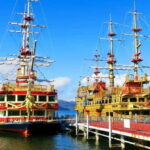
 ★ 5.0Mt Fuji and Hakone 1-Day Bus Tour Return by Bullet TrainFrom $16326,383 reviews
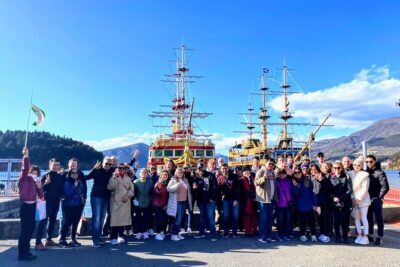
 ★ 4.0Mt Fuji & Hakone Cruise, Drum Show Bullet Train 1 Day from TokyoFrom $1497,413 reviews
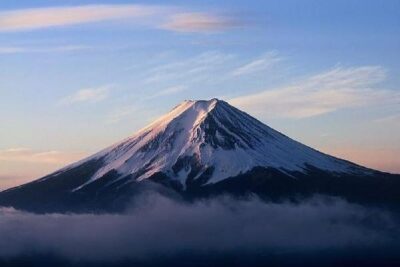
 ★ 4.4Tokyo Mt Fuji 5th St & Hakone Cruise Bus Tour w/Bullet TrainFrom $1545,024 reviews
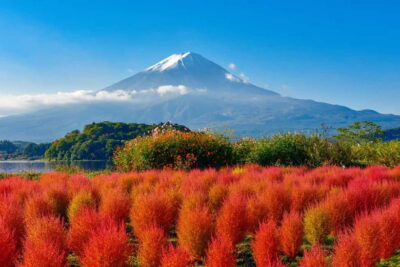 ★ 4.5From Tokyo: Mount Fuji Full-Day Sightseeing TripFrom $684,970 reviews
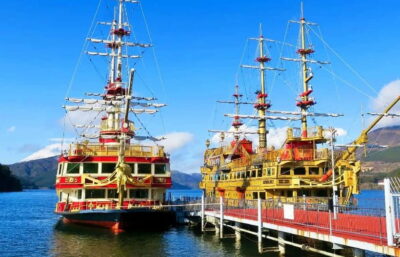 ★ 4.7Mt. Fuji Tour, Hakone Ropeway, Owakudani, Lake AshiFrom $544,002 reviews
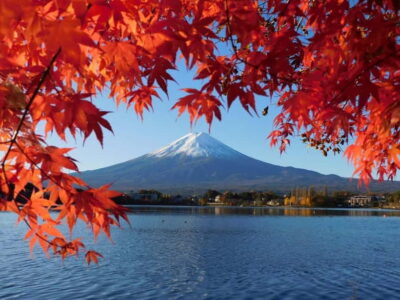 ★ 4.4Mt.Fuji,Kawaguchiko Oishi Park,Arakurayama Sengen ParkFrom $542,682 reviews
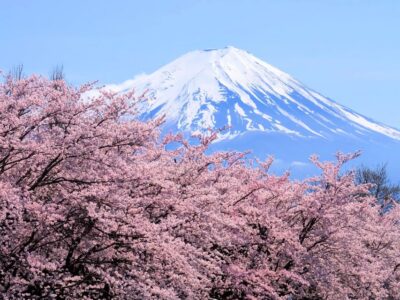 ★ 4.2Mt. Fuji 5th Station & Hakone Cruise 1-Day Bus TourFrom $1292,381 reviews
 ★ 4.7Mt Fuji Top 5 Spots Day Tour: Arakurayama Park,Oshino HakkaiFrom $532,066 reviews
Filed on these lists too