
REVIEW · FOOD & DRINK
Flavours of Tokyo: A Journey Through Time – Small Group Food Tour
Tokyo tastes like a time machine. This small-group food tour traces Japanese culinary history across three districts, from Edo-era foundations to future snacks. You get 14 dishes, a proper lunch, and a guide who ties every bite to what Tokyo used to be.
I especially like the starting point in Nihonbashi and its focus on dashi basics like kombu and katsuobushi. I also like that the route doesn’t only chase famous landmarks, it hits commuter-style food stops around Tokyo Station and then swings all the way to Akihabara desserts.
One consideration: the tour includes about 6.5 km (4 miles) of walking plus lots of subway stairs, so it’s not a sit-down, low-energy experience.
In This Review
- Key Highlights I’d Prioritize
- Why Flavours of Tokyo Turns Food Into a Timeline
- Nihonbashi Bridge to Dashi: Starting With Edo-Era Ingredients
- Fukutoku Shrine: A Quick Cultural Reset Before the Meals
- Ginza and Yurakucho After the War: Salarymen Bars and Gado Shita
- Tokyo International Forum, Kitte, and the Tokyo Station Commuter Moment
- Akihabara’s Future Bites: Deserts, Matcha, and Pokemon Taiyaki
- The Food and Drinks: What’s Included and Why It Works
- Pacing, Walking, and Subway Stairs (Plan for the Real Tokyo)
- Small Group Energy and Guide Style: Yasu, Keiko, Miko, Paiva
- Price and Value for $176: What You Pay For, and What You Don’t
- Who This Tour Fits Best (and Who Might Want Another Option)
- My Bottom-Line Advice: Should You Book It?
- FAQ
- What time does the tour start, and where is the meeting point?
- Where does the tour end?
- How long is the tour?
- How much walking should I expect?
- How big is the group?
- What food and drinks are included?
- Are transport costs included?
- Which parts of Tokyo will you visit?
- Are admission tickets included for the stops?
- What happens if I need to cancel, or if the tour is canceled due to weather or low demand?
Key Highlights I’d Prioritize
- Three districts, one “past to present to future” story across central Tokyo
- Dashi and Edo-era ingredients explained early so the rest of the meal makes sense
- Tokyo Station commuter bites like tamagoyaki and a fruits sando
- Max 9 people keeps questions flowing and the pace comfortable
- Lunch plus a drink are included, not just small tastes
- Akihabara’s playful future-food angle shows how tradition changes
Still weighing up options in Tokyo? These are the ones our reviewers rated highest.
- Mt Fuji and Hakone 1-Day Bus Tour Return by Bullet Train
★ 5.0 · 26,383 reviews - 1-Day Tokyo Bus Tour
★ 5.0 · 14,250 reviews - Tokyo: teamLab Planets TOKYO Digital Art Museum Entry Ticket
★ 4.6 · 9,779 reviews - Mt Fuji & Hakone Cruise, Drum Show Bullet Train 1 Day from Tokyo
★ 4.0 · 7,413 reviews
Why Flavours of Tokyo Turns Food Into a Timeline
Tokyo has layers. This tour makes you taste those layers on purpose, not by accident. The theme is past, present, and future, and the guide connects each meal step to how the city and its eating habits evolved.
The big value here is that you are not just chasing flavor. You are learning the logic behind the food, starting with the basic stock that shows up all over Japanese cuisine, then moving through postwar industrial Tokyo, and ending with dessert culture in Akihabara. That structure keeps the experience from feeling random.
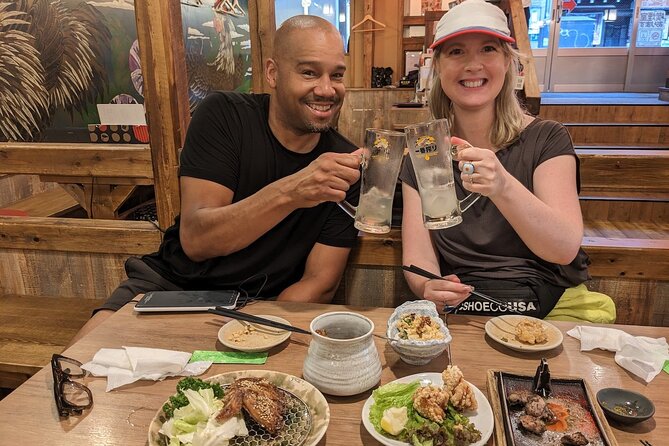
I also like that the tour is small. With a maximum group size of 9, you can actually ask why something works, not just hold onto your phone and follow the crowd.
Nihonbashi Bridge to Dashi: Starting With Edo-Era Ingredients
You begin in Nihonbashi, a name that matters in Japanese food history. The walk starts near the Nihonbashi Bridge area, then moves into the key idea behind lots of Japanese dishes: dashi.
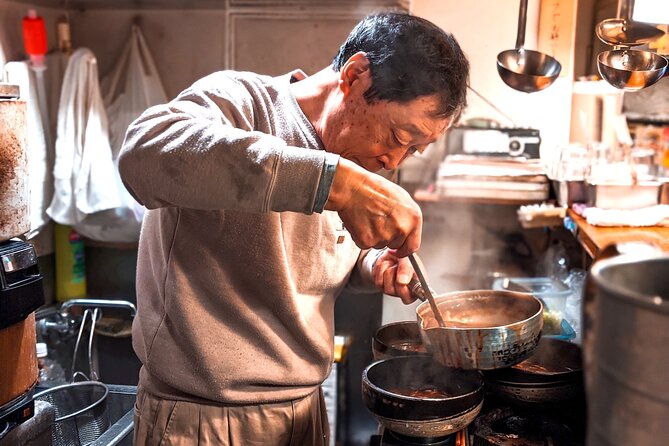
You’ll spend time on the ingredients and flavors that underpin the cuisine. Expect a focus on dashi and its components like kombu and katsuobushi, plus the role of umami as a foundation rather than a single sauce. If you’ve ever wondered why so many Japanese dishes taste “deep” without being heavy, this is where that mystery starts to clear up.
This first stretch sets you up for the rest of the route. Once you understand what dashi is doing, later bites like tempura soba and other savory items feel less like food you sampled and more like dishes built from the same core blueprint.
Practical note: you’re at the start of a longer day, so it’s worth coming hydrated and ready to walk.
Fukutoku Shrine: A Quick Cultural Reset Before the Meals
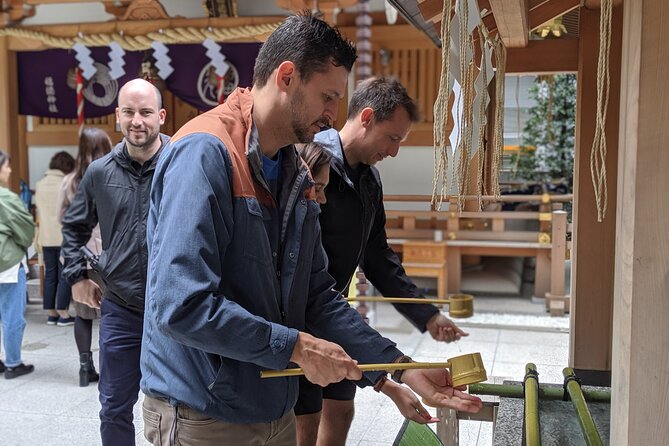
A short stop at Fukutoku Shrine breaks up the food focus and grounds it in daily life. The guide explains the difference between shrines and temples, and how people cleanse the spirit and pray at a shrine.
This part is only about 10 minutes, but it matters for context. Japan’s food culture isn’t separate from religion and ritual. Even the way people think about gratitude, cleanliness, and proper behavior around eating connects back to this kind of everyday practice.
If you like your tours to add meaning without turning into a museum lecture, this is a good kind of detour. You get a pause, a quick cultural lesson, then back to the street-level eating.
- Mt Fuji and Hakone 1-Day Bus Tour Return by Bullet Train★ 5.0 · 26,383 reviews
- 1-Day Tokyo Bus Tour★ 5.0 · 14,250 reviews
- Tokyo: teamLab Planets TOKYO Digital Art Museum Entry Ticket★ 4.6 · 9,779 reviews
- Mt Fuji & Hakone Cruise, Drum Show Bullet Train 1 Day from Tokyo★ 4.0 · 7,413 reviews
- Tokyo: Shinjuku Food Tour (13 Dishes at 4 Local Eateries)★ 5.0 · 6,603 reviews
Ginza and Yurakucho After the War: Salarymen Bars and Gado Shita
Next comes the chapter where Tokyo changes shape. You enter the Ginza and Yurakucho area and hear about how Japan industrialized after the war. A big theme here is salarymen culture, and how that led to small places to drink and eat.
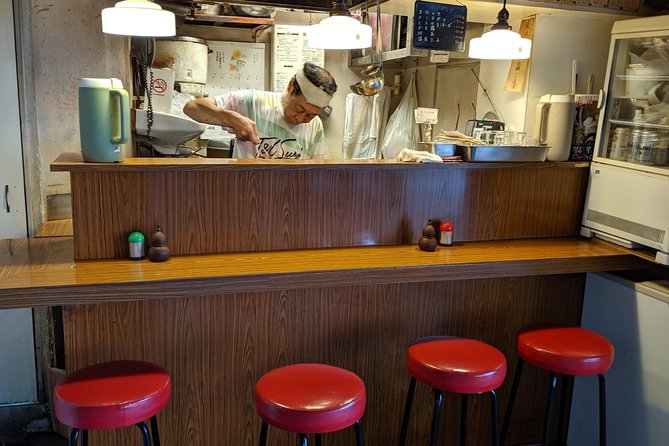
The tour references gado shita, those compact bars and restaurants built under railway-related spaces. It’s the kind of food scene that often disappears from standard tourist routes, but it’s crucial to how modern Tokyo eats. You’re not just learning history, you’re learning how the city created convenient, everyday food.
This stop also works as a change in mood. Nihonbashi feels like an ingredient lesson and a foundation. Ginza and Yurakucho feel like living city energy and the “real-life schedule” behind eating out.
Tokyo International Forum, Kitte, and the Tokyo Station Commuter Moment
From Ginza and Yurakucho, the route strolls toward Tokyo Station, with a stop at the Tokyo International Forum building. This section isn’t just scenic. It’s about getting your bearings in the center of the city, because many Japanese meals are tied to stations, office routes, and commute rhythms.
Then you move into Kitte Marunouchi and the Tokyo Station food zones. This is where the tour becomes very practical: you try foods that people commonly eat on the commute home.
Two separate stops focus on tamagoyaki and a fruits sando. The tamagoyaki (a Japanese omelette) is classic comfort food. The fruits sando is a Japan-style milk bread sandwich with fresh fruit and whipped cream, a different kind of sweetness that fits the commuter-and-cafe blend Tokyo does so well.
Even if you think you know Tokyo Station food, this is the kind of curated sampling that helps you understand what is popular for a reason, and how food choices change depending on time of day.
Akihabara’s Future Bites: Deserts, Matcha, and Pokemon Taiyaki
You end in Akihabara, famous for electronics plus anime and themed culture. Here, the tour shifts to the future of food in Japan and how tradition gets remixed.
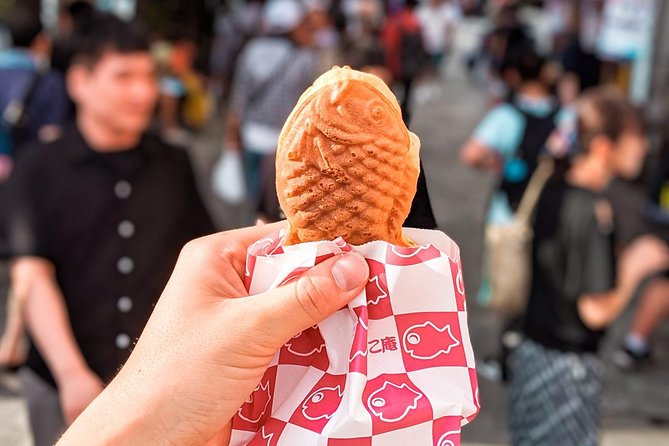
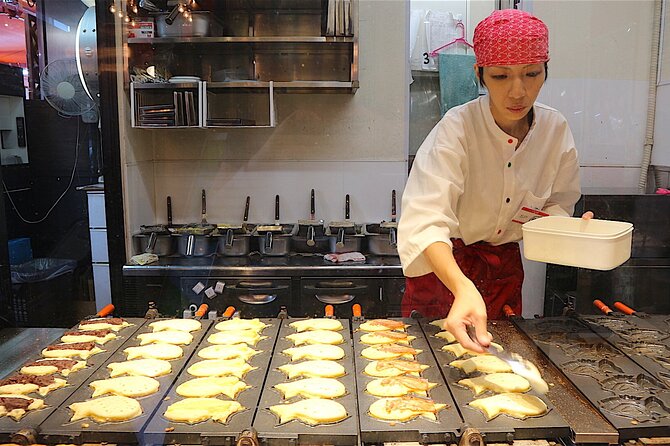
You’ll try desserts that connect with modern trends while still using traditional formats. The included list specifically calls out things like Pokemon Taiyaki, plus matcha (as green tea bubble tea or ice-cream), and daifuku or dorayaki.
This stop is a nice payoff because it shows you what Japanese food does now: it experiments with packaging, characters, and fun flavors, but it still leans on familiar bases like mochi-style sweets and classic tea flavors.
If you’re the type who likes to see how traditional food survives in pop culture, you’ll enjoy this ending. It makes Akihabara feel like more than shops and neon.
The Food and Drinks: What’s Included and Why It Works
The tour is built around 14 dishes that represent both traditional Edo period flavors and modern fusion. That mix is exactly why it doesn’t feel like the same snack over and over.
Here’s what’s listed as included across the tour:
- Dashi, with components like katsuobushi and kombu
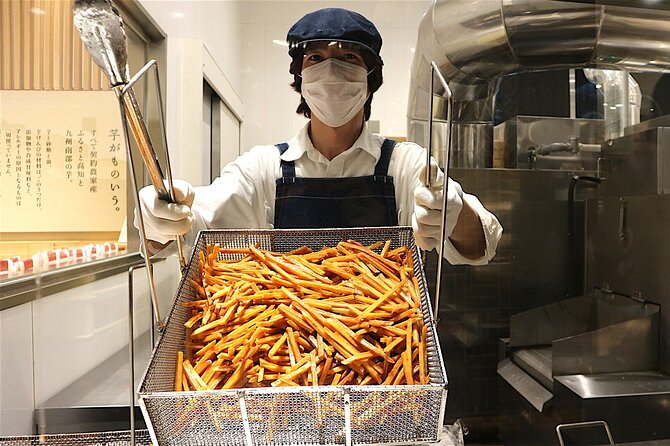
- Satsuma-age (sweet potato tempura style)
- Amazake
- Imo kenpi
- Daifuku or dorayaki
- Pokemon taiyaki
- Matcha bubble tea or ice-cream
- Lunch: yakitori, tempura soba, tamagoyaki, and fruits sando
- A lemon sour (alcoholic beverage)
The value angle: you are paying for a planned progression of flavors plus lunch, not just a handful of tastes. That matters because Tokyo can be expensive if you try to recreate this kind of route on your own, hopping between places without knowing what to order.
Also, there was feedback about feeling hungry on one run. The provider responded internally and adjusted the drink portion approach. So if you’ve been burned by “tasting menus” that leave you searching for dinner afterward, this tour is designed to be more filling than many pure snack walks.
Pacing, Walking, and Subway Stairs (Plan for the Real Tokyo)
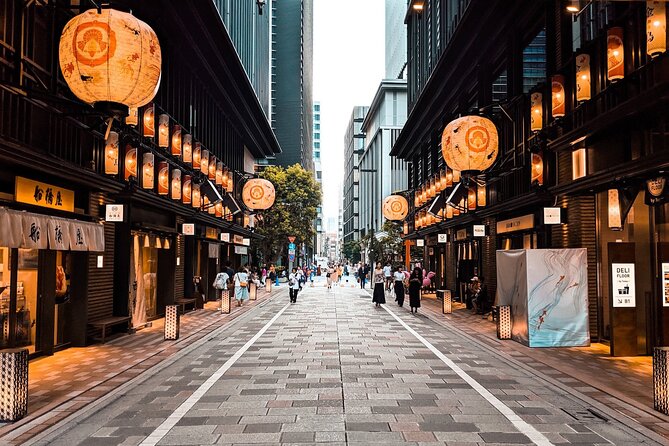
This is a 5.5-hour tour, and you should plan for about 6.5 km (4 miles) of walking total. You’ll also do subway stairs, which can be a lot depending on the stations.
What helps is the small group size, maximum 9. That makes it easier for the guide to keep everyone together and keep the pace steady. In the feedback, people consistently highlight that it feels well paced for the time, not like a sprint.
You do need moderate physical fitness for this one. If you hate stairs, or if you want a tour where you can mostly walk on flat streets, this isn’t ideal.
My tip: wear shoes you can walk in for real. Tokyo is a city of steps, escalators, and quick station turns, and you’ll want your feet to be happy from stop 1.
Small Group Energy and Guide Style: Yasu, Keiko, Miko, Paiva
The strongest repeated theme in the feedback is the guides. Names that come up include Yasu, Keiko, Miko, and Paiva. The praise isn’t just for being friendly, it’s for connecting food to history in a way that stays understandable.
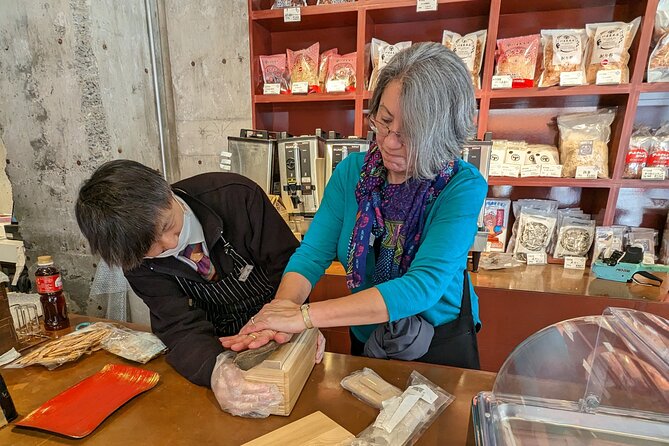
One highlight: Miko prepared a presentation booklet so the group could read about ingredients, dishes, and even historical photos. Another highlight: there was an extra moment where a sweets shop owner was met, which adds a local human touch beyond the standard tasting format.
What I like about this kind of guiding is that it turns the tour into a conversation. The best food tours are part classroom, part street-level discovery, and this one aims for that balance across multiple Tokyo neighborhoods.
Price and Value for $176: What You Pay For, and What You Don’t
At $176 per person, this is not a budget snack tour. You’re paying for a full route with multiple districts, a guide who ties history to food, and a lot of included eating.
What’s included:
- Snacks and sweets across the afternoon
- Lunch with multiple items
- Lemon sour
- The food route planning and guide time
What’s not included:
- Transport during the tour, and the tour notes two short subway rides you pay yourself
Value check: because lunch is included and the itinerary covers several food styles (not only desserts), you’re unlikely to spend additional money on meals during the tour. If you’ve got limited time in Tokyo, paying for this kind of organized route can save you effort, and it helps you try dishes you might skip if you were ordering blindly.
Who This Tour Fits Best (and Who Might Want Another Option)
I’d suggest this tour if you:
- Want a food experience that also teaches you why the food developed the way it did
- Like small-group pacing and asking questions
- Are curious about Edo-era basics like dashi, but also want modern fun food like Akihabara desserts
- Don’t mind walking about 6.5 km and handling subway stairs
I’d think twice if you:
- Want a low-walking, minimal-stairs tour
- Only care about eating large portions and don’t want a paced sampling flow
- Get frustrated when a meeting point requires a bit of street-finding
One practical note from the feedback: the meeting location can be a little tricky to find if you don’t pay close attention to the subway exit. If Nihonbashi is your first stop of the day, take an extra minute before the start time to confirm which exit to use.
My Bottom-Line Advice: Should You Book It?
If you’re the kind of traveler who likes structure, history, and real food variety, this is a strong pick. The route makes sense: start with core ingredients in Nihonbashi, connect to postwar Tokyo in Ginza and Yurakucho, eat commuter classics around Tokyo Station and Kitte, then finish with future-themed sweets in Akihabara.
The biggest reason to book is the blend of 14 dishes plus lunch with a guide-led story. The biggest reason to pause is the walking and stairs. If your legs are good with 4 miles of walking and you’re comfortable navigating subway stations, you’ll likely have a memorable, practical day.
FAQ
What time does the tour start, and where is the meeting point?
The tour starts at 11:30 am. You meet at Nihonbashi 1-chome Mitsui Building, 1-chōme-4-1 Nihonbashi, Chuo City, Tokyo 103-0027, Japan.
Where does the tour end?
The tour ends at Akihabara Station 1 Chome, Sotokanda, Chiyoda City, Tokyo 101-0028, Japan.
How long is the tour?
It runs for about 5 hours 30 minutes.
How much walking should I expect?
You should expect to walk about 6.5 km (4 miles) in total and to go up and down a large number of stairs at subway stations.
How big is the group?
The group is capped at a maximum of 9 travelers.
What food and drinks are included?
The included items include snacks such as dashi, katsuobushi, kombu, satsuma-age, amazake, imo kenpi, daifuku or dorayaki, Pokemon taiyaki, and matcha bubble tea or ice-cream. Lunch includes yakitori, tempura soba, tamagoyaki, and fruits sando, plus a lemon sour.
Are transport costs included?
No. Transport during the tour is payable by you, and the tour notes two short subway rides.
Which parts of Tokyo will you visit?
You visit three districts: Nihonbashi, Ginza, and Akihabara, with stops that include Fukutoku Shrine, Tokyo International Forum, Kitte Marunouchi, and Tokyo Station areas.
Are admission tickets included for the stops?
The itinerary lists admission tickets as free at the stops shown, including the shrine and other marked locations.
What happens if I need to cancel, or if the tour is canceled due to weather or low demand?
The posted cancellation information is strict and mentions no refunds if you cancel with 48 hours or less notice. It also states that you might receive a full refund if you cancel more than one week in advance (excluding booking and administration charges), and that bad weather can trigger a rescheduled date or a full refund. If the minimum number of travelers is not met, you’ll be offered a different date or a full refund.
Newest Tokyo write-ups from the Loving Japan desk


Food & Drink, side by side.
 ★ 5.0Shinjuku Food Tour (13 Dishes at 4 Local Eateries)From $866,603 reviews
 ★ 5.0Tokyo Tsukiji Fish Market Food and Culture Walking TourFrom $993,184 reviews
 ★ 4.8Shinsekai Food Tour with 13-15 Dishes at 5 EateriesFrom $532,204 reviews
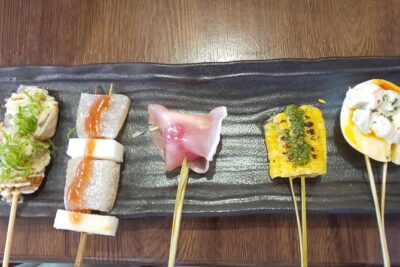 ★ 5.0Osaka Food Tour: 13 Dishes at 5 Local EateriesFrom $732,149 reviews
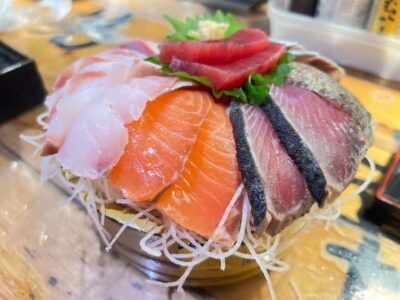 ★ 4.9Shinjuku Food Tour (15 Dishes and 4 Eateries)From $852,033 reviews
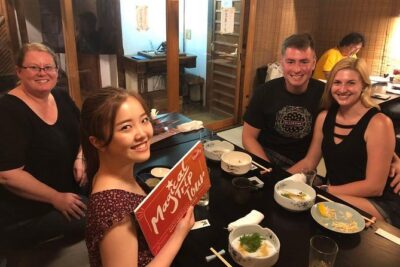 ★ 5.0Kyoto Night Foodie Tour in Gion (9+ dishes + 6 Sake tastings)From $1631,762 reviews
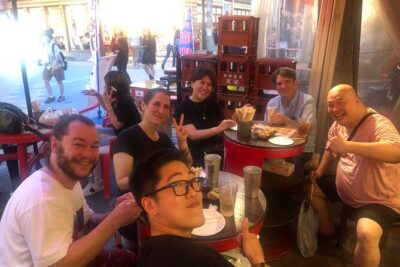 ★ 5.0Hungry Osaka Street Food Tour:15 Tastings & 3 Drinks with a LocalFrom $731,727 reviews
 ★ 5.0Tsukiji Fish Market Food and Walking tourFrom $301,724 reviews
Filed on these lists too