
REVIEW · TSUKIJI AND TOYOSU FISH MARKETS
Tokyo Tsukiji Fish Market Food and Culture Walking Tour
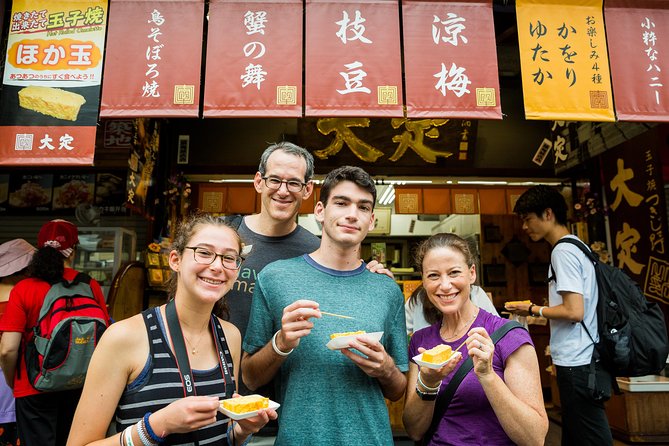
Tsukiji is food culture in full volume. This 3-hour walk takes you through the outer-market world where ingredients move fast, and you sample real bites like wagyu skewers plus sushi or a seafood bowl. I especially like how guides get you oriented from the first minute, and how you taste foods you might never notice on your own, from sea urchin-style seafood impressions to fish cakes and tea. One heads-up: you need to eat fish to join, and some stops can be limited on certain days when wholesale shops are closed.
The price, $99.49, feels fair if you treat it like a guided meal plus food education, not just a sight tour. It also helps that lunch and snack are included, and the group stays small (up to 20), so you actually hear the explanations instead of getting lost in the crowd. Still, expect steady walking and timing that is strict, so come prepared to start on time.
If you want a practical, food-first look at why Tsukiji still matters to Japanese cooks, this is a strong pick. You’ll meet at a famous temple gate, follow your guide through fish stalls, and finish with a satisfying bowl or sushi before you wander off with better instincts.
In This Review
- Key highlights worth your attention
- Meeting at Tsukiji Hongan-ji: the start that matters
- Tsukiji Jogai Market: snacks, history, and chef-style shopping
- Old Tsukiji stops and the practical add-on
- Uogashi wholesaler views and when shops shut
- Sushi or a seafood bowl finale at Tsukiji Fish Market
- Value for $99.49, plus what is and is not included
- Food rules, allergies, and who should skip this tour
- Should you book this Tsukiji tour?
- FAQ
- What is the duration of the Tokyo Tsukiji Fish Market Food and Culture Walking Tour?
- How much does the tour cost?
- Where do I meet the guide?
- What should I wear?
- Is lunch or snack included?
- Can I join if I do not eat fish?
- Are vegetarian, halal, gluten-free, or allergy requests accommodated?
- Is Tsukiji Uogashi always open?
- What is the cancellation policy?
Key highlights worth your attention
- A temple-gate start at Tsukiji Hongan-ji means you begin with context, not chaos.
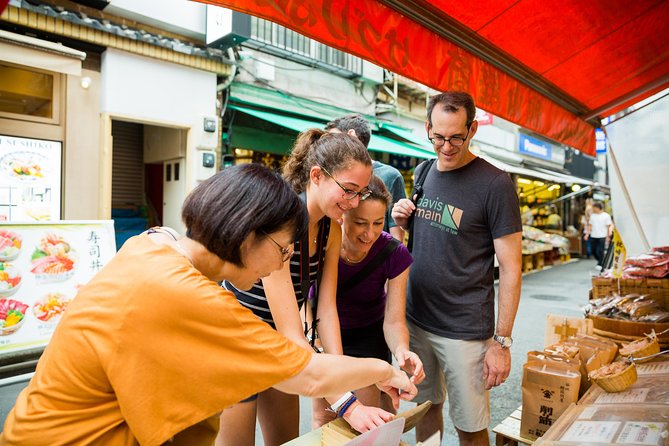
- Chef-style ingredient shopping energy helps you understand what makes high-quality seafood different.
- Lunch plus snack included keeps the value real for a 3-hour, guided food walk.
- Small group size (max 20) makes the market easier to navigate.
- Sushi-versus-seafood-bowl timing can vary by day, so don’t count on one specific finale.
- Some stops shut on set days so your food list may change depending on when you go.
Hungry earlier than that? Other market breakfasts we tried
- Tokyo Tsukiji Fish Market Food and Culture Walking Tour
★ 5.0 · 3,184 reviews - Tokyo: Tsukiji Fish Market Food and Walking tour
★ 5.0 · 1,724 reviews - Tokyo: Tsukiji Fish Market Guided Walking Tour
★ 4.9 · 1,397 reviews - Tokyo Sushi Making Class in Tsukiji with Professional Chef
★ 5.0 · 1,177 reviews
Meeting at Tsukiji Hongan-ji: the start that matters
Your tour begins at the main gate of Tsukiji Hongan-ji Temple, and you really should show up early enough to be there before your guide leaves. The instructions say they leave start time sharp, and they cannot wait, so build in buffer time to find the correct side of the temple. I recommend double-checking your map, because directions can route you toward the back side.
Once you’re gathered, your guide leads you toward the market areas where the action is. This first stretch matters because Tsukiji can feel intimidating even if you love food. A good guide helps you read the place quickly, what to look for in stalls, and why certain ingredients show up so often in Japanese cooking.
Also note the basic pace: it’s a walking tour with moderate physical fitness recommended, and comfortable walking shoes are a must. It’s not a sit-and-eat class, so plan your morning around moving.
Tsukiji Jogai Market: snacks, history, and chef-style shopping
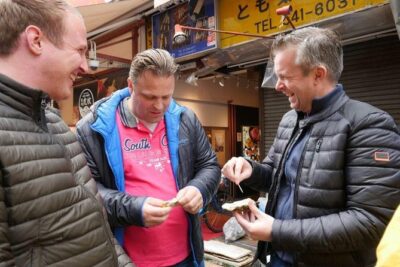
The first major stop focuses on the outer market, where you get your senses tuned in. You’ll walk through stalls and learn about Tsukiji’s history and why top Japanese chefs keep returning for ingredient shopping day after day. You’ll also see the kinds of seafood that make Tsukiji famous, including piles of sea urchin-style ingredients stacked neatly in boxes, and you may spot things like Bluefin tuna or pufferfish in tanks depending on the day.
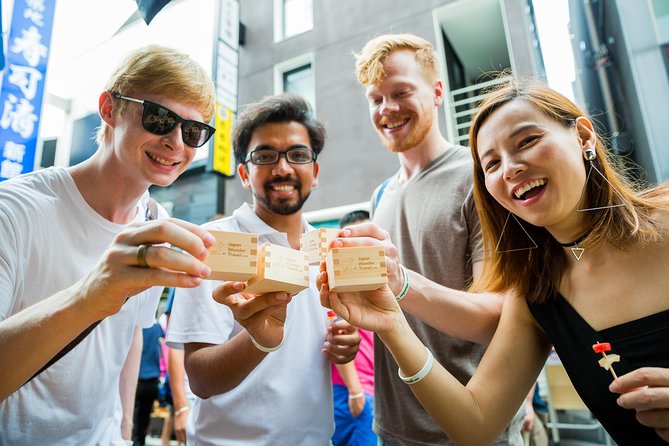
This is also where tastings start to build your understanding. You can expect snack-style samples that fit how people eat in the market, including dashi soup and green tea. Those simple items are practical too: they help you handle the salt air, the crowd energy, and the constant browsing.
One thing I like about this structure is that it doesn’t pretend you can learn everything in one stop. Instead, you get a first taste of what the market does well, then you move on while it’s still fresh in your mind.
Old Tsukiji stops and the practical add-on
After the outer market, you’ll move to the Old Tsukiji Market area for more eating and shopping time. This section is shorter, but it adds variety, because you’re not stuck in one type of stall or one type of food.
There’s also a practical element included: if you need kitchen tools, the tour includes a stop for that. That matters more than it sounds. In Japan, the kitchen gear can be part of the cooking culture, and if you buy knives, specialty food items, or tools you’ve been thinking about all trip, this is the moment to do it without guessing which shops are worth your time.
You should also be ready for day-to-day menu shifts. The tour notes that depending on the day and time, you’re served either sushi or a seafood bowl later on. That kind of flexibility is normal in markets, but it’s good to know so you don’t feel surprised if your day’s plan changes slightly.
- Mt Fuji and Hakone 1-Day Bus Tour Return by Bullet Train★ 5.0 · 26,383 reviews
- 1-Day Tokyo Bus Tour★ 5.0 · 14,250 reviews
- Tokyo: teamLab Planets TOKYO Digital Art Museum Entry Ticket★ 4.6 · 9,779 reviews
- Mt Fuji & Hakone Cruise, Drum Show Bullet Train 1 Day from Tokyo★ 4.0 · 7,413 reviews
- Tokyo: Shinjuku Food Tour (13 Dishes at 4 Local Eateries)★ 5.0 · 6,603 reviews
Uogashi wholesaler views and when shops shut
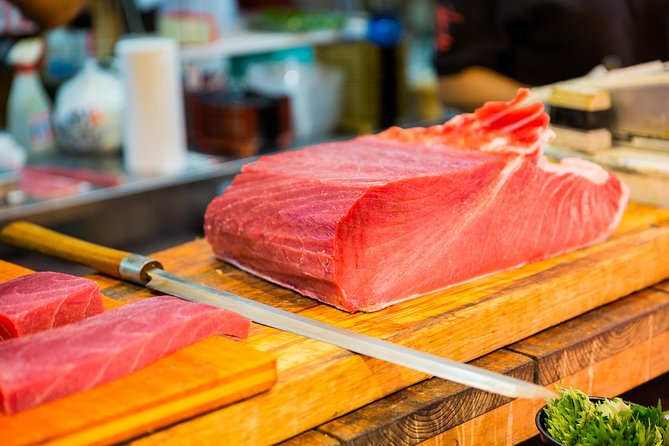
Next up is Tsukiji Uogashi, which is described as a mini wholesale market with hundreds of fish types you can see. This is where you start appreciating how big the seafood supply chain really is. Even if you’re not a seafood expert, it helps to watch how variety is presented and how ingredient quality is handled.
There’s a key limitation you should check before booking: Uogashi is closed on Wednesdays, Sundays, and other closed market days. And on those closed days, the tour also notes that certain items like Japanese omelette, fish cake, and fruits cannot be served because shops are closed. So your tasting menu can be different depending on what day you attend.
On the plus side, you are still walking through market areas and learning how chefs shop and what they look for. If you time your visit for a day when the wholesale activity is running, you’ll likely get the most complete sense of what Tsukiji looks like at work.
Sushi or a seafood bowl finale at Tsukiji Fish Market
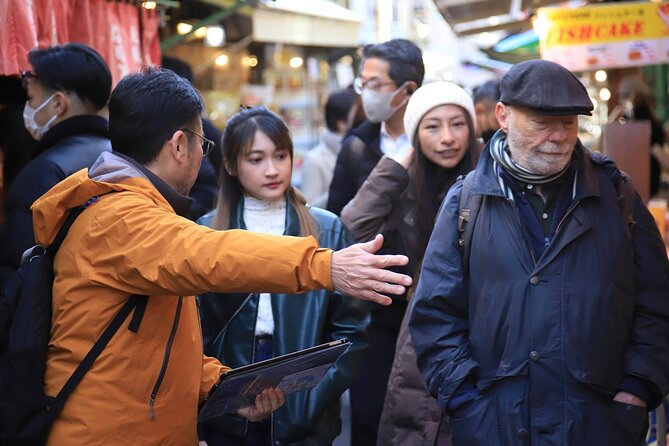
The tour wraps up at the Tsukiji Fish Market area with a final meal. You’ll leave with either a sushi portion or a seafood bowl, depending on the day and time. I like that the finale feels like payoff, not just another sample. After hours of walking, it’s a real marker that you’re done browsing and ready to sit back for a minute.
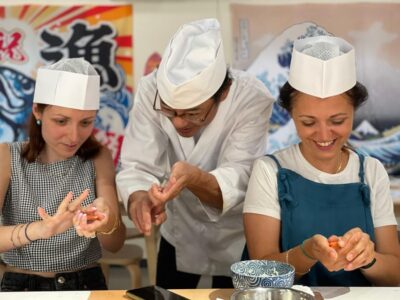
You also get the kind of food education you can use later. You’ll taste high-quality items such as fresh sushi or seafood bowl, wagyu beef skewers, seasonal fruit, and other market staples along the way. Some guides are known for arranging added moments around preparation and food craft, like a sushi-making style experience or a short cutting demonstration, but those details can vary by day and restaurant setup.
One more practical point: the tour includes lunch and snack, but the market itself also tempts you. If you get hungry easily, you’ll still be in good shape by the end, but if you like to sample extras on your own, keep room for it after the tour is over.
Value for $99.49, plus what is and is not included
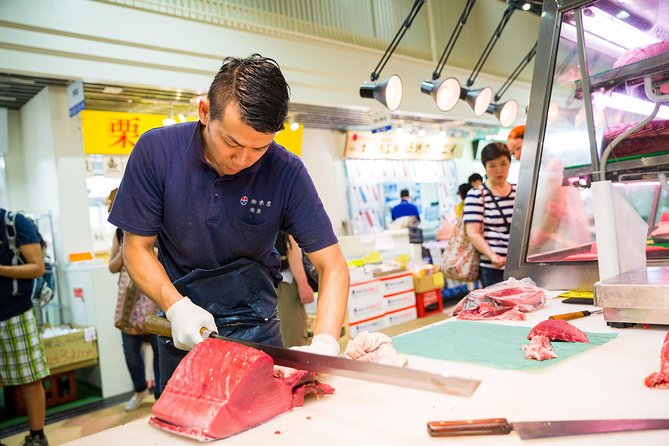
At $99.49 for about 3 hours, the value comes from four things working together: guided navigation, food education, included tastings, and a real lunch/snack finish. This isn’t a low-cost “wander with a label” tour, but the included meals help justify the price when you consider what you’d otherwise spend on multiple market bites and guided help getting your bearings.
The tour is also set up like a focused plan. You meet at Tsukiji Hongan-ji Temple, walk through key market zones, and end with a bowl or sushi. Most importantly, you get help interpreting what you see, why chefs visit, and what makes ingredients worth paying attention to.
What’s not included is also clear. Transportation to the meeting point isn’t included, extra food and drinks aren’t included, and the tour is not set up for special dietary needs like vegetarian, halal, gluten-free, or allergy requests. You’ll want to plan accordingly if you have food restrictions.
Finally, the group size maximum of 20 travelers tends to improve quality, because it keeps the walking pace reasonable and makes it easier to hear your guide.
Food rules, allergies, and who should skip this tour
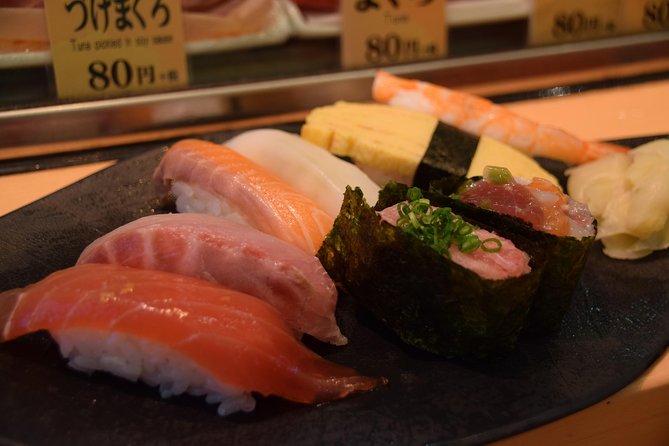
This tour is serious about seafood, and you need to be okay with that. If you can’t eat fish, the instructions say you won’t be able to join. Also, they do not accommodate vegetarian, halal, gluten-free requests, or allergy-related requests. So if you’re managing allergies, this is not the right style of tour based on the provided rules.
Alcohol is also handled with a clear limit: minimum drinking age is 20 years, and for under 20, another drink is offered. That’s helpful to know because some market tastings can include alcoholic drinks depending on the plan that day.
If you’re the kind of traveler who likes to taste first and ask questions second, you’ll likely have a great time. The best matches are people who want market context, don’t mind walking, and enjoy learning how ingredient quality shows up in everyday Japanese food.
If you want a purely sightseeing tour, you might find it too food-centered. And if you’re expecting one fixed menu regardless of day, temper expectations, because some items are unavailable on closed market days and the final dish may be sushi or a seafood bowl.
Should you book this Tsukiji tour?
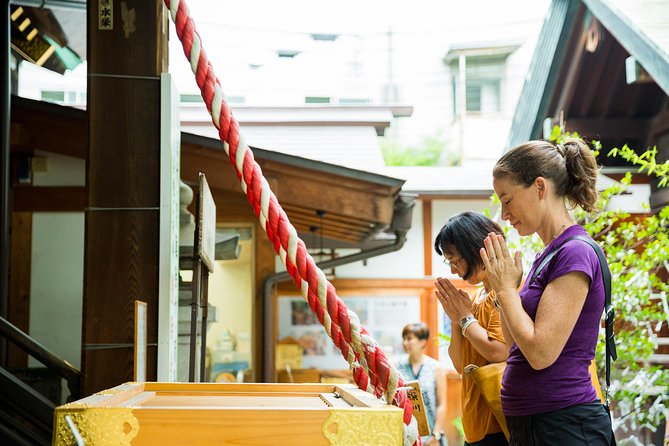
Book it if you want an efficient, food-first way to understand Tsukiji without getting overwhelmed. The included lunch and snack, plus the steady stream of tastings like dashi soup, green tea, seafood bites, fish cakes, and wagyu skewers, make it a practical choice for a morning you want to turn into real memories instead of just photos.
Skip it if you cannot eat fish, have allergies, or need strict dietary accommodations, because the rules are firm. Also skip or rethink if you hate walking and need an easy pace, since this is built around moving through multiple market areas.
If you do book, show up at the temple gate on time, wear comfortable shoes, and come hungry enough to enjoy the finale. That combination is how you turn Tsukiji into a smart, satisfying day.
FAQ
What is the duration of the Tokyo Tsukiji Fish Market Food and Culture Walking Tour?
The tour runs for about 3 hours.
How much does the tour cost?
It costs $99.49 per person.
Where do I meet the guide?
Meet at the main gate of Tsukiji Hongan-ji Temple (front side). The tour states they cannot wait if you arrive late.
What should I wear?
Wear comfortable walking shoes, since it is mainly a walking tour.
Is lunch or snack included?
Yes. Lunch and snack are included.
Can I join if I do not eat fish?
No. If you cannot eat fish, you won’t be able to join the tour.
Are vegetarian, halal, gluten-free, or allergy requests accommodated?
No. The tour does not accommodate vegetarian, halal, gluten-free requests, or allergy-related requests.
Is Tsukiji Uogashi always open?
No. Tsukiji Uogashi is closed on Wednesdays, Sundays, and other closed market days. On those days, some items like omelette, fish cake, and fruits cannot be served.
What is the cancellation policy?
Free cancellation is available up to 24 hours in advance for a full refund. Cancellations made less than 24 hours before start time are not refunded.
Market Mornings We Have Reviewed



Newest Tokyo write-ups from the Loving Japan desk



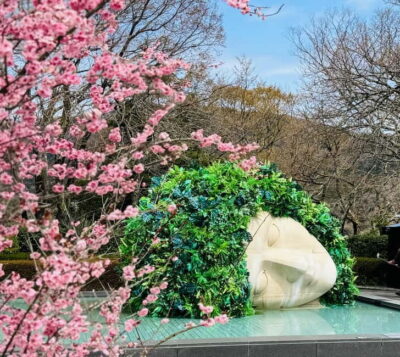
Tsukiji and Toyosu Fish Markets, side by side.
 ★ 5.0Tsukiji Fish Market Food and Walking tourFrom $301,724 reviews
 ★ 4.9Tsukiji Fish Market Guided Walking TourFrom $221,397 reviews
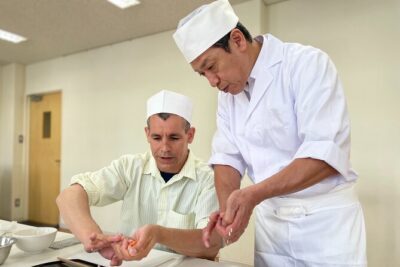 ★ 5.0Tokyo Sushi Making Class in Tsukiji with Professional ChefFrom $491,177 reviews
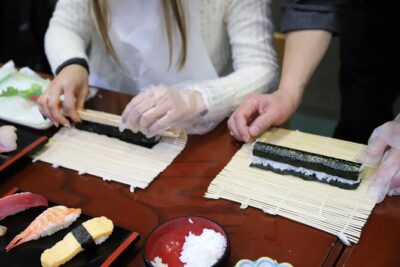 ★ 5.0Tsukiji Fish Market Guided Tour and Sushi Making with Pro ChefFrom $104775 reviews
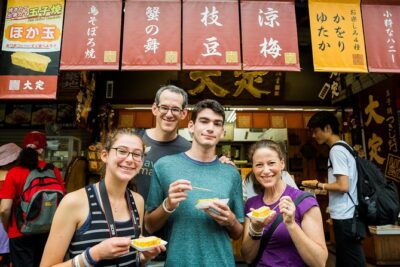 ★ 4.7Tsukiji Fish Market Food and Culture Walking TourFrom $96757 reviews
 ★ 5.0Tsukiji Fish Market: Street Food & Culture Walking TourFrom $33669 reviews
 ★ 5.0Tsukiji Fish Market Small-Group Food Walking TourFrom $87621 reviews
 ★ 4.9Tsukiji Fish Market Sushi Making Class with Pro ChefFrom $63506 reviews
Filed on these lists too