
REVIEW · TAKAYAMA, HIDA AND SHIRAKAWA-GO
From Nagoya: Gujo, Hida Takayama, and Shirakawa-go Day Tour
Three regions, one big old-Japan mood. This Nagoya day tour strings together Edo-era streets and UNESCO gassho-zukuri farmhouses in a single 11-hour outing. I love how the route mixes riverside town charm, a classic castle-town feel, and the distinctive thatched roofs that you actually remember later.
The best part is the human support: an English and Japanese-speaking guide like Wang and Cici helped people pace their free time and get back to the bus smoothly. One watch-out: it is a long day with limited walking time per stop, and some guests found certain periods a bit rushed depending on the season and group size.
In This Review
- Quick hits you’ll care about
- Why this Nagoya day trip feels like real Japan, not just sightseeing
- Meeting in Nagoya: the Nishi Koban, Taiko Exit, and a blue flag
- The bus reality: 11 hours, lots of scenery, and why timing matters
- Gujo Hachiman: riverside eaves and Edo-era house rows
- Hida Takayama: old lanes, wooden homes, and local treats
- Shirakawa-go and Gokayama: UNESCO gassho-zukuri farmhouses
- Guide style and group flow: what you gain, what to watch for
- Price and value: why $61 can make sense for this exact route
- My booking checklist to keep this day from feeling rushed
- Should you book this tour?
Quick hits you’ll care about
- Edo-era Gujo Hachiman: old houses plus a waterway that runs past the eaves, for a very “time-warp” walk.
- Takayama lanes for food and shopping: wooden streets, craft shops, and candy stops, with room to eat instead of just taking photos.
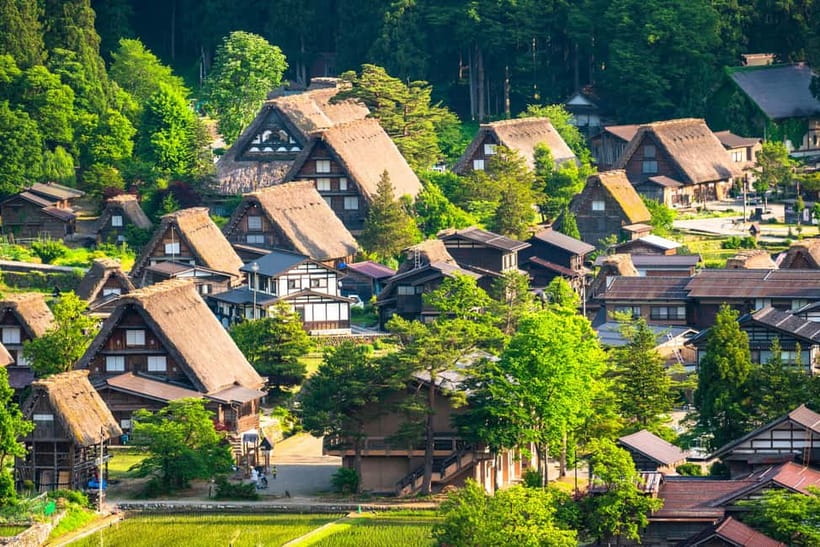
- UNESCO Shirakawa-go and Gokayama: steep gassho-zukuri farmhouses in a mountain setting that looks right on every camera.
- Tight schedule, big bus time: you trade slow travel for visiting three places in one day.
- No headphone audio: you often rely on the guide speaking in the group, so microphone audio can matter.
- Cash can help: there may be extra fees to see houses inside Shirakawa-go, so plan for that.
Old-town Hida and the thatched valley, other versions
- From Nagoya: Gujo, Hida Takayama, and Shirakawa-go Day Tour
★ 4.4 · 398 reviews - From Nagoya: Hida Takayama & Shirakawa-go Tour w/Opt. Lunch
★ 4.5 · 256 reviews - Day Trip for Shirakawago ,Takayama & gujo hachiman from Nagoya
★ 4.0 · 28 reviews
Why this Nagoya day trip feels like real Japan, not just sightseeing
If you only have one day in the Nagoya area, this tour is built for efficient variety. You get an Edo-period town atmosphere in Gujo, then a more lively old-street experience in Hida Takayama, and finally the iconic UNESCO village architecture in Shirakawa-go and Gokayama.
I like that the trip is not just a “drive-by” tour. You do walking time in each place, so you can actually feel the scale of streets, the texture of old wood and roofs, and the way mountain towns hold onto their old rhythms.
Meeting in Nagoya: the Nishi Koban, Taiko Exit, and a blue flag
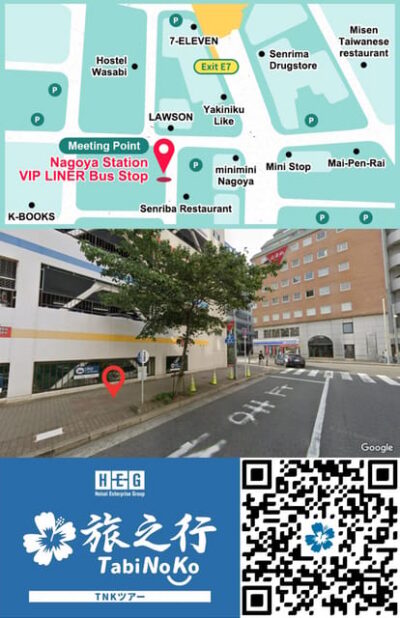
You meet at 8:20 in front of the Nishi Koban police box at the Taiko Exit of Nagoya Station. Look for the guide holding a blue flag and then plan a short walk from the taxi area right outside the Taiko Exit.
One practical tip: if station construction or crowding makes the area confusing, give yourself extra buffer the morning of your tour. A couple of guests said the meeting instructions can feel outdated around Nagoya Station depending on construction, so arriving a bit early helps you start the day calm.
The bus reality: 11 hours, lots of scenery, and why timing matters
This is an all-day format: bus rides add up to several stretches, and then each stop gives you a set window to explore. In plain terms, you are trading comfort of slow travel for the upside of seeing three major towns.
I recommend you treat each stop like a “mission.” If you try to do everything in your head, you will feel rushed. If you pick your priorities early, like one photo loop plus one food plan, the day feels fuller instead of frantic.
Also, bring a layer. Even when the day is comfortable in Nagoya, higher elevations around the villages can feel colder, especially in winter.
Central Japan, beyond the obvious stop
- Ghibli Park 1-Day Bus Tour from Nagoya★ 4.5 · 277 reviews
- Hiking the Historic Nakasendo Trail [1 Day Tour from Nagoya]★ 5.0 · 104 reviews
- Nagoya Highlight Tour guided by a friendly local★ 5.0 · 86 reviews
- Nagoya: Japanese Traditional Sweets making and Tea Ceremony★ 4.9 · 76 reviews
- Magome-juku, Tsumago-juku & Ena-kyo 1d Bus Tour from Nagoya★ 4.6 · 75 reviews
Gujo Hachiman: riverside eaves and Edo-era house rows
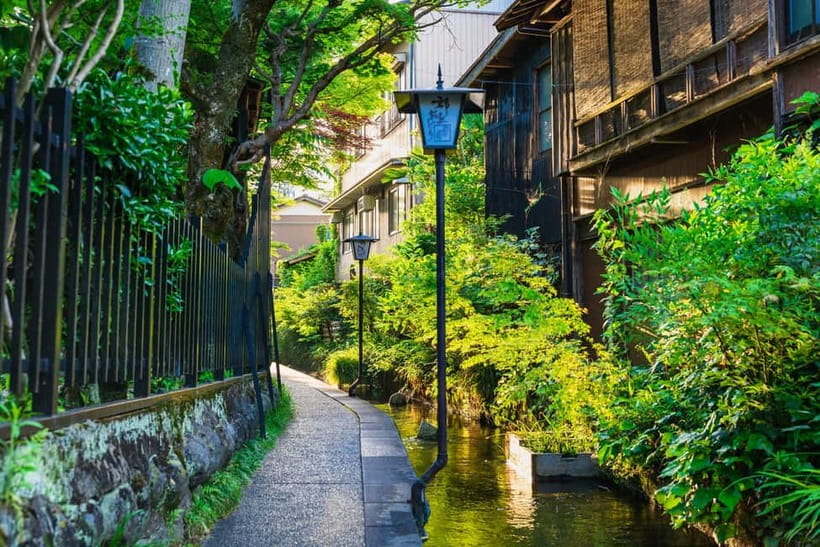
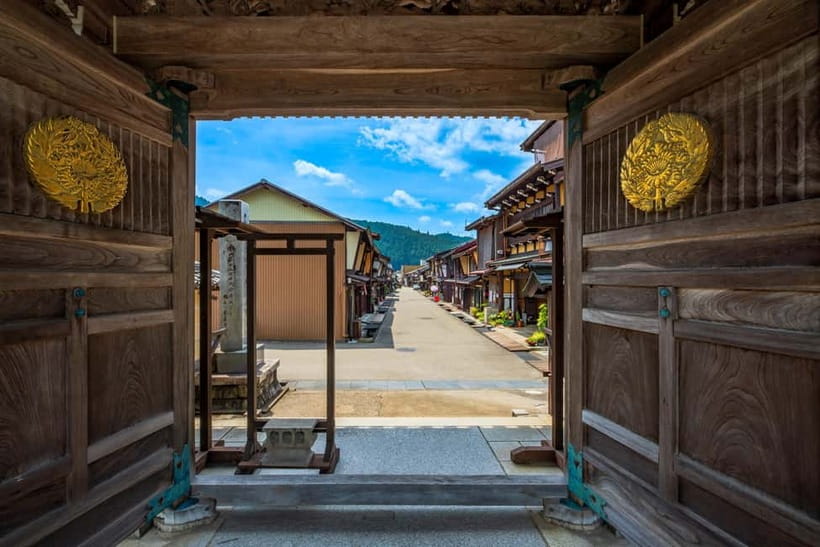
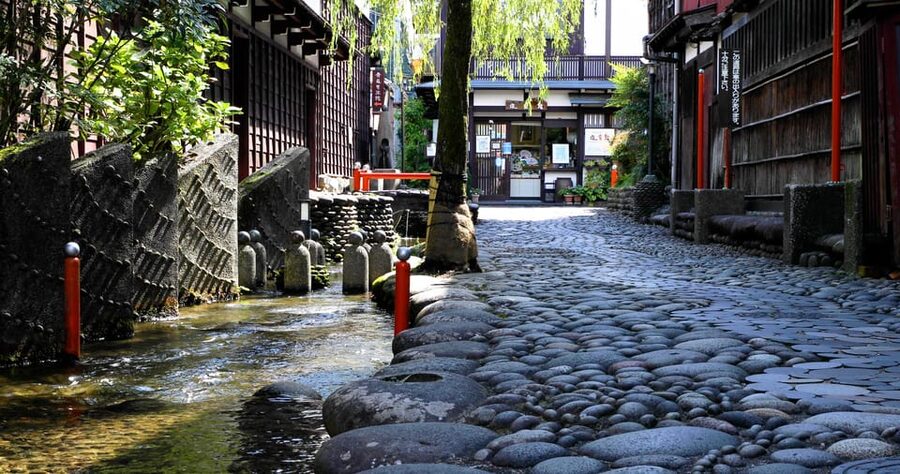
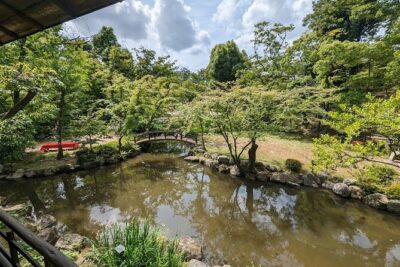
Your first real stop is Gujo Hachiman in Gifu Prefecture. This town keeps an old atmosphere from the Edo period, and the streets include old homes that were selected as important traditional buildings. The standout detail is the waterway that runs past the eaves of the houses, which gives you that special “old Japan” feeling as you walk.
You get about 1 hour of free time, so you need to choose what you want most. One issue some people noted is that Gujo can feel tight, and there may be limited time for both a castle-area view and wandering the town streets.
What I’d do if you want the best payoff in that hour:
- Start with the river walk first, since it sets the mood fast.
- Then pick either the castle area for views or the street-side old house lanes for atmosphere.
- Keep your phone charged, because this is a place where you’ll keep wanting to stop for photos.
Hida Takayama: old lanes, wooden homes, and local treats
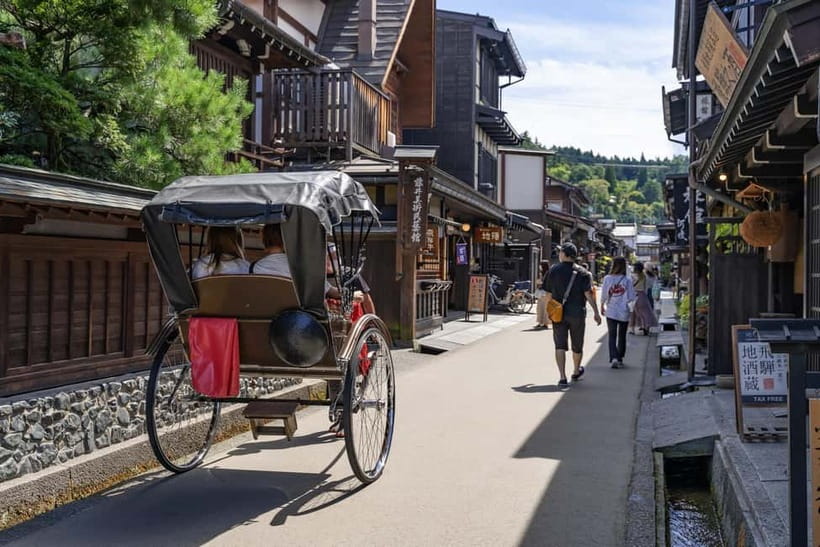
Next comes Hida Takayama, a castle town with strong old-street energy. You typically get around 2 hours here, which is a big deal because it means you can actually do a relaxed loop instead of just darting between photo spots.
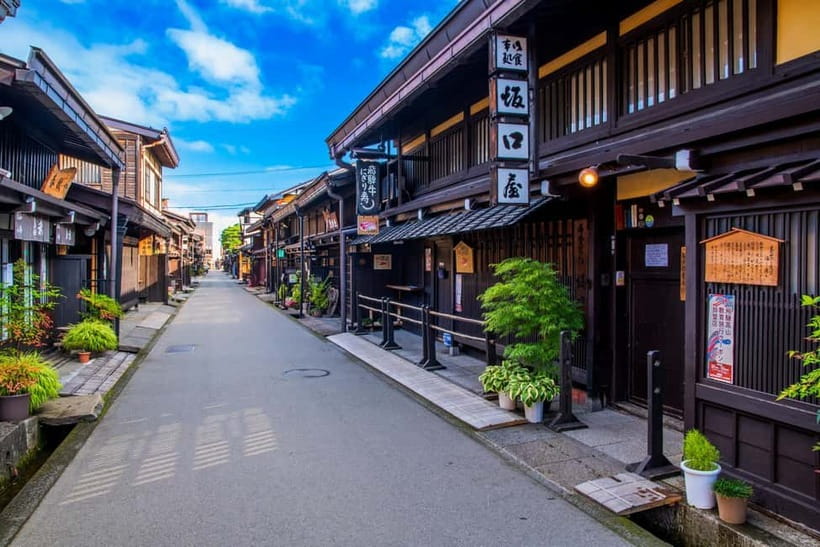
This stop is built for both atmosphere and shopping. You’ll see wooden homes, older alleys, and boutique-style stores, including handicraft shops and even candy stores. Many guests rank Takayama as a favorite, largely because it feels like a walkable town where food and small purchases are part of the experience, not an afterthought.
If you care about meals, plan your lunch strategy here. Several people suggested Takayama is where you can breathe and eat more comfortably compared to tighter village windows.
Also, if you enjoy browsing local crafts, bring a little extra cash or set your card limit ahead of time. Small purchases add up in a town like this, and you do not want to miss a good shop just because of a payment hiccup.
Shirakawa-go and Gokayama: UNESCO gassho-zukuri farmhouses
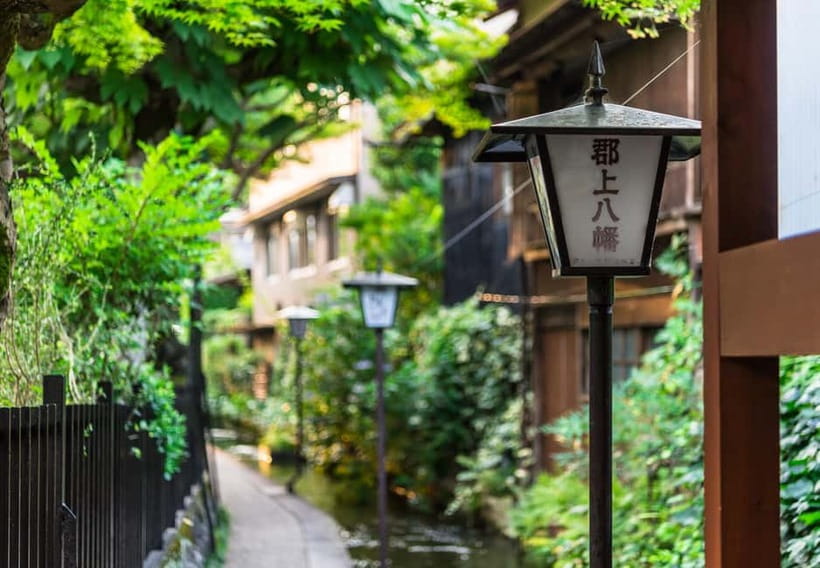
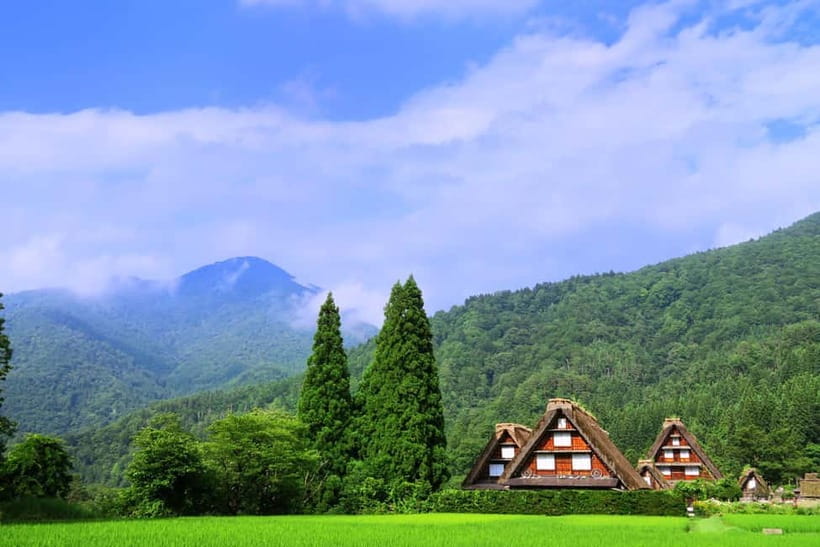
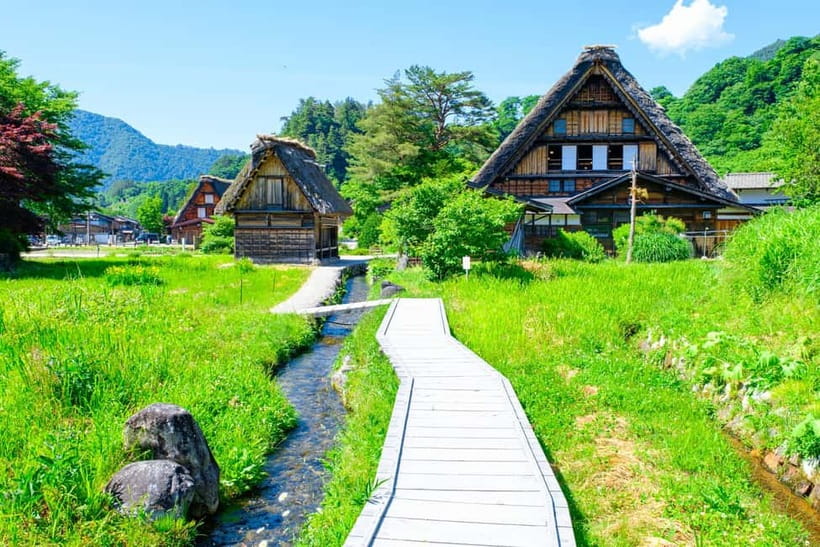
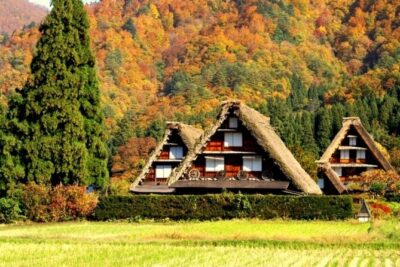
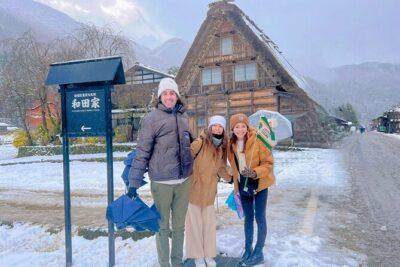
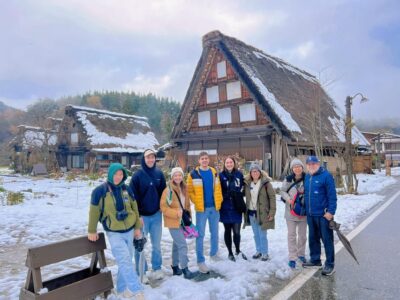
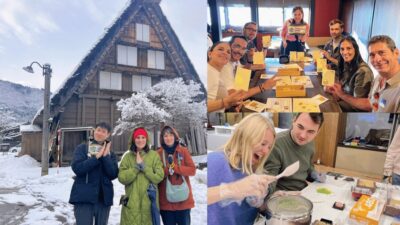
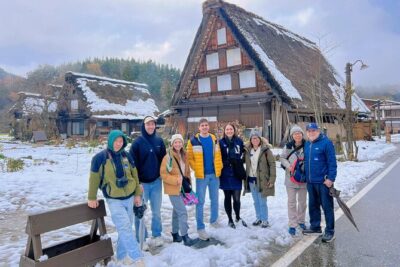
Your final stop is the UNESCO World Heritage area of Shirakawa-go and Gokayama Gassho-zukuri. This is where the architecture steals the show: gassho-zukuri farmhouses with steep thatched roofs, built in different sizes so you can see how function shaped form.
You get around 1.5 hours to explore. That sounds short until you realize the village has a natural walking rhythm, and the rooflines pull you along as you move. The mountain setting helps too, but the main thing is the houses themselves.
A few useful warnings from real-world experience:
- You might need to pay extra to enter or see certain houses inside the village, which some guests estimated around a few hundred yen per house.
- Winter can be cold, and one guest said they arrived expecting warmth but faced temperatures around 3 degrees Celsius.
- Restaurants can close early in the afternoon, so if you need a hot snack, time it carefully.
If you want to photograph well, wear shoes you trust. Village walking is steady and often on uneven ground, and you will want to pause often without worrying about slipping or sore feet.
Guide style and group flow: what you gain, what to watch for
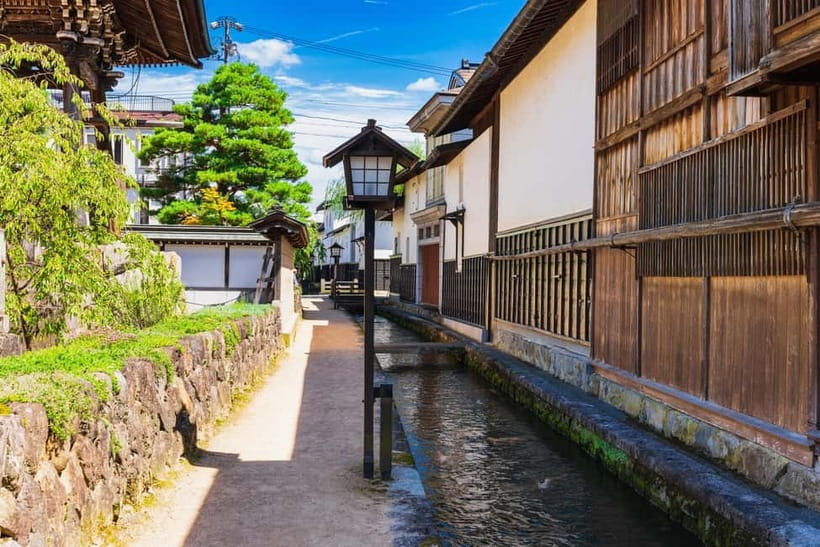
This tour includes a guide who speaks English and Japanese (and in some cases, guides have provided extra language support in practice). Names that came up include Cici, Wang, Moe, Sirius, Kiki, Lilly, Wong, and Akika. The common thread: many guides used clear walking instructions, gave photo and shop tips, and kept everyone moving at the scheduled times.
Here is what you should know about how that works on the ground. Some groups are larger, and on a shared-language day the guide may need to switch between English and Japanese. A few guests found that switching slowed things down, making the explanations harder to follow. Also, there are no headphone devices, so if you are not close to the guide or if the microphone sounds echoey on the bus, you might catch fewer details.
My advice for getting the most from a guide-led day:
- Listen during the briefings, then decide your personal loop.
- Follow the guide when you want context, then step away when you want space.
- Be strict about return times. People who kept to the schedule said the day stayed smooth.
If you are the type who likes a structured day but still wants independence, this format can be a sweet spot.
Price and value: why $61 can make sense for this exact route
At about $61 per person for an 11-hour guided day trip, the value comes from what you avoid. You are paying for organized transport plus guide interpretation, and you are also paying for not having to coordinate trains and buses across multiple towns.
That matters because the route includes both city-to-countryside movement and slow-walk sightseeing. Doing three separated historic areas on your own in one day can turn into a logistics headache fast, especially if you want an English-speaking explanation.
The trade-off is time. You do not get a slow-food, linger-in-one-place experience. You get a curated sampler. If you love architecture and old streets, the payoff is high. If you hate bus time or you want long meals in every stop, you may feel a bit constrained.
Also, think ahead about extra spending. Beyond the tour price, you might spend on:
- optional house entry fees in Shirakawa-go,
- snacks and drinks when restaurants are limited late in the day,
- small shopping purchases in Takayama and Gujo.
My booking checklist to keep this day from feeling rushed
This is the kind of trip where a little prep makes a big difference. Here’s what I’d do if you are trying to maximize the experience without stress.
Wear comfortable shoes you can walk in for long stretches. Old streets look charming, but they also demand stable footing.
Plan your free time choices in each town. In Gujo, decide early if you want castle views or town lanes first.
Bring layers and expect colder air near Shirakawa-go in winter.
Carry cash for potential house entry fees and small purchases.
Set a meet-back habit in your mind. Every stop depends on returning on time so the bus can move.
Use bus downtime wisely. One guest noted a USB-A charger on board, which can be helpful if your phone battery dies during photo breaks.
If you do those things, the day feels like an efficient cultural loop instead of a frantic checklist.
Should you book this tour?
Book it if you want a one-day overview of central Japan’s historic towns and UNESCO thatched-roof villages, and you prefer having organized transport and guide support over planning every connection yourself. It is especially good if you like walking old streets, eating local food, and collecting small crafts or treats without needing to be in each place for multiple days.
Skip or reconsider if you dislike time pressure. Some guests felt Gujo could be rushed, and Shirakawa-go has short windows with possible early restaurant cutoffs. If you want a slower pace, longer meals, and lots of independent exploration, you may be happier with a multi-day plan.
If your goal is to see Gujo Hachiman, Hida Takayama, and Shirakawa-go/Gokayama in one shot, this is a practical, good-value way to do it.
Central Japan Beyond the Obvious



Hida Old Town and the Thatched Valley
Newest Nagoya write-ups from the Loving Japan desk

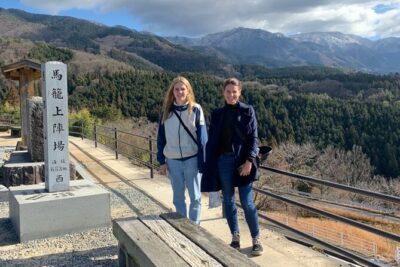
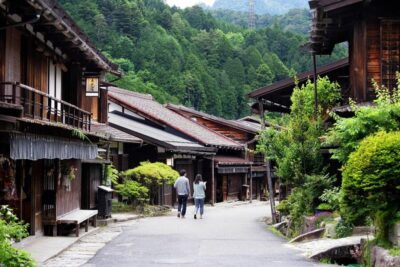

Takayama, Hida and Shirakawa-go, side by side.
 ★ 5.0World Heritage Shirakawa-go and Experience Tours from KanazawaFrom $1224,049 reviews
 ★ 4.9World Heritage Shirakawa-go Morning Guided TourFrom $77988 reviews
 ★ 4.9World Heritage Shirakawa-go & Two Local ExperienceFrom $116274 reviews
 ★ 4.5From Nagoya: Hida Takayama & Shirakawa-go Tour w/Opt. LunchFrom $61256 reviews
 ★ 4.51 Day Private Charter Tour to Shirakawa-go & TakayamaFrom $575253 reviews
 ★ 5.0[One-day bus tour departing from Kanazawa Station] Shirakawa-go and Gokayama – Two World Heritage Villages Enjoyable Bus TourFrom $88253 reviews
 ★ 5.0World Heritage Shirakawa-go Perfect Guided Tour from KanazawaFrom $81220 reviews
 ★ 4.9From Kanazawa: Shirakawa-go, Gokayama and Wood Carving ArtFrom $180180 reviews
Filed on these lists too