
REVIEW · OKINAWA ISLANDS AND BEACHES
From Naha Scuba Diving Trip in Kerama(for certified divers)
Kerama Islands are a short ride from Naha, and the water can be seriously clear. This is a certified diver day with small-group safety, full equipment rental, English support, and underwater photo coverage, plus the Kerama National Park sites that often come with turtles and strong reef life.
I really like how SEAKERS builds the day around calm organization: boat briefing, scuba briefing, and a kit-up that feels methodical. The one drawback to consider is wetsuit fit. In one report, a rented wet suit was too tight to zip, so it is worth planning ahead if you know your sizing needs.
In This Review
- Key highlights to look for
- Kerama Islands from Naha: why this day feels worth the trip
- Small-group up to 4: what you gain when you are not competing for attention
- The 8-hour schedule that keeps momentum without feeling frantic
- What $206 gets you, and how the extras typically work
- Boat briefing and kit-up: the small details that reduce stress
- Kerama National Park underwater: wildlife, visibility, and what you might see
- Gear, fit, and the packing list that actually matters
- Who should book this, and who should skip it
- Should you book SEAKERS for a Kerama day trip from Naha?
- FAQ
- How many underwater sessions are included?
- Is equipment rental included?
- Do I need a scuba certification?
- Is lunch included?
- Are underwater photos included?
- Where do pick-up and drop-off happen?
Key highlights to look for
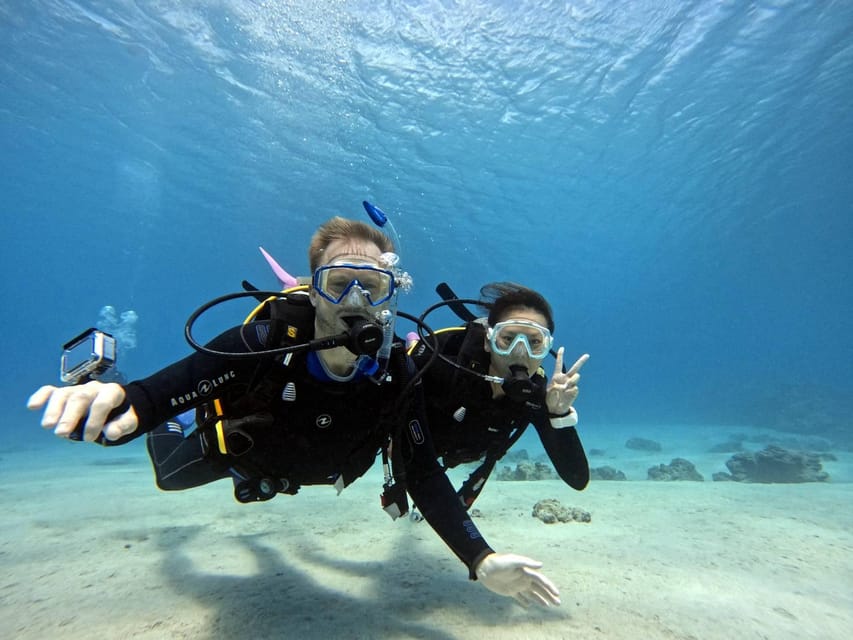
- Small group up to 4 participants for comfort and safety
- English and Japanese briefing so you can understand every step
- Pickup and drop-off to select areas around Naha, Urasoe, and Ginowan
- Two underwater sessions included, with an optional third for extra cash
- Underwater photos included, and some guides also share photo or video clips
- Kerama National Park sites with reported visibility and wildlife like turtles
Island hopping from Naha, reviewed
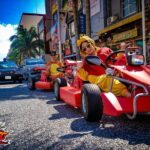
- Official Street Go-Kart Tour – Okinawa Shop
★ 5.0 · 699 reviews - Naha: North Okinawa Sightseeing Tour & Churaumi Aquarium
★ 4.4 · 472 reviews - Okinawa: From Naha: Kerama Islands 1-day snorkeling tour
★ 4.4 · 423 reviews - From Naha: Tokashiki Island Day Trip by Boat
★ 4.3 · 385 reviews
Kerama Islands from Naha: why this day feels worth the trip
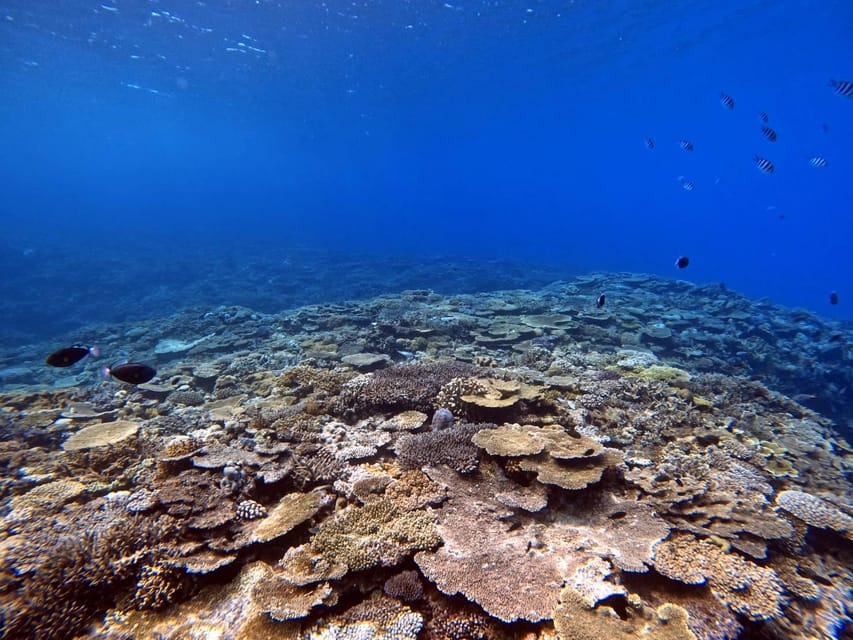
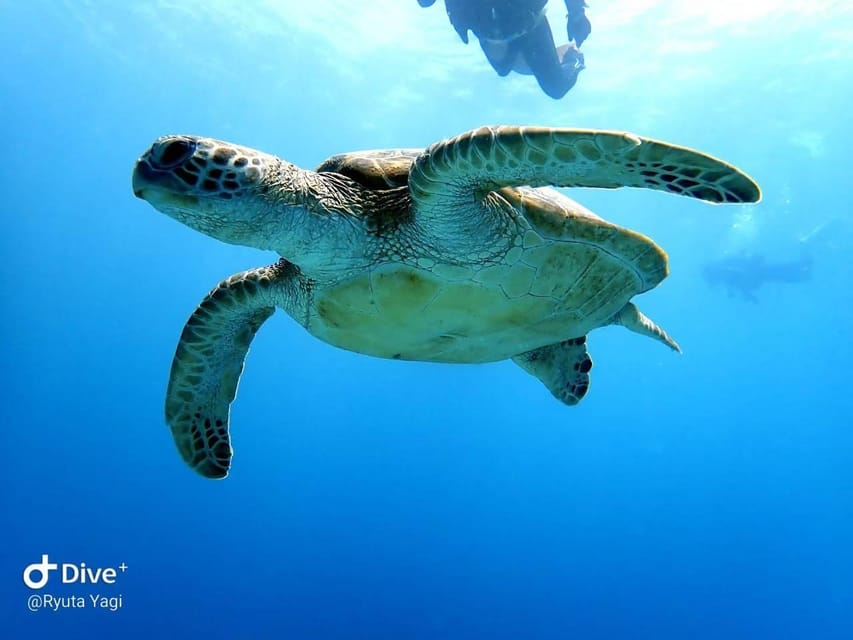
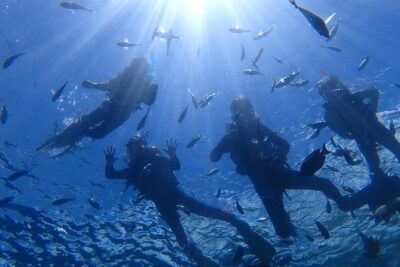
Okinawa’s main island is the easy base, but the Kerama Islands side is where the day gets special. Expect clear visibility reports, bright blue water, and plenty of marine life. In the accounts I reviewed, turtles were a repeat highlight, including swimming close enough that it felt personal, not just a distant silhouette.
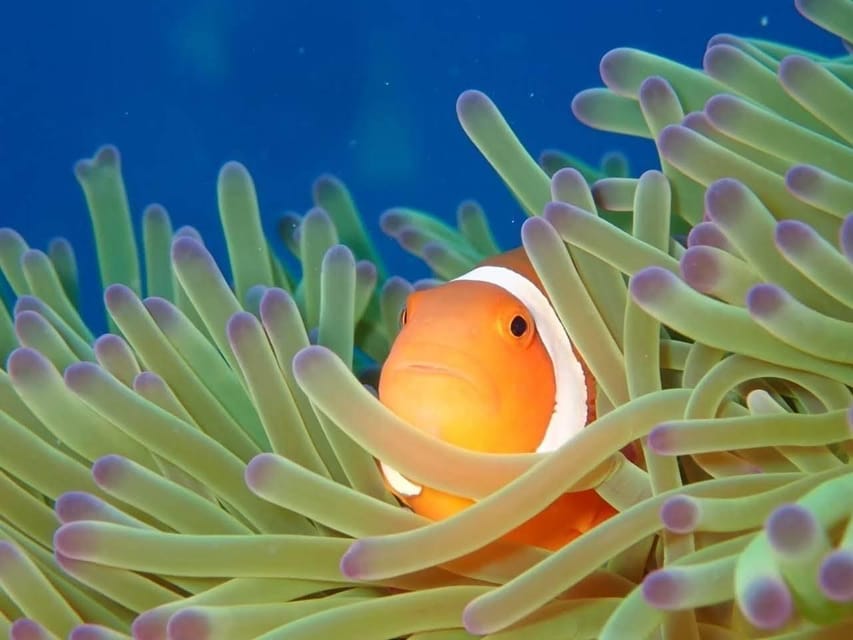
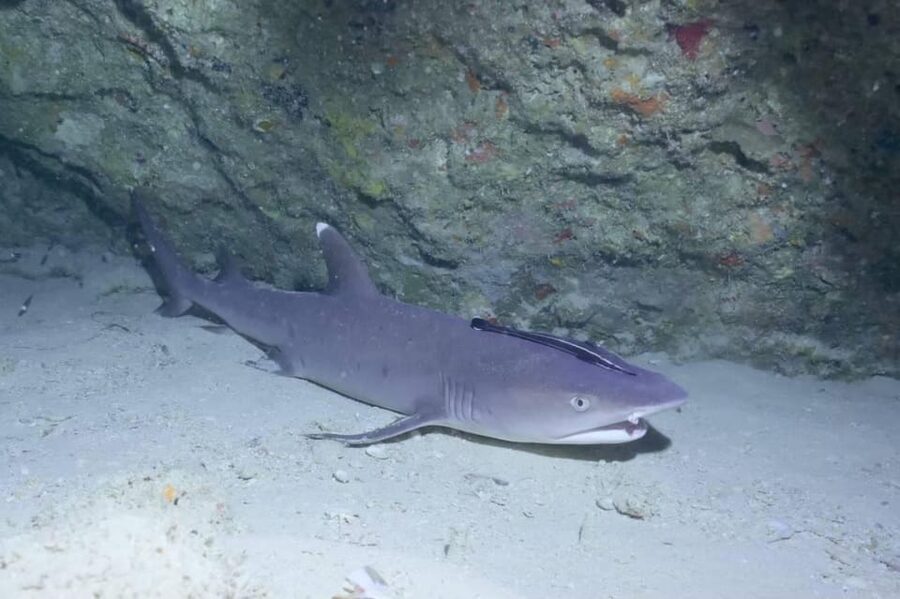
The reef variety also shows up. People describe colorful fish life, sometimes fluorescent-looking patterns, and in at least a couple of descriptions, small caves or reef structure played a big role in the experience. One diver even described a reef shark appearing unexpectedly and sticking around just long enough to watch it glide.
You are doing this in Kerama National Park, which matters because you are not just going to any patch of ocean. Protected waters typically mean healthier reef environments and a better chance at that mix of coral structure and wildlife that keeps the day interesting, even if you have already done a lot of scuba.
Small-group up to 4: what you gain when you are not competing for attention
The biggest practical advantage here is the group size. This tour limits you to 4 participants, and it is not just marketing. When the group is small, you usually get more direct guidance during the briefing, more time to get comfortable with your gear setup, and less waiting around in the awkward moments where you feel rushed.
The guide experience also comes through in the feedback. People specifically praised English that was understandable, plus patience during the lead-up to getting in the water. Names that came up include Yun and Ryuta, and one guide was referenced as Utah, with spelling not fully clear. Across those reports, the consistent theme is safety focus without the cold, lecture vibe. In other words, you get clear instructions, then you get room to relax.
One more detail I like: even though the tour is “small group,” the broader boat can still include other divers. One person mentioned the boat and reef being more crowded than they were used to. So, if you are the type who prefers total quiet, you might want to ask what the typical boat headcount is for your exact date.
The 8-hour schedule that keeps momentum without feeling frantic
This is built as a full day, but the timing is structured so you are not stuck in limbo for hours. Pickup starts early, with options depending on where you stay. In the Naha area, pickup is offered from designated spots, and you should plan to meet outside your accommodation entrance at the scheduled time. The operator notes that being late can mean you are treated as a no-show.
From there, the rhythm goes like this:
- 6:45 AM pickup from your accommodation in Naha (or selected nearby areas)
- 7:00 AM boat briefing and scuba gear assembly
- 7:45 AM boat departure to the Kerama Islands
- 9:00 AM first underwater session in the Kerama National Park area
- 10:30 AM second underwater session in the same national park zone
- 11:30 AM lunch on the boat
- 12:30 PM optional third underwater session as an add-on
- 2:30 PM return to port
- 3:30 PM drop-off, with timing that can vary slightly
Two underwater sessions are included in the main price. The optional third is listed as 5,500 yen in cash. Several people ended up doing three and called it the best part, mostly because it extends your time in the water and gives you another chance at wildlife encounters.
One practical note: the schedule suggests the first water block is longer than the second. That can be a good thing. You get a fuller first outing for getting settled, then the second outing keeps the momentum going without dragging the day out.
Back in the water. Other trips off Naha
- Naha, Okinawa: Keramas Island Snorkeling Day Trip with Lunch★ 4.7 · 370 reviews
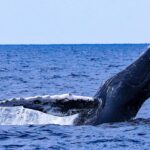
- Naha, Okinawa: Kerama Islands Half-Day Whale Watching Tour★ 4.4 · 241 reviews
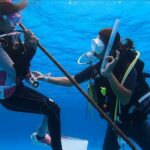
- Naha, Okinawa: Kerama Islands Full-Day Intro-Diving Trip★ 4.6 · 203 reviews
- From Naha: Snorkeling Tour to Kerama by Ferry★ 4.3 · 151 reviews
- Naha: Full-Day Snorkeling Experience in the Kerama Islands, Okinawa★ 5.0 · 128 reviews
What $206 gets you, and how the extras typically work
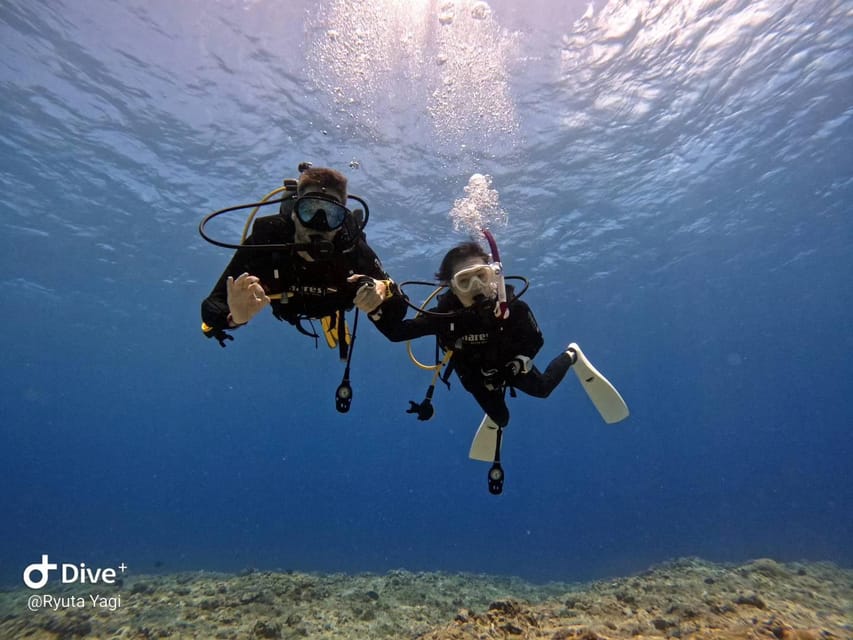
At $206 per person, the value is strongest if you factor in what you would normally pay for on your own. This price includes:
- Hotel pick-up and drop-off in designated areas
- Round-trip boat ride to the Kerama Islands
- Two underwater sessions included
- Full scuba equipment rental
- An English and Japanese instructor
- Insurance
- Underwater photos
That bundle is why this feels efficient. You are not trying to coordinate a boat, gear rental, a guide, and logistics from scratch. You also get photos, which is underrated value. In several accounts, guides shared images quickly afterward, and at least one report mentioned edited video shorts along with photos.
What is not included:
- Lunch
- Drinks
- Towel
- A computer add-on (listed as a “dive computer,” but think of it as your scuba computer)
- The optional third underwater session
If you want to add the extra session, plan on paying 5,500 yen in cash. For a computer add-on, it is 1,500 yen in cash, or listed as free if you leave a positive review. That is a nice option if you already know you will want accurate tracking, but it is also a sign you should confirm what you personally need before you go.
Boat briefing and kit-up: the small details that reduce stress
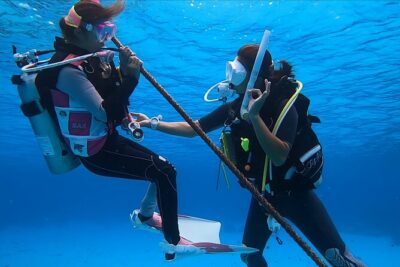
The tour leans into structure. You get a boat briefing and a scuba briefing before you enter the water, and the guide support is offered in English and Japanese. People praised the clarity of the instructions, and one diver described the kit-up process as fine-tuned and systematic.
I like that style, because your energy goes further when the process feels predictable. If you have to ask the same question three times, you get tired before you even start. With a more organized setup, you can keep your focus where it belongs: buoyancy, breathing rhythm, and following the guide’s plan.
Also, if you are used to fast-moving operations, you might appreciate the opposite. One diver mentioned feeling welcomed, safe, and relaxed, which is what you want when you are handling equipment and cold-to-warm sensations, plus the mental math of depth and timing.
Finally, there is a clear rule set:
- You cannot touch marine life
- You should manage luggage carefully, since oversize luggage or large bags are not allowed
These are the types of practical rules that keep the reef healthy and keep your group from creating problems for the crew.
Kerama National Park underwater: wildlife, visibility, and what you might see
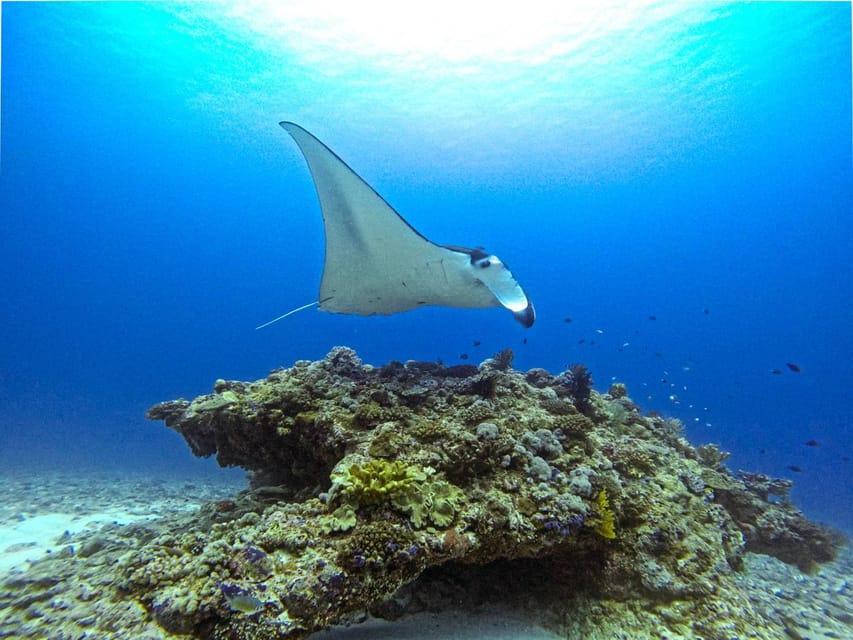
This is the part most people are really booking for, and the reports are consistently positive. Expect good visibility, lots of blue water, and frequent wildlife sightings.
Here are examples that came up in the accounts:
- Turtles spotted during the sessions
- Very clear water and blue tones described as almost unbelievable
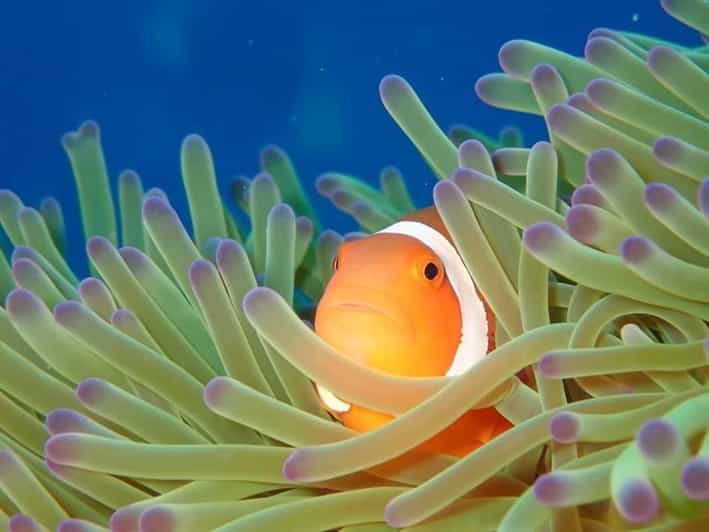
- Colorful reef fish, including fluorescent patterns
- A reef shark seen briefly but clearly, with the guide coordinating the moment so everyone could watch
- Coral reef structure with small cave-like areas mentioned by at least one diver
- A larger fish presence, including a GT-like fish interacting with a swarm of small fish
Some names of water sites were also mentioned in reports, including Nosaki, Doma, and Kameku. Those site names are not guaranteed for every date, but they give you a realistic picture of the kind of locations this operator can use within the Kerama National Park region.
How the day typically feels: the first included session is longer, and the second is shorter. That can work well if you want a deeper exploration first, then a second pass to see what you might have missed earlier, or to focus on wildlife and reef structure while you still have energy.
If you add the optional third, you are extending the best part of the day. Several people described doing a third and feeling grateful they did, mostly because it increased their time with wildlife and gave more opportunities for great underwater photos.
Gear, fit, and the packing list that actually matters
This trip includes equipment rental, so you are not hauling your scuba gear across Japan. Still, you should pack like you are dealing with a full day outside, plus wet gear after your session.
Bring:
- Change of clothes
- Towel
- Flip-flops
- Food and drinks, plus a packed lunch option (the schedule includes lunch time, but the tour data lists lunch as not included)
- Your scuba certification card
- Anything you personally need for staying comfortable between the boat and water
Not allowed:
- Oversize luggage or large bags
One thing to take seriously is wetsuit sizing. One report noted a rented wet suit that could not be zipped, even though the diver could fit into it. That is not a reason to avoid the trip, but it is a reason to be proactive. If you have unusual sizing needs, mention it early when you register so you can request the best fit available.
Who should book this, and who should skip it
This is for certified divers only. The tour specifically requires a valid scuba certification from a recognized organization. If you are not currently certified, this is not the right day trip.
The operator also lists multiple groups as not suitable, including:
- Children under 12
- Pregnant women
- People with heart problems
- People with epilepsy
- People with kidney problems
- People with high blood pressure
- People with recent surgeries
- People who are prone to seasickness
- People with low level of fitness
- Non-swimmers
- Wheelchair users
- People over 60
- People with diabetes
- People prone to issues like lactose intolerance (listed)
- Divers without certification
That list is long, but it is also straightforward. If you have any medical concern, read it carefully and be honest. If you are unsure, talk with a medical professional before you plan your scuba day.
For the right person, though, this fits well: you get two included underwater sessions, English support, and Kerama National Park wildlife, all with pick-up and drop-off that removes the hardest part of planning.
Should you book SEAKERS for a Kerama day trip from Naha?
I would book it if you want:
- Small-group service with up to 4 participants
- Pickup and drop-off from Naha, Urasoe, or Ginowan in the designated areas
- Full equipment rental and underwater photos included
- A structured day with two included underwater sessions, plus an easy optional third
Skip or rethink it if:
- Wetsuit fit is a known issue for you, and you do not want to deal with sizing risk
- You strongly dislike any chance of busier boat conditions, since the broader boat can include more divers
- You do not have your certification in hand
If you match those basics, this is a solid value way to spend a day in Kerama National Park with a guide team that people repeatedly describe as clear and safety-minded.
FAQ
How many underwater sessions are included?
Two underwater sessions are included. You can add an optional third session for an extra fee of 5,500 yen paid in cash.
Is equipment rental included?
Yes. Full scuba equipment rental is included in the price.
Do I need a scuba certification?
Yes. All participants must have a valid scuba diving certification from a recognized organization.
Is lunch included?
Lunch is scheduled on the day, but lunch is listed as not included. You should plan for food on your own.
Are underwater photos included?
Yes. Underwater photos are included as part of the activity.
Where do pick-up and drop-off happen?
Pick-up and drop-off are offered from selected locations in Naha, Urasoe, and Ginowan. In Naha city area, Akamine and Shuri are excluded. In Ginowan city area, pick-up is only from Laguna Garden Hotel, Okinawa Prince Hotel, and Moon Ocean Ginowan Hotel and Residence.
Back in the Water
Okinawa, Island by Island

Newest Naha write-ups from the Loving Japan desk

Okinawa Islands and Beaches, side by side.
 ★ 5.0Official Street Go-Kart Tour – Okinawa ShopFrom $36699 reviews
 ★ 4.4Naha: North Okinawa Sightseeing Tour & Churaumi AquariumFrom $50472 reviews
 ★ 4.4From Naha: Kerama Islands 1-day snorkeling tourFrom $81423 reviews
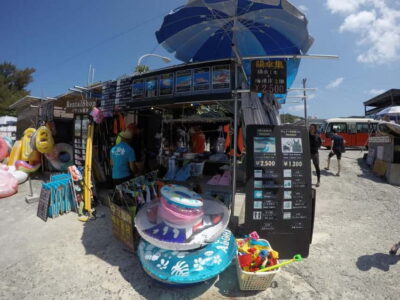 ★ 4.3From Naha: Tokashiki Island Day Trip by BoatFrom $58385 reviews
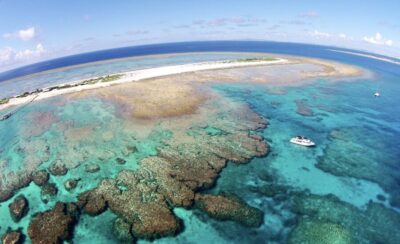 ★ 4.7Naha, Okinawa: Keramas Island Snorkeling Day Trip with LunchFrom $70370 reviews
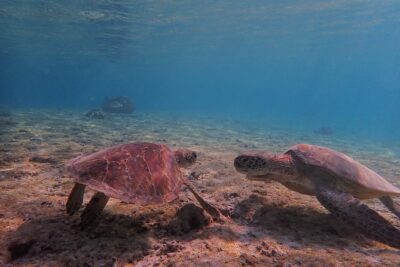 ★ 5.0[Miyako Island/Half Day] Sea Turtle SnorkelingFrom $45337 reviews
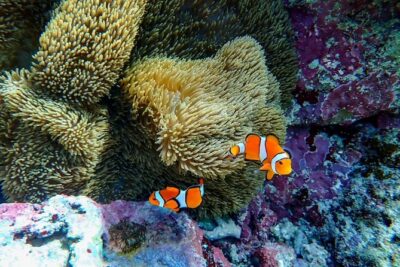 ★ 5.0Okinawa Ishigaki Blue Cave Snorkeling TourFrom $45332 reviews
 ★ 4.5Snorkeling in the Blue Cave area【Okinawa Prefecture: Free feeding & photo images!English and Chinese speaking guide available!From $19249 reviews
Filed on these lists too