
REVIEW · OKINAWA ISLANDS AND BEACHES
From Naha: Whale Watching with Pickup and English Guide
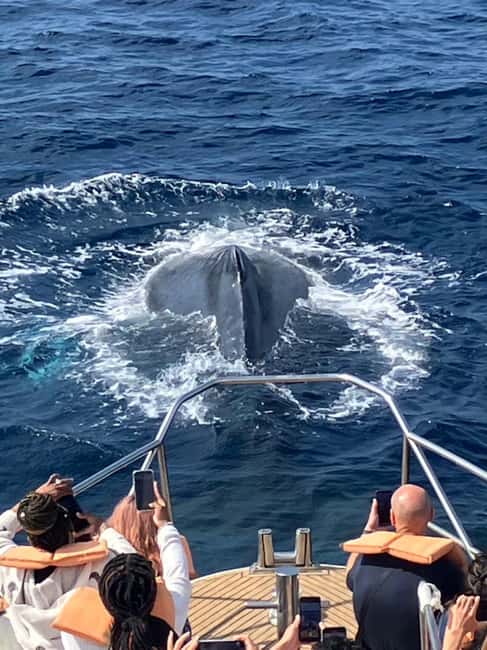
Humpbacks can be meters away. This whale-watching trip from Naha pairs an English-speaking guide with up to one hour of close viewing once whales show up, so you get real time with the action. One catch: detailed whale education is mostly delivered through the smartphone QR guide, not heavy talking onboard.
What I like most is how practical it feels. You can either meet at Naha Miegusuku port or take pickup from multiple points across Naha, and the crew runs check-in right at the waiting room before the boat leaves. The other downside to keep in mind is that whale sightings are wild and never 100 percent, unless you’re in the specific Feb 1 to Mar 15 2026 guarantee window.
In This Review
- Key points before you go
- Whale watching from Naha, aimed at the Kerama Islands
- How the 3-hour session actually feels on the water
- The one-hour close viewing rule, and why it’s good for you
- Pickup across Naha: convenient, but confirm your start time
- Meeting at Naha Miegusuku port: what to do once you arrive
- What the guide provides, and what you supply with your phone
- The whales: what you’re really trying to see
- Whale guarantee, and how it changes your risk
- What to bring (and what to do about seasickness)
- Price and value: where your $30 goes
- Who should book this Naha whale watch
- Should you book this whale watching tour from Naha?
- FAQ
- What time do the tours depart from Naha?
- How long is the whale-watching tour?
- Where is the check-in location?
- Do I get pickup from hotels in Naha?
- Is there a whale spotting guarantee?
- How long can you stay close to the whales once spotted?
- What languages are available?
- Do I get photos from the tour?
- What should I bring?
- Is Wi-Fi or audio equipment included?
Key points before you go
- Pickup options across Naha make it easy to start at a hotel-area location, not a random station.
- Up to three hours on the water with a regulated one-hour close observation limit once whales are spotted.
- English plus multilingual QR guide for whale behavior and conservation, with audio guidance on your phone.
- Free digital whale photos after the tour, which helps if you miss the perfect breach shot.
- Life jackets required at all times, and the boat can feel tight when everyone boards.
Island hopping from Naha, reviewed
- Official Street Go-Kart Tour – Okinawa Shop
★ 5.0 · 699 reviews - Naha: North Okinawa Sightseeing Tour & Churaumi Aquarium
★ 4.4 · 472 reviews - Okinawa: From Naha: Kerama Islands 1-day snorkeling tour
★ 4.4 · 423 reviews - From Naha: Tokashiki Island Day Trip by Boat
★ 4.3 · 385 reviews
Whale watching from Naha, aimed at the Kerama Islands
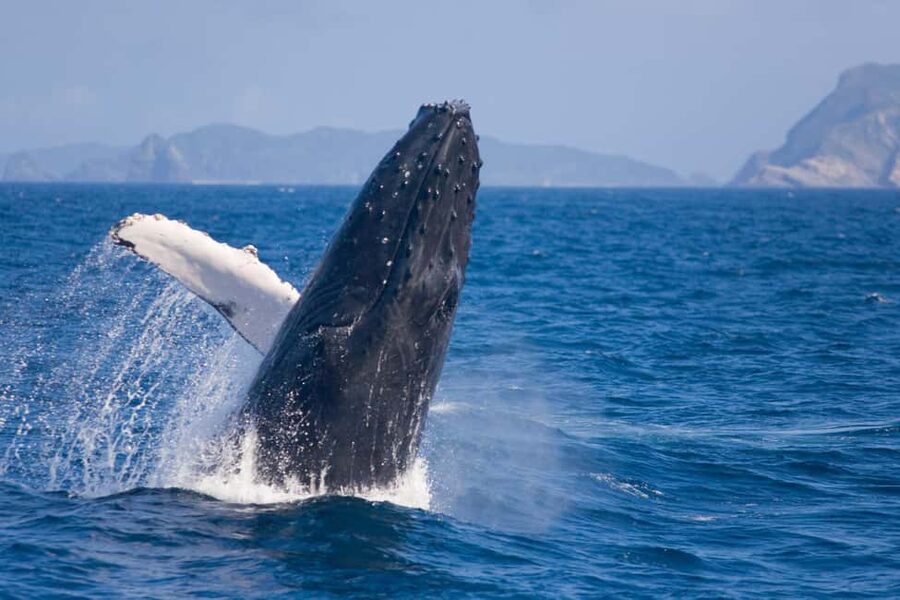
This experience is built around one simple goal: spot humpback whales in Okinawa’s winter waters. The trip heads out toward the Kerama Islands migration route, where humpbacks come through each season. If you have ever seen whale video and thought it looked staged, this is the opposite. You are hunting for blows, tail slaps, and the sudden surface moment that makes everyone stop talking.
I also appreciate the structure. The tour doesn’t promise a guaranteed miracle every time. Instead, it sets clear expectations for time on the water and what happens once whales are located. And if whales are found quickly, you can even be back earlier than the full three hours.
The company running it is Cerulean Blue Okinawa, and the whole vibe is that you’re joining a working boat operation, not a theme-park show.
How the 3-hour session actually feels on the water
Your day is timed for two likely departures. You check in and then the boat departs around 9:00 for the morning sailing, or around 13:45 for the afternoon one. You generally return around 12:00 or 16:45, but the schedule can shorten if whales appear fast.
The rhythm goes like this:
- First comes the search. This is when you get the wide-open ocean moments, scanning for spouts and subtle movement.
- Then comes the close-observation window. Once whales are spotted, you get up to one hour of closer viewing.
That one-hour limit matters because it protects the animals and keeps the experience low-stress for the whales. It also changes your strategy as a passenger. You can’t assume the boat will hover forever, so it’s worth staying alert during the spotting phase, not settling back into phone scrolling.
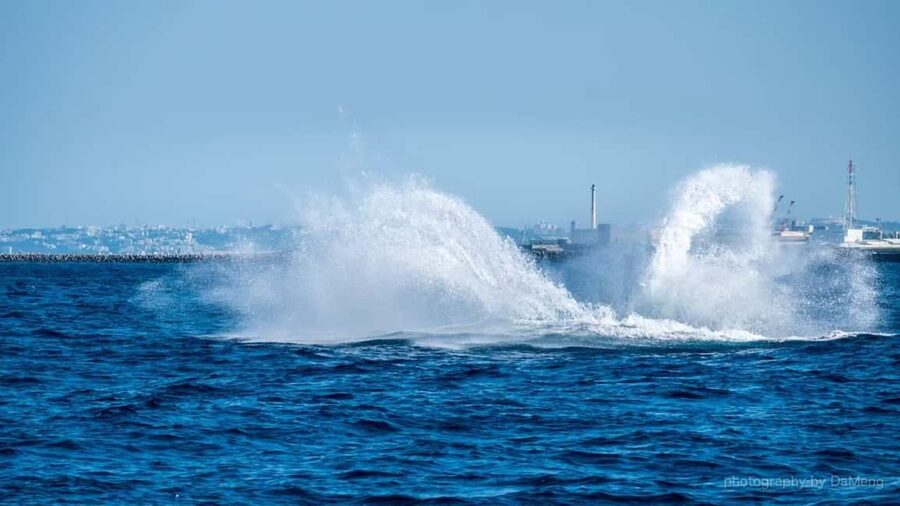
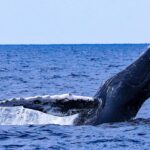
In terms of what you’re watching for, the experience description leans hard on the big behaviors: breaches, splashy surface hits, and tail displays. Those are the moments that make whale watching feel like a shared dare, everyone cranes their neck, then it happens again.
The one-hour close viewing rule, and why it’s good for you
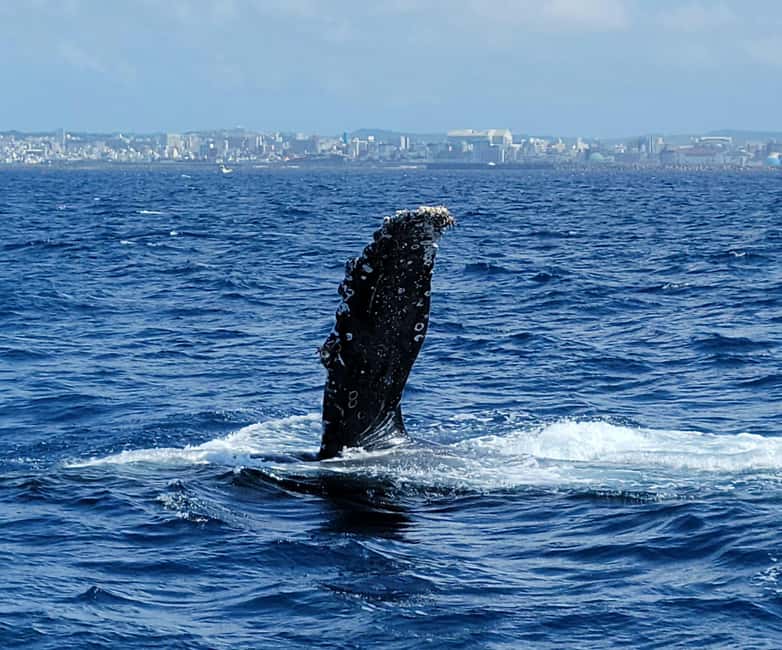
You might think the limit would reduce the thrill. In practice, it often makes the viewing better. Instead of an endless, distant cruise, you get a defined stretch when the whales are close enough for real observation.
This also means the crew is probably moving the boat with care and in compliance with the local agreement to protect whales. The description explicitly calls out that official Okinawa whale-watching regulations drive this approach. So you’re not just buying a tour, you’re joining a system that tries to keep whales from being stressed by constant pressure.
One more practical benefit: it helps you manage seasickness and energy. If you know the closest viewing is capped, you can time your focus. Bring a jacket, expect spray and wind, and use that hour to take in the details, not just chase photos.
Back in the water. Other trips off Naha
- Naha, Okinawa: Keramas Island Snorkeling Day Trip with Lunch★ 4.7 · 370 reviews
- Naha, Okinawa: Kerama Islands Half-Day Whale Watching Tour★ 4.4 · 241 reviews
- Naha, Okinawa: Kerama Islands Full-Day Intro-Diving Trip★ 4.6 · 203 reviews
- From Naha: Snorkeling Tour to Kerama by Ferry★ 4.3 · 151 reviews
- Naha: Full-Day Snorkeling Experience in the Kerama Islands, Okinawa★ 5.0 · 128 reviews
Pickup across Naha: convenient, but confirm your start time
You have two ways in: meet at the port, or take pickup. Pickup is optional, and it covers a network of drop-off points across Naha, including major hotel areas. If you go the pickup route, you need to arrange it when booking, and you’ll receive the pickup time in advance.
The morning pickup options start as early as 7:45 around Omoromachi, with multiple stops through the hotel zone and near Kokusai Dori. The afternoon pickup options run later, with some stops listed around 12:30 to 13:05. Some locations note Sunday restrictions because roads get pedestrian-only.
You also should know this practical rule: reservations made after 3:00 PM the day before are not eligible for pickup. In that case, you still gather at the port.
Finally, do yourself a favor and treat the check-in like the main event. The check-in happens inside the Naha Miegusuku port waiting room, and the staff wear a blue Cerulean Blue t-shirt. Your activity start time is tied to the start of check-in, and the boat departure is around 9:00 or 13:45 depending on the session.
I like pickup for this type of trip because you are tired from travel. But I also think you should keep a screenshot of your confirmation and double-check the time. One problem people can run into is mismatched time details, and that is exactly the sort of mistake that ruins a fun morning.
Meeting at Naha Miegusuku port: what to do once you arrive
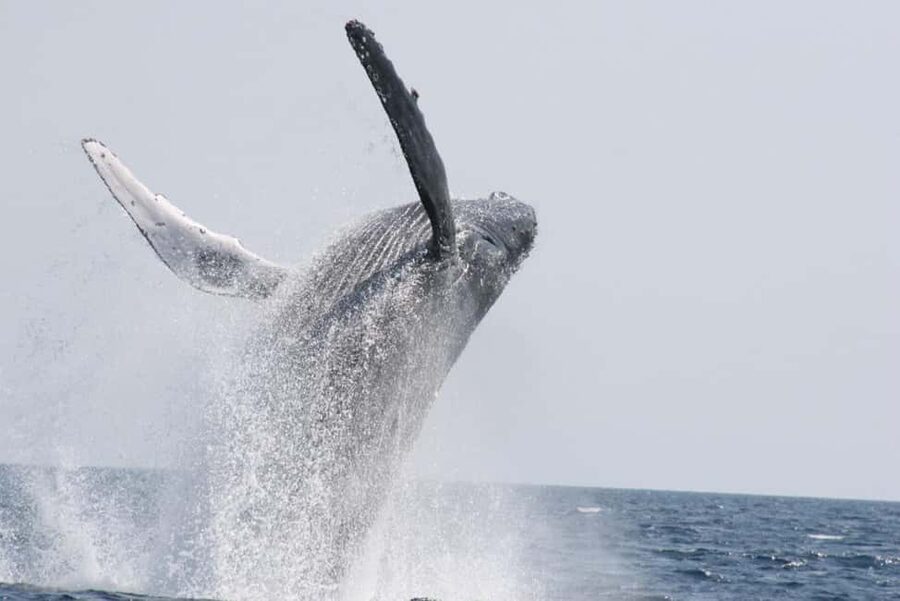
Once you get to Naha Miegusuku port, you go into the waiting room for check-in. This is where you’ll handle consent forms, and then you’ll move to the boat for departure. The tour description notes that the staff’s blue Cerulean Blue t-shirts make them easy to spot.
At boarding, one critical item is the life jacket. You must wear it at all times. That is not just good safety advice, it’s part of how the crew manages the boat while everyone’s moving around.
In a couple of accounts, the boat was described as crowded and not every crew member was using life jackets in view. I can’t confirm what you will see on your day, but I can tell you what to do: assume the rules apply to you, and keep your life jacket on properly from the moment you step aboard.
What the guide provides, and what you supply with your phone
This tour includes an English-speaking guide, and it also offers Japanese and Traditional Chinese in the materials. The key detail is how the whale information is shared.
Onboard, you’ll get live guidance in the language the guide can provide. But detailed whale explanations are primarily delivered through the multilingual digital guide via QR code on your smartphone. The audio guidance is described as available on your phone in multiple languages including English, Spanish, French, Japanese, Cantonese, Mandarin, Simplified Chinese, and Korean.
What that means for you:
- If you’re hoping for a lecture-style explanation on the boat, temper the expectation. The smartphone guide is the main source for deeper whale behavior and conservation content.
- If you want to learn quickly, take five minutes before boarding to find the QR scan link and get your audio started.
Also note what is not included: Wi-Fi and earphones/audioguidance device are not included. So if you want clean audio, bring earphones that work with your phone. If you don’t, you might hear audio through the phone speaker, and that can be harder with wind and boat noise.
The whales: what you’re really trying to see
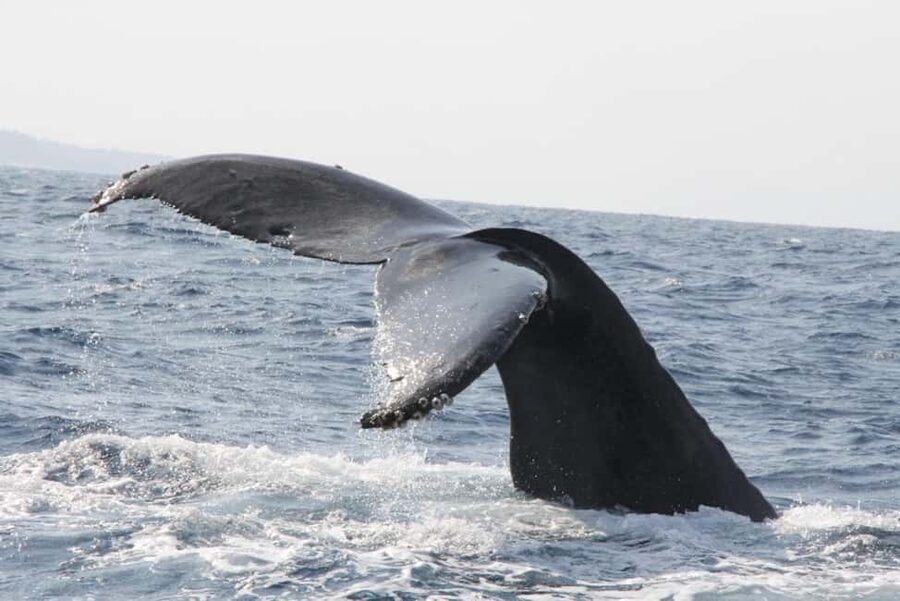
The tour focuses on humpback whales, particularly the idea that they migrate to the Kerama Islands in winter to mate and give birth, then continue their longer journey across the Pacific.
On the water, the whale activity you should be ready for includes:
- Surface blows (spouts)
- Splashing and breaches
- Tail displays
You do not control when the whales appear. That’s why the guarantee window matters.
Whale guarantee, and how it changes your risk
Between February 1 and March 15, 2026, if no whales are spotted, you get a full refund or free re-boarding. Outside that window, refunds or re-boarding are not offered if no whales are seen.
There’s also a definition of what counts as a completion. The tour is considered complete if a whale’s blow is seen from a distance, or if any person on the boat spots a whale. That rule is important because it’s not strictly about everyone seeing the same moment. In other words, the boat’s job is to keep searching until they meet that threshold, not until each passenger gets an identical view.
If you’re traveling outside the guarantee dates, I’d book this trip with the mindset of chance plus effort. You can still have a fantastic time even without a whale sighting, but you should accept the possibility upfront.
What to bring (and what to do about seasickness)
For a boat tour, weather and comfort matter as much as the wildlife. Bring:
- Sunglasses
- A towel
- Drinks
- Sunscreen
- A jacket
Plan for wind. Even when the air feels warm, open water can be colder than you expect, and spray can make you feel cooler than land-based weather.
Seasickness is listed as something you should prevent. The tour includes life jackets, insurance, and the trip itself, but it does not include food and drink, and motion sickness help is not included.
So I recommend coming prepared: bring your own motion sickness prevention method. Also pack a small bag for wet items because the deck can get damp.
You should also skip swimming. Swimming is listed as not allowed, along with restrictions on intoxication, and alcohol or drugs.
Price and value: where your $30 goes
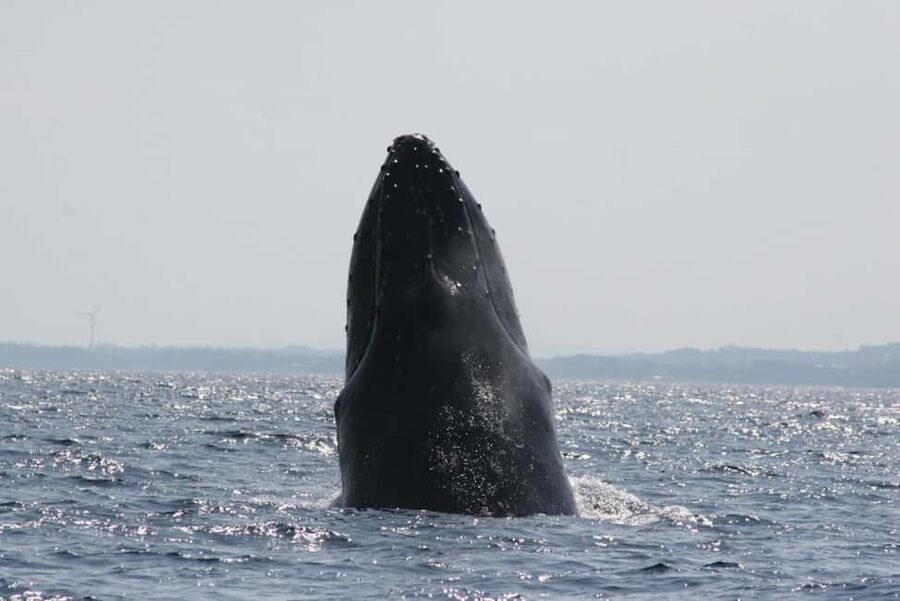
The price is listed at $30 per person, and for Okinawa winter whale watching, that’s relatively straightforward. Here’s what you’re actually paying for:
- Boat fare and the whale-watching tour fee
- Insurance
- Life jackets
- English-speaking guidance
- Transportation from listed Naha pickup points, when you book pickup
On top of that, you get free digital whale photos after the tour. That’s small, but it helps because the best whale shots often happen fast. A purchased memory album is nice, but free photos are better.
Where it can feel less “value” is if you’re expecting a nonstop whale talk from the guide. The guide is there, but detailed info is mostly through the QR digital guide. So bring your own curiosity, or at least plan to use your phone for the audio.
Also, your comfort can depend on the boat load. Some accounts describe crowding, so if you’re sensitive to tight spaces, arrive early and keep your gear minimal.
Who should book this Naha whale watch
This tour makes the most sense if you:
- Want a realistic shot at spotting humpback whales in winter
- Like the idea of a regulated viewing experience that limits close time to protect the whales
- Are comfortable using a phone for audio info, since much of the learning comes that way
- Can handle possible schedule changes and the nature of wild animal sightings
It is not suitable for pregnant women and is also noted as not suitable for people with a cold. The tour description also says pregnant and ill people may be refused boarding without a refund. If that applies to you, check with your doctor before booking anything at sea.
If you’re the type who gets motion sick easily, prepare extra carefully. A jacket and your own prevention plan are not optional here.
Should you book this whale watching tour from Naha?
I’d book it if you are traveling in the Feb 1 to Mar 15 2026 window and you want the strongest form of backup if whales do not appear. That guarantee turns the risk into a “try again” situation, which makes the $30 feel less like a gamble.
I’d also book it if you like the practical setup: pickup options in Naha, check-in at Naha Miegusuku port, a guide onboard, and a phone-based QR learning guide that you can control.
I would pause before booking if you hate phone-based audio, or if you expect long, detailed whale storytelling delivered live on the boat. And do not ignore the timing. Confirm your start time, show up for check-in, and be ready to wear the life jacket from the moment you board.
If you want a chance at a real, winter humpback encounter from Naha, this is the kind of tour that can pay off quickly, then stick in your memory for a long time.
FAQ
What time do the tours depart from Naha?
The boat departure is around 9:00 for the morning session and around 13:45 for the afternoon session.
How long is the whale-watching tour?
The duration is 3 hours.
Where is the check-in location?
Check-in is inside the Naha Miegusuku port waiting room. Staff wear a blue Cerulean Blue t-shirt.
Do I get pickup from hotels in Naha?
Pickup is optional, with many listed pickup points across Naha. You need to select pickup and arrange it when booking, and you will receive your pickup time in advance.
Is there a whale spotting guarantee?
Yes, but only between February 1 and March 15, 2026. If no whales are spotted in that period, you get a full refund or free re-boarding. Outside that period, no refunds or re-boarding are offered if no whales are seen.
How long can you stay close to the whales once spotted?
You get up to one hour of close observation once whales are spotted, following local regulations.
What languages are available?
The guide is available in English and Japanese (also listed as Traditional Chinese). The QR digital guide and audio guidance include multiple languages.
Do I get photos from the tour?
Yes. Free digital whale photos are provided after the tour.
What should I bring?
You should bring sunglasses, a towel, drinks, sunscreen, and a jacket. You should also bring motion sickness prevention if you need it.
Is Wi-Fi or audio equipment included?
Wi-Fi is not included, and earphones or an audioguidance device are not included either. The audio guidance is accessed through your smartphone via QR code.
Back in the Water
Okinawa, Island by Island

Newest Naha write-ups from the Loving Japan desk


Okinawa Islands and Beaches, side by side.
 ★ 5.0Official Street Go-Kart Tour – Okinawa ShopFrom $36699 reviews
 ★ 4.4Naha: North Okinawa Sightseeing Tour & Churaumi AquariumFrom $50472 reviews
 ★ 4.4From Naha: Kerama Islands 1-day snorkeling tourFrom $81423 reviews
 ★ 4.3From Naha: Tokashiki Island Day Trip by BoatFrom $58385 reviews
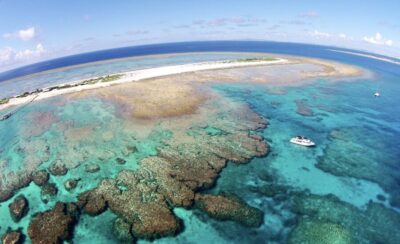 ★ 4.7Naha, Okinawa: Keramas Island Snorkeling Day Trip with LunchFrom $70370 reviews
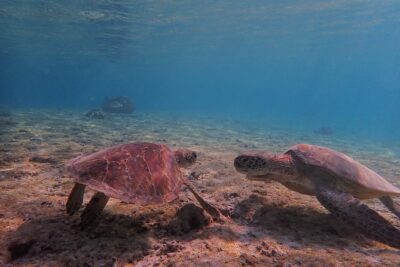 ★ 5.0[Miyako Island/Half Day] Sea Turtle SnorkelingFrom $45337 reviews
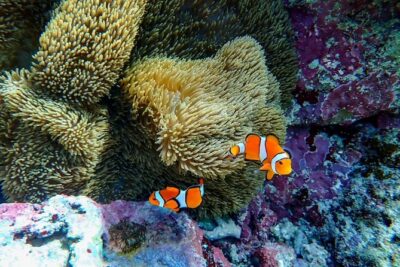 ★ 5.0Okinawa Ishigaki Blue Cave Snorkeling TourFrom $45332 reviews
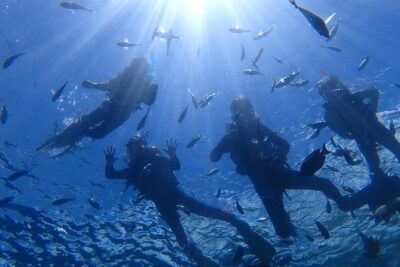 ★ 4.5Snorkeling in the Blue Cave area【Okinawa Prefecture: Free feeding & photo images!English and Chinese speaking guide available!From $19249 reviews
Filed on these lists too