
REVIEW · MOUNT FUJI DAY TRIPS
From Tokyo: Mount Fuji Private Tour With English Guide
A Mount Fuji day, with less hassle. I love how this is a private tour with an English-speaking driver who can tailor the route, and I also love stacking Fuji viewpoints at Kawaguchiko, Chureito Pagoda, and the 5th Station in one long day. Guides like Rana and Ali were friendly and organized with big family groups, but one thing to consider is that this is a packed, full-day drive, so expect a lot of time on the road.
At a price of $318 per group (up to 6), you are paying for a comfortable vehicle, photo help, and a tight plan that aims to hit the main scenic beats plus extra stops. If weather is cloudy, Fuji can still hide, so your day becomes more about the spots and the experience than perfect mountain visibility, even though the tour runs rain or shine with safety adjustments.
In This Review
- Key points to know before you go
- Private car from Tokyo: why the day feels easier
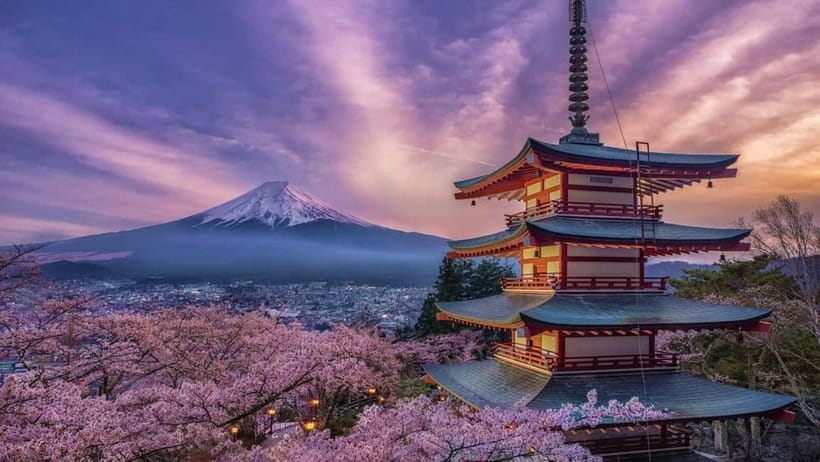
- Chureito Pagoda: starting the day with the Fuji postcard angle
- Lake Kawaguchiko: the Fuji reflection stop that actually makes sense
- Oshino Hakkai: taste the snowmelt, then walk the pond streets
- Arakura Fuji Sengen Shrine: pagoda views with a cultural stop built in
- Mt. Fuji 5th Station: the highest vehicle-access viewpoint
- Lake Yamanaka and a duck boat ride: fun movement, quick scenic payoff
- Oishi Park and Lawson Kawaguchiko Station: small stops that reduce stress
- Ropeways, wind cave, ice cave: where the day gets more dramatic
- Lake Ashi and the Hakone ropeway loop: a scenic buffer for your final hours
- Gotemba Premium Outlets: a practical reward, not just shopping
- Halal and vegetarian planning: it is good that you can request it
- Guides like Rana, Ali, and Malik: what the “English-speaking driver” really means
- Price and value: $318 per group for up to six
- Packing tips for a 10-hour Fuji loop
- Should you book this Mount Fuji private tour?
Key points to know before you go
- Multiple Fuji photo viewpoints in one route, including Chureito Pagoda and Mt. Fuji 5th Station
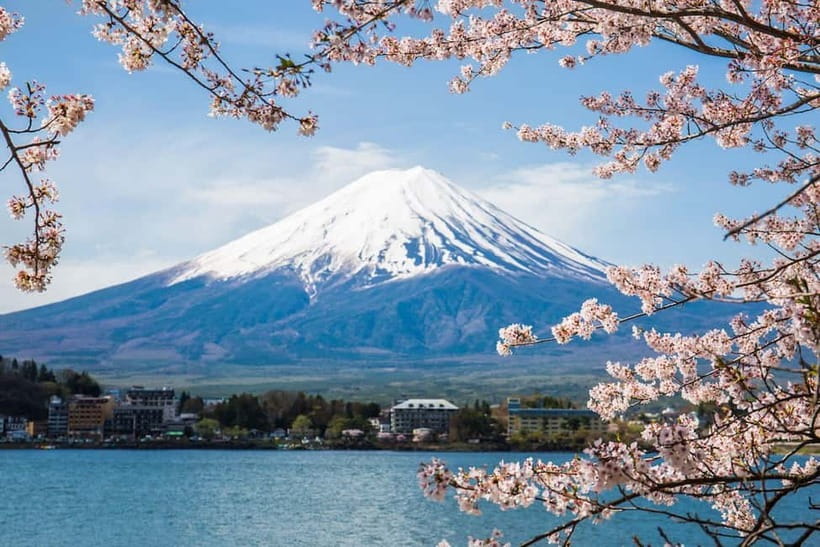
- Kawaguchiko lake time focused on scenic views, calm lakeside vibes, and great reflection potential
- Oshino Hakkai ponds and spring water for a hands-on taste of Fuji snowmelt
- Arakura Fuji Sengen Shrine with its five-storied pagoda view angle
- A guide who adjusts for you, including examples of extra requests handled politely
- Tight, efficient pacing that works best if you like moving between highlights
Fuji from Tokyo: the other approaches
- Mt Fuji and Hakone 1-Day Bus Tour Return by Bullet Train
★ 5.0 · 26,383 reviews - Mt Fuji & Hakone Cruise, Drum Show Bullet Train 1 Day from Tokyo
★ 4.0 · 7,413 reviews - Tokyo Mt Fuji 5th St & Hakone Cruise Bus Tour w/Bullet Train
★ 4.4 · 5,024 reviews - From Tokyo: Mount Fuji Full-Day Sightseeing Trip
★ 4.5 · 4,970 reviews
Private car from Tokyo: why the day feels easier
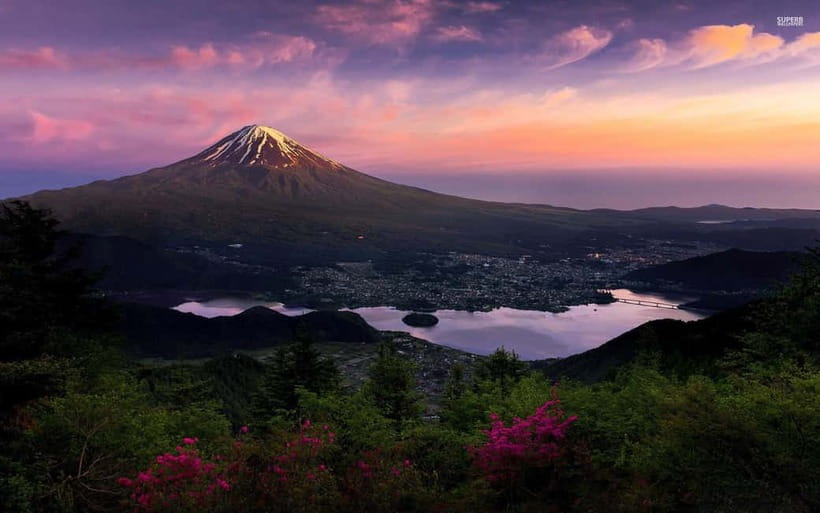
This kind of Mount Fuji day tour works best when you do not feel like you are stuck waiting around with strangers. Here, you start with pickup options (Ueno, Tokyo, or Yamanashi) and go with a private vehicle, which means you can actually plan your day around your group.
The drive itself is part of the experience. You are heading out of the Tokyo area and into Honshu countryside, and that change in scenery is one of the small perks that makes the day feel special. The tour also runs for a full 10 hours, so the schedule is built to keep moving. If you like a relaxed pace, you can still take breaks, but you will not be doing a slow, all-day wandering session.
One practical detail I really appreciate is that you get photo assistance. That sounds minor until you are trying to frame Fuji with a shrine or pagoda, and you realize the difference between one awkward selfie and a real viewpoint setup.
Chureito Pagoda: starting the day with the Fuji postcard angle
Most Fuji days work because you start with a classic view. Chureito Pagoda is that first hook. This stop is built around the iconic composition where the pagoda frames Mount Fuji. It is also a great warm-up: you can walk around, take photos from different angles, and get your bearings before the rest of the route.
Two things make this stop worth your time. First, it is a short enough visit that you do not lose momentum. Second, it sets the tone for the rest of the day, because you are already thinking about how Fuji looks in different settings.
The only consideration is simple. This is a famous view, so if you want quiet for photos, you will want to be ready to move quickly and use your guide’s help to find the best angle fast.
Lake Kawaguchiko: the Fuji reflection stop that actually makes sense
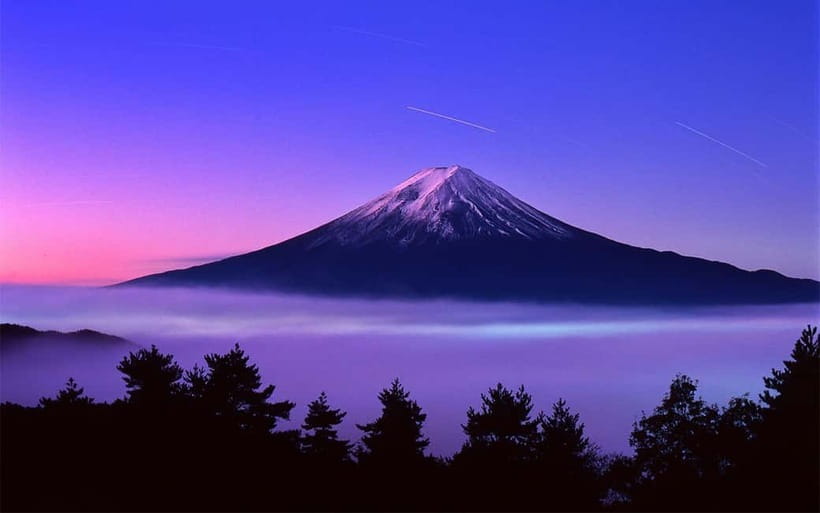
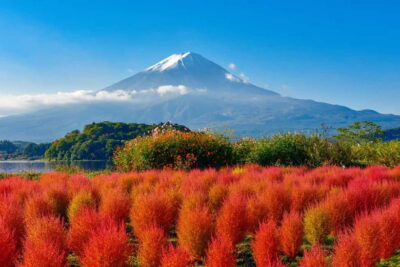
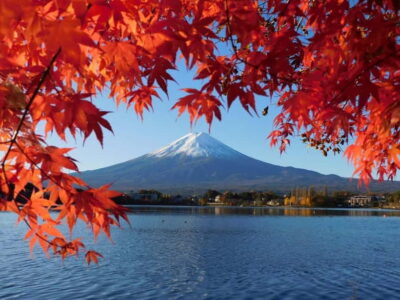
The tour’s Fuji strategy leans heavily toward Kawaguchiko, and I agree with that logic. Lake Kawaguchiko is one of the Fuji Five Lakes, and it is known for that calm, mirror-like look on clearer days. Even when the mountain is partly hidden, you still get a scenic lakeside atmosphere.
You get about an hour here, and the time is structured around sightseeing and views while you move with the day’s plan. This is the stop where I would slow down a bit, because the whole point is to stand still and let your eyes adjust to the water and the shoreline details, not just chase the next photo.
If you are the type who likes small extras, you may also find you get more fun movement at other lakes later in the day (the route includes another lake boat experience). But Kawaguchiko is the “big scenic” anchor.
- Mt Fuji and Hakone 1-Day Bus Tour Return by Bullet Train★ 5.0 · 26,383 reviews
- 1-Day Tokyo Bus Tour★ 5.0 · 14,250 reviews
- Tokyo: teamLab Planets TOKYO Digital Art Museum Entry Ticket★ 4.6 · 9,779 reviews
- Mt Fuji & Hakone Cruise, Drum Show Bullet Train 1 Day from Tokyo★ 4.0 · 7,413 reviews
- Tokyo Mt Fuji 5th St & Hakone Cruise Bus Tour w/Bullet Train★ 4.4 · 5,024 reviews
Oshino Hakkai: taste the snowmelt, then walk the pond streets
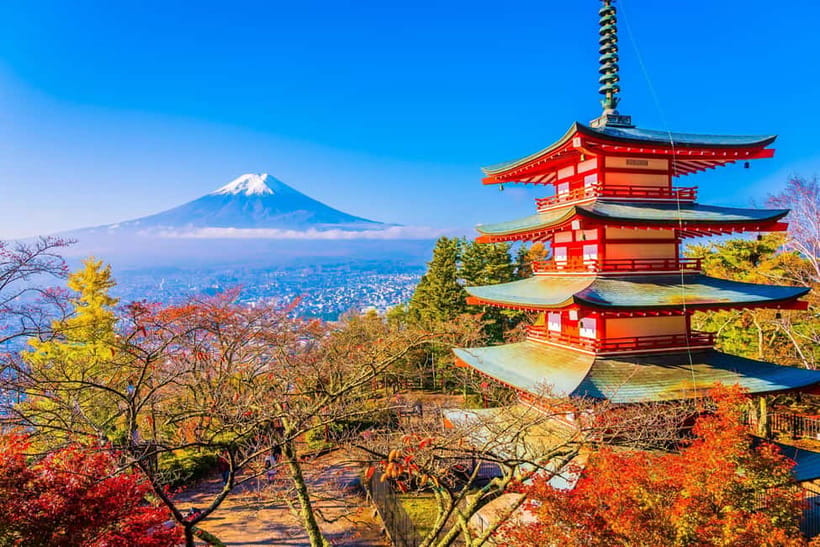
If you want a Fuji day that goes beyond viewpoints, Oshino Hakkai is a smart pivot. This area is known for ponds fed by Mount Fuji’s snowmelt, and the tour gives you time to explore the traditional village setting plus the water features.
The highlight here is that you can taste the water from Mount Fuji. That is the kind of small, memorable moment that does not take long, but it changes how the day feels. It is not just looking at Fuji, you are experiencing what feeds these springs.
You also get shopping and sightseeing time. The village atmosphere tends to slow people down just enough to enjoy the thatched-roof look and the calm pond surroundings. The downside is that it can be a bit shop-heavy depending on what time you arrive, so if you want pure scenery, plan to spend most of your hour near the pond area and treat shopping as optional.
Arakura Fuji Sengen Shrine: pagoda views with a cultural stop built in
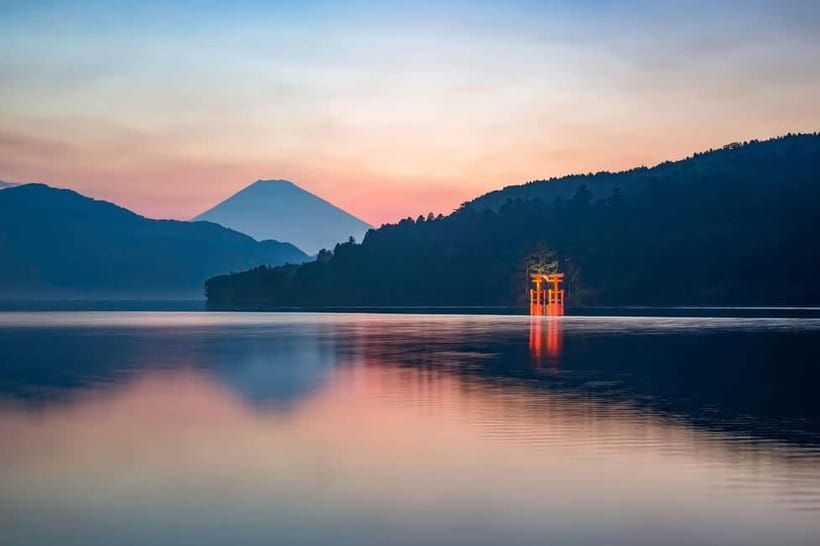
Next up is Arakura Fuji Sengen Shrine, known for the five-storied pagoda view angle. This is not just a photo stop. It is a shrine visit with a short break to take in the place, plus time for photos.
Why I like this stop: it adds cultural texture to the Fuji day. You go from lake and village calm to a spiritual viewpoint, and the architecture changes how the mountain looks in the frame. The pagoda plus shrine setting gives you that “Japan postcard” feeling, even if the sky is not perfectly clear.
Time matters here. Your scheduled break and photo time is relatively short, so you will not get stuck. You also need to consider weather and steps, since shrine approach areas can involve walking on uneven ground.
Mt. Fuji 5th Station: the highest vehicle-access viewpoint
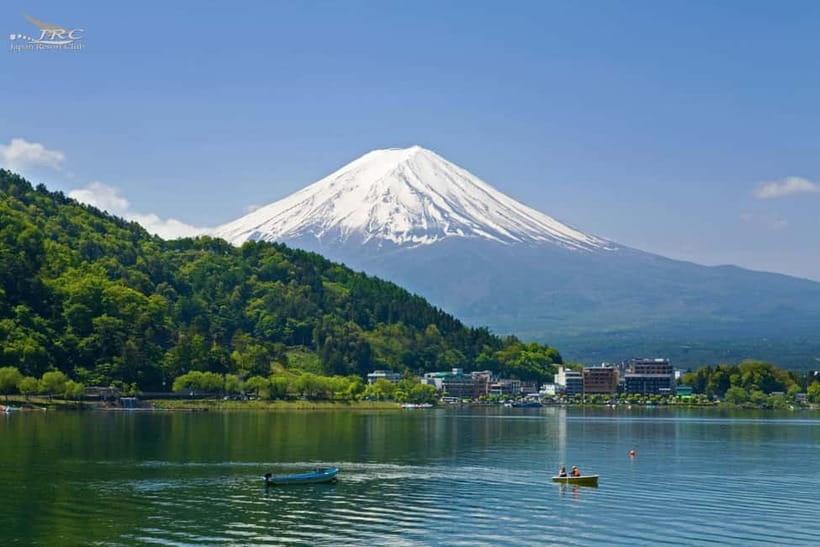
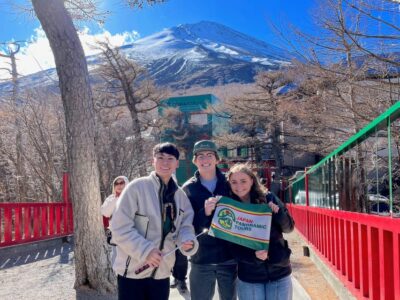
The tour makes room for Mt. Fuji 5th Station, which is the highest point accessible by vehicle. This is where you get the panoramic feel, and it is often the moment people remember most, even if Fuji is partially obscured.
The scheduled stop is around 45 minutes, which is the right amount of time for this kind of place. You want just enough time to take in the view, check the atmosphere, and grab photos without feeling rushed. Also, since this is higher elevation than many of the earlier stops, you may want layers. Even in warmer months, the air can feel different.
One thing to keep your expectations grounded: views depend on clouds and visibility. The tour runs rain or shine, with safety adjustments, so if visibility is poor, focus on the station experience and let the scenery be a bonus rather than a guarantee.
Lake Yamanaka and a duck boat ride: fun movement, quick scenic payoff
After the shrine and pond area, the itinerary includes Lake Yamanaka with sightseeing plus a duck boat ride (about 30 minutes). This is a nice change of pace. You still get Fuji-adjacent views, but now you are moving across the water instead of standing in one spot.
This stop is especially good for groups with kids or anyone who wants something playful in the middle of a long day. It also breaks up the more walking-and-photo-driven blocks.
The trade-off is time. The lake portion is shorter than Kawaguchiko, so you will not have a long, slow drift. If you love boats, keep your eyes open for what else is offered at the lake during your ride window, but do not plan on extra time beyond what is scheduled.
Oishi Park and Lawson Kawaguchiko Station: small stops that reduce stress
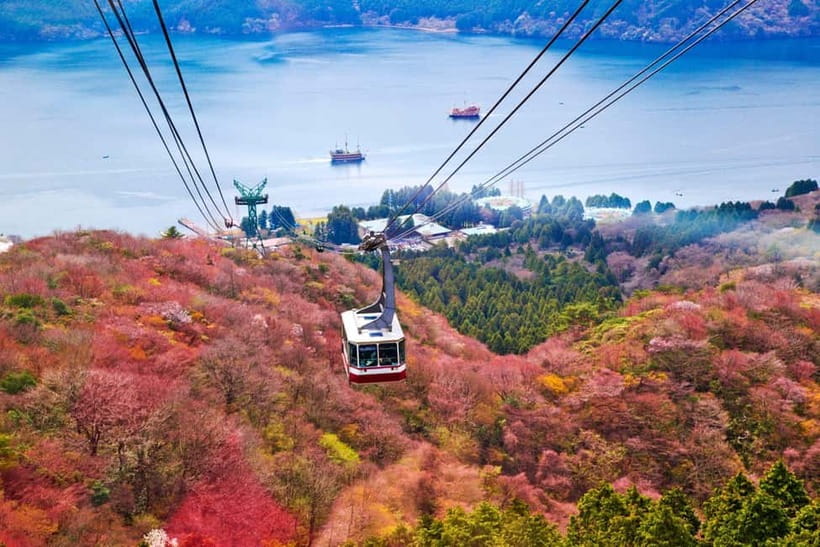
These may sound like minor, but they matter when your day is packed. Oishi Park gives you a scenic break time (about 45 minutes), and Lawson at Kawaguchiko Station is included for a quick break and photo stop (around 30 minutes).
Why this helps you: when you have a long drive day, you need real, timed refresh points. These stops make it easier to stay comfortable, keep energy up, and avoid the spiral where you keep skipping food and snacks until you are exhausted.
Also, they help with photo planning. Convenience locations reduce the chance that you miss a good moment because you are stuck searching for a place to park or rest.
Ropeways, wind cave, ice cave: where the day gets more dramatic
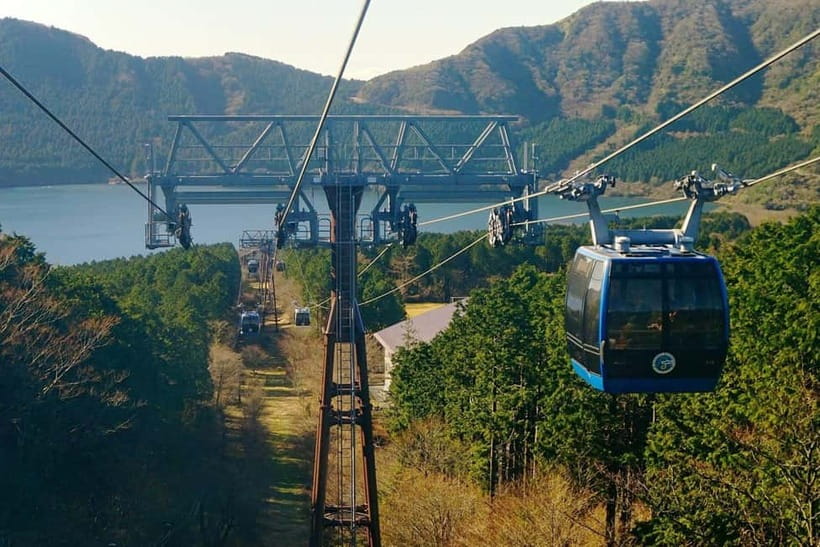
As the itinerary expands into the Hakone area and beyond, you start stacking a “nature and views” set of attractions.
You may ride Mt. Kachi Kachi Ropeway (time block listed around 2 hours including visit and safety briefing). Then there is Hakone Ropeway (also listed around 2 hours, including cable car ride and free time). If you are the kind of person who likes height and changing angles, this is a good chunk of the day.
The route then includes Owakudani Valley and two short cave visits: Fugaku Wind Cave (about 15 minutes) and Narusawa Ice Cave (about 15 minutes).
What I like about this part: it adds variety. You are not only chasing Fuji photos, you are getting volcanic landscape features and dramatic cave environments that feel different from the lakes.
What to watch: ropeways and caves can be weather sensitive, and your time windows are short. If your priority is Fuji itself, treat these as “bonus attractions” that add fun, not as the core of the day. In other words, if clouds roll in, these stops help the day still feel full.
Lake Ashi and the Hakone ropeway loop: a scenic buffer for your final hours
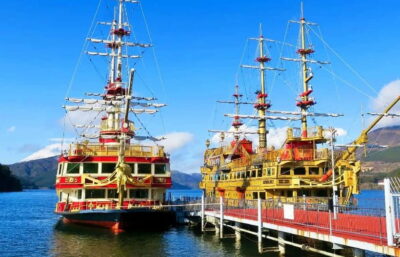
The itinerary includes Lake Ashi with a break and photo time (around 1 hour). Lake Ashi is another chance for water-and-mountain views, and it also works as a visual breather after caves and valley stops.
Then the day continues with ropeway time and other attractions before you head toward the next big break.
If you plan to buy snacks or drinks, this is one of the best times in the schedule to do it, because it is a long day and you will likely want something on hand.
Gotemba Premium Outlets: a practical reward, not just shopping
You end up with a chunk of time at Gotemba Premium Outlets (about 2 hours). This is included for a reason. When you are away from Tokyo for the day, a shopping window gives you a convenient place to pick up gifts, snacks, or things you forgot.
One nice detail is that the backdrop can still include Fuji views on clear moments, so even the shopping stop can feel connected to the day’s theme. Still, if you do not like shopping, this is the place where you can ask your guide what nearby viewpoint options are sensible within the time you have.
Halal and vegetarian planning: it is good that you can request it
I appreciate that the tour explicitly mentions it can arrange Halal and vegetarian options. The key is that you are not stuck guessing. If you tell them your needs, they can adjust meal stops to find Muslim-friendly or vegetarian restaurants.
This matters because a Mount Fuji day is long, and hunger makes everything feel worse. If you have dietary needs, this feature is not just comfort, it is peace of mind.
Guides like Rana, Ali, and Malik: what the “English-speaking driver” really means
The tour is built around an English-speaking driver (and the broader operation lists multiple languages, including Arabic, Hindi, Japanese, Urdu, Spanish, German, Bengali, Tagalog, and more). In real life, the value is not the label. It is how the day stays smooth.
In examples from actual days, guides like Rana were accommodating with young children, and Ali was friendly and professional with smooth logistics for a group of six. Malik was also described as patient and polite, with extra care such as checking in to make sure a solo traveler was okay.
One more important sign of quality: flexibility. In one case, an extra detour like Shiraito Falls was added after a request, and the guide switched routes quickly when there was a misunderstanding. That tells me the operator is not rigid. You can make reasonable adjustments, as long as you communicate clearly during pickup or early in the day.
Price and value: $318 per group for up to six
Let’s talk value in plain terms. At $318 per group up to 6, this is not “cheap per person” if you travel solo. But it becomes a good deal when you share the private vehicle cost.
What you get for that group price includes:
- Private full-day tour with a comfortable vehicle
- English-speaking driver and photo assistance if needed
- Water bottles and coffee
- Return transportation to Tokyo
- A plan that hits major scenic points plus additional attractions
Entrance fees and meals are not included, so budget for those. Still, you are mostly paying for the time and logistics, not just sightseeing. If you tried to do this on your own, you would spend your day wrangling transport, timing, and navigation. Here, you are paying to remove friction.
Packing tips for a 10-hour Fuji loop
This is a day where small choices matter.
Bring:
- Comfortable shoes (no flimsy soles)
- Comfortable clothes, especially layers
- A charged smartphone
- Cash (since it is listed as something to bring)
- Your passport or ID card
Not allowed:
- Sandals or flip-flops
- Pets
- Oversize luggage
- Smoking in the vehicle
- Alcohol and drugs
Also, expect uneven terrain at points like shrine areas and cave entries. The tour is wheelchair accessible, but it also lists weight limits, so if you have mobility questions, check with the operator before you go.
Should you book this Mount Fuji private tour?
I would book it if you fit one of these situations:
- You want a private, English-speaking guide and you are traveling with family or a small group up to six
- You care about seeing Fuji from multiple angles in one day, not just one lakeside photo spot
- You want someone to handle the driving so you can focus on viewpoints, photos, and breaks
I would think twice if:
- You want a slow, long-exploration day with lots of free wandering
- You are sensitive to a packed schedule and a lot of time in transit
- You mainly want only one or two locations, since this itinerary stacks several stops
If you go in with realistic expectations about weather and keep your priorities straight, this tour is a strong way to experience Mount Fuji highlights with less stress, plus enough variety to keep the day interesting from start to finish.
Mount Fuji, Three More Ways
Newest Tokyo write-ups from the Loving Japan desk






Mount Fuji Day Trips, side by side.
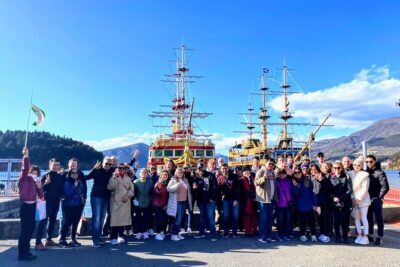 ★ 5.0Mt Fuji and Hakone 1-Day Bus Tour Return by Bullet TrainFrom $16326,383 reviews
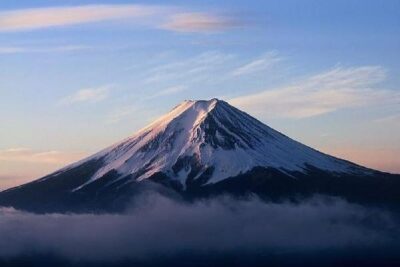 ★ 4.0Mt Fuji & Hakone Cruise, Drum Show Bullet Train 1 Day from TokyoFrom $1497,413 reviews
 ★ 4.4Tokyo Mt Fuji 5th St & Hakone Cruise Bus Tour w/Bullet TrainFrom $1545,024 reviews
 ★ 4.5From Tokyo: Mount Fuji Full-Day Sightseeing TripFrom $684,970 reviews
 ★ 4.7Mt. Fuji Tour, Hakone Ropeway, Owakudani, Lake AshiFrom $544,002 reviews
 ★ 4.4Mt.Fuji,Kawaguchiko Oishi Park,Arakurayama Sengen ParkFrom $542,682 reviews
 ★ 4.2Mt. Fuji 5th Station & Hakone Cruise 1-Day Bus TourFrom $1292,381 reviews
 ★ 4.7Mt Fuji Top 5 Spots Day Tour: Arakurayama Park,Oshino HakkaiFrom $532,066 reviews
Filed on these lists too