
REVIEW · MOUNT FUJI DAY TRIPS
From Tokyo: Mt.Fuji, Lake Kawaguchi, Oshino Hakkai Day Tour
Mt. Fuji day trips can get boring fast, but this one keeps moving through the best-known stops. You get guided photo breaks, a season-smart plan for where to see Fuji, plus an actual taste of Japan at a matcha experience by Lake Kawaguchiko.
Two things I like a lot: the schedule packs in major sights without making you manage public transit, and the guide support is bilingual (English and Mandarin). As for a drawback, the day includes walking, including a 25-minute walk to Arakura Fuji Sengen Shrine, so your comfort level matters.
In This Review
- Key highlights to know before you go
- From Tokyo Mode Gakuen to Fuji, a full day that stays easy on you
- Mt. Fuji 5th Station (summer and spring), or Oishi Park in winter
- Oishi Park: your Fuji photo pause with an easy rhythm
- Lake Kawaguchiko matcha experience: a short ceremony that still feels real
- Oshino Hakkai ponds: eight pools tied directly to Mount Fuji water
- Hikawa Clock Shop and Arakura Fuji Sengen Shrine, the walk you should plan for
- Price and value: what you get for about $51
- The guides are the difference-maker, and it shows
- How the day actually flows, stop by stop
- Who should book this, and who should think twice
- Practical tips so your Fuji day goes smoothly
- Should you book this Mount Fuji day trip?
Key highlights to know before you go
- Season switch for the 5th Station: summer and spring favor the 5th Station, winter can swap to Oishi Park
- Matcha made the simple way: a short tea ceremony plus snacks (about 30 minutes)
- Oshino Hakkai ponds: eight pools fed by melted Mount Fuji water
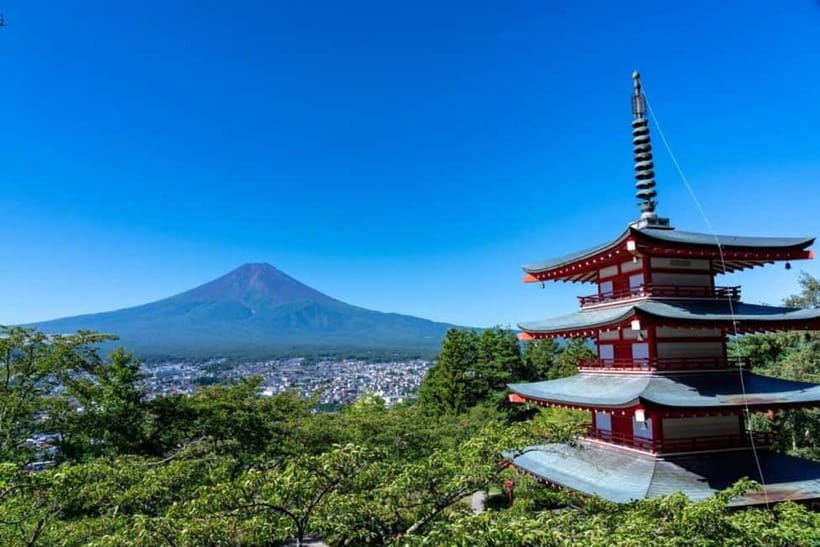
- A classic Fuji photo viewpoint: Arakura Fuji Sengen Shrine with a guided visit
- Bilingual guidance: English and Mandarin during the day
- Time flex on the ground: the route can adjust for weather and traffic
Fuji from Tokyo: the other approaches
- Mt Fuji and Hakone 1-Day Bus Tour Return by Bullet Train
★ 5.0 · 26,383 reviews - Mt Fuji & Hakone Cruise, Drum Show Bullet Train 1 Day from Tokyo
★ 4.0 · 7,413 reviews - Tokyo Mt Fuji 5th St & Hakone Cruise Bus Tour w/Bullet Train
★ 4.4 · 5,024 reviews - From Tokyo: Mount Fuji Full-Day Sightseeing Trip
★ 4.5 · 4,970 reviews
From Tokyo Mode Gakuen to Fuji, a full day that stays easy on you
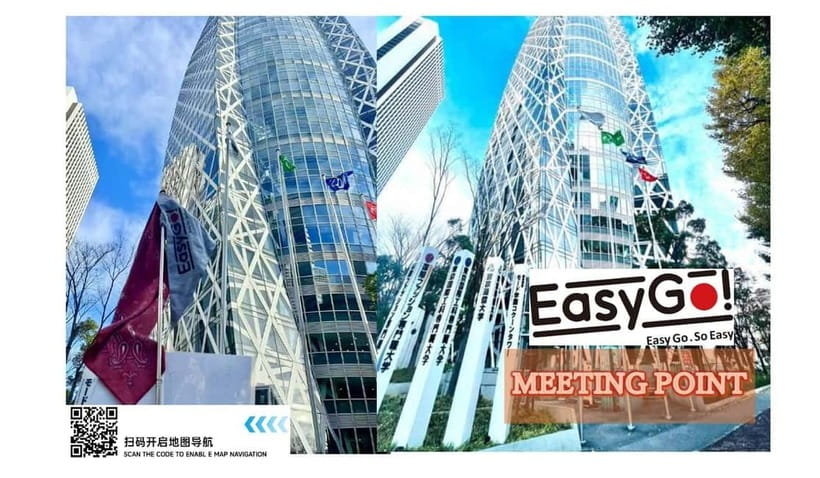
This trip is built for people who want Fuji without turning the day into a transport puzzle. You meet at Tokyo Mode Gakuen (the guide holds an EASYGO flag), then you head out by bus early in the morning. The basics are clear: departure is at 8:10, and you are back around two hours later than the mid-day activity rhythm, depending on day conditions.
The itinerary runs like a checklist of real highlights: a Mount Fuji viewpoint, scenic lake area time, Oshino Hakkai, then the shrine stop that many visitors circle for the iconic Fuji-angle. It is a one-day pace, not a slow wander day, so the upside is you see a lot. The downside is you will be on the move, and there is not much downtime to sit and watch the world go by.
Mt. Fuji 5th Station (summer and spring), or Oishi Park in winter
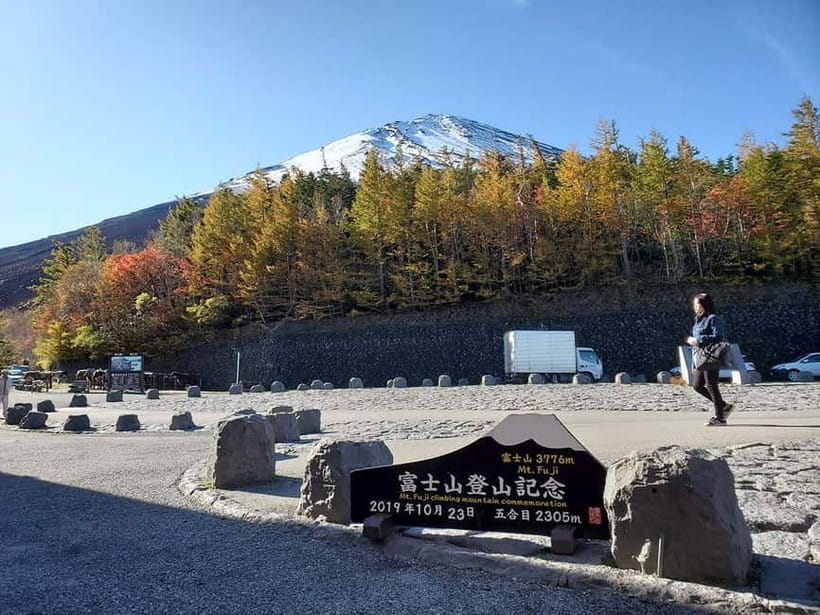
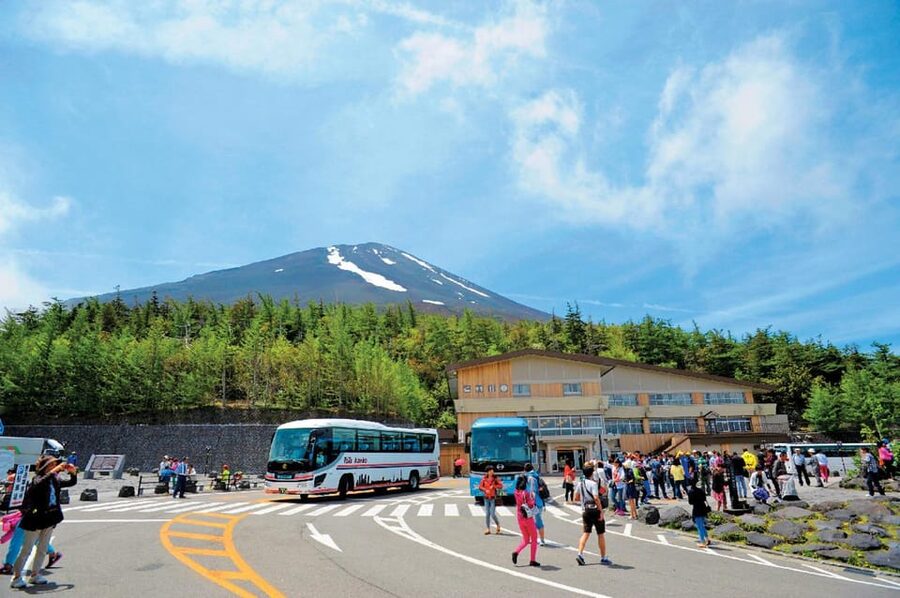
The biggest planning factor here is the seasonal swap. In summer and spring, the tour visits the 5th Station of Mount Fuji, with about one hour for photos and visiting. In winter, roughly from around November 22 through April next year, that 5th Station stop is replaced with a visit to Oishi Park.
Why this matters: the 5th Station is the dramatic, high-altitude Mount Fuji stop you see in photos, but weather can shut down plans. The tour explicitly notes that the 5th Station visit depends on conditions, and the day’s itinerary can be adjusted for traffic and weather. So you are not just buying an attraction, you are buying a flexible plan that tries to keep your day productive even when Fuji is moody.
One practical tip: aim to treat the first Fuji stop as a photo-and-views window, not a long hike session. The schedule gives you time to see what you came for, then it moves on.
Oishi Park: your Fuji photo pause with an easy rhythm
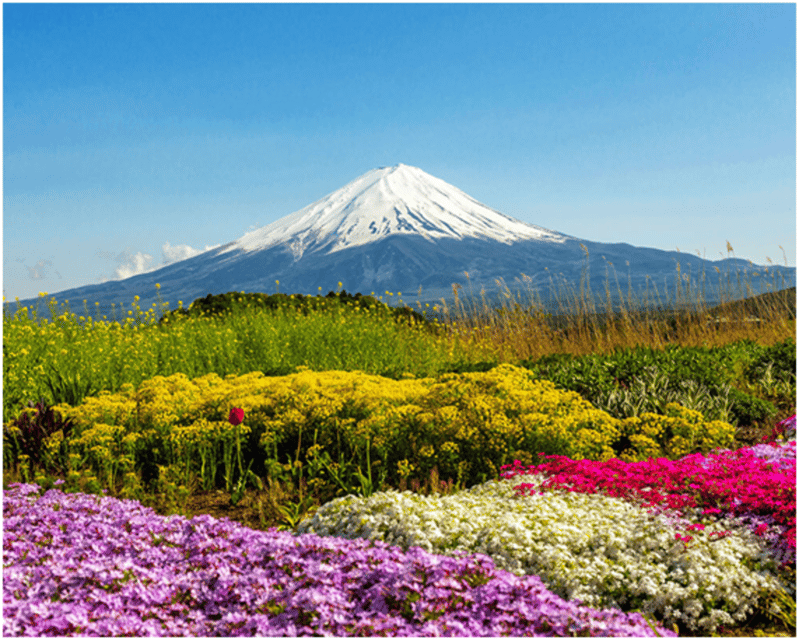
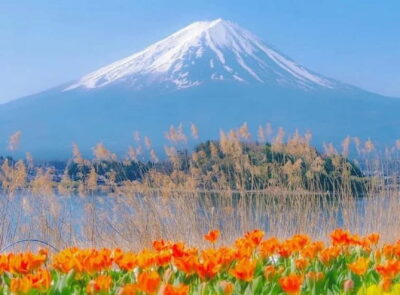
When the itinerary includes Oishi Park, it acts like your scenic bridge between travel time and the rest of the day’s highlights. You get a photo stop plus about one hour of sightseeing here, so you can pick a viewpoint angle without feeling rushed.
Oishi Park also helps balance the day. Instead of forcing everyone to gamble on a single high-altitude plan, you get a more forgiving viewpoint setting that still delivers the Mount Fuji look. If you get clear weather, you are likely to get some strong photos. If the day is cloudy, you at least still have a nice lakeside-style staging area where the views can still improve as the light changes.
- Mt Fuji and Hakone 1-Day Bus Tour Return by Bullet Train★ 5.0 · 26,383 reviews
- 1-Day Tokyo Bus Tour★ 5.0 · 14,250 reviews
- Tokyo: teamLab Planets TOKYO Digital Art Museum Entry Ticket★ 4.6 · 9,779 reviews
- Mt Fuji & Hakone Cruise, Drum Show Bullet Train 1 Day from Tokyo★ 4.0 · 7,413 reviews
- Tokyo: Shinjuku Food Tour (13 Dishes at 4 Local Eateries)★ 5.0 · 6,603 reviews
Lake Kawaguchiko matcha experience: a short ceremony that still feels real
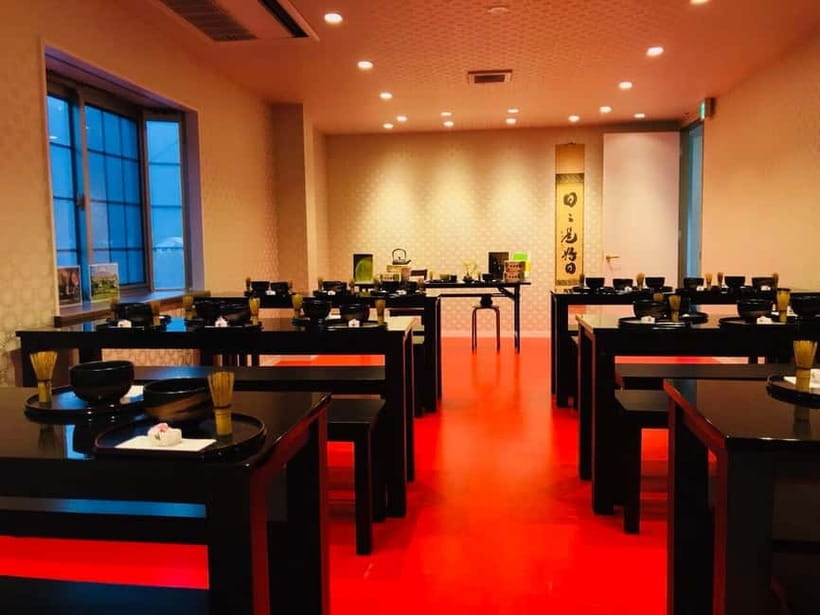
At Lake Kawaguchiko, you are not just passing by, you are doing a small cultural activity. The tea ceremony experience is about 30 minutes, led by a teacher, and it includes making Japanese matcha with the group. The teacher also provides Japanese snacks, so this is not only about tea etiquette, it is also a snack break that helps you stay comfortable through the rest of the day.
Important expectation set: this is described as a simple tea ceremony experience, not a long formal class. That is a good thing for a day trip. You get a taste of how matcha is prepared, you can ask basic questions through the guide’s bilingual support, and you avoid losing half your day to a multi-hour workshop.
I also like that this stop is paired with Lake Kawaguchiko itself. Even if the tea portion is brief, you still get the location context, and it keeps the day from feeling like a drive-thru of viewpoints.
Oshino Hakkai ponds: eight pools tied directly to Mount Fuji water
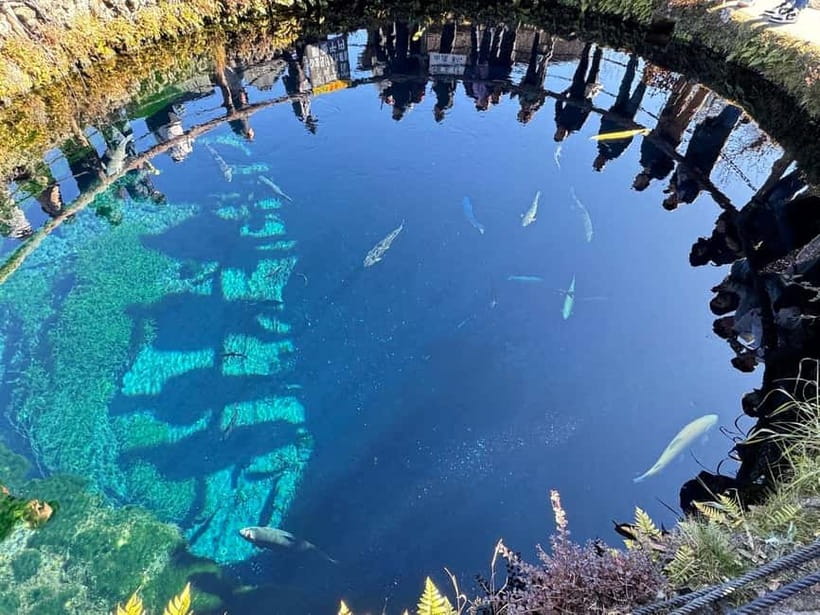
Next up is Oshino Hakkai, famous for eight ponds formed by melted water from Mount Fuji. The tour gives you about one hour for a photo stop and sightseeing time here.
What makes Oshino Hakkai worth it is the story that sits behind the scenery. This is not just pretty water, it is a specific kind of Fuji-connected water system that visitors come to see and photograph. Even if you are not chasing trivia, you can feel the orderly layout and the way the ponds frame views, which makes it easier to take good pictures quickly.
Time-wise, one hour is a solid amount. You can walk the area, stop at photo angles, and still feel like you did more than take one picture and move on.
Hikawa Clock Shop and Arakura Fuji Sengen Shrine, the walk you should plan for
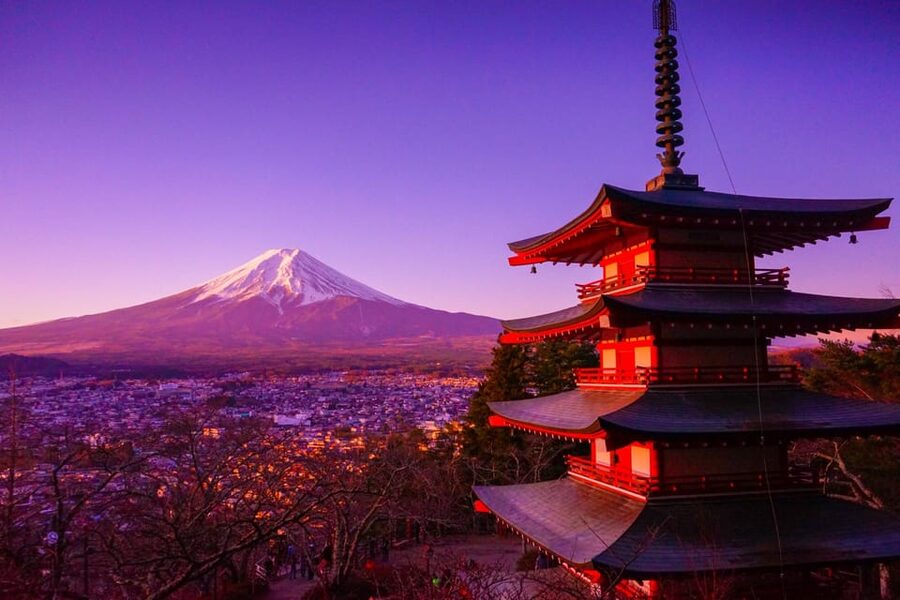
This is one of the most “worth it” segments of the day, as long as you plan around the walking. You start with a Hikawa Clock Shop photo stop and short sightseeing time, then you do an on foot walk of about 25 minutes toward Arakura Fuji Sengen Shrine.
Then the tour gives you a guided visit plus sightseeing time at Arakura Fuji Sengen Shrine, totaling about 40 minutes, including the walk time. This stop is one of the best-known places on the circuit for views of Mount Fuji, so it is easy to see why it gets included.
The consideration is physical comfort. The tour notes that visitors need to walk about 25 minutes from the shopping street to Arakura Fuji Sengen Shrine. If you tire quickly, you may feel that stretch. Also note that the tour’s overall guidance lists walking time, and the experience is not marked for people who have limited mobility, even though the tour mentions wheelchair accessibility. In practice, the key is whether you can handle walking time on uneven paths and stairs.
Price and value: what you get for about $51
At about $51 per person for a one-day guided trip, the value is mainly in the structure. You get bus transportation from Tokyo, plus an English and Mandarin-speaking guide who handles timing and routing. For many visitors, that alone can be worth it, because navigating multiple Fuji-region stops by public transit is time-consuming.
What is not included is also clear, and you should plan for it:
- Lunch
- Attraction entrance fees
- Personal expenses
Those extras can add up, depending on your appetite and which entrances you use. Still, even with lunch and any entrance costs, the tour remains a cost-effective way to string together multiple Fuji hits in one day. You are paying for convenience and guidance, not for a full meal plan or admission-heavy itinerary.
The guides are the difference-maker, and it shows
The most consistently praised part is the guide experience. Names that come up in this kind of tour context include Arpan, Toni, and Diffany, and the common theme is that guides are friendly, caring, and willing to add context beyond a simple script.
That matters because Mount Fuji is the star, but the value is in what you learn while you are there. A good guide helps you time photo stops, understand what you are looking at, and move through the day without stress. It also helps that your guide can switch between English and Mandarin, so communication stays clearer for more of the group.
How the day actually flows, stop by stop
Here is the practical rhythm, with what each segment feels like for you:
- Tokyo Mode Gakuen start: meet at 7:50, depart at 8:10
- Bus ride to Fuji area: about 2.5 hours on the coach
- Mt. Fuji 5th Station photo stop and visit: about one hour (summer and spring)
- Oishi Park photo and sightseeing: about one hour (or part of the winter plan)
- Lake Kawaguchiko: about 30 minutes for matcha tea ceremony
- Oshino Hakkai: about one hour of photos and exploring
- Hikawa Clock Shop: short photo and sightseeing time (around 10 minutes)
- Arakura Fuji Sengen Shrine: about 40 minutes, plus a 25-minute walk approach
- Return to Tokyo: about 2 hours by bus after the shrine segment
You can see the pattern: photo stops are short, visits are timed, and walking is part of the “classic view” pay-off. This is not a tour for people who want to stay in one place all day.
Who should book this, and who should think twice
This tour fits best if you want a managed Fuji day and you like your sightseeing with clear targets. You are likely to enjoy it if you:
- want multiple Fuji-region highlights in one day
- prefer a bilingual guide instead of figuring everything out yourself
- are happy with short activity blocks like a 30-minute matcha ceremony
It may not suit you as well if you:
- dislike walking, especially the 25-minute route to Arakura Fuji Sengen Shrine
- need a very low-mobility schedule, since this experience includes travel time plus walking segments
- are traveling with very young children, since the tour says it is not suitable for babies under 1 year
- are in an older age range, since it is not marked as suitable for people over 75
Also keep in mind the ride rules: no pets, no smoking, no alcohol or drugs, and no littering or disruptive noise. It is a typical group-tour environment.
Practical tips so your Fuji day goes smoothly
A few small choices can make a big difference on this kind of packed route.
First, dress for changing conditions. Even in seasons where the 5th Station is planned, Fuji-area weather can shift quickly. Bring layers so you can stay comfortable during bus rides, outdoor viewpoint time, and shrine walking.
Second, treat the early start as part of the experience. Meeting at Tokyo Mode Gakuen at 7:50 is how you protect your day from traffic delays and rushed transitions. If you are coming from Shinjuku, you can use the JR Line from Shinjuku West Exit or the Marunouchi Line from Nishi-Shinjuku to reach the meeting area.
Third, plan for timing flexibility. The tour explicitly states traffic and weather can lead to changes or skipping some parts. If you are mentally prepared for that, you will feel more relaxed and less frustrated.
Should you book this Mount Fuji day trip?
If your priority is an efficient, guided day that hits Mt. Fuji viewpoints, Lake Kawaguchiko matcha, Oshino Hakkai ponds, and Arakura Fuji Sengen Shrine, then yes, this is a strong fit. The value comes from the day’s structure: bus transport plus a bilingual guide, so you spend energy looking at Fuji, not figuring out how to get between stops.
If you have limited walking tolerance, or you want long, unhurried time in just one place, you may want a slower plan instead. On this itinerary, the pay-off is seeing a lot, and that means you should be ready for short walks and scheduled viewing time.
Mount Fuji, Three More Ways
Newest Tokyo write-ups from the Loving Japan desk


Mount Fuji Day Trips, side by side.
 ★ 5.0Mt Fuji and Hakone 1-Day Bus Tour Return by Bullet TrainFrom $16326,383 reviews
 ★ 4.0Mt Fuji & Hakone Cruise, Drum Show Bullet Train 1 Day from TokyoFrom $1497,413 reviews
 ★ 4.4Tokyo Mt Fuji 5th St & Hakone Cruise Bus Tour w/Bullet TrainFrom $1545,024 reviews
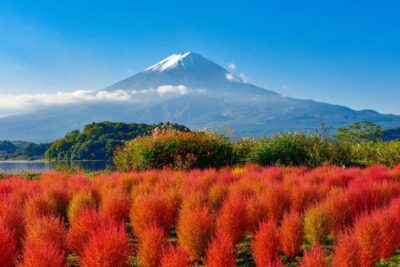 ★ 4.5From Tokyo: Mount Fuji Full-Day Sightseeing TripFrom $684,970 reviews
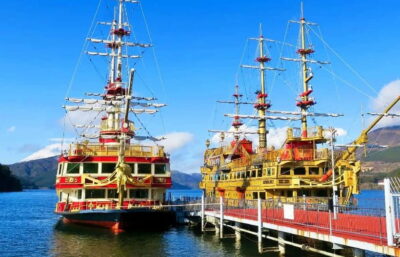 ★ 4.7Mt. Fuji Tour, Hakone Ropeway, Owakudani, Lake AshiFrom $544,002 reviews
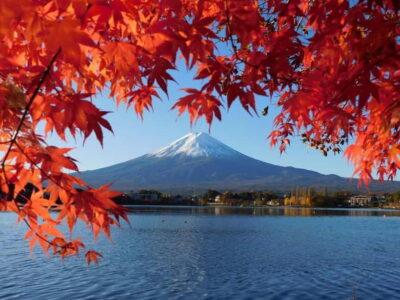 ★ 4.4Mt.Fuji,Kawaguchiko Oishi Park,Arakurayama Sengen ParkFrom $542,682 reviews
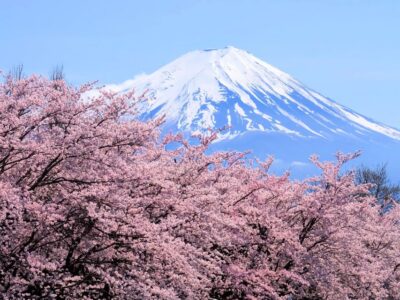 ★ 4.2Mt. Fuji 5th Station & Hakone Cruise 1-Day Bus TourFrom $1292,381 reviews
 ★ 4.7Mt Fuji Top 5 Spots Day Tour: Arakurayama Park,Oshino HakkaiFrom $532,066 reviews
Filed on these lists too