
REVIEW · MOUNT FUJI DAY TRIPS
From Tokyo: Must-Visit Mount Fuji Highlight Full-Day Tour
Mount Fuji in one long, guided day. This full-day tour from central Tokyo is built for maximum mountain time, with two scenic routes that let you pick classic views or calmer nature moments. I like that it is structured enough to feel easy, but flexible enough to chase the best sight lines when conditions shift.
My favorite part is the photo-focused centerpiece: Chureito Pagoda at Arakurayama Sengen Park. You also get a smooth rhythm of lakes, ponds, waterfalls, and tea fields, which makes the day feel like a real tour of Fuji country instead of just one viewpoint.
One consideration: your Mt. Fuji clarity depends on weather. Even with great stops, you are still doing an 11-hour outing with set visit windows, so you cannot treat it like a slow, do-whenever-you-want kind of day.
In This Review
- Key things to know before you go
- A Postcard-Ready Day Trip From Tokyo
- Two Routes, Two Personalities (Course A vs Course B)
- First Stop: Arakurayama Sengen Park and the Chureito Pagoda Climb
- Honcho Street and the Lawson Fujikawaguchiko Photo Window
- Lakes Kawaguchi and Yamanaka: Reflections and Easy Walk Time
- Oishi Park, Shiraito Waterfall Mist, and Obuchi Sasaba Tea Fields
- Oshino Hakkai Ponds and the Fuji Culture Stops That Anchor the Day
- Comfort, Timing, and Transport on a Big Day Bus
- Weather Luck: How to Think About Fuji Visibility
- Price and Value: Is $69 a Smart Way to Do Fuji?
- Who This Tour Suits Best, and Who Might Prefer Something Else
- Should You Book This Mount Fuji Highlight Tour?
Key things to know before you go
- Pick Course A for the postcard run, with Lake Kawaguchi, Oishi Park, Shiraito Waterfall, and Obuchi Sasaba tea fields in the mix.
- Pick Course B for Fuji culture and lakeside pacing, including Oshino Hakkai ponds and Lake Yamanaka/Hirano Beach, plus a stop like Mt. Fuji Museum or a nearby matcha option.
- Chureito Pagoda is worth the effort, but expect a short, steep climb and quite a few steps at the viewpoint.
- Your guide can help you beat the day, with advice on timing and where to stand for clearer views when skies cooperate.
- Plan for snacks, since meals are not included and lunch time depends on the flow of the day.
- This is a big-day group tour, often on a full-size bus, so bring patience and comfy shoes.
Fuji from Tokyo: the other approaches
- Mt Fuji and Hakone 1-Day Bus Tour Return by Bullet Train
★ 5.0 · 26,383 reviews - Mt Fuji & Hakone Cruise, Drum Show Bullet Train 1 Day from Tokyo
★ 4.0 · 7,413 reviews - Tokyo Mt Fuji 5th St & Hakone Cruise Bus Tour w/Bullet Train
★ 4.4 · 5,024 reviews - From Tokyo: Mount Fuji Full-Day Sightseeing Trip
★ 4.5 · 4,970 reviews
A Postcard-Ready Day Trip From Tokyo
This Mt. Fuji tour is a practical answer to a common problem. Fuji is famous, but getting around the Fuji area on your own takes planning, timing, and extra train or bus juggling. Here, you get round-trip transport from central Tokyo and an English and Korean speaking guide, so you can focus on the sites.
The tour is designed for “see it from multiple angles” learning. You bounce between lookout zones, lakeside photo points, and rural stops where the mountain actually shapes the scenery. If you care about photos, the day is laid out like a shot list, but you also get enough wandering time to smell the tea fields and watch pond water.
For me, the value sweet spot is that it includes the hard part: getting there and back on a tight schedule. At about $69 per person for an 11-hour guided outing, the price starts to make sense once you compare it to the cost and time of independent transport plus admission and guided interpretation.
Two Routes, Two Personalities (Course A vs Course B)
You choose between two course styles, and that choice affects the feel of your day.
Course A is the “classic Mt. Fuji shot” route. It leans heavily into the iconic framing moments and the classic water-and-flower Fuji views. Expect stops like Arakurayama Sengen Park and Shimoyoshida Honcho Street for classic views, then Lake Kawaguchi and Oishi Park for reflection and colorful gardens. Shiraito Waterfall adds the misty break, and Obuchi Sasaba is a lush tea plantation-style payoff where green fields meet the mountain.
Course B is the “signature scenic spots” route. It still includes Arakurayama Sengen Park and Honcho Street, but it shifts more toward cultural context and calmer lakeside time. You should expect Oshino Hakkai, with its eight spring ponds, and then a relaxing end at Lake Yamanaka and Hirano Beach for wide, open views.
Here is the simple decision rule I use. If you want the most Instagram-friendly Fuji backdrops in a single day, go Course A. If you want a bit more variety and a softer lakeside rhythm, Course B fits better.
First Stop: Arakurayama Sengen Park and the Chureito Pagoda Climb
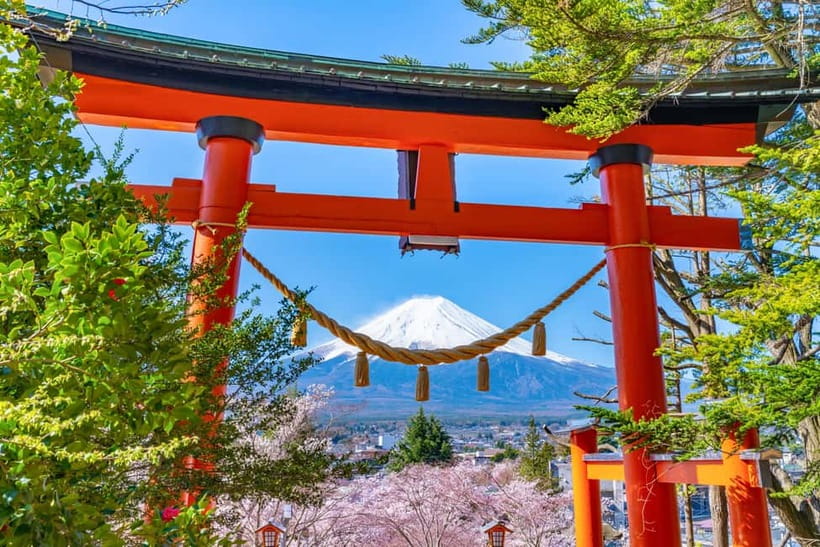
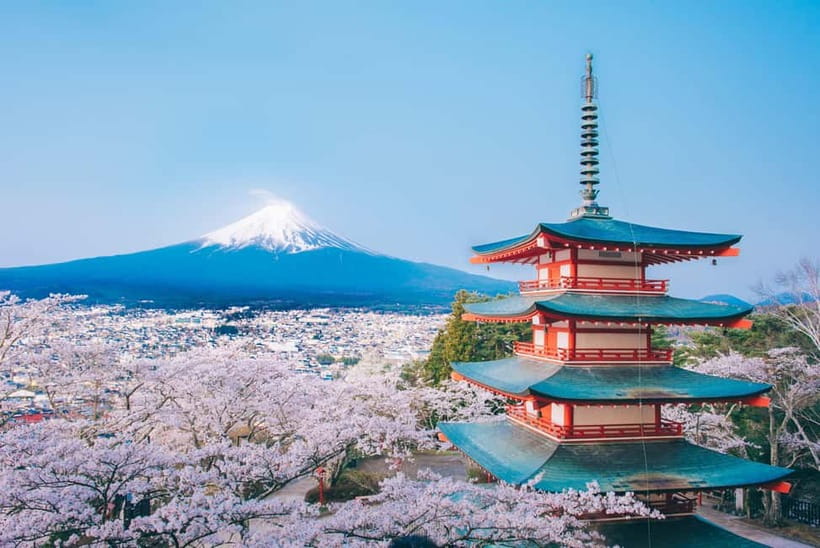
Arakurayama Sengen Park is the moment your camera hand starts working overtime. The big star is the five-storied Chureito Pagoda, famous for how it frames Mt. Fuji. Even when skies are not perfect, the pagoda viewpoint still feels like a “you are there” landmark.
One practical note from real day experiences: the pagoda area involves a short but steep climb and lots of steps. People highlight it as worth it, but it is not a flat stroll. If you want the shot with the pagoda and mountain lined up, you will likely do the climb one way, then return another way. Wear shoes you trust on uneven pavement.
Your guide helps here in small but important ways. They typically keep the group moving so you do not lose your place, and they give direction on where to stand for the best angles. On good weather days, you get views that feel almost unfair, like the mountain is posing. On cloudy days, the climb still pays off because the pagoda is visually strong on its own.
- Mt Fuji and Hakone 1-Day Bus Tour Return by Bullet Train★ 5.0 · 26,383 reviews
- 1-Day Tokyo Bus Tour★ 5.0 · 14,250 reviews
- Tokyo: teamLab Planets TOKYO Digital Art Museum Entry Ticket★ 4.6 · 9,779 reviews
- Mt Fuji & Hakone Cruise, Drum Show Bullet Train 1 Day from Tokyo★ 4.0 · 7,413 reviews
- Tokyo: Shinjuku Food Tour (13 Dishes at 4 Local Eateries)★ 5.0 · 6,603 reviews
Honcho Street and the Lawson Fujikawaguchiko Photo Window
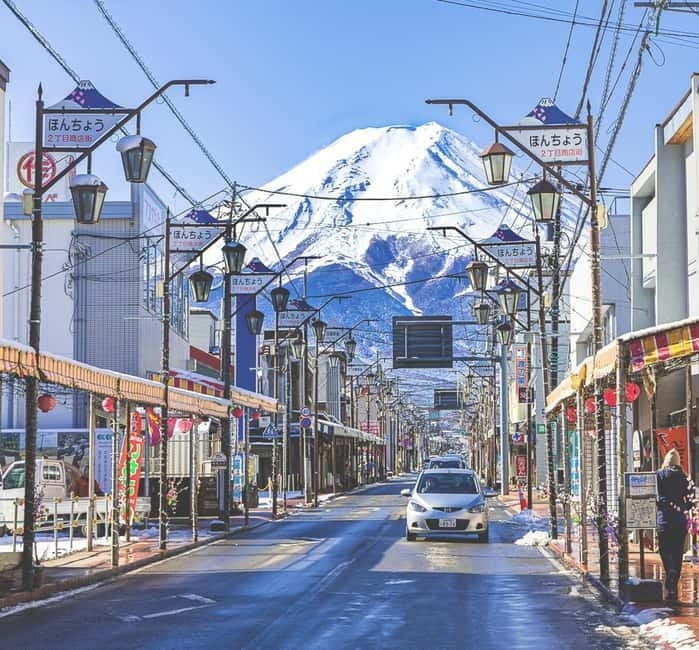
After the pagoda, the day shifts to the “walk and wander” part. Shimoyoshida Honcho Street is the kind of nostalgic shopping lane that works even if you are not shopping. Think retro storefront charm, small local eats, and those overhead angles where Fuji sometimes shows up through gaps.
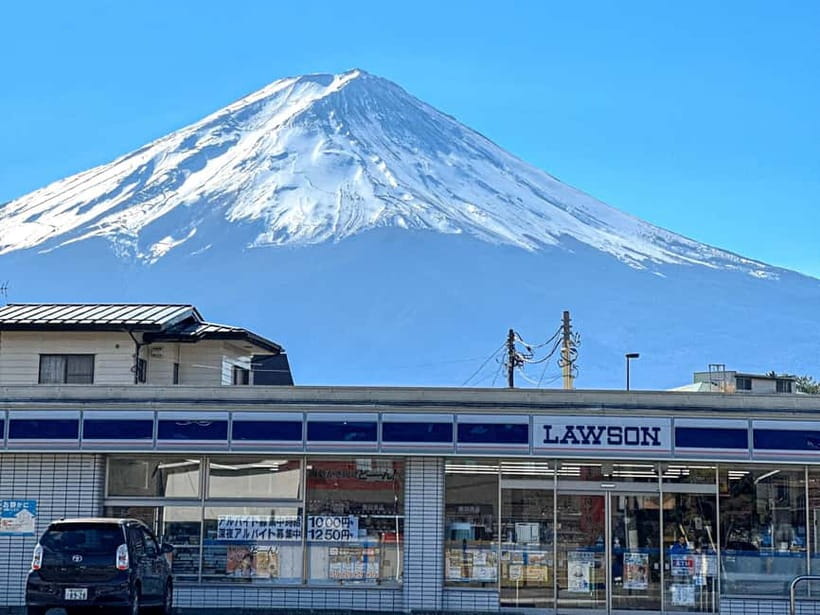
Then you have a quick stop in Fujikawaguchiko area at Lawson Fujikawaguchiko Town Hall. This is one of those Fuji spots people plan around because it is tied to a clear-sky view opportunity. The timing matters. If the mountain is visible, this is where you often catch that first clean reveal. If it is hiding, you move on fast enough that the day does not collapse.
If you care about road views, there is a small photo tip worth trying. One guide-style recommendation I would keep in mind is to sit on the left side of the bus for better photo positioning on the way. It depends on route and daylight, but it costs nothing to try.
Lakes Kawaguchi and Yamanaka: Reflections and Easy Walk Time
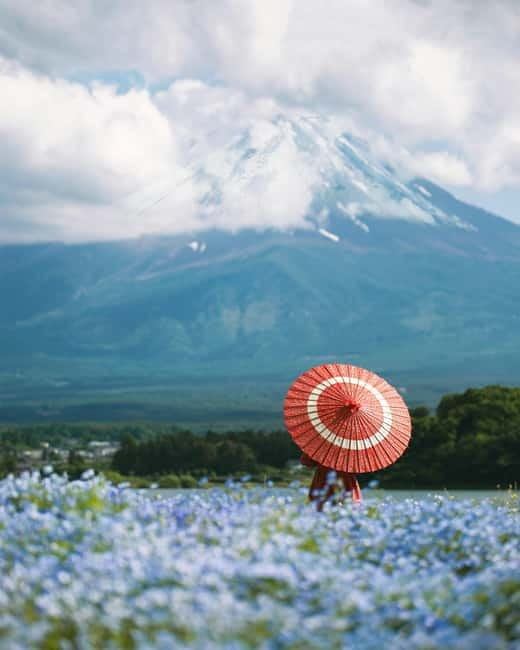
The lakes are where the tour turns from “look up at Fuji” into “watch Fuji on the water.”
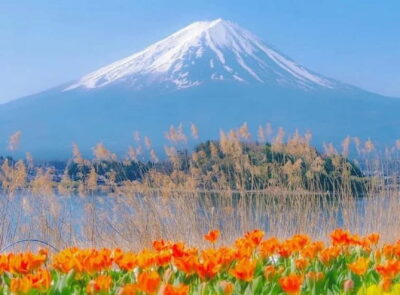
Lake Kawaguchi fits the Course A style. This is where you get the reflective postcard feeling. When conditions line up, the mountain shows up in calmer water like a mirror, and you also get the surrounding lake-town atmosphere. Even if Fuji is not fully visible, the lakeside setting still gives you that sense of leaving Tokyo behind.
Course B often highlights Lake Yamanaka and Hirano Beach at the end of the day. This is more open and spacious, and it gives you that slower exhale after the bus hours and viewpoint stops. People like the end-of-day vibe because it is less about racing for a shot and more about taking in the view and letting your eyes adjust.
Either way, the lakes are valuable because they show you Fuji as a presence, not just a mountain silhouette. You start to understand why photographers obsess over these spots and why locals build travel routines around seasons, light, and wind.
Oishi Park, Shiraito Waterfall Mist, and Obuchi Sasaba Tea Fields
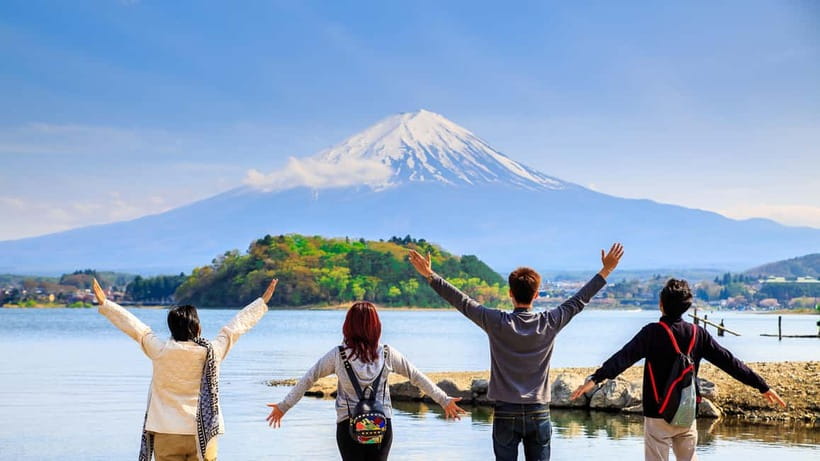
Course A has a run of stops that feel like a highlight reel for Fuji country.
Oishi Park is known for gardens and flowerbeds, and it is a classic add-on when you want color with your mountain. If you see long lines for sweets, you are in the right place. One helpful real-world tip: ice cream lines at these garden-style spots can be long, but people consider the swirls and seasonal flavors worth the wait.
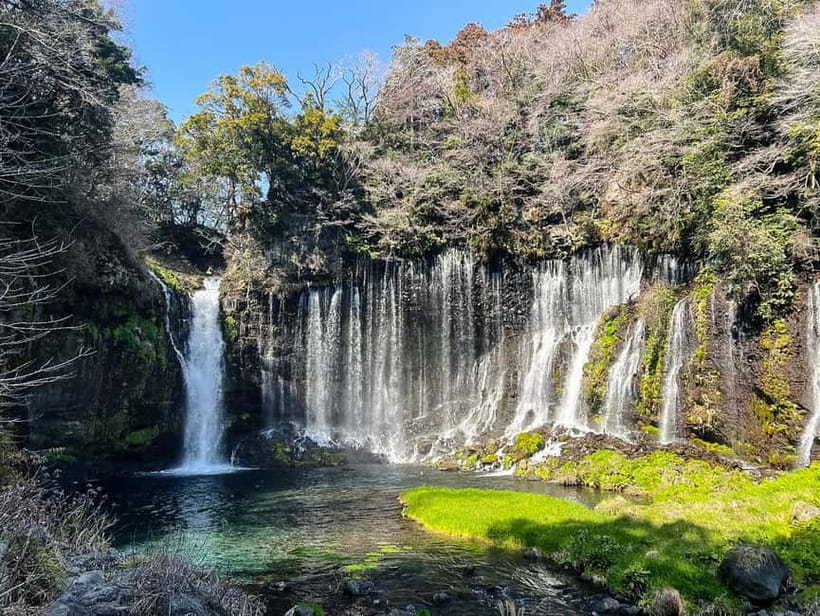
Then comes Shiraito no Taki, the waterfall stop. This one is all about texture and cool mist. It is also one of the easiest breaks in the schedule because it gives you something to experience with your senses, not just your camera. Since lunch is not included, the waterfall stop is often where you will grab something simple. Keep a snack plan ready so you do not end up hungry while the group is moving.
Finally, Obuchi Sasaba brings a tea plantation feel to the day. It is a different kind of green, more rural and expansive than the garden stops. It is also a good “breather” before the final return, because the viewpoint often lets you take the mountain in without cramming around a single tight photo spot.
This sequence is why Course A works for people who want variety without needing to navigate. You get water, flowers, misty waterfall energy, and tea-field calm, all wrapped into one guided push.
Oshino Hakkai Ponds and the Fuji Culture Stops That Anchor the Day
Course B leans harder into culture and history style stops, and that matters if you want more than views.
Oshino Hakkai is the signature pond area. The idea is simple and satisfying: eight crystal-clear spring ponds that trace back to how the region’s water systems feed the Fuji landscape. It is not a theme park. It is a working-feeling village stop where the ponds do the talking. When the day is clear, you also get great scenic contrast, because the water surface gives you a natural sense of scale against the mountain backdrop.
Then there can be a culture stop like Mt. Fuji Museum, or an option such as a matcha cafe stop nearby. The value here is that you get a bit of context, not just more photo stops. Even if you only skim the information, it helps you connect what you are seeing to how the mountain shaped the region.
Another common mid-day stop in the full-day flow is the Mt. Fuji World Heritage Centre. This kind of stop is useful because it breaks the day into blocks. After several outdoor viewpoints, having a facility moment helps you refocus and re-energize for the next lake or plantation stop.
Comfort, Timing, and Transport on a Big Day Bus
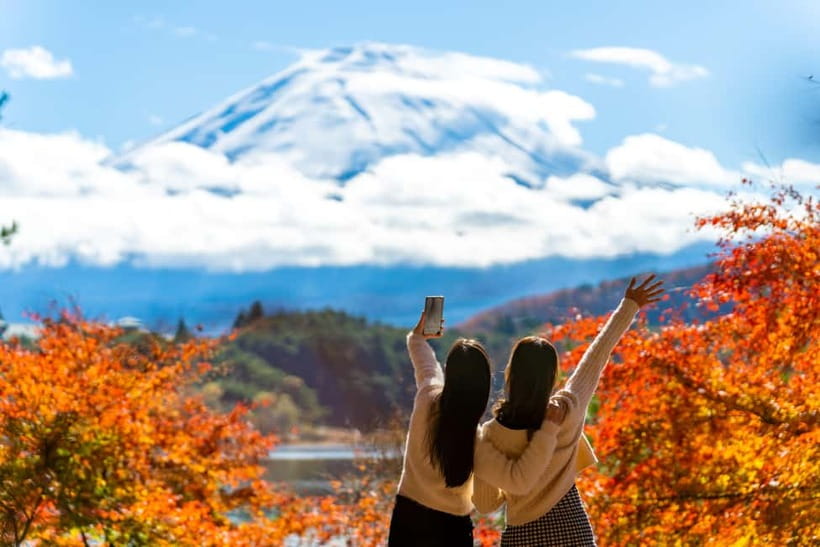
This tour runs long, but it is built to reduce stress. Plan on a full day, about 11 hours total, with a drive time that can be around 2.5 hours from Tokyo before you even start the first main site.
Group size is up to about 49 people per group, which means the vibe is friendly but not quiet. You will move as a unit. That can be a good thing. It keeps your schedule intact, especially when traffic or weather changes are in the mix.
You also should expect bathroom breaks and rest-stop pauses along the drive. That is important on an 11-hour schedule. The bus ride can be comfortable, and people have specifically noted decent legroom even on a full bus.
One practical pro move: bring your patience and your snacks. Meals are not included, and lunch time depends on the timing of the day and the flow at each stop. If you keep energy up with small bites, you enjoy each site more and you make better photo decisions, too.
Weather Luck: How to Think About Fuji Visibility
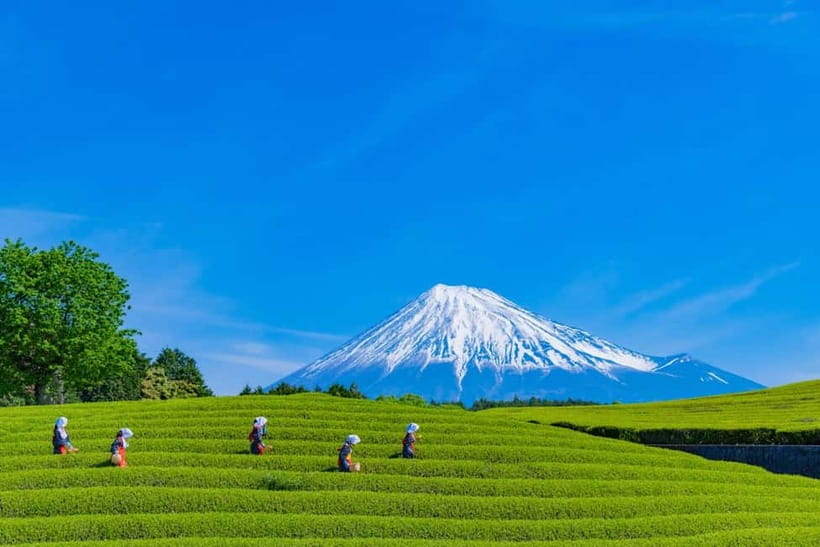
Mount Fuji is an icon, but it is also a weather-dependent mountain. Clouds can hide the summit. Fog can soften the outlines. Wind can change what you see from one viewpoint to the next.
So think like this before you book. This tour gives you multiple chances. You are not betting the whole day on one viewpoint. You are visiting a chain of locations where Fuji can appear in different ways, including reflections on lakes and framed views from specific lookouts.
What makes the tour work even on mediocre weather days is the pacing. You still get valuable experiences at places like the waterfall, the ponds, and the tea fields. The mountain might be partially visible or temporarily hidden, but the stops do not collapse into wasted time.
Guides often help you manage expectation and timing. In real day accounts, guides like Kei, Goldie, and Yui are praised for giving clear instructions, staying positive, and adjusting how the day plays out based on sky conditions. In practical terms, that means you spend more time at the right moments instead of wandering with the group.
Price and Value: Is $69 a Smart Way to Do Fuji?
At around $69 per person, this tour is priced like a budget-friendly way to get a guided, door-to-door style Fuji day. The big value ingredient is the included round-trip transport from central Tokyo plus a live guide across the day.
If you were trying to do this on your own, you would likely spend time and money on multiple local transfers, then still need to figure out parking, timing, and what order makes sense. With a fixed route plan and group timing, you pay for convenience and someone else handling the logistics.
Is it perfect value for everyone? It is best when you want a structured highlights day. If you want to linger for hours at one lake or hike hard for summit views, this type of bus tour will feel limiting. But for a first visit, or for travelers short on time, it is a strong bargain.
Also, consider that the tour includes English, Korean, and Chinese speaking guides. That language support matters because it keeps you informed about where to go next, what to look for, and how to handle timing at crowded photo spots.
Who This Tour Suits Best, and Who Might Prefer Something Else
This fits you if you:
- Want a single-day way to hit multiple Mt. Fuji photo zones without planning a route
- Care about classic framed views like Chureito Pagoda
- Like lakeside and rural stops, not just one urban viewpoint
- Prefer a guide who gives clear directions and keeps the day running on schedule
It might not fit you if:
- You need a fully flexible day with long stays at fewer locations
- You have difficulty with stairs, because some stops, especially around Chureito Pagoda, involve a steep climb and many steps
- You cannot handle long bus time and group movement, since this is a scheduled 11-hour outing
On family needs, it is stroller-friendly if you inform the provider. It is not wheelchair accessible, so if mobility support is a must, look for a different format.
Should You Book This Mount Fuji Highlight Tour?
If your priority is seeing Mt. Fuji from multiple angles in one day, I think this is a smart booking. The combination of iconic viewpoints, lake reflections, and a waterfall and tea field stop makes it feel like more than a checklist.
Go for it when you want convenience, clear guidance, and a day that keeps moving without being chaotic. The price also feels fair because transport and guidance are folded into the cost, not added later.
Hold off or consider a different plan if you are the type who needs long, unscheduled time at each site, or if you know stairs and steep climbs are a dealbreaker for you. Otherwise, bring comfy shoes, pack snacks, watch the weather, and give yourself plenty of chances to catch Fuji when it decides to show up.
Mount Fuji, Three More Ways

Newest Tokyo write-ups from the Loving Japan desk


Mount Fuji Day Trips, side by side.
 ★ 5.0Mt Fuji and Hakone 1-Day Bus Tour Return by Bullet TrainFrom $16326,383 reviews
 ★ 4.0Mt Fuji & Hakone Cruise, Drum Show Bullet Train 1 Day from TokyoFrom $1497,413 reviews
 ★ 4.4Tokyo Mt Fuji 5th St & Hakone Cruise Bus Tour w/Bullet TrainFrom $1545,024 reviews
 ★ 4.5From Tokyo: Mount Fuji Full-Day Sightseeing TripFrom $684,970 reviews
 ★ 4.7Mt. Fuji Tour, Hakone Ropeway, Owakudani, Lake AshiFrom $544,002 reviews
 ★ 4.4Mt.Fuji,Kawaguchiko Oishi Park,Arakurayama Sengen ParkFrom $542,682 reviews
 ★ 4.2Mt. Fuji 5th Station & Hakone Cruise 1-Day Bus TourFrom $1292,381 reviews
 ★ 4.7Mt Fuji Top 5 Spots Day Tour: Arakurayama Park,Oshino HakkaiFrom $532,066 reviews
Filed on these lists too