
REVIEW · FUKUOKA, BEPPU AND KYUSHU
Fukuoka: Customized Private Tour
First impressions matter, and Fukuoka delivers. This customized private tour is built around your interests, with a local guide who can steer you from classic sights to quieter everyday spots. I especially like the way you get flexible planning instead of a rigid checklist.
The other thing I really value is pace. You can walk at a human speed, and the guide can shift the route when weather gets moody. One possible drawback is that food, drinks, transport, and entry fees are not included, so you’ll want to budget a bit on top.
In This Review
- Key things to know before you go
- Fukuoka without the tour-bus feeling
- Meeting point at Mister Donut, and why it helps
- Your guide builds the plan, then adjusts it live
- Hakata and the Naka River split, explained on foot
- Ohori Park, ACROS Fukuoka, and the city’s calm pauses
- Temples, heritage sights, and how to avoid the boring route
- When your guide adds the local shortcuts
- Food and coffee: what is included, and what you handle
- Transportation, entry fees, and the real cost picture
- Pace, group size, and why private is worth it
- Weather changes are part of the plan
- Who this tour is best for
- Should you book the Fukuoka customized private tour?
- FAQ
- How long is the Fukuoka customized private tour?
- What does the price include?
- Where do I meet the tour guide?
- What is not included?
- What languages is the live guide available in?
- Is the tour wheelchair accessible?
Key things to know before you go
- Private means your route is about you, not about a group schedule
- Fukuoka basics with local context, from the Naka River split to port history
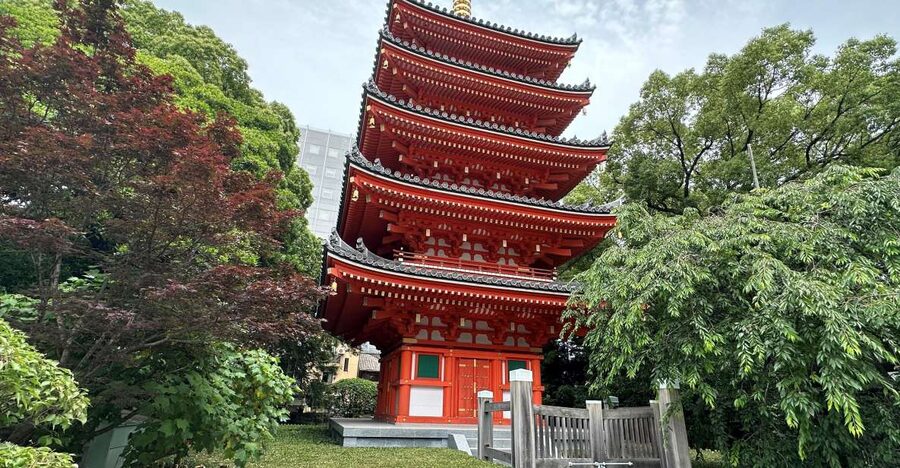
- Parks and heritage time like Ohori Park, when it fits your interests
- English and Japanese guides, so communication is usually smooth
- Rain or shine touring, with route changes when conditions demand it
Around Kyushu, from the city to the hot-spring towns
- Mt. Aso & Takachiho Gorge Tour with Optional Boat Ride
★ 4.7 · 222 reviews - Fukuoka: Takachiho Gorge & Scenic Railway One Day Tour
★ 4.8 · 178 reviews - Private Fukuoka Tour with a Local, Highlights & Hidden Gems 100% Personalised
★ 5.0 · 143 reviews - Fukuoka Your Way: 100% Customisable Private Tour with Local Guide
★ 5.0 · 83 reviews
Fukuoka without the tour-bus feeling
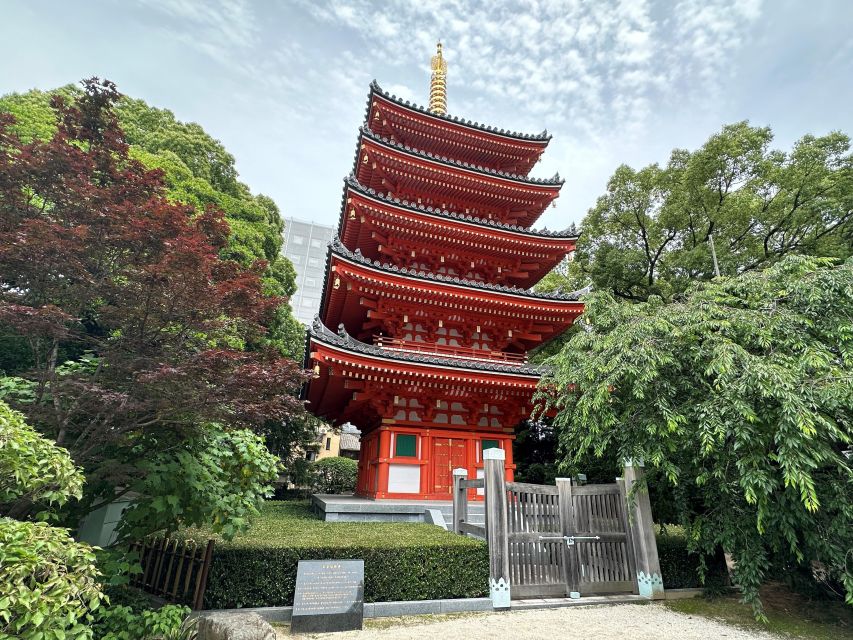
Fukuoka is Kyushu’s biggest city, but it still has that easy rhythm. The Naka River splits town into two sides, with Hakata on the older, port and commercial side. When you’re with a private guide, you get to understand that shape, not just snap photos of it.
I like how this tour focuses on more than monuments. Your guide is there to show local life, including suburbs and places most big-group itineraries don’t bother with. That makes the city feel lived-in, not staged.
Meeting point at Mister Donut, and why it helps
You meet the guide at the Mister Donut store, with a Stars Japan Travel sign. It sounds small, but a clear meeting spot reduces that start-of-tour stress, especially when you arrive in Japan tired and jet-lagged.
This is also a clue about the tour style. It’s designed for real strolling. You’re not waiting for a big bus or bouncing between far-flung stops on someone else’s timetable.
Your guide builds the plan, then adjusts it live

Your tour lasts 3 to 6 hours, and the exact route depends on your interests. After booking, the staff contact you within 5 days to talk through what you want to do. That matters because it shifts the tour from generic sightseeing to something that matches your energy level.
In past tours, guides like Mercedes and Keita have been praised for passion and tailoring the itinerary. People also noted the guides responded quickly when rain rolled in, reshuffling plans to avoid the worst of it. So if you came to Fukuoka for parks, temples, shopping streets, ramen culture, or a quieter side of town, you can steer the day.
Practical tip: have 2 or 3 “musts” and 2 “nice-to-haves.” If you say you want nature and history but don’t care about shopping, the guide can keep your walk focused.
- Day Tour to Miyazaki Takachiho Gorge & Shrine depart from Fukuoka★ 4.5 · 61 reviews
- Fukuoka Full-Day Private Tour with Government Licensed Guide★ 5.0 · 55 reviews
- Fukuoka: Nakasu Food Stall Private Guided Tour with Tastings★ 4.8 · 48 reviews
- Fukuoka Private and Personalized Walking Tour with a Local★ 4.7 · 46 reviews
- From Fukuoka: Miyazaki, Takachiho Gorge And Shrine Day Tour★ 4.5 · 44 reviews
Hakata and the Naka River split, explained on foot
A big part of getting value in a first trip is understanding the city’s layout. Fukuoka is divided by the Naka River, and your guide will use that to orient you as you move around. Hakata, the older eastern side, connects to the port and commercial story of the city.
Walking through an area like Hakata with a guide changes the experience. Instead of seeing buildings and streets, you’re learning why they are there and how Fukuoka grew. That turns photos into context, and context into a better memory later.
You should also expect some city history talk, but in an everyday way. The goal is not a textbook lecture. It’s learning what to notice while you’re walking.
Ohori Park, ACROS Fukuoka, and the city’s calm pauses
One standout theme in the experience is green time. You’ll spend time in Fukuoka’s natural spaces and heritage-rich sights, and Ohori Park comes up again and again in examples of how the tour can play out.
Ohori Park is a classic “slow down” zone. If you’re coming from crowded districts, it feels like a reset button. Even if your itinerary isn’t packed with temples, a park stop gives you breathing room and better photos without the scramble.
ACROS Fukuoka also appears in real itineraries, showing a modern side that contrasts nicely with older neighborhoods. Pairing a park with a landmark building helps your day feel balanced, not all old stone and all food.
Temples, heritage sights, and how to avoid the boring route
The tour is built for mixing categories: ancient temples, parks, heritage areas, and shopping destinations. The exact order and the selection depend on your interests, but the philosophy stays the same. You’re meant to see what makes Fukuoka different, not just what’s famous everywhere.
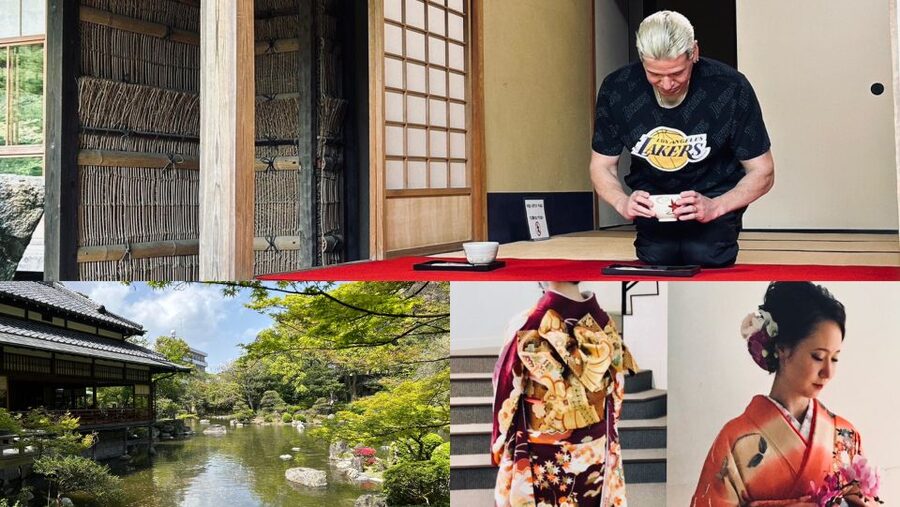
In one example, a guide worked in a cultural stop like a tea ceremony in a park setting. That kind of addition is valuable because it’s not just sightseeing, it’s a small window into how daily Japanese culture can be experienced away from major tourist traps.
One caution: because the itinerary is flexible, your day can end up more walking than you expect if you choose several “on foot” spots. Wear comfortable shoes, and don’t be shy about telling the guide your comfort level.
When your guide adds the local shortcuts
A lot of the glowing feedback centers on “we went where we wouldn’t have thought to go.” Guides such as Mercedes, Kata, Keita, Kimiko, and Kumiko have been praised for taking people to seaside and inaka spots, and for making the day feel like a conversation rather than a lecture.
There’s also a pattern: when something matters to you, the guide will try to work it into the route. One itinerary example included changing course to help someone reach Kona’s coffee, with time to eat there as part of the day. That’s a great example of what customization means in real life.
If you’re a planner, you might assume the guide can only do what’s on a standard list. Here, customization is the point. Your guide adjusts based on your requests, your schedule, and what the day is doing weather-wise.
Food and coffee: what is included, and what you handle
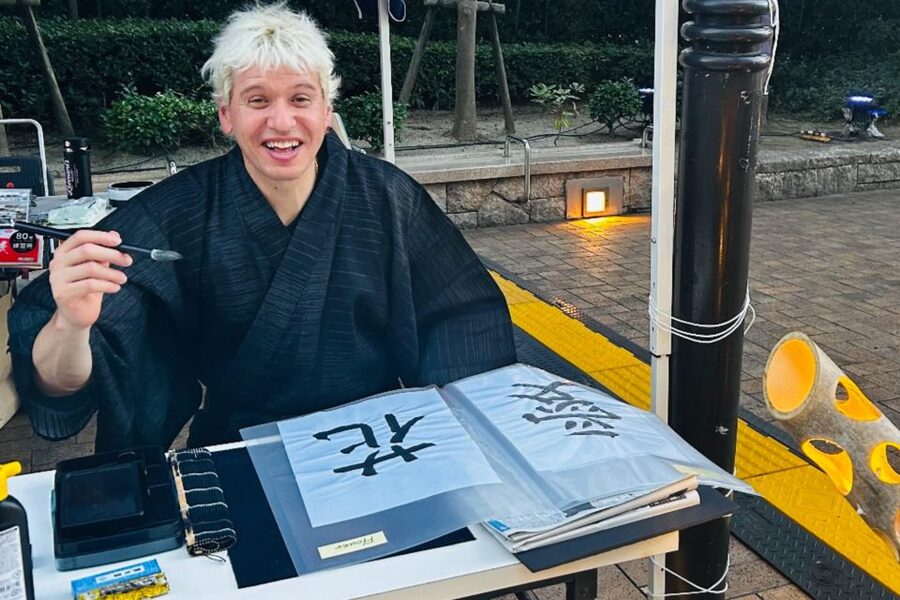
Food and drinks are not included. That’s common for private walking tours, but it’s also where you get flexibility. You can eat what you actually want, and your guide can suggest options that match your pace and dietary needs.
Fukuoka’s food culture is a major draw, especially ramen. Even when food isn’t built into the price, the guide can help you connect what you’re seeing with what people eat in those areas. If you care about coffee, the Kona’s coffee example shows how requests can become part of the route.
Budget thinking: plan for at least one meal and possibly snacks. If you want a tea ceremony, that may also come with extra costs since entry fees and extras are not listed as included.
Transportation, entry fees, and the real cost picture
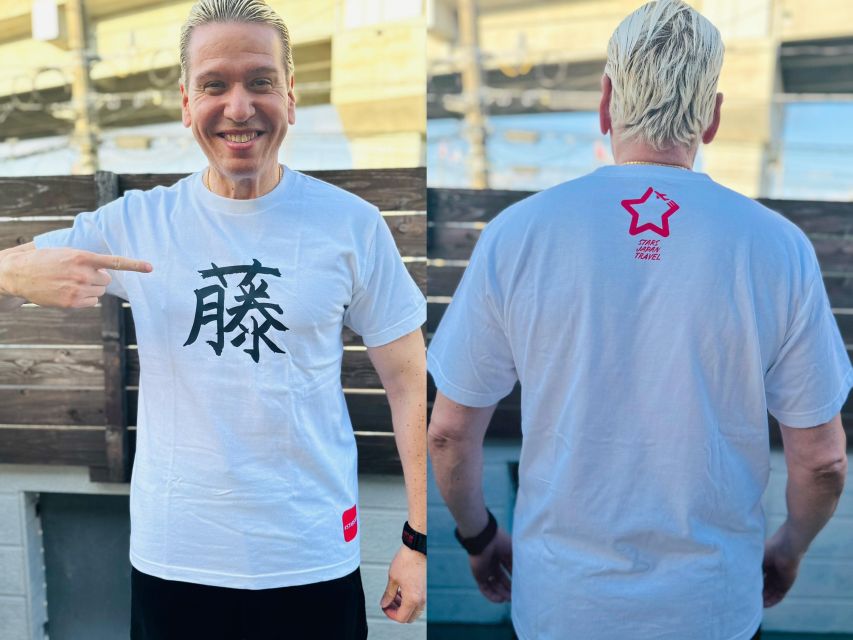
Transportation is not included. Entry fees are not included either. That means your $48 per person is mostly buying the guide, the walking time, and the customized planning.
Is that good value? Usually yes, because you’re paying for time with a local who can steer your route, explain what you’re seeing, and adapt when your day changes. In a city like Fukuoka, where neighborhoods have their own character, that’s often more valuable than stacking more paid attractions.
Still, you should budget for transit and paid entries if your route includes ticketed spots. Since the guide builds your itinerary with you, you can also ask early whether you’re aiming for low-cost stops or a few paid highlights.
Pace, group size, and why private is worth it
This is a private group experience. That means you’re not negotiating your attention span with strangers who want the opposite of what you want. People repeatedly praised the flexible pace in real examples, including the idea that you can go at your own speed.
It’s especially useful if you:
- want a first-time orientation that doesn’t feel like a stamp collection
- care about parks, temples, shopping streets, and neighborhoods, but want it arranged your way
- prefer a guide who can answer questions in real time
It’s less ideal if you want zero decisions. Because it’s customized, you’ll get the best results if you give your guide clear preferences and boundaries.
Weather changes are part of the plan
The tour takes place rain or shine. That doesn’t mean you’ll suffer through bad weather no matter what. It means the guide is expected to keep moving while adapting the route.
In real examples, guides quickly changed plans to avoid the worst rain. That flexibility matters because Japan weather can flip fast, and walking plans can collapse if you don’t adjust.
Bring basic rain protection, and if it’s pouring, lean on your guide’s route adjustments. The goal is still to see Fukuoka, not to prove you can walk through a downpour.
Who this tour is best for
I’d point you here if you want a guided day that feels personal, not packaged. This tour fits well for:
- couples and solo travelers who want a local perspective
- people who like walking tours but hate rigid schedules
- first-timers who want city context, Hakata orientation, and time in parks
You’ll also like it if you’re the type who asks questions, because English and Japanese guidance is available, and guides have been praised for clear explanations and cultural passion.
If your trip is short and you want maximum meaning from a few hours, this tour is a smart use of time. It’s the kind of experience that helps you understand what you’ll see later on your own.
Should you book the Fukuoka customized private tour?
If you’re deciding, here’s my take: book it if you want your day shaped around you. The combination of a private guide, flexible planning, and walking through real neighborhoods is the core value. At $48 per person for 3 to 6 hours, you’re paying for local know-how and time, not a pile of ticketed attractions.
Skip it only if you want a totally self-contained tour where food, transit, and fees are already handled. Since those are not included, you’ll need to make small decisions and budget a little extra.
If you do book, send preferences early and clearly. Tell your guide what you care about most, mention any allergies, and be ready with a couple of flexible options. You’ll get a day that feels like Fukuoka, not like a copied itinerary.
FAQ
How long is the Fukuoka customized private tour?
The duration is 3 to 6 hours. Starting times depend on availability.
What does the price include?
It includes a local guide, a city walking tour, and flexible tour planning.
Where do I meet the tour guide?
Meet at the Mister Donut store. The staff will be holding a Stars Japan Travel sign in front of the store.
What is not included?
Food and drinks, transportation, and entry fees are not included.
What languages is the live guide available in?
The guide is available in English and Japanese.
Is the tour wheelchair accessible?
Yes, the tour is wheelchair accessible.
Your Driver, Your Route Through Fukuoka
Around Kyushu

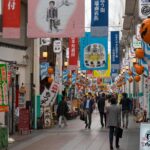
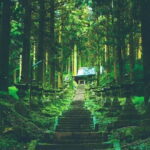
Newest Fukuoka write-ups from the Loving Japan desk
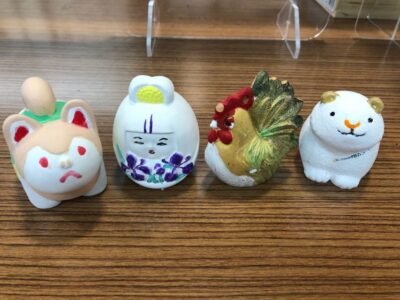
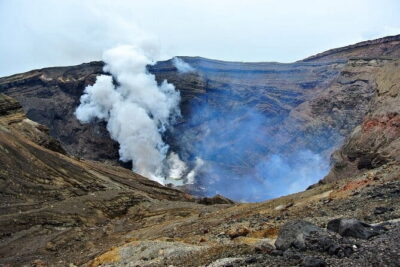
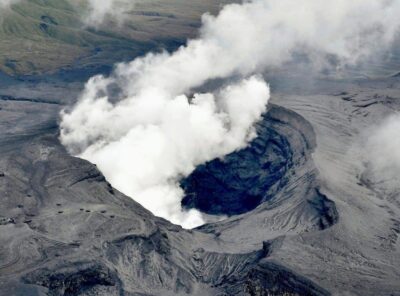
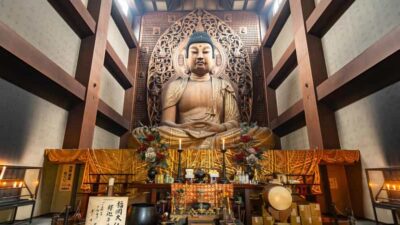
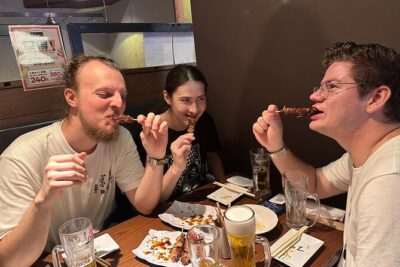
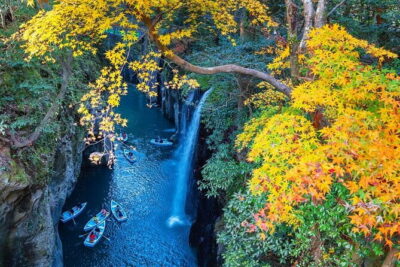
Fukuoka, Beppu and Kyushu, side by side.
 ★ 5.0Ultimate Sumo Tournament: Tokyo, Osaka, Nagoya, FukuokaFrom $184468 reviews
 ★ 4.6From Fukuoka: Miyazaki, Takachiho Gorge and Shrines Day TourFrom $50233 reviews
 ★ 4.8Takachiho Gorge & Scenic Railway One Day TourFrom $44178 reviews
 ★ 5.0Private Fukuoka Tour with a Local, Highlights & Hidden Gems 100% PersonalisedFrom $66143 reviews
 ★ 5.0Fukuoka Your Way: 100% Customisable Private Tour with Local GuideFrom $5983 reviews
 ★ 4.6From Fukuoka: Mount Aso, Kurokawa Onsen, and Shrine TourFrom $5072 reviews
 ★ 4.5Day Tour to Miyazaki Takachiho Gorge & Shrine depart from FukuokaFrom $9961 reviews
 ★ 5.0Fukuoka Full-Day Private Tour with Government Licensed GuideFrom $15555 reviews
Filed on these lists too