REVIEW · JAPAN
Get to know Minoo from Osaka. Katsuoji Temple, Ryuanji Waterfall and Ryuanji Temple
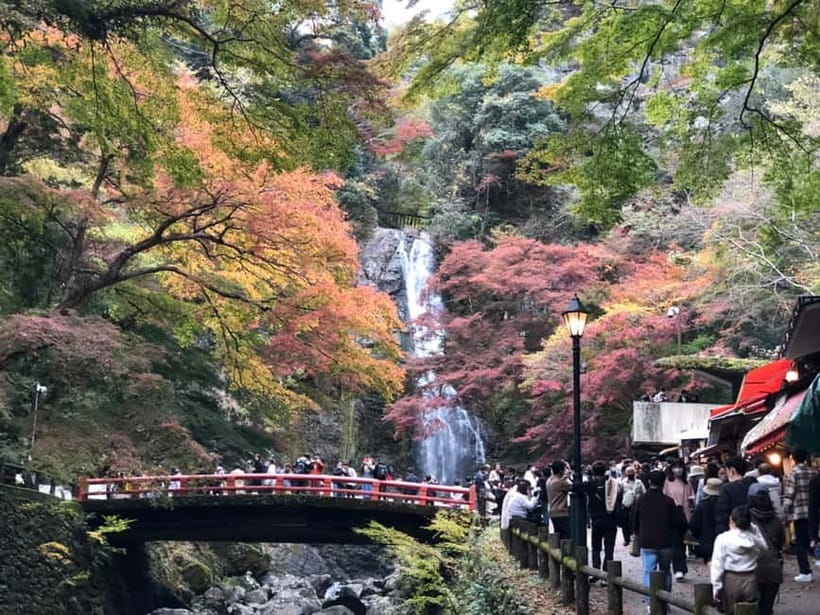
Katsuoji Temple feels like a wish factory. You’ll walk among thousands of daruma at a mountain-side setting that’s known as the Temple of Victory, then head out to Minoh for waterfall air and quiet forest steps.
Two parts I really like: the sheer surreal scale of the daruma at Katsuoji, and the payoff of seeing Minoo Falls after a guided nature walk, including a stop to try momiji tempura on the trail.
One consideration: this is a timed tour and the area is a bit spread out. Trains and buses are limited, so being on time at the HEP FIVE meeting point matters.
In This Review
- Key things to know before you go
- Katsuoji Temple and its army of daruma
- HEP FIVE to the temples: simple logistics, but stay punctual
- The transfer break and the shift to Minoh nature
- Minoo Falls: where the hike pays off
- Ryaunji Temple and the spiritual link to the waterfall
- The Spanish guide experience: patient explanations and real help
- Price and value: what $76 really covers
- What this tour is best for (and who might want something else)
- Practical tips you’ll be glad you followed
- Should you book this Katsuoji and Minoo Falls tour?
- FAQ
- Where is the meeting point for the tour?
- How long is the tour, and what group size is it?
- Is the entrance fee included in the price?
- Is lunch included?
- What should I bring, and are there any restrictions?
- Do I need a transport card, and what is the cancellation policy?
Key things to know before you go
- Thousands of daruma at Katsuoji Temple at the Temple of Victory, with a guided walkthrough that helps you understand the ritual behind the wishes.
- A guided nature trail to Minoo Falls that breaks up the day with steady pacing and local food.
- Momiji tempura along the route, a regional treat you’ll only notice on this kind of Minoh hike.
- Ryaunji Temple tied to the Minoo waterfall experience, so you see how worship and nature link up here.
- Small group capped at 7 people for more breathing room and easier questions to your Spanish-speaking guide.
- Guide help with communication and photos that comes through in past tours, with patient, practical explanations even when Spanish is not your strongest language.
Still weighing up options in Osaka? These are the ones our reviewers rated highest.
- Osaka Go Karting Tour with Funny Costume
★ 5.0 · 2,658 reviews - Osaka Castle: Museum and Tower Entry Ticket
★ 4.5 · 2,380 reviews - Osaka: Shinsekai Food Tour with 13-15 Dishes at 5 Eateries
★ 4.8 · 2,204 reviews - Osaka Food Tour: 13 Dishes at 5 Local Eateries
★ 5.0 · 2,149 reviews
Katsuoji Temple and its army of daruma
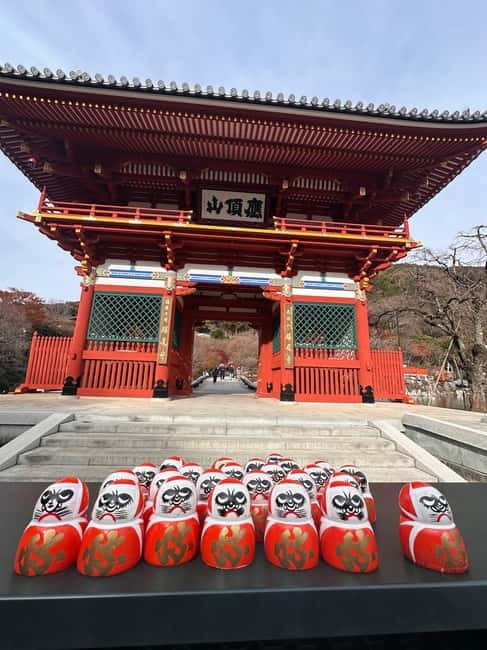
Your day starts at HEP FIVE in Osaka, right by the main gate. After a short subway ride and bus transfer, you arrive at Katsuo-ji for a guided visit that takes about 2.25 hours, and it’s the kind of stop that resets your brain.
Katsuoji Temple is famous for the number of daruma figures that cover the space. This isn’t just a cute photo spot. The guide will explain what daruma are used for and how people connect them to their goals and prayers. When you look at the rows and rows, it’s easier to understand why this place is sometimes described as a Temple of Victory. The mountain backdrop helps too, because the whole area feels like it was built for contemplation, not rushing.
What I like most here is how the visit is structured. You don’t just wander. You get context, then you can slow down and notice details like how the statues are arranged and how visitors participate in the tradition. Some guides also help with activities like stamping a postcard at the temple, which is a small souvenir that feels tied to the experience rather than tacked on at the end.
If you care about religion and ritual but you don’t want a long, academic lecture, this temple format works well. It’s guided, practical, and built for seeing.
HEP FIVE to the temples: simple logistics, but stay punctual
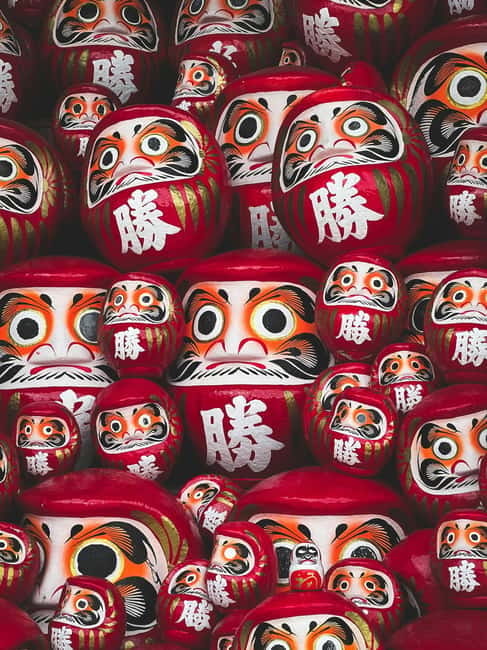
The tour is only 6 hours, so logistics matter more than usual. The route goes like this: meet at HEP FIVE, then a subway ride (about 20 minutes), a bus or coach segment (about 30 minutes), then guided time at Katsuoji Temple, followed by more public transport to the Minoh area.
Two things can trip you up if you’re not prepared: time and transit tools.
First, being punctual at the meeting point is crucial. There aren’t many buses and trains to make up lost time once you’re behind schedule. Second, you’re advised to have a transport card such as SUICA, ICOCA, or PASMO. If you don’t have one, the team will help you get one, and that’s important because it’s required for the bus to Katsuoji.
A small practical tip: treat your arrival like you’re boarding a flight. If you get there early, you’ll feel calm. If you’re late, the whole plan gets stressful fast.
Also note the guide is Spanish-speaking. In past runs, the guides have been flexible and patient with non-Spanish speakers, and sometimes even used English to make sure you got the key points. Still, if you can learn a few basic Japanese words for temple visits, it can make the day feel even smoother.
The transfer break and the shift to Minoh nature
After Katsuoji, you take public transport for about 20 minutes to reach the Minoo Falls area. This part of the day is a transition: you’re moving from temple grounds to a forest trail zone, so it helps to mentally switch gears.
In the Minoh area, the pace changes. Instead of dense sightseeing, you’re walking. That’s why comfortable shoes are non-negotiable. This tour is built around the idea that the scenery is part of the meaning, not just the destination.
If it’s raining, don’t cancel in your head. One thing you learn fast in Japan is that nature is honest, and even wet days can make a waterfall experience feel more real. You’ll want to keep an eye on footing, bring water, and wear clothes that you won’t mind getting slightly damp.
The guide’s job here is useful. You’re not guessing where to go or what to notice. You’re given direction and small moments to look around, and that makes the walk feel shorter.
- Hungry Osaka Street Food Tour:15 Tastings & 3 Drinks with a Local★ 5.0 · 1,727 reviews
- Osaka: Tea Ceremony Experience★ 4.9 · 1,426 reviews
- Osaka Kickstart: Hotspots & Hidden Gems Tour★ 5.0 · 1,306 reviews
- Osaka: Hotspots & Hidden Gems Walking Tour Private or Group★ 4.9 · 1,300 reviews
- Deep Backstreet Osaka Tours (Option to add Dinner)★ 5.0 · 1,290 reviews
Minoo Falls: where the hike pays off
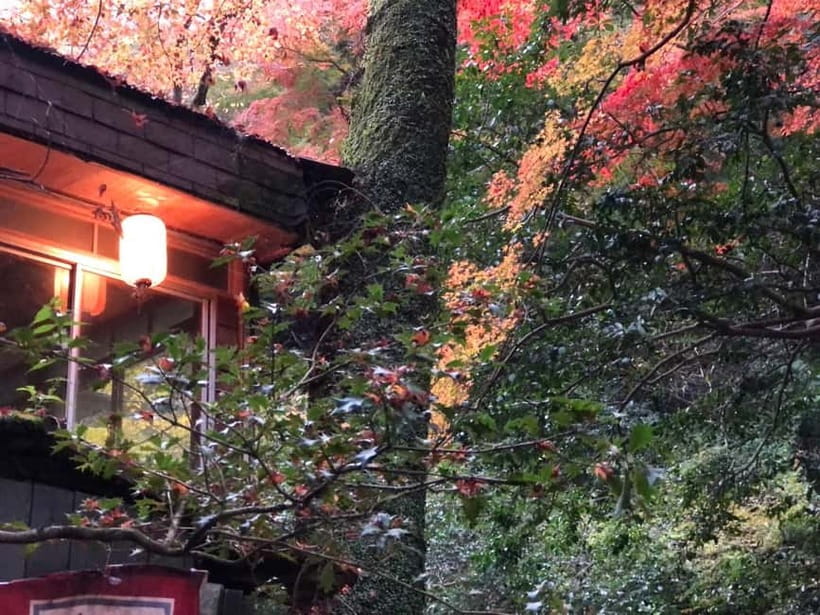
Minoo Falls is the centerpiece. Your guided visit here lasts about 2 hours, which is enough time to enjoy the waterfall and also take photos without feeling like you’re in a conveyor belt.
When you arrive, the height and sound do most of the convincing. The waterfall’s imposing drop makes it impossible to treat this place as just another stop. There’s a kind of serenity that settles over the area, and the guide will help you slow down long enough to notice it.
You’ll also have a chance for pictures, and past guests have said the guide can be particularly helpful when you want good shots. That matters because waterfall photos can be awkward in crowded spots, and it’s nice when someone explains angles and timing.
The day’s most practical highlight happens before you even reach the water: momiji tempura. The tour includes tasting this local delicacy on the trail. It’s one of those foods that feels connected to the season and the setting. Eating it while you’re still walking makes the whole experience feel local rather than touristy.
What to watch for: bring your energy for the trail section. It’s not a marathon, but you’re on your feet. If you’re expecting to only take a few steps, reset those expectations. This tour gives you the waterfall payoff, and the walk is part of the deal.
Ryaunji Temple and the spiritual link to the waterfall
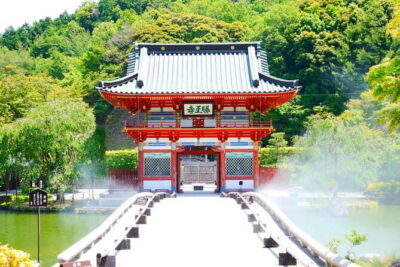
One detail that makes this tour more interesting than a simple waterfall visit is the Ryaunji Temple connection. The tour is described as historically linked to the Minoo waterfall, which means you’re not just going from temple to waterfall like two separate attractions.
Instead, you see how the area’s spirituality and nature share the same story. Even if you’re not a religion expert, you’ll feel the logic: places like these often exist because people have long connected water, mountains, and worship.
Because the schedule lists the Minoo Falls segment as a guided block, Ryaunji-ji is likely handled during that stretch around the waterfall area. Practically, that means you should use the time well: don’t treat the temple part as an optional detour. It helps you understand why the waterfall matters to people here, not just why it looks pretty.
If you enjoy learning while you sightsee, this structure is a win. It gives you a reason to pay attention beyond the obvious photo moment.
The Spanish guide experience: patient explanations and real help
This is a guided small-group tour, limited to 7 participants. That small size is a big deal here because temples and trails get crowded in peak seasons. Fewer people also means you can ask questions without the guide shouting over everyone.
The tour guide speaks Spanish, and guided explanation quality is one of the most praised parts of the experience. Guides like Manuel and Albert have been described as friendly, enthusiastic, and genuinely interested in making sure everyone understood the details. Even guests who weren’t fluent in Spanish reported that the guide found ways to be clear, sometimes using English when needed.
Another highly valued trait from past days: photography help. If you want better photos but you don’t want to just luck into a framing trick, a guide who understands timing and angles helps a lot. You’ll spend less energy wrestling with your camera and more time enjoying the site.
And here’s the small humor side: when it’s raining, you can’t control the weather, but you can control whether the day feels strained. From what’s been seen, the guides keep the pace comfortable and keep explanations flowing even when the clouds do their thing.
Price and value: what $76 really covers
The price is listed at $76 per person for a 6-hour experience. On paper, that can sound like a lot for what looks like a temple and a waterfall. In practice, value comes from three things you don’t easily replicate alone.
First, you get a guided visit at Katsuoji Temple, and the entrance fee to Katsuoji Temple is included. That takes one variable off your planning.
Second, you get routing and timing across Osaka and the Minoh area. Transportation during the tour is not included in the price, but the schedule is organized with public transit and guided blocks that line up your sightseeing without you having to assemble everything yourself.
Third, you get context. Daruma are visually dramatic, but understanding them makes the visit feel more than decorative. The same goes for the waterfall area, where the Ryaunji link gives meaning to what you’re seeing.
What’s not included: lunch and transportation during the tour. So budget for your own meal and transit costs. If you plan your lunch near where you’ll be walking, the day stays easy.
To me, this is worth it if you care about learning and you want a smoother day. If you only want a cheap, fast transfer to a waterfall, you could DIY it. But if you want the story behind the statues and a guided walk that makes the nature stop feel complete, the structure earns its price.
What this tour is best for (and who might want something else)
This tour fits best if you like a day that mixes culture with nature. You’ll get a heavy dose of spiritual art at Katsuoji, then you transition to a forest trail, food, and the waterfall.
You’ll also like it if you want a small group and a guide who supports you even if your Spanish is limited. Past experiences show that the guide makes sure key info lands, not just the general gist.
Who might choose a different option: if you hate walking, or if you’re looking for zero-timeline stress. This tour has guided blocks and a set transport schedule, so you’ll be moving as part of the plan.
If you’re traveling with kids, note there are rules around baby carriages not allowed. If that affects you, check with the operator before booking. Pets are not allowed either, but assistance dogs are allowed.
Practical tips you’ll be glad you followed
Bring comfortable shoes, water, and cash. Cash is specifically called out, which usually means you might want it for small purchases like snacks or seasonal items. Comfortable clothes matter too because weather can change the feel of the walk.
If you can, plan a light rain setup even if the forecast seems calm. Japan waterfalls can turn a normal day into a damp day quickly.
Finally, use your transport card. SUICA, ICOCA, or PASMO are the names you’ll see. If you don’t have one, the team can help you get one, but doing it ahead of time saves stress.
Should you book this Katsuoji and Minoo Falls tour?
I’d book it if you want a guided, meaningful day, not just a checklist. The combination is strong: Katsuoji for the daruma tradition and Minoo Falls for the nature payoff, with Ryaunji-ji adding a spiritual link that makes the waterfall visit feel grounded.
Skip it if you’re trying to keep costs ultra-low, or if you need total flexibility to change plans mid-day. The schedule is set, and transport timing is part of the experience.
If you’re excited by the idea of seeing thousands of daruma, trying momiji tempura on a forest trail, and getting a guided explanation in Spanish, this is a well-shaped 6-hour escape from Osaka.
FAQ
Where is the meeting point for the tour?
You meet at the main gate of HEP FIVE shopping mall in Osaka. The guide will contact the group one day before the tour to confirm the meeting point.
How long is the tour, and what group size is it?
The tour duration is 6 hours, and it is a small group limited to 7 participants.
Is the entrance fee included in the price?
Yes. The price includes the entrance fee to Katsuoji Temple.
Is lunch included?
No. Lunch is not included.
What should I bring, and are there any restrictions?
Bring comfortable shoes, water, comfortable clothes, and cash. Pets are not allowed (assistance dogs are allowed), and baby carriages are not allowed.
Do I need a transport card, and what is the cancellation policy?
A transport card like SUICA, ICOCA, or PASMO is a good idea because it is required for the bus to Katsuoji. If you don’t have one, the team will help you get one. You can cancel up to 24 hours in advance for a full refund.