
REVIEW · SUMO WRESTLING EXPERIENCES
Sumo Tournament Experience in Osaka
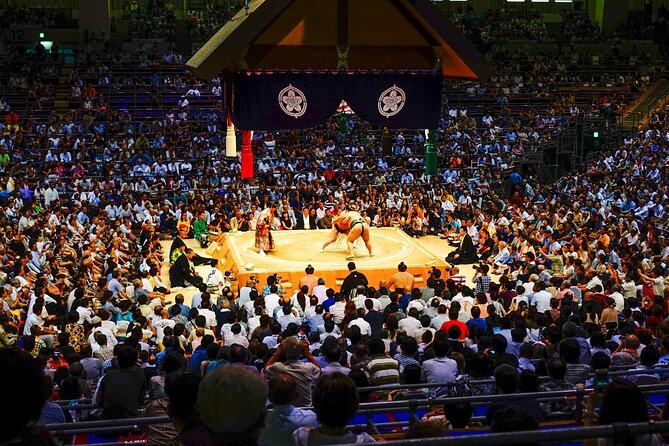
Sumo season hits Osaka only once a year. This Grand Sumo Tournament experience in March takes you to EDION Arena Osaka with an English-speaking sumo expert, plus a chance to greet famous wrestlers as they enter the arena before the matches.
I love that you get built-in access to the action, not just vague sightseeing, and you’re seated in reserved chairs where you can actually follow what is happening.
The one catch to plan for is that you may wait before seating, since entry depends on the matches ending, and the schedule can make it harder to explore anything crowded on your own.
If you want the sport explained in plain English, you’ll like the setup a lot. I like the audio headset plus a guide who knows sumo rules and culture, and you also receive a sumo information pamphlet and the banzuke-hyo (rankings table) to help you track wrestlers.
That combination turns a noisy, confusing arena into something you can follow minute by minute.
One possible drawback is timing on match day. There can be a wait before you get seated, and congestion around the Sumo Museum area may mean the group can’t wander easily as a big pack.
In This Review
- Key things I’d circle on your itinerary
- March in Osaka: why this one-time tournament matters
- EDION Arena Osaka seats: D, B/C, and A/S, and what you’ll notice
- Ritual and ranks: salt purification, banzuke-hyo, and how to follow the bouts
- The guide and audio headsets: making loud sports readable
- Timing on match day: getting in after the matches end
- Optional chanko nabe dinner: how to choose, and what to expect
- Value and what you still need to plan on your own
- Who should book this sumo tournament experience?
- Should you book the Sumo Tournament experience in Osaka?
- FAQ
- How long is the Sumo Tournament Experience in Osaka?
- What time does the tour start?
- Are admission tickets included, and are seats reserved in advance?
- Do I need binoculars?
- Is dinner included?
- Does the tour include hotel pick-up and drop-off, and can I bring food into the arena?
- Can I cancel or change this booking?
Key things I’d circle on your itinerary
- March-only Osaka basho: This is tied to the annual tournament, so the date matters.
- Reserved seats at EDION Arena Osaka: You get advance reservations, not scramble tactics.
- English sumo expert + audio headset: Explanations land clearly, even when the crowd gets loud.
- Banzuke-hyo and pamphlets in your hands: You can connect names, ranks, and match meaning.
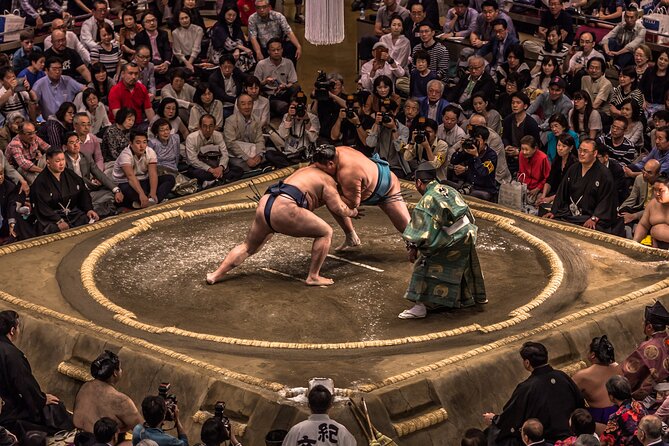
- Salt and tradition moments: You’re guided through what rituals mean, not just what they look like.
- Optional chanko nabe dinner: If you add dinner, you get a taste of the food associated with sumo training.
Morning practice or an evening show. Both reviewed
- Osaka: Sumo Show & Experience w/ Optional Kimono & Hot Pot
★ 4.5 · 609 reviews - Osaka: Sumo Stage Show with Bento or Snack + Fight & Photo
★ 4.3 · 364 reviews - Osaka Sumo Experience with Live Show and Audience Challenge
★ 5.0 · 162 reviews - Osaka:SUMO BEATS SHOWCASE: Taiko Drum and Wagyu burger!
★ 4.2 · 37 reviews
March in Osaka: why this one-time tournament matters
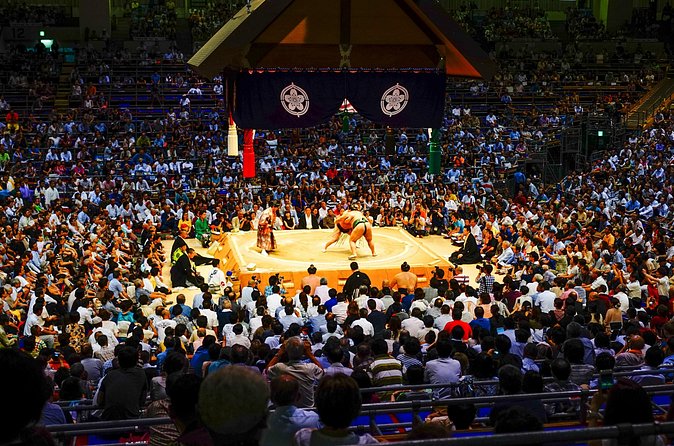
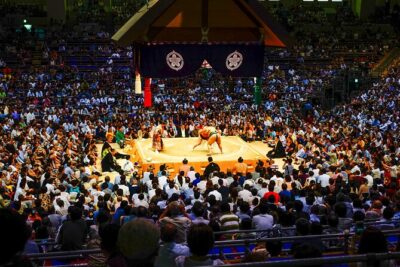
Japan has six official sumo tournaments each year, and Osaka hosts the March event. The biggest thing to understand is that this is not a casual museum-style demo. You’re going to an actual official basho day at EDION Arena Osaka, which is exactly why the experience exists at all.
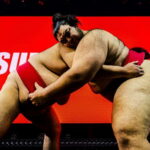
Sumo is a gendai budo, a modern martial art form, but it keeps older rules and ritual behavior front and center. Even if you only know sumo from TV clips, the structure of the sport becomes clear fast: there are ranks, traditions, and very specific expectations for wrestlers and the arena atmosphere.
What makes this tour feel practical is that it’s built around match-day flow. The group watches the matches, learns what the rituals mean, and cheers along with local fans. If you like sports but hate feeling lost, this format is designed to reduce the guesswork.
And yes, it’s exciting. You’re watching disciplined athletes inside a tightly run framework, not just loud entertainment. The tour also gives you a way to understand why people react the way they do during big bouts.
EDION Arena Osaka seats: D, B/C, and A/S, and what you’ll notice
This is a reserved-seat experience, and that matters because sumo arenas can be unforgiving if you don’t have a good view. Your seat level depends on which option you choose:
- Basic (D seats): Upper corners with a full view of the ring, but it will feel distant. Binoculars are recommended.
- Standard (B or C seats): Chair seating in the main arena area with better ring visibility and more match energy. Binoculars are recommended here too.
- Premium (A or S seats): Front arena seats closest to the ring, best for a truly close-up feel.
I like that the tour doesn’t pretend there’s one perfect seat for everyone. If you’re happy watching the whole contest and reading the guide’s explanations, D seats can work. If you want the sense of being part of the action, go Standard or Premium.
Binoculars are specifically recommended for Basic and Standard. If you don’t plan to bring them, you’ll still see the ring, but your experience will depend more on the guide’s running explanation. If you’re the type who gets satisfaction from details like footwork, belt grips, and the wrestlers’ pre-match behavior, binoculars help a lot.
Also, because these are reserved seats assigned in advance, you avoid the stress of hunting for where your view might land. That’s one of those unglamorous travel wins that makes the day smoother.
Ritual and ranks: salt purification, banzuke-hyo, and how to follow the bouts
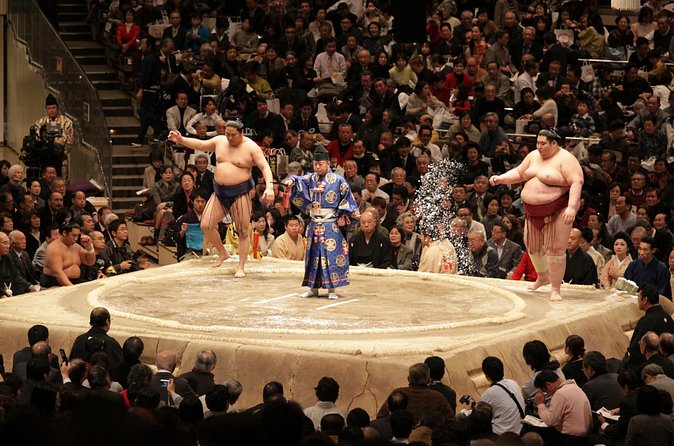
Sumo is loaded with small ceremonial actions. The tour is set up to make those moments make sense. You’re taught about traditional elements that are still preserved in today’s tournament culture, including the use of salt purification. That’s not just a gimmick. It connects to beliefs about cleanliness, order, and respect before contact.
Then there’s the rankings layer. You receive the banzuke-hyo, a table of rankings. If you’ve ever watched sumo and wondered why certain wrestlers carry more pressure or status, that’s where you start to connect the dots. Even if you don’t memorize everything, having the ranking chart in your hands gives you something grounded to refer to when names come up repeatedly.
The tour guide is described as a local sumo expert, so expect explanations that translate the “why” behind the sport: how tradition shapes what happens, and how rules show up during bouts. You also get a sumo information pamphlet, which supports the guide’s talk and helps you keep up while you watch.
One of the best parts of match-day experiences is learning the sport’s language. The banzuke-hyo and guided talk work together here. Without that, sumo can feel like great theatre. With it, you start noticing meaning.
- Hungry Osaka Street Food Tour:15 Tastings & 3 Drinks with a Local★ 5.0 · 1,727 reviews
- Osaka: Tea Ceremony Experience★ 4.9 · 1,426 reviews
- Osaka Kickstart: Hotspots & Hidden Gems Tour★ 5.0 · 1,306 reviews
- Osaka: Hotspots & Hidden Gems Walking Tour Private or Group★ 4.9 · 1,300 reviews
- Deep Backstreet Osaka Tours (Option to add Dinner)★ 5.0 · 1,290 reviews
The guide and audio headsets: making loud sports readable
An arena can be chaotic. Voices rise, people react, and there’s always motion around you. That’s why I’m a fan of the tour’s use of an audio headset. With it, the guide’s English explanation stays clear while you watch the action.
This isn’t a generic “tour of culture” that floats above the sport. The guide has an expertise in sumo wrestling, and the audio headset helps you actually hear how they connect what you’re seeing to sumo tradition and rules.
There’s also a human element that you should care about: the experience has extremely strong feedback with people praising the guide’s ease and positivity. One repeated detail is that the guide is easy to find near the arena, with Yuka specifically mentioned as being easy going, informative, and happy. That matters more than you might think. When your day starts with “Where is the meeting person?” and “Can I follow the plan?”, a relaxed guide reduces friction.
So think of the headset as your translator for the sport’s timing and cues. Instead of trying to figure out what you missed, you keep hearing the explanation at the right moment.
Timing on match day: getting in after the matches end
You start at 2:00 pm, and the official tournament coverage is about 4 hours. Practically, that means you’ll be on-site during a busy period where the arena needs to handle match transitions and crowd movement.
A key detail: there may be a wait before seating. The group must wait for all sumo matches to end before entering. That is normal operations, but it can affect your energy level if you arrive hungry, impatient, or hoping to move around freely.
The tour also notes that the Sumo Museum can get congested. The guide may ask you to visit on your own if the area is too crowded for a large group to walk around comfortably. So if you’re the type who likes independent wandering, plan to be flexible here. If you’re going to the museum, treat it as a possible add-on rather than a sure stop.
My advice: show up early, stay patient, and use the wait time for quick orientation. Once you’re in your seats, the rest of the experience is where it clicks.
Optional chanko nabe dinner: how to choose, and what to expect
If you add dinner, you’ll eat chanko hot pot, also called sumo stew. This matters because it ties the sport’s culture to something you can taste, not just something you watch.
The dinner option is described as optional at checkout, and it’s default chanko hot pot without drinks. If you choose it, you should know the expected flavor base is typically made with chicken stock.
There’s also a meal-choice detail that I appreciate: if you want sukiyaki or a vegetarian option, you need to request it at least one week in advance. The note says the traditional broth is often made with pork or chicken, but the restaurant may substitute for vegetarian needs. Also, once they accept your dinner request, changes cannot be made one week before the tour date.
So how do you decide if dinner is worth it? Pick it if:
- you want a straightforward cultural food win without planning a restaurant
- you’re curious about what sumo wrestlers traditionally eat during training culture
- you like hot pots, and the idea of sharing a meal with the group appeals to you
Skip dinner if:
- you’re already planning a specific Osaka meal you care about more
- you don’t want the time block to feel fixed
- you prefer to shop and eat on your own schedule around the arena
Either way, remember that outside food and drinks are not allowed in the arena, but food can be purchased from vendors inside.
Value and what you still need to plan on your own
The price is $142.40 per person, and I look at value through what’s actually handled. In this case, the tour includes a lot of the hard parts that cost time and stress:
- an English-speaking tour guide who’s a local sumo expert
- the admission ticket
- the audio headset
- reserved seats assigned in advance
- banzuke-hyo and a sumo information pamphlet
- and, if selected, a chanko nabe dinner (or a requested alternative)
What’s not included is also clear. There’s no hotel pick-up or drop-off, and meals and drinks are not included unless you choose the dinner option. Admission is included, but you’ll still pay for drinks or any extra food inside the arena if you want it.
One more practical point: minimum group size is required to run the tour, with a minimum of 15 people needed to operate. The group limit is up to 24, which is still manageable. If this tour is your top priority, booking early is smart because it’s tied to a March event that happens once a year.
Is the price high? It can feel that way until you break down what you’re getting. Reserved seat categories, ticket handling, and an expert guide with audio support are usually what makes sports tours expensive. Here, that value is packed in instead of added piece by piece.
Who should book this sumo tournament experience?
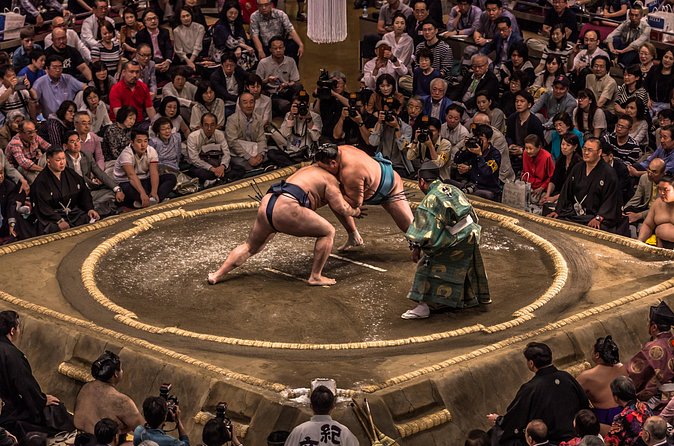
This tour is a strong match if you:
- want a first-time introduction to sumo that explains what you’re seeing
- like sports but don’t want to spend your day translating rules in your head
- care about culture and ritual, especially the ceremonial aspects like salt purification
- prefer a structured plan with reserved seating rather than arena guessing
It may be less ideal if you want total freedom to roam on your own at the arena. The day has a set flow, and entry and seating depend on tournament operations. If you want to wander through museums at your own pace, congestion can make group movement harder.
Also, if your personal style is to avoid group tours, keep in mind this runs with a minimum of 15 people and up to 24. That’s not huge, but it’s still a shared schedule.
Should you book the Sumo Tournament experience in Osaka?
My take: yes, if Osaka March is on your calendar and you want a smooth, meaningful way to see an official basho day. The big wins are reserved seats, a local English guide, and the audio headset that makes the match understandable instead of just loud.
Book it if you can handle waiting a bit before seating. The tour is built around the reality of how arena entry works, so patience pays off.
If you’re budget-sensitive, compare what you’d otherwise buy and arrange yourself. You would still need tickets, figuring out seat location, and a way to understand ranks and ritual. Here, those pieces come bundled.
Finally, choose your seat level like it’s part of the experience. If you want closer action and details, go higher. If you’re happy with a broader ring view and want to focus on the guided explanations, Basic or Standard can be fine, especially if you bring binoculars.
If this is a once-a-year shot for you, it’s the kind of day that rewards showing up ready and curious.
FAQ
How long is the Sumo Tournament Experience in Osaka?
The experience runs about 4 to 5 hours, with a 4-hour tournament focus at the official basho.
What time does the tour start?
The start time is 2:00 pm.
Are admission tickets included, and are seats reserved in advance?
Yes. Admission ticket is included, and your reserved seat is assigned in advance based on the option you select (Basic D, Standard B or C, or Premium A or S).
Do I need binoculars?
Binoculars are recommended for the Basic D seats and the Standard B or C seats for a closer view. Premium seats are closest to the ring.
Is dinner included?
Dinner is optional. If you select it, you’ll have chanko hot pot dinner by default with no drinks. A sukiyaki or vegetarian option is available on request if submitted at least one week in advance.
Does the tour include hotel pick-up and drop-off, and can I bring food into the arena?
Hotel pick-up and drop-off are not included. Outside food or drinks are not allowed in the arena, but food is available for purchase from vendors inside.
Can I cancel or change this booking?
This experience is non-refundable and cannot be changed for any reason.
Practice Rooms and Show Nights
Newest Osaka write-ups from the Loving Japan desk

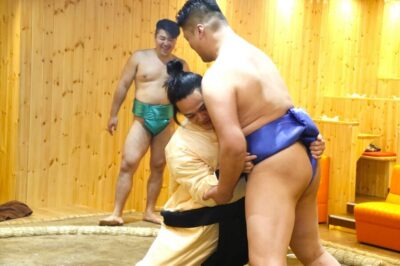
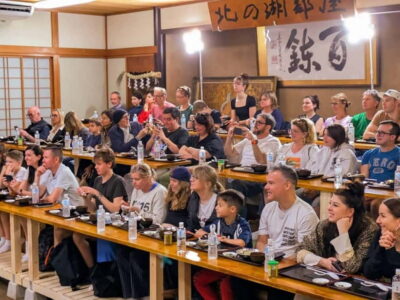
Sumo Wrestling Experiences, side by side.
 ★ 4.8Sumo Show Experience with Chicken Hot Pot and a PhotoFrom $1036,678 reviews
 ★ 4.8Sumo Show and Dining ExperienceFrom $792,742 reviews
 ★ 5.0the SUMO showFrom $891,960 reviews
 ★ 5.0Tokyo Shinjuku Sumo Show & Experience with PhotoFrom $791,750 reviews
 ★ 4.8Sumo Show and Experience in ShinjukuFrom $691,001 reviews
 ★ 4.6Sumo Tournament Tour with Chair Seat TicketsFrom $141753 reviews
 ★ 4.5Sumo Show & Experience w/ Optional Kimono & Hot PotFrom $77609 reviews
 ★ 5.0Authentic Sumo Experience in Tokyo: Enter the SanctuaryFrom $171603 reviews
Filed on these lists too