
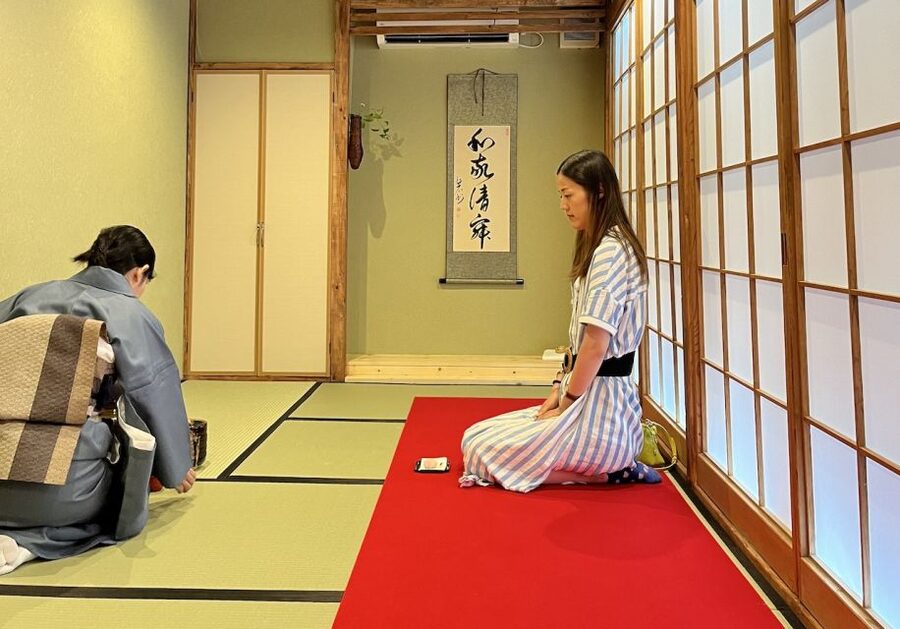
REVIEW · KYOTO TEA CEREMONIES AND MATCHA
Osaka: Tea Ceremony Experience
Matcha tastes better when you learn the why. In Osaka, this tea ceremony is guided by Japanese instructors who speak clear English, and bring serious practice to every step.
What I love most is that you do not just watch. You get hands-on matcha making in a peaceful traditional tatami room, then you taste seasonal sweets that are meant to pair with your bowl of matcha. One heads up, the meeting spot is on the second floor and can be easy to miss, so plan to arrive with enough time to find it calmly.
In This Review
- Key things that make this Osaka matcha class worth your time
- Finding the Tea Ceremony Room Near Dotonbori, Osaka
- How the 45-Minute Ceremony Flows, Welcome to Matcha
- 1) Welcome and intro in a traditional room
- 2) Live demonstration, plus manners
- 3) Hands-on matcha making and tasting
- Matcha 101 With Traditional Tools, What You Actually Learn
- Seasonal Japanese sweets and why they matter with matcha
- Price and value: Is $25 for Osaka tea ceremony a fair deal?
- Practical etiquette tips so you can enjoy it without stress
- Who should book this Osaka tea ceremony, and who should skip
- Age rules, clearly
- Should you book this tea ceremony in Osaka?
- FAQ
- Where is the meeting point for the Osaka tea ceremony?
- How long does the tea ceremony experience last?
- How much does it cost per person?
- What language will the instructor use?
- What is included in the price?
- What happens during the 45 minutes?
- Are kids allowed?
- What is not allowed during the experience?
- What is the cancellation policy?
- Do I need to pay right away to reserve?
Key things that make this Osaka matcha class worth your time
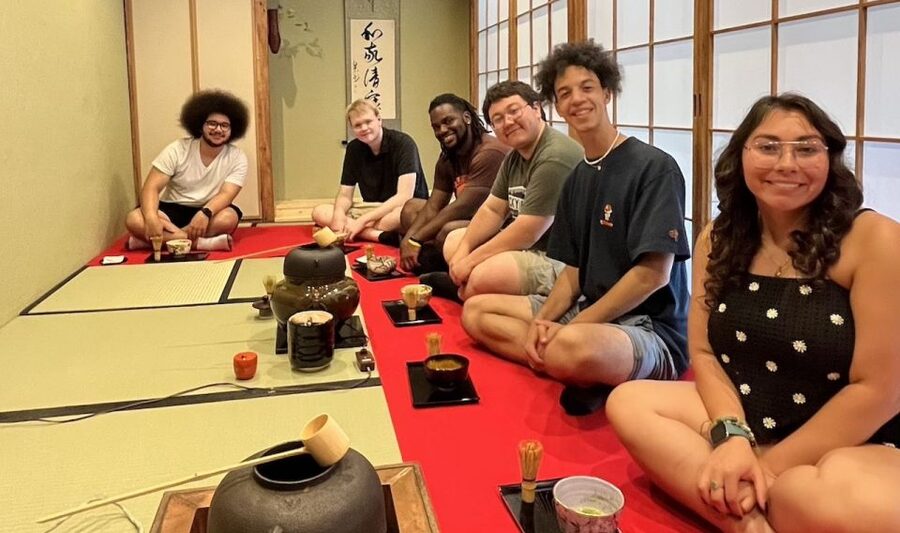
- Japanese instructors in kimono, speaking English: you get explanations you can actually follow.
- Real tatami-room calm: quieter setting than you expect in the middle of Osaka.
- A live demonstration first: you learn the tools and basic serving manners before you try.
- Hands-on matcha using traditional tools: you make your own bowl, not a symbolic sip.
- Seasonal sweets paired with matcha: the dessert is part of the experience, not an afterthought.
- A short, focused 45 minutes: enough to learn, without eating your whole day.
Sit down somewhere quieter. Other tea rooms we booked
- Osaka: Tea Ceremony Experience
★ 4.9 · 1,426 reviews - Tea Ceremony Experience in Osaka Doutonbori
★ 5.0 · 754 reviews - Matcha Making Class in Osaka with Authentic Japanese Sweets Set
★ 5.0 · 509 reviews - Osaka: Matcha Making Experience with Japanese Sweets
★ 5.0 · 146 reviews
Finding the Tea Ceremony Room Near Dotonbori, Osaka
This is one of those Osaka experiences where location matters. The address you should use is:
大阪市中央区道頓堀1丁目東5-26
Second floor
A big practical tip: use Google Maps and search for the venue as tea ceremony osaka the osaka. The data even warns that the address is on the second floor, so do not trust your first guess from the street. It is right on the second floor at that address, and you want to arrive when you can still take a slow look up, not when you are rushing.
Also, the venue notes that it’s possible for some people not to make it, so show up with extra time. One review clue to keep in mind: it can be a bit tricky to find, and there may not be much comfortable seating while you wait. So I suggest you arrive early enough to feel relaxed, but not so early that you spend the whole wait standing around.
If you like backups, the coordinates listed are 34.66885079999999, 135.5063291. That helps if Maps gets weird with entrances or stairs.
How the 45-Minute Ceremony Flows, Welcome to Matcha
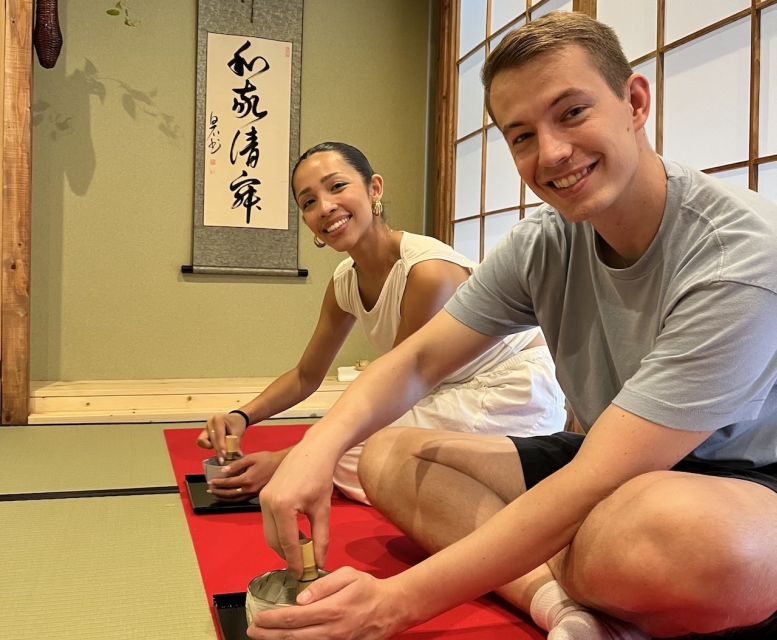
You are in and out in about 45 minutes, which is perfect if you want culture without locking up your entire morning. The session is structured in a simple order, and that clarity is a big part of the value.
1) Welcome and intro in a traditional room
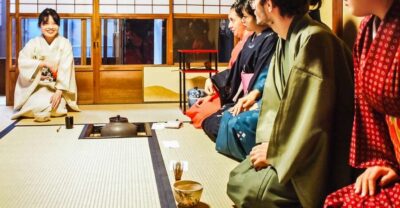
You start with a warm welcome in a traditional Japanese room. Then the instructor explains the meaning and history of the tea ceremony, so you understand what you are doing instead of treating it like theater. Since the class is led by Japanese instructors speaking English, the explanation is meant to land clearly for visitors from around the world.
- Osaka Go Karting Tour with Funny Costume★ 5.0 · 2,658 reviews
- Osaka Castle: Museum and Tower Entry Ticket★ 4.5 · 2,380 reviews
- Osaka: Shinsekai Food Tour with 13-15 Dishes at 5 Eateries★ 4.8 · 2,204 reviews
- Osaka Food Tour: 13 Dishes at 5 Local Eateries★ 5.0 · 2,149 reviews
- Hungry Osaka Street Food Tour:15 Tastings & 3 Drinks with a Local★ 5.0 · 1,727 reviews
2) Live demonstration, plus manners
Next you watch the instructor perform the ceremony live. This is where you see how the tools are used and you learn the basic manners for tea serving. The etiquette part matters, because the ceremony is all about small, deliberate movements. In past sessions, hosts like Yuki, Akiko, and Kazu have been praised for explaining meaning tied to specific parts of the ritual, including the tea bowls.
So if you like “why does this matter” explanations, this demo stage is your moment. You’ll pick up the mindset: calm attention, proper handling of tools, and a respectful tone.
3) Hands-on matcha making and tasting
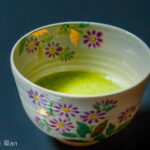
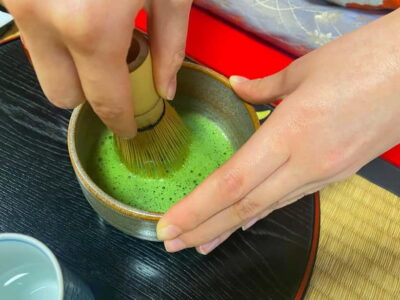
Then comes the best part: you make matcha yourself. The experience includes matcha (powdered green tea) and authentic tea tools, and the instructor guides you through preparing your own bowl.
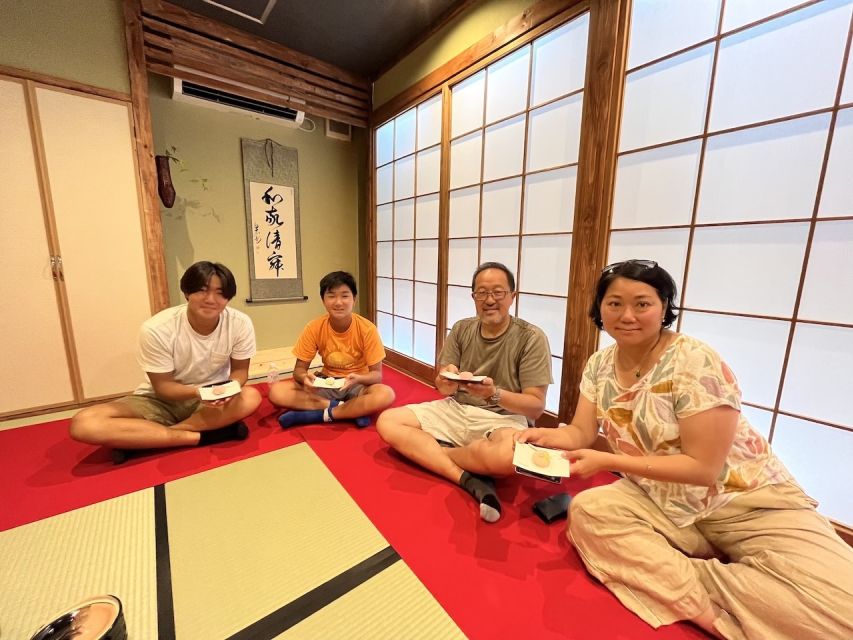
After you make it, you drink it. Then you also enjoy a seasonal Japanese sweet designed to go with matcha. The sweet is not random, it is part of the pairing the experience is aiming for.
One more practical note: even though the event is only 45 minutes, you should expect sitting in a traditional tatami setup. That means you’ll want to wear comfortable clothes and shoes you can remove or adjust easily, because this kind of room has its own pacing.
Matcha 101 With Traditional Tools, What You Actually Learn
This is not a “watch someone else work” class. You’re actively involved, and that is why it works.
The experience is centered on three things:
- learning the tools and what they are for
- learning the sequence of how tea is made and served
- learning the meaning behind the steps
From the way the ceremony is described, the instructor covers the basic manners of tea serving during the demonstration, then you practice using the tools during the hands-on portion. Reviews also highlight that guides often explain the significance of items like tea bowls, and that kind of detail can make the ritual click.
You might get different hosts, but names that show up in recent sessions include Akiko, Ayaka, Kazu, Mayumi, Kana, and Yuki. The key pattern is consistent: instructors are praised for being patient, attentive, and encouraging while you try the steps yourself. That matters, because matcha making can feel technical if nobody guides you gently.
Also, because the hosts speak English and the experience includes an English audio guide, you are not left guessing. You can focus on doing the motions correctly, then take your first sip knowing what you just made.
Seasonal Japanese sweets and why they matter with matcha
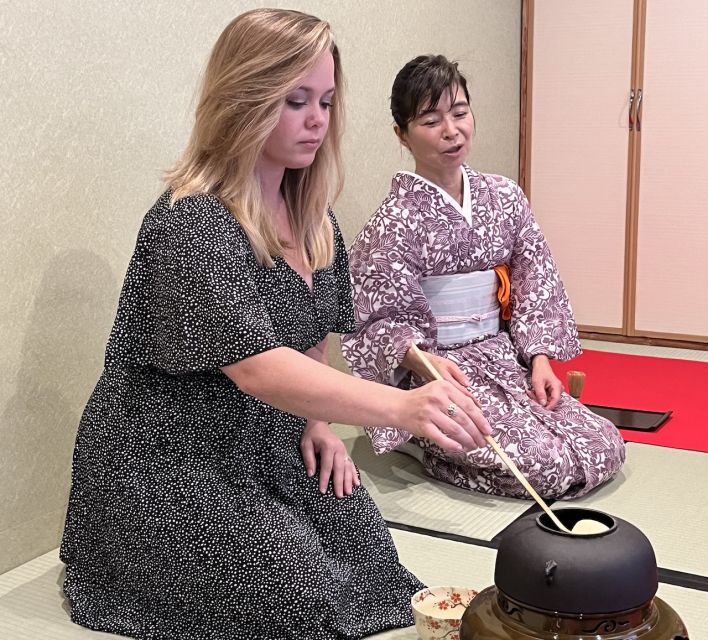
Tea ceremony culture is partly sensory timing. The sweet is a designed partner to the matcha.
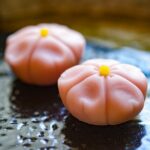
You are given seasonal confections to taste after you make your matcha. The pairing is described as seasonal sweets that go perfectly with matcha, and that is consistent with the overall structure: you learn the ritual, prepare the tea, taste it, then have a sweet component that rounds out the flavor experience.
What I like here is that it turns matcha from a bitter, mysterious powder into something you can actually enjoy as a full experience. Matcha tends to be polarizing for first-timers, but a well-chosen sweet can help you appreciate the balance between bitterness, aroma, and sweetness.
And since the instructor teaches meaning and history at the start, the snacks feel integrated instead of tacked on. You are eating as part of the ceremony rhythm, not breaking out a vending-machine snack halfway through.
Price and value: Is $25 for Osaka tea ceremony a fair deal?
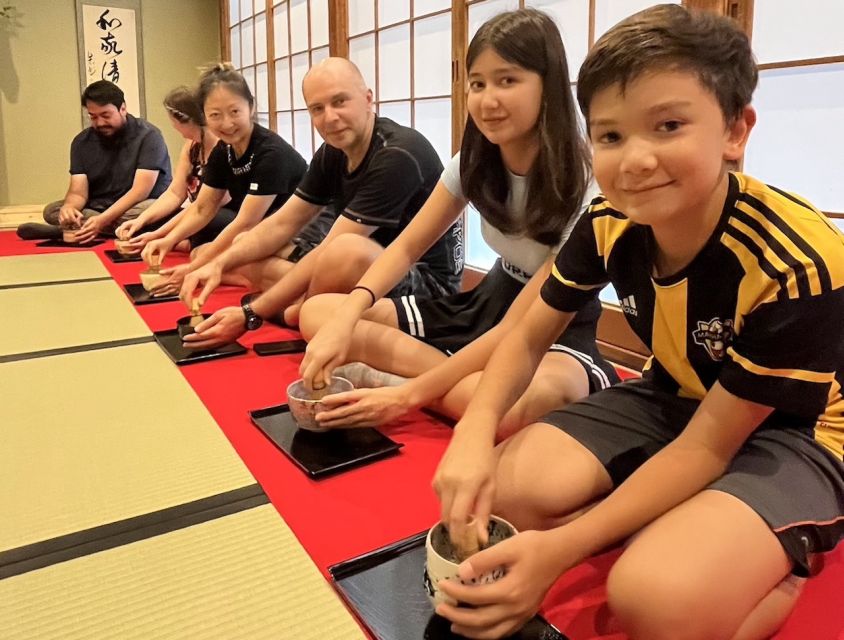
At $25 per person for a 45-minute class, this is priced like an experience that wants to be accessible. And your money is not just buying a seat.
What the price includes:
- entrance fee
- matcha
- confections
On top of that, you get Japanese instructors in kimono, English instruction, a live demonstration, and hands-on matcha making. The experience also notes an English audio guide.
Now the key value point is the mix of attention and participation. You are not just consuming culture, you are performing part of it. For many people, that is the difference between a quick photo stop and a memory you carry home.
The rating supports that impression: the experience has a 4.9 score from 1426 reviews. That does not mean every session is identical, but it does suggest the format works for a lot of different visitors.
If you are trying to fit Osaka culture into a busy itinerary, this is a reasonable use of time. Forty-five minutes is short enough to do without guilt, but long enough that you can actually learn the basic logic of the tea ceremony.
Practical etiquette tips so you can enjoy it without stress
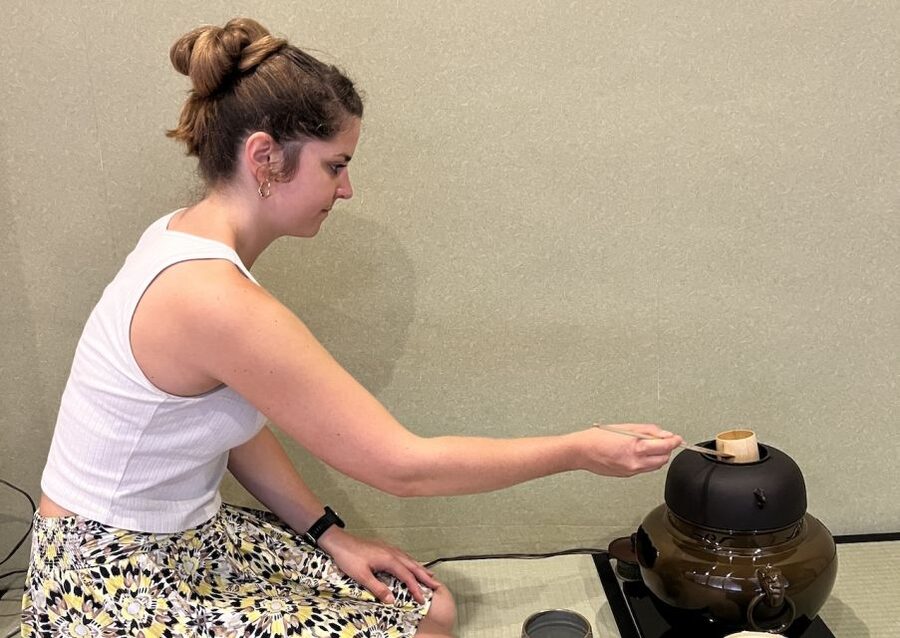
Tea ceremony rules are simple. They are also enforced, so take them seriously. The experience lists several things you cannot do:
- baby strollers and baby carriages are not allowed
- food is not allowed
- jumping is not allowed
- making noise is not allowed
That is a lot of “no,” but it is exactly why the room feels peaceful. If you are the type who likes quiet spaces, you’ll probably feel right at home. If you prefer lots of casual chatting and phone calls, this might feel strict.
Two other practical thoughts:
- Come on time for instructions. The venue indicates it can be difficult to find, and you do not want to rush at the entrance.
- Expect traditional floor seating. Since it is a tatami room, plan comfort in advance. Even if you tolerate floor sitting for a short period, you’ll appreciate it more if you do not wear anything restrictive.
Also, since the event is for English speakers, do not worry about needing Japanese phrases. The hosts are there to guide you. Just bring curiosity and a calm attitude, and you’ll get the most out of it.
Who should book this Osaka tea ceremony, and who should skip
This class is a good match if:
- you want a short, meaningful culture activity in Osaka
- you like hands-on learning more than watching
- you enjoy matcha and want to know how it is prepared
- you want a calm break from busy sightseeing streets
It can be a poor fit if:
- you need a baby stroller or baby carriage (these are not allowed)
- you cannot handle a quiet setting with strict rules
- you are traveling with children under the allowed age window
Age rules, clearly
The experience information says children aged 5 and above need their own ticket. It also says they may refuse entry if you accompany a child under the age of 5. If you are traveling with a child under 4, the info says to contact in advance.
So if you are traveling with kids, check the age exactly before you book.
Should you book this tea ceremony in Osaka?
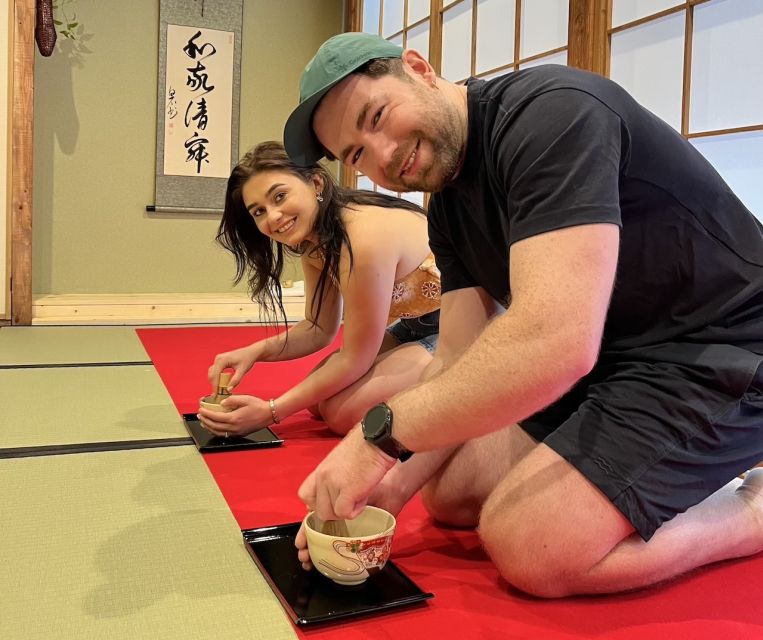
Book it if you want the kind of cultural experience that is calm, hands-on, and easy to fit into a day. The price includes matcha and sweets, you learn the meaning behind the ritual, and you actually make your own bowl using traditional tools. That combination makes it feel like more than a souvenir activity.
Skip it if you are bringing a stroller, if you need a very flexible, casual environment, or if you are not ready for tatami-style floor seating and quiet etiquette.
If you want one Osaka “slow down” moment that still feels educational and real, this tea ceremony is a strong choice.
FAQ
Where is the meeting point for the Osaka tea ceremony?
The meeting address is 大阪市中央区道頓堀1丁目東5-26, and it is on the second floor. You are advised to use Google Maps to search for tea ceremony osaka the osaka. The coordinates listed are 34.66885079999999, 135.5063291.
How long does the tea ceremony experience last?
The duration is 45 minutes.
How much does it cost per person?
It costs $25 per person.
What language will the instructor use?
The experience is hosted in English, and English audio is included.
What is included in the price?
The price includes the entrance fee, matcha (powdered green tea), and confections.
What happens during the 45 minutes?
You get a welcome and introduction to the meaning and history of the tea ceremony, a live demonstration of the tools and basic serving manners, then a hands-on portion where you make matcha yourself. After that, you drink your matcha and enjoy seasonal sweets.
Are kids allowed?
The information states that children under age 5 are not allowed, and children age 5 and above need their own ticket. If you have a child under 4, you should contact in advance.
What is not allowed during the experience?
Baby strollers and baby carriages are not allowed. Food is not allowed. You also cannot jump or make noise.
What is the cancellation policy?
Free cancellation is available up to 24 hours in advance for a full refund.
Do I need to pay right away to reserve?
You can reserve now and pay later, so you can keep plans flexible.
Kyoto by the Bowl

Newest Osaka write-ups from the Loving Japan desk
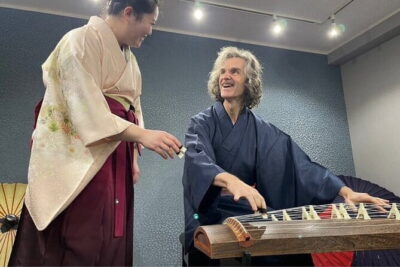


Kyoto Tea Ceremonies and Matcha, side by side.
 ★ 4.9Tea Ceremony in a Traditional Tea House in KiyomizuFrom $493,519 reviews
 ★ 4.9Tea Ceremony Ju-An at Jotokuji TempleFrom $293,207 reviews
 ★ 4.345-Minute Tea Ceremony Lesson ExperienceFrom $222,378 reviews
 ★ 5.0World Heritage Kyoto & Nara Uji Authentic Matcha ExperienceFrom $1291,573 reviews
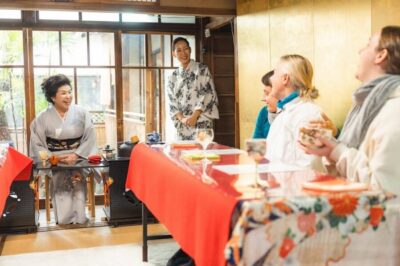 ★ 4.9Table-Style Tea Ceremony at a Kyo-MachiyaFrom $451,211 reviews
 ★ 4.8Kenrokuen Tea Ceremony ExperienceFrom $351,139 reviews
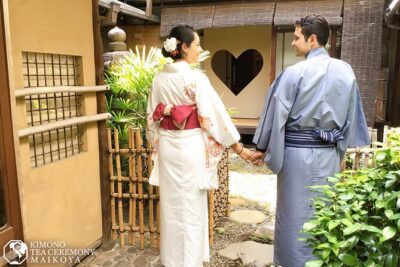 ★ 5.0Kimono Tea Ceremony at Kyoto Maikoya, NISHIKIFrom $65911 reviews
 ★ 5.0Arashiyama Bamboo Forest, Monkeys, Matcha & Temple TourFrom $53759 reviews
Filed on these lists too