
REVIEW · MOUNT FUJI DAY TRIPS
Japan’s Best Mount Fuji Tour
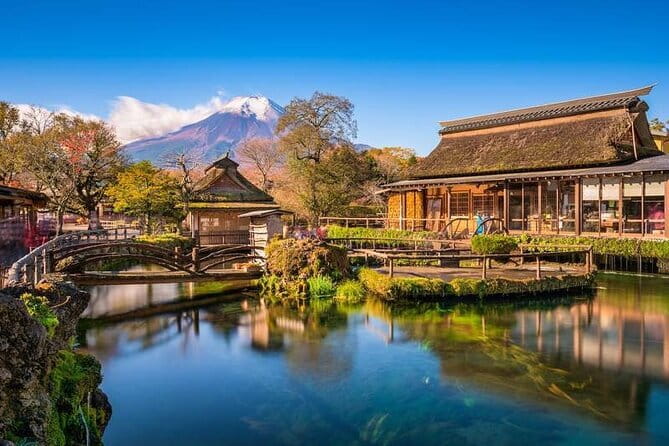
Mt. Fuji season runs on a tight timetable. This tour strings together spring cherry-blossom scenery and classic Mount Fuji lookouts around Shinjuku, with a full day rhythm that feels easy to follow. I like the built-in time at Arakurayama Sengen Park for skyline and Fuji views, and I also like the Honcho Street walking window in Fujiyoshida with time set aside for lunch. The one big consideration: on some days, Mount Fuji can be frustratingly hard to see due to weather and crowds.
What makes this trip feel worth it is how the day is handled once you’re on board. A past guest highlighted a guide named Sam, plus a very polite, helpful bus driver, and that matches the overall vibe here: you get clear handoffs, enough time at stops, and an itinerary designed for first-timers who do not want to plan transit. The tour also includes entrance to Saiko Iyashi no Sato Nenba, a healing-style village stop that adds more than just photos.
In This Review
- Key things to know before you go
- Starting in Shinjuku, the easy way to reach Fuji
- Arakurayama Sengen Park: your best skyline odds
- Fujiyoshida Honcho Street: where lunch becomes part of the experience
- The Mount Fuji viewpoint stop: short, but focused
- Oishi Park in April to June: lake views plus seasonal flowers
- Saiko Iyashi no Sato Nenba: the Healing Village you walk through
- Price and logistics: what you’re truly paying for
- Bus rules, cash-only places, and shoes that save your day
- Is the guide quality the real win? In this case, yes
- Who should book this Mount Fuji day trip from Shinjuku?
- Should you book Japan’s Best Mount Fuji Tour?
- FAQ
- Where is the meeting point for this tour?
- What time should I arrive for pickup?
- How long is the tour?
- Is lunch included in the price?
- How many people are in the group?
- Are any entrance fees included?
- Does the tour pick you up from your hotel?
- Do I need cash?
- What footwear should I wear?
- Can I get a refund if I cancel?
Key things to know before you go
- Small-group feel (max 8 per booking): Join-in tour, so you may share the day with people from other bookings.
- Shinjuku is the hub: You meet at Kogakuin University Shinjuku Campus and return there.
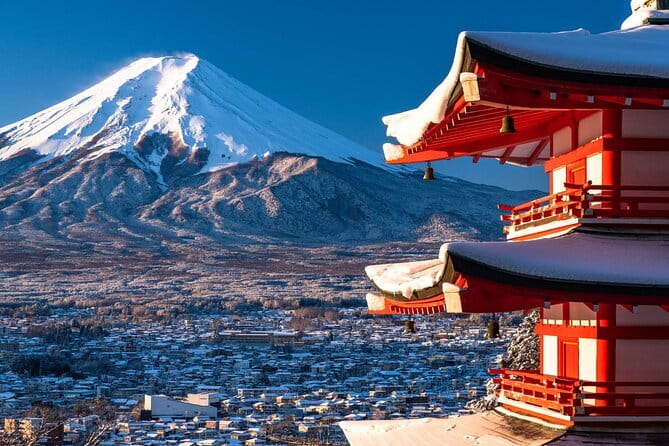
- Panoramic viewpoints early: Arakurayama Sengen Park is your first real Mount Fuji setting.
- Fujiyoshida walking time: Honcho Street is where your lunch plans actually work.
- Oishi Park depends on the month: It’s only included as a stopover for April to June departures.
- Cash matters: Many Mount Fuji area spots accept cash only, so carry enough yen.
Fuji from Tokyo: the other approaches
- Mt Fuji and Hakone 1-Day Bus Tour Return by Bullet Train
★ 5.0 · 26,383 reviews - Mt Fuji & Hakone Cruise, Drum Show Bullet Train 1 Day from Tokyo
★ 4.0 · 7,413 reviews - Tokyo Mt Fuji 5th St & Hakone Cruise Bus Tour w/Bullet Train
★ 4.4 · 5,024 reviews - From Tokyo: Mount Fuji Full-Day Sightseeing Trip
★ 4.5 · 4,970 reviews
Starting in Shinjuku, the easy way to reach Fuji
This trip is built around one clear starting point in Tokyo: Kogakuin University Shinjuku Campus. You’ll meet near the West Exit area of Shinjuku, using the Central West Exit (underground) route, then walk outside toward the Tokyo Metropolitan Government Building direction, and look for the campus across from the Keio Plaza Hotel area.
The tour has you at the meeting point at 8:20 with a scheduled start around 8:30. That is not “arrive whenever” timing. Plan to be there about 10 minutes early, because the bus departs on time, and if you miss that first handoff, catching up can turn into a stressful problem in a foreign city.
One practical advantage here is how the meeting point is near public transportation. You are not dealing with a complicated hotel pickup or a timed taxi roulette. If you are staying in central Tokyo, this structure reduces the chance of your whole day going sideways.
Also, you are looking at a 7 to 8 hour day. That is long enough to feel like a real trip, but not so long that you are at risk of burnout. If you want Mount Fuji views without spending hours figuring out trains and buses, this is the kind of day-trip setup that works.
Arakurayama Sengen Park: your best skyline odds
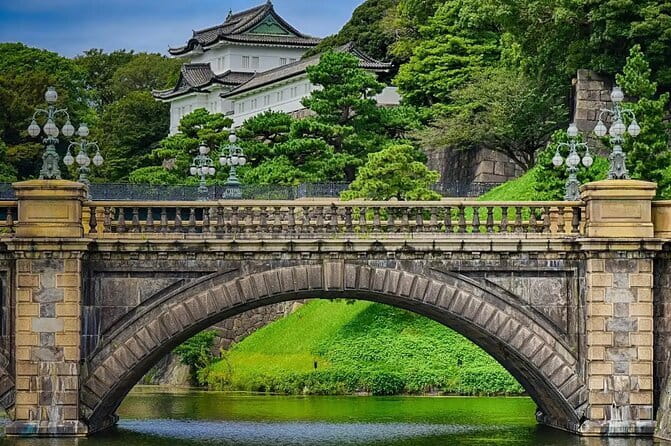
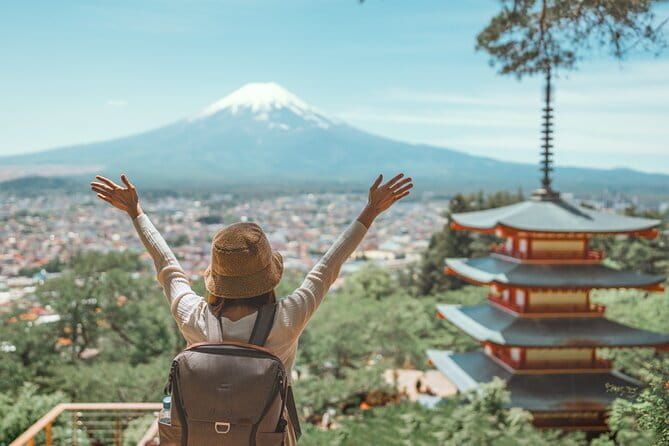
Your second stop is Arakurayama Sengen Park. The pickup happens in front of Kogakuin University Shinjuku Campus, and you depart around 8:30. This stop lasts about 1 hour, and the big promise is a panoramic view of the city with Mount Fuji.
This is the moment where spring magic can look its best. If the sky cooperates, you get a wider sense of how Fuji sits above the urban edges. If the weather is not cooperating, you still get a strong vantage point, and you are not wasting the day sitting inside.
It is also where crowds can become real. In one case, a guest noted that the later pagoda view was hard to see because of crowding. That is not a reason to skip the stop, but it is a reason to arrive early inside your hour and not wait until the last minute for photos.
The good news is you are not rushed through the stop. The overall feedback points to guides providing enough time at each location, as long as everyone keeps to the schedule. If you want an efficient day trip, that timing discipline matters more than people think.
Fujiyoshida Honcho Street: where lunch becomes part of the experience
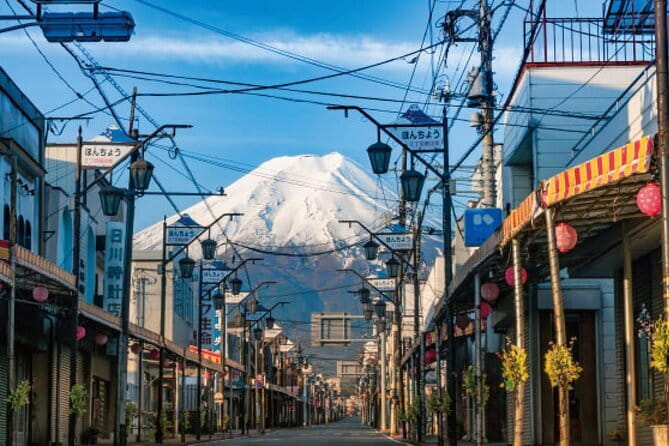
Next comes Fujiyoshida, with a stroll through Honcho Street. You get about 90 minutes for lunch, inside a larger 2 hour block for the area. That matters because it means you are not just dropped off and left to solve your meal plans with no breathing room.
Honcho Street is the practical heart of the stop. It is where you can walk, browse, and pick something that fits your appetite and your cash situation. Since lunch is not included, you are choosing your own meal, and that makes it more flexible for dietary needs and preferences.
Because the bus has rules about eating and drinking (and talking loudly) during travel, this lunch window is your real chance to pause and refuel. The bus rules are there as a COVID-era measure, but the effect is simple: your snack time lives on the street stops, not on the bus.
Also, remember the tour guidance about shoes. You will be walking, and Honcho Street is not a sit-and-watch kind of stop. Comfortable footwear keeps you moving comfortably, and it helps you enjoy the streets instead of just enduring them.
If you care about a classic “Japan street atmosphere” day, this stop gives you that texture. If you only care about Fuji photos, you might think this is filler, but in practice, it is where the day feels human. It turns the tour from a transport bundle into a real outing.
- Mt Fuji and Hakone 1-Day Bus Tour Return by Bullet Train★ 5.0 · 26,383 reviews
- 1-Day Tokyo Bus Tour★ 5.0 · 14,250 reviews
- Tokyo: teamLab Planets TOKYO Digital Art Museum Entry Ticket★ 4.6 · 9,779 reviews
- Mt Fuji & Hakone Cruise, Drum Show Bullet Train 1 Day from Tokyo★ 4.0 · 7,413 reviews
- Tokyo Mt Fuji 5th St & Hakone Cruise Bus Tour w/Bullet Train★ 4.4 · 5,024 reviews
The Mount Fuji viewpoint stop: short, but focused
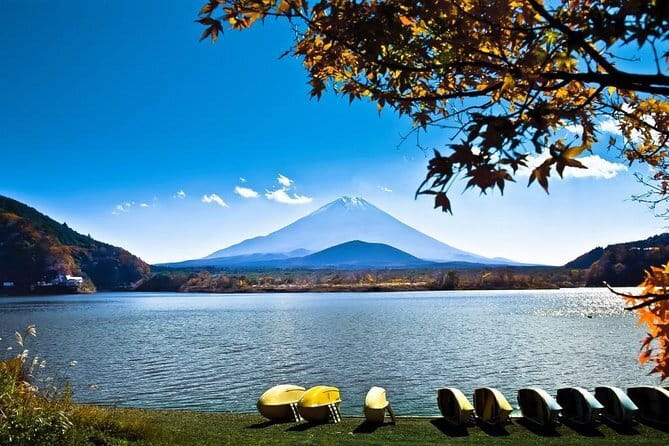
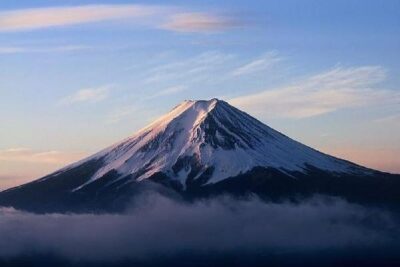
After Fujiyoshida, you get a Mount Fuji stop. It is only about 30 minutes, and it is marked as admission free. Think of this stop like a quick reset and a check of the skies.
On a clear day, a 30-minute Fuji moment can be enough to get satisfying photos and feel that atmosphere people chase when they come to Japan in spring. On a hazy or cloudy day, you are not going to suddenly fix the weather by staying longer. That is why the earlier Arakurayama vantage is so important, and why this stop stays shorter.
A past guest specifically mentioned that Mount Fuji was totally invisible at times. The takeaway for you is not to panic. It is to treat the itinerary as a set of best-effort views rather than a promise. When you arrive prepared and keep your expectations flexible, you still get a good day because multiple stops are designed around different ways to see Fuji and the surrounding scenery.
Oishi Park in April to June: lake views plus seasonal flowers
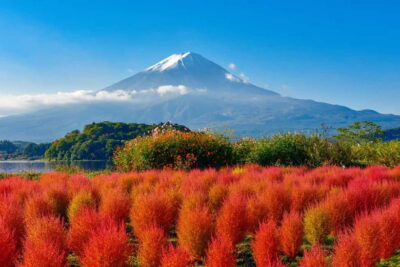
Oishi Park is included only for departures from April to June. For those dates, the stop runs about 1 hour, and you also have a note that the stop is for around 40 minutes in the park area overlooking Lake Kawaguchi with Mount Fuji and seasonal flowers.
This is the “lake angle” part of the day. If you love the idea of Fuji reflected or framed in the context of water and flowers, this is the stop that adds that variety. Without Oishi Park, your day still hits other Fuji lookouts, but you lose one of the best chances to see Fuji as part of a broader natural-and-seasonal scene.
If your travel date is outside April to June, you simply will not have this stop. The itinerary can shift for seasonal schedules, and the tour information also notes that stopovers may be shortened or canceled depending on weather and traffic.
My practical advice: before you go, check your departure month and mentally map your expectations. If you are traveling in April to June, you can look forward to Oishi Park. If not, focus on the Fujiyoshida and Arakurayama parts for your main Fuji moments.
Saiko Iyashi no Sato Nenba: the Healing Village you walk through
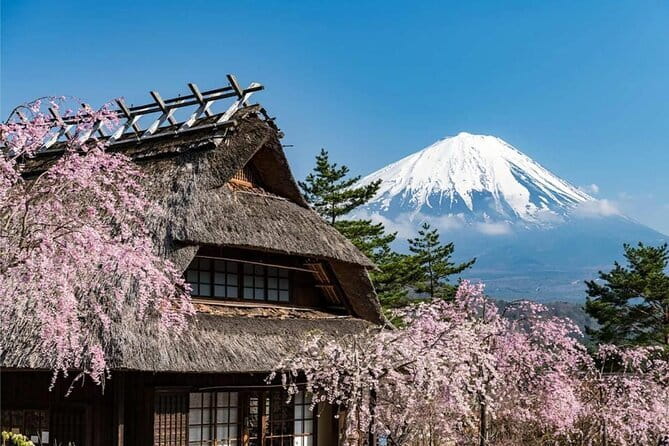
One of the most clearly “worth it” stops is Saiko Iyashi no Sato Nenba, the Healing Village. It runs about 1 hour and the entrance is included.
This stop is not just about distance views. It is about stepping into a nostalgic-style village setting, which changes the pace from photo hunting to slower wandering. It is the kind of place that can feel comforting after a day of travel on the road out of Tokyo.
A guest who mentioned this stop also paired it with the pagoda experience, and their comment suggested it landed as more than a token stop. That matches how these heritage-style village stops work: when you actually have time to move through the lanes and take in the atmosphere, it becomes part of the story of the day, not an extra checkbox.
Because it is an included entrance, you also avoid the “do we pay at the gate?” uncertainty that can happen in some day trips. You still might spend money on snacks or small purchases, but you are not carrying an extra entry fee expectation.
If you want a balanced mix of views plus culture, this is your anchor stop.
Price and logistics: what you’re truly paying for
The tour price is $77 per person. That is a fair fit for a day trip that covers transportation from the meeting point, toll and parking fees, consumption tax, and at least one paid entrance (Saiko Iyashi no Sato Nenba). You are also getting a structured sequence of viewpoints and walking areas, plus a guide to help you keep track of timing.
The biggest “value” detail is that it is designed to reduce the hassle factor. Mount Fuji area travel can be simple when you plan well, but it becomes time-consuming when you do not. Paying for the bus and schedule makes sense if your time in Tokyo is limited.
This tour is also capped at a maximum of 8 travelers per individual booking. That matters because smaller groups usually move more efficiently. The day is still a join-in tour, so you may share with other bookings, but the overall cap keeps it from turning into a huge cattle car experience.
Timing is also part of the deal. With a 7 to 8 hour window and set stops, you are not left guessing how long everything will take. The tradeoff is that the schedule can change due to road conditions and congestion, and stop durations may be shortened.
One more realism note: the tour is non-refundable and cannot be changed for any reason. If you are booking far in advance, that is still normal for this type of trip, but it means you should only commit when your plans are firm.
Bus rules, cash-only places, and shoes that save your day
A few small rules here can decide whether you enjoy the day or constantly feel rushed.
First, bring enough yen. The tour notes that many Mount Fuji area spots accept cash only. That affects lunch, snacks, and small souvenirs. If you only carry a card, you might find yourself skipping the places that do not take it.
Second, wear comfortable walking shoes. Even though this is a day trip, you will walk at multiple stops, and there is some hiking involved. “Moderate physical fitness” is the phrase used, so if you have mobility limits, you should evaluate your comfort with uneven ground and steps.
Third, know the bus etiquette rules. Eating and drinking on the bus, including snacks, and talking in a loud voice are prohibited as a prevention measure. The main impact is that your food plans live at Fujiyoshida and other stops, not during the drive.
Finally, plan for schedule adjustments. The tour information explains that stop durations may shorten because of traffic and road conditions, plus there is a working-hours law for bus drivers effective April 1 that can affect what is possible during congestion.
If the return trip is delayed and you have to take a taxi or require an overnight stay, the tour notes that there is no compensation. That is not meant to scare you, but it is a reason to keep your end-of-day plans flexible.
Is the guide quality the real win? In this case, yes
One of the strongest positives tied to this tour is the way it is led. A guest praised a guide named Sam for in-depth knowledge of Japanese culture and for conversing well in English. They also praised a polite bus driver who helped throughout the day.
That matters because Mount Fuji days can turn into a guessing game when the weather changes. A good guide helps you manage expectations, stay on schedule, and make sure you understand what you are seeing. It also helps you find the right meeting points inside busy areas, which keeps you from getting separated.
There is also an emphasis on timing. Another guest said the itinerary was awesome and the key “bad” complaint was not true in their view, with the point that being on time makes the experience smoother. That is practical: the day is tight, stops have set durations, and waiting for late people adds stress for everyone.
If you like a day trip where you can focus on sights instead of navigation, this tour has the ingredients for that. The guide quality can be the difference between seeing Fuji, versus spending the day feeling lost.
Who should book this Mount Fuji day trip from Shinjuku?
This tour is a good match if you want a structured Mount Fuji experience without planning routes. It is also a smart option if you want a spring-season day that combines Fuji lookouts with a street-walking stop and a heritage village.
It works well for first-timers in Japan who prefer clear timing, a set meeting point, and included entrances like Saiko Iyashi no Sato Nenba. The small group cap per booking also helps if you dislike huge group energy.
You might consider other options if you need maximum control of your schedule, because the tour can shorten stops due to congestion and weather. You should also be aware that if Mt Fuji is hidden that day, you cannot force visibility with a longer stay. This itinerary still keeps multiple viewing opportunities in play, but it is still a mountain and weather is weather.
Finally, be honest about walking and steps. The tour calls for comfortable shoes and moderate physical fitness, so if you prefer mostly flat walking, you may feel the pace.
Should you book Japan’s Best Mount Fuji Tour?
Book it if you want an efficient, guided spring day from Tokyo that balances Fuji viewpoints, Fujiyoshida street time, and the included Healing Village stop. The $77 price feels reasonable because you get transportation plus key included admissions, and the day is built to minimize planning stress.
Skip or reconsider if you cannot handle schedule changes, you dislike crowds at popular viewpoints, or you are traveling with strict timing constraints at the end of the day. If you go in with the right expectations, especially around possible cloud cover, you’ll likely come away feeling like you used your Tokyo time well.
FAQ
Where is the meeting point for this tour?
You meet at Kogakuin University Shinjuku Campus, 1-chōme-24-2 Nishishinjuku, Shinjuku City, Tokyo.
What time should I arrive for pickup?
The tour asks you to arrive at the designated location about 10 minutes prior to departure. The meeting time listed is 8:20 am, and the scheduled start is 8:30 am.
How long is the tour?
The duration is about 7 to 8 hours.
Is lunch included in the price?
No. Meals are not included, but there is about 90 minutes set aside for lunch in Fujiyoshida.
How many people are in the group?
The tour has a maximum of 8 travelers per individual booking. It is a join-in tour, so you may share the group with guests from other bookings.
Are any entrance fees included?
Yes. Admission is included for Arakurayama Sengen Park and for Saiko Iyashi no Sato Nenba. Oishi Park is also included as a stopover for April to June departures.
Does the tour pick you up from your hotel?
No. Hotel pickup and drop off are not included, and the tour starts and ends back at the meeting point.
Do I need cash?
You should plan on carrying enough yen because many Mount Fuji area spots accept cash only.
What footwear should I wear?
Wear comfortable walking shoes, since there will be some hiking and walking.
Can I get a refund if I cancel?
No. The experience is non-refundable and cannot be changed for any reason.
Mount Fuji, Three More Ways


Newest Tokyo write-ups from the Loving Japan desk






Mount Fuji Day Trips, side by side.
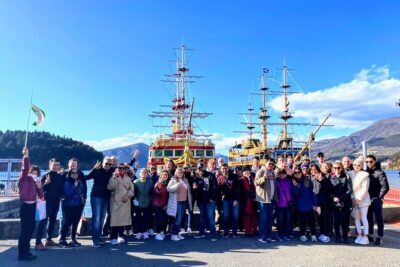 ★ 5.0Mt Fuji and Hakone 1-Day Bus Tour Return by Bullet TrainFrom $16326,383 reviews
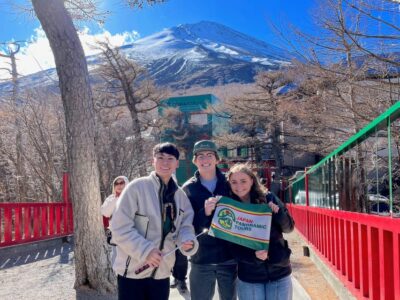
 ★ 4.0Mt Fuji & Hakone Cruise, Drum Show Bullet Train 1 Day from TokyoFrom $1497,413 reviews
 ★ 4.4Tokyo Mt Fuji 5th St & Hakone Cruise Bus Tour w/Bullet TrainFrom $1545,024 reviews
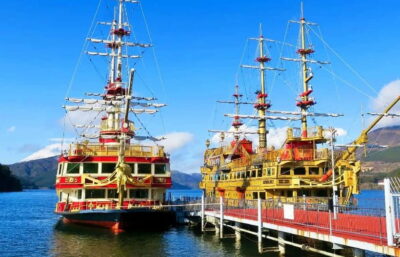
 ★ 4.5From Tokyo: Mount Fuji Full-Day Sightseeing TripFrom $684,970 reviews
 ★ 4.7Mt. Fuji Tour, Hakone Ropeway, Owakudani, Lake AshiFrom $544,002 reviews
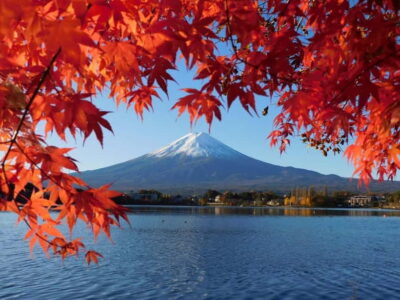 ★ 4.4Mt.Fuji,Kawaguchiko Oishi Park,Arakurayama Sengen ParkFrom $542,682 reviews
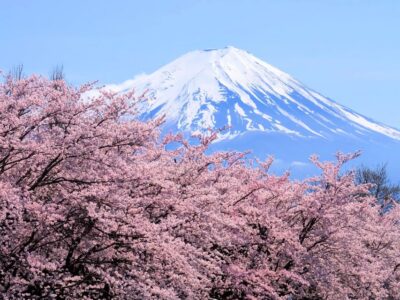 ★ 4.2Mt. Fuji 5th Station & Hakone Cruise 1-Day Bus TourFrom $1292,381 reviews
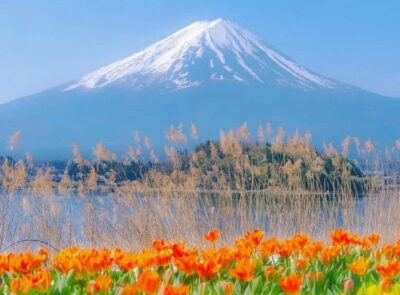 ★ 4.7Mt Fuji Top 5 Spots Day Tour: Arakurayama Park,Oshino HakkaiFrom $532,066 reviews
Filed on these lists too