
REVIEW · FUKUOKA, BEPPU AND KYUSHU
Kagoshima Nature and Food Culture Private Tour
Shochu meets volcano farming in Kagoshima. This private food culture day pairs a Sakurajima ferry with hands-on time around volcanic-ash grown crops, then finishes at a distillery and a pottery studio focused on tableware that fits real meals.
I especially love the way the day teaches you through people, not lectures. From farm conversations over tea and snacks (including radish-focused treats some guests call out), to seeing how local makers treat ingredients and time, it feels human. The other big win is the shochu blending experience at Wakashio Shuzō, plus the chance to wrap up with Satsuma ware from a studio shop. One consideration: lunch isn’t included, so you’ll need to plan your own meal stop.
In This Review
- Key highlights to look forward to
- Why Kagoshima food culture tastes like volcano soil
- Meeting at Kagoshima Chuo Station and planning your 9-hour rhythm
- Sakurajima ferry boarding, Tarumizu Yuttarikan, and that eruption-era connection
- Farmland Sakurajima: circular farming, tea time, and radish culture
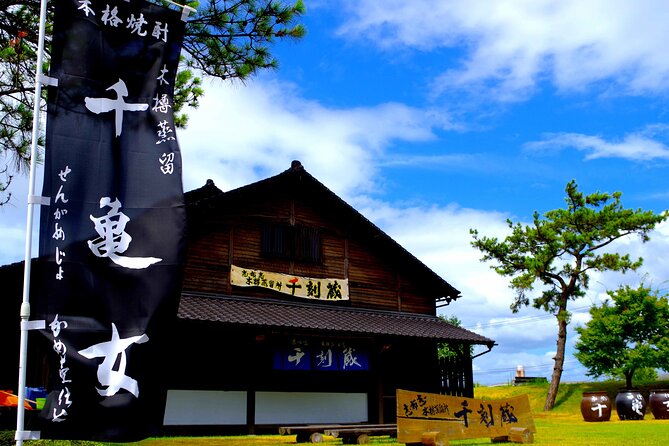
- How Kagoshima turns ingredients into shochu at Wakashio Shuzō
- Blending your own shochu, tasting the logic, and taking it home
- RYUMONJIYAKI pottery stop: Satsuma ware tableware that fits food
- Price and value: what you get for $534.77 per person
- Who this Kagoshima food culture tour suits best
- Should you book this tour?
- FAQ
- Where do we meet for the tour?
- How long is the tour?
- Is lunch included?
- What happens if the weather is bad at Sakurajima?
- Can I take the shochu I blend home?
- Is this a private tour?
- What should I do with luggage?
- When will I receive confirmation after booking?
- Can I cancel and get a refund?
Key highlights to look forward to
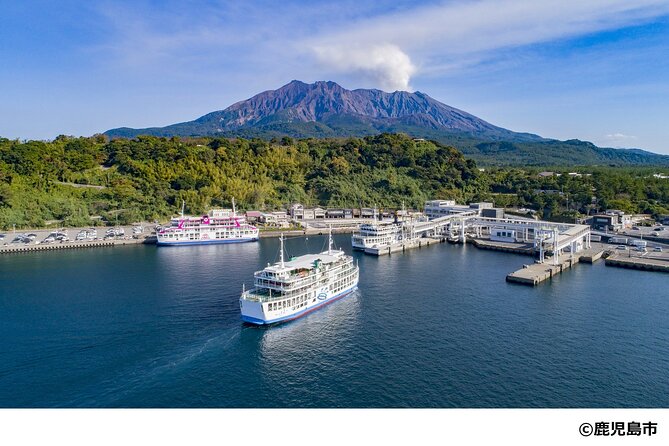
- Sakurajima ferry time: quick, scenic boarding to an active-volcano backdrop
- Farmland Sakurajima culture swap: conversation and tasting tied to circular farming
- Wakashio Shuzō shochu blending: make your own and learn how shochu comes together
- Satsuma ware for the table: pick up food-friendly ceramics right next to the pottery studio
- Local, ingredient-first focus: radish cultivation, regional agriculture, and spirits all connect
Around Kyushu, from the city to the hot-spring towns
- Sakurajima Century Lava Climb Journey with E-bike
★ 5.0 · 54 reviews - Kagoshima Private & Custom Tour with Licensed Guide and Vehicle
★ 5.0 · 29 reviews - Sakurajima Century Lava Climb Journey with E-bike
★ 4.9 · 27 reviews - Discover the Wonder of Sakurajima Half Day Tour in Kagoshima
★ 4.8 · 24 reviews
Why Kagoshima food culture tastes like volcano soil
Kagoshima’s food identity is not accidental. The region’s soils are tied to volcanic activity, including volcanic ash from Sakurajima and the Kirishima Mountains, and that shows up in how local farmers grow crops and what foods become everyday favorites.
Add in the sea side of Kagoshima, including Kinko Bay, and you get a place that grew strong flavors from land and water working together. Then there’s the maritime trade history, which helped bring in new ideas and ingredients over time, shaping cooking habits, drinking culture, and what people consider normal at the table.
This tour is built around that whole system. Instead of only tasting dishes, you’ll see the raw materials and the makers behind them: crops grown with local environmental methods, a distillery approach to alcohol, and ceramics designed for serving food.
Meeting at Kagoshima Chuo Station and planning your 9-hour rhythm
You start at Kagoshima Chuo Station, East Exit, Station Square Tourist Information Center (37-1 Chūōchō). The start time is 8:50 am, and the total day runs about 9 hours, including travel.
The itinerary on paper totals about 3 hours 30 minutes of on-site time. The rest is moving around Kagoshima and getting to Sakurajima by ferry. That matters because this is a “do a lot, learn a lot” day, not a slow sightseeing stroll.
Even though this is a private tour (only your group participates), some included experiences may be shared with other customers. So think of it as private in guiding and pacing, shared in the basic operations of attractions.
Also, the order and arrival times can shift due to road conditions and congestion. That’s normal in Japan, especially with a ferry stop and an active-volcano island in the mix.
Sakurajima ferry boarding, Tarumizu Yuttarikan, and that eruption-era connection
Your first move is the ferry boarding to Sakurajima (about 20 minutes, ticket included). It’s a short crossing, but it sets the mood fast. You’re headed into an area known for living with an active volcano, and the water route makes that feel immediate.
After the volcano setting and farming stop, you’ll also touch Tarumizu Yuttarikan at a roadside station. This stop runs about 45 minutes and is free. Tarumizu has a special historical link to Sakurajima because the area became connected after a major eruption in the past.
Practical takeaway: this is a good breather stop. You’ll have a moment to reset before the day shifts gears from agriculture and snacks to spirits and ceramics.
- Port Pick-Up: Kagoshima Private Tour Licensed Guide & Vehicle★ 4.5 · 22 reviews
- Kagoshima Full-Day Private Tour with Government-Licensed Guide★ 5.0 · 21 reviews
- Kagoshima Highlights Private Tour, Sakurajima Volcano and more★ 5.0 · 20 reviews
- Kagoshima-city Sightseeing spot Private Tour★ 5.0 · 16 reviews
- Kagoshima Nature and Food Culture Private Tour★ 5.0 · 15 reviews
Farmland Sakurajima: circular farming, tea time, and radish culture
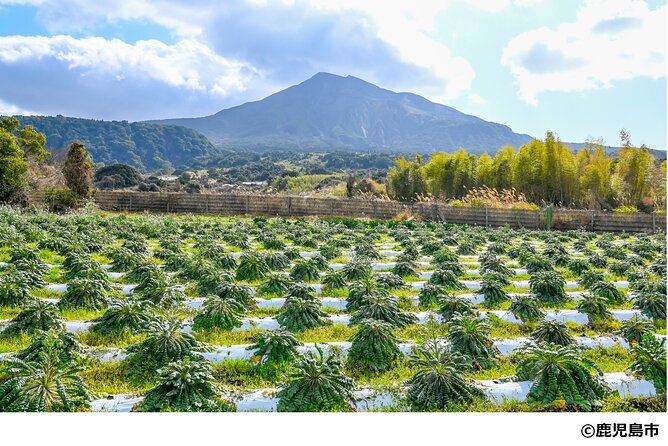
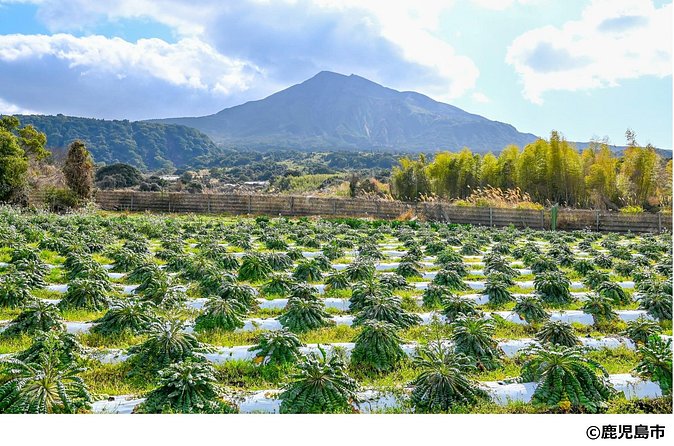
The heart of the agriculture portion is Farmland Sakurajima. It’s about 1 hour, ticket included, and it’s described as a rare farm located at the foot of an active volcano.
What I like about this stop is that it focuses on coexistence with nature. The farming approach uses a regional circular method that works with local environmental conditions. In plain terms, you’re not just seeing “what grows.” You’re seeing how a place tries to keep the whole system balanced.
You also get that conversation element. Several guests talk about meeting people and learning about agriculture while enjoying sweets, tea, and bread, plus radish-centered treats like radish powder cake. One review even calls out the big radish as a standout moment, which fits what you’d expect from a farm known for showcasing its produce.
If weather turns, don’t stress. The farmland experience may shift indoors to a cafe on the premises for comfort. That’s helpful because you keep the learning and tasting portion even when you can’t enjoy the outdoor setting.
Why this matters for your day: if you’re the kind of traveler who likes to understand where flavors come from, this stop gives you the ingredient logic behind Kagoshima’s food culture. You’ll leave with a clearer idea of what local farmers pay attention to, and why radish (and other crops) isn’t just a side note here.
How Kagoshima turns ingredients into shochu at Wakashio Shuzō
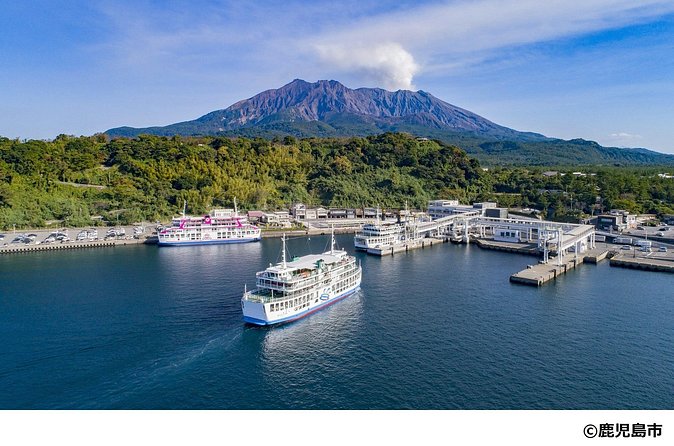
Next comes the drinking culture lesson at Wakashio Shuzō (about 1 hour, ticket included). Kagoshima is known as the kingdom of shochu, with over 100 breweries and more than 2,000 brands in the prefecture.
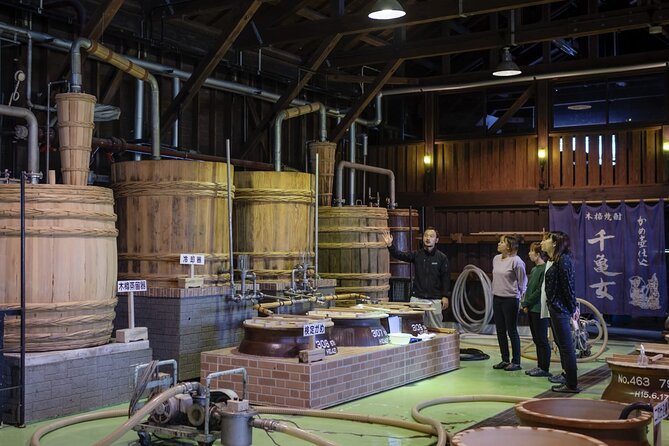
This stop isn’t only about buying bottles. It’s about seeing the distillery setting and learning how shochu is produced and handled. One guest specifically mentions learning how alcohol is preserved in the distillery, which is the kind of detail you don’t get from a standard tasting room.
Then you get the part that most people remember: shochu blending. You’ll make an original blend as part of the experience. That’s a fun switch from earlier stops because it turns knowledge into something you can take away in liquid form.
You should know the practical souvenir rule. Shochu you blend may be taken home in a 720 ml bottle per person. Alcohol import rules vary by country, so check what your home country allows before you pack it.
Also, language matters here. Your tour includes a National Government Licensed English Guide Interpreter fee, so you get explanations in a way that makes the production process easier to follow. If you’re not fluent in Japanese, that support is a real value.
Blending your own shochu, tasting the logic, and taking it home
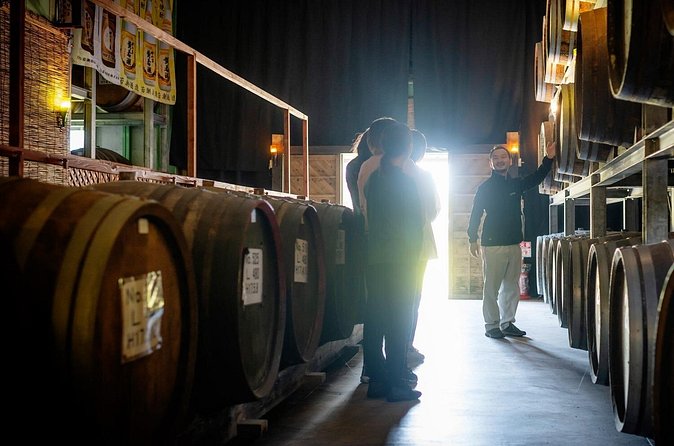
The shochu blending time is where the tour earns its “food and culture” label. You’re not just sampling what’s already made. You’re participating in the decision-making process, which makes the lessons from earlier stops feel connected.
Earlier, you learn about crops and regional methods. At the distillery, you see how those regional ingredients and local production habits turn into something people drink daily.
From the reviews, you can expect the tasting and explanation to cover more than one aspect of local alcohol culture. Some guests mention learning about alcohol types and even tasting things beyond straight shochu, like fruit or other locally made wines. Since the exact lineup isn’t spelled out in the tour details, think of this as a possibility rather than a guarantee. Still, the overall focus is clear: alcohol as a product of place.
When the day ends, your blended bottle becomes a souvenir with a story. It’s not just a label. It’s your choices, your blend, and the link to Kagoshima’s production culture.
RYUMONJIYAKI pottery stop: Satsuma ware tableware that fits food
The final leg is at RYUMONJIYAKI POTTERY, a direct sales shop right next to a pottery studio. The visit is about 20 minutes and admission is free.
This is where the day connects cooking and culture to what you actually eat from. Kagoshima’s Satsuma ware is famous, and this stop is designed around that idea of tableware that goes well with food.
I like ending here because ceramics are a quieter kind of local pride. You don’t have to translate a wall of text, and you can see the practical purpose of design. If you enjoy dining with intention, you’ll likely appreciate how tableware shapes the mood of a meal.
Also, because it’s a studio-adjacent shop, the connection to production feels more direct than typical tourist-only stalls. Even in a short stop, you get the sense that these pieces come from working potters, not only importers.
Price and value: what you get for $534.77 per person
At $534.77 per person, this is not a budget day. But it’s also not “pay for a generic ride.”
Your price covers a licensed English interpreter guide fee, plus other admission and experience fees and transportation costs. That matters on a day like this where the costs add up quickly: ferry access, farm entry, distillery experience, and the pottery stop.
Two other value points make a difference. First, the day is structured around themed learning, agriculture to spirits to ceramics, so your time doesn’t feel scattered. Second, it’s private as an activity, meaning only your group participates, even if individual experiences may have shared timing.
The one cost you should expect to pay separately is lunch, since it isn’t included. You can have lunch at the Tarumizu roadside station, but you’ll pay for it yourself.
If you’re traveling as a couple or small group and you care about food culture, spirits, and locally made tableware, this price can feel fair because it’s mostly “experiences and guided access,” not just sightseeing.
Who this Kagoshima food culture tour suits best
This tour is a strong fit for you if you want a focused day with real context. You’ll enjoy it most if you like learning how everyday foods and drinks are made, and you don’t mind a schedule that moves.
It’s also a good choice if you enjoy talking with people. The farm portion stands out in reviews for warm conversation over tea and snacks, including radish-focused treats and a sense of local hospitality.
Food and drink lovers, ceramics fans, and travelers who want souvenirs with meaning will likely find this tour satisfying. If your priority is big landmark sightseeing all day, you might feel you want more time outside of the food-and-makers theme.
One more practical note: suitcases can’t be brought during the tour. Plan to leave them in a locker or with your hotel before you start.
Should you book this tour?
Book it if you want a day that connects Sakurajima agriculture, Kagoshima shochu production, and Satsuma ware tableware into one coherent story. The price may look high, but a lot of it goes to admissions, guided explanation in English, and transportation, and that makes the day feel efficient.
Skip it if lunch included is non-negotiable for you, or if you prefer half-day tours with lots of open time. This is a full-day experience with limited loose time, and you’ll manage your own meal stop.
If you’re flexible and excited by how ingredients, spirits, and ceramics reflect place, this is the kind of Kagoshima day trip that can stick with you long after the bottle is gone.
FAQ
Where do we meet for the tour?
You meet at Kagoshima Chuo Station, East Exit Station Square Tourist Information Center, address 37-1 Chūōchō, Kagoshima, 890-0053, Japan. The start time is 8:50 am.
How long is the tour?
The tour runs about 9 hours in total, including travel time. The on-site part of the schedule totals about 3 hours 30 minutes.
Is lunch included?
No, lunch is not included. You’re free to eat lunch at Tarumizu Roadside Station, and you pay for it yourself.
What happens if the weather is bad at Sakurajima?
The farmland experience at Farmland Sakurajima may be held in the indoor cafe on the premises due to inclement weather. This helps keep the experience on schedule.
Can I take the shochu I blend home?
Yes. Shochu made by customers during the shochu blending experience may be taken home in a 720 ml bottle per person. Alcohol bring-in rules vary by country.
Is this a private tour?
Yes. This is described as a private tour or activity, and only your group participates. Some included experiences may still be shared with other customers.
What should I do with luggage?
Suitcases cannot be brought during the tour. Leave them in a locker or at your hotel before participating.
When will I receive confirmation after booking?
Confirmation is received within 48 hours of booking, subject to availability.
Can I cancel and get a refund?
Yes. Cancellation is free if you cancel up to 24 hours before the experience’s start time for a full refund. If you cancel less than 24 hours before, the amount paid is not refunded.
Around Kyushu
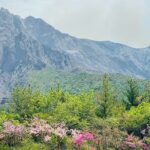
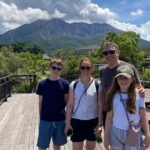
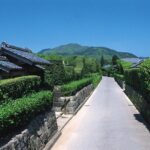

Newest Kagoshima write-ups from the Loving Japan desk
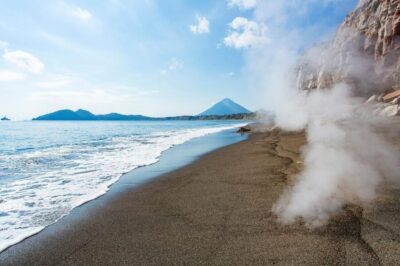
Fukuoka, Beppu and Kyushu, side by side.
 ★ 5.0Ultimate Sumo Tournament: Tokyo, Osaka, Nagoya, FukuokaFrom $184468 reviews
 ★ 4.6From Fukuoka: Miyazaki, Takachiho Gorge and Shrines Day TourFrom $50233 reviews
 ★ 4.8Takachiho Gorge & Scenic Railway One Day TourFrom $44178 reviews
 ★ 5.0Private Fukuoka Tour with a Local, Highlights & Hidden Gems 100% PersonalisedFrom $66143 reviews
 ★ 5.0Fukuoka Your Way: 100% Customisable Private Tour with Local GuideFrom $5983 reviews
 ★ 4.6From Fukuoka: Mount Aso, Kurokawa Onsen, and Shrine TourFrom $5072 reviews
 ★ 4.5Day Tour to Miyazaki Takachiho Gorge & Shrine depart from FukuokaFrom $9961 reviews
 ★ 5.0Fukuoka Full-Day Private Tour with Government Licensed GuideFrom $15555 reviews
Filed on these lists too