
REVIEW · FUKUOKA, BEPPU AND KYUSHU
Kagoshima Private & Custom Tour with Licensed Guide and Vehicle
Sakurajima feels closer with a private guide. This is a fully customized Kagoshima day in a licensed, air-conditioned vehicle with an English-speaking licensed guide, plus flexible pickup and drop-off at ports, hotels, or train stations. You tell the pace, your guide builds the route around your interests, and you are not mixed with other groups.
I love that the tour is built for real time, not a checklist. In a single morning-to-evening window, you can shift from Satsuma culture and crafts to volcano viewpoints, and your guide can adjust when you need food, rest, or extra browsing. The main catch is that not everything is included, so admissions and ferry-related costs can add up, especially if you choose more ticketed sites.
In This Review
- Key things to know before you go
- A custom Kagoshima day that actually fits your pace
- Pickup, communication, and how you handle extra costs
- Sengan-en to Ijinkan: Satsuma power, glass, and modernization
- Castle Mountain and Kagoshima’s city rhythm: Shiroyama, a huge gate, and Tenmonkan
- Sakurajima day plan: visitor center, public footbath, and Yunohira views
- Saraku sand baths and the Chiran Peace Museum impact
- Kirishima stops that pair spirituality, art, and craftsmanship
- Mars Tsunuki Distillery: the easy, fun finish
- Price and value: what you really get for about $626
- Who should book this custom Kagoshima tour
- Should you book it?
- FAQ
- Is this tour private and customized?
- How long is the Kagoshima private tour?
- Does the price include pickup and drop-off?
- Are admissions included for museums and attractions?
- Are Sakurajima ferry fees included?
- What’s included in the tour cost?
- What extra costs might I need to plan for?
- What if the weather is bad?
- Is the sand bath experience safe for everyone?
- What is the cancellation policy?
Key things to know before you go
- Private, not shared: Only your group rides together, with staff meeting you using a sign with your name.
- Licensed support in English: Guides you may encounter include Cozy, Tada, Mio, Ted, Shiho, and Shohi, all noted for flexible, helpful service.
- Route truly adapts: The plan can be adjusted if your group needs a slower rhythm, extra time in a workshop, or a different order of stops.
- Satsuma hands-on culture: Sengan-en, Shoko Shuseikan, Satsuma Kiriko, and Satsuma ware kiln time make this feel practical, not just photo stops.
- Sakurajima viewpoints are the star: Visitor center, a major public footbath, and the Yunohira observatory trail give you different angles on active volcanism.
- A balanced emotional range: Chiran Peace Museum brings intensity, then you can move into gardens, art spaces, and even whisky.
Around Kyushu, from the city to the hot-spring towns
- Discover the Wonders of Sakurajima Half Day Tour in Kagoshima
★ 5.0 · 34 reviews - Kagoshima Private & Custom Tour with Licensed Guide and Vehicle
★ 5.0 · 29 reviews - Sakurajima Century Lava Climb Journey with E-bike
★ 4.9 · 27 reviews
A custom Kagoshima day that actually fits your pace
Kagoshima can be a lot, even with a map and transit skills. This tour helps you avoid that “where do we go next?” stress by putting everything under one roof: a licensed English guide, a dedicated vehicle, and a route that your guide tailors to your timing.
For me, the value is simple. Private transport means you spend less time waiting, walking between far-apart stops, and translating confusing signage. You also get a guided through-line, so each place connects to the next: Satsuma power and modernization, Kirishima spiritual sites and art, then the raw geography of Sakurajima.
Your guide can meet you at flexible locations, including ports, hotels, and train stations. There is staff waiting with a sign that shows your name, which matters if you’re arriving in an unfamiliar area. And if plans shift, you can contact the team through Viator messages or WhatsApp before and during the tour.
Expect around 6 hours. It’s long enough to feel like a day out, but not so long that everyone turns into a zombie. Still, if you stack multiple ticketed museums and workshops, your guide will have to balance time carefully.
Pickup, communication, and how you handle extra costs
The “smooth day” part starts with logistics. You can set a pickup and drop-off that matches your schedule, then staff meets you with a clearly visible name sign. Once you are moving, you stay connected. The operator provides a way to message before and during the tour via Viator or WhatsApp, which is handy if your cruise arrives late or you get turned around in a station.
Cost extras are where you should be ready. Admissions are not included, and neither are Sakurajima ferry boarding fees and vehicle fare. Fuel, tolls, and parking are also not included. If extra charges come up, you get a detailed estimate in advance, and the final payment is settled at the end of the tour by credit card.
One more detail I appreciate: complimentary mineral water is included. That sounds small, but it makes a difference when you are hopping between viewpoints and indoor sites.
Sengan-en to Ijinkan: Satsuma power, glass, and modernization
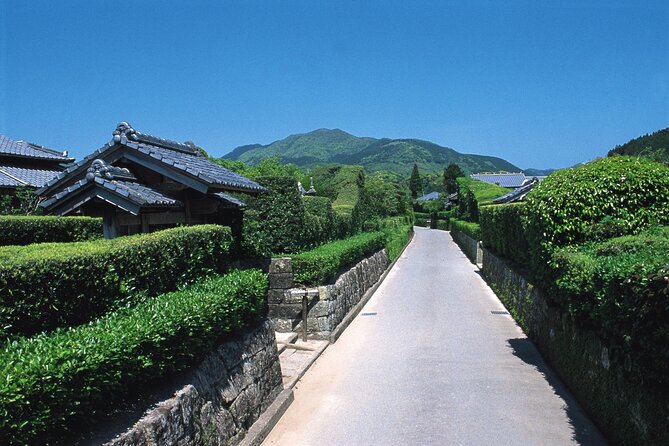
A good Kagoshima route often starts with the Satsuma connection, because it explains why the city feels both traditional and unusually forward-looking. The first cluster of stops is built for exactly that.
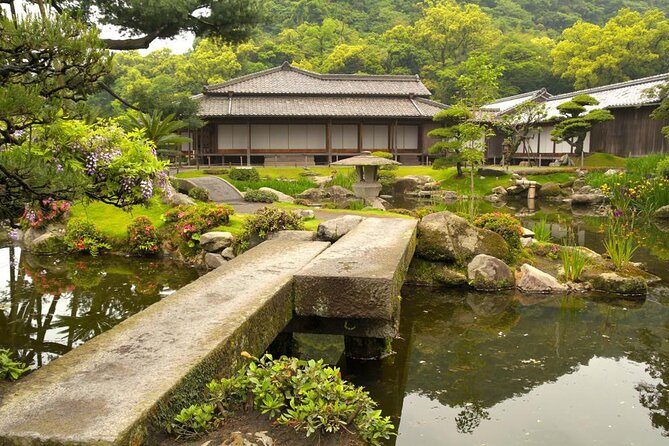
Sengan-en is a coastal stately residence and garden area north of downtown Kagoshima. It was built in 1658 as part of the powerful Shimadzu clan’s residences. You are walking through grounds shaped by that long timeline, so the mood is calm, even when the rest of the day gets busier. In the plan, this stop runs about 1 hour 10 minutes and does not include admission.
Next is Shoko Shuseikan Museum, also known as Kyu Shuseikan Kikai Kojo. This is described as the oldest surviving Western-style factory building in Japan. The exhibits focus on modernization projects tied to the Satsuma domain. In the plan it is short, around 10 minutes, which is actually useful because the building gives you a strong “why this matters” moment without eating your whole morning.
Then comes Satsuma Kiriko Glassworks and the neighboring Iso Kogei-kan. You can watch how Satsuma Kiriko cut-glass is made, then shop for pieces. This is one of those stops where a guide helps you slow down, because it’s easy to rush past the process if you don’t know what you are looking for. If you want souvenirs that feel tied to local craft, this is where your money can go.
A nearby historical add-on is the Foreign Engineer’s Residence (Ijinkan), connected to engineers who helped operate the first Western-style spinning mill in Japan. You watch videos and see exhibits inside, so it’s not just a pretty exterior stop. It’s a reminder that modernization was not abstract. People lived, worked, and built skills here.
If you choose several of these, here’s the trade-off: you may spend a lot of time on museum interiors and workshop areas, which means your pace becomes more “people and rooms” and less “big views.” It’s still a great balance, just plan for it.
Castle Mountain and Kagoshima’s city rhythm: Shiroyama, a huge gate, and Tenmonkan
After the craft-and-history focus, Kagoshima’s city side shows up. Shiroyama (Castle Mountain) is a 107-meter hill in the center of Kagoshima city. The route includes a 2-kilometer promenade leading to the observatory. It sounds like a casual walk, but it’s structured enough to feel like you earn the views.
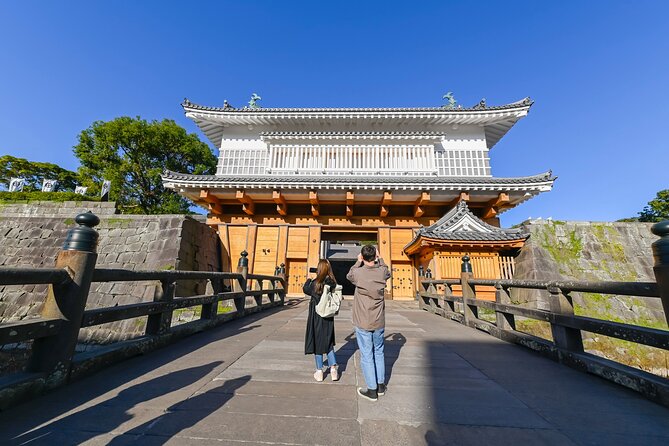
This is also where you get that “old power, restored today” feeling. The plan includes a major castle gate restored in 2020 for the first time in about 150 years. It’s listed as the largest gate of its kind, with a 20-meter height and width. If you like architecture or scale, this is worth building time around.
From there, you can shift toward everyday life with Tenmonkan, described as Kagoshima’s central shopping district, tied to the Meijikan name from an astronomy institute built in the Edo period. If your group needs a reset, this kind of open-ended stop helps. You can break for snacks, shop, and then roll right into your next big landmark.
Depending on what your guide chooses for your day, there are also options like:
- A shrine stop with an enormous torii gate, popular around New Year season and the Rokugatsudo Lantern Festival.
- An aquarium area with Sakurajima directly in front, plus exhibits tied to themes like the Kuroshio Current and Sea of Nansei Islands. The main attraction is listed as 30,000 marine creatures, and it can be a good family-friendly breather.
- The Museum of the Meiji Restoration, where you learn through displays and movies that recreate the period.
Admission fees are not included where stated, so budget for that if you want multiple ticketed indoor stops.
Sakurajima day plan: visitor center, public footbath, and Yunohira views
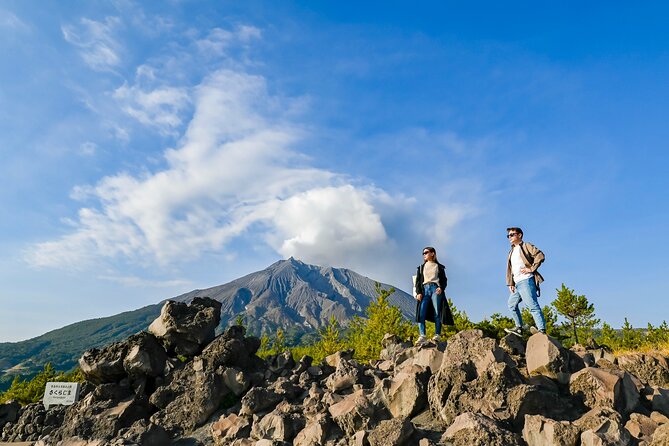
If there is one part of Kagoshima that feels like it belongs to this place alone, it’s Sakurajima. Your guide can build your schedule around volcano viewpoints and geothermal experiences, but you should know the time and cost trade-offs up front.
First, there’s the Sakurajima Visitor Center, which teaches the history of eruptions through films and dioramas. It’s helpful before you go out to viewpoints, because it gives you a framework for what you are seeing.
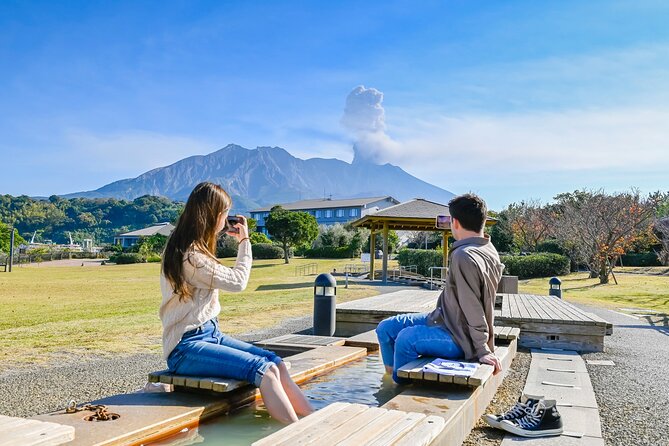
Next, the plan includes Sakurajima Yougan Nagisa Park Public Footbath. This is a 100-meter-long footbath listed as one of the biggest in Japan. You bathe in all-natural hot spring water while looking toward Sakurajima. It’s a fun contrast to museums. It’s also a “slow down” stop, because the whole point is to relax with the heat.
Then you can aim for Yunohira Observatory, listed as the highest point on Mt. Sakurajima open to the general public. The route goes via a 1-kilometer trail through a lava field created by the major 1946 eruption. From there, you get views of rough lava fields and, at times, volcanic smoke plumes. In clear moments, it feels like you are watching the island in real time.
Practical note: Sakurajima ferry boarding fee and vehicle fare are not included. Also, this experience requires good weather. If visibility is poor, the observatory and footbath can still be interesting, but the big view payoff may shrink.
If you want the best results, wear comfortable shoes for the trail and keep your phone battery charged for volcano footage and quick reference maps. Your guide’s call on timing is important here.
Saraku sand baths and the Chiran Peace Museum impact
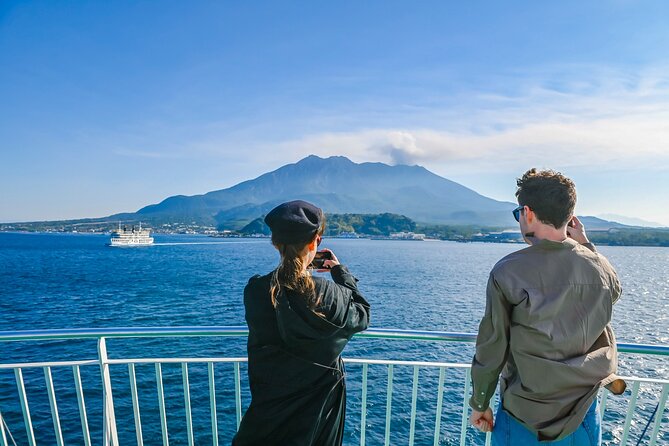
Kagoshima is not only about scenery. A solid day should include moments that add weight and meaning. Two stops do that, and they work well when your guide times them carefully.
Saraku Sand Bath Hall is where you try hot sand baths, described as a unique natural health and beauty treatment used for over 350 years. The plan includes about 1 hour here. The idea is detoxification and increased circulation. This is also where you have to treat safety seriously.
The tour notes specific restrictions. You cannot bathe if you have symptoms of high blood pressure (180/100 mmHG or more), heart disease, arrhythmia, angina pectoris, lung disease, pregnancy, inflammation, or fever. You are also told not to drink alcohol before bathing. If any of that applies, skip it and let your guide suggest another stop.
If Saraku is the body-focused reset, Chiran Peace Museum is the emotional one. It centers on kamikaze pilots and is described as a testament to worldwide peace. The plan includes about 1 hour. This is not a casual museum visit. Build time for reflection, and don’t feel rushed by the schedule.
Right after, Chiran Samurai Residence Complex can feel like a calmer pivot. It’s nicknamed the Little Kyoto of Satsuma and includes more than 500 samurai residences in the late Edo period. The stop duration listed is about 30 minutes. It’s a good way to move from tragedy toward place-based memory and everyday life.
Admission fees are not included for these stops where stated, so confirm in advance if you need to carry cash or card for museum tickets.
Kirishima stops that pair spirituality, art, and craftsmanship
Kirishima adds a different texture to your day. Instead of just zooming between city points, you get a mix of shrine architecture, modern art in nature, armor-making visuals, and ongoing ceramics tradition.
The plan includes Kirishima Jingu Shrine with national treasures like the Main Hall, Shinden Hall, and Worship Hall designated on February 9, 2022. That alone signals why the guide may slow down here. Even if you are not a shrine expert, the national treasure label suggests these buildings are worth taking your time to see properly.
Then there’s Kirishima Art Forest, described as a modern art museum surrounded by Kirishima nature. If you have museum fatigue from earlier stops, this can work because it is not only indoors. The setting matters, and it gives you a change of pace.
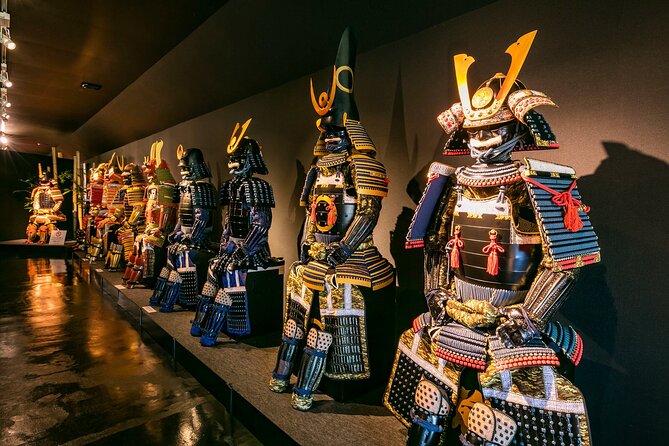
For hands-on visual craft, the plan includes Marutake Armor Factory. It’s renovated and reopened in 2018 and described as having a castle and garden inside. In the workshop you can see armor and helmets. This is a great match for people who like details, because armor is technical and dramatic at the same time.
Finally, the route points to Kiln of the 15th Chin Jukan, a Satsuma ware kiln that has kept its fire burning across generations. You can see how the tradition continues, with production described as including Shiro Satsuma and other distinctive yet traditional styles.
One practical warning: if you pick too many Kirishima add-ons, you might compress your time for Sakurajima views, which is usually the big visual payoff. Ask your guide to prioritize the volcano or the crafts based on what your group is most excited to photograph or experience.
Mars Tsunuki Distillery: the easy, fun finish
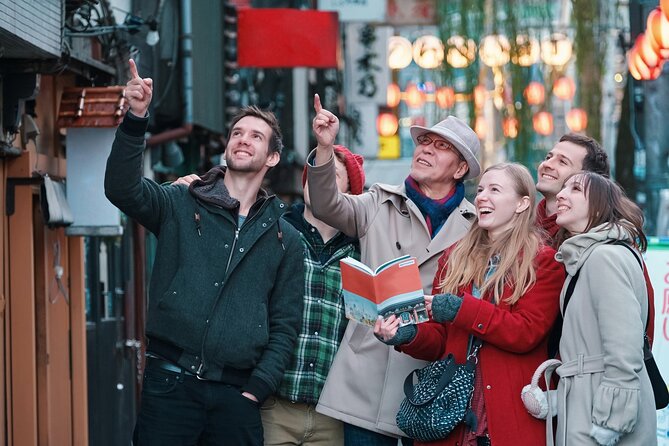
A day like this can end on a lighter note, and the plan gives you that with Mars Tsunuki Distillery.
This is described as the southern most whisky distillery on the main Japanese islands. The stop runs about 1 hour, and admission is listed as free. You can see old still tower buildings and a stone barrel warehouse, then take a tour of production.
If your group is a mix of ages, this kind of distillery finish is a good “everyone can enjoy it” option. It is not as emotionally heavy as the peace museum, and it doesn’t require hiking like observatory stops can. It’s also a great place to pick up a small bottle or enjoy a tasting decision later if the distillery offers that on the day.
Price and value: what you really get for about $626
At $625.94 per group for up to 1 person, the price looks steep if you are thinking like a solo budget traveler. But this is not a bus tour. You are paying for private time with a licensed English guide and a dedicated vehicle, plus conveniences that add real cost if you do them yourself.
Here’s what you get that’s hard to replicate cheaply:
- A private, government-licensed vehicle with air conditioning
- An English-speaking licensed guide
- Domestic travel accident insurance
- Complimentary bottled mineral water
- Pickup and drop-off flexibility that saves time and stress
This can become excellent value if you travel as a family, a small group, or anyone who benefits from less walking and less coordination. The operator also notes they can coordinate multiple licensed guides and vehicles depending on group size and requirements, which matters if you are traveling with seniors, kids, or accessibility needs.
Also, don’t forget what is not included: admissions, Sakurajima ferry fees and vehicle fare, plus fuel, tolls, and parking. Meals for yourself and the guide and driver are also not included. So budget for tickets and transport extras. The best way to think about it is that the base price buys you the planning, guidance, and movement, while the sights you choose determine the final add-ons.
Who should book this custom Kagoshima tour
Book it if you want:
- A private day with an English guide who can adjust pace and stop order.
- A mix of Kagoshima and Sakurajima, plus culture stops that are more than photos.
- Help coordinating an outing if you have mobility needs. The provider has arranged support for a wheelchair in at least one group scenario, which suggests they plan carefully when requirements come up.
You might rethink your choices if:
- Your group hates ticketed stops, because many key sites involve admission fees.
- You are counting on Sakurajima views on a marginal weather day. The tour needs good weather for best results.
Most travelers can participate, but sand baths are conditional based on health. If anyone in your group has high blood pressure readings at or above 180/100, heart or lung issues, pregnancy, inflammation, fever, or heart rhythm concerns, skip Saraku and plan for an alternative.
Should you book it?
Yes, if you want a structured, private Kagoshima day where the guide helps you spend time wisely. The biggest strength is the flexibility: you can pivot between Satsuma craft, volcano experiences, and emotionally heavy history without losing the plot.
My rule of thumb: if you are the type of traveler who would otherwise spend the day chasing transit and ticket lines, this tour pays you back in time and clarity. If you are comfortable self-guiding and you mainly want free viewpoints with no guide help, you can probably do it cheaper on your own.
FAQ
Is this tour private and customized?
Yes. It is described as a private tour operated exclusively for your group, and the itinerary is matched to your interests and pace without combining you with other groups.
How long is the Kagoshima private tour?
The duration is listed as about 6 hours.
Does the price include pickup and drop-off?
Pickup is offered, and drop-off locations are flexible, including ports, hotels, and train stations.
Are admissions included for museums and attractions?
No. Admission tickets are not included for the stops that list admission ticket not included, and in general admission fees are not part of what is included.
Are Sakurajima ferry fees included?
No. The Sakurajima ferry boarding fee and vehicle fare are listed as not included.
What’s included in the tour cost?
Included items listed are domestic travel accident insurance, an air-conditioned vehicle, private transportation, and bottled water. The experience also says customizable tour of sites selected from your expectations list.
What extra costs might I need to plan for?
You should plan for meal expenses, other personal expenses, admission fees, and additional transport costs such as fuel, tolls, parking, and the Sakurajima ferry and vehicle fare. An estimate is provided in advance if additional costs apply.
What if the weather is bad?
The experience requires good weather. If it is canceled due to poor weather, you will be offered a different date or a full refund.
Is the sand bath experience safe for everyone?
No. The Saraku sand bath center notes restrictions. You cannot bathe with certain health conditions such as high blood pressure at or above 180/100, heart disease, arrhythmia, angina pectoris, lung disease, pregnancy, inflammation, or fever. Alcohol should be avoided before bathing.
What is the cancellation policy?
This experience is non-refundable and cannot be changed for any reason. If the experience is canceled due to poor weather, you will be offered a different date or a full refund.
Around Kyushu
Newest Kagoshima write-ups from the Loving Japan desk
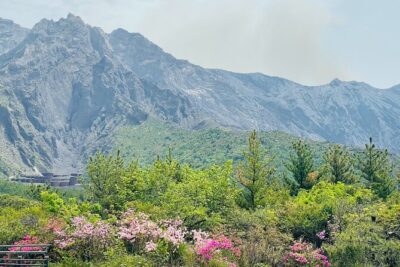
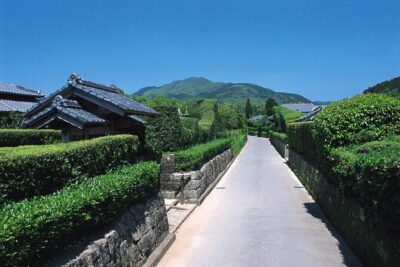
Fukuoka, Beppu and Kyushu, side by side.
 ★ 5.0Ultimate Sumo Tournament: Tokyo, Osaka, Nagoya, FukuokaFrom $184468 reviews
 ★ 4.6From Fukuoka: Miyazaki, Takachiho Gorge and Shrines Day TourFrom $50233 reviews
 ★ 4.8Takachiho Gorge & Scenic Railway One Day TourFrom $44178 reviews
 ★ 5.0Private Fukuoka Tour with a Local, Highlights & Hidden Gems 100% PersonalisedFrom $66143 reviews
 ★ 5.0Fukuoka Your Way: 100% Customisable Private Tour with Local GuideFrom $5983 reviews
 ★ 4.6From Fukuoka: Mount Aso, Kurokawa Onsen, and Shrine TourFrom $5072 reviews
 ★ 4.5Day Tour to Miyazaki Takachiho Gorge & Shrine depart from FukuokaFrom $9961 reviews
 ★ 5.0Fukuoka Full-Day Private Tour with Government Licensed GuideFrom $15555 reviews
Filed on these lists too