
REVIEW · TOKYO MUSEUMS, GALLERIES AND TEAMLAB
Kamigata Ukiyoe Museum:Ukiyo-e Woodblock Printing Experience
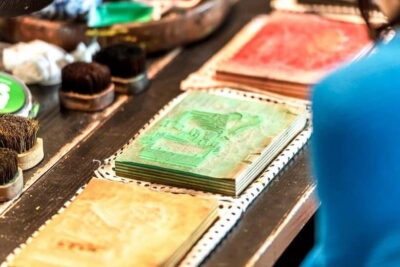
Woodblocks make ukiyo-e feel real fast. At the Kamigata Ukiyo-e Museum, you print your own multi-color piece using the museum’s original blocks, guided by an instructor in a tatami room setting.
I especially love getting hands-on with the original woodblocks, and I love that the class runs as a private group so you are not rushed and you can ask questions while you work. One instructor mentioned by name in recent bookings, Mrs. Saya, was praised for being patient and encouraging even when there was a slight language barrier.
One tradeoff: the printing experience fee is separate from museum admission, so you will want to budget for the entry ticket too.
In This Review
- Key points before you try woodblock printing
- Where this workshop fits into a Kamigata Ukiyo-e Museum visit
- Choosing beginner, intermediate, or advanced courses
- Beginner
- Intermediate
- Advanced
- Your multi-color printing session, step-by-step (and what you are really learning)
- You learn printing as a craft, not a shortcut
- You practice hands-on techniques
- You get instructor guidance in real time
- The tatami room setup: seating, floor comfort, and pacing
- From finished print to souvenir you will actually keep
- Price and value: why a $5 session can be a smart buy
- Who should book this woodblock printing experience
- How to get the most out of your printing class
- New Year holiday closure to plan around
- Should you book this Kamigata Ukiyo-e Woodblock Printing Experience?
- FAQ
- Is the printing experience fee the same as museum admission
- How long does the ukiyo-e woodblock printing experience take
- What will I make during the workshop
- Do I take my artwork home
- Where does the workshop happen inside the museum
- When is the experience closed for New Year
Key points before you try woodblock printing
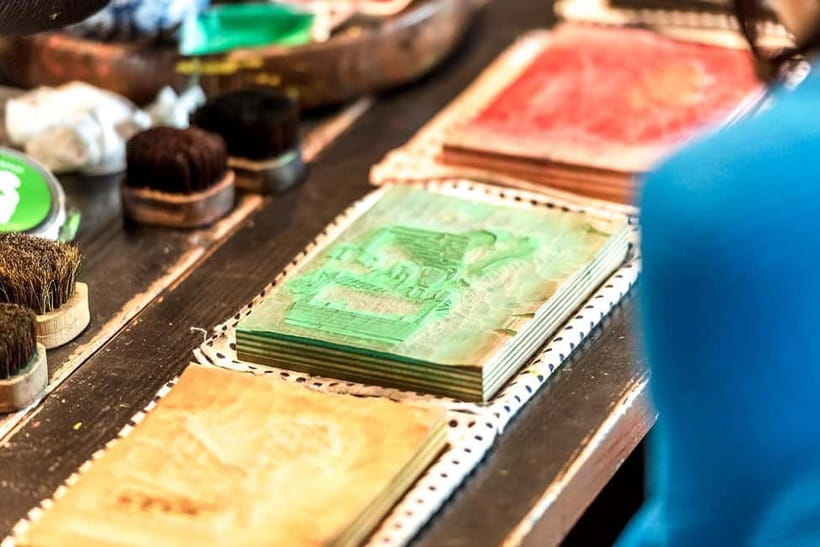
- Original museum woodblocks: you are not using replicas, you are printing with the real tools that underpin the art.
- Multi-color result: you will print 3 to 4 colors onto high-quality Japanese paper.
- Real techniques, not just watching: you practice painting approaches, baren rubbing, and how pressure application changes the look.
- Hands-on learning about printing: you learn why printing itself matters in ukiyo-e creation.
- Take-home souvenir: you leave with your finished artwork in an original clear file (and some classes may include extra protective packaging).
Indoors instead? Galleries and light rooms we visited
- Kamigata Ukiyoe Museum:Ukiyo-e Woodblock Printing Experience
★ 4.9 · 79 reviews
Where this workshop fits into a Kamigata Ukiyo-e Museum visit
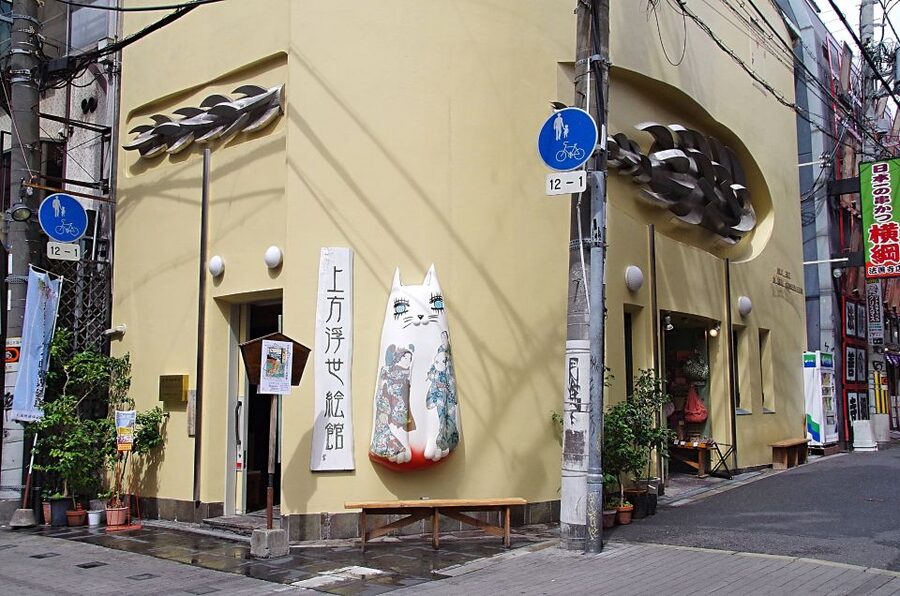
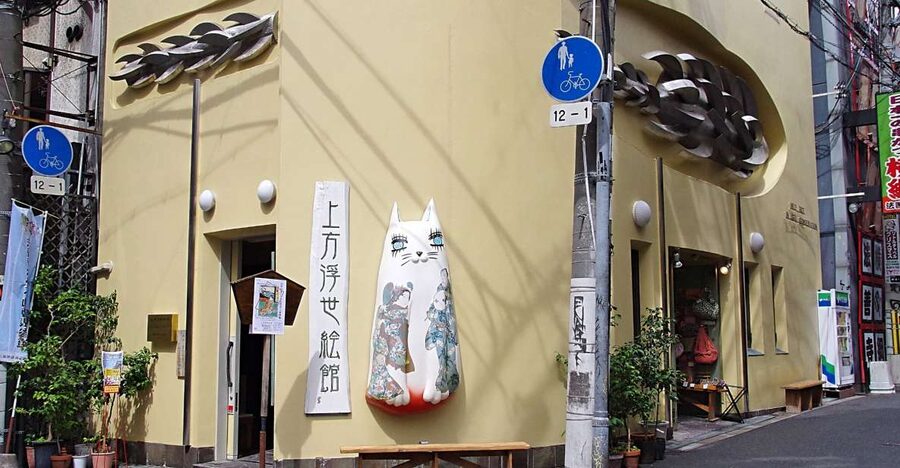
The Kamigata Ukiyo-e Museum is where the art is already on display, but this experience turns you from viewer into maker. You get a focused, guided session, then you have a very natural reason to look at the museum galleries afterward with new eyes.
Because the workshop fee covers the printing session, you will also need to plan for the museum admission ticket separately. That separation actually helps your decision: if you are short on time, you can still do the workshop for the practical payoff, and if you have more energy, you can visit the displays to connect what you just made with the prints on the walls.
A nice detail from recent experiences: the museum area is near the older parts of the city, close to where many people start their evenings, so it can fit well into a day that also includes food and sightseeing. And if you can, I would do the workshop after you have wandered the collection at least a bit. That way, you have something specific in mind to compare while you are learning the role of printing.
Choosing beginner, intermediate, or advanced courses
You pick from three course levels: beginner, intermediate, or advanced. The good news is that even first-timers can make something unique, because the instructor’s guidance focuses on technique you can actually feel with your hands.
Here is how I think about the level choices:
Beginner
Beginner tends to be the best entry point if you want the core experience without feeling overwhelmed. You can still experiment with painting approaches, and you will still handle the key actions that make woodblock printing distinct, including baren rubbing and pressure control.
Intermediate
Intermediate is for you if you want a bit more challenge and you enjoy learning by doing. One clear benefit of this level is that it still works even if you have no prior woodblock printing experience, as long as you are willing to follow instructions closely.
Advanced
Advanced is best if you want something more demanding and you do not mind slower, more careful work. One helpful note from past participants is that advanced tends to add more colors and more steps. It uses the same general process, but it asks more of your focus and patience.
If you are choosing between intermediate and advanced, I would base the decision on your tolerance for fine technique. If you like crafting and detailed tasks, advanced can be a fun stretch. If you want something memorable but low stress, beginner or intermediate usually fits better.
Your multi-color printing session, step-by-step (and what you are really learning)
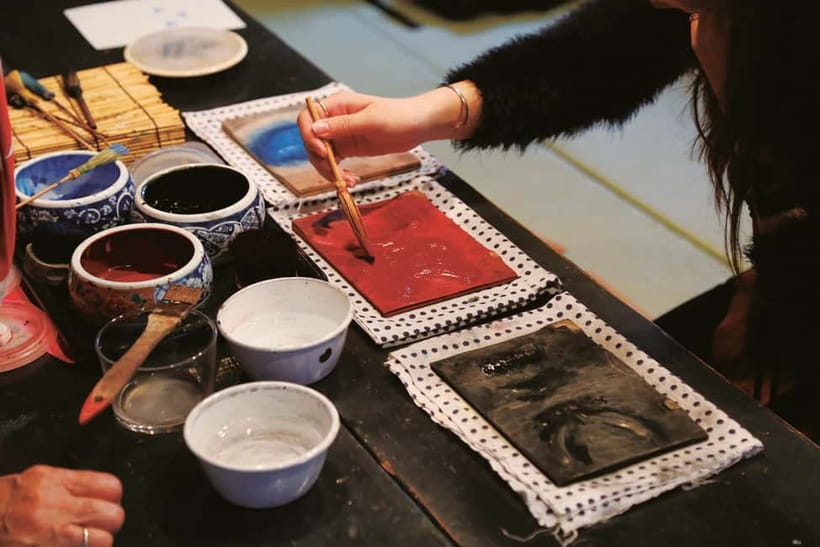
Your workshop uses the museum’s original woodblocks to print 3 to 4 colors onto high-quality Japanese paper. That sounds simple on paper, but the value here is in how the instructor helps you connect the mechanics to the final image.
You can expect three things during the session:
You learn printing as a craft, not a shortcut
The museum experience explicitly teaches you the significance of printing in ukiyo-e creation. In plain terms, you are not just stamping out an image. You are learning how the act of printing shapes the result, from how the ink transfers to how each color layer shows up.
You practice hands-on techniques
The key practical elements you will try include:
- Painting techniques (how you apply materials before printing)
- Baren rubbing (the motion that transfers the print)
- Pressure application (how force affects the outcome)
This is the part I think most people come for. The workshop turns abstract art appreciation into something physical, so you start to understand why woodblock prints look the way they do.
You get instructor guidance in real time
The instructor works with you in English and Japanese. Recent participants praised instructors for being warm and detailed, including attention to small points that make a noticeable difference in the result. If you have even a basic interest in art technique, you will probably enjoy the back-and-forth, because you can ask questions while your paper is still in front of you.
The total experience runs about 30 minutes to 1 hour, depending on timing and course level. It is not a half-day project. It is a concentrated skill session that leaves you with a real object, not just a certificate.
The tatami room setup: seating, floor comfort, and pacing
The workshop takes place in the Japanese-style exhibition room on the 4th floor. You will be seated in a tatami room on zabuton cushion seating.
There are small stools available, but they are limited in number, so if you prefer a higher seat, it is smart to arrive a little early so you have the best chance at one. If you are comfortable on the floor for a short stretch, zabuton seating is usually part of the cultural feel of the experience.
Timing matters more than you might think. If you do not arrive within 30 minutes of your reservation time, your reservation is treated as cancelled, and refunds are not provided. So I would treat this workshop like an appointment. Show up on time, not fashionably late.
One other detail that affects your experience: only one group is available in one class. That keeps the session calm and supports the quality of instruction, especially when you are learning something tactile.
From finished print to souvenir you will actually keep
When you finish, you take home your artwork as a souvenir. You will receive your finished piece in an original clear file, which makes it easy to transport and store without worrying about bending or smudging.
Some participants also noted extra protective sleeves for the print. Even if you do not get those on your day, the clear file option alone is enough to make the souvenir practical for travel.
Why this matters for value: most art workshops give you a good story, but you often end up with something flimsy that does not survive the trip. Here, you leave with Japanese paper that is meant to be handled and kept. It is also a souvenir that connects to what you learn in the museum, so it does not feel like a random purchase.
After the workshop, it is worth going back through the museum galleries with your new understanding of printing. Even a small glance can become more meaningful because you can mentally compare technique, color, and texture to what you just tried.
Price and value: why a $5 session can be a smart buy
The printing experience fee is listed at $5 per person, with a duration of 30 minutes to 1 hour. On its face, that price is striking, but it makes more sense when you look at what is included.
Your fee includes:
- the ukiyo-e printing experience itself
- an instructor who supports you in English and Japanese
What is not included:
- Kamigata Ukiyo-e Museum admission ticket
- personal expenses
So the real cost for the full day becomes the workshop fee plus museum entry. Still, you are paying for original tools, quality Japanese paper, and hands-on instruction. That combination is what makes it feel like a genuine deal.
Also, because the class format is one group per class, you are not competing for attention. In other words, the $5 price is not just about materials. It is also about the learning time you get with the instructor while your paper is in progress.
Who should book this woodblock printing experience
This workshop fits best if you want an art activity that is active, structured, and short enough to pair with sightseeing.
I would especially recommend it if:
- you enjoy hands-on crafting more than long lectures
- you want a souvenir with actual technique behind it
- you are a beginner who still wants to leave with something you made yourself
- you are traveling with someone and want a calm shared activity
It can also work well if you are not an art expert. The instruction is there, the techniques are guided, and you get to experiment with baren rubbing and pressure without needing prior experience.
If you hate sitting on the floor, remember the tatami seating and the limited stools. That does not mean you cannot go, but I would think about comfort first.
How to get the most out of your printing class
You will improve fast if you approach the session like a skill practice, not like a casual craft.
Here are a few practical ways to make it better:
- Do a quick museum scan first if you have time. Looking at the prints right before you print helps you recognize what you are learning.
- Watch how your instructor demonstrates the pressure and baren motion. With woodblock printing, the difference between light and firm can show up in the texture.
- Experiment within the guidance. The workshop is designed so even beginners can try different painting approaches and see how it affects the final look.
- Plan your timing so you are inside the building well before your reservation. The 30-minute cutoff is strict.
If you want to learn in the most direct way, come ready to ask questions. The instructor is there to guide you, and the class setup supports a hands-on conversation.
New Year holiday closure to plan around
One scheduling detail that can surprise people: the experience is unavailable from December 29 to January 3. If your trip overlaps late December or early January, you should check dates early and consider an alternate workshop or museum day.
Should you book this Kamigata Ukiyo-e Woodblock Printing Experience?
I think you should book it if you want a short, satisfying art-making session with real technique and a take-home result. The mix of original woodblocks, multi-color printing on Japanese paper, and instructor support in English and Japanese makes it feel like strong value, even with museum admission extra.
You might hesitate if:
- you dislike tatami floor seating for the length of the workshop
- you are expecting a long, lecture-heavy history lesson instead of hands-on practice
- you are trying to do it during the December 29 to January 3 closure window
If your goal is a meaningful souvenir and a better understanding of how printing shapes ukiyo-e, this is exactly the kind of experience that pays off fast. I would treat it as a must-do if you are in the Kamigata Ukiyo-e Museum area and you can spare an hour for something practical and memorable.
FAQ
Is the printing experience fee the same as museum admission
No. The printing experience fee is separate from the Kamigata Ukiyo-e Museum admission ticket, so you will need to budget for admission in addition to the course fee.
How long does the ukiyo-e woodblock printing experience take
Plan on about 30 minutes to 1 hour. Starting times depend on availability.
What will I make during the workshop
You will print an ukiyo-e using the museum’s original woodblocks. The session includes 3 to 4 colors printed onto high-quality Japanese paper, and you create your finished artwork with instructor guidance.
Do I take my artwork home
Yes. When you complete your print, you receive your finished artwork in an original clear file to take home.
Where does the workshop happen inside the museum
It takes place in the Japanese-style exhibition room on the 4th floor. You will sit on zabuton cushions in a tatami room, and small stools are available but limited.
When is the experience closed for New Year
The woodblock printing experience is unavailable from December 29 to January 3.
Tokyo Indoors: Galleries and Light Rooms
Newest Kamigata Ukiyoe Museum write-ups from the Loving Japan desk
Tokyo Museums, Galleries and teamLab, side by side.
 ★ 4.6teamLab Planets TOKYO Digital Art Museum Entry TicketFrom $259,779 reviews
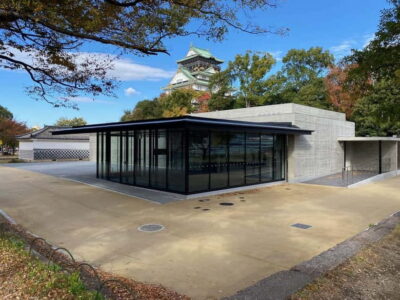 ★ 4.5Osaka Castle: Museum and Tower Entry TicketFrom $72,380 reviews
 ★ 4.5teamLab Botanical Garden Entry TicketFrom $111,710 reviews
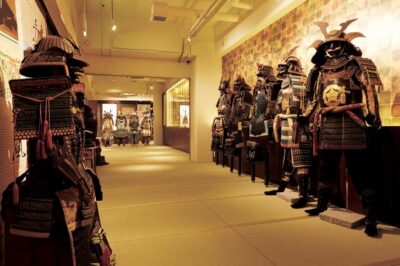 ★ 4.6Samurai Ninja Museum Guided tour and ExperienceFrom $271,010 reviews
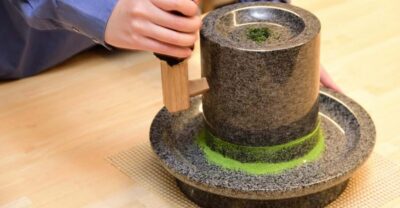 ★ 4.9Tea Museum Tickets and Matcha Grinding ExperienceFrom $23739 reviews
 ★ 4.5Skip the lines Basic Ticket at SAMURAI NINJA MUSEUM KYOTOFrom $28632 reviews
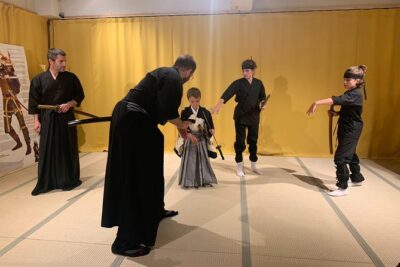 ★ 5.0Ninja Experience (Family Friendly) at Samurai Ninja Museum TOKYOFrom $47441 reviews
 ★ 4.5Tokyo Studio Ghibli Museum and Ghibli Film Appreciation TourFrom $193421 reviews
Filed on these lists too