
REVIEW · TOKYO MUSEUMS, GALLERIES AND TEAMLAB
Osaka: Kamigata Ukiyo-e Museum Admission Ticket
A day of woodblock prints beats most souvenir shopping. At the Kamigata Ukiyo-e Museum, I love the kabuki actor focus and the way the gallery explains Kamigata ukiyo-e techniques clearly. The only real drawback is that photography has limits (no flash or big gear), so you might take fewer, more intentional shots.
This is an easy cultural stop in Osaka’s Dotonbori theater district area, with exhibits tied to the Edo and Meiji periods. You’ll also get a close look at prints finished with gold, silver, and copper powders, which is the kind of detail you usually only notice after you’ve spent time staring at it. If Monday is your travel day, plan around the museum closure.
In This Review
- Key highlights I’d circle on your Osaka map
- Finding the Kamigata Ukiyo-e Museum in Osaka’s theater district
- What your admission ticket actually covers
- Your museum visit start: ticket window and e-voucher workflow
- Entering the world of Kamigata ukiyo-e, and why it’s not the same as Edo
- The kabuki actor connection to Dotonbori
- Metal powders in the prints: gold, silver, and copper details
- Learning the production process: why woodblock printing is more than copying
- Is there hands-on printing? How to think about the optional add-on
- Photography rules, and how to take better photos anyway
- Duration and timing: plan for a relaxed, self-paced visit
- Price and value: why this feels like a bargain
- Who should book this museum ticket
- Small practical notes that can save your day
- Should you book the Kamigata Ukiyo-e Museum ticket?
- FAQ
- Where is the Kamigata Ukiyo-e Museum located?
- How much does admission cost?
- How long is the experience?
- Do I need to choose a specific date when I book?
- What do I receive with the admission ticket?
- Is the woodblock printing experience included?
- What should I bring to enter?
- Is the museum closed on specific days?
- Can I take photos inside?
- Is it free for children?
Key highlights I’d circle on your Osaka map
- Kabuki actor prints connected to Dotonbori’s theater world
- Kamigata style explained as distinct from Edo ukiyo-e
- Metal powder details in gold, silver, and copper
- Technique and history exhibits that make the craft make sense
- Open ticket format, no specific participation date needed
Indoors instead? Galleries and light rooms we visited
- Kamigata Ukiyoe Museum:Ukiyo-e Woodblock Printing Experience
★ 4.9 · 79 reviews
Finding the Kamigata Ukiyo-e Museum in Osaka’s theater district
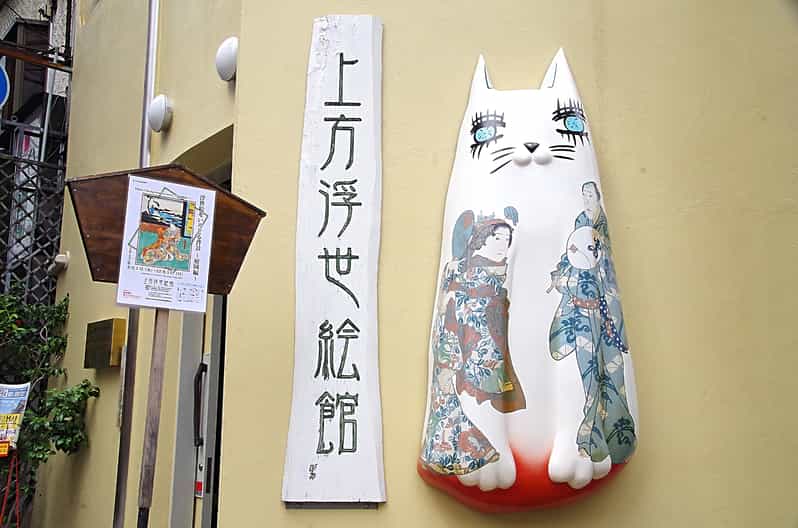
The Kamigata Ukiyo-e Museum is a compact way to get deep into a very specific Osaka story: theatrical art made for local audiences. The museum is in the Dotonbori area, a place long associated with performance culture, where you can still feel the city’s stage energy in the streets.
I like museum stops like this because you’re not fighting a huge schedule. It’s admission-based, so you can set your own pace once you’re inside. That matters with art, because ukiyo-e often rewards slow looking, not rushing.
If you’re planning a day around Dotonbori, this museum works well as either:
- a morning reset before the crowd energy ramps up, or
- a calmer indoor pause when you want to recharge before dinner and neon.
What your admission ticket actually covers
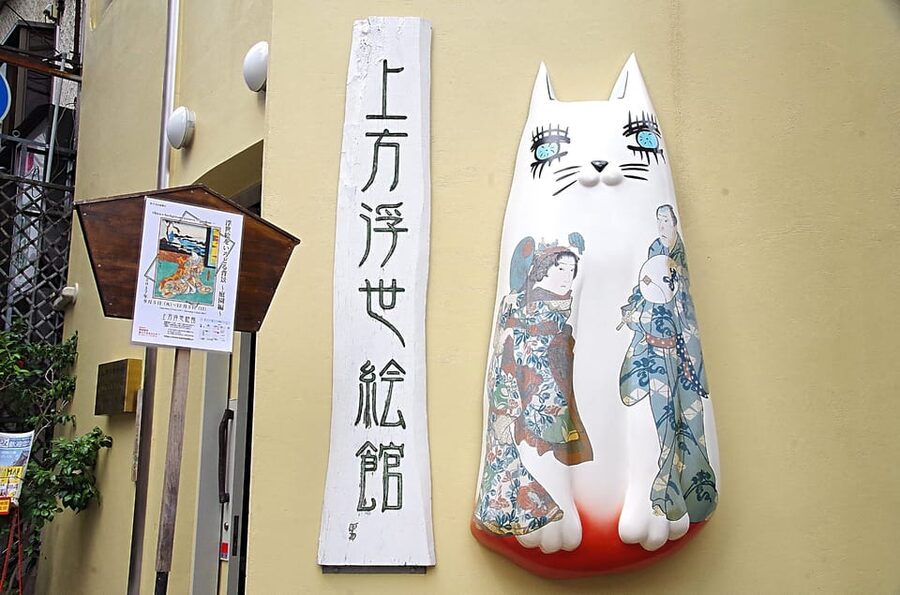
Let’s be super clear about what you’re buying. The ticket here is for admission to the Kamigata Ukiyo-e Museum galleries. The listing also notes that a Ukiyo-e woodblock printing experience course is not included.
That doesn’t mean you won’t see hands-on options. It means you should treat any printing class as an add-on you’d need to arrange separately if you want to print yourself. This is one of those cases where “museum visit” and “workshop time” are related, but not the same thing.
Your museum visit start: ticket window and e-voucher workflow
If you use the e-voucher, you’ll show the QR code at the ticket window to receive a physical ticket. This is a simple step, but it helps to arrive with your voucher ready, especially if the museum has waiting times during peak periods.
Also, remember the ticket rules:
- It’s an open ticket, so you don’t need to specify a participation date.
- Voucher expiration is 3 months from purchase.
- The museum is closed every Monday, unless Monday is a holiday, in which case it closes the following day.
That last part matters if you like to plan around weekly rhythms. Pick your day carefully, and you won’t waste half a day walking over there only to find a dark door.
Entering the world of Kamigata ukiyo-e, and why it’s not the same as Edo
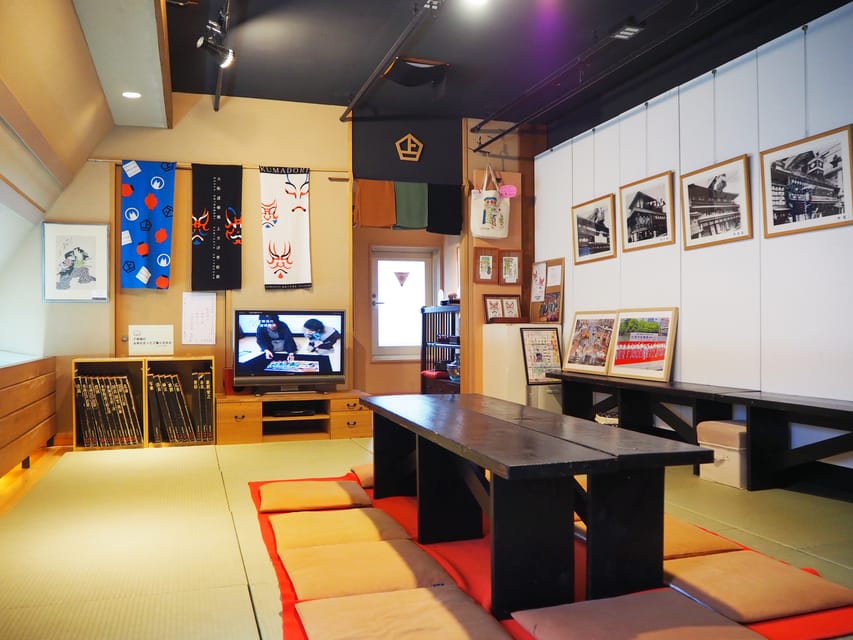
Once you’re inside, the museum’s focus is refreshingly specific. It specializes in Kamigata ukiyo-e, with a strong spotlight on prints featuring kabuki actors. It’s not trying to teach you every ukiyo-e style in one stop.
Here’s the big idea you’ll walk away with: Kamigata ukiyo-e has its own identity, tied closely to Osaka’s culture, and it differs from Edo ukiyo-e in style and subject emphasis. The exhibits aim to help you understand those differences, not just admire the images.
I love how this framing changes your viewing. Instead of “pretty print, next,” you start asking questions like:
- Who was the audience?
- What did these performances mean locally?
- Why do the visual choices feel different?
The kabuki actor connection to Dotonbori
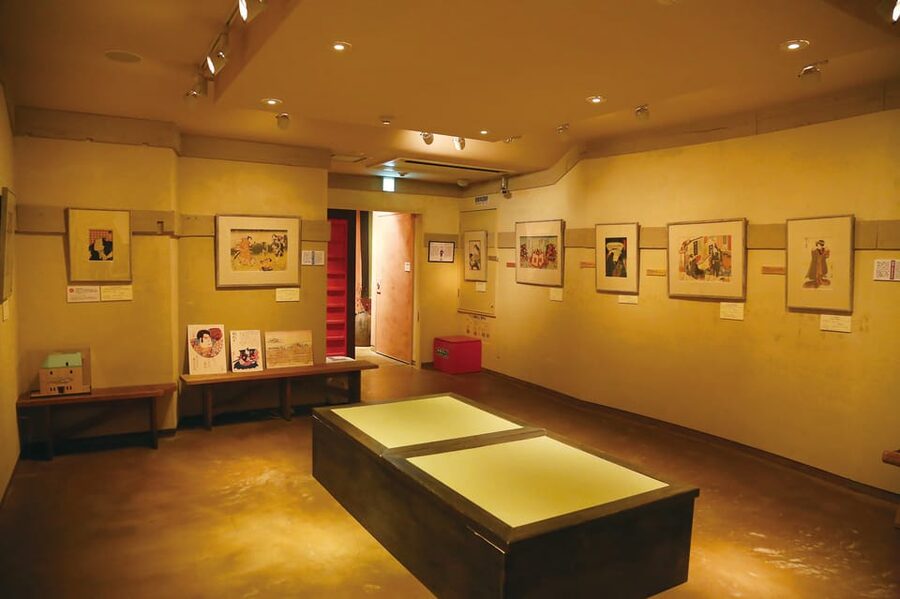
You’ll see actor prints tied to kabuki performers who graced stages in Dotonbori during the Edo and Meiji periods. That time-and-place link is the heart of the museum experience.
This is one of those museums where context really improves the art. If you know even a little about kabuki culture, you’ll notice the drama in expressions and poses. If you don’t, the exhibit approach helps you connect the work to Osaka’s performance scene.
And because the museum is located where that theater culture lived, the “art history” feels less like a textbook and more like a city habit.
Metal powders in the prints: gold, silver, and copper details
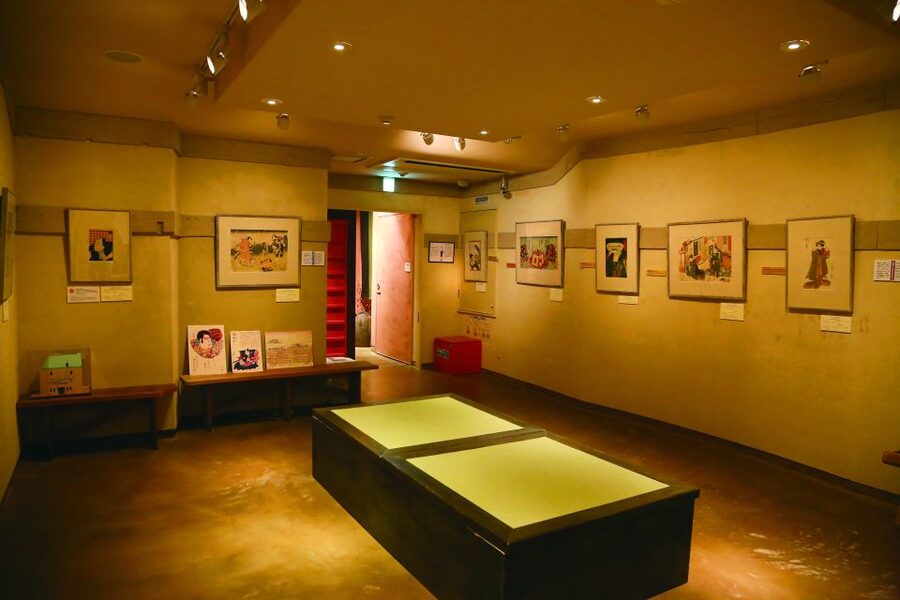
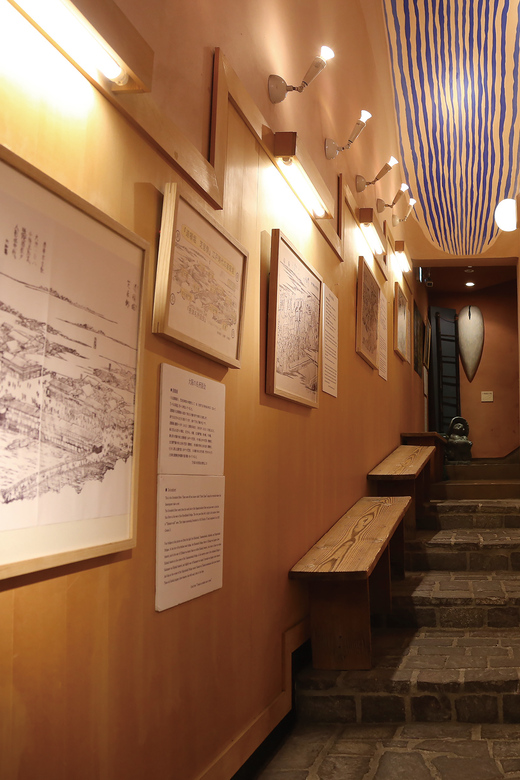
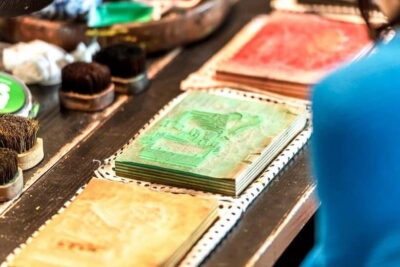
One of the most memorable parts is the way prints are adorned with gold, silver, and copper powders. Seeing these colors in person is a different experience than seeing similar details in a photo, because powder finishes can shimmer with the angle of light.
This is also a practical takeaway for your sightseeing. When you look at a print with powdered accents, give yourself time to shift perspective. Move a little, look again, and you’ll start seeing why the effect matters. The museum’s setup encourages that kind of patience.
If you’re the type who usually speed-scrolls captions, this is the moment to slow down. The powders are part of the craft, and part of the message.
Learning the production process: why woodblock printing is more than copying
The museum includes exhibits about the history and techniques behind Kamigata ukiyo-e. That’s crucial, because ukiyo-e is not just one print. It’s a system.
What you should expect is an explanation of how different elements of the printmaking process come together to create the final image. Even without a workshop, technique-focused exhibits can help you “read” the print like an artifact, not just decoration.
When museums do craft well, you start noticing things like:
- how layers contribute to depth,
- how designs stay crisp even with multiple steps, and
- how materials shape the final look.
This museum leans into that thinking, and that’s why it’s a strong stop if you want art with context.
Is there hands-on printing? How to think about the optional add-on
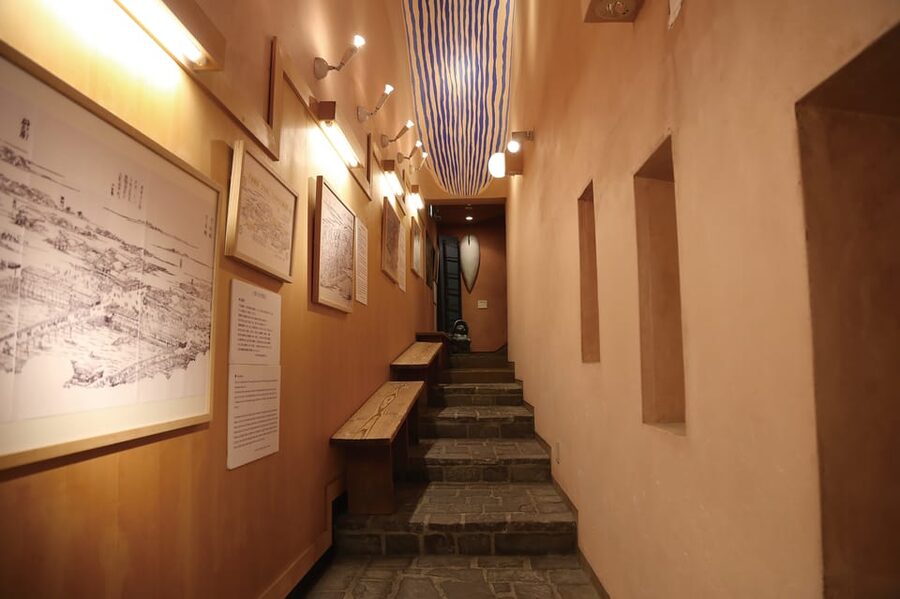
The review-style experiences people often love here tend to include some form of basic printing attempt. But the official activity details explicitly say that the Ukiyo-e woodblock printing experience course is not included with admission.
So here’s your smart approach: plan your time around the museum exhibits, then ask what’s available onsite for printing if that’s your goal. If you want to try printing, you’ll want to budget time for whatever course setup exists, and you may need to pay extra.
If you’re someone who learns best by doing, this is worth the effort to check. Just don’t assume it’s bundled into the ticket price, because it’s listed separately.
Photography rules, and how to take better photos anyway
Photography is allowed, but with limits. You can take pictures, but flash and large equipment are prohibited.
That means you should go for a steady, low-disruption style:
- keep your phone or camera ready,
- avoid bright flashes that bother others, and
- skip the big rig.
Also, because powdered details can change with lighting angle, you might find better results by taking fewer photos and moving your stance slightly rather than blasting flash. Think “quiet observer,” not “photo shoot.”
Duration and timing: plan for a relaxed, self-paced visit
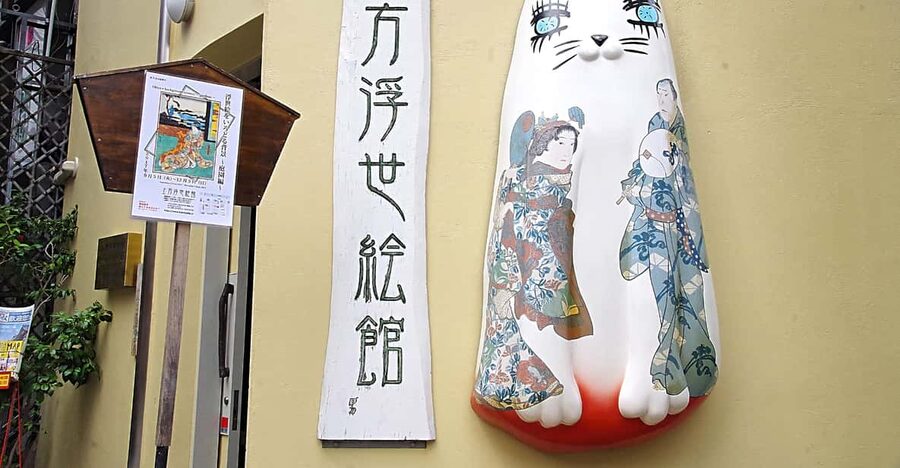
The ticket is valid for 1 day, and starting times depend on availability. Since this is an admission-based museum visit, you can usually treat it as a flexible block of time.
A realistic way to plan your day:
- give yourself time for the main exhibits first,
- then circle back to the prints with gold, silver, and copper powders,
- finish by spending extra minutes on anything that connects technique to what you’re seeing.
If you try to cram the museum into a 20-minute sprint, you’ll miss the details. This is not the kind of place where you can just glance, nod, and move on.
Price and value: why this feels like a bargain
At about $4.51 per person, this ticket price is low for a museum experience that focuses on a specific art form and gives technique context. Even if you skip the optional printing course, admission alone can be good value because you’re getting:
- a specialty focus on Kamigata ukiyo-e,
- actor prints tied to Dotonbori’s Edo and Meiji theater culture, and
- displays that explain how the prints are made.
In other words, you’re not just paying for pretty images. You’re paying for guided interpretation through exhibits.
And if you do want to try printing, admission still gives you the background to make the workshop feel connected rather than random.
Who should book this museum ticket
This is a great fit if you:
- like art with local cultural roots, not generic museum stuff,
- want ukiyo-e explained through a clear theme (kabuki actor prints and Kamigata style),
- enjoy craftsmanship details like metal powders and print layers,
- are already in the Dotonbori area and want a meaningful indoor stop.
You might skip it if you’re only chasing the biggest “must see” attractions in Osaka and you don’t care about art technique at all. Also, if your schedule includes Monday, you’ll need to shift your timing because the museum is closed then.
Small practical notes that can save your day
A few rules and age notes that you’ll want handy:
- Children under 3 get in free.
- The rules also say preschool children aged 6 and under are free.
- Children under 13 must be accompanied by a guardian.
- Elementary, junior high, and high school students need to present a student ID or proof of age.
Plan around those if you’re traveling with kids or teens. It’s the kind of thing that can slow you down at the ticket window if you forget the paperwork.
Should you book the Kamigata Ukiyo-e Museum ticket?
Yes, if you want a focused, low-cost Osaka art stop with real context. This ticket is good value, and the subject matter is specific enough to feel satisfying. The kabuki actor connection to Dotonbori, plus the gold, silver, and copper powder details, gives you more than “nice prints.” You get a reason to look closely.
I’d book it if your trip includes Dotonbori and you have even a few calm hours for museum time. If you’re aiming for only the huge headline sights, then prioritize those first. But if you’re the type who likes craftsmanship, technique, and the story behind what you see, this is one of the easier smart adds to an Osaka day.
FAQ
Where is the Kamigata Ukiyo-e Museum located?
It’s in Honshu, Japan, in the Dotonbori area of Osaka.
How much does admission cost?
The price is listed as $4.51 per person.
How long is the experience?
The ticket is valid for 1 day.
Do I need to choose a specific date when I book?
No. It’s an open ticket, so you do not need to specify a participation date.
What do I receive with the admission ticket?
You receive admission to the Kamigata Ukiyo-e Museum.
Is the woodblock printing experience included?
No. The Ukiyo-e woodblock printing experience course is not included.
What should I bring to enter?
Bring your QR code voucher and show it at the ticket window to get a physical ticket.
Is the museum closed on specific days?
Yes. The museum is closed every Monday. If Monday is a holiday, it will be closed the following day.
Can I take photos inside?
Photography is allowed, but flash and large equipment are prohibited.
Is it free for children?
Admission is free for children under 3 years old, and the rules also state preschool children aged 6 and under are free. Children under 13 must be accompanied by a guardian.
Tokyo Indoors: Galleries and Light Rooms
Newest Kamigata Ukiyoe Museum write-ups from the Loving Japan desk
Tokyo Museums, Galleries and teamLab, side by side.
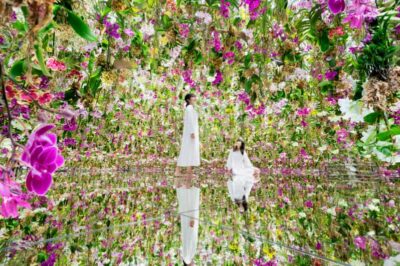 ★ 4.6teamLab Planets TOKYO Digital Art Museum Entry TicketFrom $259,779 reviews
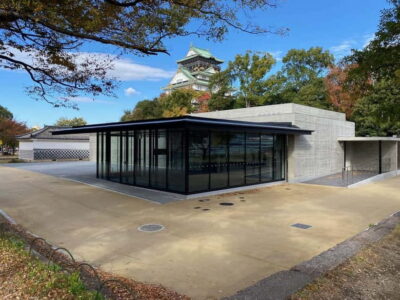 ★ 4.5Osaka Castle: Museum and Tower Entry TicketFrom $72,380 reviews
 ★ 4.5teamLab Botanical Garden Entry TicketFrom $111,710 reviews
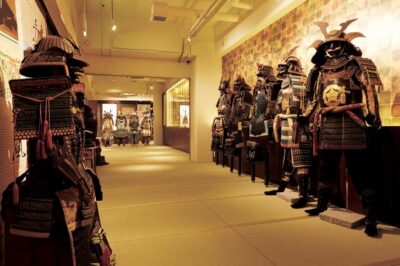 ★ 4.6Samurai Ninja Museum Guided tour and ExperienceFrom $271,010 reviews
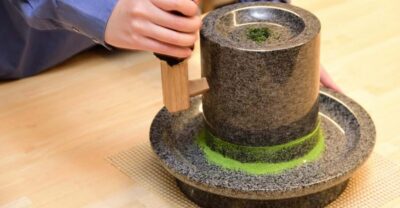 ★ 4.9Tea Museum Tickets and Matcha Grinding ExperienceFrom $23739 reviews
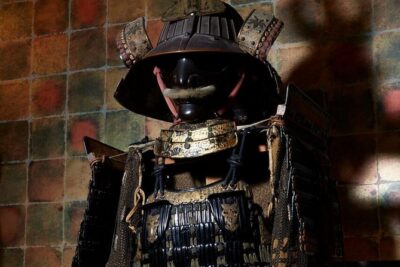 ★ 4.5Skip the lines Basic Ticket at SAMURAI NINJA MUSEUM KYOTOFrom $28632 reviews
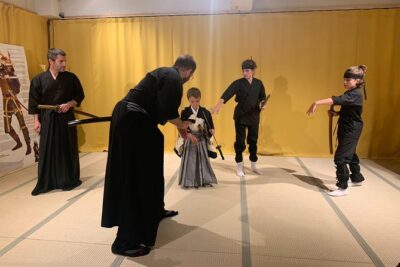 ★ 5.0Ninja Experience (Family Friendly) at Samurai Ninja Museum TOKYOFrom $47441 reviews
 ★ 4.5Tokyo Studio Ghibli Museum and Ghibli Film Appreciation TourFrom $193421 reviews
Filed on these lists too