
REVIEW · KOBE AND HIMEJI CASTLE
Kyoto Full Day Tour from Kobe with Licensed Guide and Vehicle
Kyoto can feel like a time warp. This day trip from Kobe uses a licensed multilingual guide and a private vehicle so you can hit the right spots with less stress and more context. You also get to build your own plan by picking from the available Kyoto highlights.
I really like two things about this experience. First, the private vehicle means your timing is yours, not a bus schedule. Second, the tour is designed around customized stops, letting you focus on 3 to 4 places that match your interests.
The main drawback to plan for is cost creep. Entrance fees and lunch are not included, so your day budget will depend on which specific sights you choose and where you eat.
In This Review
- Key things to know before you go
- Why This Kyoto Day Tour From Kobe Feels Efficient (Not Rushed)
- Private Vehicle From Kobe, With a Government-Licensed Guide
- How Your 3 to 4 Stop Choice Shapes the Entire Day
- Fushimi Inari-taisha Shrine and the Torii Experience You Can Actually Enjoy
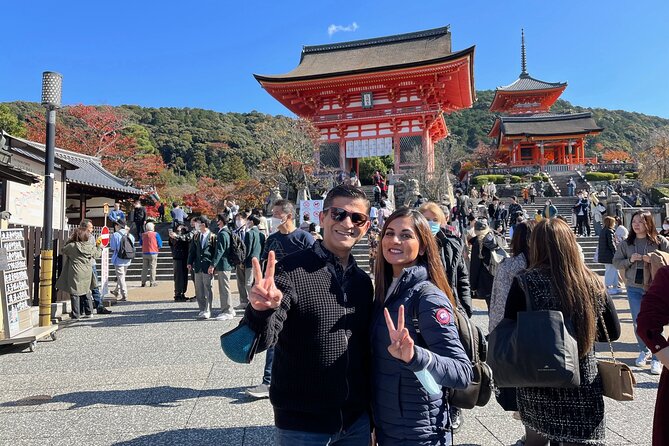
- Kiyomizu-dera Temple and Higashiyama Ward for Classic Old Kyoto Atmosphere
- Gion District and Pontocho: Where Kyoto Feels Like a Scene
- Nishiki Market for Kyoto Food Culture in a Compact Block
- Nijo Castle and Kyoto Imperial Palace for Power and Architecture
- Zen Temples: Ginkakuji, Nanzenji, and the Meaning of Quiet
- Golden Pavilion, Toji, and Other Big Names Worth Swapping Into Your Mix
- Arashiyama for Bamboo, Bridges, and Garden Design
- North Kyoto Options: Kibune, Kurama, and Mountain Calm
- Shugakuin Imperial Villa, Katsura Rikyū, and When Gardens Become the Main Event
- Timing, Parking, and Getting the Most Out of a 9-Hour Day
- Budget Reality: Price Value, Entrance Fees, and Lunch
- Best Fit: Who This Tour Suits (And Who Might Want a Different Format)
- Should You Book This Kobe-to-Kyoto Private Tour?
- FAQ
- How long is the Kyoto day tour from Kobe?
- How many people are in a group?
- Can I choose which Kyoto sites to visit?
- Are entrance fees included?
- Is pickup offered from Kobe?
- Are there mobile tickets and confirmation details?
Key things to know before you go
- Licensed local English guidance: someone who can explain what you are seeing, not just point.
- Private vehicle from Kobe: helpful for long travel days and tight schedules.
- Choose 3 to 4 sites: you control the mix of shrines, castles, markets, and temple culture.
- Kyoto classics across different areas: options range from Fushimi Inari to Arashiyama bamboo.
- Short, efficient visits: many sights are timed as quick stops, so pick what matters most.
- Plan for add-ons: entrance fees, lunch, and personal expenses are on you.
Castle and beef in one run. Other combinations
- KOBE Sake Tasting Tour at Breweries (tasting fee included)
★ 5.0 · 154 reviews - Kobe Highlights & Hidden Gems: Private & Custom Tour with a Guide
★ 4.5 · 70 reviews - Kobe 4hr Private Tour with Government-Licensed Guide
★ 5.0 · 59 reviews - Kobe: Guided Sake Breweries Tour with Tastings
★ 5.0 · 55 reviews
Why This Kyoto Day Tour From Kobe Feels Efficient (Not Rushed)
If your Kyoto trip is limited, this kind of full-day plan helps a lot. You are not wandering around with no order, you are moving city to city with a plan and a guide who can steer the day.
I like the way the tour is built for real decision-making. Kyoto is big, and the difference between a great day and a tiring one is often just knowing which stops to prioritize. With a private setup, you can spend your energy on the places that genuinely fit you.
One more practical point: you are traveling by vehicle, not on foot between everything. That matters because Kyoto walking can stack up fast, even when the sights are close together on a map.
Private Vehicle From Kobe, With a Government-Licensed Guide
This is a private tour, so it is just your group in the car. That sounds simple, but it changes everything about comfort. You can ask questions in the moment, adjust pacing, and stop where it helps you take photos or regroup.
The guide component is a big part of the value. You get a government-licensed local English speaking guide, and that usually means you get more than a list of facts. In this tour style, guides like Kazuo Sumi have explained how to enter a Shinto shrine and a Buddhist temple correctly, which can make the experience feel more respectful and more personal.
You may also meet guides who tailor hard to your wishes. Reviews highlight guides such as Hiro, Yuka, Kiriko, and Andy who shaped the day around specific requests, handled cruise-day timing, and kept the information clear throughout the stops. That is the difference between a tour and a lesson you actually remember.
How Your 3 to 4 Stop Choice Shapes the Entire Day
Here is the deal: you do not need to see every famous temple in Kyoto. This tour is set up so you pick 3 to 4 sites from the available options, so you can aim for balance.
Think of it like building a playlist. Choose one “icon shrine” moment, one “historic architecture” stop, and one “food or atmosphere” block, then add a final temple or garden style that matches your mood.
Also, pay attention to admission. Some stops are listed as free, while many are marked as not included for tickets. If you are aiming to control cost, pick more of the free options like Fushimi Inari-taisha Shrine, Nishiki Market, Higashiyama Ward, or the bamboo path walk.
Licensed guides working the same ground
Fushimi Inari-taisha Shrine and the Torii Experience You Can Actually Enjoy
Fushimi Inari-taisha Shrine is the first stop for a reason. The shrine is famous for its torii approach, and the tour positions this as a short but high-impact introduction.
If you only have time for one shrine that feels distinctly Kyoto, Fushimi Inari is usually the move. The tour notes it as a short trip with free admission, so it is easier to fit into a day without feeling like you are paying your way through.
The only consideration is stamina and timing. Even when your visit is brief, you will be walking narrow paths and stepping aside for other visitors. If you have mobility limits, tell your guide early so the plan can be adjusted to keep the day enjoyable.
Kiyomizu-dera Temple and Higashiyama Ward for Classic Old Kyoto Atmosphere
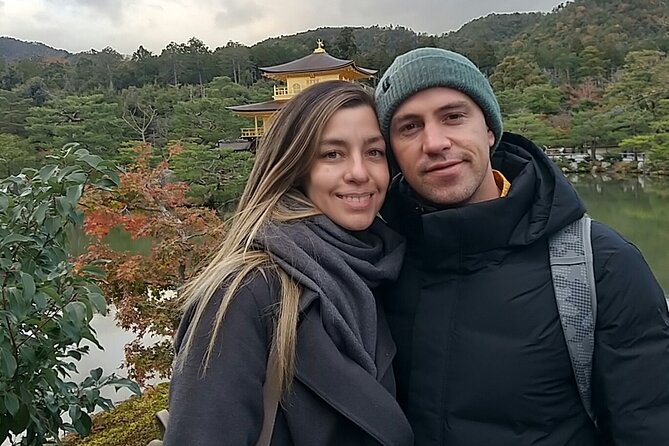
Kiyomizu-dera is a top choice when you want a major temple stop with a guided explanation. The tour description frames it as a comprehensive guided experience around the temple grounds, and entrance is listed as not included.
What I like here is the pairing logic. Kiyomizu-dera is one of those places where a guide can help you understand what you are looking at, then Higashiyama Ward gives you the surrounding feel of preserved historic Kyoto. The tour also notes Higashiyama Ward as one of Kyoto’s best preserved historic districts, especially along the eastern mountains slopes.
If you are the kind of person who enjoys walking streets as much as monuments, this pairing is strong. If you prefer quiet over crowds, plan your stop time with your guide so you are not doing the most popular parts at the peak moment.
Gion District and Pontocho: Where Kyoto Feels Like a Scene
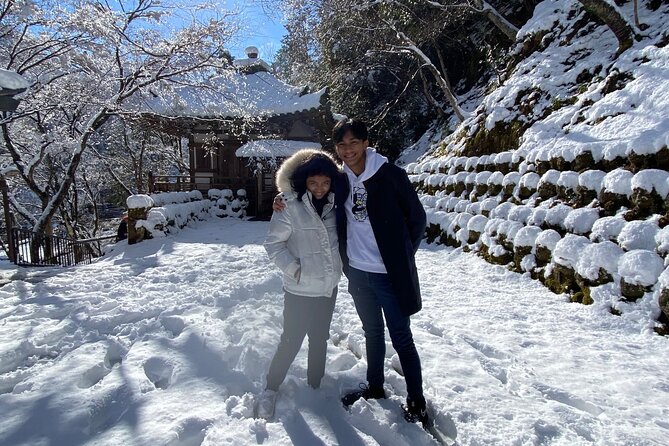
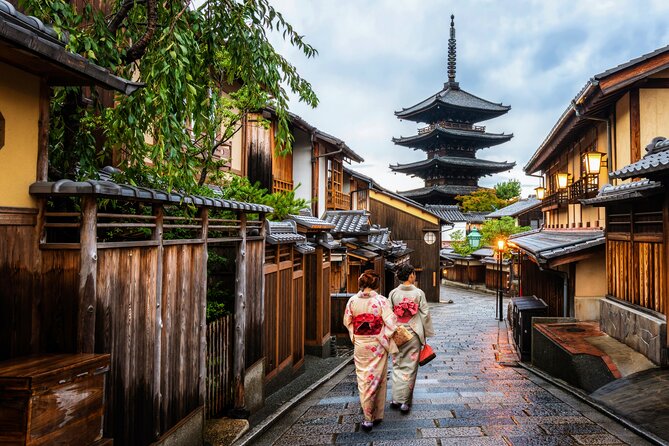
Gion is the Kyoto district people picture when they think of tradition, including its geisha history. The tour includes a stop focused on the narrow alleyways, and the big benefit is reducing the “where do I even go” stress for a first-timer.
Then there is Pontocho, the atmospheric dining alley near the Kamogawa River. The tour describes it as a narrow street packed with restaurant options.
My practical advice: use this block as your “Kyoto vibe” section. You might not need a long stop here, but it is a great place to linger for photos and atmosphere. If you want a meal, choose it carefully since lunch is not included, and this is a day where reservations can help.
Nishiki Market for Kyoto Food Culture in a Compact Block
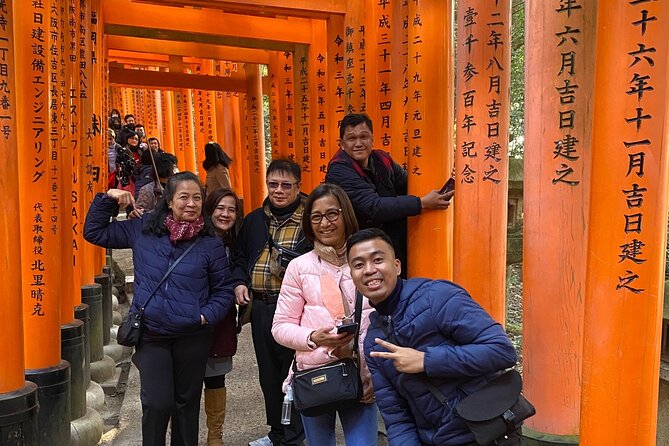
Nishiki Market is described as a narrow shopping street lined with more than one hundred shops and restaurants, nicknamed Kyoto’s Kitchen. The tour calls it lively and suited for shopping and tasting culture.
This is a smart stop for people who want Kyoto beyond temples. Markets make the day feel lived-in, not like a museum circuit. Also, the tour lists admission as free, so your cost stays predictable.
The possible drawback is pace. Market streets can be tight, and you will share space with other shoppers. If you prefer a slower shopping experience, ask your guide to time it and keep the flow comfortable.
Nijo Castle and Kyoto Imperial Palace for Power and Architecture
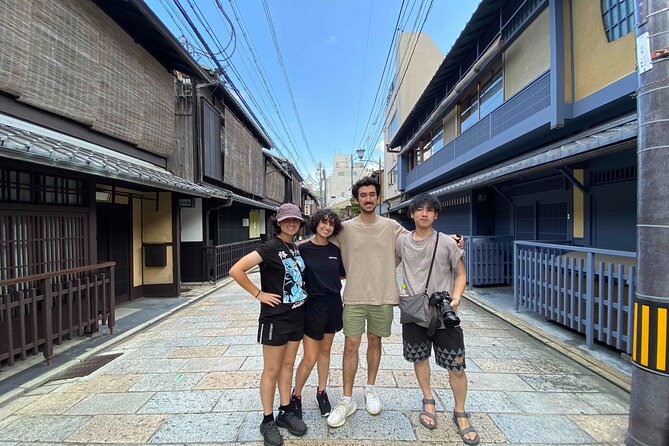
If you lean historic and you like how buildings reflect politics, these are your picks. Nijo Castle is presented as a UNESCO World Heritage site, built in 1603 as the residence of Tokugawa Ieyasu, first shogun of the Edo period.
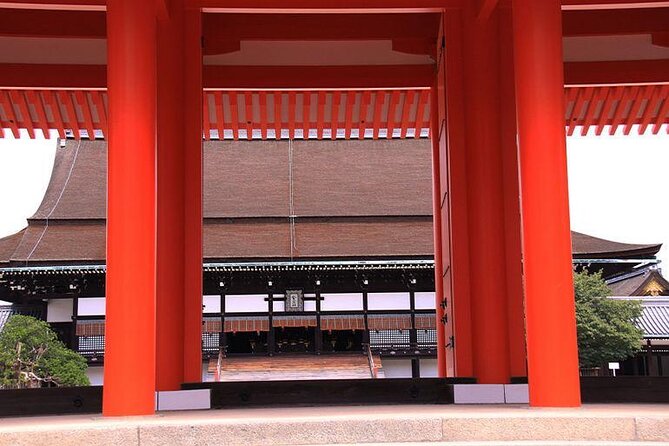
Kyoto Imperial Palace is another architecture-forward option. The tour explains it was the residence of Japan’s Imperial Family until 1868, when the emperor and capital moved from Kyoto to Tokyo.
The consideration is that these are often not quick photo ops. Even when the stop time is described as short, you will likely want a little attention paid to how the sites are laid out and what your guide explains.
Zen Temples: Ginkakuji, Nanzenji, and the Meaning of Quiet
Zen temples show up across multiple parts of the tour options, which is great if you enjoy a specific style of Kyoto. Ginkakuji, or Silver Pavilion, is described as a Zen temple on the eastern mountains, modeled after Kin-kakuji in its retirement villa era.
Nanzenji is framed as a major Zen temple with spacious grounds at the base of Higashiyama. It is also described as the head temple of one of the Zen sects, which your guide can connect to why the temple matters in the wider tradition.
Then there is Ryoanji, the standout for many people who like iconic images. The tour specifically names it as the site of Japan’s most famous rock garden.
The practical drawback is atmosphere. Zen sites are calmer, but they can also be cooler and more shaded. If you are visiting in a season with wind or rain, pack a layer. Your guide can also help you choose which Zen stop feels right on your schedule.
Golden Pavilion, Toji, and Other Big Names Worth Swapping Into Your Mix
Kinkakuji, the Golden Pavilion, is one of the most recognizable temple stops in Kyoto options. The tour says the top two floors are completely covered in gold leaf, and it explains it as the retirement villa of Ashikaga Yoshimasa.
Toji is another standout option. The tour notes it as an important Heian period era temple and mentions its origin just after the capital moved to Kyoto in the late 700s.
You also have other major temple options like Nan-nominated choices such as Ninna-ji, Shugakuin Imperial Villa, and Tenryuji, depending on what region your day will focus on.
A useful way to choose: if you want one “wow” temple, pick Kinkakuji or Ginkakuji. If you want a “religion meets daily Kyoto” feel, consider Toji or one of the area-focused temples near where you will spend walking time.
Arashiyama for Bamboo, Bridges, and Garden Design
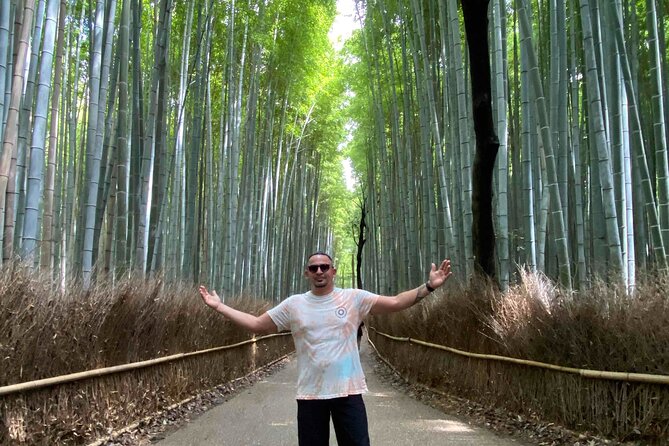
Arashiyama is where Kyoto shifts from shrine intensity to scenery. The tour includes Togetsukyo Bridge, described as Arashiyama’s iconic landmark and reconstructed in the 1930s. It also pairs this with Bamboo Forest Street, a walk through the bamboo groves that is particularly attractive with a light wind.
Tenryuji is included as the most important temple in the Arashiyama district in the tour description, also noted as a world heritage site. Then there is Okochi Sanso Garden, a villa complex in the back of the bamboo groves.
If you care about Japanese design and architecture, Katsura Imperial Villa is in the options too. The tour describes it as one of the finest examples of Japanese architecture and garden design, completed in 1645.
My honest take for value: Arashiyama gives you multiple “Kyoto feelings” in one region. You can mix a walk, a temple, and a garden style choice so the day does not repeat itself.
North Kyoto Options: Kibune, Kurama, and Mountain Calm
Not every Kyoto day has to be central. The tour’s north mountain options include Kibune, described as a small town in a forested valley with development around Kifune Shrine. Kurama is also included as a rural mountain town less than one hour from the city center in the tour description.
Then you can layer in temple stops like Jojakkoji, Nisonin, Gio-ji, and Adashino Nenbutsu-ji, which the tour describes as hillside temples with quiet atmospheres, moss gardens, and stone statues.
The benefit is simple: you get a different Kyoto texture. The drawback is weather and travel time. Mountain areas can be less forgiving in rain, so check in with your guide about what makes sense for your day’s conditions and energy.
Shugakuin Imperial Villa, Katsura Rikyū, and When Gardens Become the Main Event
Some people book Kyoto for shrines and temples, others for gardens and estate design. This tour’s options cover both.
Shugakuin Imperial Villa is described as built in the 17th century by Emperor Gomizuno and now managed by the Imperial Household Agency, with Upper, Middle, and Lower Villa. Katsura Imperial Villa is described separately as completed in 1645, and it is strongly associated with architecture and garden design.
If gardens are your thing, build your 3 to 4 stops around them, then choose one “anchor” temple or shrine so the day feels complete. If gardens are not your thing, you can swap these for Zen or market atmosphere stops.
Timing, Parking, and Getting the Most Out of a 9-Hour Day
A 9-hour day can feel either relaxed or chaotic, depending on how it is managed. The private vehicle helps, and reviews highlight that drivers often know quick routes and when to pick you up, which can matter a lot on city days.
One pattern you will see in strong days is this: your guide shapes the order to reduce wasted time and to keep transitions smooth. Some guides on this tour are praised for designing an efficient itinerary that still matches personal requests, including cruise-day timing.
So do not treat the day like a checklist. Treat it like a pacing plan. Tell your guide upfront what matters most, and let them help you avoid spending energy on low-priority stops.
Budget Reality: Price Value, Entrance Fees, and Lunch
The price is listed as $1,165.63 per group (up to 2), with a private vehicle and a licensed local English speaking guide included. That is not “cheap,” but it can be good value if you compare it to paying multiple tickets, hiring separate guides, or losing hours to inefficient routing.
What you should plan for: entrance fees, lunch, and personal expenses are not included. The tour also notes that guide entry fees are only covered for sights listed under what to expect, so you should expect some on-site ticket costs for many temples and castles.
If you want to control costs, choose more of the free sites noted as free in the descriptions, like Fushimi Inari, Nishiki Market, Higashiyama Ward, Bamboo Forest Street, and several north-mountain temple options that are listed as free. Then spend your paid admission budget on one or two “big ticket” picks like Kinkakuji or a castle.
Best Fit: Who This Tour Suits (And Who Might Want a Different Format)
This tour fits best if you want a private, guided day and you value understanding what you are seeing. It is also ideal for couples or small groups, since the group size is limited to up to 2.
It can also work for cruise passengers or anyone on a tight schedule. Reviews specifically praise guides who scheduled the day so people could return before a ship sailed, and that is exactly the kind of planning you want if your time in Kyoto is short.
If you prefer to wander independently with minimal structure, this may feel like too much planning. But if you like having someone help you decide what to do and what it means, this format is a strong match.
Should You Book This Kobe-to-Kyoto Private Tour?
I would book it if you want a guided Kyoto day with flexibility and you like the idea of choosing 3 to 4 high-fit stops instead of trying to see everything. The private vehicle from Kobe plus a licensed English speaking guide is a practical combo, and it is especially valuable if your schedule is tight.
I would hesitate if your budget depends on entrance fees and you do not want to pay for tickets and lunch separately. This is not an all-in one price where everything is included.
If you can handle planning around admissions and you care about getting the explanations right, you will likely end the day feeling like you actually understood Kyoto, not just photographed it.
FAQ
How long is the Kyoto day tour from Kobe?
The duration is listed as approximately 9 hours.
How many people are in a group?
The price is per group for up to 2 people, and it is a private tour where only your group participates.
Can I choose which Kyoto sites to visit?
Yes. After booking, you choose your must-see spots from the available options, and the tour is described as a customizable plan for 3 to 4 sites.
Are entrance fees included?
No. Entrance fees are not included, and lunch is also not included.
Is pickup offered from Kobe?
Yes, pickup is offered.
Are there mobile tickets and confirmation details?
The tour uses a mobile ticket, and confirmation is received at time of booking.
Licensed Guides on the Same Ground

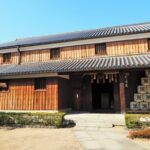
Kobe and the White Castle

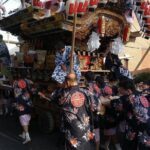


Newest Kobe write-ups from the Loving Japan desk
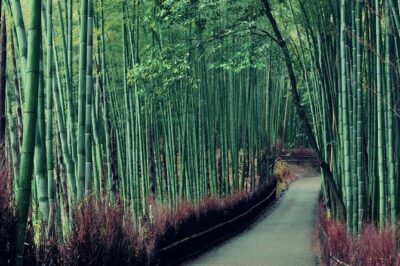
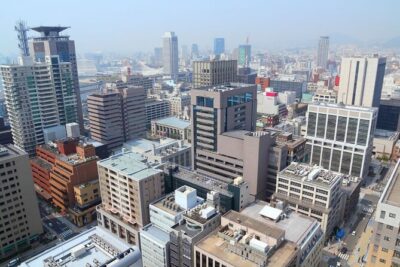
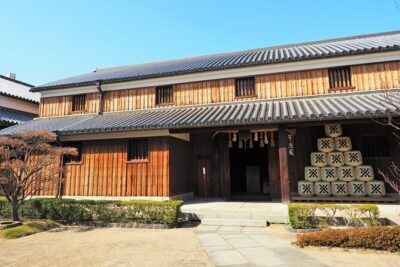

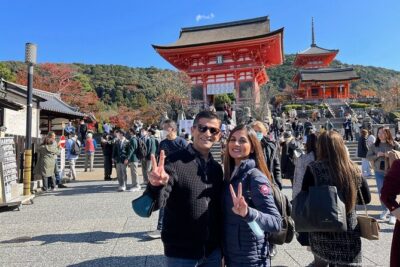
Kobe and Himeji Castle, side by side.
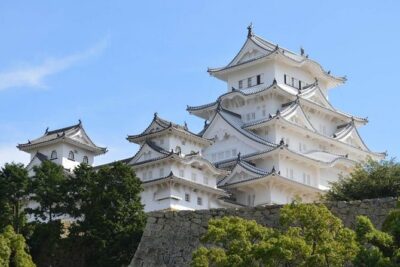 ★ 5.0Himeji Half-Day Private Tour with Government-Licensed GuideFrom $109236 reviews
 ★ 5.0Nara Park, Osaka & Kobe from Kyoto Full Day tourFrom $90207 reviews
 ★ 5.0Best of Himeji Castle: 3hr Tour with Licensed GuideFrom $69186 reviews
 ★ 5.02.5 Hour Private History and Culture Tour in Himeji CastleFrom $178185 reviews
 ★ 4.6From Kyoto: Nara, Osaka & Kobe Day Trip – 3 Cities in 1 DayFrom $129160 reviews
 ★ 5.0KOBE Sake Tasting Tour at Breweries (tasting fee included)From $109154 reviews
 ★ 4.8Volleyball in Osaka, Kobe & Kyoto with locals!From $6131 reviews
 ★ 4.9Himeji: Private Customized Tour with Licensed GuideFrom $106122 reviews
Filed on these lists too