
REVIEW · KOBE AND HIMEJI CASTLE
Kobe: Guided Sake Breweries Tour with Tastings
Sake tasting in Kobe, with real local flavor. This guided tour takes you through Nada district, visiting several breweries that range from long-running family names to a major house, so you get contrast, not just repeats. I like that it’s a small group (up to 10), so your English guide, like Hiro or Romi on past tours, can actually keep up with questions and pace the tasting.
What also makes it feel worth the money is the way it pairs sake education with stops you’d likely miss on your own. You’ll start at Ishiyagawa station, walk through Kobe’s brewery streets, sample different styles from each brewery, and even get snacks and fresh tofu at Okage Tofu-an when it’s open. One consideration: this is a walking tour, about 4 km total, so comfortable shoes matter, and bad weather can shift which breweries you reach.
In This Review
- Key highlights to look for
- Kobe’s Nada district is the stage, not just the backdrop
- Meeting at Ishiyagawa, then walking to Uozaki
- Kobe Shushinkan (Fukuju): start with tradition and a handcrafted mindset
- Okage Tofu-an: the snack stop that actually teaches something
- Hakutsuru Sake Brewery Museum: where the big brewery explains itself
- Kiku-Masamune Shuzo Kinenkan: Kimoto-method flavor in a calm garden setting
- How to taste the sake (without turning it into homework)
- Snacks, bottles, and the practical souvenir math
- Price and value: what $106 buys you in real time
- Who should book, and who should skip
- Should you book this Kobe sake breweries tour?
- FAQ
- What is the meeting point?
- What time does the tour start and end?
- How long is the tour?
- How many breweries will we visit?
- Is the tour mostly walking?
- Is tofu included?
- Are there tastings during the tour?
- What language is the guide?
- Are there any restrictions on who can join?
Key highlights to look for
- Nada district brewery streets focused on the highest-output sake zone in Kobe
- 3 to 4 brewery visits with tastings that show how style changes from house to house
- English live guide with personality, including guides like Hiro, Romi, and Aya who bring clear explanations and a fun tone
- Hakutsuru Sake Brewery Museum for a hands-on look at large-scale brewing with old-world tools
- Kiku-Masamune museum stop tied to the traditional Kimoto-method approach
- Fresh tofu stop at Okage Tofu-an, but note it is closed on Sundays and public holidays
Castle and beef in one run. Other combinations
- KOBE Sake Tasting Tour at Breweries (tasting fee included)
★ 5.0 · 154 reviews - Kobe Highlights & Hidden Gems: Private & Custom Tour with a Guide
★ 4.5 · 70 reviews - Kobe 4hr Private Tour with Government-Licensed Guide
★ 5.0 · 59 reviews - Kobe: Guided Sake Breweries Tour with Tastings
★ 5.0 · 55 reviews
Kobe’s Nada district is the stage, not just the backdrop
Kobe’s Nada area is basically sake country. It’s one of Japan’s top sake producing zones, and it’s built around the brewing neighborhoods clustered along the coast. The big advantage of doing this tour here is that you’re not driving around a random city. You’re walking through a place where sake has shaped local life for generations, including the water, the buildings, and the rhythms of the breweries.
I also appreciate that the tour doesn’t treat sake like one finished product. Instead, it frames sake as a spectrum. You’ll taste multiple types, and you’ll learn how brewing choices influence flavor, aroma, and how the sake finishes on your palate. That is how you start sounding like you know what you’re talking about at a tasting counter, even if you started as a casual drinker.
Finally, you get real local context. Your stops aren’t all museums and gift shops. You also hit a tofu shop that connects taste to ingredients, especially water and careful craft. It’s not the headline, but it makes the experience feel grounded.
Meeting at Ishiyagawa, then walking to Uozaki
The tour meets at Ishiyagawa station on the Hanshin line at 13:00. From there, you move mostly on foot. Expect about 4 km of walking total, plus short transfers between brewery areas. Plan for a steady, not-rushed pace, and remember you’ll still want your legs under you when the tastings start.
A practical tip: bring a backpack if you plan to buy sake as a souvenir. You’ll end at Uozaki station around 16:30, so it’s smart to keep your daypack handy. Also, eat something before you start. The tour includes snacks, but it’s still a tasting-focused schedule.
If weather turns ugly, there may be adjustments. One departure in rainy conditions used a car to help keep the schedule moving and reach an extra brewery stop. So, if you’re traveling in winter or during rainy weeks, keep your flexibility hat on.
Kobe Shushinkan (Fukuju): start with tradition and a handcrafted mindset
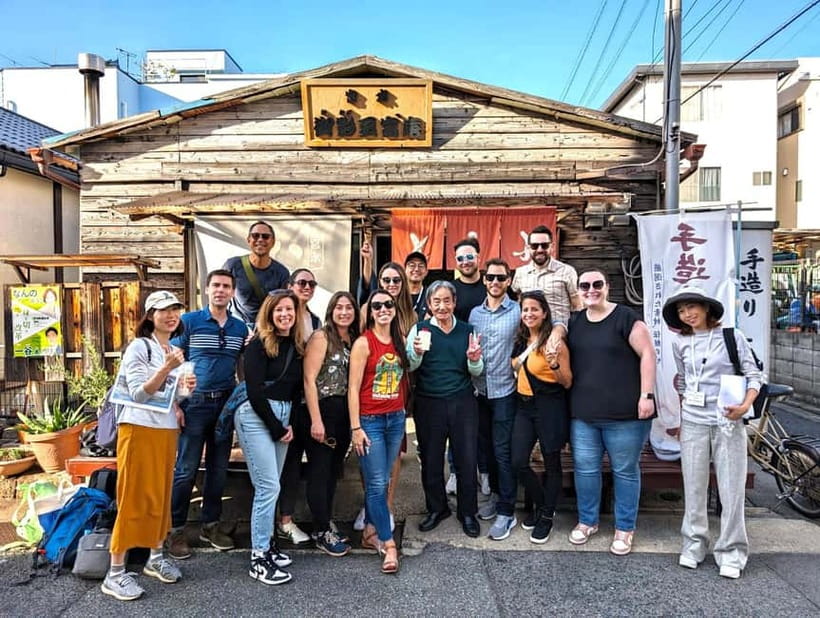
Your first brewery stop is Kobe Shushinkan, known for maintaining the brand name Fukuju. The brewery traces its founding to 1751, and the emphasis here is on handcrafted production. That matters because it sets the tone for the whole day. You’re not just tasting random bottles. You’re watching different approaches to the same core goal, turning polished rice and careful fermentation into something you can enjoy by the glass.
In this opening phase, I like that you get a baseline. As you taste your first set, pay attention to things like how the sake feels on your tongue (light and crisp versus more rounded), and how the aroma changes as you go from one type to the next. Your guide can help you sort out what you’re picking up, and guides like Hiro have been praised for making explanations feel clear rather than technical for technical’s sake.
Also, this is a good stop for your first souvenir idea. Many breweries sell bottles directly, and being early in the tour lets you buy something you want without worrying about rushing later.
Pour another. Breweries and tasting rooms nearby
- Sake Brewery and Japanese Life Experience Tour in Kobe★ 5.0 · 39 reviews
- Kobe: 3-Hour Sake Breweries Tour with Special Tasting★ 4.4 · 25 reviews
Okage Tofu-an: the snack stop that actually teaches something
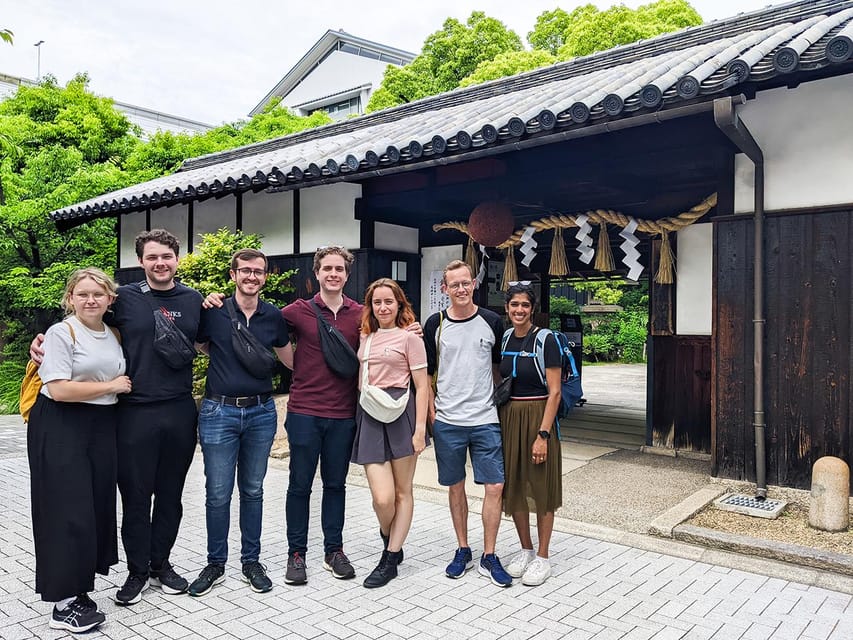
Between breweries, the tour includes a stop at Okage Tofu-an for fresh tofu and tasting. The key thing here is that it’s not just a break. The shop’s own story links sake culture to ingredients, especially water. You’re basically reminded that sake doesn’t come from nowhere. It’s built from the same ingredient mindset that goes into clean, delicate tofu.
The food is the kind you remember: fresh tofu made each morning, delivered with care, and (when timing is right) a chance to enjoy just-made ganmodoki straight from the kitchen. If that sounds like you like eating while you learn, you’ll appreciate this part.
Do note the one real drawback: on Sundays and public holidays, the tofu shop is closed, so the tour will not stop there and tofu tastings won’t be available. If you’re planning around a weekend, don’t count on tofu as your guaranteed highlight.
Hakutsuru Sake Brewery Museum: where the big brewery explains itself
Next you’ll visit the HAKUTSURU Sake Brewery Museum. This is a big stop, and it’s intentionally designed for visitors. At HAKUTSURU, Japan’s largest brewery, you can see an old brewhouse preserved in its original form, opened to the public as a museum. Even if you’ve toured distilleries before, the value here is that sake brewing is shown as a craft system, not just a brand story.
You’ll have access to a tasting corner in the same building, plus a shop where you can buy alcohol and souvenirs. That means you can take what you’re learning and turn it into a souvenir decision on the spot. If you’re the type who wants to buy the bottle you just tasted, this is where you do it.
I also like this stop for pace. After walking and the first brewery tasting, it’s a chance to slow down, stand still, and focus on the process. Your guide can connect what you’re seeing to what you’re tasting, and past guide performances like Aki and Fuma have been highlighted for staying organized and answering questions beyond basic sake facts.
Kiku-Masamune Shuzo Kinenkan: Kimoto-method flavor in a calm garden setting
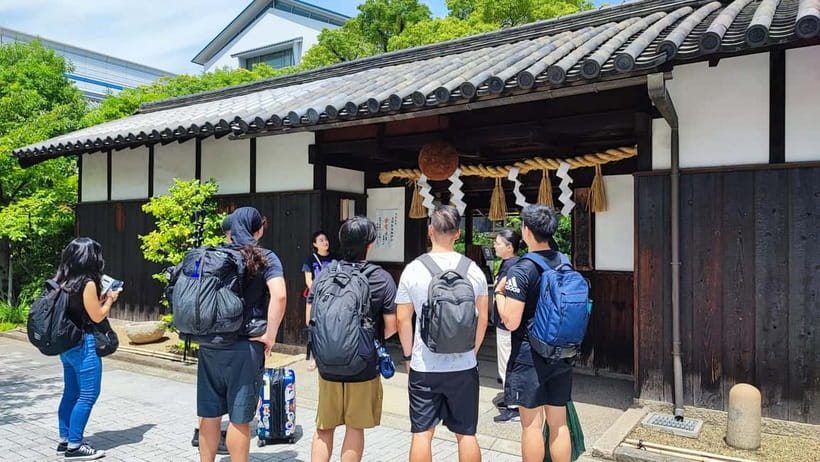
You’ll also visit Kiku-Masamune Shuzo Kinenkan, a brewery experience tied to craftsmanship since 1625. The standout theme here is the Kimoto-method yeast sake making style. That gives you a different angle than the museum-style tour at Hakutsuru. Instead of only seeing scale, you get a focus on approach and tradition.
The stop includes wooden sake-making tools and museum displays, plus a tasting experience in front of a Japanese garden. If you’ve ever noticed that the setting changes how you interpret scent and flavor, this part is built for that effect. You’re not chugging. You’re pausing, breathing, and trying to notice the difference between one sake type and another.
One more reason this stop is praised: the tasting often feels more personal. Guides have been commended for keeping the day from feeling like a checklist, and in at least one case, groups were prepared a private tasting space and were able to speak with a master brewer. That’s not something I’d bet on every date, but it’s a good reminder that this tour can go beyond standard museum viewing.
How to taste the sake (without turning it into homework)
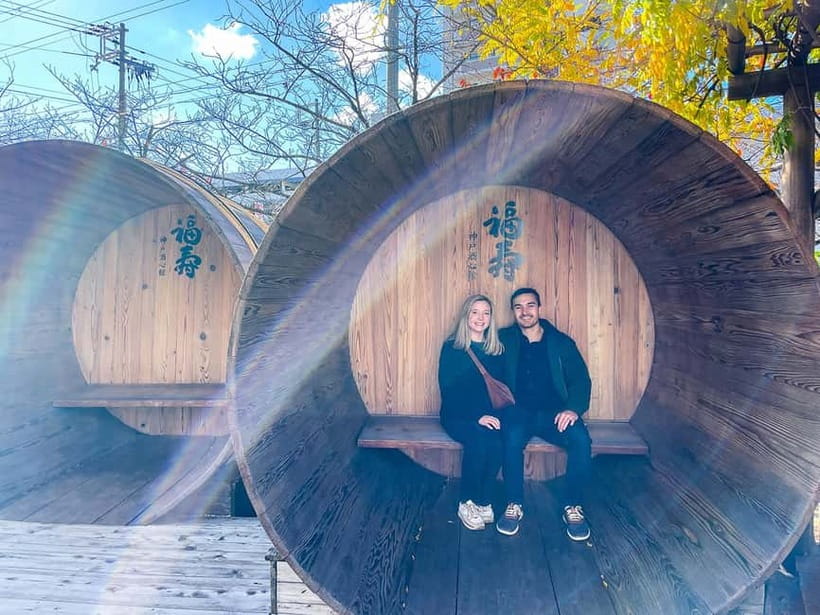
Sake tasting is fun when you don’t overthink it. Still, you’ll get more out of it if you listen for a few consistent clues while you sample.
I recommend you track three things for each tasting:
- First impression: does it smell light and clean, or more rounded and deeper?
- Mouth feel: does it feel crisp and tight, or smoother and fuller?
- Finish: does it leave a quick, clean fade, or linger with a gentle sweetness or earthy note?
Your guide helps you connect these sensations to what the breweries are doing. And if your English guide is someone like Romi, who has been praised for enthusiasm and humor, you’ll likely feel comfortable asking questions that other tours might not have time for.
One important note: the tour is for people over 20, and it’s not listed as suitable for pregnant women. Also, if you’re bringing professional evaluation methods that involve spitting, the tour data says you should contact in advance. In normal situations, you just sip and move along.
Snacks, bottles, and the practical souvenir math
Yes, you get snacks. That matters because you’re tasting alcohol, and the tour also includes walking. The tofu stop helps, but snacks throughout make it easier to enjoy the day without feeling drained.
Souvenir shopping is part of the day. Past tours include time at Hakutsuru with a shop on-site, and you’ll also see opportunities at the breweries. Bring a backpack because you can end up with bottles you definitely want to take home.
If you have a passport, here’s a useful detail: you can be exempt from tax on purchases over JPY 5,500 at breweries. That can help you justify one slightly more expensive bottle you’ll actually enjoy later.
Price and value: what $106 buys you in real time
At $106 per person for about 210 minutes (3.5 hours), you’re paying for three things you can’t easily replicate solo.
First, you’re paying for efficient access. Nada is full of breweries, but getting the right mix of stops takes planning. This tour lines up multiple brewery visits plus a museum stop, and it also includes a food stop and tastings.
Second, you’re paying for interpretation. The best part of the day is often not the alcohol itself. It’s the explanations that help you understand why a sake tastes the way it does. In guides like Hiro, Aya, Aki, and Hiroman, the common thread in feedback is clear English and the ability to answer questions without going in circles.
Third, you’re paying for the group setup. With a cap of 10 participants, the day stays social, not chaotic. You get enough time to taste and ask, while still moving through the neighborhood on foot.
Could you do it independently? Sure. But if you want to learn, taste, and come away feeling confident, the guide and structure are the value.
Who should book, and who should skip
This is a great fit if you:
- Like wine or sake tasting tours and want to compare styles across breweries
- Want a guided walk through Kobe that feels local, not bus-tour generic
- Enjoy learning process details while still having fun
- Prefer small groups with an English-speaking guide who can steer the conversation
It may be less suitable if you:
- Don’t handle walking well, since it’s about 4 km and mostly on foot
- Are traveling with a stroller or wheelchair and don’t want to coordinate (the tour asks you to let them know when you book)
- Are under 20 or pregnant, since the tour lists both categories as not suitable
Should you book this Kobe sake breweries tour?
Yes, I’d book it if your goal is a focused taste of Kobe’s Nada culture with a guide who can keep things clear and fun. The strongest reasons are the multiple breweries with tastings, the mix of brewery types (from long-running craft to a major museum), and the way the day stays social with a small group.
Skip it if you want a short, low-walking activity, or if you’re visiting on a Sunday or public holiday and specifically care about the tofu stop.
If you’re planning a Kobe day and you want a cultural experience that ends with bottles in your bag and better instincts at the next tasting counter, this tour is a solid call.
FAQ
What is the meeting point?
You meet at Ishiyagawa station on the Hanshin line. Staff will be wearing a name tag with the KampaiSakeTours logo.
What time does the tour start and end?
The tour starts at 13:00 and ends at Uozaki station at 16:30 (on the Hanshin line).
How long is the tour?
The total duration is 210 minutes.
How many breweries will we visit?
You visit about 3 different breweries in the Nada district, and the tour notes it may visit 3 to 4 locations depending on closures and conditions.
Is the tour mostly walking?
Yes. It’s a walking tour, and the day includes about 4 km on foot. Comfortable shoes are recommended.
Is tofu included?
Tofu is included via a stop at Okage Tofu-an for food tasting, but the tour notes that Okage Tofu-an is closed on Sundays and public holidays, so tofu tastings will not be available then.
Are there tastings during the tour?
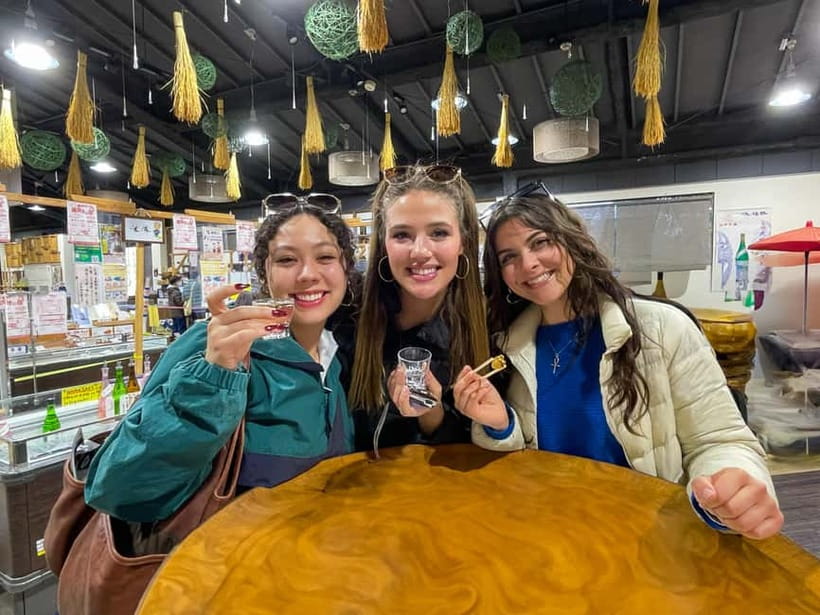
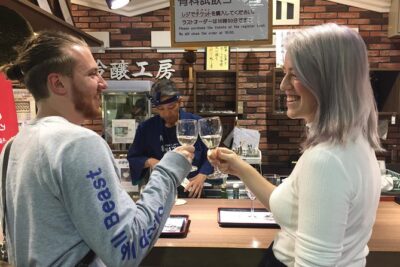
Yes. You sample different types of sake from each brewery, with tastings built into the stops.
What language is the guide?
The live tour guide speaks English.
Are there any restrictions on who can join?
The tour lists it as not suitable for pregnant women and people under 20. If you use a wheelchair or bring a stroller, you should let the operator know when you make your reservation. If you intend to spit during tasting for professional evaluation, contact in advance.
Cups, Cellars and Tasting Rooms

Kobe and the White Castle

Newest Kobe write-ups from the Loving Japan desk
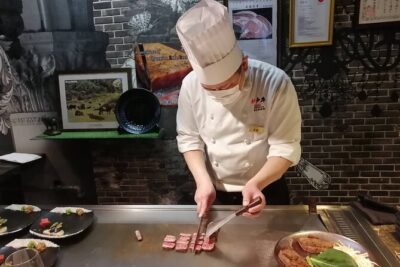
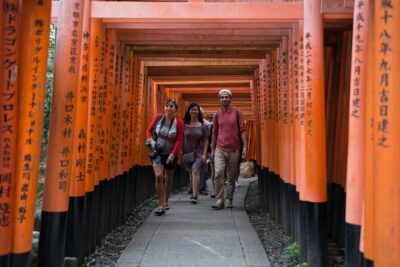
Kobe and Himeji Castle, side by side.
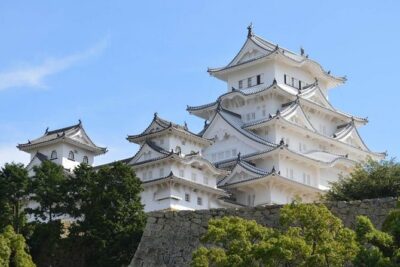 ★ 5.0Himeji Half-Day Private Tour with Government-Licensed GuideFrom $109236 reviews
 ★ 5.0Nara Park, Osaka & Kobe from Kyoto Full Day tourFrom $90207 reviews
 ★ 5.0Best of Himeji Castle: 3hr Tour with Licensed GuideFrom $69186 reviews
 ★ 5.02.5 Hour Private History and Culture Tour in Himeji CastleFrom $178185 reviews
 ★ 4.6From Kyoto: Nara, Osaka & Kobe Day Trip – 3 Cities in 1 DayFrom $129160 reviews
 ★ 5.0KOBE Sake Tasting Tour at Breweries (tasting fee included)From $109154 reviews
 ★ 4.8Volleyball in Osaka, Kobe & Kyoto with locals!From $6131 reviews
 ★ 4.9Himeji: Private Customized Tour with Licensed GuideFrom $106122 reviews