
REVIEW · TICKETS
Kyoto: Ninnaji Temple Entry Ticket
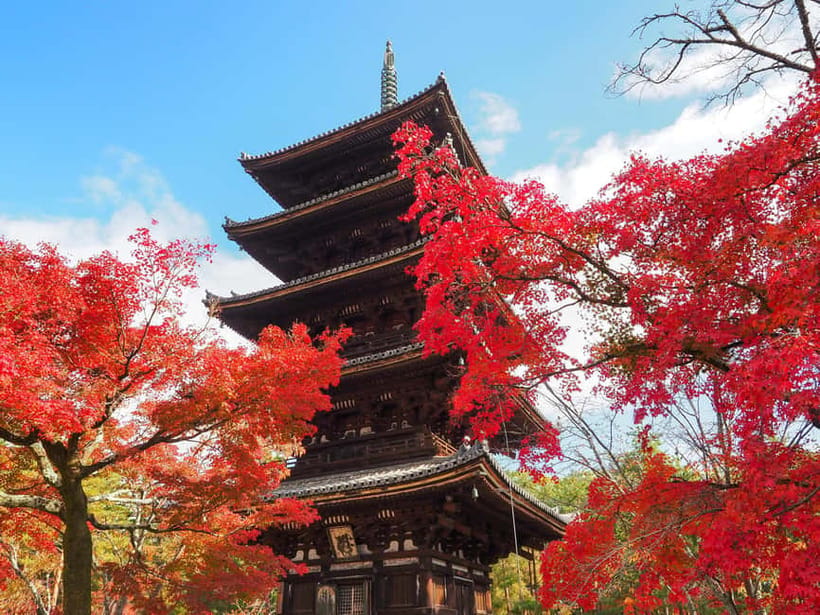
Ninna-ji feels like Kyoto slowing down. This entry ticket lets you tour one of the city’s most serene temple settings, with late-blooming Omuro Sakura and that famous five-story pagoda backdrop. I especially like how the grounds and buildings work with the seasons, and how the Omuro Pilgrimage course gives you a focused walk without needing a full day of marathon devotion. One drawback to plan around: during cherry blossom season there can be an extra admission fee after the Chumon inner gate, so your total cost depends on timing.
If you enjoy temples that feel lived-in, not staged, Ninna-ji is a good match. It was founded in 888 AD and is the main temple of the Omuro school of the Shingon sect of Buddhism, so you get that sense of continuity as you move through halls, gardens, and prayer spaces. I will say it is worth timing your visit so you do not end up rushing, because the ticket booths stop selling 30 minutes before the temple closes.
In This Review
- Quick hits before you go
- Ninna-ji Temple, Kyoto’s season-by-season sanctuary
- What you actually get with your Ninnaji entry ticket
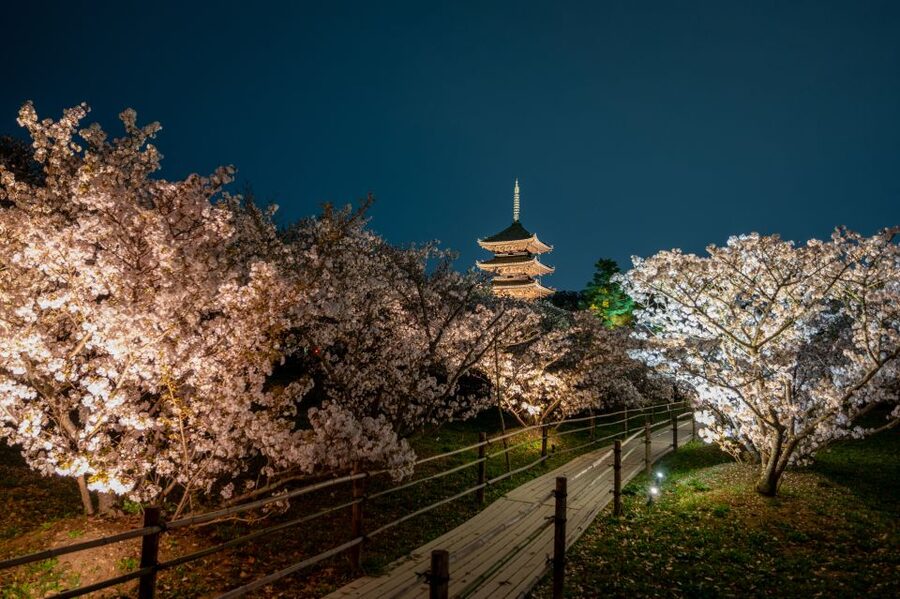
- The heart of the experience: Omuro Sakura and the five-story pagoda
- Taking the Omuro Pilgrimage course for a focused, nature-led walk
- Reiho-kan Museum: the cultural context add-on
- Goten Palace and gardens: quieter atmosphere, big mood in winter
- Seasons at Ninna-ji: what changes, and how to enjoy each one
- Spring, when the Omuro Sakura steals the show
- Summer, when ceremonies bring the temple alive
- Fall, when buildings fade into red and yellow
- Winter, when the garden turns still and snowy
- How long should you plan, really?
- Ticketing details and opening hours that affect your day
- What the small details teach you (and why I’d repeat this visit)
- Price and value: why $5 can still surprise you
- Who should book this Ninna-ji ticket?
- Should you book? My honest take
- FAQ
- What is the price for the Kyoto Ninnaji Temple entry ticket?
- How long is the experience?
- Where is Ninna-ji located?
- What are the opening hours?
- When do the ticket booths close?
- Is there an extra fee for the Omuro Sakura during cherry blossom season?
- What is the Omuro Pilgrimage course?
- What is included in the ticket?
- Is the temple wheelchair accessible?
- If I have a physical disability certificate, do I pay admission?
- Can I cancel and get a refund?
Quick hits before you go
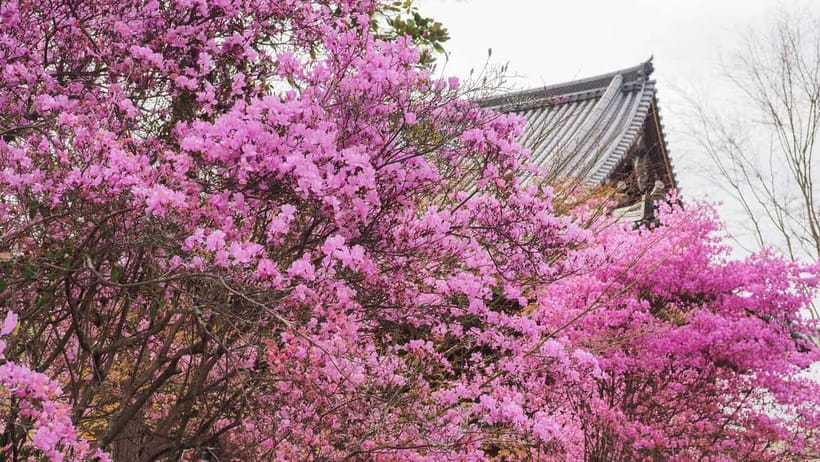
- Omuro Sakura: late-blooming cherry trees that can require an extra fee after the Chumon inner gate in peak season
- Five-story pagoda: a classic Kyoto silhouette you can enjoy as part of the wider temple complex
- Omuro Pilgrimage course (about 2 hours): a shorter version of the Shikoku Pilgrimage, designed for a calmer, nature-filled route
- Reiho-kan Museum: optional ticket to see important cultural items connected to Ninna-ji
- Goten Palace and gardens: included entrance for a quieter, more atmosphere-heavy side of the property
- Seasonal shifts all year: summer ceremonies, autumn colors, and winter snow views of the Goten Palace area
Ninna-ji Temple, Kyoto’s season-by-season sanctuary
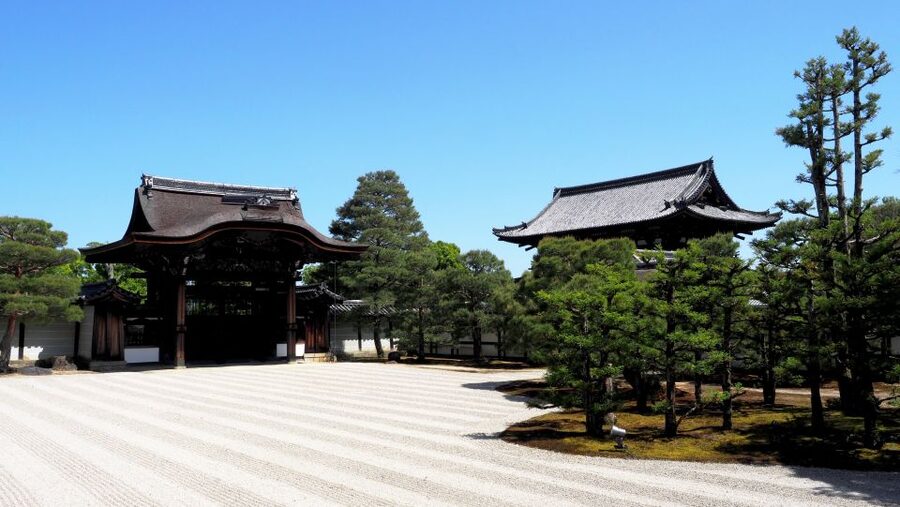
Ninna-ji is the kind of place where you start noticing small things. A path turns, the light changes, and suddenly the whole complex feels different. The big selling points here are not just the headline attractions. It is also the way the temple grounds match the calendar.
I love the combination of the Omuro Sakura timing and the dramatic temple architecture. The late-blooming cherry trees are famous for a reason, and the five-story pagoda adds that Kyoto landmark feeling without needing a big crowd to feel special. I also like that the route includes both garden time and cultural artifacts, especially if you add the Reiho-kan Museum option.
The one thing you should keep in mind is costs can vary. The base ticket is a bargain at $5 per person, but cherry blossom season may trigger an additional fee for entry to the area after the Chumon inner gate to view the Omuro Sakura. If you are visiting during peak sakura weeks, you should mentally budget for it.
What you actually get with your Ninnaji entry ticket
Your ticket is valid for 1 day, and you check availability for starting times. Think of it as entry with flexibility, not a strict guided tour schedule you must follow down to the minute.
Included with your experience (based on the options you select):
- Goten Palace and gardens entrance ticket (special entrances excluded)
- Reiho-kan Museum entrance if that option is selected
- Flower festival entrance ticket if that option is selected
- Other special entrance tickets if that option is selected
Why this matters for value: at $5, the base price is already low enough that the real decision becomes what you want to add. If you care about artifacts and museum context, add Reiho-kan. If you are chasing festival atmosphere, consider the flower festival option when available.
Also note the practical stuff. The ticket booths close 30 minutes before the temple closes. So build in cushion time, especially if you plan to reach the Sakura-viewing area or want time inside the museum.
The heart of the experience: Omuro Sakura and the five-story pagoda
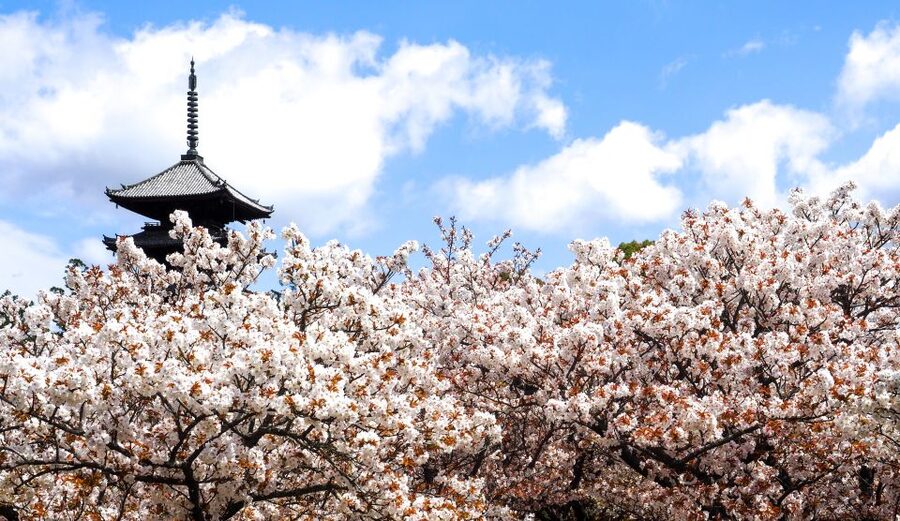
Let’s talk about the two big visual anchors. Ninna-ji is especially known for the late-blooming Omuro sakura cherry trees and for its five-story pagoda.
If you visit in spring, this is the moment people remember. The ticket info is very clear: during cherry blossom season, you may need an admission fee to enter the area after the Chumon inner gate to view the Omuro Sakura. The fee helps preserve the Omuro Sakura, and the exact time period can shift depending on when the blossoms reach full bloom.
How to make this work smoothly:
- Arrive with enough time to pass through the gates and still enjoy the walk at a normal pace.
- If you are traveling in spring, treat your sakura visit like a two-part plan: base entry first, then decide once you get closer whether you want to go into the Sakura-viewing area where the extra fee applies.
The pagoda ties it all together. Even when crowds are present, a temple setting like this keeps the focus on the structure, not on a theme-park feel. The five-story pagoda becomes a visual center point as you move through the complex.
Taking the Omuro Pilgrimage course for a focused, nature-led walk
One of the most useful features for planning is the Omuro Pilgrimage course. It is described as a shorter version of the Shikoku Pilgrimage, and it takes about two hours.
Why I think this is smart for many visitors: you get the pilgrimage idea without the commitment of a long multi-day route. It also lets you experience Ninna-ji in motion, not just as a sequence of buildings.
What you will notice as you walk:
- The course is surrounded by the sounds of nature and the changing seasons.
- The route pairs well with the main sights. You can treat it as your “middle of the day” anchor so you are not wandering randomly.
If you are someone who likes a plan but hates feeling rushed, this is the sweet spot. Two hours is long enough to feel like you did something real, short enough that you can still enjoy museums, gardens, and palace views afterward.
Reiho-kan Museum: the cultural context add-on
If you choose it, the Reiho-kan Museum is where the visit gets more grounded. The ticket description says you can see important cultural items that belong to Ninna-ji.
Even if you are not a hardcore museum person, this is valuable because temples are not only scenery. They are collections of objects, rituals, and traditions. A museum stop gives you names, objects, and context that make the rest of the grounds feel more meaningful.
Practical tip: since the museum entry is optional, decide before you arrive based on your energy level. If you are traveling with kids, older family members, or you want more outdoor time, you can skip it. If you are a museum-minded traveler or you want a deeper understanding of what Ninna-ji preserves, add it.
Goten Palace and gardens: quieter atmosphere, big mood in winter
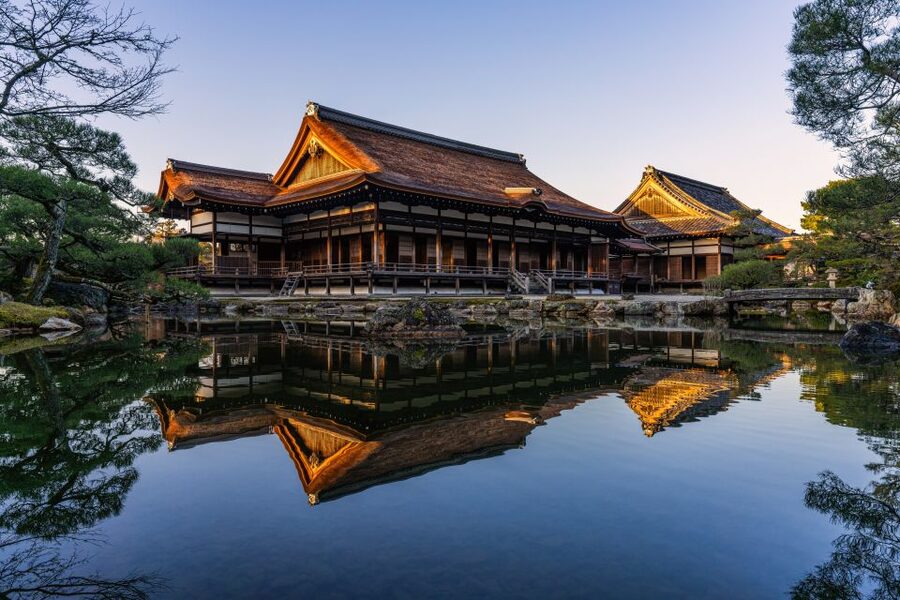
The Goten Palace and gardens entrance ticket is included. Even if you never become a gardens person, this section can still hit you. It is the kind of place where you feel the season changing in a slower way.
In winter, the information specifically calls out the serene Japanese garden after snow, plus the snowy scenery of the Goten Palace. That is a rare bonus for Kyoto. Lots of places do autumn colors well. Fewer places let you experience a snowy temple setting while staying inside a carefully designed garden environment.
One planning consideration: winter hours are earlier than spring and summer. Opening hours are 9 AM to 4:30 PM from December to February, so you will want to be on site with time to enjoy the palace and gardens before closing.
Seasons at Ninna-ji: what changes, and how to enjoy each one
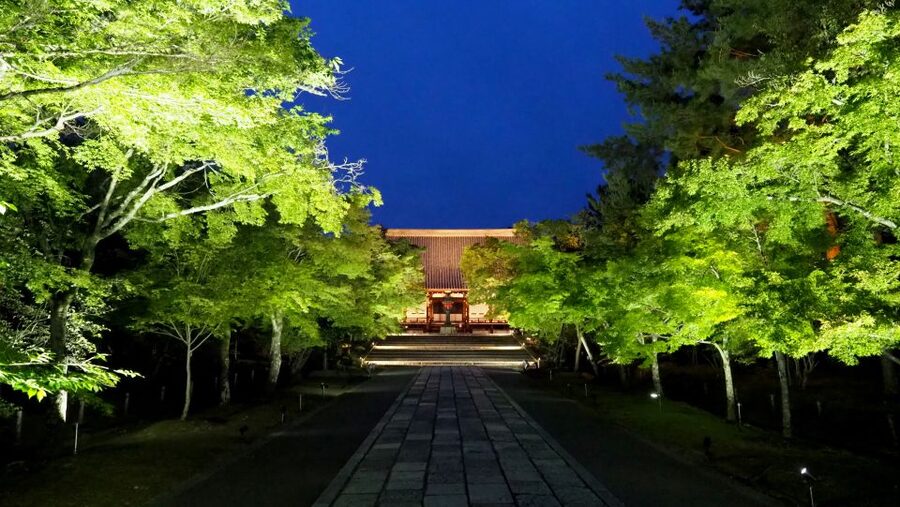
Ninna-ji is a year-round visit, and the experience shifts in meaningful ways.
Spring, when the Omuro Sakura steals the show
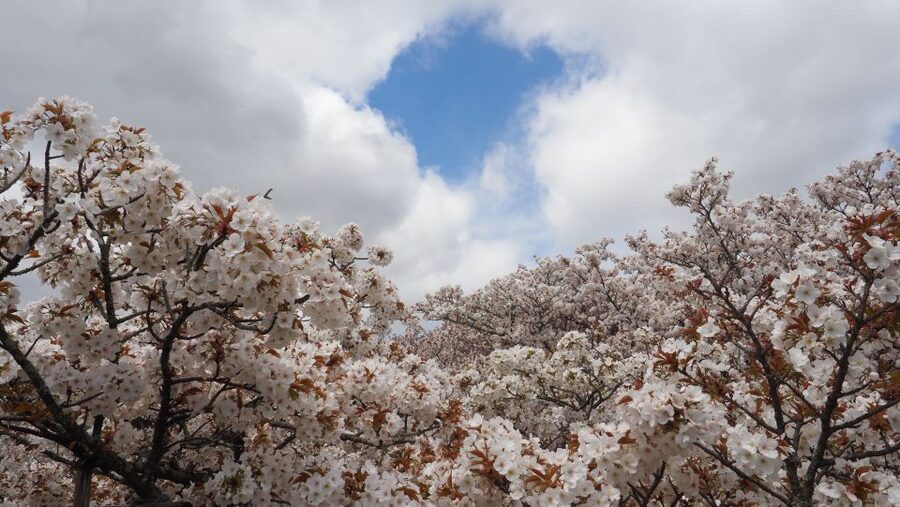
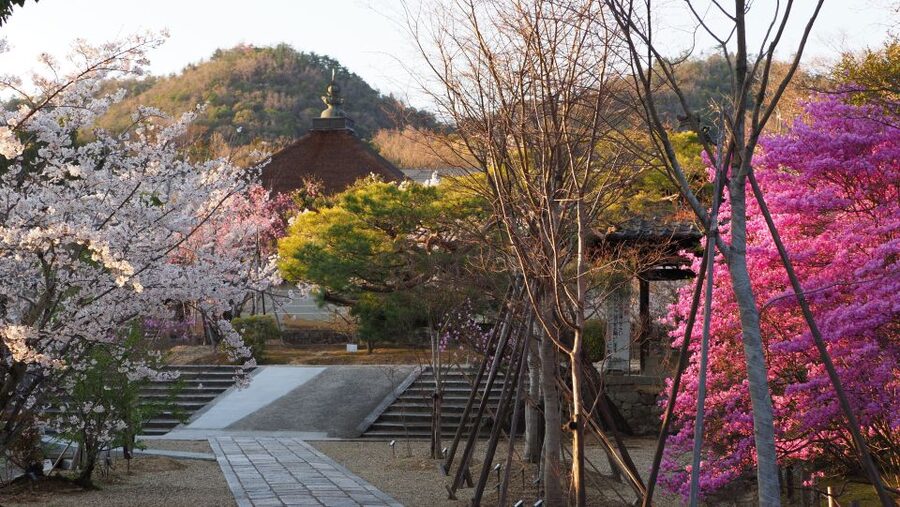
Spring is the obvious reason to go. The Omuro Sakura are late-blooming, which means your spring trip might line up better than you expect. The catch is the extra fee after the Chumon inner gate when the blossoms are in full bloom. If you want the best odds, go during the period when the blossoms are most likely to be at their peak. The exact fee period can vary by bloom timing.
Summer, when ceremonies bring the temple alive
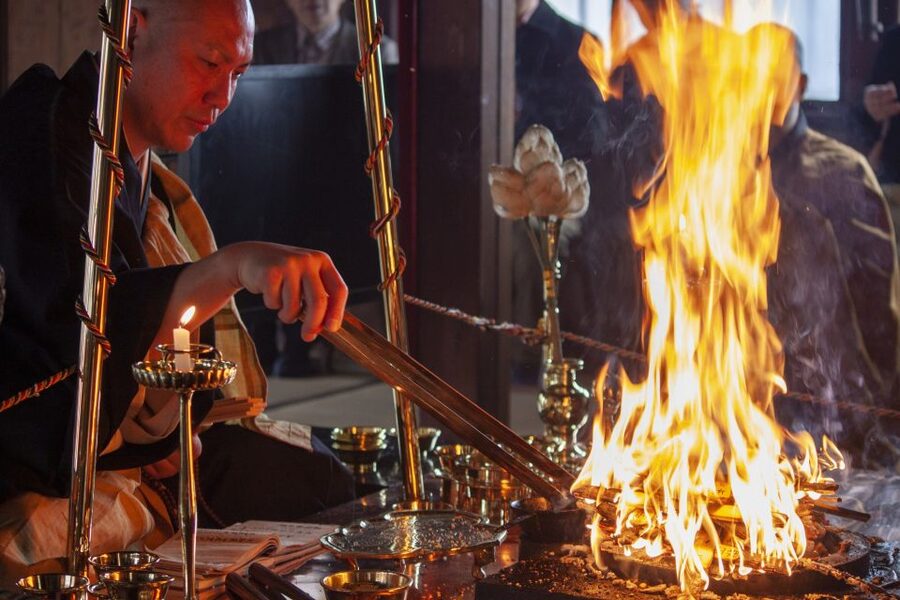
In summertime, the temple sees many priests for Buddhist ceremonies. This can feel especially immersive because it is not just sightseeing. You are witnessing a living place with active practice.
If you like “temple as temple,” summer can be a strong choice. Just remember that you still need to stay flexible with your time so you do not miss areas that close earlier than you expect.
Fall, when buildings fade into red and yellow
Fall is when the temple buildings are enveloped in vivid red and yellow shades. This is one of the easiest seasons to love because it is visual even if you only have a few hours. The foliage plus pagoda silhouette is a classic Kyoto combo.
Winter, when the garden turns still and snowy
Winter is described as a serene Japanese garden after snow and gorgeous snowy scenery of the Goten Palace. If you like calm mornings and slower pacing, this is when Ninna-ji can feel especially restorative.
Also watch the hours. From December to February, the temple closes at 4:30 PM, and you need to account for the ticket booth cutoff 30 minutes before closing.
How long should you plan, really?
The listing frames this as a 1-day experience. That is realistic because you can decide how much you want to do.
A good way to think about it:
- Omuro Pilgrimage course: about two hours
- Add time for the Goten Palace and gardens areas
- If selected, add time for Reiho-kan Museum
- Add buffer for gates, pathways, and any seasonal viewing areas
I would plan for a half day if you focus on gardens plus the essentials, or a full day if you want museum context and the pilgrimage course. Since your ticket is for 1 day, you can pace yourself without feeling trapped into a fixed timeline.
Ticketing details and opening hours that affect your day
Here are the key time rules you should anchor your schedule around:
- Opening hours are 9 AM to 5 PM from March to November
- Opening hours are 9 AM to 4:30 PM from December to February
- Ticket booths close 30 minutes before the temple closes
During cherry blossom season, there is an additional admission fee required to enter the area after the Chumon inner gate to view the Omuro Sakura. Fees go toward preservation of the Omuro Sakura, and the fee period can vary depending on whether blossoms are fully open.
If you have a physical disability certificate, you can get in for free. The free entry applies only to the person with the certificate, and you should ask at the ticket counter.
What the small details teach you (and why I’d repeat this visit)
One thing I really appreciate about Ninna-ji is that it trains your attention. You stop treating the visit like a checklist and start noticing flow: gate to garden, garden to building, building back to garden.
The Omuro Pilgrimage course helps with that. It gives you a defined walking experience that pairs naturally with nature sounds and seasonal change. You are not just walking randomly through a large complex. You have a purpose.
And inside the main prayer spaces, there can be a special guide. One review mentions a special guide inside Kannon-do who was wonderful and informative. I cannot promise you will catch a guide every time, but if there is someone explaining when you arrive, take the extra minutes. It can turn your visit from pretty to meaningful.
Price and value: why $5 can still surprise you
At $5 per person, the base cost is excellent value for a temple complex with major seasonal attractions and optional add-ons. The key is that your final price may rise if you choose the optional tickets or if you visit during Omuro Sakura peak bloom when the Chumon inner gate area requires an additional fee.
So the math is not just about the $5. It is about what you want from the visit:
- If you want outdoors plus highlights, you may spend close to the base ticket.
- If you want cultural artifacts and context, add Reiho-kan Museum.
- If you are there specifically for the Omuro Sakura views during full bloom, plan for the extra gate-area fee.
Who should book this Ninna-ji ticket?
This is a great fit if:
- You want a Kyoto temple experience that changes meaningfully through the year
- You like the idea of a two-hour route with a pilgrimage vibe
- You care about gardens and museum context more than nightlife or shopping
- You want a low-cost way to see a major temple with flexible add-ons
It might be less ideal if:
- You hate any possibility of extra fees during busy seasonal viewing periods
- You want a guided tour with guaranteed explanations at every step, since this is an entry-ticket style experience and the guide aspect may vary by what is happening on the day
Should you book? My honest take
Yes, I would book this if you are visiting Kyoto and you want a temple day that feels quiet and seasonal. The base price is hard to beat, and the mix of Goten Palace and gardens, a two-hour pilgrimage course, and optional Reiho-kan Museum gives you real control over how you spend your time.
The only reason to pause is the cherry blossom timing math. If you are traveling during Omuro Sakura full bloom, expect the extra fee after the Chumon inner gate and plan your day so you do not feel rushed.
FAQ
What is the price for the Kyoto Ninnaji Temple entry ticket?
The price is listed as $5 per person.
How long is the experience?
It is a 1-day experience, and the Omuro Pilgrimage course is described as taking about two hours.
Where is Ninna-ji located?
Ninna-ji is in Kyoto, on Honshu, Japan.
What are the opening hours?
From March to November, opening hours are 9 AM to 5 PM. From December to February, opening hours are 9 AM to 4:30 PM.
When do the ticket booths close?
The ticket booths close 30 minutes before the temple closes.
Is there an extra fee for the Omuro Sakura during cherry blossom season?
Yes. During cherry blossom season, an admission fee is required to enter the area after the Chumon inner gate to view the Omuro Sakura. The period when the fee is required can vary depending on when the blossoms are in full bloom.
What is the Omuro Pilgrimage course?
It is a shorter version of the Shikoku Pilgrimage, and it takes about two hours. The course is described as being surrounded by the sounds of nature and the changing seasons.
What is included in the ticket?
The Goten Palace and gardens entrance ticket is included, excluding special entrance tickets. The Reiho-kan Museum entrance ticket and the flower festival entrance ticket are included only if you select those options.
Is the temple wheelchair accessible?
Yes, it is listed as wheelchair accessible.
If I have a physical disability certificate, do I pay admission?
If you have a physical disability certificate, the person with the certificate can enter for free. You should ask at the ticket counter.
Can I cancel and get a refund?
Yes. Free cancellation is available up to 24 hours in advance for a full refund. You can also reserve now and pay later.
Tickets, side by side.
 ★ 4.5TOKYO SKYTREE® Admission ticketFrom $1311,192 reviews
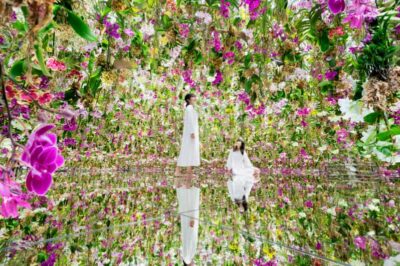 ★ 4.6teamLab Planets TOKYO Digital Art Museum Entry TicketFrom $259,779 reviews
 ★ 3.9Hop-On Hop-Off Sightseeing Bus TicketFrom $304,207 reviews
 ★ 4.6Tokyo Tower: Admission TicketFrom $93,661 reviews
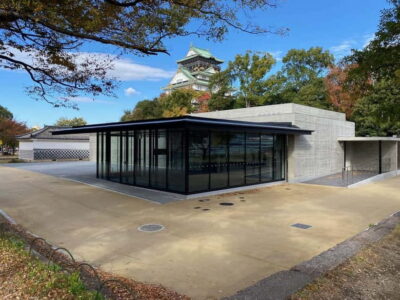 ★ 4.5Osaka Castle: Museum and Tower Entry TicketFrom $72,380 reviews
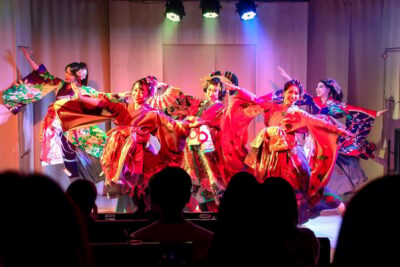 ★ 4.8Japanese Dance Cabaret Theater Asakusa-Kaguwa TicketFrom $492,270 reviews
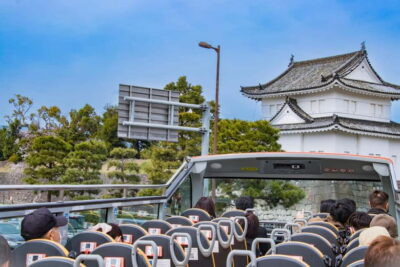 ★ 3.9Hop-on Hop-off Sightseeing Bus TicketFrom $272,034 reviews
 ★ 4.5teamLab Botanical Garden Entry TicketFrom $111,710 reviews