
REVIEW · OSAKA CASTLE, UMEDA AND THE CITY CENTRE
Meet Osaka locals and Japanese speaking experience at Pub Umeda
Osaka friendships start with one drink. This 2.5-hour Japanese language exchange at Pub Umeda is built to help you meet locals, speak more than you think you can, and leave with practical Osaka recommendations.
I especially like the low-pressure setup, you get a seat, a conversation topic card, and a built-in way to meet both Japanese speakers and other international guests. The other big win is that you can ask for what to do and where to eat in Osaka directly from Japanese speakers, which is the kind of info that is hard to track down on your own.
One possible drawback to keep in mind: food and drinks are not included, so you will want to plan for at least a drink purchase once you arrive at the pub.
In This Review
- Key highlights at Pub Umeda in Osaka
- Where this Osaka language exchange actually happens
- The check-in flow, seating plan, and how you stop freezing
- Beginner-friendly Japanese practice that does not punish you
- Topic cards plus a short English round: the icebreaker combo
- Asking locals for Osaka food and things to do
- Price and value: what you really pay for at $28
- Group size, energy, and the host effect
- What to say, what to ask, and how to get better fast
- Who this Osaka meetup is best for
- Booking, timing, and making the most of your 7:30 pm start
- Should you book Pub Umeda for an Osaka Japanese speaking night?
- FAQ
- Where does the Osaka meetup at Pub Umeda take place?
- What time does the experience begin?
- How long is the language exchange?
- What is the price per person?
- Is Japanese required to join?
- How are participants grouped during the evening?
- Do you get a chance to talk to more than one person?
- Is there any English conversation time?
- What is not included in the ticket price?
Key highlights at Pub Umeda in Osaka
- Topic cards give you something to say right away, even if your Japanese is shaky
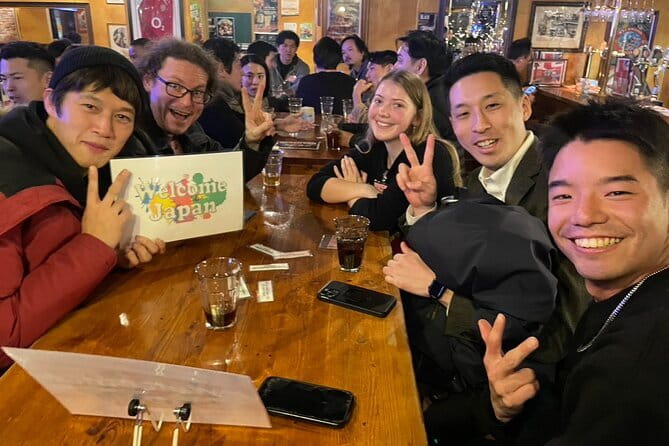
- Mixed groups (3 to 4 people) pair Japanese speakers with international guests
- Seat rotations push you to talk several times, not just once
- Beginner-friendly Japanese practice, including total beginners
- A short English conversation schedule (15 minutes) helps break the ice fast
The rest of central Osaka, ticket by ticket
- Osaka Castle: Museum and Tower Entry Ticket
★ 4.5 · 2,380 reviews - Osaka: Umeda Sky Building Official E-Ticket
★ 4.6 · 1,131 reviews - Osaka Castle Walking Tour and Castle Tower Admission
★ 5.0 · 561 reviews - 5-Hour Osaka Bike Tour to the Neighborhood of Osaka Castle
★ 5.0 · 319 reviews
Where this Osaka language exchange actually happens
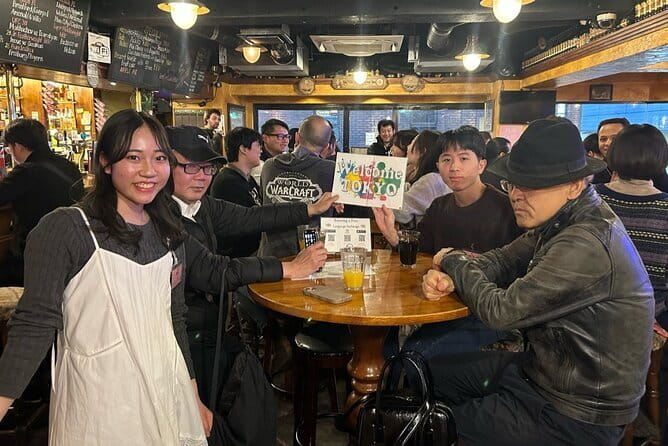
Your evening starts at HUB Umeda-Chayamachi Applause, near public transportation, so you are not stuck with a long taxi bill or a last-mile headache. The meetup begins at 7:30 pm, which is perfect timing in Osaka. You can do a relaxed dinner first, then show up for conversation while the city is in full evening mode.
The venue is a pub, so the atmosphere is informal. That matters, because language exchanges can feel tense when everyone is staring at their phone. Here, the structure nudges you into conversation without turning it into a classroom.
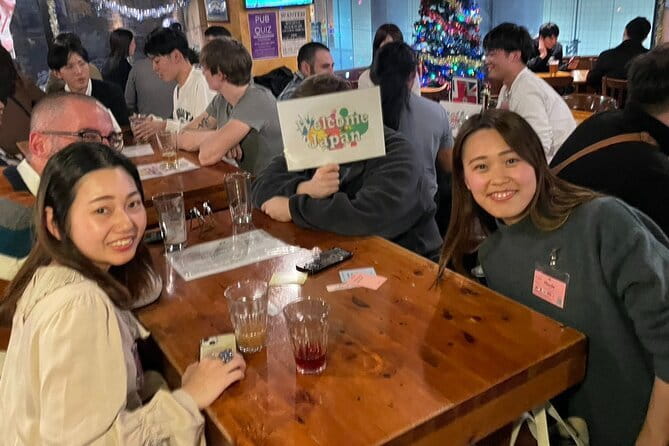
At check-in, you grab a drink and settle in. You do not need to be able to speak Japanese to start chatting. The whole event is designed around friendly interaction, which is a smart approach if you are a solo traveler and you want genuine human contact, not just a quick photo.
The check-in flow, seating plan, and how you stop freezing
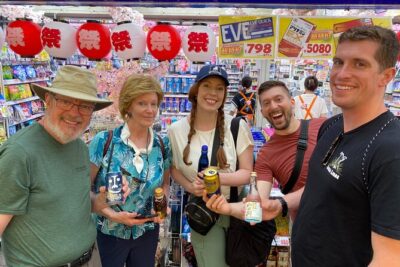
The organizer sets you up with a seat per person and uses topic cards to keep the talk moving. You also get grouped into small clusters of around 3 to 4 people, mixing Japanese speakers and international guests. This is where the experience becomes practical: small groups feel manageable, so you have a real chance to speak.
A key detail is that the staff changes seats so you get multiple rounds of conversation, typically two to three times. That means you are less likely to get stuck with one person who answers everything in one word. It also gives you variety. You hear different accents, different speeds of speaking, and different levels of comfort.
If you are shy, this format helps. You are not being asked to suddenly lead a conversation from scratch. Instead, you are guided into a conversation with a prompt, and you just keep going from there.
Beginner-friendly Japanese practice that does not punish you
One of the most reassuring things about this Osaka Japanese speaking experience is that it welcomes Japanese speakers of all levels, including total beginners. That is important because many language exchanges quietly expect you to already know the basics.
Here, the goal is simple, practice Japanese in a friendly space. You can expect conversation time that gives you chances to speak, including times when your group can rely on a shared structure to keep the talk flowing.
If you are new to Japanese, your best strategy is to aim for clarity over cleverness. Try short sentences, ask for repetition, and use polite phrases to buy time. Even when you get stuck, you can still participate. The event is built so you can keep the interaction going without feeling like you are failing.
And if you are more comfortable, you can still benefit. The seat rotations and topic cards keep your Japanese from going stale. It becomes a steady rhythm of speaking and listening, rather than one awkward stretch where your brain goes blank.
- Osaka Go Karting Tour with Funny Costume★ 5.0 · 2,658 reviews
- Osaka Castle: Museum and Tower Entry Ticket★ 4.5 · 2,380 reviews
- Osaka: Shinsekai Food Tour with 13-15 Dishes at 5 Eateries★ 4.8 · 2,204 reviews
- Osaka Food Tour: 13 Dishes at 5 Local Eateries★ 5.0 · 2,149 reviews
- Hungry Osaka Street Food Tour:15 Tastings & 3 Drinks with a Local★ 5.0 · 1,727 reviews
Topic cards plus a short English round: the icebreaker combo
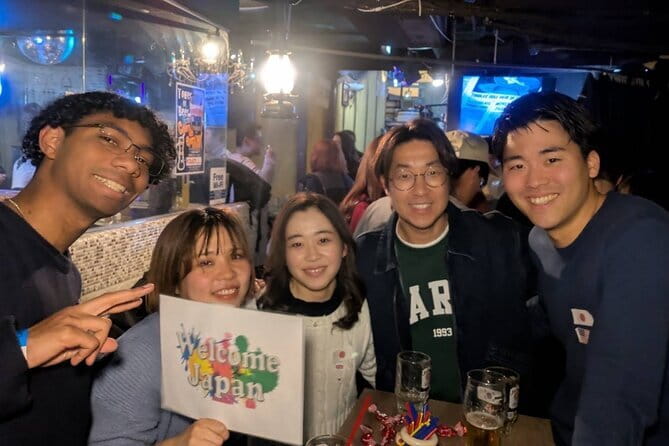
The conversation tools are what make this event work for real people. Topic cards are used for having a nice chat, so you do not spend the first ten minutes trying to invent what to say. You have a prompt, you can expand from it, and you can ask follow-up questions.
There is also a scheduled 15-minute block of English conversation. That is not a full-on English takeover, but it is a useful safety net. It gives you an easy way to connect if your Japanese feels too limited at first, then you can switch back to Japanese practice with less pressure.
If your Japanese is limited, focus on the parts you can control:
- Answer the prompt in short phrases
- Repeat key words you hear
- Ask for clarification when you miss something
If your Japanese is stronger, you can steer the conversation without dominating. Ask for specifics, like what places they recommend, or what a certain dish tastes like. It keeps the exchange lively and gives you language you can use later in Osaka.
Asking locals for Osaka food and things to do
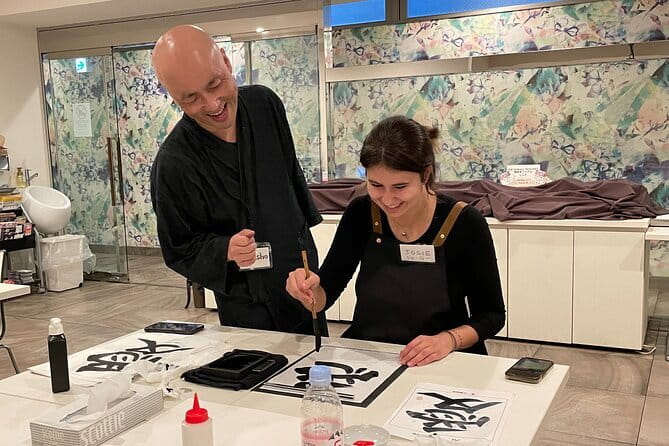
This is the part I think you will value most in practical terms. You are not just practicing language for language’s sake. You are learning how to ask locals for real-world recommendations.
You can ask for things to do and eat in Osaka from Japanese speakers. That matters because local advice tends to be more about timing and how to enjoy a place, not just a list of famous names. Even when you only catch part of the recommendation, you often get new leads you can look up later.
To make this useful, go in with a few categories in your mind. For example:
- One area you want to explore (neighborhoods or nearby stations)
- One type of food you want to target
- One kind of evening activity (shopping, views, casual walking)
Then let your conversation partner guide the details. If you are lucky, you will get both the recommendation and the practical tip that makes it easier, like when to go or what to try first.
The hosts also matter here. In this kind of event, a great host helps the group feel balanced and makes sure quieter people still get a turn. The experience here has a reputation for a welcoming, supportive tone, and that is exactly what you want when you are trying to talk in a second language.
Price and value: what you really pay for at $28
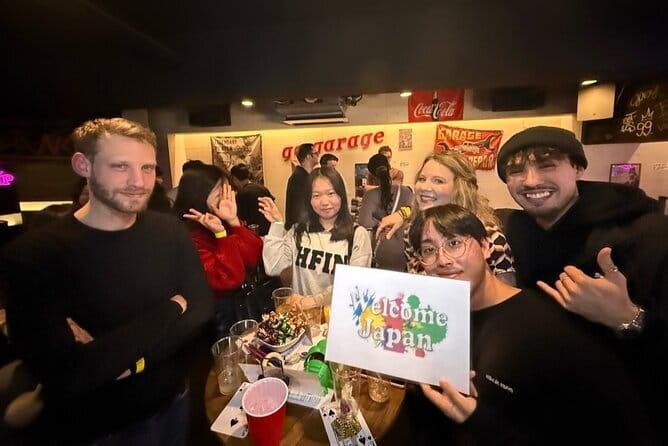
The price is $28 per person, for about 2 hours 30 minutes. Food and drinks are not included, but you do start with a drink purchase as part of the venue flow. Gratuities are included, which is one less thing to think about.
So what are you actually getting for the money? You are paying for structure. That might sound abstract, but it is concrete when you are standing in a pub trying to meet people.
For that price, you get:
- Small-group language exchange setup
- Topic cards to keep conversation going
- Staff-facilitated seat changes so you talk multiple times
- A short English conversation segment
- A welcoming environment built for solo travelers
If you tried to recreate this on your own, you would spend time searching for the right group, then dealing with uneven energy. Here, the staff does the matchmaking work for you. For many people, that alone is worth the cost.
Your main add-on expense is the drink. If you are budgeting, treat the $28 as the base cost for the experience, then plan for your beverage at the pub.
Group size, energy, and the host effect
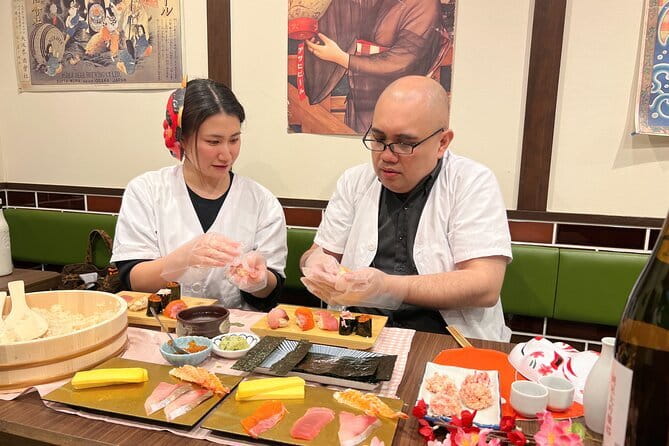
Small groups are central to how this works. With groups of 3 to 4 people, you are not lost in the crowd. Everyone has room to speak, and you get better odds of meaningful exchanges.
There is also a practical fairness built into the format. The staff rearranges seats, so you get more than one conversation partner. That spreads attention across the room and reduces the chance that one chat fizzles out early.
Host quality is a big part of language exchanges, and this one has shown strong results with hosts who can make the group dynamic work even when attendance is smaller than expected. Names that come up are Hao and Edna, and their style is described as friendly, supportive, and good at keeping interesting conversations going.
If you want a positive night, look for these signs in the first few minutes:
- People are speaking, not just waiting
- The host explains the flow clearly
- Groups are mixed, not locked into a single language bubble
This event is designed to hit those marks.
What to say, what to ask, and how to get better fast
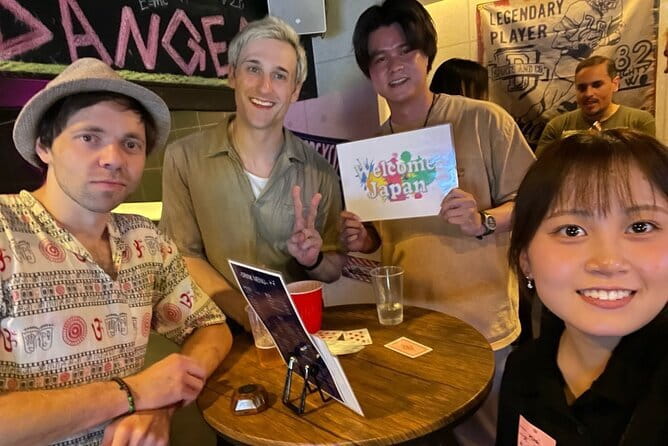
You do not need perfect Japanese. You need momentum. The topic cards do part of the work, but your choices make the night either productive or awkward.
Here are practical moves that usually pay off in this kind of setup:
1) Start with one simple question
Try asking what they recommend in Osaka for your interests. Food, neighborhoods, and easy walking spots usually lead to longer replies.
2) Ask for one concrete detail
Instead of only what to eat, ask what dish they suggest and why. Instead of where to go, ask when it is best.
3) Use polite phrases to buy time
If you forget a word, a polite request for repetition keeps things friendly and helps you stay in the conversation.
4) Be honest about your level
If you are a beginner, say so and aim for short answers. People respond well when expectations are clear.
5) After the event, keep it light
You might even end up chatting longer with the people you click with. This is the kind of experience where you can naturally continue a conversation, since you already have shared topics.
The best nights are not about saying everything correctly. They are about feeling comfortable speaking while you learn.
Who this Osaka meetup is best for
This tour-style language exchange is especially strong if you are:
- Traveling solo and want to meet Japanese locals and international friends in the same evening
- A beginner who wants structured practice, not a random conversation stall
- Shy at first, but curious enough to show up and try
- Looking for Osaka advice that feels personal and practical
If you are traveling with a group of friends, you might still enjoy it, but the value shifts. The best benefit comes when you talk with different people during seat rotations. If you already have plenty of companions, you may not fully use the matchmaking value.
If you only want sightseeing with no social component, this is not that kind of activity. Think of it as a social language night with local recommendations threaded in.
Booking, timing, and making the most of your 7:30 pm start
This experience runs in the evening, around 7:30 pm, for about 2 hours 30 minutes. That timing is convenient because you can keep your daytime flexible. It is also easy to pair with other Osaka plans.
Plan to show up on time, since the check-in and topic-card start matters for the flow. If you arrive late, you might still join the conversation, but you may miss some of the early structure that helps you get comfortable.
You also get confirmation at booking, which helps reduce uncertainty. The meeting point is near public transportation, so you can take trains or walk depending on your route.
Should you book Pub Umeda for an Osaka Japanese speaking night?
Book it if you want a friendly, structured way to practice Japanese and meet locals in Osaka, especially if you are traveling solo. The seat rotations, topic cards, and small-group format are exactly what helps you talk more than you expect.
Skip it, or at least adjust your expectations, if you are hoping for food included, or if you do not want any social speaking pressure at all. You will be talking, and you will need to purchase your own drinks at the pub.
If you do book, go with a few categories for recommendations, keep your Japanese simple, and treat every conversation round like practice. This is one of those experiences where the structure quietly does the heavy lifting, and you walk away with both language confidence and real leads for what to do next in Osaka.
FAQ
Where does the Osaka meetup at Pub Umeda take place?
It starts at HUB Umeda-Chayamachi Applause.
What time does the experience begin?
The start time is 7:30 pm.
How long is the language exchange?
It runs for about 2 hours 30 minutes.
What is the price per person?
The price is $28.00 per person.
Is Japanese required to join?
No. Japanese speakers of all levels are welcome, including total beginners, and you can participate even if you cannot speak Japanese.
How are participants grouped during the evening?
Staff split attendees into small groups of 3 to 4 people, with Japanese and foreigner mix.
Do you get a chance to talk to more than one person?
Yes. Staff change seats so everyone can speak with others more than 2 or 3 times.
Is there any English conversation time?
Yes, there is a scheduled 15 minutes of English conversation.
What is not included in the ticket price?
Food and drinks are not included. Gratuities are included.
Central Osaka, Ticket by Ticket

Newest Osaka write-ups from the Loving Japan desk
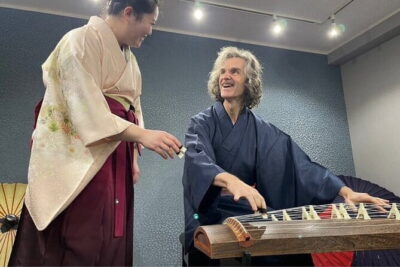
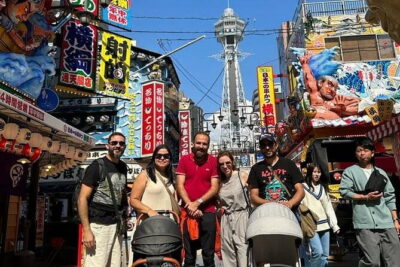
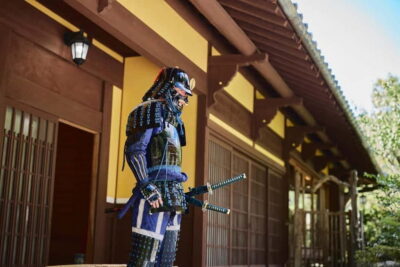
Osaka Castle, Umeda and the City Centre, side by side.
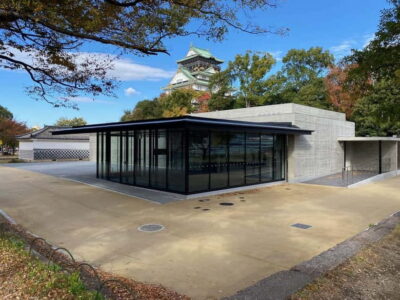 ★ 4.5Osaka Castle: Museum and Tower Entry TicketFrom $72,380 reviews
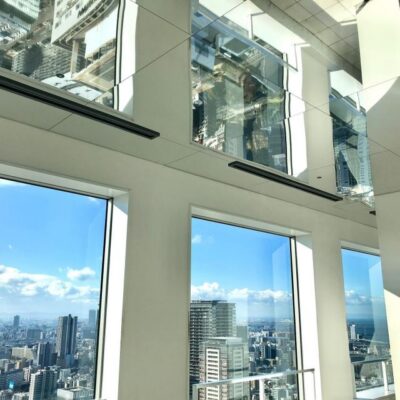 ★ 4.6Umeda Sky Building Official E-TicketFrom $121,131 reviews
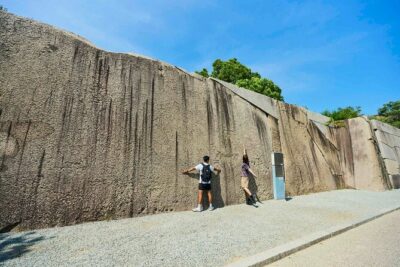 ★ 5.0Osaka Castle Walking Tour and Castle Tower AdmissionFrom $23561 reviews
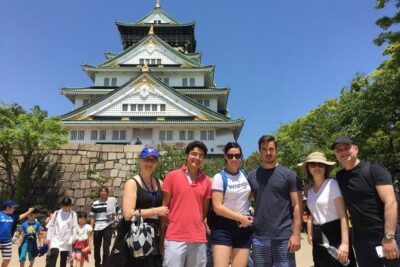 ★ 5.05-Hour Osaka Bike Tour to the Neighborhood of Osaka CastleFrom $87319 reviews
 ★ 4.7Osaka Castle Guided TourFrom $43249 reviews
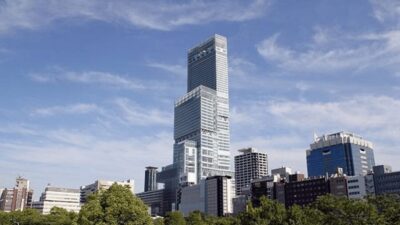 ★ 4.2Abeno Harukas 300 Observatory E-TicketFrom $3169 reviews
 ★ 4.7Osaka Castle Guided Tour with Local GuideFrom $4878 reviews
 ★ 5.0PRIVATE 6hr, Food tour from Osaka Castle, Kuromon, Dotonbori.From $15568 reviews
Filed on these lists too