
A day with Mt. Fuji usually comes down to one thing: seeing it clearly. This private tour is interesting because you get round-trip hotel transfers plus a tight plan around the best viewpoints, with an English speaking guide keeping the day moving.
What I love most is the variety, from the iconic Chureito Pagoda view to the quieter Fuji Five Lakes areas, and the fact that it stays practical with an air-conditioned car most of the time. I also like that you can choose 5 to 6 places depending on how your day feels, rather than being trapped in one rigid schedule.
One drawback to plan for: it’s a long day (about 9 to 10 hours), and some stops can be crowded. If weather hides Mt. Fuji, the experience can still be worth it, but don’t expect every viewpoint to look equally dramatic.
In This Review
- Key highlights worth getting excited about
- Why this private Mt. Fuji tour works so well
- Tokyo pickup and the drive to Fujiyoshida City: what to expect
- Chureito Pagoda and Arakura Sengen Shrine: the Fuji postcard moment
- Kitaguchi Hongu Fuji Sengen Jinja: the shrine that connects to the trail
- Oshino Hakkai spring village: clear water and easy wandering
- Mt. Fuji 5th Station: getting closer, and the hiking-season bus rule
- Fuji Five Lakes time: Lake Kawaguchiko, Oishi Park, and optional ropeway
- Itchiku Kubota Museum and Narusawa Ice Cave: culture and a cool-weather plan
- Lake Yamanaka: a calmer Fuji option when time allows
- Price and value for a private day up to three people
- Best day planning: weather, crowds, and picking your 5 to 6 stops
- Should you book this private Mt. Fuji day tour?
- FAQ
- How many people can be in one group for this tour?
- Does the tour include hotel pickup and drop-off in Tokyo?
- Is the vehicle air-conditioned?
- What is the typical duration of the tour?
- What is included in the price?
- What is not included?
- Will I be able to drive to Mt. Fuji 5th Station in hiking season?
- Can I select only some of the possible stops?
- What happens if the weather is poor?
Key highlights worth getting excited about
- Private car from Tokyo hotels, with parking, tolls, and gas handled for you
- Chureito Pagoda at Arakura Sengen Shrine, one of the most photographed Fuji angles
- Oshino Hakkai spring ponds, easy walking, big photo payoff
- Mt. Fuji 5th Station access, with a bus workaround during hiking season
- Lake Kawaguchiko and Oishi Park viewpoints, plus optional ropeway and museum stops
- Cool break at Narusawa Ice Cave, a good plan when clouds or rain mess with views
Fuji from Tokyo: the other approaches
- Mt Fuji and Hakone 1-Day Bus Tour Return by Bullet Train
★ 5.0 · 26,383 reviews - Mt Fuji & Hakone Cruise, Drum Show Bullet Train 1 Day from Tokyo
★ 4.0 · 7,413 reviews - Tokyo Mt Fuji 5th St & Hakone Cruise Bus Tour w/Bullet Train
★ 4.4 · 5,024 reviews - From Tokyo: Mount Fuji Full-Day Sightseeing Trip
★ 4.5 · 4,970 reviews
Why this private Mt. Fuji tour works so well
This is the kind of day trip that removes friction. You get picked up and dropped off, you ride in an air-conditioned vehicle, and you don’t waste hours sorting buses, tickets, and timing. You spend your energy on the scenery, shrines, lakes, and photos, not on transit.
It’s also built for small groups. The tour price covers a group of up to three people, which matters if you want the flexibility of a private day without paying for a full private charter for larger groups. If you’re traveling with friends or family, it’s a strong way to turn a long Tokyo trip into a very memorable Fuji day.
I especially like the way the day balances “iconic” and “actually fun.” You get a classic Fuji postcard shot at Chureito Pagoda, then move into places that feel local, like Oshino Hakkai. Even when it gets busy, your driver can often position you so you spend less time standing around.
Finally, you’ll notice a theme from the people who’ve done it: the guides tend to be hands-on with timing and helpful for photos. Names that come up in the real-world experience include Sikii, Siggy, Azhar, Harry, Amir, Asif, Aaryan, Zubi, and Shah.
Tokyo pickup and the drive to Fujiyoshida City: what to expect
The tour includes round-trip transfers from Tokyo hotels, which usually means less stress in the morning and fewer “where do we meet” questions. You’ll use a mobile ticket, and you’re not stuck trying to figure out parking or subway exits.
The drive itself is where the “day trip” reality kicks in. Tokyo traffic can be rough, and getting in and out of the city can take longer than you’d hope. The tour notes also emphasize leaving early as the best move to reduce traffic pain, especially on weekends.
A practical tip: decide what matters most before the day starts. The tour allows you to choose your favorite 5 to 6 places, so you’ll get a better day by picking your priorities early. If Mt. Fuji visibility is your #1 goal, build your plan so you hit the best viewpoints earlier in the day.
Also keep in mind that extra time costs extra. So if you want to linger, add stops, or change plans, do it thoughtfully. Better to choose your must-sees and then enjoy the day at a comfortable pace.
Chureito Pagoda and Arakura Sengen Shrine: the Fuji postcard moment
This stop is pure “Japan in one frame.” The Chureito Pagoda sits in the Arakura Sengen Shrine area, and it’s famous for its layered views of Mt. Fuji in the background. You’ll climb a series of steps to reach the viewpoint, and the walk is short enough to be easy but long enough to feel like you earned the shot.
What makes this place work on a tour is that it’s an efficient use of time. You get a major landmark without needing long transfers on foot. It’s also a great photo stop because Fuji tends to show up in a different way depending on the weather and light.
The tradeoff is crowding. Even with a private day, Chureito Pagoda is popular. Plan to arrive with the mindset that you’ll be sharing the view, and aim for photos early rather than late if you care about clean compositions.
The good news: even when it’s busy, you can still enjoy the shrine atmosphere, the pagoda’s tidy geometry, and the sense that you’re looking at Fuji from a “storybook” angle.
- Mt Fuji and Hakone 1-Day Bus Tour Return by Bullet Train★ 5.0 · 26,383 reviews
- 1-Day Tokyo Bus Tour★ 5.0 · 14,250 reviews
- Tokyo: teamLab Planets TOKYO Digital Art Museum Entry Ticket★ 4.6 · 9,779 reviews
- Mt Fuji & Hakone Cruise, Drum Show Bullet Train 1 Day from Tokyo★ 4.0 · 7,413 reviews
- Tokyo: Shinjuku Food Tour (13 Dishes at 4 Local Eateries)★ 5.0 · 6,603 reviews
Kitaguchi Hongu Fuji Sengen Jinja: the shrine that connects to the trail
After Chureito Pagoda, you move to Kitaguchi Hongu Fuji Sengen Jinja Shrine, located at the northern foot area of Mt. Fuji. This stop is free, and it’s about more than scenery. It connects you to the cultural side of Fuji, especially the mountain’s climbing traditions.
The big practical value here is that you break up the day. You’ve been in photo mode, then you shift to walking, observing, and taking in a more calm, religious space. It also gives your eyes a different kind of view, with shrine details, gates, and local atmosphere instead of one giant mountain view.
You’ll likely spend around 40 minutes here, which is enough time to look around without turning the shrine into another “rush stop.” If you want to understand why Mt. Fuji is more than a selfie backdrop, this is one of the better stops in the day.
Oshino Hakkai spring village: clear water and easy wandering
Oshino Hakkai is known for its pristine spring water fed by Mt. Fuji snowmelt and underground sources. On this kind of day trip, that matters because it gives you a different Fuji experience, not just views but the everyday environment around the mountain.
You’ll find a small village setting with free admission, and the visit is usually about an hour. It’s an easy stop to enjoy at a relaxed pace, especially if you like walking among water features and local shops.
Why this stop is a smart use of time: it’s photogenic in a softer way than the big viewpoints. Instead of one dramatic angle, you get multiple small scenes. In a crowded schedule, that variety helps you feel like you’re seeing more than just one highlight.
Mt. Fuji 5th Station: getting closer, and the hiking-season bus rule
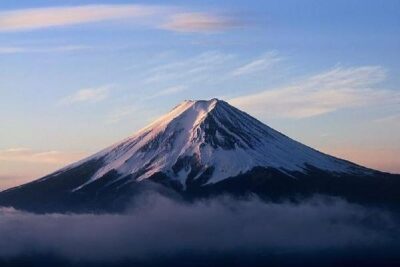
If you want to feel like you actually went up Mt. Fuji, the 5th Station is the key. It sits around 2,300 meters, and it’s the most popular starting point for climbers heading toward the summit. You’ll have about an hour at this stop, and it’s where visibility often makes or breaks your biggest “wow.”
Plan for the fact that you may be above the clouds on some days, even if lower areas are gray. On foggy or cloudier conditions, the mountain can still surprise you. On clear days, the view can be stunning in a very direct, up-close way.
Important logistics: during hiking season, private cars are not allowed to go to Mt. Fuji 5th Station. You’ll need to take a bus, and there’s a shuttle bus ticket cost listed for that time period. It’s not hard, but it is something you should accept as part of the seasonal traffic control.
Also, the Mt. Fuji entrance fee is listed at 2,800 yen per group (not per person). It’s separate from the private car cost, so make sure you budget for it.
And one more reality check: this stop is not the same as summit hiking. You’re there to experience the mountain up close, not to climb it end-to-end.
Fuji Five Lakes time: Lake Kawaguchiko, Oishi Park, and optional ropeway
The Lakes area is where the tour shifts from “landmark highlights” to “Fuji scenery in layers.” You’ll visit Lake Kawaguchiko first, and it’s one of the best places to take in the mountain reflected in water. It’s also where you’ll find food and easy strolling, with lakeside restaurants serving Japanese dishes and seafood.
This portion of the day is usually about an hour, and it’s free admission. It’s also one of the best places to add your own style. If you want a sit-down lunch, this is a sensible moment. Lunch itself is not included, so budget extra.
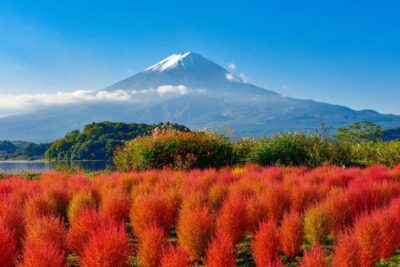
Next you may stop at Oishi Park, also free. Oishi Park is known for colorful gardens and well-known Fuji viewing angles. There’s even a short break option like soft-serve ice cream, which is the kind of small reward that keeps a long day enjoyable.
From here, the tour may include optional add-ons like the Mount Fuji Panoramic Ropeway. That ropeway is not included, but it gives you a different vantage point over the lake and the region below. If you care about views from above, this can be a good use of time.
If you’re trying to keep costs down, focus on the free lakeside viewpoints and skip paid add-ons. If weather is tricky and you want more ways to find a good sightline, adding one paid option can help.
Itchiku Kubota Museum and Narusawa Ice Cave: culture and a cool-weather plan
When the mountain is being moody, it helps to have stops that don’t rely entirely on a perfect Fuji shot. Two of the most useful options here are Itchiku Kubota Art Museum and Narusawa Ice Cave.
The Itchiku Kubota Art Museum is dedicated to the work of textile artist Itchiku Kubota, and it’s positioned near Lake Kawaguchiko with views of Mt. Fuji. Itchiku Kubota is known for reviving the lost Tsujigahana silk dyeing craft, so this isn’t just “a museum visit.” It’s a chance to connect to a craft tradition tied to place and detail. Admission is listed at 1,500 yen per person.
Then there’s Narusawa Ice Cave, formed by ancient lava flows. The key practical benefit: natural ice formations remain year-round, so it’s a cool escape even when the weather is warm. Admission is listed at 400 yen per person. Even if Fuji is partially obscured, the cave still delivers a strong change of pace.
If you’re choosing only a few paid items, I’d rank these based on what kind of day you want:
- If you want a creative break and don’t mind paying for it, pick the museum.
- If you want a physical change of environment and a temperature reset, pick the ice cave.
Lake Yamanaka: a calmer Fuji option when time allows
Lake Yamanakako is part of the Fuji Five Lakes, and it’s listed as a free admission stop. It tends to feel less like a must-see attraction and more like a scenic “stay awhile” place, especially if you like walking, boats, or just watching the light change on the water.
The tour allots about an hour here. That’s long enough to breathe and short enough not to throw off your whole day. If Chureito Pagoda and the lakes around Kawaguchiko feel like they’re pulling you in too many directions, this stop can add balance.
If you’re trying to maximize Fuji viewpoints, Lake Yamanaka can be a smart choice because you’re still looking at the mountain, but from a slightly different lake setting.
Price and value for a private day up to three people
The price is listed at 440 dollars per group, up to three people, for about 9 to 10 hours. That number sounds high until you break down what you’re actually buying.
You are paying for:
- Private transportation from your Tokyo hotel
- An air-conditioned vehicle
- Parking fees, petrol and gas, and highway tolls
- An English speaking guide
That means you’re not just paying for a car. You’re paying for time, planning, and logistics. For many people, that’s the real value, because Fuji days are hard to manage without a lot of effort.
Then there are costs you should expect on top:
- Lunch is not included
- Mt. Fuji entrance fee at 2,800 yen per group
- Optional paid sights like Itchiku Kubota Museum (1,500 yen per person) and Narusawa Ice Cave (400 yen per person)
- Some paid transport or shuttle costs during hiking season for access to the 5th Station
- Optional experiences such as the ropeway, plus other possible village admission fees if they fit your chosen route
So the smartest budgeting move is to think in two layers:
1) the private day cost
2) your personal choices for paid activities
If you pick mostly free viewpoints (pagoda, shrines, Oshino Hakkai, lakes and parks) and only one or two paid extras, you can keep the total reasonable for a private day.
Best day planning: weather, crowds, and picking your 5 to 6 stops
The tour requires good weather. That doesn’t just mean “pack a jacket.” It means your biggest sights depend on visibility. If Fuji is hidden by clouds, your day can still be enjoyable, but you might not get the same dramatic views from every viewpoint.
To improve your odds:
- Start early to reduce Tokyo traffic stress
- Prioritize your top viewpoint(s) earlier in the day
- Choose a mix of stops, including at least one option that still feels worth it even if Fuji is partially hidden
Crowds are another reality. Chureito Pagoda is popular, and the lakes get busy too. In a private tour, you can still make smart choices about when to take photos and where to walk first, but you can’t erase popularity.
Finally, use the “choose 5 to 6 places” flexibility wisely. If you try to do everything, you’ll pay with fatigue. If you choose well, you’ll come home feeling like you actually had a coherent day, not a checklist.
Should you book this private Mt. Fuji day tour?
I’d book this tour if you want a low-stress, high-value Fuji day. It’s especially strong for small groups who want hotel pickup, an English speaking guide, and an efficient route that hits multiple types of Fuji sights, not just one.
You might skip it if:
- You want an ultra-cheap day (because paid admissions and optional add-ons add up)
- You hate long drives and a full day schedule
- You’re expecting guaranteed Mt. Fuji visibility, no matter what the sky does
If you want a practical recommendation: choose your stops around your goals, budget for the Mt. Fuji entrance fee and one or two paid extras, and plan to be flexible with order if conditions change. With that approach, this is a very satisfying way to experience Mt. Fuji without turning your day into a transportation puzzle.
FAQ
How many people can be in one group for this tour?
The price is per group for up to 3 people.
Does the tour include hotel pickup and drop-off in Tokyo?
Yes, the tour offers round-trip transfers from all Tokyo hotels.
Is the vehicle air-conditioned?
Yes, it includes an air-conditioned vehicle.
What is the typical duration of the tour?
The tour runs about 9 to 10 hours.
What is included in the price?
Included features are private transportation, air-conditioned vehicle, parking fees, petrol and gas, and highway tolls. It also includes the English speaking guide and a mobile ticket.
What is not included?
Lunch is not included, and there are separate admission fees for Mt. Fuji (2800 yen per group) and other optional attractions such as the 5th station shuttle bus during hiking season, Saiko Iyashi no Sato Nenba (500 yen per person), Itchiku Kubota Art Museum (1,500 yen per person), and Narusawa Ice Cave (400 yen per person).
Will I be able to drive to Mt. Fuji 5th Station in hiking season?
During hiking season, private cars are not allowed to go to Mt. Fuji 5th Station, so you will need to take a bus.
Can I select only some of the possible stops?
Yes. You choose your favorite 5 to 6 places from the list, and the route is shown depending on time.
What happens if the weather is poor?
This experience requires good weather. If it is canceled due to poor weather, you will be offered a different date or a full refund.
Mount Fuji, Three More Ways
Newest Tokyo write-ups from the Loving Japan desk
Mount Fuji Day Trips, side by side.
 ★ 5.0Mt Fuji and Hakone 1-Day Bus Tour Return by Bullet TrainFrom $16326,383 reviews
 ★ 4.0Mt Fuji & Hakone Cruise, Drum Show Bullet Train 1 Day from TokyoFrom $1497,413 reviews
 ★ 4.4Tokyo Mt Fuji 5th St & Hakone Cruise Bus Tour w/Bullet TrainFrom $1545,024 reviews
 ★ 4.5From Tokyo: Mount Fuji Full-Day Sightseeing TripFrom $684,970 reviews
 ★ 4.7Mt. Fuji Tour, Hakone Ropeway, Owakudani, Lake AshiFrom $544,002 reviews
 ★ 4.4Mt.Fuji,Kawaguchiko Oishi Park,Arakurayama Sengen ParkFrom $542,682 reviews
 ★ 4.2Mt. Fuji 5th Station & Hakone Cruise 1-Day Bus TourFrom $1292,381 reviews
 ★ 4.7Mt Fuji Top 5 Spots Day Tour: Arakurayama Park,Oshino HakkaiFrom $532,066 reviews
Filed on these lists too