
REVIEW · MOUNT FUJI DAY TRIPS
Muslim Friendly Mt. Fuji Tour with Halal Lunch and Prayer Time
Mt. Fuji feels close, even from Tokyo. This day trip is interesting because it plans for real Muslim needs, including Halal lunch and scheduled prayer times at Lake Kawaguchi. You also get an English-speaking guide and classic Fuji-area scenery in one packed, well-managed outing.
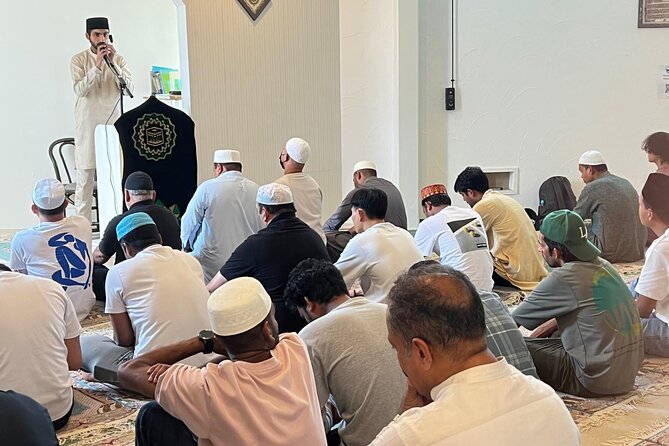
I like how the day is structured around prayer, not just food. You’ll have time at Fujikawaguchiko Masjid for Dhuhr, plus a second prayer window later at Saiko Iyashi no Sato Nenba where you can pause and reset. I also like that the tour keeps the pace practical, with included tickets and admission fees so you spend less time figuring things out on the ground.
One possible drawback: visibility is never guaranteed. Mt. Fuji can be partly or fully hidden by weather, and in May to November the plan may shift to alternative sights if the Twin Terrace views cannot be seen.
In This Review
- Key Highlights That Matter on This Mt. Fuji Tour
- First, the Big Idea: A Fuji Day Trip That Thinks Ahead for Muslims
- Meeting at 7:20 and the Comfort Factor on the Road
- Fujiyama Twin Terrace in May to November: Views First, Then Plan B
- Itchiku Kubota Art Museum (January to April): Art With Lake Kawaguchi Views
- Fujikawaguchiko Masjid and Halal Lunch: Dhuhr Time With Real Community Space
- Saiko Iyashi no Sato Nenba: Thatched Roof Calm and a Second Prayer Window
- Price and Value: What You Pay For at $137.94 Per Person
- What to Pack: Shoes, Prayer Items, and Weather Layers
- Who This Tour Fits Best, and Who Might Feel Limited
- Should You Book This Muslim-Friendly Mt. Fuji Tour?
- FAQ
- What time does the Mt. Fuji tour start?
- Is Halal lunch included?
- Where can I pray during the tour?
- Are prayer mats provided?
- What if Mt. Fuji is not visible?
- Is Wi-Fi and extra drinks included?
Key Highlights That Matter on This Mt. Fuji Tour
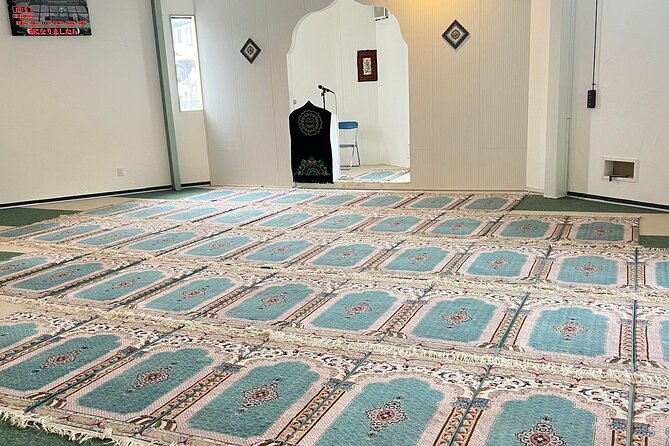
- Scheduled prayers in the actual Mt. Fuji area: Dhuhr at Fujikawaguchiko Masjid, plus a second prayer time at Saiko Iyashi no Sato Nenba
- Halal lunch that removes the biggest headache: Halal-certified bento box lunch and water, served during the Lake Kawaguchi portion
- A comfortable group ride: Air-conditioned round-trip bus with an English-speaking guide, capped at 25 travelers
- Season-based route logic: Twin Terrace is the key stop in May to November, while Itchiku Kubota Art Museum is included in January to April
- Weather Plan B in May to November: If Twin Terrace views are blocked, the tour can switch to places like Fugaku Wind Cave or Narusawa Ice Cave
- You need a prayer mat for one stop: Mats are provided at the mosque, but you should bring your own for Nenba
Fuji from Tokyo: the other approaches
- Mt Fuji and Hakone 1-Day Bus Tour Return by Bullet Train
★ 5.0 · 26,383 reviews - Mt Fuji & Hakone Cruise, Drum Show Bullet Train 1 Day from Tokyo
★ 4.0 · 7,413 reviews - Tokyo Mt Fuji 5th St & Hakone Cruise Bus Tour w/Bullet Train
★ 4.4 · 5,024 reviews - From Tokyo: Mount Fuji Full-Day Sightseeing Trip
★ 4.5 · 4,970 reviews
First, the Big Idea: A Fuji Day Trip That Thinks Ahead for Muslims
Mt. Fuji day trips usually sell the view. This one also sells peace of mind. You’re not left hunting for halal food or figuring out where to pray. Instead, the day is built around two prayer opportunities, plus a Halal lunch timed to the Lake Kawaguchi area.
What makes that matter is simple: Tokyo to Fuji takes time, and the region can feel like a puzzle if you travel with specific needs. Here, you get a clear schedule, an English-speaking guide, and included admissions so the day stays smooth.
You’ll also enjoy the classic “Fuji area” mix. Think: viewpoint time for Mt. Fuji, a cultural stop near Lake Kawaguchi, a mosque visit with time to pray, and a tranquil traditional village walk with thatched-roof buildings.
If you’re a first-time Mt. Fuji visitor, this tour helps you get the big moments without turning the day into logistics stress. If you’ve been before, it still feels useful because the Muslim-friendly structure is hard to replicate on your own.
Meeting at 7:20 and the Comfort Factor on the Road
The tour starts at 7:20 am at Takanawa Gateway Station (Minato City, Tokyo). It’s an out-and-back day trip, and you return to the same station at the end of the experience. Times are estimates, and the order can shift due to road conditions or congestion, but the structure stays consistent.
The ride is the practical part you’ll appreciate. You’re traveling by air-conditioned round-trip bus, not trains plus walking plus transfers. That matters when you’re trying to keep the day comfortable, especially if you’re wearing layers for cold mornings or dealing with steep stairs later.
The group size is capped at 25 travelers, so you should expect a bus experience that feels organized rather than chaotic. You also get an English-speaking guide and a National Government Licensed English Guide Interpreter, which helps when you want context about the Fuji area and what you’re seeing.
One small detail that can help: there’s a prayer room available at the end point, and you’re asked to inform the guide if you want to pray Maghrib. That gives you a buffer for timing, especially if your day runs a little past what you expected.
Fujiyama Twin Terrace in May to November: Views First, Then Plan B
Fujiyama Twin Terrace is the signature viewpoint stop when the tour runs from May through November. The aim is clear: unobstructed views of Mt. Fuji when conditions allow. There’s about one hour here, including admission, and you transfer to a shuttle bus en route to the Twin Terrace area.
Now for the real-world part. In May to November, the company can change the route if conditions make the views impossible, such as concerns about falling rocks on the forest path or weather that blocks sightlines. The alternatives can include Fugaku Wind Cave, Narusawa Ice Cave, or the Itchiku Kubota Art Museum (depending on the season rules).
This matters for how you plan your expectations. If Fuji appears, great. If it doesn’t, you’re still getting a full day with meaningful stops, not a dud morning. The trade-off is you might not get the exact “postcard shot” you imagined from Twin Terrace.
Also note that viewpoints often mean walking, stairs, and slippery spots. The tour recommends athletic footwear. That’s not just safety advice, it’s comfort advice. You’ll move easier, and you’ll enjoy the scenery more because you’re not constantly adjusting your footing.
- Mt Fuji and Hakone 1-Day Bus Tour Return by Bullet Train★ 5.0 · 26,383 reviews
- 1-Day Tokyo Bus Tour★ 5.0 · 14,250 reviews
- Tokyo: teamLab Planets TOKYO Digital Art Museum Entry Ticket★ 4.6 · 9,779 reviews
- Mt Fuji & Hakone Cruise, Drum Show Bullet Train 1 Day from Tokyo★ 4.0 · 7,413 reviews
- Tokyo Mt Fuji 5th St & Hakone Cruise Bus Tour w/Bullet Train★ 4.4 · 5,024 reviews
Itchiku Kubota Art Museum (January to April): Art With Lake Kawaguchi Views
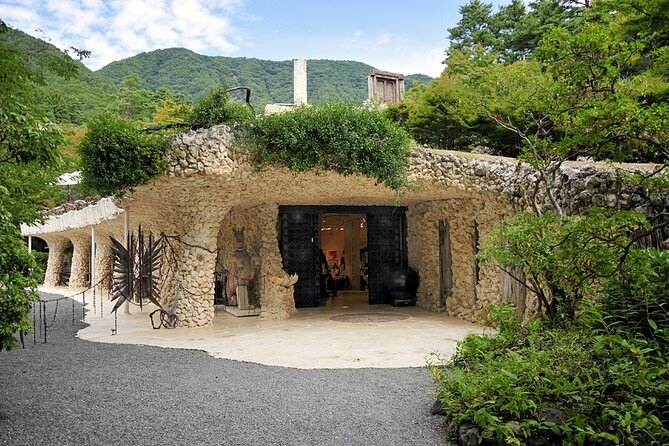
In January to April, the tour adds a visit to Itchiku Kubota Art Museum. Expect about one hour at the museum, with admission included. The standout here is location: it sits with views toward Lake Kawaguchi and Mt. Fuji’s foothills.
Even if you’re not an art person, this stop can still work because the setting gives you a different kind of Fuji experience. You’re shifting from “look at the mountain” to “watch how the mountain area inspires art.” That’s often a nice change of pace after the viewpoint drive.
Be aware of seasonal logic. In January to April, the tour will go to the facility as long as it’s open, even if the weather is inclement. That gives you more stability than the May to November section, where the plan can switch based on view feasibility.
If your priority is photography of Fuji itself, this museum stop may feel secondary to Twin Terrace. But if you enjoy culture and want a quieter hour with lake views, it’s a smart addition.
And yes, weather still plays a role. Mt. Fuji may not show in its entirety depending on conditions. The tour won’t cancel just because Fuji is hiding, and refunds won’t be issued for that reason, so it’s best to bring a flexible mindset.
Fujikawaguchiko Masjid and Halal Lunch: Dhuhr Time With Real Community Space
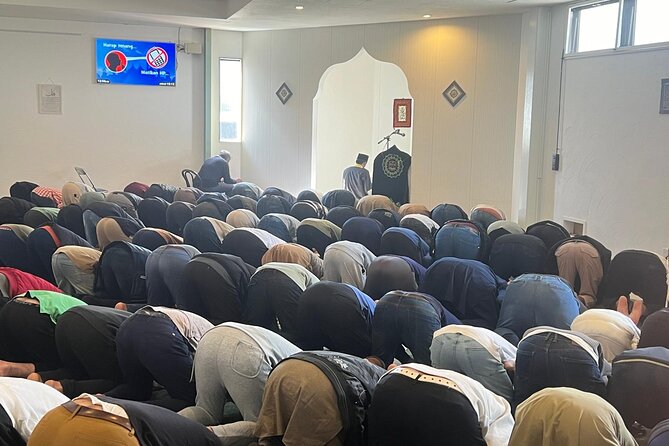
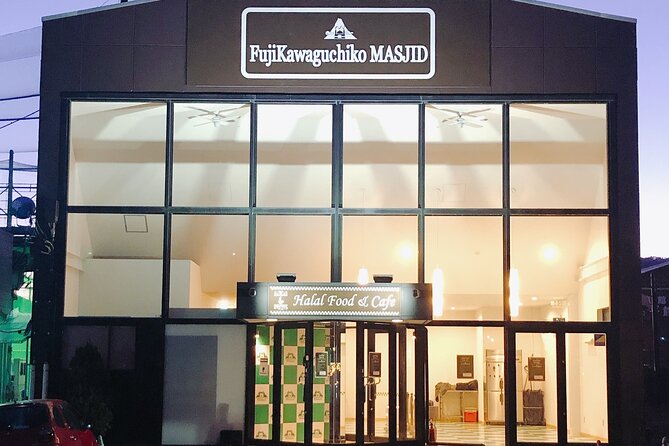
This is one of the most important reasons this tour is so highly recommended for Muslim travelers. At Fujikawaguchiko Masjid, the tour acknowledges something simple: Muslims gather here, and it’s described as the only mosque in the Lake Kawaguchi area.
The schedule includes time allotted for Dhuhr. On Fridays, the mosque is also the place where Jumu’ah prayers happen, and the day is set up for prayer accordingly. Prayer mats and prayer wear can be used, and prayer mats are provided at the mosque.
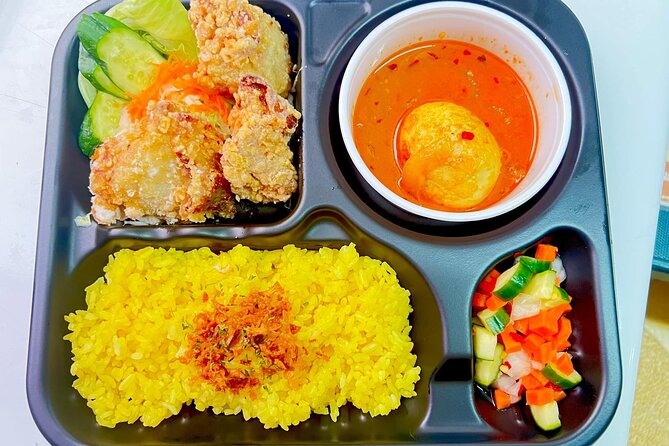
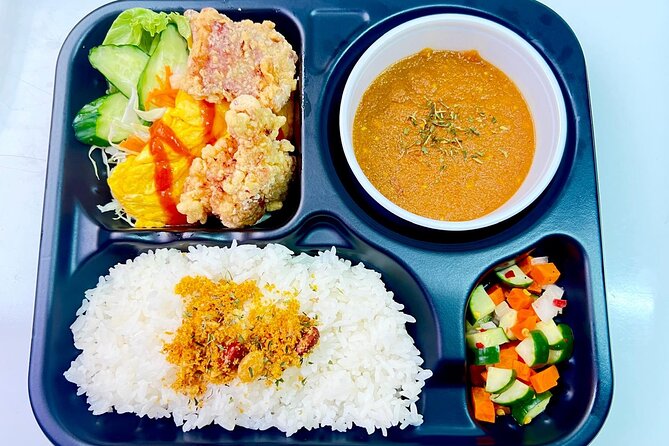
Then comes the meal piece, and that’s where many day trips fall apart elsewhere. Your Halal lunch is served by the shore of Lake Kawaguchi. It’s a Halal-certified bento box with water, and the tour includes it with admission.
From the feedback, the bento tends to land better than people expect. One person specifically mentioned that the chicken bento was much better than they thought it would be. That’s the kind of comfort you want when you’re planning a long day: food that’s filling and straightforward.
Two practical cautions, so you’re not surprised:
- Allergy-friendly meals like gluten-free are not available, so if you have strict dietary needs beyond Halal, you’ll need to plan carefully.
- The tour provides lunch and water, but it also notes that drinks are not included otherwise, so you might want to manage hydration with what you’re given and any additional personal items.
Saiko Iyashi no Sato Nenba: Thatched Roof Calm and a Second Prayer Window
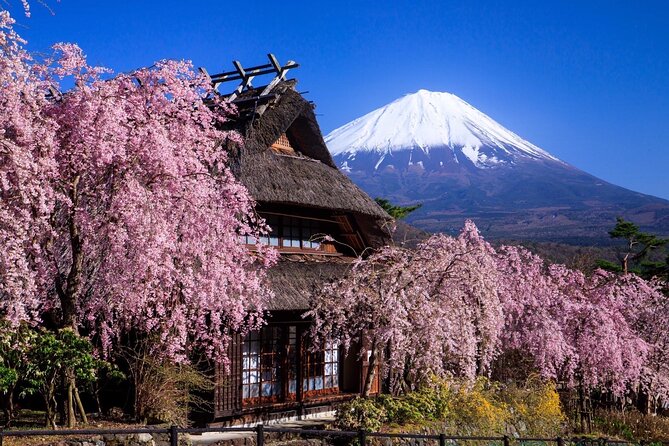
After the mosque and lunch portion, the tour moves to Saiko Iyashi no Sato Nenba, sometimes described as a peaceful village of traditional thatched-roof houses. You get about one hour and 30 minutes, with admission included.
This stop tends to be a favorite because it changes the mood. Instead of viewpoint hunting, you slow down and walk. You can spend tranquil moments along roads lined with traditional houses, and there’s a focus on the sound of nearby streams.
The tour also builds in a second prayer time here. You’re specifically allocated another prayer opportunity at Saiko Iyashi-no-Sato Nenba. The key detail: prayer mats are not provided at this location, so you should bring your own if you plan to pray there.
That matters because many travelers pack lightly and assume a mat will be available everywhere. Here, you’ll be prepared if you bring something compact and easy to carry.
Also, the village has stairs and slippery areas, which is why the footwear recommendation shows up in the overall tour guidance. In practice, that means bring shoes you trust for walking on uneven, possibly wet surfaces.
If Mt. Fuji is hidden that day, this is still a solid stop. It gives you traditional Japanese atmosphere and a calm break from the drive and scheduling.
Price and Value: What You Pay For at $137.94 Per Person
At $137.94 per person, this isn’t the cheapest way to do Mt. Fuji from Tokyo. But it’s also not priced like you’re paying for a “view only” ticket. Your cost bundles several things that usually add up when you plan independently.
What you get included:
- An English-speaking guide and licensed English interpreting support
- Air-conditioned round-trip bus from Tokyo
- Halal lunch and water
- Admission fees for the itinerary stops
- A mobile ticket, which simplifies access on the day
What that means for value: you’re paying to reduce decision fatigue. Without this kind of structured day, you’d likely spend time searching for halal options near the lake, timing prayers around transit, and buying multiple admissions. The tour handles the “where and when,” so you can focus on the experience itself.
There’s also a sustainability angle. The tour supports sustainable tourism and includes J-Credits for environmental protection. It’s not something you’ll feel like a tangible benefit during your walk, but it does signal that the operator is thinking about impact beyond just collecting tickets.
What’s not included is also useful to know when you compare value. Drinks aren’t included beyond the water given with lunch, and there’s no free Wi-Fi access.
If you travel with a group that values organization and respect for Muslim needs, this price often feels fair. If you only care about seeing Mt. Fuji and you’re comfortable DIY planning for halal and prayer, you might find cheaper options. But the time and stress savings here are real.
What to Pack: Shoes, Prayer Items, and Weather Layers
This tour is a “walk a bit, then pause, then walk again” kind of day. The biggest packing winners are practical.
Wear athletic footwear, because stairs and slippery spots show up during sightseeing. Even if it’s not icy, mountain region conditions can surprise you.
For prayer gear: at the mosque, mats are provided. At Saiko Iyashi no Sato Nenba, mats are not provided, so bring your own if you want that second prayer window to be comfortable.
For weather: in winter, temperatures can drop below freezing. Bring warm layers so you’re not miserable during early morning pickup and later walks.
Also, this tour does not include free Wi-Fi. If you rely on maps or messaging during the day, download what you need beforehand or plan to use your own data.
And since drinks are not included (beyond lunch water), you may want to carry a little extra plan for hydration if you’re the type who drinks more than the provided water.
Who This Tour Fits Best, and Who Might Feel Limited
This is a strong fit if you want a culturally respectful Mt. Fuji day where prayer and halal needs are handled with thought. The two prayer times, the mosque stop, and the Halal lunch reduce the biggest travel anxieties for Muslim visitors in Japan.
It also fits if you like a guide who can explain what you’re seeing. The guide support is part of the package, and feedback highlights warm hospitality and clear English communication. Some groups have mentioned a guide named Nao-san for English ability and supportive pacing, which is exactly what you want when you’re moving between different sites.
If you have specific allergies beyond Halal, you should consider limitations. Allergy-friendly options like gluten-free meals aren’t available, and the lunch is a Halal-certified bento box approach. If you need special dietary control, you might not feel fully covered here.
If your entire goal is pure Mt. Fuji photography, keep in mind that Mt. Fuji may not be fully visible due to weather. And in May to November, Twin Terrace can switch to caves if views cannot be seen. The day still stays interesting, but it may not match your exact photo fantasy.
Should You Book This Muslim-Friendly Mt. Fuji Tour?
I’d book this if you’re traveling with Muslim-specific needs and you want a day trip that respects them without making you scramble. The combination of Halal lunch, two prayer windows, admission tickets, and round-trip bus comfort is the kind of planning that usually takes hours to DIY.
I’d think twice if you rely on allergy-friendly meals, or if you want guaranteed Mt. Fuji visibility. This tour is designed for the experience and structure, not for forcing a clear view of Fuji no matter what the sky does.
If you want a practical, culturally mindful Mt. Fuji day from Tokyo, this one gives you a clear schedule and a calmer route through the region. Bring your own prayer mat for the village stop, wear good shoes, and stay flexible about the mountain’s mood. Then you’ll get the best of Lake Kawaguchi, peaceful traditional scenery, and a guide-led day that feels built for you.
FAQ
What time does the Mt. Fuji tour start?
The tour starts at 7:20 am at Takanawa Gateway Station.
Is Halal lunch included?
Yes. Lunch is a Halal-certified bento box meal with water, and it is included in the tour.
Where can I pray during the tour?
You get allotted prayer times at Fujikawaguchiko Masjid for Dhuhr (and Jumu’ah happens there on Fridays), and a second prayer time at Saiko Iyashi no Sato Nenba.
Are prayer mats provided?
Prayer mats are provided at Fujikawaguchiko Masjid, but prayer mats are not provided at Saiko Iyashi no Sato Nenba, so you should bring your own.
What if Mt. Fuji is not visible?
Mt. Fuji may not be visible in its entirety depending on weather. The tour will not be canceled for this reason, and refunds are not given for lack of visibility.
Is Wi-Fi and extra drinks included?
No. There is no free Wi-Fi access, and drinks are not included (water is provided with lunch).
Mount Fuji, Three More Ways
Newest Tokyo write-ups from the Loving Japan desk






Mount Fuji Day Trips, side by side.
 ★ 5.0Mt Fuji and Hakone 1-Day Bus Tour Return by Bullet TrainFrom $16326,383 reviews
 ★ 4.0Mt Fuji & Hakone Cruise, Drum Show Bullet Train 1 Day from TokyoFrom $1497,413 reviews
 ★ 4.4Tokyo Mt Fuji 5th St & Hakone Cruise Bus Tour w/Bullet TrainFrom $1545,024 reviews
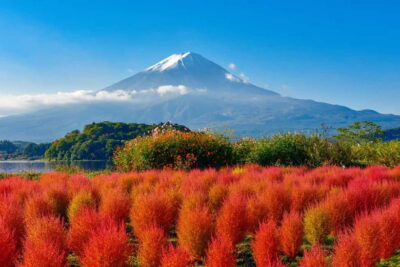 ★ 4.5From Tokyo: Mount Fuji Full-Day Sightseeing TripFrom $684,970 reviews
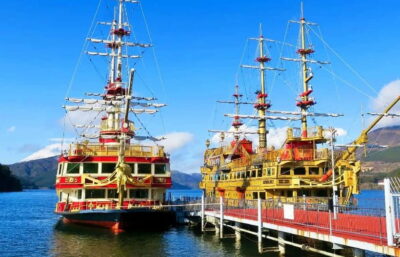 ★ 4.7Mt. Fuji Tour, Hakone Ropeway, Owakudani, Lake AshiFrom $544,002 reviews
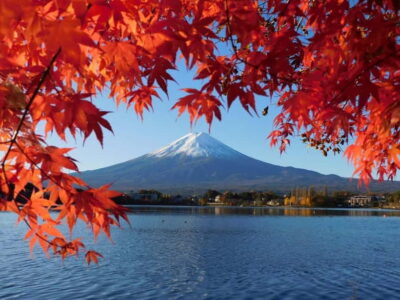 ★ 4.4Mt.Fuji,Kawaguchiko Oishi Park,Arakurayama Sengen ParkFrom $542,682 reviews
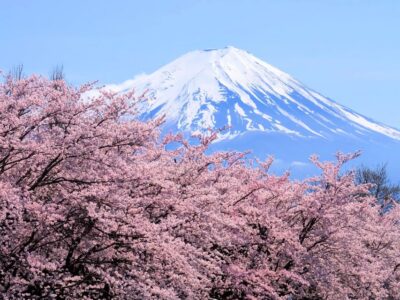 ★ 4.2Mt. Fuji 5th Station & Hakone Cruise 1-Day Bus TourFrom $1292,381 reviews
 ★ 4.7Mt Fuji Top 5 Spots Day Tour: Arakurayama Park,Oshino HakkaiFrom $532,066 reviews
Filed on these lists too