
REVIEW · NIKKO SHRINES AND WATERFALLS
Nikko Toshogu, Kegon waterfall, Lake Chuzenji One Day Pvt. Tour
Shrines and waterfalls in one clean day. This private Nikko day trip links the UNESCO Toshogu shrine complex with Rinno-ji, then tops it off at Kegon Falls, all in an air-conditioned vehicle from Tokyo Station. I like that it is built around clear, close-together stops, so you spend more time seeing and less time figuring out. I also like the onboard comforts, like a hotspot, and the small “driver as host” touches (one guide named Rana is specifically praised for water, snacks, and smart lunch guidance). One drawback to plan for: entrance fees and lunch are not included.
Beyond the main sights, the route includes a pause at Shinkyo Bridge and a quieter break at the botanical garden area, which makes the day feel more like a thoughtful tour and less like a checklist. Expect a full 12-hour day, so bring patience, not just good shoes. You will also need cashless readiness for paid sites, since parts of the shrines and temple grounds require separate admission.
In This Review
- Key points worth knowing before you go
- Private transport that actually saves your energy
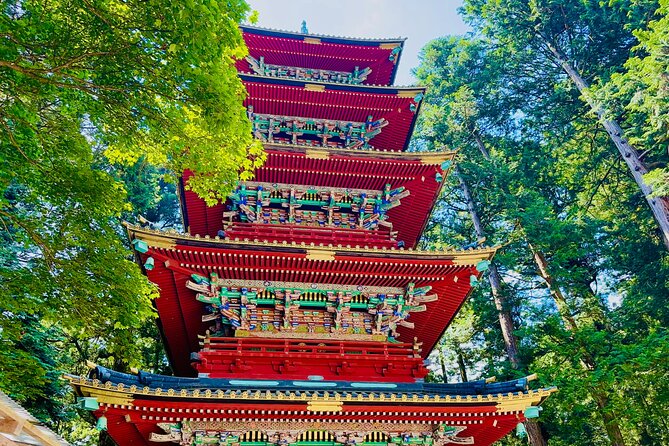
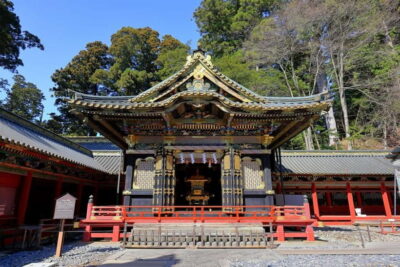
- Toshogu Shrine: Shinto, Buddhist, and that famous 36 meter pagoda
- Rinno-ji Temple: a big wooden hall and three major gilded statues
- Nikko Toshogu Museum and the botanical pause that keeps the day balanced
- Shinkyo Bridge: a quick historical breather
- Kegon Falls and Lake Chuzenji: what you should expect in practice
- Lunch, timing, and how to keep the day from rushing you
- Price and value: $500 per group up to 5, is it worth it?
- Who this Nikko one-day private trip suits best
- Should you book this Nikko private day trip?
- FAQ
- How long is the Nikko day trip?
- How many people are in a group?
- What is the pickup point in Tokyo?
- Is pickup and drop-off included?
- What entrance fees are not included?
- Is lunch included?
- What is included in the tour price?
- Do I get a ticket for entry?
- Is this a private tour?
- What is the cancellation policy?
Key points worth knowing before you go
- Private vehicle from Tokyo Station means less friction than buses, especially when your schedule is tight.
- Toshogu Shrine complex time includes both Shinto and Buddhist areas, plus the 36 meter pagoda.
- Rinno-ji Temples and statues give you a real sense of scale, including three major gilded wooden figures.
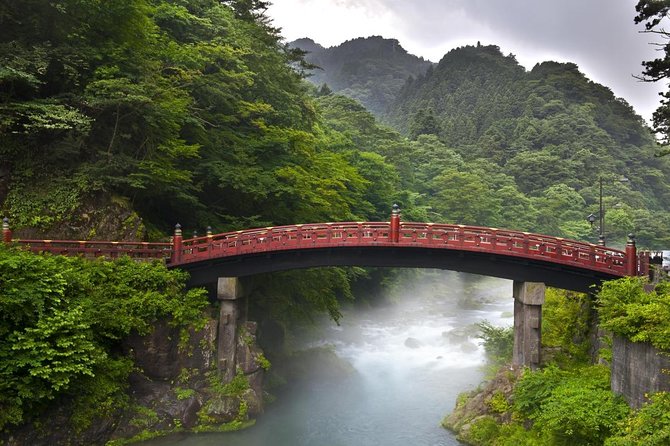
- Shinkyo Bridge is a quick reset before you head to the waterfall and Lake Chuzenji area.
- Kegon Falls viewing options include a historic elevator (installed in 1930) for a closer look.
- Price is per group up to 5, so you can compare it to multiple transit tickets plus the value of speed and comfort.
Up into the Nikko hills by another route
- Nikko: Kegon Falls, Lake Chuzenji & Toshogu Temple
★ 4.6 · 1,577 reviews - Tokyo: Nikko Toshogu Shrine and Kegon Waterfall Tour
★ 4.5 · 1,266 reviews - From Tokyo: Nikko World Heritage Site Private Full-Day Trip
★ 4.9 · 243 reviews - Nikko: Edo Wonderland Edomura Cultural Theme Park Ticket
★ 4.3 · 205 reviews
Private transport that actually saves your energy
This is the kind of day trip that works because you do not have to play transport roulette. You start from Tokyo Station (1 Chome-9 Marunouchi) and get back there, so you are not dragging yourself across town at the end of a long day. The vehicle is air-conditioned, and the tour includes things like fuel surcharge and parking fees, which quietly removes a lot of small, annoying logistics.
Time matters in Nikko. The route packs multiple major sites into about 12 hours, so having a private vehicle keeps your day from turning into a patchwork of waits, transfers, and last-minute sprinting. You also get a hotspot on board, which is genuinely helpful in Japan where internet helps you confirm directions, translate signs, and keep your plans from unraveling.
Humor aside, the comfort changes how you experience temples. When you are not tired from travel friction, you notice details like the carvings on Toshogu and the way Rinno-ji spaces the visitor flow. That is the real value of a private day trip: you arrive more awake.
Toshogu Shrine: Shinto, Buddhist, and that famous 36 meter pagoda
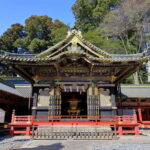
Nikko Toshogu is not one single building you rush through. It is a shrine complex where the experience is spread across nearby areas. One practical win here is that the Shinto shrine and the Buddhist shrine are together, so you can see both without backtracking.
You will also have time to take in the pagoda, listed at 36 meters high. That matters because it gives you a visual anchor. When you are inside a dense complex with lots of ornamentation, having one big vertical landmark helps you orient quickly and enjoy the walk instead of constantly scanning for what to see next.
This complex is dedicated to Tokugawa Ieyasu, the samurai leader whose rise helped start the Edo period (1603 to 1867). Even if you do not know the full historical storyline, you can feel it in the architecture and design choices. Toshogu is famous for the intensity of its decoration, and when you are there with enough time (about 2 hours on this tour), you can actually look at carvings rather than only catching the highlights from a distance.
Potential catch: Toshogu admission is listed as about $10 USD per person and is not included. So while the tour itself handles the transportation, you still need to budget for shrine entry.
Rinno-ji Temple: a big wooden hall and three major gilded statues
Next up is Rinno-ji Temple, one of Nikko’s historically important Buddhist sites. You get about 1 hour here, which is a workable time window if you focus on the major spaces rather than trying to “do everything.”
The main hall is a standout for its scale. It houses three massive gilded wooden statues representing Buddhist manifestations of the three mountain deities of Nikko:
- Amida Nyorai (Amitabha)
- Senju Kannon (Kannon with a thousand arms)
- Batō Kannon (Horse-headed Kannon)
If you like religious art, this is where you will pause and just look. These figures are not subtle, and seeing them in person helps you understand why Rinno-ji is considered essential in Nikko.
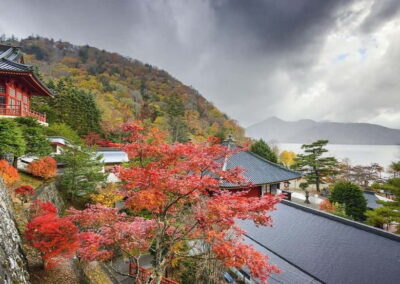
You also have time for the Shōyō-en Garden behind Sanbutsudō. Gardens here are not just pretty. They give you a calmer rhythm after the more structured shrine and temple movement. In Japan, that change of pace is part of the experience, and this stop includes it.
From a practical standpoint, the tour notes paid admission for the Rinno-ji areas as about $7 USD per person. You should expect this added cost unless you have a plan to cover it.
- Mt Fuji and Hakone 1-Day Bus Tour Return by Bullet Train★ 5.0 · 26,383 reviews
- 1-Day Tokyo Bus Tour★ 5.0 · 14,250 reviews
- Tokyo: teamLab Planets TOKYO Digital Art Museum Entry Ticket★ 4.6 · 9,779 reviews
- Mt Fuji & Hakone Cruise, Drum Show Bullet Train 1 Day from Tokyo★ 4.0 · 7,413 reviews
- Tokyo Mt Fuji 5th St & Hakone Cruise Bus Tour w/Bullet Train★ 4.4 · 5,024 reviews
Nikko Toshogu Museum and the botanical pause that keeps the day balanced
After Rinno-ji, the itinerary includes the Nikko Toshogu Museum, also called the Nikko Toshogu Treasure Museum, located within the Toshogu complex area. This stop is shorter, about 30 minutes, but it has a focused purpose. You will see artifacts and information tied to Tokugawa Ieyasu and the shrine’s role, including items like samurai armor, swords, and personal belongings.
This is a smart move in a day trip. Without it, you can miss the context behind the decoration. With it, the carvings and symbols stop being random detail and start feeling intentional.
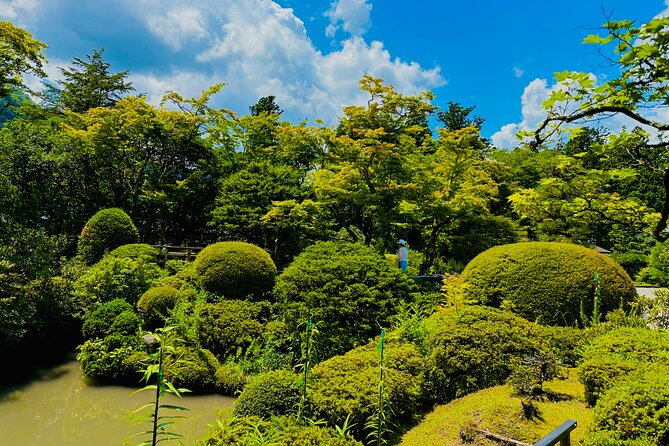
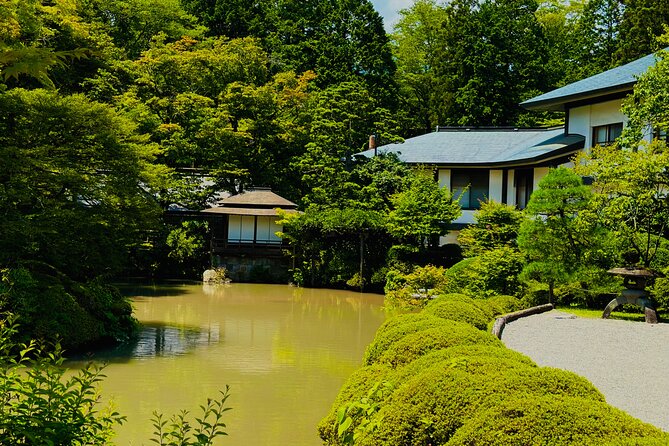
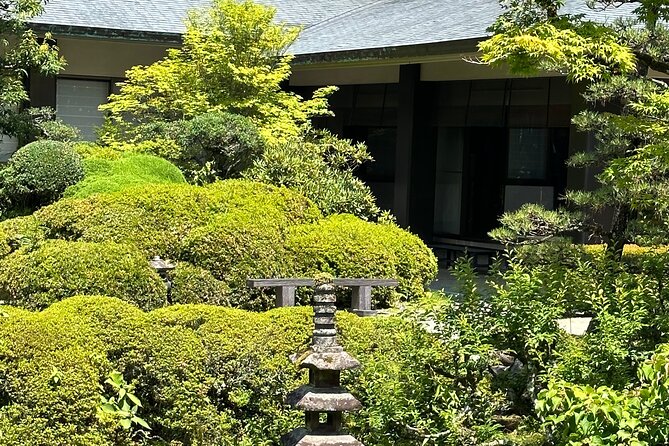
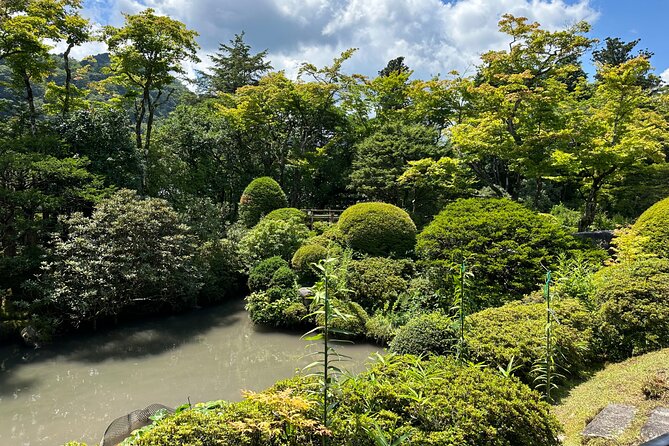
Then you move to Nikko Botanical Garden for about 30 minutes. This is associated with the Tokugawa Nikko garden tradition near the Rinno-ji complex, and it connects back to Tokugawa Ieyasu as well. Here, the value is not that it is a giant garden. The value is the rhythm: after the museum and shrine focus, you get a quieter setting with rocks, ponds, and carefully maintained vegetation meant to feel harmonious and calm.
If you are worried about feeling temple-fatigued, this stop helps. It breaks the day into sections so the final waterfall does not feel like just another tourist stop.
Shinkyo Bridge: a quick historical breather
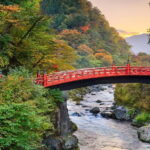
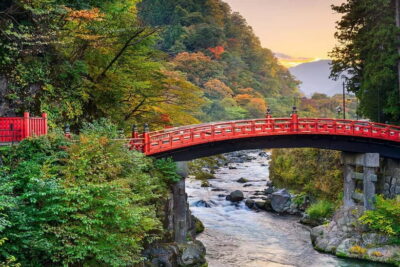
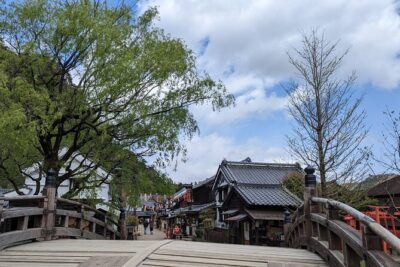
Shinkyo Bridge is often described as the red bridge at Nikko, and it functions as a natural entry point feeling. It stands at the entrance to the shrines and temples area, and it technically belongs to Futarasan Shrine.
You get about 30 minutes here, which is enough to walk across and reset your mind before the scenery shift to the falls. The bridge history adds interest: it is the oldest bridge since the Tokugawa era, and the current structure was constructed in 1636. It also reminds you that visitor access changes over time, since access was restricted until 1973 and later reopened after renovations in the late 1990s and early 2000s.
Your tour notes the Shinkyo Bridge stop as free for admission. Even if you do not pay anything, consider it a worthwhile moment. It gives you a view angle on the complex before you head into the nature-heavy part of the day.
Kegon Falls and Lake Chuzenji: what you should expect in practice
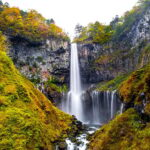
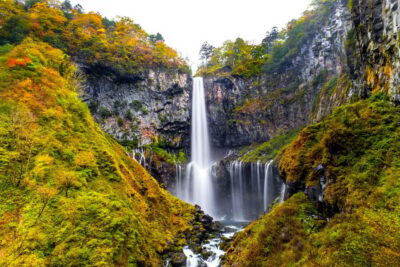
The last major stop is Kegon Falls, and this is where Nikko earns its reputation for nature. You get about 2 hours, which is a solid block. Kegon Falls are known for being nearly 100 meters deep, and the view is dramatic in person.
There is also a historically interesting feature: an elevator installed in 1930 was created to bring visitors closer to the falls’ view. The tour details list admission for this stop as free, but the big takeaway for you is that there are viewing options that can reduce the distance between you and the action.
Lake Chuzenji and the nearby Chuzenji Shrine come with the atmosphere. The lake area is described as peaceful, and it helps the waterfall stop feel less like a single photo moment and more like a scenic zone.
Practical advice: build a slow moment into this stop. If you rush, you miss the sound and the layered views, where the lake, the shrine area, and the falls all work together. If you take your time, you end up feeling like the end of the day is actually the best part, not just the last stop you endured.
Lunch, timing, and how to keep the day from rushing you
Lunch is not included. That is normal for private day trips, but it means you should think about it before you go. If you arrive hungry and get stuck choosing a random place, the best part of Nikko can feel like work.
The good news is that the experience design gives your driver room to help. One guide named Rana is specifically praised for showing guests a lovely lunch restaurant and for chatting while guiding you through the day’s history. Even if your driver has a different style, the private format usually means you get more flexible meal guidance than you would with a fixed bus schedule.
My practical suggestion: eat something light earlier, then aim for a planned lunch during the middle portion of the day, when energy is stable. That way you have the stamina to enjoy both Rinno-ji and the long Kegon Falls segment without feeling worn out halfway through.
Price and value: $500 per group up to 5, is it worth it?
At $500 per group (up to 5 people), this sits in the “pay for convenience” category. Your best way to judge value is to compare two things: the cost of transport plus the value of time.
You are paying for:
- Private transportation all day in an air-conditioned vehicle
- Pickup and return to Tokyo Station
- Parking fees and fuel surcharge handled
- A hotspot on board
- A structured route with multiple key stops in about 12 hours
You are not paying for:
- Lunch
- Shrine and temple admissions (with specific amounts listed)
- The entry tickets for certain paid sites
So, when does it make sense? If you have 3 to 5 people, it usually starts to feel like a smart deal, because the per-person cost drops fast and you avoid multiple transit tickets plus the hassle of transfers. If you are just 1 or 2 people, it can still be a good choice if you value comfort, schedule control, and not wasting daylight in transit. The private vehicle is the core value. The paid sites are just the entry cost to access the places you came for.
One more detail: the tour is rated 5 out of 5 by people who clearly loved the “luxury private tour” feeling, and the on-the-ground comfort is repeatedly emphasized. That lines up with the format: you get a smoother day, and Nikko rewards you more when you are not stressed.
Who this Nikko one-day private trip suits best
This is a great match if:
- You want a high-efficiency day without wrestling public transit.
- You care about big-name sites like Nikko Toshogu and Kegon Falls, but you also want supporting stops like the museum and Shinkyo Bridge.
- You prefer a private group experience where your schedule is handled for you.
It is also a good option for couples or small families who can share the group cost. Service animals are allowed, and the tour notes that most travelers can participate.
If you are the type who loves planning every bus route and adjusting your own timing minute by minute, a self-guided trip might work. But if you would rather spend your energy looking at temples and waterfalls, this format is built for you.
Should you book this Nikko private day trip?
I think you should book it if you want Nikko at its best, with less friction. The private vehicle from Tokyo Station plus the carefully chosen mix of UNESCO Toshogu, Rinno-ji’s major temple interiors, and Kegon Falls makes the day feel complete. The museum and botanical pause are not filler either, they help the story and keep the pacing sane.
I would hesitate only if you already know you hate paying separate admission fees and you want lunch included in the price. Also, if you strongly dislike full day itineraries, remember this is about 12 hours.
If your goal is a calm, comfortable, well-timed Nikko day with the key sights handled, this one fits.
FAQ
How long is the Nikko day trip?
It runs for about 12 hours.
How many people are in a group?
This is priced for a group of up to 5 people.
What is the pickup point in Tokyo?
The tour starts at Tokyo Station, 1 Chome-9 Marunouchi, Chiyoda City, Tokyo 100-0005, Japan.
Is pickup and drop-off included?
Pickup is offered, and the activity ends back at the meeting point.
What entrance fees are not included?
Entrance fees are not included for Rinno-ji Temple, Old Era Garden, and Rinno-ji Temple Museum (listed at $7 USD per person), and for Nikko Toshogu Shrine (listed at $10 USD per person).
Is lunch included?
No, lunch is not included.
What is included in the tour price?
It includes an air-conditioned vehicle, a hotspot on board, fuel surcharge, private transportation, and parking fees.
Do I get a ticket for entry?
You receive a mobile ticket.
Is this a private tour?
Yes. It is private, and only your group participates.
What is the cancellation policy?
You can cancel for a full refund up to 24 hours in advance of the experience start time.
Nikko, Up the Hill
Newest Tokyo write-ups from the Loving Japan desk






Nikko Shrines and Waterfalls, side by side.
 ★ 4.6Nikko: Kegon Falls, Lake Chuzenji & Toshogu TempleFrom $891,577 reviews
 ★ 4.5Nikko Toshogu Shrine and Kegon Waterfall TourFrom $841,266 reviews
 ★ 5.0Nikko Full-Day Private Tour with Government-Licensed GuideFrom $155259 reviews
 ★ 4.9From Tokyo: Nikko World Heritage Site Private Full-Day TripFrom $483243 reviews
 ★ 4.3Nikko: Edo Wonderland Edomura Cultural Theme Park TicketFrom $35205 reviews
 ★ 4.8Nikko World Heritage Private Day Trip Hotel Pick-upFrom $390145 reviews
 ★ 4.9Nikko – Beautiful Full-Day Personal and Private TourFrom $364119 reviews
 ★ 5.0Chartered Private Tour – Tokyo to Nikko, Toshogu, Edo WonderlandFrom $1,286105 reviews
Filed on these lists too