
REVIEW · OKINAWA ISLANDS AND BEACHES
Okinawa: Naha: 1 day Kerama Islands diving‣ license required
That first ocean sound is the whole mood. This Naha to Kerama Islands day blends scuba time, high-speed boat travel, and seasonal perks like mochi and whale watching.
I love that it is built for different skill levels, including people who are rusty. I also like the very practical cold-day plan, with heaters and free boat coats that help you stay warm until you hit the water.
One thing to consider is that experiences can vary, since real safety and equipment feedback is mixed depending on the day and guide load, so you should go with the right expectations.
In This Review
- Key highlights worth showing up for
- Kerama Islands from Naha: the fast boat day plan
- What you need to join: C-card rules and basic fit
- Choosing three best underwater stops in Kerama National Park
- Quick note on what is not included
- Cold season in Okinawa: warm boat, steady water temp, hot food
- Seasonal extras: mochi pounding, whales, and shaved ice
- January 1: mochi pounding plus all-you-can-eat
- Jan 12 to Mar 31: whale watching for a limited window
- August to September: shaved ice
- Equipment and comfort details that affect the day
- What to bring
- Safety and group reality: what to trust, what to verify
- Price and value check: is $129 worth it?
- Who this Kerama scuba day fits best
- Should you book this Naha to Kerama Islands day trip?
- FAQ
- Do I need scuba certification to join?
- What islands are included, and is Chibishi part of the plan?
- What time does the boat leave?
- Is pickup from my hotel included?
- How cold is it in winter, and what gear helps?
- When is whale watching included?
- What seasonal food treats are included?
- What is included in the price, and what costs extra?
Key highlights worth showing up for
- Kerama Islands focus: guided selection around Tokashiki, Zamami, and Aka areas, with Chibishi Islands not included.
- C-card required: you can’t join without scuba certification proof.
- Seasonal bonuses: mochi pounding on Jan 1, whale watching Jan 12 to Mar 31, and shaved ice in Aug and Sep.
- Cold-season comfort: warm boat setup plus sea temps staying at 22C or higher most days.
- Big-day facilities included: towel, changing room, hot shower, tea, and onboard comfort items.
- Free swim ring rentals: available with reservations (helpful if you want an extra safety buffer for surface time).
Island hopping from Naha, reviewed
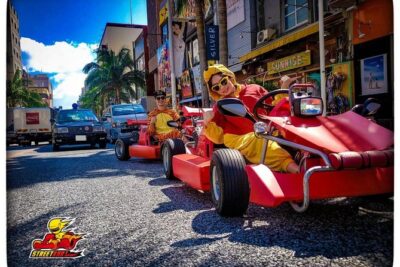
- Official Street Go-Kart Tour – Okinawa Shop
★ 5.0 · 699 reviews - Naha: North Okinawa Sightseeing Tour & Churaumi Aquarium
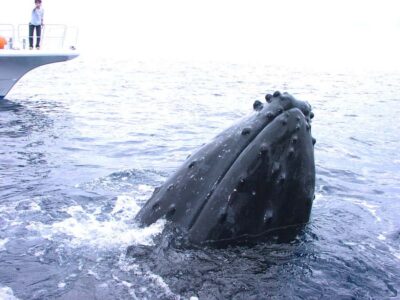
★ 4.4 · 472 reviews - Okinawa: From Naha: Kerama Islands 1-day snorkeling tour
★ 4.4 · 423 reviews - From Naha: Tokashiki Island Day Trip by Boat
★ 4.3 · 385 reviews
Kerama Islands from Naha: the fast boat day plan
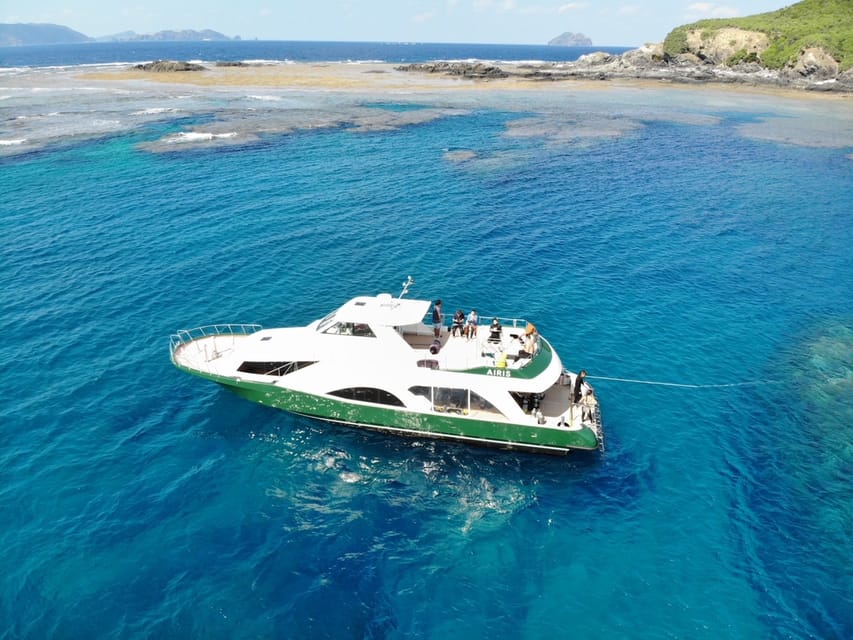
The day starts with you heading out of Naha early, since the boat departs at 8:00 AM. You will ride by van first, then transfer onto a high-speed boat that hops between island areas in the Kerama National Park zone.
If you are staying inside Naha city, pickup is included, but only within a limited seat count. If that pickup seat does not work out, you will meet the group at the port area instead, and you should plan to be ready outside your hotel when the team contacts you by email the day before.
This matters because Kerama trips run on the ocean clock. When the day goes long because of weather or sea state, your schedule is still built around getting you back to Naha at the end of the outing.
What you need to join: C-card rules and basic fit
This is not a first-timer trial. You need your scuba C-card to participate, and the tour is aimed at certified participants who can handle underwater procedures with an instructor’s guidance.
The tour also has a clear set of “not suitable for” limits. It is listed as not appropriate for children under 10, pregnant women, people with mobility impairments or wheelchair users, anyone with vertigo, heart problems, respiratory issues, epilepsy, diabetes, recent surgeries, kidney problems, high blood pressure, people with a cold, and those with pre-existing medical conditions. If any of those apply, you should not assume you can “power through” on the day.
For anyone who is coming back after a long break, this is a good option because you can ask for help with technique and with what you want to see. The center explicitly says it will adjust the plan to your level and answer questions about fish size, small fish versus big fish, and the terrain you prefer.
Choosing three best underwater stops in Kerama National Park
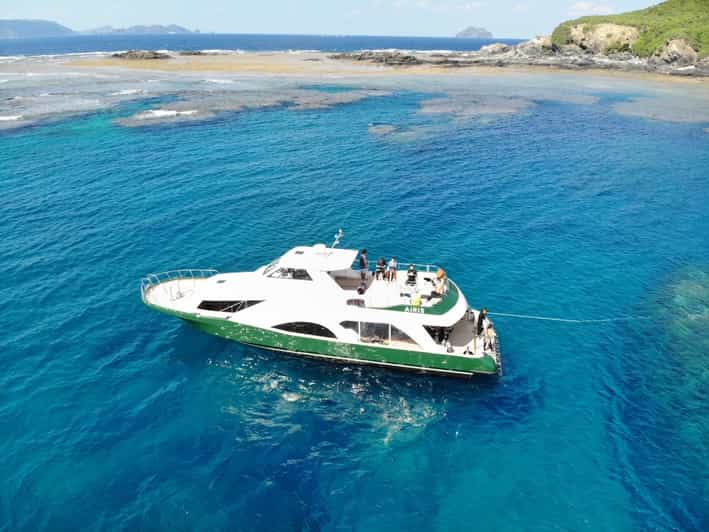
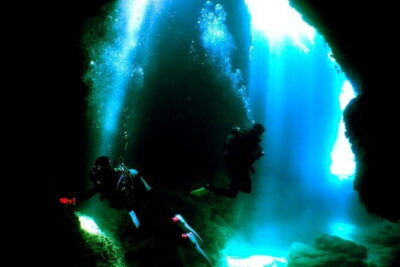
Once you reach the Kerama National Park area, you are guided and in the water for about six hours across multiple stops. The wording you get is “carefully select and guide you to three best points of the day,” and that is basically the whole promise here.
That selection part is important. One of the trips worth a special note is that some days produce strong variety and clear visibility, while other days may feel more limited even if conditions are still okay. In feedback from one diver with a Netherlands booking, there was plenty of fish and colorful coral, but one of the stops ended up being mostly sand. That is not a deal-breaker if your expectations are flexible, but it is a real reminder that nature controls the menu.
On the other hand, in positive experiences, instructors were described as patient and the three stops were treated as a full story. A Singapore booking highlighted instructor Takashi as both patient and knowledgeable, with three underwater sites described as stunning. Another solo participant from Hong Kong, Sammi, said they did not feel left out and that the guidance kept the day fun and organized.
So what does that mean for you? If you want a trip where the guide tries to match your interests, ask for that in advance. If you are the type who needs guaranteed “wow” on every stop, you may want to temper your expectations and treat each site as a chance, not a guarantee.
Back in the water. Other trips off Naha
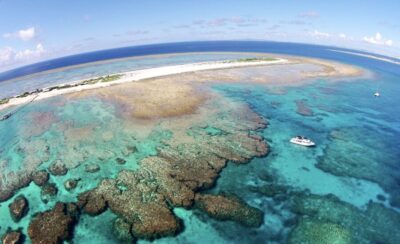
- Naha, Okinawa: Keramas Island Snorkeling Day Trip with Lunch★ 4.7 · 370 reviews
- Naha, Okinawa: Kerama Islands Half-Day Whale Watching Tour★ 4.4 · 241 reviews
- Naha, Okinawa: Kerama Islands Full-Day Intro-Diving Trip★ 4.6 · 203 reviews
- From Naha: Snorkeling Tour to Kerama by Ferry★ 4.3 · 151 reviews
- Naha: Full-Day Snorkeling Experience in the Kerama Islands, Okinawa★ 5.0 · 128 reviews
Quick note on what is not included
Chibishi Islands are not part of this trip. If you were looking for that add-on style stop, you will need a different plan.
Cold season in Okinawa: warm boat, steady water temp, hot food
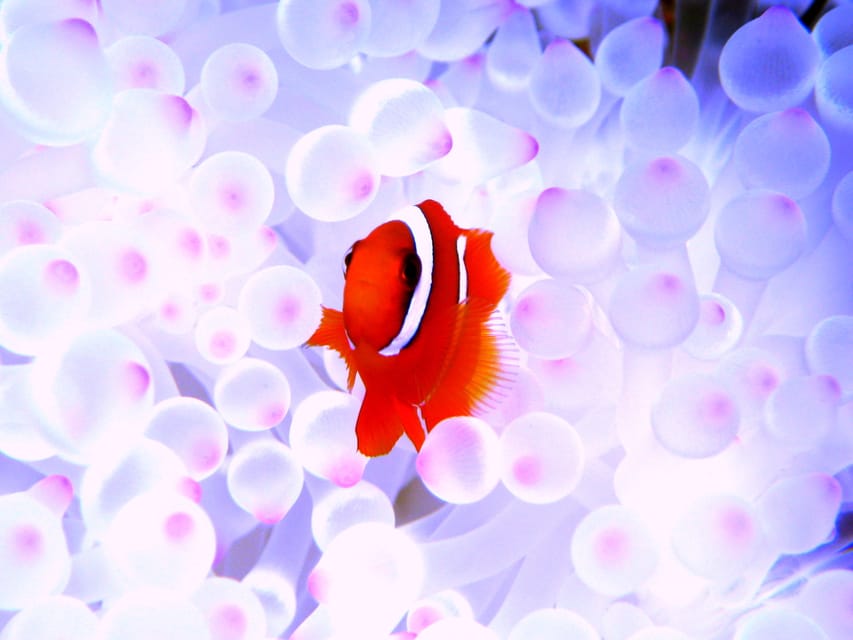
This is one of the strongest reasons to book, especially if you are visiting in the cooler months. The tour info states that winter air in Okinawa averages around 20C, but the Kerama sea temperature does not drop below 22C.
That is still cool, but it is not the kind of “brrr” that kills a day. More importantly, the company describes a layered system: a 3mm hooded vest under a 5mm one-piece, plus a boat coat available for free that you can wear over your wetsuit. Inside the boat, they also use a cabin heater and engine heater to keep the interior around 25C.
For food, if you order lunch, it is described as hot Okinawa soba and oden. One German-language booking noted lunch as an extra option and said drinks were limited to cold tea, which also hints at what you can expect for beverages rather than a full bar setup.
If you get cold easily, this tour gives you tools. But it also asks you to help yourself by dressing smart and using sunscreen. On days when you are waiting on the boat between stops, warmth depends on what you wear, not just the heater running.
Seasonal extras: mochi pounding, whales, and shaved ice
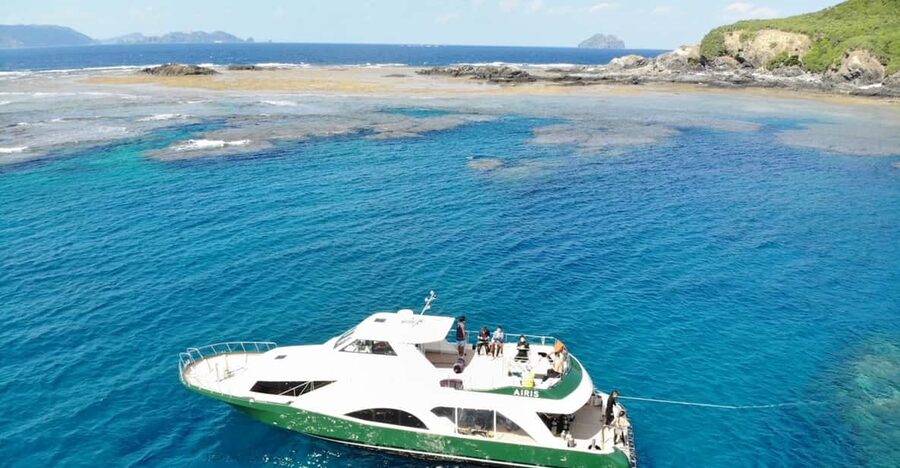
This is where the Kerama day gets fun even before you touch the water.
January 1: mochi pounding plus all-you-can-eat
On Jan 1, the trip includes a traditional mochi pounding event and an all-you-can-eat setup. The info says the first underwater session and the mochi pounding event fall on that day, so it is not just a nice extra, it is part of the day’s structure.
Jan 12 to Mar 31: whale watching for a limited window
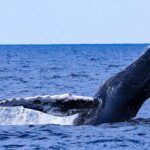
From Jan 12 to Mar 31, whale watching services are included on the Kerama route. The important part is the weather reality, since the info clearly warns you might not see whales depending on sea conditions.
Still, having it included changes the value. You are not paying extra for an add-on that may or may not happen. You are already on the boat route that can support it.
August to September: shaved ice
In Aug and Sep, shaved ice service is available. A solo Hong Kong booking specifically mentioned shaved ice after lunch, and that kind of small, local touch is exactly what turns a standard scuba day into a day you remember.
Equipment and comfort details that affect the day
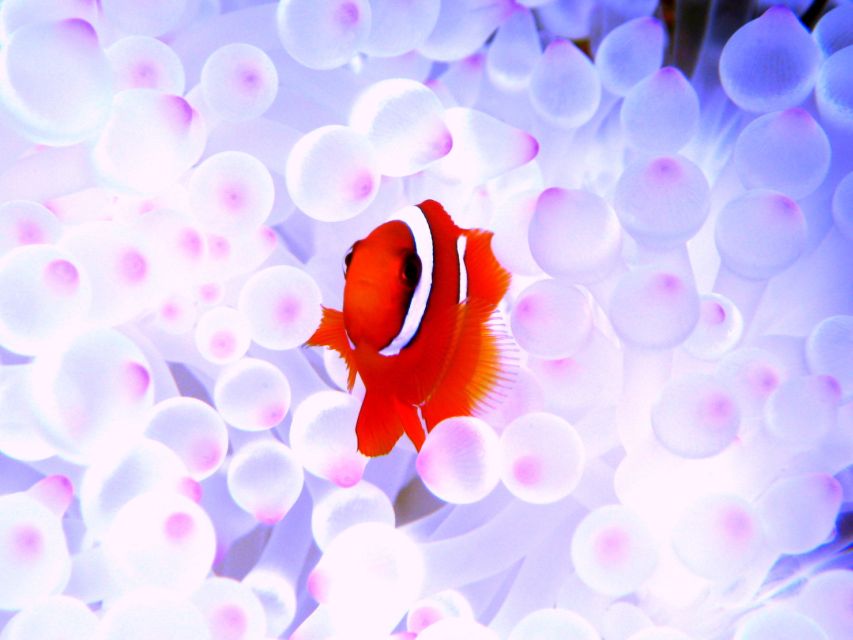
The included package is built for not having to think too hard. You get full rental equipment, including tanks and weights, plus a towel, tea, a changing room, hot water shower, and toilet access.
You can also rent a camera, but you must reserve it. If you want your own footage, you can bring an SD card for the camera rental or use the provided pricing guidance. A GoPro rental is listed as 3,000 yen with an SD card.
One practical tip from the mixed feedback: equipment condition can be the difference between “smooth day” and “why is this hard.” In one low-rating case, a Malaysia booking complained about worn equipment and a torn bootie, and said the request to swap a BCD inflator issue after the first stop was denied. That is not guaranteed to happen to you, but it does suggest you should check your gear early, including your booties, straps, and inflator function, before you start the first underwater session.
What to bring
The provided list is straightforward:
- sunglasses
- swimwear
- change of clothes
- sunscreen
- packed lunch (unless you plan to order lunch add-ons)
- personal medication
- scuba certification paperwork (C-card)
- a logbook (they list dive log, but the meaning is your certification log)
If seasickness tends to hit you, take anti-sickness medicine in advance. The tour explicitly suggests that step.
Safety and group reality: what to trust, what to verify
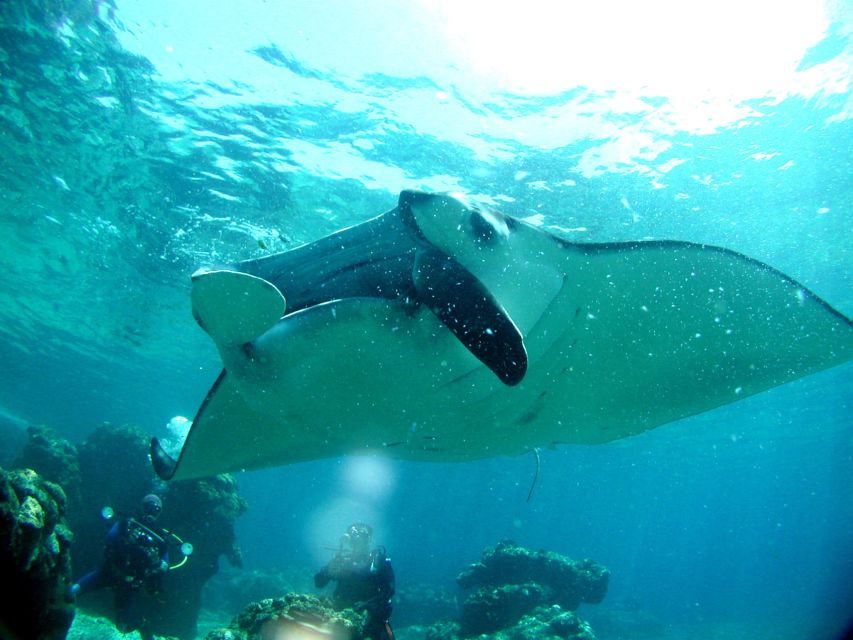
The tour runs with a guide team and is designed to be beginner-friendly for certified participants. They say veteran instructors handle problems and that you are guided so you can enjoy the day with peace of mind.
But the real world has edges. One France booking by Marie described an experience where novices touched corals and that the group behavior caused problems on the water and underwater environment, plus an octopus issue that failed. Another Malaysia booking by a GetYourGuide traveler complained about overcrowding on the boat, limited safety briefing, and equipment problems, including English communication concerns.
So here is how I would use this information without getting paranoid. You can enjoy the day, but you should treat safety briefings seriously even if your group is mixed, and you should keep your hands off marine life, because the tour rules explicitly say touching marine life is not allowed.
If you care about communication, look for instructor language support. The tour states staff can speak Japanese and English, and a German booking noted underwater communication was fine even when over-water English was less strong.
Price and value check: is $129 worth it?
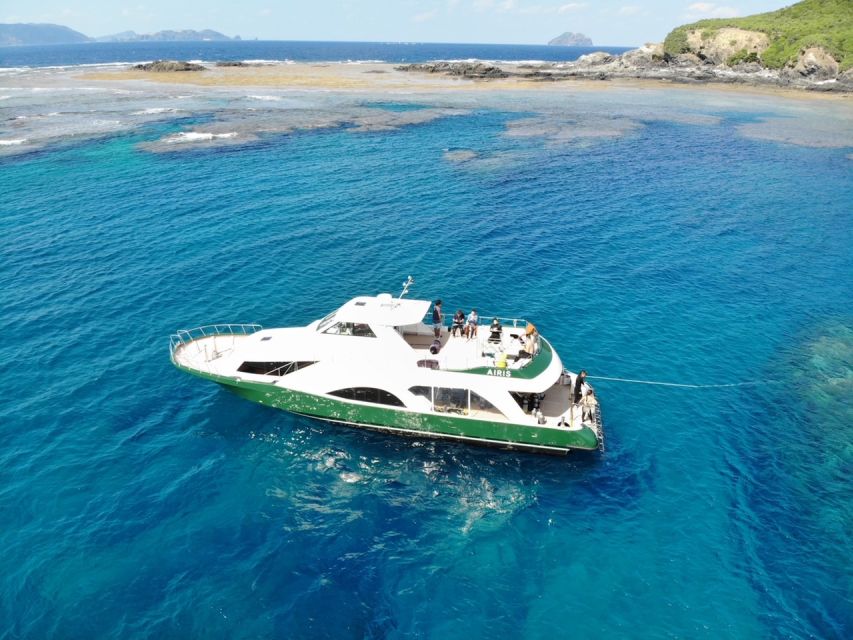
At $129 per person, you are paying for a lot of “day-trip weight,” not just a slot in the water. The value is strongest when you count included items:
- rental equipment with tanks and weights
- towel, changing room, hot shower access
- tea
- guide-led plan targeting three best stops
- transportation (pickup within Naha city when available, plus van to the port area)
- a boat coat rental for warmth in cool seasons
- seasonal whale watching (Jan 12 to Mar 31)
The price may feel high if you are only thinking about time in the ocean. It starts to feel fair when you factor in transport, gear, and warm-day logistics.
Then there are the likely extras:
- GoPro rental at 3,000 yen
- camera SD card costs if needed
- lunch is not automatically included for everyone since the tour info says it is only for those who order lunch
- packed lunch is suggested to bring
If you travel with your own camera, plan your setup early. If you hate waiting, show up on time at pickup points and be ready for the 8:00 AM departure.
Who this Kerama scuba day fits best
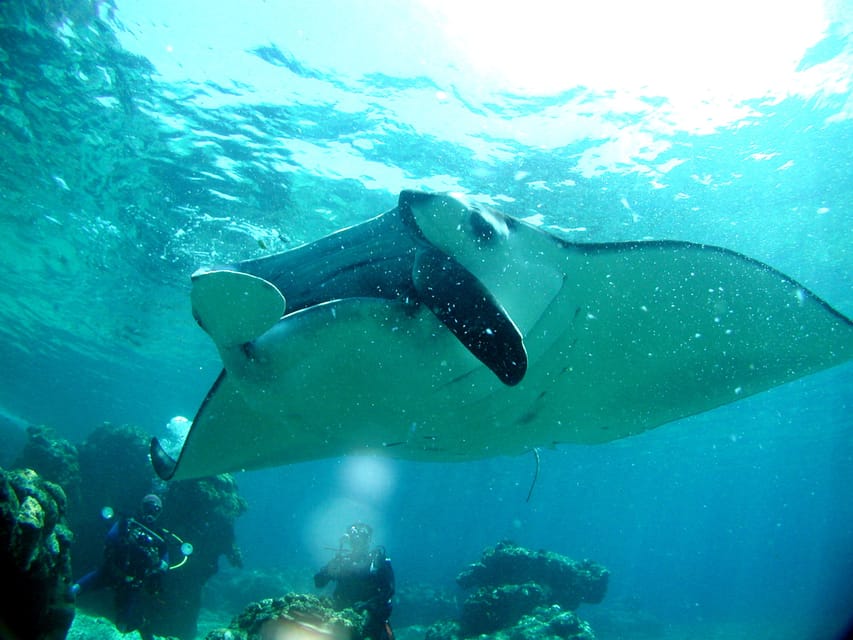
This is a solid fit if you:
- have your C-card and want guided underwater time
- want a Kerama-focused day around Tokashiki, Zamami, and Aka areas
- prefer a warm boat setup and comfort planning in winter
- want seasonal extras like mochi pounding on Jan 1 or whale watching in the Jan-Mar window
- like structure, since you get guided selection for three sites
It may not be the best match if you:
- are not comfortable with the “weather controls the outcomes” reality
- need flawless English on the boat portion of the day
- have health conditions listed as not suitable
Should you book this Naha to Kerama Islands day trip?
Yes, if you match the basics: certified with C-card, okay with ocean-variable outcomes, and you want an organized day that handles the hard parts like gear and boat comfort. The cold-season planning is a big deal, and the seasonal extras can make the trip feel special even before you count coral and fish.
Book with eyes open. Check your equipment early, follow the no-touch rules for marine life, and be ready for at least some variation from stop to stop, since sand and calm days happen.
If your trip dates land in Jan 12 to Mar 31, whale watching being included is a strong value boost. If you are traveling in Aug or Sep, the shaved ice adds a local, low-effort payoff. And if you are around Jan 1, mochi pounding plus all-you-can-eat turns this into a cultural day as well as an underwater one.
FAQ
Do I need scuba certification to join?
Yes. The tour is stated as only for those who have a scuba C-card. If you are not certified, you should not expect to participate.
What islands are included, and is Chibishi part of the plan?
The focus is on the Kerama Islands around Tokashiki, Zamami, and Aka. Chibishi Islands are stated as not included.
What time does the boat leave?
The boat departs at 8:00 AM.
Is pickup from my hotel included?
Pickup is included only within Naha city, and seats are limited. If you stay outside Naha city, you will meet and disband at the location instead.
How cold is it in winter, and what gear helps?
The info says the Kerama sea temperature does not drop below 22C, even though winter air is around 20C. You also get a boat coat for free, plus layered wetsuit options and heaters on the boat.
When is whale watching included?
Whale watching is included for a limited seasonal window from Jan 12 to Mar 31 on the Kerama route. Visibility depends on weather and sea conditions.
What seasonal food treats are included?
Mochi pounding and an all-you-can-eat event happen on Jan 1. Shaved ice is available in Aug and Sep.
What is included in the price, and what costs extra?
Included items include full rental equipment (including tanks and weights), towel, tea, changing room, hot water shower, toilet, and a reservation camera option. A GoPro rental is listed as 3,000 yen, and lunch is described as something you order if you want it. Camera SD card pricing is also listed separately.
Back in the Water
Okinawa, Island by Island

Newest Naha write-ups from the Loving Japan desk



Okinawa Islands and Beaches, side by side.
 ★ 5.0Official Street Go-Kart Tour – Okinawa ShopFrom $36699 reviews
 ★ 4.4Naha: North Okinawa Sightseeing Tour & Churaumi AquariumFrom $50472 reviews
 ★ 4.4From Naha: Kerama Islands 1-day snorkeling tourFrom $81423 reviews
 ★ 4.3From Naha: Tokashiki Island Day Trip by BoatFrom $58385 reviews
 ★ 4.7Naha, Okinawa: Keramas Island Snorkeling Day Trip with LunchFrom $70370 reviews
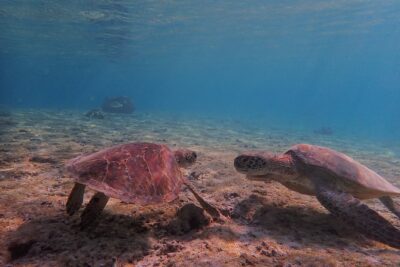 ★ 5.0[Miyako Island/Half Day] Sea Turtle SnorkelingFrom $45337 reviews
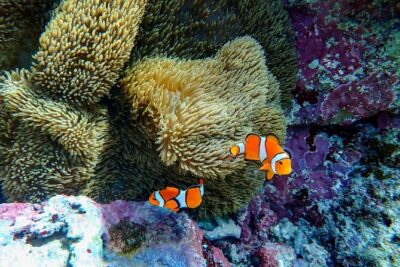 ★ 5.0Okinawa Ishigaki Blue Cave Snorkeling TourFrom $45332 reviews
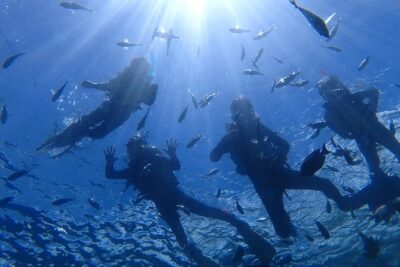 ★ 4.5Snorkeling in the Blue Cave area【Okinawa Prefecture: Free feeding & photo images!English and Chinese speaking guide available!From $19249 reviews
Filed on these lists too