
REVIEW · FOOD & DRINK
Old Town Tokyo Food Tour
Yanaka tastes like old Tokyo, and this small-group food walk turns quiet streets into actual meals. I love the included Teishoku lunch and the wagashi and tea ceremony, and I like that you get a local English speaking guide to connect the food to the neighborhood. The one thing to plan for is the walking pace, it is a half-day stroll with a moderate fitness level.
This tour keeps it practical and focused: six food stops with dishes and drinks, plus time to shop along historic lanes. The route is built around Yanaka, one of Tokyo’s older areas that survived big shocks in Japan’s modern history, so the streets feel lived in, not staged.
You’ll start at Coffee Room Renoir Nippori Yanaka at 10:30 am and spend about 3 hours 30 minutes moving between temples, a hill street, and parks. It is also a good fit if you want a family-friendly experience, but it does not include hotel pickup, so you’ll need to handle getting to the meeting point.
In This Review
- Key takeaways before you go
- Why Yanaka feels like old Tokyo (and why that matters)
- Price and value: what $231 buys you here
- Meeting at Coffee Room Renoir Nippori Yanaka, then starting smart
- Stop 1: Temples and tea culture cues in the early stretch
- Your first big tasting wave: how the six food stops feel on the ground
- Teishoku lunch: the meal that anchors the tour
- Stop 2: Yanaka Ginza shops, plus a chance to buy the real things
- Parks and quiet corners: Yanaka Cemetery Park and Okakura Tenshin Memorial Park
- Stop 3: the final Yanaka stretch and what it adds to your food story
- Tea ceremony and wagashi: the most memorable cultural moment
- Dietary needs and smart ordering on a guided food tour
- Who this tour is for, and who might want a different plan
- Practical tips: shoes, weather, and getting the most out of 3.5 hours
- Booking timing and how far ahead to plan
- Should you book Old Town Tokyo Food Tour?
- FAQ
- Where does the tour start and what time?
- How long is the Old Town Tokyo Food Tour?
- What food experiences are included in the tour price?
- Is lunch included?
- Is the tour suitable for vegetarians or gluten-free diets?
- How big is the group?
- Does the tour include transportation to and from your hotel?
Key takeaways before you go
- Teishoku lunch is included, so you are not scrambling for a meal mid-walk
- Wagashi and a tea ceremony experience are part of the tour, not an optional add-on
- Yanaka Ginza shopping time gives you a real chance to browse small, historic shops
- Six food stops with dishes and drinks make the price feel more like a food day than a sightseeing day
- Maximum group size of 10 helps the guide keep things personal and manageable
- Temples and park visits add context, so the food links to place and everyday life
Still weighing up options in Tokyo? These are the ones our reviewers rated highest.
- Mt Fuji and Hakone 1-Day Bus Tour Return by Bullet Train
★ 5.0 · 26,383 reviews - 1-Day Tokyo Bus Tour
★ 5.0 · 14,250 reviews - Tokyo: teamLab Planets TOKYO Digital Art Museum Entry Ticket
★ 4.6 · 9,779 reviews - Mt Fuji & Hakone Cruise, Drum Show Bullet Train 1 Day from Tokyo
★ 4.0 · 7,413 reviews
Why Yanaka feels like old Tokyo (and why that matters)
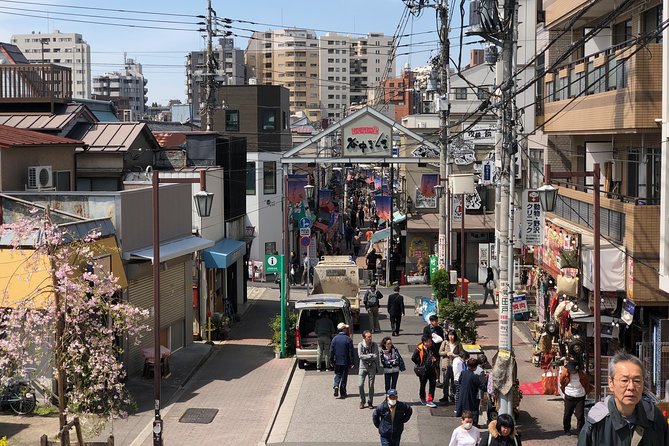
Yanaka is the kind of Tokyo neighborhood where you can sense time passing. The streets and storefronts feel older, the pace is slower, and the vibe is more like a local day out than a tourist-only circuit. That matters on a food tour, because the tastings land better when the setting makes sense.
This route also leans into the Yanesen area identity, the blend of temples, small shops, and residential lanes. You get more than bites, you get mini lessons along the way, tied to what you’re seeing and eating.
If you want Tokyo that feels human-scale, Yanaka is a strong choice. It helps that the tour is designed to be half-day length, about 3.5 hours, so you can still keep the rest of your day flexible.
Price and value: what $231 buys you here
At $231 per person, this is not a cheap snack walk. But the value is in what is bundled.
You get:
- Dishes and drinks at 6 food stops
- A Teishoku lunch in a restaurant
- Wagashi and tea experience
- A local English speaking guide
- Shopping time
So yes, you are paying for access and guidance, but you are also paying for the meals and tasting structure. The tour also supports multiple dietary preferences like vegan, vegetarian, pescetarian, and gluten-free friendliness, which is not always easy to find on standard walking tours.
What to keep in mind: transportation costs are not included, and the tour does not list unlimited extras. If you like to buy lots of souvenirs or add more drinks, you’ll want to budget for that separately.
Meeting at Coffee Room Renoir Nippori Yanaka, then starting smart
Your start is at Coffee Room Renoir Nippori Yanaka in Taito City, Yanaka, with a 10:30 am start time. Because there is no hotel pickup, getting to the meeting point is on you, but the tour is listed as near public transportation, which helps a lot.
The format is straightforward. You meet the guide, then you head out for a roughly 3-hour food route. The early structure matters because it sets the rhythm: you start with coffee and begin tastings while your legs are fresh, not at the end when you’re tired and hungry.
Since the group stays small (up to 10 travelers), you can usually expect a smoother pace and clearer guidance. That’s one of the reasons food tours like this work better than the bigger group bus tours.
- Mt Fuji and Hakone 1-Day Bus Tour Return by Bullet Train★ 5.0 · 26,383 reviews
- 1-Day Tokyo Bus Tour★ 5.0 · 14,250 reviews
- Tokyo: teamLab Planets TOKYO Digital Art Museum Entry Ticket★ 4.6 · 9,779 reviews
- Mt Fuji & Hakone Cruise, Drum Show Bullet Train 1 Day from Tokyo★ 4.0 · 7,413 reviews
- Tokyo: Shinjuku Food Tour (13 Dishes at 4 Local Eateries)★ 5.0 · 6,603 reviews
Stop 1: Temples and tea culture cues in the early stretch
The first stop block centers on Yanaka’s spiritual and everyday architecture.
After meeting at Coffee Room Renoir Nippori Yanaka, you move toward:
- Tennō-ji
- Kyōōji Temple
These temple visits are not there to be a long lecture. They give you context for why Yanaka feels the way it does. When you see the buildings and quiet lanes, it becomes easier to understand how food fits into daily routines in older Tokyo neighborhoods.
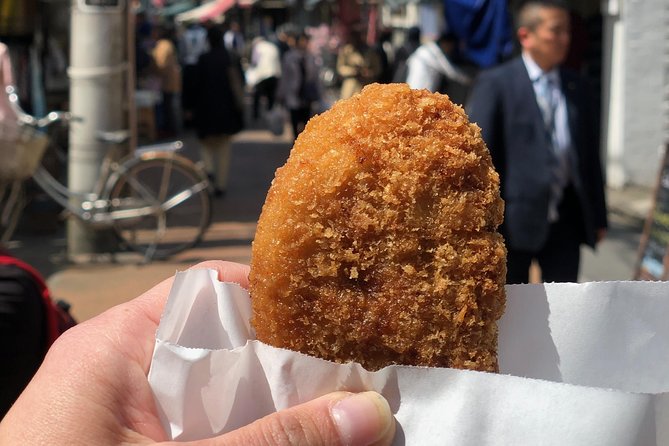
Then you hit Yūyake Dandan, a street stop that works well for photos and quick tastes. This is the kind of moment where a food tour stops being only about eating and becomes about noticing. Look for small signs, street-level food setups, and how people move through the lane.
Practical tip: bring your camera, but also keep one hand free. You’ll want to hold receipts, small bags, and your tasting items without juggling everything.
Your first big tasting wave: how the six food stops feel on the ground
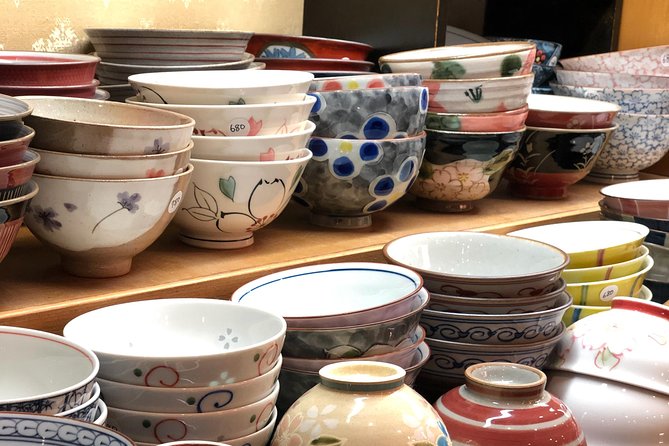
The tour includes dishes and drinks at 6 food stops, and that structure is a big part of why it feels worth the money. Instead of one heavy meal early and then empty walking time, you get steady food breaks.
That matters on a walking tour because hunger messes with your attention. With regular tastings, you can focus on the guide’s explanations, shop browsing, and the neighborhood details.
Also, these stops make it easier to share. If you like to sample widely, a food-stop rhythm lets you try more variety than you might at a single restaurant meal.
I also like that there is explicit lunch included, so you are not gambling on finding something good when your timing is off.
Teishoku lunch: the meal that anchors the tour
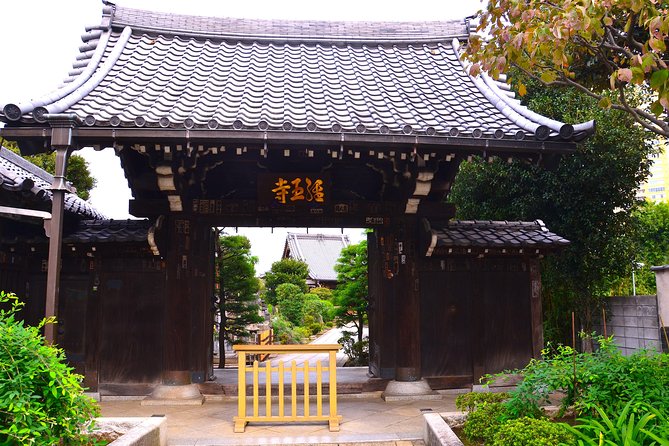
Lunch is a highlight here, and it is built into the experience. You’ll enjoy a Teishoku lunch with regional specialties. The tour description notes that the lunch features specialties from Kyushu Island.
A Teishoku style meal usually means a set format, often with rice, soup, and multiple side dishes. Even if you know nothing about Japanese menu patterns, this structure is a win because you get variety without having to translate everything yourself mid-tour.
This is the part of the day where you slow down and reset. After temple streets and quick street stops, lunch becomes the anchor you remember.
Dietary note: the tour is listed as vegan, vegetarian, pescetarian, and gluten-free friendly. That does not guarantee every single dish will be identical to the standard menu, but it does mean the provider is set up to handle these needs.
Stop 2: Yanaka Ginza shops, plus a chance to buy the real things
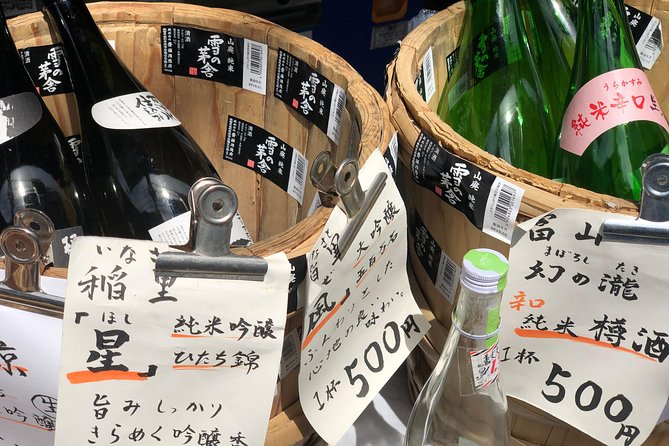
Next up is Yanaka Ginza, with a dedicated shopping block of about 15 minutes. This is the small but meaningful part of the tour, where you get to see local businesses and not just pass by them.
Why it matters: food tours can become a lot of tasting with nowhere to go when you actually want to take something home. A short shopping window solves that. If you see wagashi you like, sauces you want to try, or snacks you want for later, this is where you do it.
You’ll also get a guided feel for what is worth looking at. Even if you are not buying much, browsing helps you understand what the community values.
Parks and quiet corners: Yanaka Cemetery Park and Okakura Tenshin Memorial Park
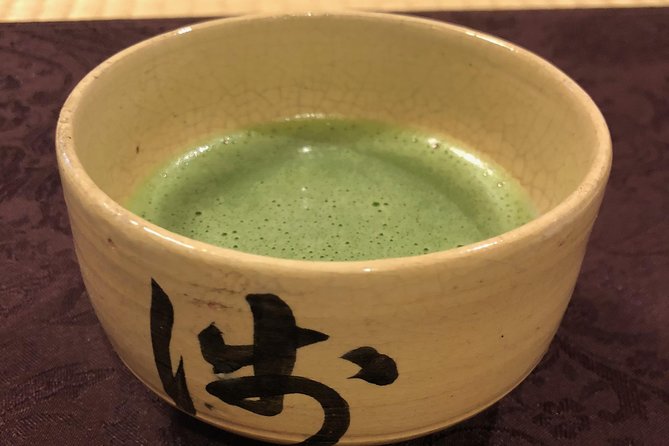
After Yanaka Ginza, the route turns toward Yanaka Cemetery Park and Okakura Tenshin Memorial Park.
This is not just a scenic detour. On a food tour, it’s a breathing space. You walk, you eat, you learn, then you pause in open areas where the neighborhood quiet becomes part of the experience.
Parks and memorial grounds also give a different texture to Yanaka than the shop streets. You start to feel the area as a lived place, not a museum hallway. That’s why it pairs well with a tour that includes a tea ceremony and traditional wagashi.
One consideration: these are outdoor stops. If weather is hot or rainy, you’ll want to be ready with a light layer or rain protection, since the tour works best when conditions are comfortable.
Stop 3: the final Yanaka stretch and what it adds to your food story
The last part is a continued food walk through Yanaka, designed as a roughly 3-hour segment focusing on local life and Japanese culture, with the guide helping you connect what you see to what you’re eating.
This final stretch is where the tour starts to feel like a story. Earlier stops set the scene with coffee, temples, and street lanes. Lunch gives you the structured meal moment. Later, you move through shops and calmer spaces, then you finish with more neighborhood context and food.
It is also where you can best absorb the guide’s explanations because you’re not rushing to the next meal. By this point, you understand the pace and you know you will get more tasting, so you can enjoy the walk instead of counting minutes.
Tea ceremony and wagashi: the most memorable cultural moment
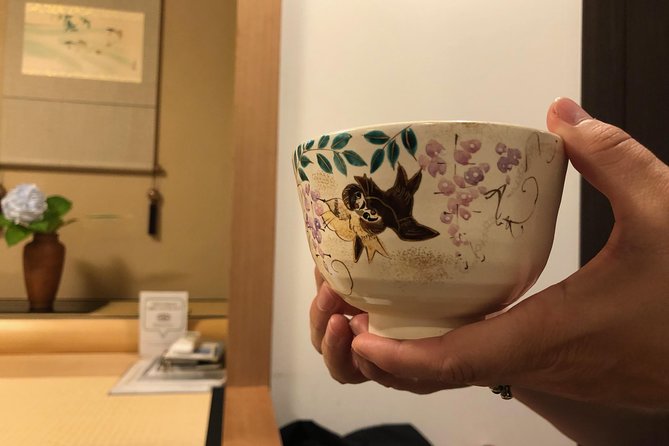
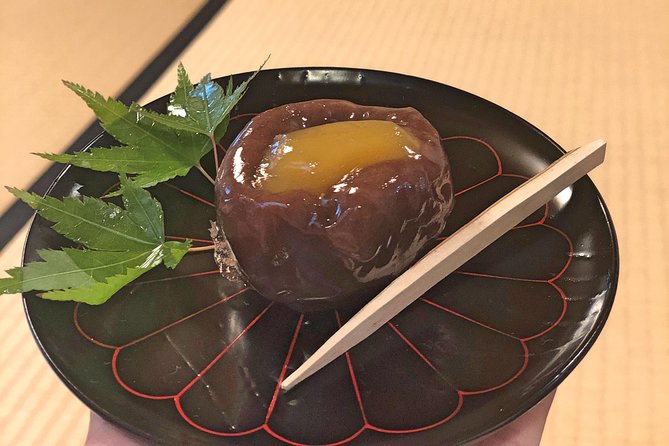
The tour includes a Wagashi and Tea Experience, which is one of the most rewarding parts of the day because it slows you down. Tea ceremony experiences can feel intimidating if you think you need to perform, but on a guided tour, you can treat it like a lesson with tastes.
Wagashi matters here because it links food culture to seasons and presentation. Even when you only take a small bite, you learn how Japanese sweets fit into everyday tea rituals and hospitality.
If your guide is great at explaining what you’re seeing, this stop can become the part you talk about later. One guide named Sandra has been specifically praised for delivering an excellent tea ceremony experience with a smooth, welcoming style.
Dietary needs and smart ordering on a guided food tour
The tour is listed as vegan, vegetarian, pescetarian, gluten-free friendly, which is a big deal. When a provider says these needs are accommodated, you should feel more confident that you won’t end up just watching other people eat.
What you can do to make it smoother: mention your dietary restrictions clearly at booking, and assume you might get a tailored version of dishes rather than an exact copy. That’s normal in food tourism, and a good guide will help you understand what you are being served.
Also, with dishes and drinks at multiple stops, you’ll want to pace yourself. If you have a sensitive stomach or you’re not used to lots of small servings, take a slower pace through each tasting and save water breaks.
Who this tour is for, and who might want a different plan
This tour fits best if you:
- Want a focused food day in Yanaka
- Like walking with guidance and tastings at multiple stops
- Appreciate temples, parks, and neighborhood architecture as context
- Want an included lunch and a structured tea-and-sweet stop
- Travel in a small group vibe (maximum 10)
It’s also family-friendly, which helps if you are traveling with teens or kids who enjoy street-level wandering. For kids, the tour notes that children must be accompanied by an adult, and a passport information copy is required for kids 10 and above.
Who might consider a different option: if you hate walking or you need lots of sitting breaks, this may feel like more movement than you want. The tour does require moderate physical fitness.
Practical tips: shoes, weather, and getting the most out of 3.5 hours
Because the tour is about 3 hours 30 minutes, you’ll feel every extra minute. Wear comfortable walking shoes, and if you’re sensitive to heat, plan to carry a small water bottle or take extra sips when you can.
The tour also requires good weather. If it gets canceled due to poor weather, you’ll be offered a different date or a full refund. That means you should keep an eye on forecasts for the day you choose.
A small but helpful detail: you’ll have a mobile ticket. It saves you from paper ticket hunting in transit crowds.
Finally, remember that additional drinks or food are not included, so don’t assume every extra sip is part of the package. If you love tea, you might be tempted to order more later, so keep a bit of cash or card space set aside.
Booking timing and how far ahead to plan
On average, this tour is booked about 41 days in advance. That suggests popular time slots can fill, especially for small groups.
If you have specific dates, I’d book earlier rather than later. It also increases your odds of getting the start time and guide availability you want.
Should you book Old Town Tokyo Food Tour?
I recommend booking if you want a real taste-driven introduction to Yanaka that includes lunch, multiple tastings, and a tea-and-wagashi experience. At around $231, it is not budget travel, but the combination of meals plus structured stops makes it feel like a planned food day, not a vague walking tour.
Skip it or consider another style of tour if you want minimal walking, or if you prefer self-guided exploring with no included tastings. Also, if weather is unpredictable for your dates, be ready to shift plans since the tour depends on good conditions.
If you like the idea of pairing street food with temples, parks, and a real tea moment, this tour is a strong match.
FAQ
Where does the tour start and what time?
The tour starts at Coffee Room Renoir Nippori Yanaka in Taito City, Yanaka, and it starts at 10:30 am.
How long is the Old Town Tokyo Food Tour?
It runs for about 3 hours 30 minutes.
What food experiences are included in the tour price?
The tour includes dishes and drinks at 6 food stops, plus a lunch in a restaurant, and a wagashi and tea experience.
Is lunch included?
Yes. You’ll enjoy a Teishoku lunch as part of the tour.
Is the tour suitable for vegetarians or gluten-free diets?
The tour is listed as vegan, vegetarian, pescetarian, and gluten-free friendly.
How big is the group?
The tour has a maximum of 10 travelers.
Does the tour include transportation to and from your hotel?
No. Hotel pickup and drop-off are not included, and transportation costs are not included.
Newest Tokyo write-ups from the Loving Japan desk

Food & Drink, side by side.
 ★ 5.0Shinjuku Food Tour (13 Dishes at 4 Local Eateries)From $866,603 reviews
 ★ 5.0Tokyo Tsukiji Fish Market Food and Culture Walking TourFrom $993,184 reviews
 ★ 4.8Shinsekai Food Tour with 13-15 Dishes at 5 EateriesFrom $532,204 reviews
 ★ 5.0Osaka Food Tour: 13 Dishes at 5 Local EateriesFrom $732,149 reviews
 ★ 4.9Shinjuku Food Tour (15 Dishes and 4 Eateries)From $852,033 reviews
 ★ 5.0Kyoto Night Foodie Tour in Gion (9+ dishes + 6 Sake tastings)From $1631,762 reviews
 ★ 5.0Hungry Osaka Street Food Tour:15 Tastings & 3 Drinks with a LocalFrom $731,727 reviews
 ★ 5.0Tsukiji Fish Market Food and Walking tourFrom $301,724 reviews
Filed on these lists too