REVIEW · JAPAN
Osaka: Mind & Spirit Balance Temple Reiki Healing
Reiki in a real Osaka temple changes your pace. I love the combo of Reiki and a full-body oil massage, and I love how the incense and tea ceremony make it feel like a real ritual, not a pop-in spa stop. The one drawback to weigh: the tea ceremony can be shared with other guests, so it is not always fully private.
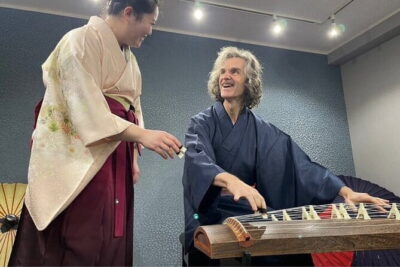
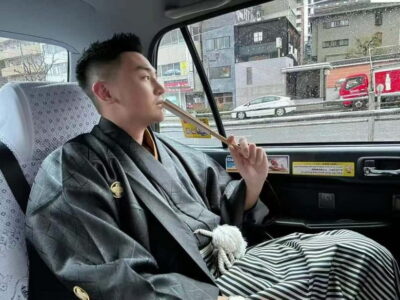
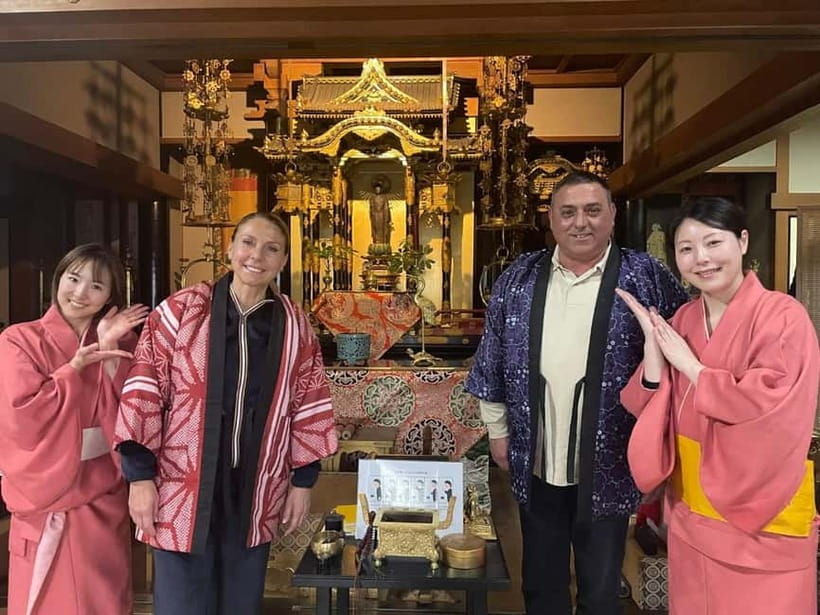
In a small group capped at three, you’ll start with a welcome drink, change into a yukata, and get guided through temple customs. The complimentary smartphone photos in your costume are a genuinely useful keepsake, not just a quick snap.
At $161 for 120 minutes, it is pricier than a standard massage. But you are paying for a full sequence, including worship culture, meditation, foot care, Reiki, massage, and tea.
In This Review
- Key takeaways
- Finding the Temple Spot Without Getting Lost
- Welcome Drink, Yukata Change, and Temple Etiquette
- Incense Meditation With Bell and Kneaded Incense
- Foot Bath and Scrub Massage: The Calm Warm-Up
- Reiki Healing in a Non-Contact Ritual Setting
- Full-Body Oil Massage With Essential Oils
- Tea Ceremony With Matcha, Wagashi, and Storytelling
- Complimentary Smartphone Photos in a Yukata
- Price and Value for a $161, 2-Hour Temple Session
- Who This Osaka Reiki and Mind-Spirit Balance Experience Fits Best
- Should You Book This Reiki and Tea Experience in Osaka?
Key takeaways
- Small group of up to 3 means you get real attention in a calm setting
- Reiki plus massage tackles both mind and body during the same visit
- Incense, bell meditation, and worship culture make the temple feel purposeful
- Foot bath and scrub massage help you arrive relaxed before the treatment
- Matcha tea with wagashi adds cultural context, not just a beverage
- Yukata + complimentary smartphone photos gives you a souvenir you will actually use
Still weighing up options in Osaka? These are the ones our reviewers rated highest.
- Osaka Go Karting Tour with Funny Costume
★ 5.0 · 2,658 reviews - Osaka Castle: Museum and Tower Entry Ticket
★ 4.5 · 2,380 reviews - Osaka: Shinsekai Food Tour with 13-15 Dishes at 5 Eateries
★ 4.8 · 2,204 reviews - Osaka Food Tour: 13 Dishes at 5 Local Eateries
★ 5.0 · 2,149 reviews
Finding the Temple Spot Without Getting Lost
Meeting up is the first small challenge, because the location is easy to mix up. For Google Maps, enter Japanese Massage -the one&only-. If you search by the temple name, you may end up at a back entrance and waste time walking in circles, which nobody needs on day two of Osaka sightseeing.
If Maps still argues with you, search for the restaurant Tossa de coracao. The meeting point is right next to it. I like setups like this, because once you see the restaurant, you can spot the next step fast.
Welcome Drink, Yukata Change, and Temple Etiquette
Before anything healing happens, you step into the right mood. You’ll start with a welcome drink and then change into a yukata. It is a fun change of pace, and it also signals that you’re entering a more formal cultural experience, not just a booking.
Next comes a temple visit with an introduction to temple life and Japanese worship culture, including incense offering. The goal is practical: you are not expected to guess what to do. You’ll learn what the ritual is about and how to participate respectfully, which matters in a real place of worship.
A key value here is pacing. You get cultural framing early, so the later parts, like incense meditation and bell work, feel connected instead of random.
Incense Meditation With Bell and Kneaded Incense
Then you slow down. The experience includes meditation with a bell and kneaded incense. If you have never experienced bell meditation in a temple setting, do not overthink it. You’re guided through the process, and you follow the timing, posture, and focus cues.
What I like about this stage is that it gives your body permission to downshift. Your mind might still be running your Osaka itinerary, but the sound cues and ritual steps help you stop treating rest like a chore.
One practical consideration: incense is part of the experience, so if you are sensitive to scent, you might want to be honest about it with the guide beforehand. This is not a scented-candle spa. It is temple worship.
- Osaka Go Karting Tour with Funny Costume★ 5.0 · 2,658 reviews
- Osaka Castle: Museum and Tower Entry Ticket★ 4.5 · 2,380 reviews
- Osaka: Shinsekai Food Tour with 13-15 Dishes at 5 Eateries★ 4.8 · 2,204 reviews
- Osaka Food Tour: 13 Dishes at 5 Local Eateries★ 5.0 · 2,149 reviews
- Hungry Osaka Street Food Tour:15 Tastings & 3 Drinks with a Local★ 5.0 · 1,727 reviews
Foot Bath and Scrub Massage: The Calm Warm-Up
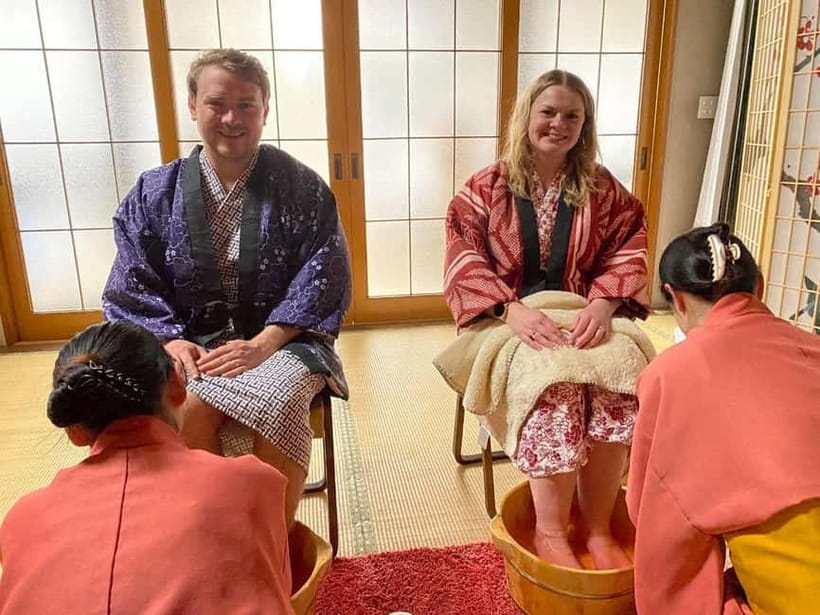
Before Reiki and oil massage, you get a foot bath and scrub massage. This is a smart sequence. Your feet carry you all day in Osaka, and a gentle reset here makes everything that follows feel less jarring.
The foot bath also acts like a transition moment. You go from walking and thinking into being cared for. Even if you only came here for the Reiki, this section helps you get your body ready to relax deeper.
Also, it makes sense logistically. Foot care tends to be easier for guests to handle when you just arrived, and it helps you settle in before you lie back for the more still parts of the session.
Reiki Healing in a Non-Contact Ritual Setting
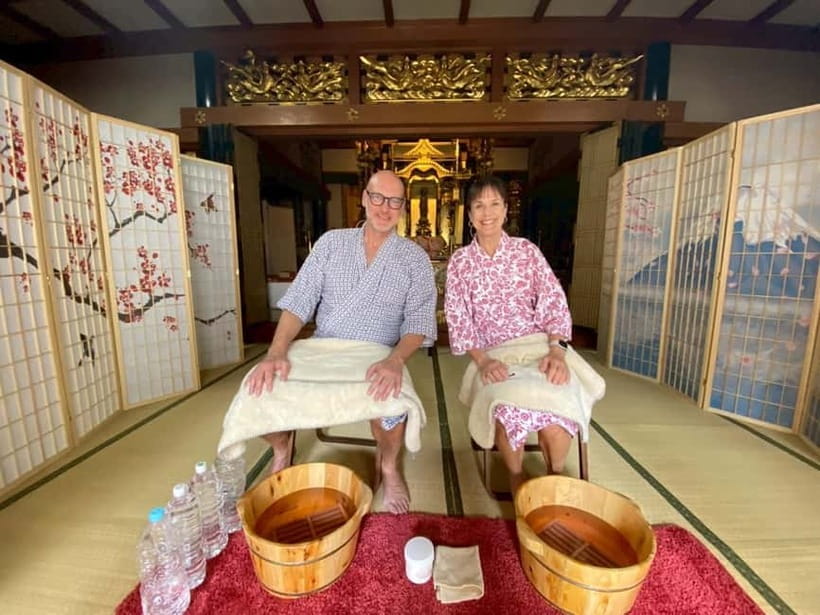
This is the headline, and it is not just a label. Reiki is described as a non-contact Japanese energy healing method that promotes deep relaxation and emotional balance. In practice, that means you’re guided through a session designed for stillness and calming, rather than hands-on manipulation.
You can treat this part in two ways. If you are open-minded, you may focus on sensations, temperature changes, or the feeling of mental quiet. If you are more skeptical, you can still benefit from the structure, because the session is built to get you to breathe slower and release tension while you rest.
Either way, I think the real win is that Reiki arrives right after you’ve already warmed down with feet and ritual meditation. Your body has time to catch up.
A small group helps here. With only a few participants, you’re less likely to feel rushed or lost in a crowd.
Full-Body Oil Massage With Essential Oils
After Reiki, you shift from stillness to hands-on comfort. You’ll receive a full-body oil massage with essential oils. This is where you feel the practical, physical side of the experience: shoulders, back, legs, and overall body tension get attention in one connected session.
In the reviews, the massage comes up as a standout. People describe it as deeply relaxing and among the best they’ve had. That tracks with how these sessions are usually built: feet first, then stillness, then massage for the body to integrate the calm.
One consideration: since it uses oil, you’ll want to be comfortable with the idea of being treated with oils and having that part of your skin feel lightly coated during the session. If you are very sensitive to fragrance, mention it early so the guide can help you manage your comfort level.
Tea Ceremony With Matcha, Wagashi, and Storytelling
Next is tea, and it is not an afterthought. You’ll take part in a traditional Japanese tea ceremony with wagashi (Japanese sweets), plus a cultural and historical explanation as it happens.
In several experiences, the tea is described as matcha, and the tone is educational without turning into a lecture. You learn what you are seeing and why the ceremony is done this way, which makes the whole experience feel grounded in Japanese tradition.
Here’s the one drawback you should know from the start: the tea portion may be shared with other guests. If you want a completely private moment where you can slow down without any shared timing, plan to contact the provider for a fully private option.
Complimentary Smartphone Photos in a Yukata
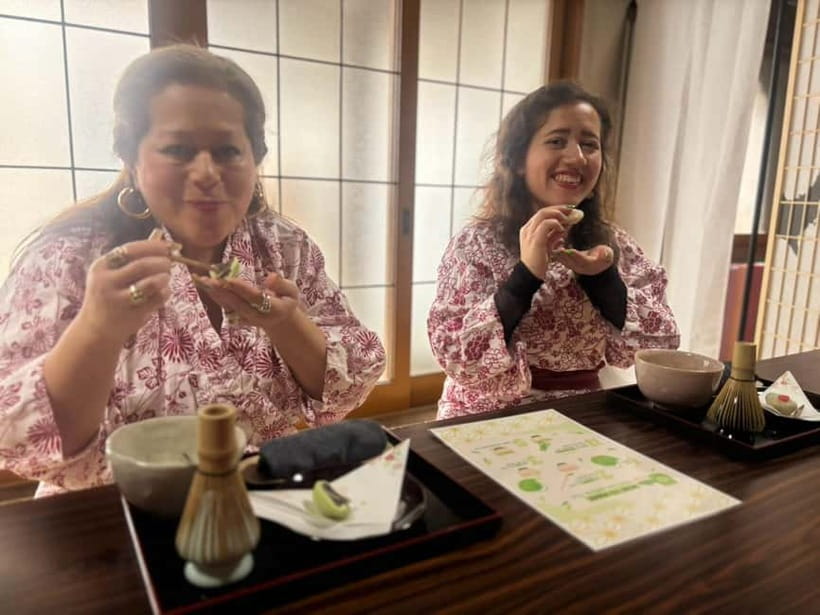
You finish with a keepsake. You’ll get complimentary smartphone photos of your experience in the temple, while you’re in your yukata. This is genuinely useful because it helps you remember the temple setting and not just the treatment.
I like that it’s smartphone-based. No wrestling with camera settings, no awkward delays. You’ll want to keep your phone handy for after the ritual parts, but you do not need to be a photographer.
If you care about photos, treat this as part of the experience, not a chore. The yukata look is a big part of the visual memory, and the temple backdrop makes it feel more special than a generic studio shot.
Price and Value for a $161, 2-Hour Temple Session
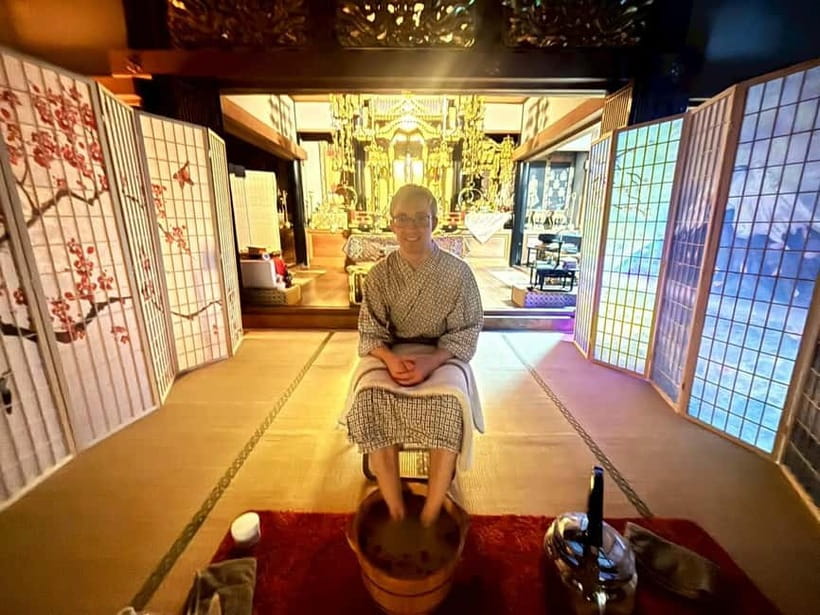
Let’s talk money honestly. $161 per person for 120 minutes is not a budget pick. You’re paying for multiple components that would cost separate money in the real world: a temple-based ritual sequence, foot bath and scrub, Reiki, a full-body oil massage, and a matcha tea ceremony with wagashi.
What makes it feel like value is the way the elements connect. Reiki is paired with prior incense and meditation, then followed by massage when your body is already calmer. Then tea lands as a closing ritual, not a quick sip.
Also, the small group size matters. Limited to three participants, so it feels personal. If you’ve ever booked a wellness thing that turns into a production line, you’ll appreciate this format more than you might expect.
So is it worth it? If you want only a massage, you can probably do cheaper. If you want a mind-and-body reset inside an actual temple rhythm, this price starts to make sense.
Who This Osaka Reiki and Mind-Spirit Balance Experience Fits Best
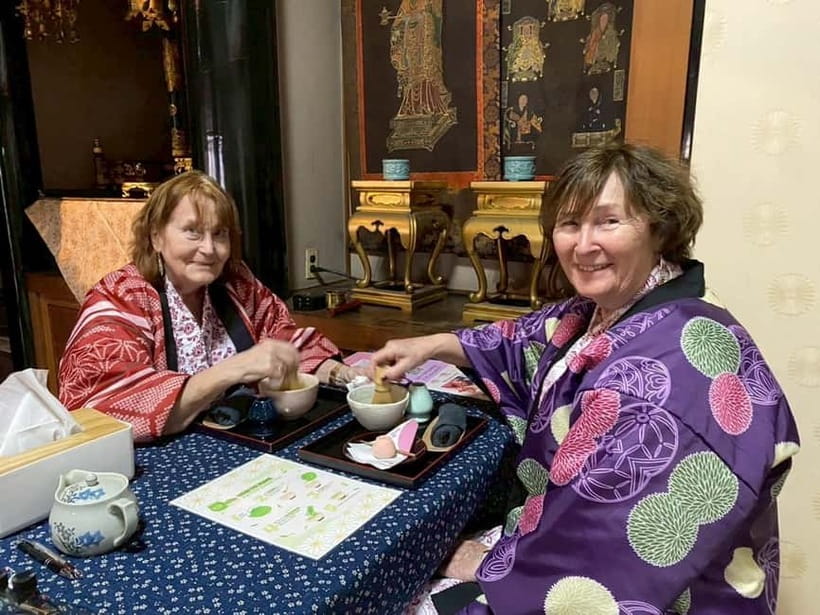
This is a great match if you want stress relief with a cultural backbone. The experience is designed for deep relaxation and emotional balance, and it does that while also teaching you how Japanese worship culture works in a temple setting.
It also fits families in a gentle way. In past bookings, a parent joined with a son for the session, and the staff handled it professionally. That suggests it is managed with care, not just for solo wellness seekers.
Where it might not fit: if you strongly prefer private sessions all the way through, the shared tea ceremony option is something to plan around. Also, if incense smell or staying in a ritual environment is a no-go for you, it might be better to choose a different wellness experience.
Should You Book This Reiki and Tea Experience in Osaka?
If you’re looking for a calmer, more meaningful Osaka activity than another photo stop, I’d say this is a strong choice. The standout combo is Reiki plus a real temple routine, then finished with a full tea ceremony that gives context, not just caffeine.
Book it if you like the idea of combining hands-on bodywork with ritual calm, and if you’re okay with the tea ceremony being potentially shared. If you need total privacy, reach out ahead of time so you can arrange the tea part accordingly.
One last practical thought: start this day with lighter pacing. You want your body to feel the relaxation, not to immediately sprint into more sightseeing right afterward.