REVIEW · JAPAN
Osaka: Visit the must-see places.
One day in Osaka, and suddenly it clicks. This Spanish guided tour strings together the big landmarks and the everyday food streets, so you get Osaka Castle history, major temple culture, and the city’s famous signs and snacks in one smooth line. Two things I especially like are the temple pair, Shitennoji and Isshin-ji, which go far beyond postcard sightseeing, and the guide style, often led by Manuel Pérez, who keeps the explanations clear and helpful. One drawback to keep in mind: it is a long walk-heavy day and it is not suitable for wheelchair users.
You start at Morinomiya, then travel by subway with the guide, so you are not stuck figuring out stations and transfers. Just plan for cash or a transit card like ICOCA, SUICA, or PASMO, since subway travel is mandatory and meals are on you. If you like structure, but still want room to stop for a bite at places like Kuromon Market and Shinsekai, this tour format works.
In This Review
- Key Points You’ll Actually Care About
- Why Osaka’s “Must-See” Works Better With a Guide
- Morinomiya Meeting Point and the Subway Reality Check
- Osaka Castle: Start With the Sengoku Story
- Shitennoji: The Oldest Buddhist Temple You Can Actually Walk In
- Isshin-ji: A Temple With a Strange, Personal Kind of Meaning
- Shinsekai and Tsutenkaku: Neon Nostalgia and Kushikatsu Time
- Kuromon Market: Osaka’s Food Street With Real Variety
- Namba and Dotombori: Glico Man, Kani Doraku, and Street Energy
- Price and Logistics: Is $73 Good Value?
- Who This Tour Fits Best (and Who Should Skip)
- Should You Book This Spanish Osaka Day Tour?
- FAQ
- What does the $73 per person price include?
- Do I need cash for this tour?
- Where do we meet, and where does the tour end?
- What are the main places included on the route?
- What should I bring?
- Is this tour suitable for everyone?
Key Points You’ll Actually Care About
- Osaka Castle first, so the day’s historical context lands early (Sengoku-period connections included).
- Shitennoji (founded 593) and Isshin-ji show you Buddhism’s arrival and a very specific funerary tradition.
- Shinsekai brings neon, retro streets, and Tsutenkaku, plus a chance to try kushikatsu.
- Kuromon Market is the food focus, with options like sushi, seafood, and wagyu beef.
- The finale in Namba and Dotombori puts you at the Glico Man and the Kani Doraku crab sign.
Still weighing up options in Osaka? These are the ones our reviewers rated highest.
- Osaka Go Karting Tour with Funny Costume
★ 5.0 · 2,658 reviews - Osaka Castle: Museum and Tower Entry Ticket
★ 4.5 · 2,380 reviews - Osaka: Shinsekai Food Tour with 13-15 Dishes at 5 Eateries
★ 4.8 · 2,204 reviews - Osaka Food Tour: 13 Dishes at 5 Local Eateries
★ 5.0 · 2,149 reviews
Why Osaka’s “Must-See” Works Better With a Guide
Osaka can feel like two different cities at once. You have the big-ticket sights and formal temple grounds, then you have street-level food culture and bold signage that looks like it was designed for late-night cravings. What makes this tour a smart choice is that it balances both sides, in the same day, without making you bounce around alone.
I like that the route is not just a checklist. It moves in a way that helps you understand why these places matter. Starting with Osaka Castle sets the political and historical stage. Then the day turns to religion and ritual at Shitennoji and Isshin-ji, before hopping into neighborhoods where people eat, shop, and hang out.
The best part for practical travelers: your guide handles the “how do I get there” piece by subway. Your job is mostly to show up with good shoes and be ready to walk. That is how you maximize the value of a $73-per-person format, especially when meals are not included.
Morinomiya Meeting Point and the Subway Reality Check
You meet at Exit 3B of Morinomiya subway station. The tour ends back at the same meeting point, which is convenient if you like predictable logistics.
The big practical rule is simple: you will travel by subway during the tour, and you must bring cash or a transportation card like ICOCA, SUICA, or PASMO. Meals and personal expenses are not included, so you will likely use cash again for snacks or drinks along the way.
Also note what the tour is not built for: it is not suitable for wheelchair users, and baby carriages are not allowed. If you are traveling with mobility limitations or pushing a stroller, you will want to pick a different type of tour.
Osaka Castle: Start With the Sengoku Story
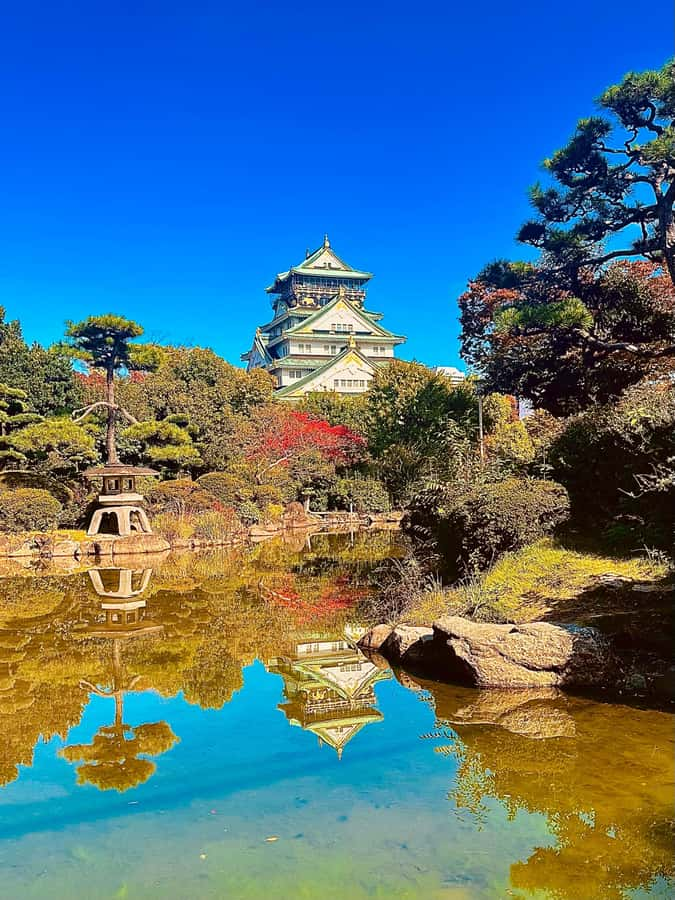
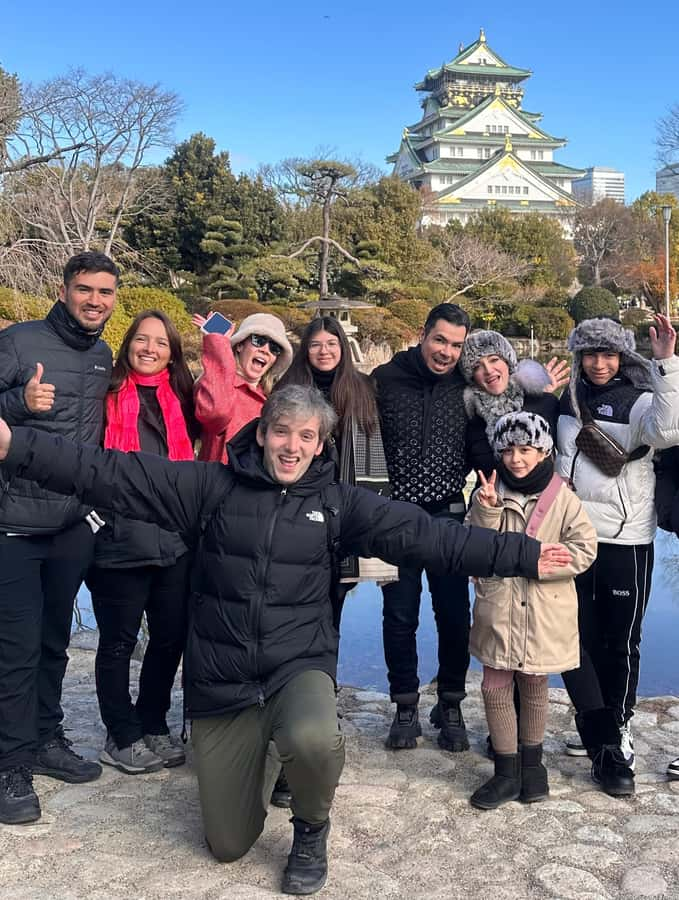
The day kicks off at Osaka Castle, one of the city’s most emblematic structures. The guide frames it as a 16th-century power center built by Toyotomi Hideyoshi, tied to the Sengoku period. That context matters. Without it, you see a historic building. With it, you start noticing why the castle’s role in warfare and politics helped shape Osaka’s future.
You will explore both the castle surroundings and the extensive park area. This is a good format because it gives you breathing room. You are not only looking at one tight viewpoint. You get space to orient yourself, then absorb the history bit by bit as you move.
A small tip for your own enjoyment: treat this stop like a “reset.” Use it to set your pace for the rest of the day. Once you are into temple stairs and market lanes, you will be glad you took a little time to start slow and steady.
If you care about Japanese history, this opening is one of the tour’s strongest values. It is not a quick photo stop that disappears in five minutes. It is a proper start that explains why the castle matters, then lets you take in the atmosphere around it.
- Hungry Osaka Street Food Tour:15 Tastings & 3 Drinks with a Local★ 5.0 · 1,727 reviews
- Osaka: Tea Ceremony Experience★ 4.9 · 1,426 reviews
- Osaka Kickstart: Hotspots & Hidden Gems Tour★ 5.0 · 1,306 reviews
- Osaka: Hotspots & Hidden Gems Walking Tour Private or Group★ 4.9 · 1,300 reviews
- Deep Backstreet Osaka Tours (Option to add Dinner)★ 5.0 · 1,290 reviews
Shitennoji: The Oldest Buddhist Temple You Can Actually Walk In
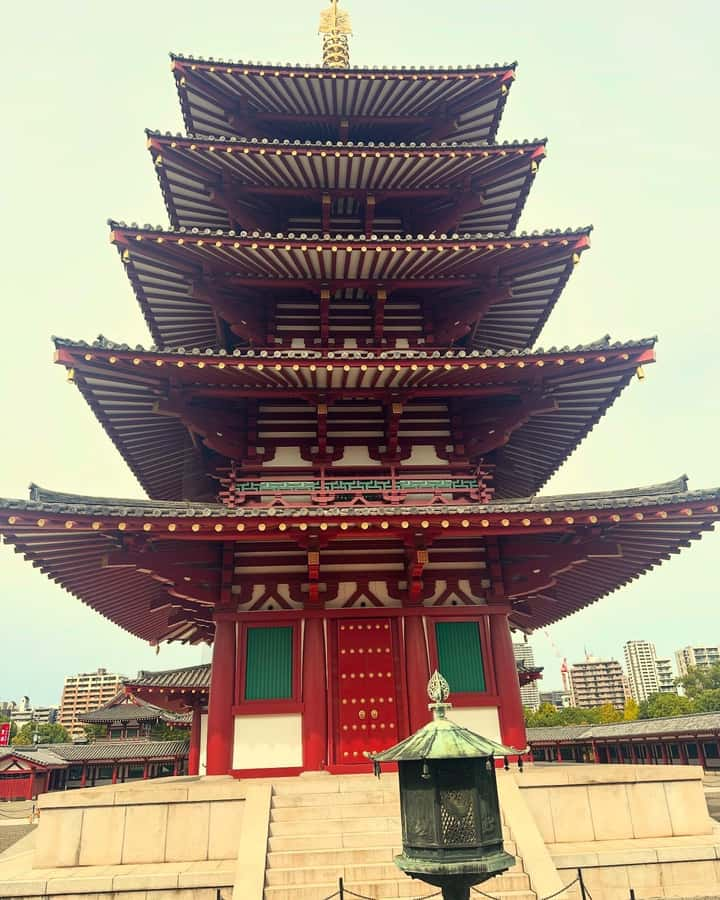
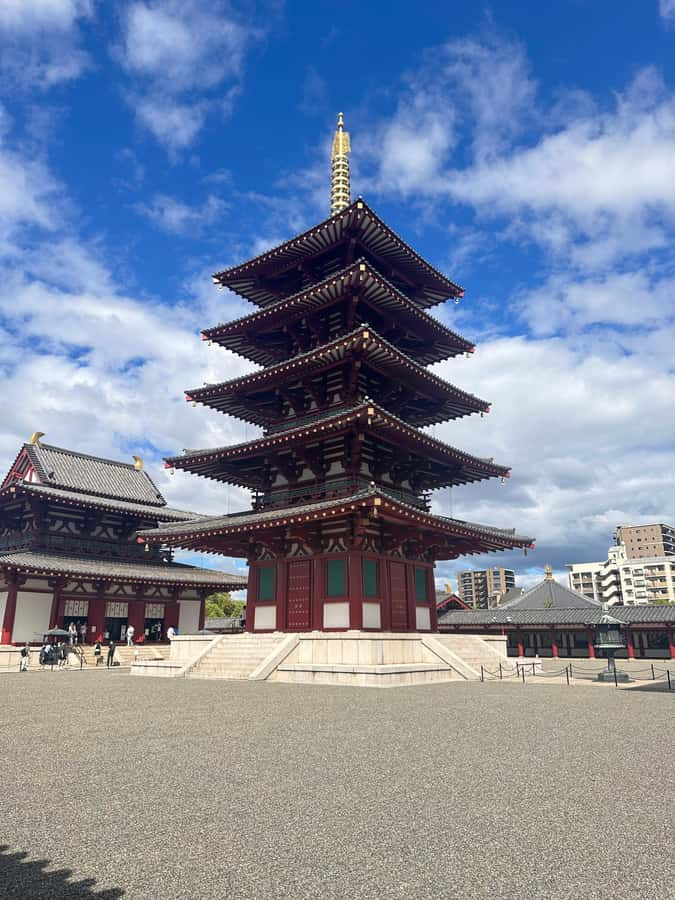
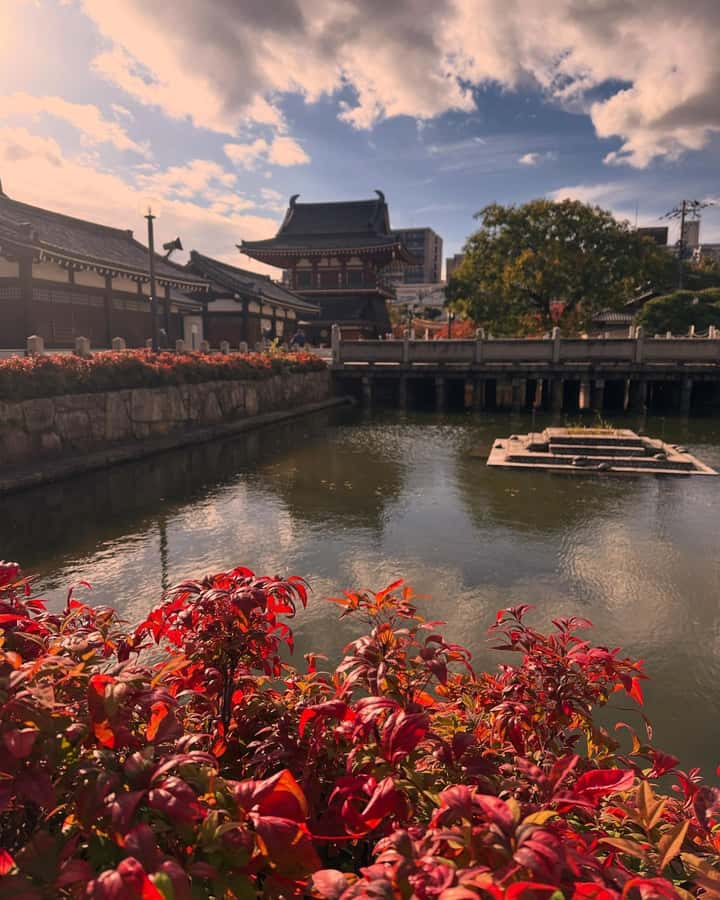
Next up is Shitennoji Temple, described as the oldest Buddhist temple in Japan and founded in 593. That date is not just trivia. It becomes a lens for how you read the site: you are seeing one of Japan’s long-running threads of belief and practice, not a modern theme-park version of Buddhism.
You will walk through a serene garden and admire the imposing five-story pagoda. Even if you are not a religious-study person, gardens and pagodas communicate a lot. The guide’s explanations help you connect the visual elements to how Buddhism spread and took root in Japanese culture.
Potential drawback here is more about your comfort than the tour itself. Temple areas can include slopes and uneven ground, so comfortable shoes are essential. Also, you will want to keep your volume reasonable, since these are working sacred spaces.
Isshin-ji: A Temple With a Strange, Personal Kind of Meaning
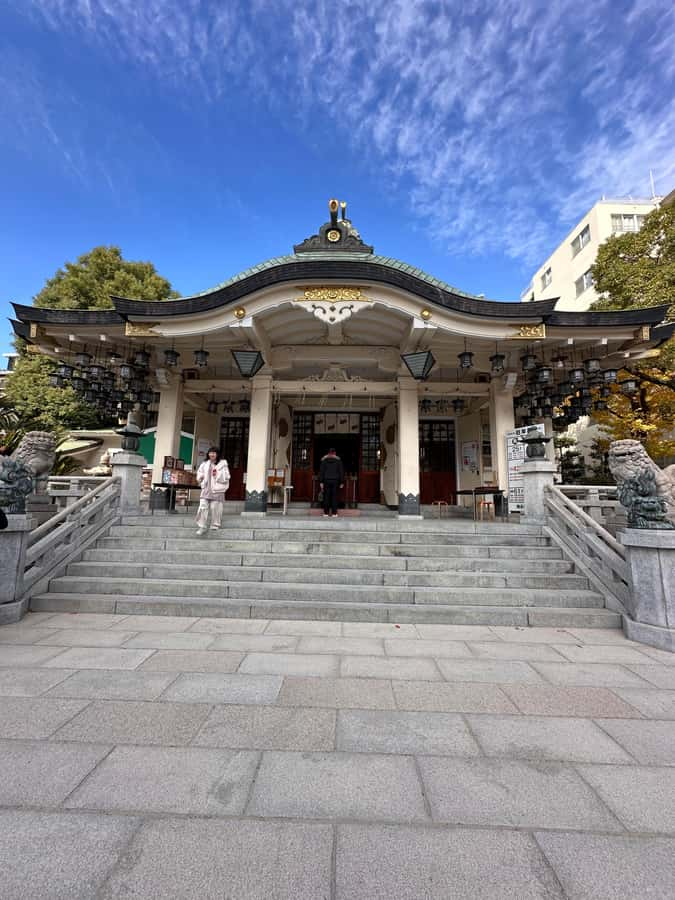
Then the tour shifts to Isshin-ji Temple, a unique site connected to a very specific funerary tradition. Here you can see Buddhist statues made from human ashes, honoring the deceased in a tangible way.
This is the moment where the tour feels less like sightseeing and more like understanding how Japan handles memory. If you want your day to go beyond the obvious, this stop gives it that extra edge. It is spiritual, but it is also human. You start to see that religious practice is not only about ceremonies you watch. It is about how people live with loss.
A heads-up for your mindset: if you get uncomfortable with death-related traditions, this is not the stop to rush past. The guide’s role matters because it turns discomfort into context. You do not have to approve or understand everything in order to appreciate what the tradition represents.
Shinsekai and Tsutenkaku: Neon Nostalgia and Kushikatsu Time
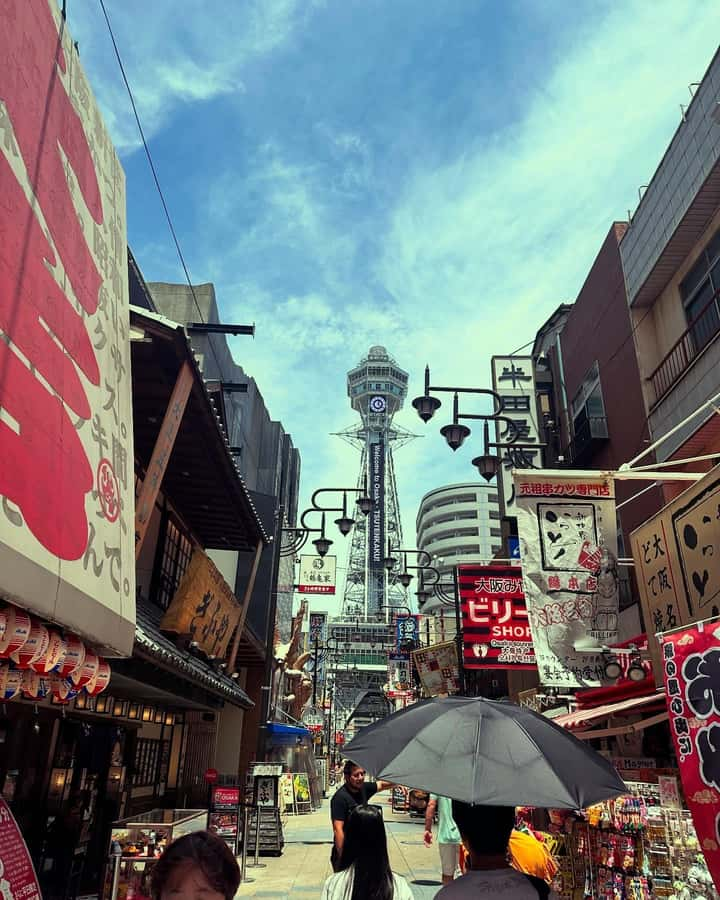
After the temple quiet, the tour heads into Shinsekai, a neighborhood known for neon lights, traditional restaurants, and that retro atmosphere people travel for. This is Osaka’s street identity, the part that feels like it was designed for photos, but is also where regular meals happen.
A highlight here is the chance to try kushikatsu, famous fried skewers. If you have never tried it, it is the kind of food you learn by doing. Expect you might want to stop once, then keep thinking about how the batter tastes as you move down the street.
You also get to admire Tsutenkaku Tower, a symbol of the area. Even if you do not go up into the tower, the surrounding streets are the point. They help you understand why Shinsekai is still a pull, not just a relic.
One practical consideration: Shinsekai is lively and the walking adds up. If you burn out easily, keep water and snacks in mind for later. The tour includes transportation, but meals and drinks are not included, so you will be deciding what to eat along the way.
Kuromon Market: Osaka’s Food Street With Real Variety
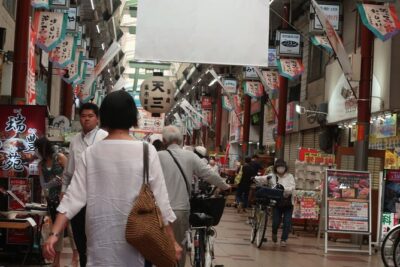
Then it is time for Kuromon Market, a must for anyone who thinks Osaka is about food first. You will see a wide variety of fresh produce and local specialties, including sushi, seafood, and wagyu beef. This is where you can snack, browse, and get a feel for how market shopping works in Japan.
Why this stop is valuable even if you do not plan a big meal is simple: markets teach you what locals care about. You can tell what is fresh, what is popular, and what sells quickly. That makes it easier to make food decisions later in the city, because you start understanding Osaka’s taste patterns.
The drawback? Markets can get crowded, and it is another walking-heavy area. Move slowly, look at stalls, and avoid blocking paths. If you want the best experience, go in with cash ready, since you may want small bites rather than one planned sit-down meal.
Also, Kuromon is a great place to use the guide’s recommendations. The tour format gives you a chance to ask what to try, how to order, and where to look if you want something specific.
Namba and Dotombori: Glico Man, Kani Doraku, and Street Energy
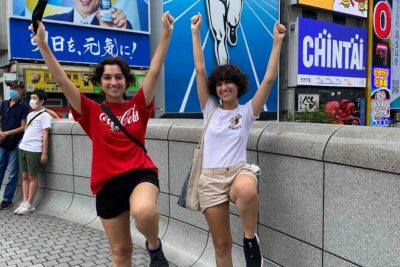
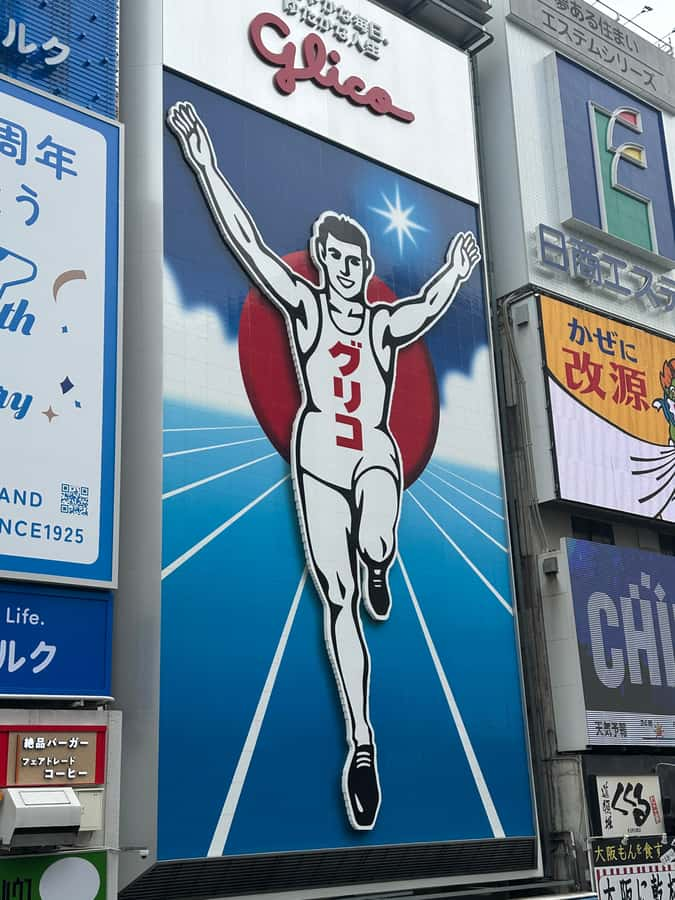
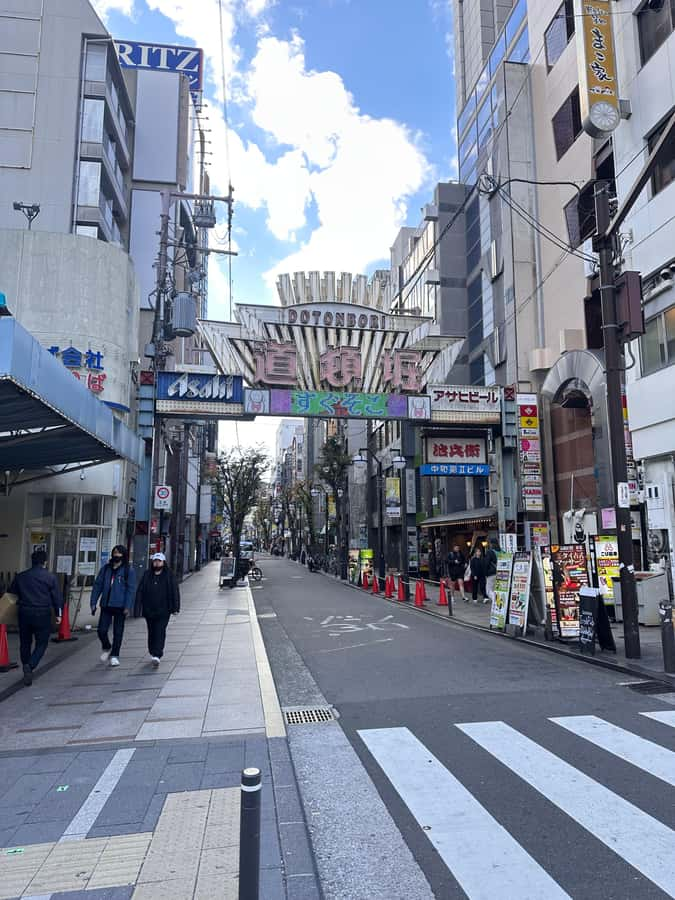
To end, you head into Namba and Dotombori, often described as the vibrant heart of Osaka. You are stepping into the part of the city that looks made for nighttime photos and loud cravings. Bright signs, busy streets, and people moving with purpose, this is the visual identity you have likely already seen online.
The tour stops in front of the Glico Man and the famous animated crab of Kani Doraku. These landmarks are almost like street mascots. Even if you are not a sign-spotter, they give you a clear finish line to your day.
If you are hungry, this is also a useful time to grab something quick. Since meals are not included, you will appreciate the flexibility of ending near food. If you still have the energy, use Dotombori to keep exploring on your own after the tour wraps, because you will already understand where you are.
Price and Logistics: Is $73 Good Value?
At $73 per person, the value depends on what you want to avoid. If you try to do all of this alone, you are going to spend time figuring out transit, juggling temple etiquette, and guessing where the best food stops are. This tour bundles the heavy lifting into one guided day and includes transportation by the tour guide.
What is not included is just as important. You still cover your own meals, drinks, and personal spending. You also handle how you get to the meeting point on your own. For me, that is actually fair. It lets you choose what you want to eat in places like Shinsekai and Kuromon, rather than forcing one pre-selected meal.
So the math works best if you want:
- A guide in Spanish to explain history and culture clearly
- Access to multiple major Osaka highlights without planning every transfer
- A structured route that still leaves room to snack and browse
It may not be the best fit if you prefer to wander without stopping for guided explanations, or if you need long periods of rest. Since it is not suitable for wheelchair users, and baby carriages are not allowed, you should also factor in your mobility needs.
Who This Tour Fits Best (and Who Should Skip)
This tour fits you well if you want a full-spectrum Osaka day. Think history, temples, and the neighborhoods that explain why Osaka is famous for eating and street culture. It also fits you if you enjoy asking questions. The guide style is a major part of the experience, with an emphasis on being attentive and giving recommendations that help you eat smarter, not just eat more.
It might not fit as well if:
- You want a slow paced day with minimal walking
- You need wheelchair-friendly access
- You are traveling with a baby carriage
- You hate using cash and prefer a cashless routine (you will still need cash or a transit card)
If you like your travel days organized but not rigid, this one hits a good balance.
Should You Book This Spanish Osaka Day Tour?
I think you should book it if you want the top Osaka hits in one efficient day and you do not want to plan every leg on your own. The strongest reason to choose it is the way the stops connect: Osaka Castle gives the political backdrop, Shitennoji and Isshin-ji add deep cultural meaning, and then Shinsekai, Kuromon Market, and Dotombori deliver the food and street identity that makes Osaka feel like Osaka.
Pass if you want minimal walking, need wheelchair access, or you would rather build your own route from scratch. But if you are aiming for a high-value, well-explained overview of the city, this is a very solid bet.
FAQ
What does the $73 per person price include?
The tour includes transportation by the tour guide. Meals, drinks, and personal expenses are not included.
Do I need cash for this tour?
Yes. The tour requires subway travel, so it is mandatory to bring cash or a transportation card such as ICOCA, SUICA, or PASMO.
Where do we meet, and where does the tour end?
The meeting point is Exit 3B of Morinomiya subway station. The tour ends back at the meeting point.
What are the main places included on the route?
You visit Osaka Castle, Shitennoji Temple, Isshin-ji Temple, Shinsekai, Kuromon Market, and finish in Namba and Dotombori (including stops at Glico Man and Kani Doraku).
What should I bring?
Bring comfortable shoes and comfortable clothes, plus cash.
Is this tour suitable for everyone?
It is not suitable for wheelchair users. Also, baby carriages are not allowed.