
REVIEW · FOOD & DRINK
Private Tokyo Food Tour – A Journey Through Time Through Food
Food in Tokyo can feel like a time machine. This private 5.5-hour tour takes you from Nihonbashi classics, through Ginza and Yurakucho, and ends with Akihabara’s future-style desserts, with 14 tastings and lunch. I like that it is built around ingredients and food culture, not just a checklist of famous bites.
Two things I really like: you get hands-on flavor lessons (think dashi foundations like katsuobushi and kombu), and you are taken door-to-door style with pickup options. One possible drawback to flag up front is pacing, it is a lot of eating in a half-day, so if you have strict dietary needs you will want to plan carefully before you book.
In This Review
- Key things to know before you go
- A 5.5-Hour Tokyo Food Time Walk, Edo to Akihabara
- Nihonbashi’s Flavor Foundations: Dashi, Katsuobushi, and 100-Year Snacks
- Fukutoku Shrine: Shrines vs Temples and a Quick Ritual Reset
- Ginza and Yurakucho Under the Tracks: Salaryman Izakaya and Noodle-Stop Comfort
- Tokyo Station Area Sweet Spots: Tamagoyaki and Fruits Sando
- Akihabara’s Future Food: Fusion Desserts, Matcha, and Pokemon Taiyaki
- How the 14 Tastings and Lunch Translate Into Value
- Pickup, Subway Hops, and How to Plan Your Meeting Point Day
- Who This Private Food Tour Fits Best
- Should You Book This Private Food Tour?
- FAQ
- How long is the private Tokyo food tour?
- What parts of Tokyo does the tour visit?
- How many tastings are included?
- Is pickup from my accommodation included?
- Is the tour only for my group?
- What food and drink are included?
- Is transportation included?
- Where do we start and end the tour?
- Does the tour use a mobile ticket?
- Are admission tickets required for the stops?
Key things to know before you go
- A private party experience with your group only, ideal for questions and custom pacing
- 14 tastings plus lunch, so you come hungry and leave full
- Flavor-first stops, from dashi essentials to commuter snacks and fusion desserts
- Three Tokyo eras, Edo period roots, postwar salaryman culture, and Akihabara’s future food vibe
- Pickup offered, plus a route that uses two short subway rides you pay for
- Guides named Yasu, Keiko, Paiva, Miko, and Rohan have led past tours, with strong praise for being fun and practical
Still weighing up options in Tokyo? These are the ones our reviewers rated highest.
- Mt Fuji and Hakone 1-Day Bus Tour Return by Bullet Train
★ 5.0 · 26,383 reviews - 1-Day Tokyo Bus Tour
★ 5.0 · 14,250 reviews - Tokyo: teamLab Planets TOKYO Digital Art Museum Entry Ticket
★ 4.6 · 9,779 reviews - Mt Fuji & Hakone Cruise, Drum Show Bullet Train 1 Day from Tokyo
★ 4.0 · 7,413 reviews
A 5.5-Hour Tokyo Food Time Walk, Edo to Akihabara
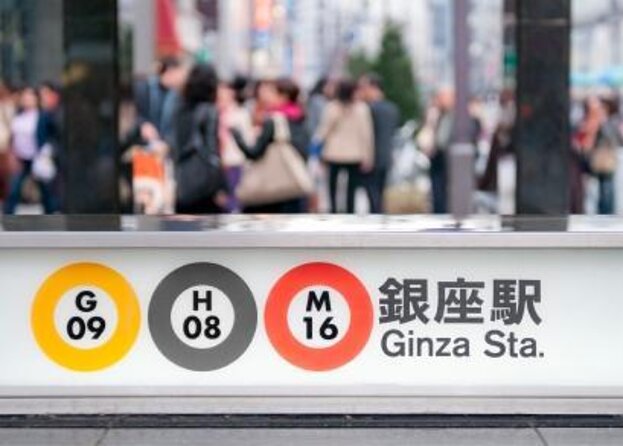
This is a private food tour with a clear theme: Japanese food did not just change over time, it adapted to ingredients, technology, and daily life. You start in the older part of the city where flavor foundations were already being mastered, then you move into the postwar world of working life, and finally you land in Akihabara where pop culture and tech show up in how food looks and tastes.
I like that the tour is designed as a story you can eat. You do not just taste things, you learn why they taste the way they do, and you connect the dots between cooking basics like stock and smoke, and cultural shifts like how people ate on the way home from work.
Since it is private, you can ask follow-up questions and adjust if someone needs an extra minute. That also means the tour tends to feel more personal than the big group style food walks, especially when your guide is moving you efficiently from one small shop to the next.
Nihonbashi’s Flavor Foundations: Dashi, Katsuobushi, and 100-Year Snacks
Your first stop is Nihonbashi, a traditional launch point that fits the tour’s Edo-period starting idea. Here the focus is on the building blocks that show up in a huge range of Japanese dishes, especially dashi, the stock base that drives umami.
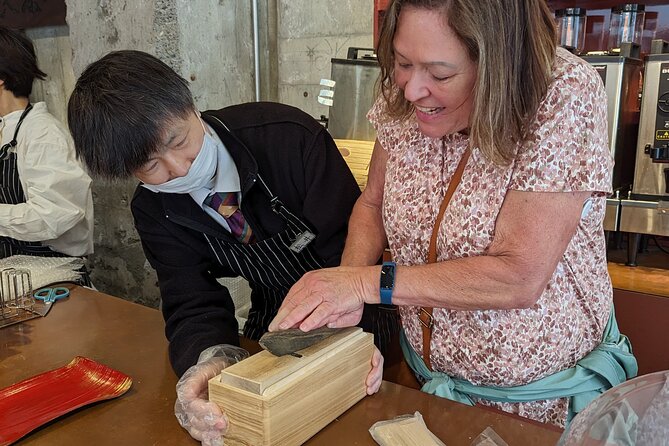
You will zero in on dashi essentials, katsuobushi and kelp, and then you move into classic snacks that have been eaten for generations. Expect tastes like Satsuma-age (fried fish cake), Amazake (a fermented rice drink), Imo Kenpi (sweet potato chips), and Daifuku (glutinous rice mochi with sweet filling). Some shop choices are over 100 years old, with a few dating back to the Edo period, which matters because it keeps the food from feeling like museum replicas.
Practical note: this is a great area for first-time Tokyo visitors because Nihonbashi is not as chaotic as some other districts. You can settle in, get comfortable with how small food counters work, and start building your Japanese flavor map early.
If you do not eat much fish or sweets, still go, but keep in mind how much Japanese comfort food here is built on stock, seafood, and classic mochi-style desserts.
Fukutoku Shrine: Shrines vs Temples and a Quick Ritual Reset
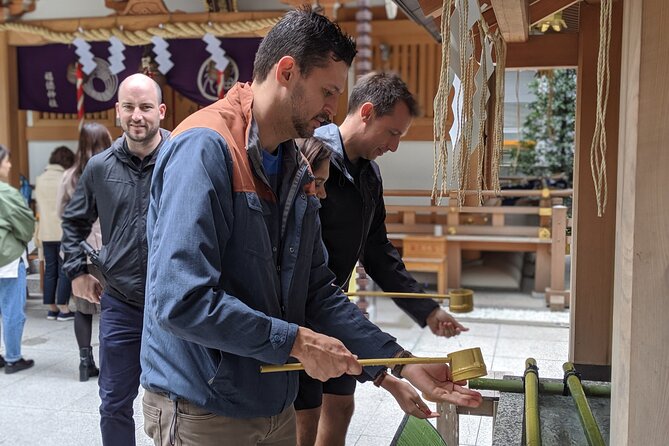
After the Nihonbashi food lessons, you step into a short spiritual stop at Fukutoku Shrine. This is not a long temple tour, it is a quick cultural waypoint that helps you understand how Japanese places of worship work day to day.
You learn the difference between shrines and temples, plus basic shrine etiquette like cleansing your spirit and praying at the shrine. Even if you are not religious, this is useful because it gives context for what you are seeing across Tokyo, where signs, rituals, and spaces follow patterns.
This stop is also a timing breather in the tour, only about 10 minutes. It helps you recover your energy and makes the rest of the day feel less like a nonstop snack sprint.
- Mt Fuji and Hakone 1-Day Bus Tour Return by Bullet Train★ 5.0 · 26,383 reviews
- 1-Day Tokyo Bus Tour★ 5.0 · 14,250 reviews
- Tokyo: teamLab Planets TOKYO Digital Art Museum Entry Ticket★ 4.6 · 9,779 reviews
- Mt Fuji & Hakone Cruise, Drum Show Bullet Train 1 Day from Tokyo★ 4.0 · 7,413 reviews
- Tokyo: Shinjuku Food Tour (13 Dishes at 4 Local Eateries)★ 5.0 · 6,603 reviews
Ginza and Yurakucho Under the Tracks: Salaryman Izakaya and Noodle-Stop Comfort
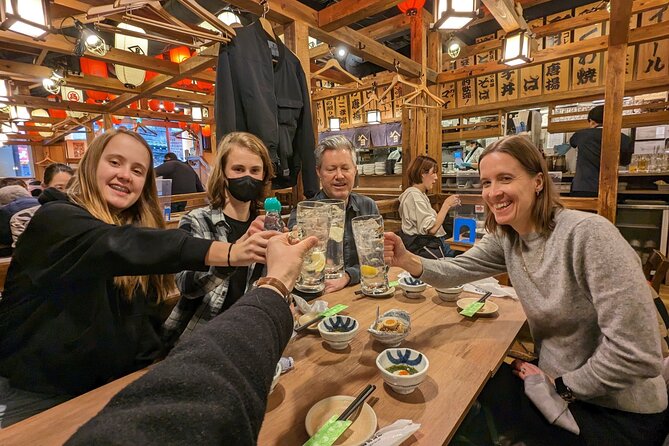
From Ginza and Yurakucho, the tour shifts to postwar Tokyo and the rise of the salaryman lifestyle. The story here is specific: as industrialization grew, so did daily commuters, and with them came gado shita, small restaurants and bars built under the railway tracks.
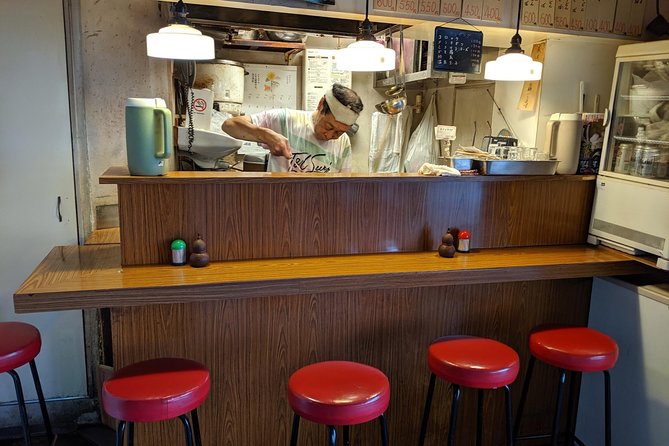
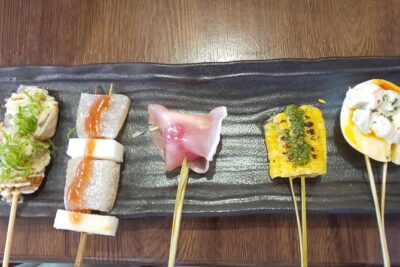
This part is about eating like you belong to that rhythm. You will try an izakaya style pairing, plus food from a noodle stall under the tracks. On the menu, you are looking at yakitori and a Japanese-style sour, then a choice between tempura soba or curry udon.
What I like about this section is the food matches the social setting. Yakitori and noodles are not rare luxury items, they are the kinds of meals designed for real schedules, quick hunger relief, and big flavor for the price. It is an easy way to understand Tokyo culture beyond sightseeing photos.
A consideration: this area is very “Tokyo at work,” so noise and crowds can be part of the atmosphere. If you want quiet, slow gourmet dining, this may not feel like that. If you want local energy, it is exactly the point.
Tokyo Station Area Sweet Spots: Tamagoyaki and Fruits Sando
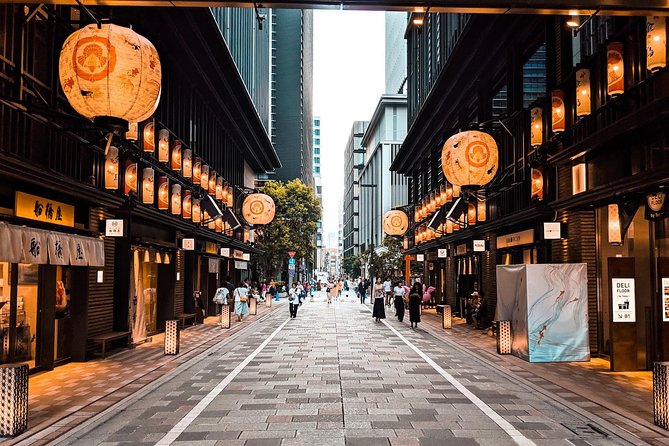
Next you walk toward central landmarks, including a stroll past the Tokyo International Forum. This is a short segment, but it is a smart way to connect the food tour with real city geography, especially if you are staying near major rail hubs.
Then you hit a cluster of commuter and shopping architecture around Kitte Marunouchi and Tokyo Station, plus additional stops in the station area around places like Marunouchi Hiroba and Daimaru Tokyo. These are great stops because they show how Japanese comfort food fits modern urban life.
Here your tastes include classic “commute home” items such as tamagoyaki (Japanese omelette) and a fruits sando made with milk bread and whipped cream with fresh fruit. These sandwiches may sound simple, but that is the trick. Japanese convenience food can be surprisingly precise, soft bread and clean flavors that work perfectly as a quick treat after travel or a workday.
If you are the type of person who gets overwhelmed by Tokyo stations, this is a win. You are not just passing through, you are learning what people actually eat right there.
Akihabara’s Future Food: Fusion Desserts, Matcha, and Pokemon Taiyaki
Finally, you roll into Akihabara, a district known for electronics and anime culture, where food takes a more playful, tech-shaped turn. The tour frames this as the future of Japanese eating, where traditional flavors get remixed for modern tastes and subcultures.
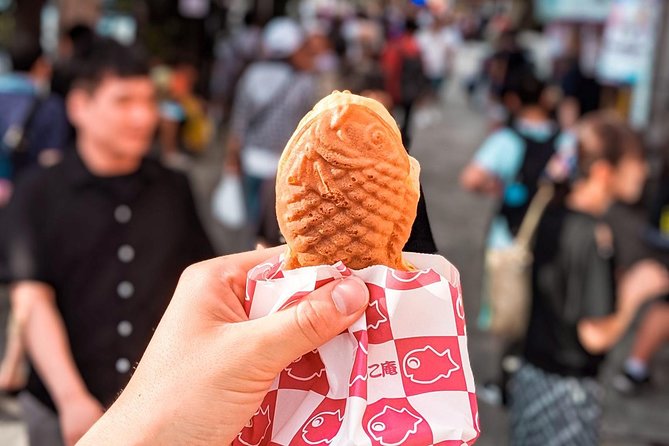
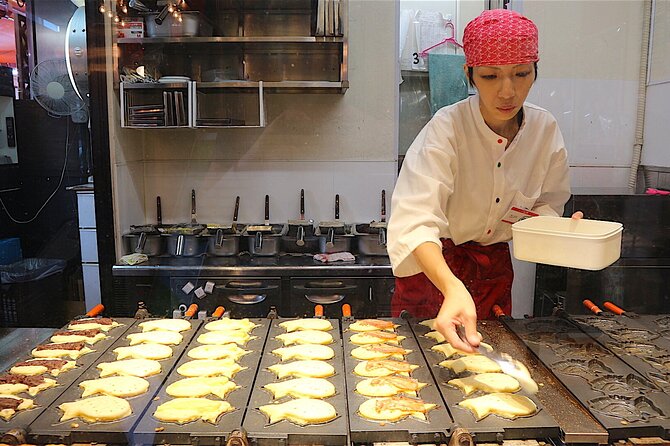
You will try a set of fusion desserts, including items like Pokemon Taiyaki and matcha options (bubble tea or ice-cream). The tour also includes a mix of familiar Japanese sweets with a modern twist, plus discussion about how Akihabara’s culture and technology influence new ideas in Japan.
I really like ending here because it changes your mental model of Japanese food. You start with dashi foundations and old snack shops, then you end with pop-culture desserts. That arc helps you understand that tradition and innovation are not enemies in Tokyo food culture, they are partners.
If your group includes kids or anime fans, this stop is likely to hit hardest. Even for adults, it is a fun way to taste Japanese creativity without hunting for it yourself.
How the 14 Tastings and Lunch Translate Into Value
At $327.75 per person for a private tour, you are paying for three things at once: a guide who explains the food logic, curated stops in the right places, and a lot of included eating. The tour is listed at about 5 hours 30 minutes, which is a good chunk of time to get through multiple districts without feeling rushed.
You also get more than “snack bites.” The included menu covers:
- Snacks tied to the dashi lesson and classic sweets like daifuku
- A lunch with yakitori and tempura soba, plus commuter-style treats like tamagoyaki and fruits sando
- A drink, lemon sour, a Japanese alcoholic drink
Plus you get ingredients-focused tasting elements in the mix, such as dashi, katsuobushi, and kombu. That matters because it turns this into a food education experience, not just calorie intake.
Practical value tip: bring an appetite and a small tolerance for variety. The tour is built to move from savory to sweet multiple times, so you will get a rounded taste set rather than one repeating flavor style.
One more note on logistics value: pickup is offered, and the route uses only two short subway rides that you pay for. That keeps transit stress lower than many city tours, especially if you are short on time.
Pickup, Subway Hops, and How to Plan Your Meeting Point Day
You meet at Nihonbashi 1-chome Mitsui Building at the address listed in the tour information. The tour ends at Akihabara Station at the address listed (1 Chome Sotokanda). Pickup is offered, which can be a big deal if you are staying in central Tokyo or you want to avoid navigating to the exact starting point.
Transport costs are not included, but the plan uses two short subway rides. That means you should budget a little for train tickets, and you should also plan for the fact that you may walk between stops.
Timing is straightforward on paper, about 5 hours 30 minutes, but Tokyo pacing can vary by crowds and shop queues. Since it is private, your guide can usually handle those micro-adjustments better than large group tours.
If you want to make the day easier, schedule this near the start of your Tokyo trip. You get orientation to major districts and taste patterns fast, which helps you explore the rest of the city with more confidence.
Who This Private Food Tour Fits Best
This tour is a strong fit if you want three things in one half-day:
- Food education, like learning what dashi ingredients do for flavor
- Cultural context, from shrine etiquette to postwar salaryman eating habits
- A fun modern finish, with Akihabara fusion sweets
It also works well for families where kids like Japanese food and pop culture. One of the best signs here is that guides have handled groups that included kids, and the Akihabara desserts are built to be a crowd-pleaser.
If you hate surprises, picky eating, or strongly prefer one cuisine style, you might feel a bit stretched because the tour is designed to cover a wide range. It is still a friendly format, but the structure expects you to taste what is offered.
Should You Book This Private Food Tour?
Book it if you want a private Tokyo food storyline that links Edo roots, postwar commuter life, and Akihabara’s future vibe. The price makes more sense when you value the included lunch, multiple tastings, and ingredient-based explanations that go beyond just naming dishes.
Skip it or reconsider if you have tight time limits, you do not want to eat multiple courses, or you have strict dietary needs that require advance customization. Otherwise, this is one of those tours that can turn Tokyo food from random ordering into something you actually understand.
FAQ
How long is the private Tokyo food tour?
It runs for approximately 5 hours 30 minutes.
What parts of Tokyo does the tour visit?
You visit three districts: Nihonbashi, Ginza, and Akihabara, with additional stops along the route including Fukutoku Shrine, Tokyo International Forum, Kitte Marunouchi, and the Tokyo Station area.
How many tastings are included?
The tour includes 14 tastings, plus a lunch.
Is pickup from my accommodation included?
Pickup is offered, and the tour also lists a specific meeting point at Nihonbashi 1-chome Mitsui Building.
Is the tour only for my group?
Yes. It is a private tour/activity, and only your group participates.
What food and drink are included?
Snacks include items such as dashi-related ingredients, Satsuma-age, Amazake, Imo Kenpi, Daifuku or Dorayaki, plus options like Pokemon Taiyaki and matcha (green tea) bubble tea or ice-cream. Lunch includes Yakitori and Tempura Soba, and you also try Tamagoyaki and Fruits Sando. Alcohol included is a Lemon Sour.
Is transportation included?
The costs of transport are payable by you. The tour uses two short subway rides.
Where do we start and end the tour?
You start at Nihonbashi 1-chome Mitsui Building. You end at Akihabara Station (1 Chome Sotokanda).
Does the tour use a mobile ticket?
Yes. Mobile ticket is listed as a feature.
Are admission tickets required for the stops?
The itinerary lists admission as ticket free for the stops provided.
Newest Tokyo write-ups from the Loving Japan desk


Food & Drink, side by side.
 ★ 5.0Shinjuku Food Tour (13 Dishes at 4 Local Eateries)From $866,603 reviews
 ★ 5.0Tokyo Tsukiji Fish Market Food and Culture Walking TourFrom $993,184 reviews
 ★ 4.8Shinsekai Food Tour with 13-15 Dishes at 5 EateriesFrom $532,204 reviews
 ★ 5.0Osaka Food Tour: 13 Dishes at 5 Local EateriesFrom $732,149 reviews
 ★ 4.9Shinjuku Food Tour (15 Dishes and 4 Eateries)From $852,033 reviews
 ★ 5.0Kyoto Night Foodie Tour in Gion (9+ dishes + 6 Sake tastings)From $1631,762 reviews
 ★ 5.0Hungry Osaka Street Food Tour:15 Tastings & 3 Drinks with a LocalFrom $731,727 reviews
 ★ 5.0Tsukiji Fish Market Food and Walking tourFrom $301,724 reviews
Filed on these lists too