
REVIEW · SAPPORO, OTARU AND HOKKAIDO
Sapporo: Hokkaido, Noboribetsu and Lake Toya Day Tour
Big Hokkaido sights, packed into one day. This Sapporo-to-Lake Toya trip is a practical way to see Noboribetsu Hell Valley steam and then roll right into lake views without planning a bus puzzle yourself. I especially like that the tour keeps moving, so your day feels like a highlight reel rather than a single-site visit.
What I also like is the mix of “wow” nature stops with a human-friendly break at Lake Toya Hot Spring Town. You get free time for lunch, plus the option of lakeside foot baths when the weather turns chilly.
One real consideration: the day runs on bus time. If you prefer long stays, quiet pacing, and deep explanations, you might feel rushed at stops because each place is built for quick photos and getting back on schedule.
In This Review
- Key points to know before you go
- Entering Hokkaido’s big-name route from Sapporo
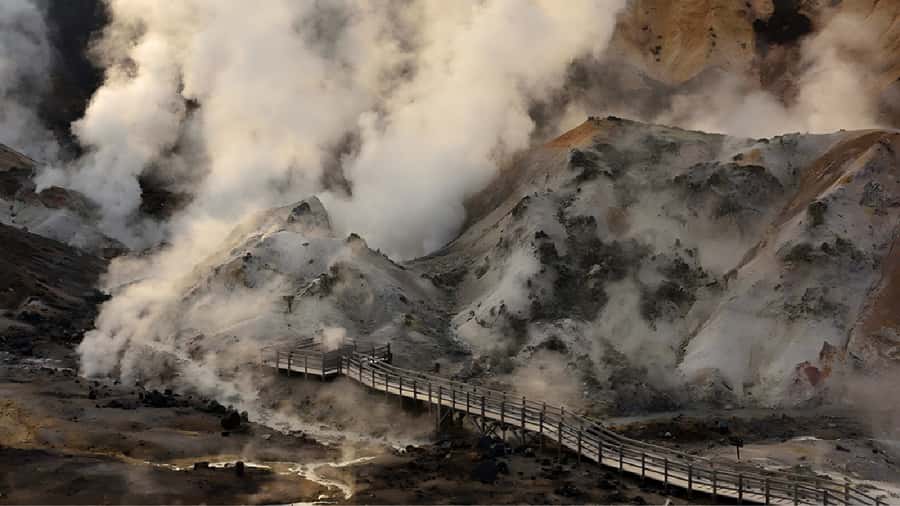
- Hell Valley steam trails: the first wow stop
- Cape Chikyu: cliff views and a lighthouse you can point at
- Showa Shinzan Bear Farm: close-up bears, mixed feelings about setup
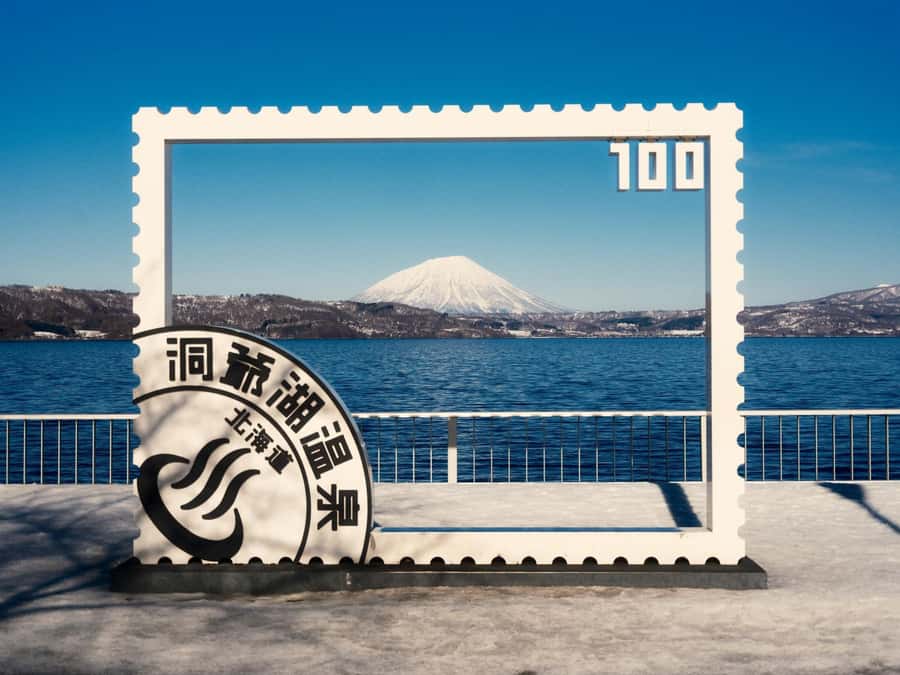
- Lake Toya Hot Spring Town: lunch break plus foot baths
- Lake Shikotsu: ending with the kind of scenery that sticks
- Silo Observatory and seasonal route swaps in Hokkaido
- Price and value: what $66 really pays for
- How the guide and language can affect your experience
- Group pace: quick stops, photo timing, and bus reality
- What to bring and the vehicle rules you must follow
- Who should book this day trip, and who might skip it
- Should you book the Sapporo, Noboribetsu, and Lake Toya day tour?
- FAQ
- What is included in the tour price?
- Do I need to pay extra for the bear farm or ropeway?
- Is lunch included?
- What languages are the guides?
- Are there rules about food and drinks on the bus?
- Who should avoid this tour?
Key points to know before you go
- Hell Valley’s geothermal walk is the strongest start, with steam, sulfur scent, and easy-to-follow trails.
- Cape Chikyu brings big views and Ainu name roots, plus a lighthouse you can spot from a high cliff.
- Showa Shinzan Bear Farm is a close-up stop, but the facility setup can feel cramped to some people.
- Lake Toya gives you real breathing room with lunch on your own and lakeside foot baths.
- Lake Shikotsu lands the day with scenery-focused time, including birdwatching in season and strong autumn sunset odds.
- Timing depends on the guide and the day’s departure, and language quality can vary in practice.
Entering Hokkaido’s big-name route from Sapporo
This is the kind of tour that works well when you only have a day in Sapporo and you want more than just city sights. You are hopping between the dramatic volcanic area around Noboribetsu, the scenic cliff views along Cape Chikyu, and the lake country around Toya and Shikotsu.
Because the route is built for distance, you should expect a “see it, snap it, move on” rhythm. That can be a good thing. It means you do not have to choose between Hell Valley or the lakes, and you still get enough variety to remember the day as a whole.
Hell Valley steam trails: the first wow stop
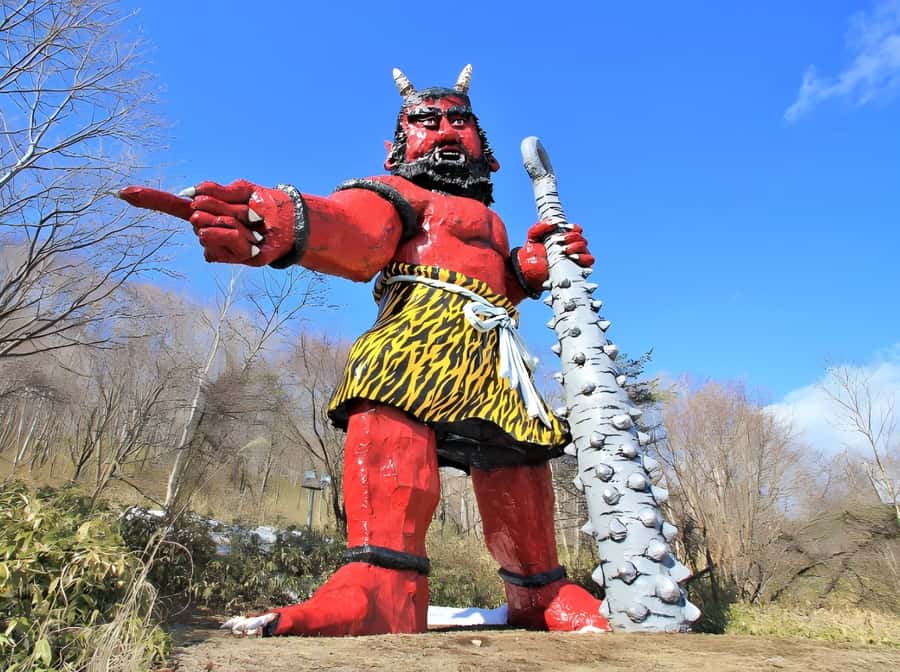
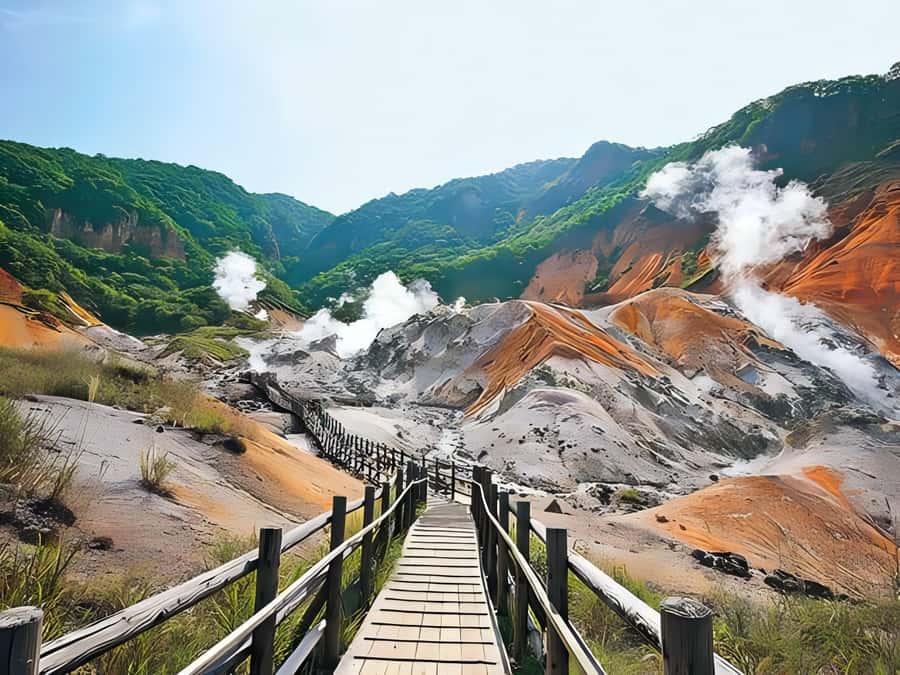
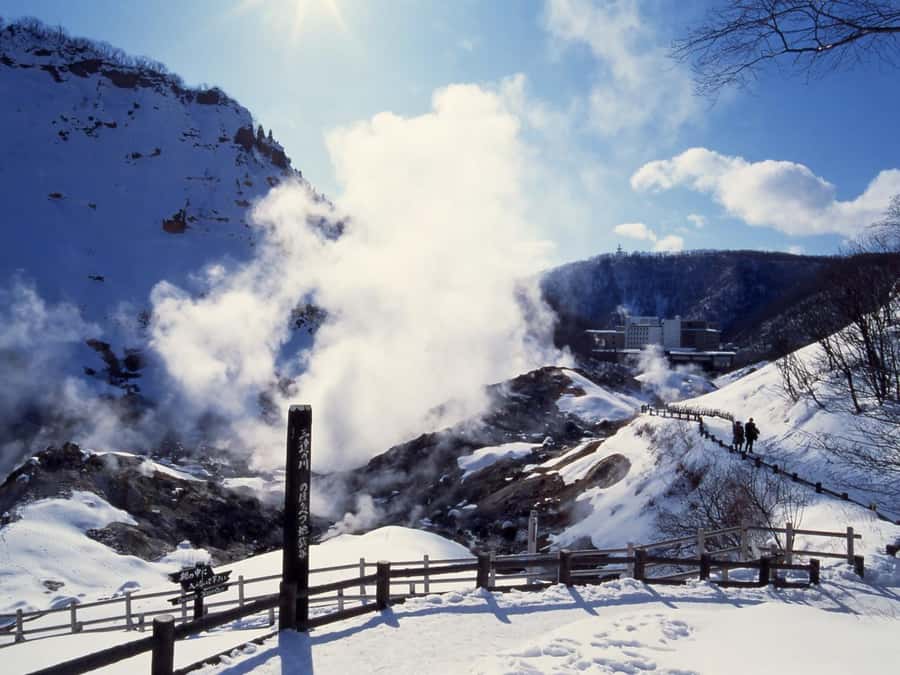
Noboribetsu Hell Valley is your opener, and it sets the tone fast. This geothermal crater area comes alive with steam rising from the ground, a strong sulfur smell, and trails that let you get close to the active forces shaping the landscape.
What makes this stop especially good on a day trip is that you can enjoy it at your own pace for walking without needing complicated logistics. You do not need tickets beyond what the tour covers unless you are sent to optional add-ons. The trails are straightforward, so you can focus on the sights rather than the navigation.
If you are sensitive to strong odors, plan for the smell. It is part of the experience. Bring a light layer too. Even in comfortable weather, geothermal areas can feel cooler because of the mist and wind.
Cape Chikyu: cliff views and a lighthouse you can point at
Next comes Cape Chikyu, also known as Earth Cape. Even the name has a story. “Chikyu” comes from an Ainu word that connects to the idea of a cliff, which gives the place a deeper feel than a random viewpoint stop.
You are about 131 meters above sea level here, with the white lighthouse visible up to 44 km away in clear conditions. The location also ties into wildlife patterns, with birds like peregrine falcons using the area during migration.
This stop is less about walking and more about getting your bearings. Stand, look, take photos, and you are done. If you love birdwatching, this is the kind of scenic stop where you can quietly wait for movement.
Tip: if the day is gray, you still get the form and depth of the cliff. Clear skies just make the lighthouse visibility and ocean view more impressive.
Showa Shinzan Bear Farm: close-up bears, mixed feelings about setup
Showa Shinzan Bear Farm is one of the most memorable stops on the route, mainly because you can see Hokkaido brown bears up close. The farm houses around 100 brown bears, and you can watch them and, in many cases, enjoy feeding interactions.
That’s the “wow” side, and it is popular for adults and kids because the bears are powerful, and yes, often comically awkward when they move. This is not a distant viewing. It is an up-close experience.
Here’s the balance check you should know before going: some people react to how the bear area is built. The name “bear ranch” can set expectations, and a few visitors felt the viewing setup looked like a narrow concrete enclosure rather than a spacious ranch. If animal welfare is a major factor for you, go in with open eyes and be thoughtful about what close-up means in this kind of facility.
Practical note: wear shoes you can stand in for a bit. These bear stops often feel short, even when you want more time.
Lake Toya Hot Spring Town: lunch break plus foot baths
After the early intensity, Lake Toya Hot Spring Town gives you what most day trips struggle to provide: a real pause. Lunch is free time on your own, so you can choose what fits your tastes and budget from local restaurants serving Hokkaido specialties.
This is also where the “hot spring town by the lake” vibe shows up. There are free foot baths by the lakeside, which are perfect in winter and still pleasant when the air is brisk. Even a quick dip can reset your body after geothermal walks and ocean viewpoints.
If you enjoy a slow stroll, this is your chance. Take a walk along the lake edge, get photos without the pressure of the next stop, and just enjoy the open air. The pace here tends to feel more relaxed than the earlier sites.
What to budget for: lunch is not included. The tour asks you to bring cash, which usually means you will want to have money on hand for meals and small purchases.
Lake Shikotsu: ending with the kind of scenery that sticks
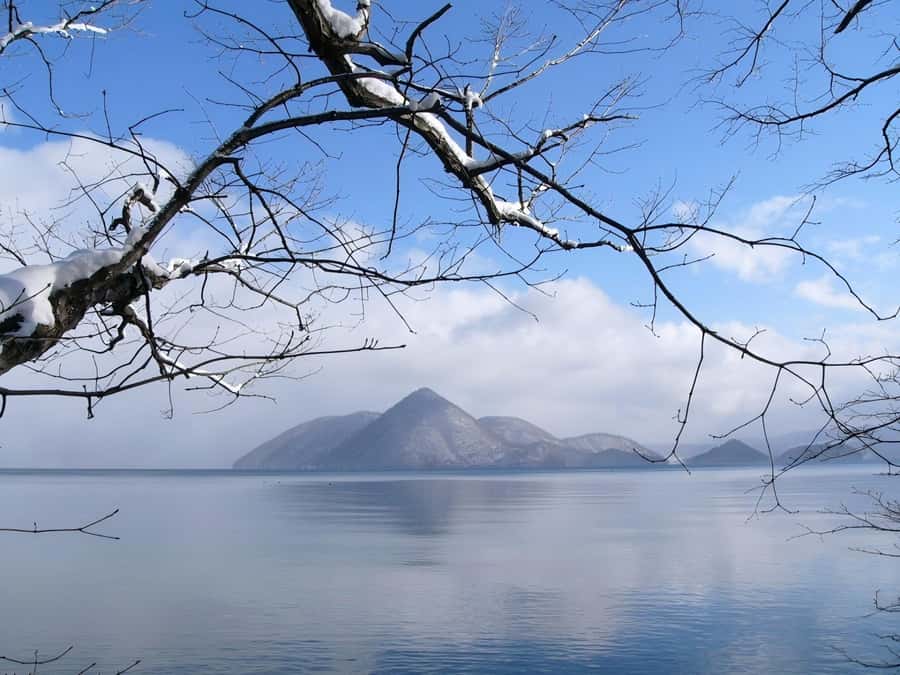
Lake Shikotsu is the final stop, and it is an excellent “finish strong” choice. The lake is part of Shikotsu-Toya National Park, and it is notably deep. In fact, its average depth is listed at 265 meters, with a maximum depth comparable to the height of Tokyo Tower.
It is also a rare talking point for Hokkaido winter. The lake does not freeze in the way you might expect, so even in colder months you can still experience the water and shoreline feel.
Seasonal value matters here. In summer, it supports migratory birds and becomes a birdwatching hotspot. In autumn, you can get strong foliage and sunset opportunities over the lake, making it a great photo stop if you time your visit well.
Real-world pacing note: as the day ends, you may not get a long sit-down time. Still, because the lake itself does not require any “activity,” you can enjoy it simply by standing, looking, and taking a few calm minutes.
Silo Observatory and seasonal route swaps in Hokkaido
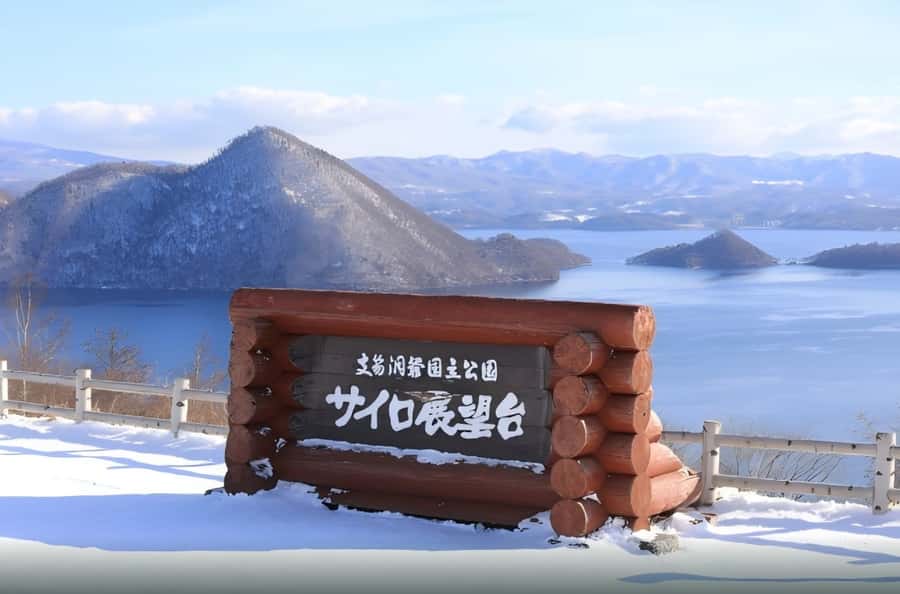
The tour is designed to change with the seasons, and that matters for what you see. The highlights mention viewpoint time from Silo Observatory, and winter variations add extra elements to keep the day interesting.
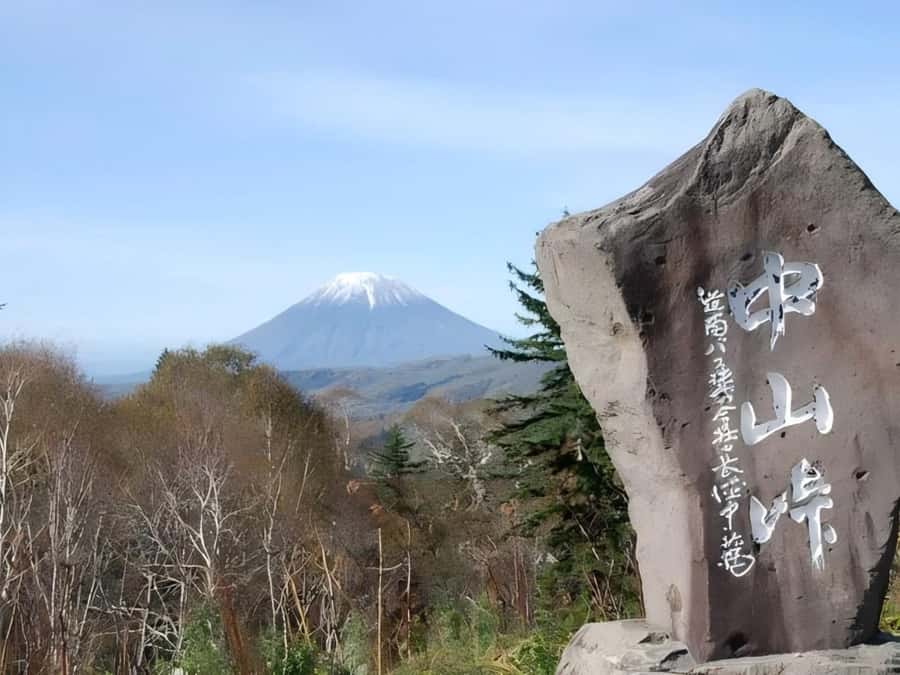
In winter, the route can include snowy Nakayama Pass and gives you Lake Toya views from Silo Observatory. You may also stroll Toya Onsen Town and get the chance for shopping time at Mitsui Outlet Park Kitahiroshima. That outlet stop can feel like a gift or a distraction depending on your priorities.
If you want pure nature time, take your shopping expectations lightly. If you like a quick chance to pick up snacks, souvenirs, or practical winter gear, you will probably appreciate having it built into the day rather than squeezing it into your hotel schedule later.
Either way, the big takeaway is simple: what you see is not always the same in every month. The tour team adjusts to seasonal conditions, and that is part of why the experience can feel worthwhile even if you have already seen one Hokkaido highlight elsewhere.
Price and value: what $66 really pays for

At $66 per person, the main value is bundled transport plus a guide. You are not paying for a hotel night, and you are not paying for a slow, customized experience. You are paying for a full-day structure that strings together multiple far-apart sights into one plan.
That does not mean it feels slow. It means it feels efficient. And efficiency comes with trade-offs. Some people feel they spend hours on the bus to cover stops that each take only a short visit window. That is the nature of connecting places like Hell Valley, Cape Chikyu, and both lakes in a single day.
You also need to understand what is not included. Admission tickets for the Usuzan Ropeway and for the Showa Shinzan Bear Ranch area are not included, and lunch is not included. So your real day cost is closer to a base tour price plus meals and likely one or more on-site fees.
If you want to reduce extra spending, plan ahead. Decide what you want to buy at Lake Toya for lunch, and if you are skipping any optional add-ons like ropeways, you can keep the day more budget-friendly.
How the guide and language can affect your experience
The tour is offered with guides in English and Japanese, and that is a great start for planning. But in actual practice, language support can vary depending on the departure.
Some departures have included a Chinese guide named Lisa who spoke English well and kept the day moving with clear instructions. Other experiences involved shorter English explanations that felt scripted, and guests who could not easily ask questions because the guide language focus was different from what they expected.
So here is my practical advice: if you care about deeper context like volcanic history or the geology behind the geothermal activity, come ready with a few basic questions and a willingness to adapt. If you just want the bus route, the key sights, and helpful directions, language differences matter less.
Either way, pay attention to the guide’s meeting and timing rules. That is what keeps the day comfortable.
Group pace: quick stops, photo timing, and bus reality
This tour is built around a “one stop, one photo set, then move” rhythm. You will likely get enough time to experience each place, but not enough time to linger the way you might on an independent trip.
That shows up most in the breaks between major areas. Distance adds up. And when the group is large or the day is busy, stops can feel like photo sprints.
If you want the best experience, do this:
- Prioritize what you want most. For most people, it is Hell Valley and one of the lake viewpoints.
- Take a quick photo list in your head before you get off the bus, so you are not scrambling later.
- Use Lake Toya’s lunch time as your “slow down” moment.
The most satisfying days are usually the ones where you accept the structure and let the sights do the work.
What to bring and the vehicle rules you must follow
Bring comfortable shoes. You are walking trails at Hell Valley and standing and moving around scenic points. Comfort matters because the day is long and the bus ride takes time.
Bring comfortable clothes too. Winter or shoulder-season weather in Hokkaido can switch quickly, and the open-air viewpoints get windy.
You also need cash. That comes up because lunch is on your own, and on-site fees like bear ranch admission may apply.
Rules are clear:
- No smoking on the vehicle.
- No alcohol and drugs.
- No food or drinks in the vehicle.
One more planning point that trips people up: the guide will not contact you in advance. So show up at the designated meeting place at your reservation time. Arrive early enough to settle your group and paperwork.
Who should book this day trip, and who might skip it
This tour fits best if you want variety with minimal planning. It is a strong choice when your schedule is tight and you want volcanic scenery, an iconic bear stop, and two major lakes in one day.
It is also a good fit for first-time Hokkaido visitors who want to get their bearings quickly. The day gives you a spread of what the region is known for: geothermal energy, cliff coast views, lake stillness, and winter-friendly foot bath relaxation.
However, it is not suitable for everyone. It is not suitable for pregnant women, people over 75 years, and babies under 1 year. If you are in any of those groups, choose a different style of trip with more control and fewer logistics.
If your priority is animal ethics above all else, think carefully before doing a bear-focused stop. The bears are a highlight, but the facility experience can feel different depending on your perspective.
Should you book the Sapporo, Noboribetsu, and Lake Toya day tour?
Book it if you want a well-timed sampler of Hokkaido that is easy to execute from Sapporo. The best value comes from combining multiple headline stops into one day, especially if you only have a short window.
Consider skipping or choosing a different option if you hate bus time and you need long, quiet moments at each place. This tour is structured for coverage, not slow wandering. Also budget for lunch and any separate admission fees, since the base price covers bus and guide.
If you do book, set yourself up for success: comfortable shoes, cash in hand, and a flexible mindset about quick stop pacing and guide language variations. Do that, and you will likely come away with a stack of photos and a clear sense of what Hokkaido feels like beyond Sapporo.
FAQ
What is included in the tour price?
The tour includes a tour bus and a guide. Lunch and certain admission tickets are not included.
Do I need to pay extra for the bear farm or ropeway?
Yes. The Usuzan Ropeway and the Showa Shinzan Bear Ranch admission ticket are listed as not included, so you should expect extra costs on-site.
Is lunch included?
No. Lunch at Lake Toya Hot Spring Town is free time on your own.
What languages are the guides?
The tour offers guided tours in English and Japanese.
Are there rules about food and drinks on the bus?
Yes. Smoking is not allowed in the vehicle, and alcohol and drugs are not allowed. Food and drinks are also not allowed in the vehicle.
Who should avoid this tour?
The tour is not suitable for pregnant women, people over 75 years, and babies under 1 year.
Sapporo, Otaru and Hokkaido, side by side.
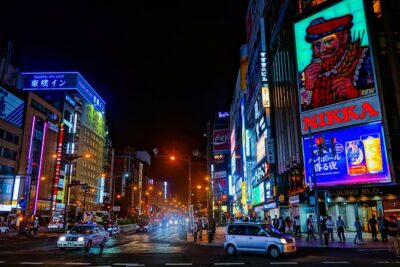 ★ 5.0Sapporo Bar Hopping Food TourFrom $108232 reviews
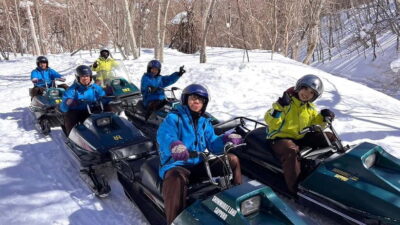 ★ 4.7Hokkaido Seasonal: Lake Toya & Noboribetsu Jigokudani ValleyFrom $55173 reviews
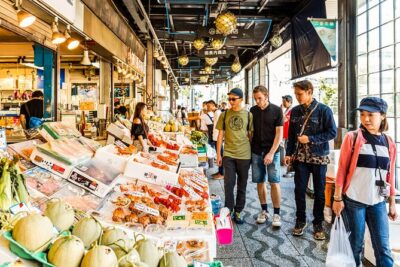 ★ 5.0Sapporo Private Tour with a Local – Highlights & Hidden GemsFrom $10991 reviews
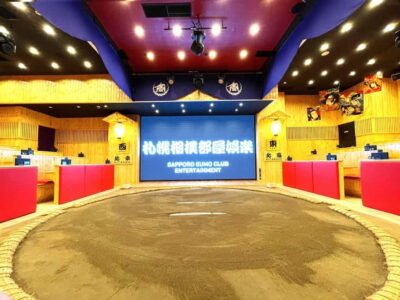 ★ 4.9Sumo Show Experience with Japanese food & PhotoFrom $7781 reviews
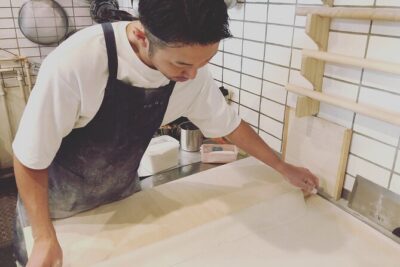 ★ 5.0Mondo’s most popular plan! Experience making soba noodles and the king of Japanese cuisine, tempura, in Sapporo!From $8571 reviews
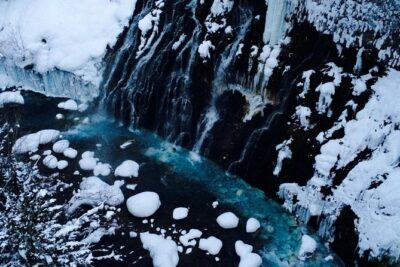 ★ 5.0【Private Car】Asahiyama Zoo, Blue Pond, Shirahige Falls, Ningle Terrace (from Sapporo)From $46560 reviews
 ★ 5.0Sapporo 6hr Private Tour with Government Licensed GuideFrom $15557 reviews
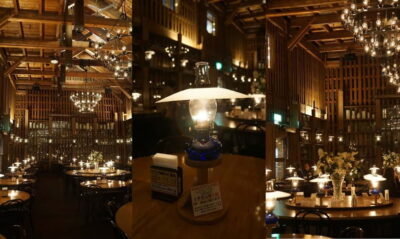 ★ 4.6From Sapporo: Hokkaido Highlights Day TripFrom $6456 reviews
Filed on these lists too