
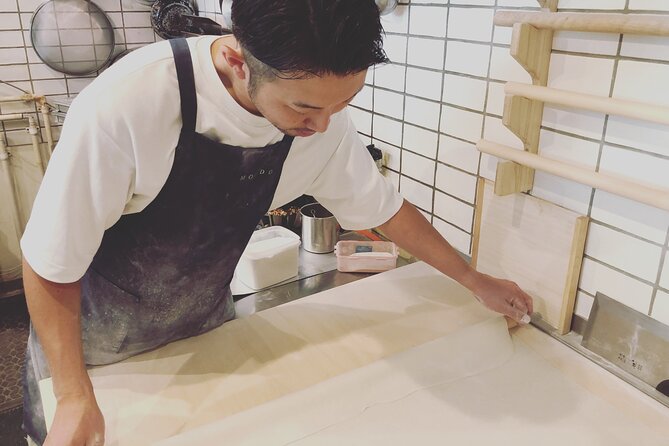
REVIEW · SAPPORO, OTARU AND HOKKAIDO
Mondo’s most popular plan! Experience making soba noodles and the king of Japanese cuisine, tempura, in Sapporo!
Buckwheat dough turns into dinner here. This Sapporo experience is interesting because you actively mix, stretch, and cut buckwheat soba noodles, then eat what you made with cold and warm dipping sauces plus tempura. It is also taught in English, with friendly instruction from the shop team, including teachers like Taku in past sessions.
One thing to consider: the class focuses on soba making. Some people expect to actively cook the tempura too, but the flow centers on making noodles, then tasting tempura the restaurant prepares.
In This Review
- Key Things I’d Put On Your Shortlist
- Why This Sapporo Soba-Plus-Tempura Class Feels Different
- Walking Into a Handmade Soba Shop Rhythm
- The 30 Minutes That Turn Buckwheat Flour Into Noodles
- Tempura Pairing: What You Get and Why It Works
- How You’ll Actually Eat the Noodles (Cold Sauce, Warm Sauce, and Beyond)
- Getting Your Bearings: Location, Timing, and Arrival Rules
- Dietary Needs, Halal and Vegan Options, and Service Animals
- Is $85.79 Good Value for This Hands-On Meal?
- Who Should Book This (and Who Might Skip It)
- Should You Book Mondo’s Soba and Tempura Experience?
- FAQ
- How long is the soba-making and tempura experience?
- Is the experience offered in English?
- Do I need to bring anything?
- Is it suitable for children?
- Can they accommodate halal or vegan needs?
- What is the cancellation window for a refund?
Key Things I’d Put On Your Shortlist
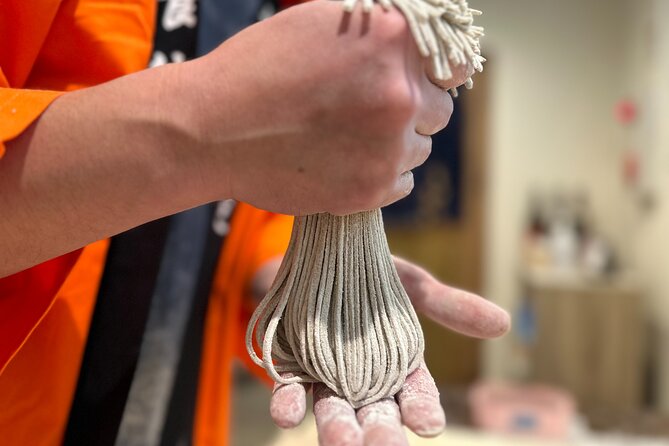
- Hands-on soba work: mix buckwheat dough, stretch it, and cut the noodles
- Real pairing after class: your noodles come with tempura and two types of dipping sauce
- Finish the meal Japanese-style with soba-yu, after you’ve eaten
- Small, private feel for your group, with instruction in English (no phone support)
- Family-friendly format with soba making even for small children
Further north. Our other Hokkaido write-ups
- Sapporo Bar Hopping Food Tour
★ 5.0 · 232 reviews - Hokkaido Seasonal: Lake Toya & Noboribetsu Jigokudani Valley
★ 4.7 · 173 reviews - Sapporo Private Tour with a Local – Highlights & Hidden Gems
★ 5.0 · 91 reviews - Sapporo: Sumo Show Experience with Japanese food & Photo
★ 4.9 · 81 reviews
Why This Sapporo Soba-Plus-Tempura Class Feels Different
If you only eat Japanese food on autopilot, this kind of class changes the whole flavor story. You do the work first, so when you taste the noodles and tempura, you understand why each step matters.
The core of the experience is traditional Hokkaido soba culture. Sapporo is in the region where soba is known for being savory and chewy, and the course is built around that buckwheat flavor. On top of that, tempura is part of the same tradition, and you are served it with your noodles, since that combo is how many Japanese people commonly eat it.
Price-wise, at $85.79 per person for about 75 minutes total, you are paying for more than a meal. You are paying for an on-the-spot, hands-on craft session inside a handmade soba shop, plus a finished tasting with tempura and the Japanese way to eat soba. For families and groups, the format can feel like a fair deal because it is focused and contained, not a half-day tour that eats your time.
Walking Into a Handmade Soba Shop Rhythm
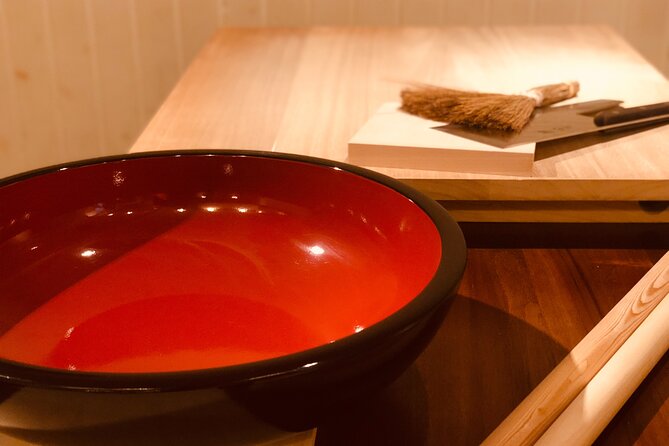
This is held at a handmade soba restaurant in Sapporo, run by the team behind the day-to-day noodle craft. The setting matters because you are not just watching from a distance, you are working at the same kind of counter where soba dough gets handled every day.
You meet at the shop address in Nishi Ward, near Miyanosawa Station. It is a five-minute walk from Miyanosawa Station on the Sapporo Subway Tozai Line, and there are four parking spaces out front if you are driving. That convenience matters in Sapporo, where an experience like this is easiest when you can stay close to public transit and avoid extra navigation stress.
The experience is private, meaning only your group participates. Past groups have described it as intimate and “invite-you-in” feeling, because the instruction stays personal and hands-on. If you have more than two people, you may also benefit from the group discount feature mentioned for this plan.
The 30 Minutes That Turn Buckwheat Flour Into Noodles
The soba-making portion takes about 30 minutes, and the rest of the time is for eating and finishing. The steps are simple to explain, but you do real technique, not just pretend-hand motions.
Here is the flow you can expect:
1) Mix buckwheat flour
2) Stretch the soba dough into noodle-ready strands
3) Cut the soba noodles
4) Taste your noodles with artisan tempura, with two types of sauce (cold and warm)
5) Finish with soba-yu
That order is smart for first-timers. You get a quick win when you see dough go from flour and water to a workable texture. Then you move into the more physical parts, stretching and cutting, where you start to feel the difference between “made it once” and “made it like someone who does this every day.”
You also get instruction on how Japanese people eat soba, which helps you avoid the common mistake of treating soba like just another noodle. In this course, soba is part of a meal ritual, with specific sauce temperature options (cold and warm), so you get to experience how that changes the bite.
From the way sessions have been taught before, the instructors tend to keep it upbeat and easy to follow. Names like Taku show up in past experiences, and participants have noted that the teacher is patient and humorous, which really helps if you are traveling with kids or you are nervous about cooking.
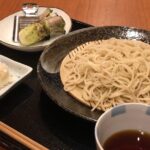
A bowl somewhere else in Sapporo
Tempura Pairing: What You Get and Why It Works
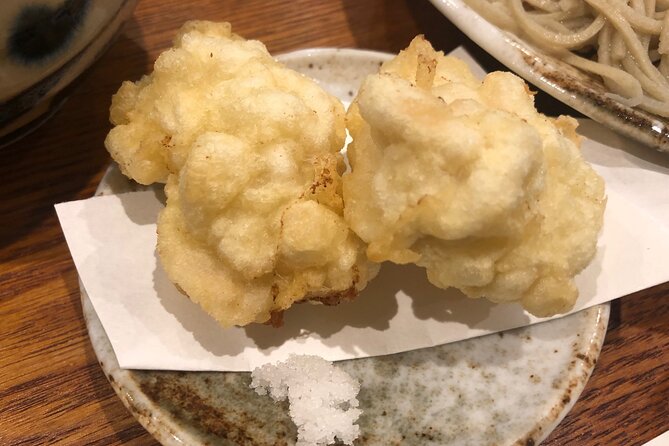
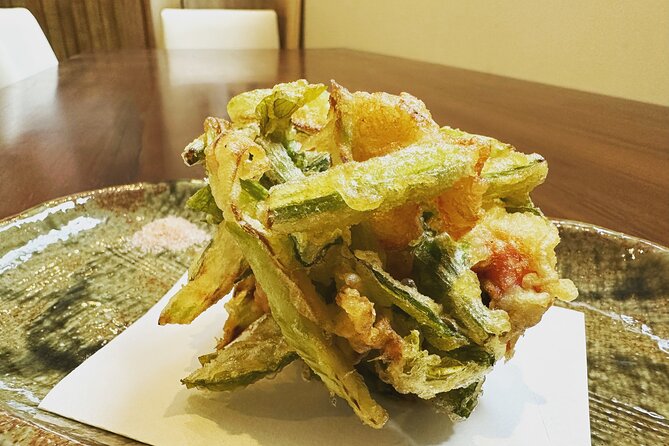
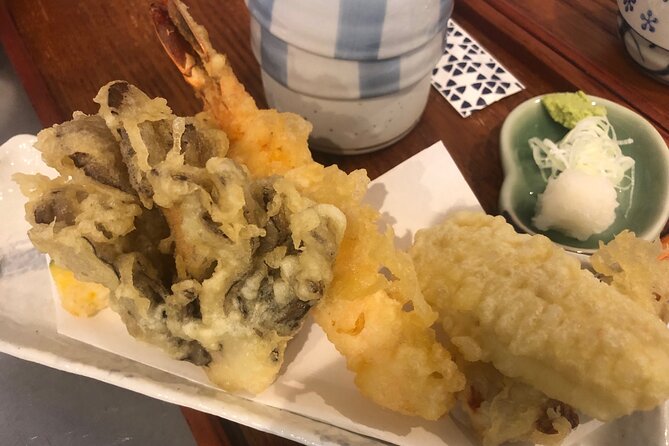
After the soba-making, you eat. You get your noodles with tempura, and the food is paired the way Japanese people often enjoy it. Tempura is described here as battered and deep-fried vegetables and seafood, and it typically includes items like shrimp, eggplant, and seasonal vegetables, plus local ingredients.
Some sessions have included seafood like scallops, so you might see variety depending on what the shop is sourcing that day. That is a plus in Hokkaido, where local and seasonal ingredients are a big part of the regional food identity.
A key consideration, though, is how much you personally cook. The course flow you are given emphasizes making and cutting soba, while the tempura is described as artisan-prepared and then served alongside your noodles. If you want a full tempura cooking class where you dip, batter, and fry, you may want to confirm what hands-on steps are included in your specific session. The good news is that the tempura is part of the meal you taste with your noodles, so even if you do not fry it yourself, it still lands as a meaningful pairing.
How You’ll Actually Eat the Noodles (Cold Sauce, Warm Sauce, and Beyond)
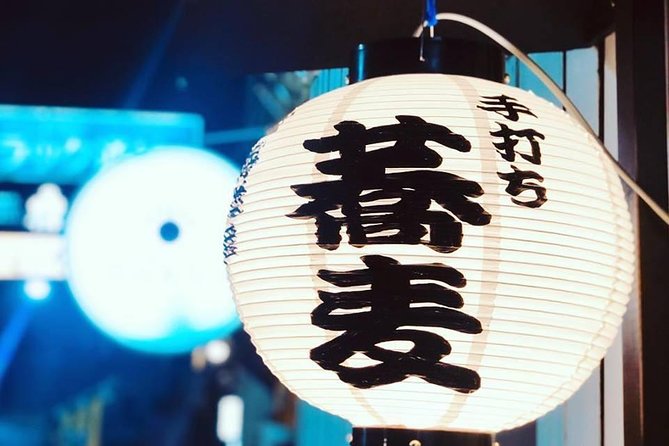
A lot of cooking classes fail at the last step. People leave with noodles made, but they do not know how to eat them. Here, the session includes guidance on the Japanese eating style of soba.
You are offered two sauce options: cold and warm. That detail sounds small, but it changes the whole experience. Cold sauce tends to feel clean and refreshing against the chew of soba, while warm sauce can feel more comforting and slightly deeper. With both offered, you can taste how temperature affects flavor and texture.
You also finish with soba-yu, which is part of the traditional sequence after you eat the noodles. Even if you are not sure what to expect, that final step gives the meal a complete arc. It turns the experience from a snack class into an actual Hokkaido-style dining moment.
And if you are traveling with kids, this matters even more. A meal structure that follows a simple “make, eat, finish” rhythm keeps attention steady, and it gives children a clear payoff when they see their noodles on the table.
Getting Your Bearings: Location, Timing, and Arrival Rules
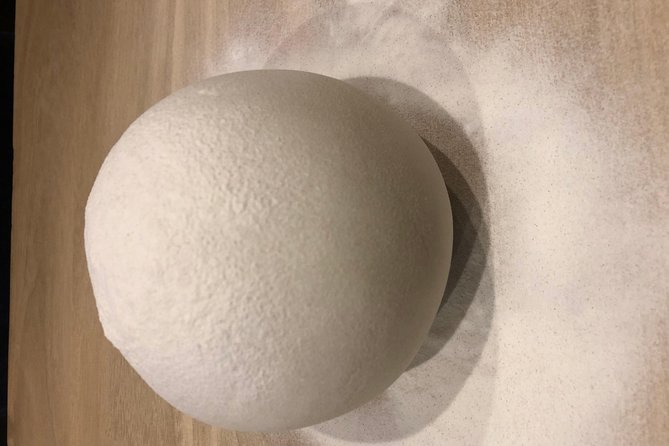
Plan on about 75 minutes total, even though the duration is listed as about one hour. The soba making itself is roughly 30 minutes, with tasting and the closing steps taking the rest.
The shop is open as a handmade soba restaurant during lunch hours, so your session starts at a scheduled time. Being late can cause inconvenience to other start times, and if you cannot arrive before the start time, your spot may be treated as a no-show. Practical advice: arrive a few minutes early, even if the walk is only five minutes from Miyanosawa Station.
Finding the place can be a minor hurdle. Some people have said the shop was not easy to locate. Your best move is to copy the meeting address into your map app ahead of time and do a quick “walk test” from Miyanosawa Station when you have cell service. The address is:
9-chōme-17-28 Hassamu 6 Jō, Nishi Ward, Sapporo, Hokkaido 063-0826, Japan
If you are driving, there are parking spaces in front of the store, but only four, so traffic and timing matter.
Dietary Needs, Halal and Vegan Options, and Service Animals
Good to know upfront: halal, vegan, and other needs can be accommodated if you contact the store in advance. That means you should not wait until the last day. Send a message early so the shop can plan ingredients and sauce options around your request.
Service animals are allowed, so if that applies to your group, you can plan without extra concern.
Also, you do not need to bring or prepare anything. The class supplies the ingredients and the workspace for making and cutting your noodles.
Is $85.79 Good Value for This Hands-On Meal?
Let’s talk value in plain terms. At $85.79 per person, you are not just buying a bowl of soba. You are buying:
- instruction in English for the noodle-making process
- time in a real handmade soba shop
- the chance to physically mix, stretch, and cut soba
- a tasting meal that includes your noodles and tempura
- two sauce options plus the finishing soba-yu step
For many food experiences, the pricey part is the staff time and the skill. Here, you are paying for craft instruction and a structured food experience, and you still get a complete meal at the end. That is why this plan is popular enough to be listed as the most popular plan, and it holds a very strong overall rating of 4.8 across 71 reviews, with 96% recommending it.
Could it feel like less value if you expected to cook both items fully? Yes. Some people have noted they wanted tempura-making instruction and did not get it the way they expected. If your goal is a full frying and battering workshop, you should double-check before booking. If your goal is to learn soba technique and eat a proper soba-and-tempura meal, it is strong value.
Who Should Book This (and Who Might Skip It)
This is a great fit if you:
- want a hands-on food activity in Sapporo, not just a tasting
- like learning how Japanese meals work in real life
- want something family-friendly and not too long
- enjoy Hokkaido ingredients and want to connect soba and tempura as a paired meal
It is especially friendly for kids. The experience notes that even small children can join, and children under two are free. You should still plan on the class being structured and focused, so bring patience for dough hands and learning sounds.
Skip it or adjust expectations if you:
- expect to fully cook and prepare the tempura yourself
- want a very detailed history lesson rather than practical meal technique
Should You Book Mondo’s Soba and Tempura Experience?
I think you should book this if you want a short, high-satisfaction food experience in Sapporo. It is compact, you leave with a real meal, and the technique you practice gives you a deeper appreciation for Hokkaido soba and how it pairs with tempura.
If you are picky about hands-on cooking, or you want both noodles and tempura cooked by you, confirm what parts are hands-on in your specific session. Otherwise, this is a very doable class that pairs craft and comfort food in a way most people remember long after the noodles are gone.
FAQ
How long is the soba-making and tempura experience?
Expect about 75 minutes total. The soba-making portion is around 30 minutes, then you taste your noodles and tempura and finish with soba-yu.
Is the experience offered in English?
Yes, the experience is conducted in English. The provider also notes they cannot provide English support over the phone.
Do I need to bring anything?
No. You do not need to bring or prepare anything for the class.
Is it suitable for children?
Yes. The experience says even small children can enjoy the soba-making experience, and children under 2 are free.
Can they accommodate halal or vegan needs?
They can accommodate halal, vegan, and other dietary needs if you contact them in advance.
What is the cancellation window for a refund?
You can cancel for a full refund up to 24 hours before the experience start time. If you cancel within 24 hours, the amount paid is not refunded.
One More Bowl
Hokkaido, Further North

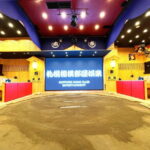

Newest Sapporo write-ups from the Loving Japan desk
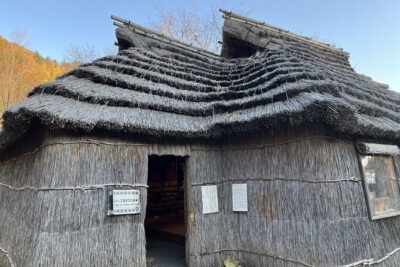
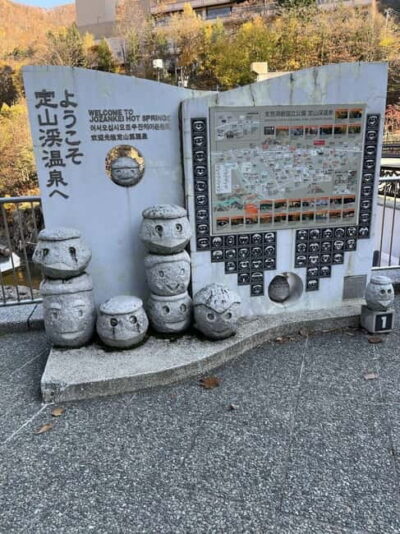

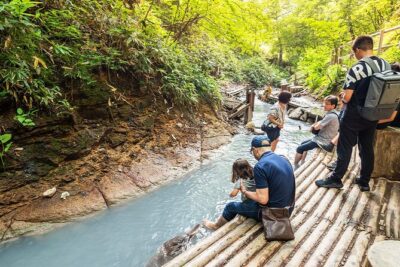

Sapporo, Otaru and Hokkaido, side by side.
 ★ 5.0Sapporo Bar Hopping Food TourFrom $108232 reviews
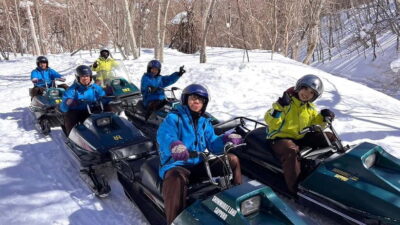 ★ 4.7Hokkaido Seasonal: Lake Toya & Noboribetsu Jigokudani ValleyFrom $55173 reviews
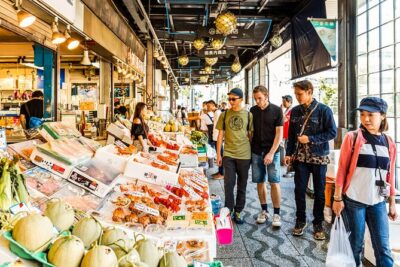 ★ 5.0Sapporo Private Tour with a Local – Highlights & Hidden GemsFrom $10991 reviews
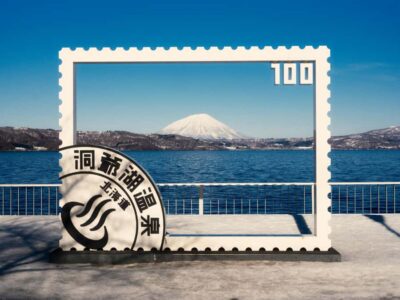 ★ 4.1Hokkaido, Noboribetsu and Lake Toya Day TourFrom $6688 reviews
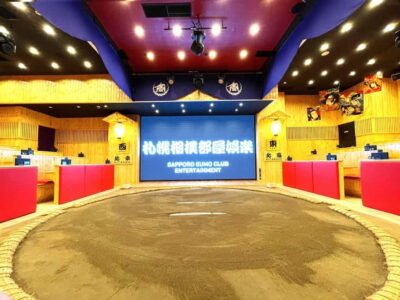 ★ 4.9Sumo Show Experience with Japanese food & PhotoFrom $7781 reviews
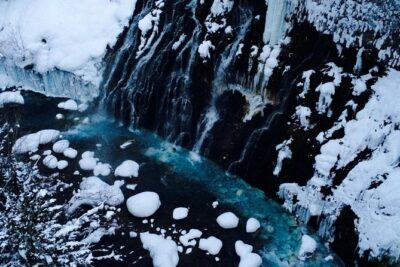 ★ 5.0【Private Car】Asahiyama Zoo, Blue Pond, Shirahige Falls, Ningle Terrace (from Sapporo)From $46560 reviews
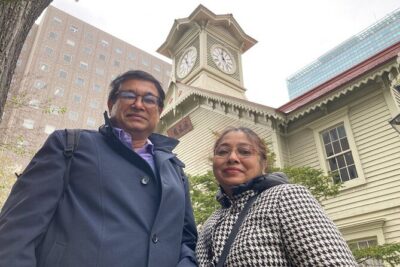 ★ 5.0Sapporo 6hr Private Tour with Government Licensed GuideFrom $15557 reviews
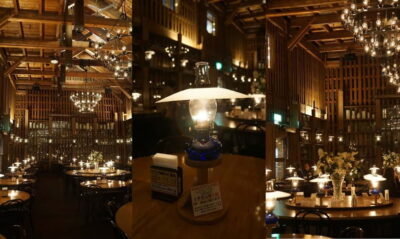 ★ 4.6From Sapporo: Hokkaido Highlights Day TripFrom $6456 reviews
Filed on these lists too