
REVIEW · HALF-DAY
Sendai / Matsushima Half-Day Private Tour with Government-Licensed Guide
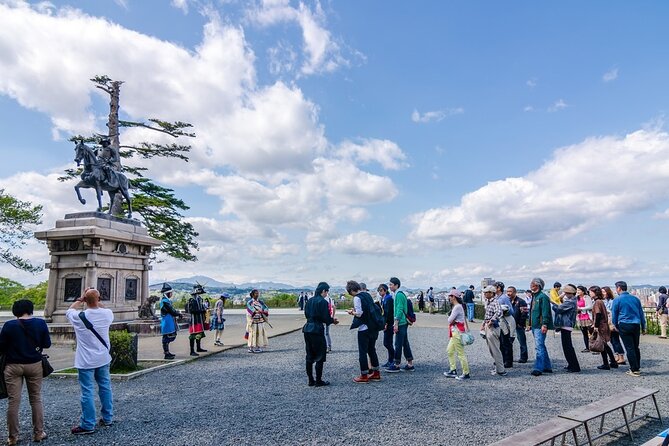
Pick two places, and time does the rest. This half-day private tour is built around flexibility and a government-licensed English-speaking guide, so you can shape the day to your interests instead of racing a fixed route. I like that guides such as Yumi san, Riko, Bob (Ichiro Kusaka), and Koh-san are described as friendly, communicative, and ready to adjust on the fly.
I also like the Sendai to Matsushima pairing, because it lets you go from Date Masamune sites and city views to one of Japan’s most famous scenic bays in a single stretch. The only catch is that it is a walking tour using public transport, and entrance fees, lunch, and transport costs are not included, so your final spend depends on what you choose.
For most people with a tight schedule, that tradeoff is worth it. Just wear comfortable shoes, and be ready to pay for any entry tickets and optional extras you add along the way.
In This Review
- Key points to know before you go
- What makes this half-day private tour a smart fit
- Price and what you actually get for $108.38
- Choosing your 2 to 3 stops without wasting your limited hours
- Zuihoden, Date Masamune’s mausoleum and the architectural angle
- Sendai Castle ruins, the poem connection, and the art of ruins
- SS30 Observation Lounge for fast city perspective
- Chiteinomori Museum, stone age stories you can see
- Kirin Beer Sendai Factory, when you want the local industry angle
- Matsushima Bay: pine-clad islands and the scenic-view payoff
- Zuiganji Zen temple and the fusuma sliding doors to look for
- Fukuuurajima and the red bridge, a short island walk with a fee
- Entsu-in Temple, a mausoleum next to Zuiganji
- Kanrantei tea house, Momoyama style and a view that ties it together
- Godaido at the pier, Matsushima’s symbol in miniature
- Oshima island walk, free access and a bit of extra stretching
- A note on boat time around Matsushima Bay
- Shiogama Shrine and the fish market, a sea-city detour if you want flavor
- Osaki Hachiman Shrine and Mitakisan Fudoin for architecture and healing prayers
- Sendai City Museum and Tohoku History Museum for context when you want more than highlights
- Logistics that matter: walking, public transit, and planning around paid entries
- Who this tour suits best
- Should you book this Sendai and Matsushima half-day private tour?
- FAQ
- How long is the private tour?
- Is this tour private?
- Are entrance tickets included in the price?
- Is there pickup, and is it a walking tour?
- Can I choose which attractions to visit?
- Do I need to reserve anything in advance?
- Is free cancellation available?
Key points to know before you go
- Government-licensed local guide, in English, with past guides including Yumi san, Riko, Bob (Ichiro Kusaka), and Koh-san
- Choose 2-3 attractions from a long menu, so you can skip what does not interest you
- Sendai plus Matsushima in one half-day, a smart pairing if you want history and bay views
- A lot of famous sights are outside the main circuit, like the tea house Kanrantei and the islets near Matsushima
- Walking-based routing, plus public transit at your own cost, so you should plan for steps and transfers
- Some popular options require advance handling, like a Kirin beer factory reservation you need to request ahead of time
Licensed guides working the same ground
- Sendai / Matsushima Full-Day Private Tour with Government-Licensed Guide
★ 5.0 · 18 reviews
What makes this half-day private tour a smart fit
A private half-day tour in a place like Sendai works best when it does two things at once: it gets you oriented fast, and it protects you from spending your limited hours on the wrong stops. This one is priced per person at $108.38, and it is a good value when you count what you gain from a guide who can connect your dots.
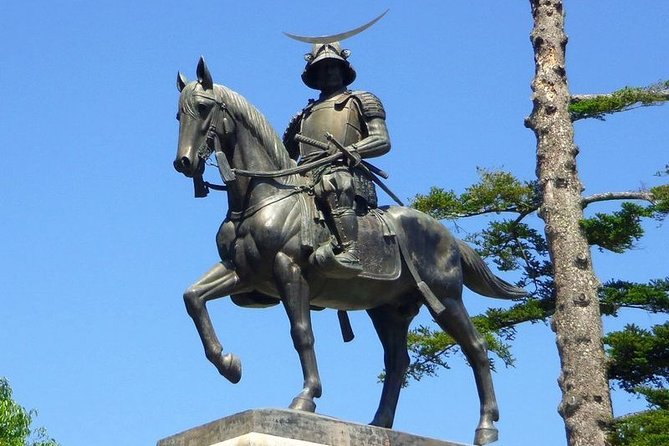
The guide also matters here because your “2 to 3 stops” are not random. If you pick the Date Masamune trail in Sendai and then add Matsushima temples or islet walks, you create a coherent story for the day. That makes photos better too, because you are not just collecting landmarks, you are collecting context.
Price and what you actually get for $108.38
At $108.38 per person for about four hours, you are mostly paying for the private, licensed English guide time and the route-building around the sights you choose. You are not paying for everything else.
Here is how I think about the real cost:
- Included: the guide, and a customizable plan for 2-3 sites
- Not included: transport fees, entrance fees, lunch, and personal expenses
- You should budget extra if you select paid admissions, food stops, or any transit beyond walking
The upside is control. If you want a lighter day, you can select free or low-cost options like several shrine or island walks. If you want a heavier cultural day, you can choose paid entries such as Zuihoden or certain museum time slots and still stay within a half-day.
Also, with an average booking time of about 35 days in advance, do not wait until the last week if your dates are popular.
Choosing your 2 to 3 stops without wasting your limited hours
Your tour is designed around picking from a set list of sights. That is key because Sendai and Matsushima can swallow time fast if you try to DIY everything.
A good strategy is:
- Pick one “anchor” stop in Sendai (history, museum, or viewpoint)
- Pick one big “anchor” in Matsushima (bay, Zen temple, islets, or tea house)
- Use the last choice for either a quick cultural add-on (shrine or temple) or a fun local food or factory angle (like Kirin)
That way you are not rushing through five places and retaining none of it. You keep the rhythm of a real half-day, with time for short pauses, photos, and a better understanding of what you are seeing.
- Sendai Private Izakaya and Bar Tour★ 5.0 · 25 reviews
- Matsushima Private Guided Tour★ 5.0 · 14 reviews
Zuihoden, Date Masamune’s mausoleum and the architectural angle
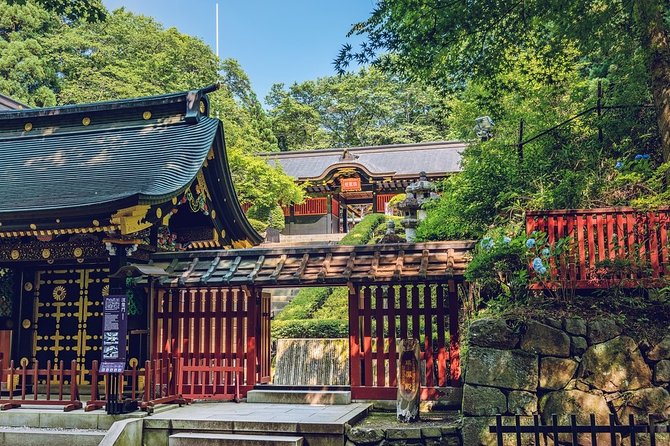
If you like history with a visual pay-off, Zuihoden is a strong first stop. It is the mausoleum of Date Masamune, the first lord of the Sendai Domain. The building is also known for architecture, which is a handy detail to keep in mind once you are there. You are not only looking at a memorial, you are looking at an intentional design that reflects how power and artistry were displayed.
What to watch for:
- How the structure presents itself as both sacred and carefully made
- Any explanatory stops your guide adds to connect Masamune’s role to Sendai’s identity
Possible drawback: if you are not into historical figures or mausoleums, you might find this less engaging than a temple-and-bay day. In that case, you can shift your Sendai anchor to the castle ruins, a museum, or a viewpoint.
Sendai Castle ruins, the poem connection, and the art of ruins
Sendai Castle Ruins are tied to a famous Japanese poem, the one referencing the moon over a desolate castle. That framing changes how you view ruins. Instead of seeing only stone and emptiness, you see a cultural image that has lasted for centuries.
Practical note: ruins can feel underwhelming if you expect a fully restored castle. Here, the value is the interpretation. A good guide can point out what remains and why it matters today.
If you want your Sendai segment to feel literary or aesthetic, pair this with a museum stop afterward, so the story continues instead of stopping at a viewpoint.
SS30 Observation Lounge for fast city perspective
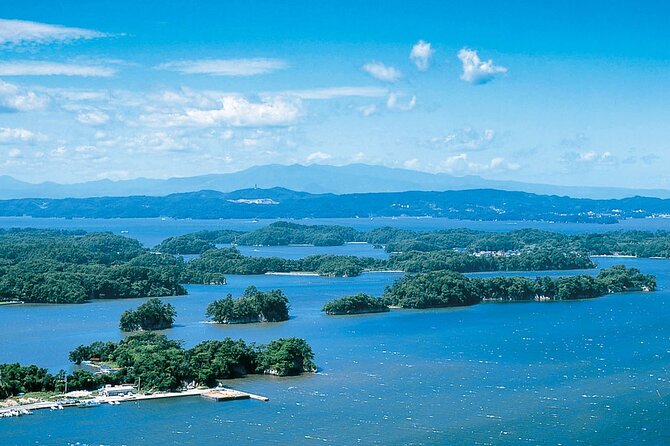
If you want quick orientation, SS30 Observation Lounge is a handy choice. It sits in an office block and offers observation decks, basically a built-in time saver for getting your bearings.
Why I like this option:
- It is a compact way to understand how Sendai spreads out
- It gives you an instant “from above” perspective before you start walking temples or waterfront areas
Consideration: there are limited “things to do” here beyond the views, so it is best as a supporting stop, not your only Sendai choice.
Chiteinomori Museum, stone age stories you can see
Chiteinomori Museum, sometimes described as the Museum of the Forest of Depths of the Earth, focuses on Japan’s stone age story. The content includes how the Saki Stone Age may have looked in the days of old, which is a great change of pace if your day is otherwise castles, shrines, and Zen halls.
This works especially well when you are picking only 2 or 3 stops and want one that is clearly different. It is also a good option on a hot or rainy day because it gives you indoor time without derailing the half-day plan.
Kirin Beer Sendai Factory, when you want the local industry angle
The Kirin Beer Sendai Factory stop is for you if you enjoy how products are made. You can expect explanations about special production methods and a brewery tour related to KIRIN ICHIBAN.
One important detail: you need to make a reservation in advance, and you should ask your guide to help you handle it. That means you should decide early whether this is a must-do, not a last-minute maybe.
Possible drawback: if you forget to line up that reservation, you could end up losing the time window for the tour. For people who like low-planning days, choose a temple or museum first, then treat Kirin as an optional add-on only if your schedule allows.
Matsushima Bay: pine-clad islands and the scenic-view payoff
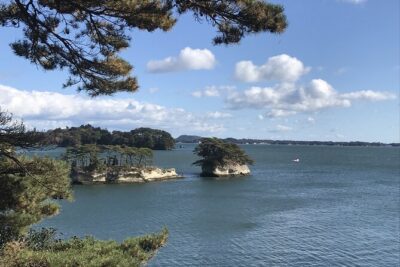
Matsushima Bay is where the tour earns its reputation. It is famous for a bay dotted by pine-covered islets and it has been ranked as one of Japan’s three most scenic views for centuries.
What you should do with this stop:
- Use it as your “wow moment” in the day, then build meaning with temples and island walks
- Pay attention to sightlines from piers and waterfront routes, because Matsushima is all about perspective
If you pick Matsushima as a half-day centerpiece, your guide can help you choose the best mix of bay viewing plus nearby temple and islet experiences so you are not just staring at scenery for hours.
Zuiganji Zen temple and the fusuma sliding doors to look for
Zuiganji is one of the most famous Zen temples in Tohoku. It is especially known for beautifully gilded and painted fusuma sliding doors. Those doors matter because they are not just decoration, they are part of how Japanese art communicates ceremony, status, and atmosphere.
A good guide will explain the temple’s origin, including that Zuiganji was originally founded in 828. That helps you see the site as a long-running place of practice, not just a photo stop.
Practical tip: plan to slow down around the interior features, especially if your route includes multiple temple stops. One highlight viewed carefully beats three highlights rushed past.
Fukuuurajima and the red bridge, a short island walk with a fee
Fukuuurajima is a pine covered island accessible to the public. You reach it via a 252 meter long red painted bridge that costs 200 yen.
This is a good choice if you want variety. You are switching from temple architecture to something closer to a small outdoor stroll on an island viewpoint. The bridge also makes the route feel like a mini journey, not just a short detour.
Consideration: it is not free, so add the 200 yen into your budget.
Entsu-in Temple, a mausoleum next to Zuiganji
Entsuin Temple was built in 1647 next to Zuiganji and it houses the mausoleum of Date Mitsumune, the son of Date Terumune. If you want the Date family story to connect tightly, this is the kind of stop that makes the timeline feel real.
This is also a good “middle stop” that does not require you to keep traveling far. You are already in the temple zone, so it fits a half-day plan well.
Kanrantei tea house, Momoyama style and a view that ties it together
Kanrantei is a Momoyama-style tea house, originally built in Kyoto by Toyotomi Hideyoshi and given to Date Masamune. Over time, it was moved to its current location overlooking Matsushima Bay.
This stop works because it ties art, power, and landscape viewing into one place. Even if you only spend a short time here, the setting should help the bay feel more meaningful, not just scenic.
Godaido at the pier, Matsushima’s symbol in miniature
Godaido is a small temple hall on an islet just next to the pier, and it is often described as a symbol of Matsushima. It was built in 807 and it contains five statues.
This is a great “quick icon” stop. You can often get that classic Matsushima look without turning your day into a long excursion. It also pairs well with either Zuiganji or a nearby islet walk so your route stays efficient.
Oshima island walk, free access and a bit of extra stretching
Oshima is a small pine tree-covered island close to the pier. It is accessed via a short bridge free of charge and offers some pleasant short walks.
If you want to add one more easy outdoor piece without paying more admissions, Oshima is a strong choice. It is also ideal if you want a photo break that feels like part of the Matsushima experience, not just another temple.
A note on boat time around Matsushima Bay
Your core tour is walking-based, but one guide experience shared in the reviews included a boat tour around Matsushima Bay along with a Zuiganji visit. If boat time is part of what you care about, ask your guide about options that fit your chosen stops and time window. It might add cost, but it can turn the bay into a different kind of viewpoint.
Shiogama Shrine and the fish market, a sea-city detour if you want flavor
If you decide to add a “local life” angle, Shiogama makes sense. Shiogama Jinja is a Shinto shrine with buildings dating back to known ninth century origins, and multiple buildings are designated important cultural properties. If you like architectural detail, this is a better-than-average shrine choice because it has that cultural-property recognition built in.
Then you can switch gears to the Shiogama City Fish Market. The market building opened in its current location in 1965, and the market has about a 50-year history at its location. You can expect over 100 seafood stalls with fresh fish.
This pairing is great when you want your day to feel like a real place, not just temples and views. If you choose Shiogama, you may want to prioritize it early in the half-day so you do not feel rushed when you reach the market.
Osaki Hachiman Shrine and Mitakisan Fudoin for architecture and healing prayers
Osaki Hachiman Shrine is a national treasure and features Momoyama-style architecture with intricate wood carvings and vivid lacquer. It was built by Date Masamune in 1607. If you like details you can spot with your own eyes, this is a strong pick.
Mitakisan Fudoin adds a different tone. It was founded in 1865 by a nun named Kato Tane to pray for healing eye diseases and it enshrines Fudo Myo-o, a deity believed to protect eyesight and offer spiritual support. It is the kind of stop that can make your day feel more human and less strictly historical.
These two work well if you want a balanced day of artful design plus a spiritual story, rather than only focusing on scenic Matsushima.
Sendai City Museum and Tohoku History Museum for context when you want more than highlights
If you only pick temples and views, you can still leave with memories. But if you want to understand why things are the way they are, museums help.
Sendai City Museum is set within the Sannomaru enclosure on the site of the remains of Sendai Castle. It exists to preserve, exhibit, and study materials linked to the Date family donation history.
Tohoku History Museum in Tagajo is broader, covering Tohoku’s story from the Paleolithic era to modern times. Its main exhibition hall is divided into sections, so you can absorb more without feeling lost.
Consideration: museums can slow the pace. Since you are choosing only 2 to 3 stops, pick one museum maximum if your goal is also to reach Matsushima and still enjoy the bay.
Logistics that matter: walking, public transit, and planning around paid entries
This is a walking tour. Pickup is offered on foot within a designated area in Sendai, so plan to meet the guide rather than rely on being driven door-to-door.
Transport fees are extra, and private transportation is not included. That means you should expect public buses or trains to be part of the day, especially if your route includes Matsushima (about half an hour outside Sendai). It is doable, but you should build in the reality that you may be walking, waiting, and transferring.
Because entrance fees are not included, it is smart to decide your priorities before booking. Pick the paid sites you really want, then balance them with free shrine or island walks so your total spend stays reasonable.
Also, if you pick Kirin Beer Sendai Factory, remember the reservation requirement and ask your guide early.
Who this tour suits best
This tour is ideal if:
- You have a half-day in Sendai and want both Sendai culture and Matsushima bay views
- You want a private, guide-led day without wasting time figuring out the connections yourself
- You like mixing temple, shrine, history context, and at least one “wow” scenic moment
It might be less ideal if:
- You expect everything to be included, because entrance fees, lunch, and transport cost extra
- You dislike walking-based touring and short transfers, because the tour is designed around steps and public transit
- You want a fully predictable, identical route every time, since the itinerary is chosen from a menu
Should you book this Sendai and Matsushima half-day private tour?
Yes, I think you should book it if your goal is a smarter use of limited time and you want someone to connect the dots between Date Masamune history, Zen temples, and Matsushima’s island views. The value is strongest when you pick 2 to 3 stops that tell a coherent story, like Zuihoden or Sendai Castle ruins plus Zuiganji and an islet walk.
Hold off or choose carefully if you hate planning for paid entries or if you are sensitive to walking and transfers. In that case, reduce your paid choices, keep your Matsushima add-ons to one or two, and make sure your must-do, like Kirin, has the reservation handled early.
If you want a half-day that feels personal instead of checklist-y, this tour is built for exactly that.
FAQ
How long is the private tour?
The tour duration is about 4 hours.
Is this tour private?
Yes. It is a private tour/activity, and only your group participates.
Are entrance tickets included in the price?
No. Entrance tickets are not included, and you should expect to pay admissions separately for any sites that require them.
Is there pickup, and is it a walking tour?
Pickup is offered on foot within a designated area of Sendai, and the tour is described as a walking tour.
Can I choose which attractions to visit?
Yes. You choose a customizable tour of 2-3 sites from the available options.
Do I need to reserve anything in advance?
For the Kirin Beer Sendai Factory stop, you need to make a reservation in advance, and you should ask your guide.
Is free cancellation available?
Yes, you can cancel for a full refund up to 24 hours in advance of the experience start time.
Licensed Guides on the Same Ground
Newest Sendai write-ups from the Loving Japan desk
Half-Day, side by side.
 ★ 5.0Kyoto Arashiyama Bamboo forest & Garden Half-Day Walking TourFrom $129413 reviews
 ★ 5.0Miyajima Half-day Trip Historical Walking TourFrom $109284 reviews
 ★ 4.0Half-day Tokyo Afternoon Tour by Hato BusFrom $41269 reviews
 ★ 4.4Naha, Okinawa: Kerama Islands Half-Day Whale Watching TourFrom $37241 reviews
 ★ 4.6A Half-Day Trip Bus Tour in the MorningFrom $40236 reviews
 ★ 5.0Himeji Half-Day Private Tour with Government-Licensed GuideFrom $109236 reviews
 ★ 4.0Half-day Tokyo Morning Tour by Hato BusFrom $41220 reviews
 ★ 5.0Miyajima Half-day Private Tour with Government Licensed GuideFrom $122184 reviews
Filed on these lists too