
REVIEW · HIROSHIMA AND MIYAJIMA DAY TRIPS
Miyajima Half-day Trip Historical Walking Tour
Miyajima is one of those places that feels both ancient and instantly personal, and this small-group walk gives you the story behind the scenery. I like the tight pacing with cameras in mind, plus the fact that you get fed well with an included Hiroshima local lunch. One thing to consider is that the ferry is extra (500 yen round-trip), and the walking can feel like a lot in summer heat.
You’ll spend about 5.5 hours on the island with a guide who steers you to the big spiritual sites without the guesswork. You also get entrance coverage for shrines, temples, and a museum stop, so the day has a clear value shape from start to finish. My only caution is food limits: vegetarian and vegan lunch options exist but are limited, and allergy-free meals can’t be guaranteed.
In This Review
- Key highlights worth your attention
- Why Miyajima Feels Like Japan in Miniature
- Price Breakdown: What You Pay For (and What You’ll Still Pay)
- Getting There From Hiroshima: Ferry Time and First Views
- Smart Pacing on Foot: The Walk That Actually Makes Sense
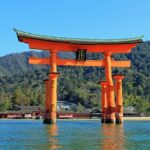
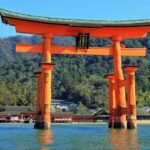
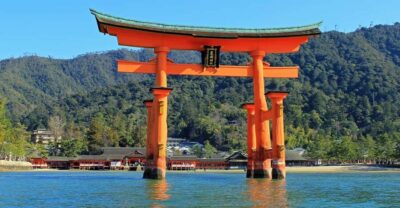
- Ōtorii and Itsukushima Shrine: The Photo Moment With Real Context
- Daishoin Temple, Momijidani Park, and Senjokaku: Where the Quiet Hits
- Daishoin Temple
- Momijidani Park
- Senjokaku
- Lunch on Miyajima: Oysters and Momiji Dumplings Included
- Omotesando Shopping Street: Street Food Without the Chaos
- Tour Guides and the Human Factor
- Walking Comfort: Heat, Shoes, and Tide-Dependent Moments
- Best for Who, Not for Who
- Should You Book This Half-Day Walking Tour?
- FAQ
- How long is the Miyajima half-day historical walking tour?
- What is the price per person?
- Is the ferry to Miyajima included?
- What’s included in the tour besides the guide?
- What does the included lunch include?
- Are vegetarian or vegan meals available?
- Is gluten-free lunch available?
- What if I have allergies?
- Can I cancel and get a refund?
Key highlights worth your attention
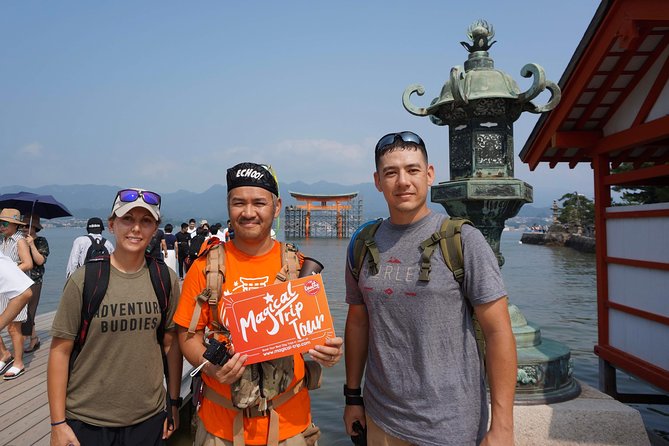
- Max 6 travelers, so you can ask questions and actually keep up with the route
- Included Hiroshima local lunch, with fresh or grilled oysters and momiji dumplings
- Photo-focused timing at the Ōtorii and scenic temple viewpoints
- Entrance fees covered for shrines, temples, and the museum stop
- Ferry costs extra, at 500 yen round-trip, so factor that in early
Pairing the city with Miyajima. Other itineraries
- Hiroshima: Hiroshima and Miyajima UNESCO Sites 1-Day Tour
★ 4.9 · 2,330 reviews - Hiroshima / Miyajima Full-day Private Tour with Government Licensed Guide
★ 5.0 · 1,298 reviews - Hiroshima Historical Walking Tour – Why A-Bomb was Dropped
★ 4.8 · 893 reviews - Hiroshima Peace (Heiwa) Walking Tour at World Heritage Sites
★ 5.0 · 872 reviews
Why Miyajima Feels Like Japan in Miniature
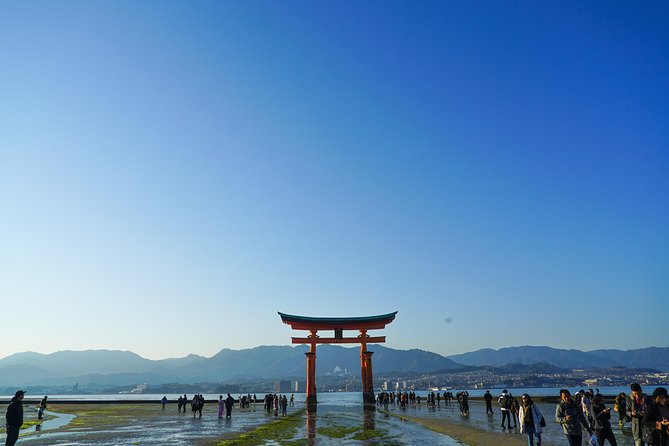
If you like Japan for its layered meaning, Miyajima delivers. The island is visually famous for one silhouette, the Ōtorii at Itsukushima Shrine, but it’s spiritually busy in a good way. You’re not just taking photos. You’re walking through spaces shaped by centuries of worship, pilgrimage, and coastal tides.
What I like about this tour format is that it’s built around understanding, not sprinting. The guide keeps the day moving through key sites, then explains what you’re looking at, from shrine details to Buddhist references at the temple stops. That turns a classic sightseeing island into something you can actually follow.
The group size matters here. With up to six people, you’re less likely to get stuck behind a bus of camera-clutching strangers. You also get a better rhythm for breaks, questions, and photo pauses.
Price Breakdown: What You Pay For (and What You’ll Still Pay)
At $109.43 per person for roughly 5 hours 30 minutes, this is not a budget “just hop on a bus” kind of price. But it’s also not overpriced for what you get.
Here’s how the value typically shakes out:
- Included: entrance fees for shrines, temples, and the museum stop, plus a certified guide, tour photos, and a Hiroshima local lunch
- Not included: the ferry to Miyajima (500 yen round-trip) and any extra foods or drinks you choose to buy
That lunch inclusion is a big part of the math. Miyajima food is often built on oysters and local sweets, and this tour specifically includes oysters and momiji dumplings. If you’re planning to eat anyway, the price feels more like paying for guidance, timing, and admissions, with food bundled in.
One more practical point: you’re getting a mobile ticket, which tends to make the day smoother once you’re on the move. Still, bring a fully charged phone, just in case.
Getting There From Hiroshima: Ferry Time and First Views
Your day starts at the Miyajimaguchi area in Hatsukaichi, at 1-chōme-3-26 Miyajimaguchi. From there, you board a ferry to Miyajima.
Why this matters for the experience: the ferry ride is one of the first chances to see the island’s setting in the Seto Inland Sea. And because the Ōtorii is the visual anchor of Miyajima, seeing it from the water helps you understand why everyone points cameras at that spot.
Also, don’t ignore the extra ferry cost. The tour price covers almost everything else, but the ferry fee is listed separately. Add it to your mental budget so you’re not surprised when you’re ready to board.
- Hiroshima Peace (Heiwa) Walking Tour at World Heritage Sites★ 5.0 · 872 reviews
- Hiroshima in a Nutshell: Morning Bike Adventure★ 5.0 · 524 reviews
- Hiroshima City 4hr Private Walking Tour with Licensed Guide★ 5.0 · 437 reviews
- From Hiroshima: Hiroshima & Miyajima 1 Day Tour with Lunch★ 4.7 · 395 reviews
- Japanesel Archery Experience HIROSHIMA CASTLE SHARAKU★ 5.0 · 387 reviews
Smart Pacing on Foot: The Walk That Actually Makes Sense
This is a walking tour, but it’s designed as a sequence, not a random stroll. You’re guided from stop to stop in a way that prevents two common problems on Miyajima.
First problem: spending time backtracking. Miyajima is compact, but once you’re walking with crowds and deer roaming around, you can waste time wandering.
Second problem: missing the “why.” It’s easy to take a great photo in front of a shrine and move on without context. Here, you get explanations on the spiritual meaning behind what you’re seeing.
The walking itself is doable for most people, but wear shoes you trust. The island has hills and stair-heavy temple access in spots, and you’ll feel it more if the weather is hot. Bring water and a hat, because summer in Japan can be brutal, with extreme heat and humidity.
Ōtorii and Itsukushima Shrine: The Photo Moment With Real Context
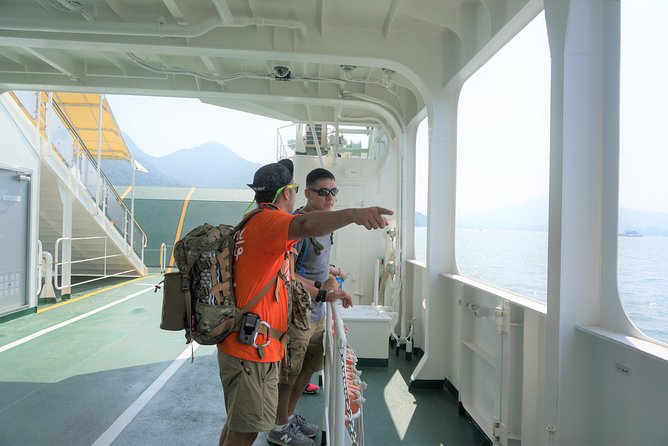
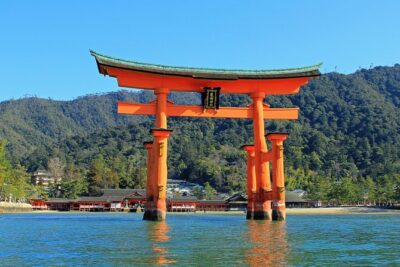
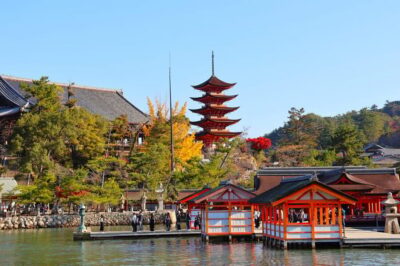
The Ōtorii gate is the headline, but it’s also the doorway. The tour heads toward the Ōtorii and then continues to Itsukushima Shrine, along the coast.
Here’s what makes this stop special:
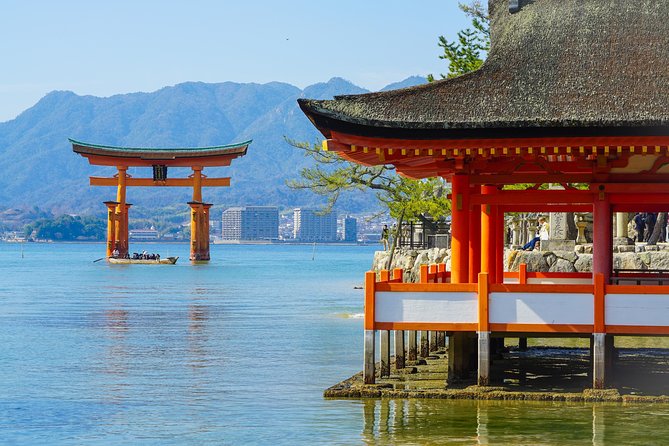
- You see the Ōtorii in its iconic setting, with the shrine architecture tied to the tide and coastal environment.
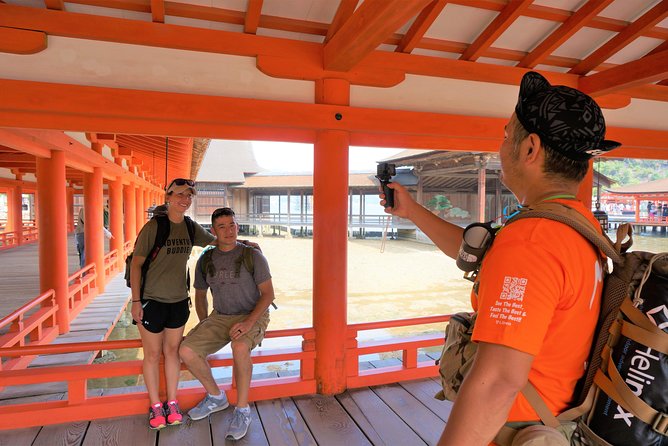
- You get a short story about the shrine’s origins. The architecture is associated with the Heian period (794 to 1192), and the design is known for its ability to endure tidal conditions.
A practical tip that can change your photos: depending on the tide, you may have chances to get closer to the Ōtorii than you expect. One guide-led experience on this kind of itinerary described walking right up to the gate when the tide allowed it, which makes the whole scene feel more immediate than it does from a distance.
Even if you don’t get that extreme closeness, seeing the shrine up close still beats trying to decode it alone.
Daishoin Temple, Momijidani Park, and Senjokaku: Where the Quiet Hits
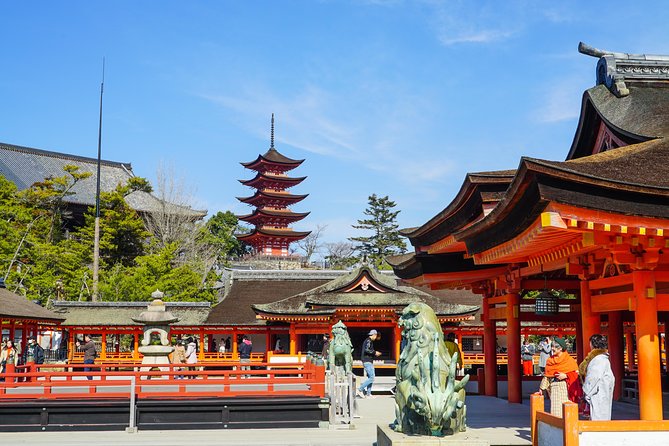
After the coastal shrine stops, the tour moves into the slower, more contemplative side of Miyajima.
Daishoin Temple
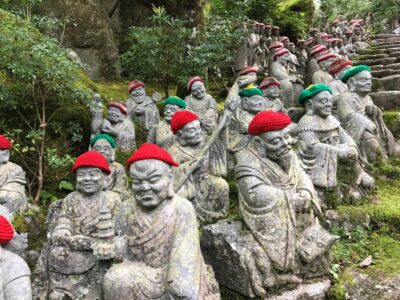
At Daishoin Temple, your guide explains Buddhism and points out statues. This is one of the reasons I like guided walking here. Shrines and temples can look similar from far away if you only skim the surfaces. With explanation, you start noticing the intent behind the carvings and figures.
The stop is shorter than the shrine time, at about 30 minutes. That’s enough to get your bearings and understand what you’re seeing, without turning the whole day into a stair marathon.
Momijidani Park
Momijidani Park is a photo stop with a simple purpose. You’ll take pictures and get a break from the denser shrine zones. It’s also a nice change of pace in the middle of the walk, especially if you came for scenery as much as spirituality.
Senjokaku
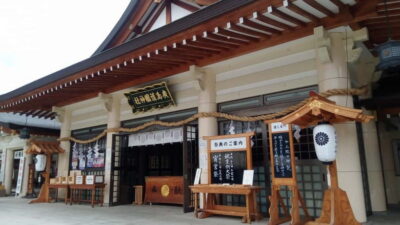
Then you reach Senjokaku, where the guide provides explanations for what you’re looking at. Senjamikaku is connected with a shrine building called the Toyokuni Shrine, and understanding that helps the building make sense beyond its scale.
This trio of stops is how the tour balances “big icon” sites with places that feel more lived-in. It’s not just a greatest-hits list. You’re seeing how Miyajima shifts from postcard views to deeper spiritual space.
Lunch on Miyajima: Oysters and Momiji Dumplings Included
One of the best parts of Miyajima is eating like the island lives for food. This tour includes a Hiroshima local lunch, and it’s built around oysters and momiji dumplings.
You might get fresh or grilled oysters depending on what’s available that day. Either way, it’s a very Miyajima choice, not a generic set menu. And momiji dumplings are one of those local sweets that many people remember long after the walking part ends.
Diet notes you should know upfront:
- Vegetarian and vegan options are available but limited
- Gluten-free lunch is not available
- Allergy-free meals can’t be guaranteed, because food is prepared in kitchens not controlled by the tour provider
If you have a dietary need, communicate it at least one day before the tour. Requests made on the day can’t be accommodated.
Omotesando Shopping Street: Street Food Without the Chaos
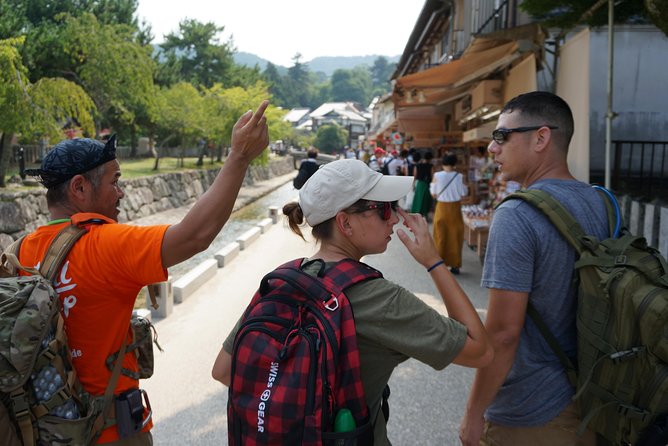
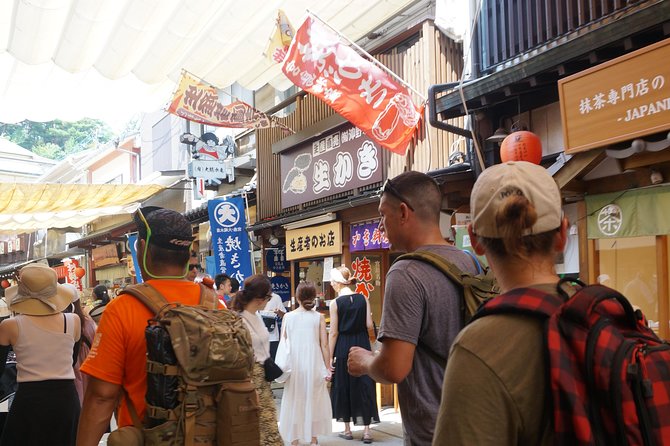
After temples, you get time along Miyajima Omotesando, a lively shopping street with souvenir stores and food stalls.
This stop is where you can decide what kind of traveler you want to be:
- If you want classic snacks, this is your moment for grilled oysters and other island treats.
- If you want a slower wander, you can browse and soak in the atmosphere.
The key difference with having a guide is that you’re not spending your mental energy figuring out where to eat. You’ll know what’s around, and you can make quick choices without freezing your day.
Also, many people love the “Miyajima at human speed” vibe here. It feels less like rushing between temples and more like letting the island happen around you.
Tour Guides and the Human Factor
One thing I appreciate about this type of tour is that the guide experience can shape everything. In the guide names tied to these itineraries, you’ll see a pattern: lots of people remember not just the sights, but the delivery style.
You might be guided by someone like Mariko, Hiro, Yuji, Kaori, Meri, Eri, Hika, Candy, Shun, or Kiki. What they tend to share is a friendly, story-driven approach and a focus on timing. Several experiences also highlighted that guides helped with photo-taking, pacing, and flexible adjustments when weather changed.
That matters because Miyajima is weather-sensitive. If it’s damp or cloudy, shrines still look dramatic. But the day is easier when you have someone keeping you moving at the right speed.
Walking Comfort: Heat, Shoes, and Tide-Dependent Moments
This tour can feel much easier or much harder depending on season.
Summer in Japan is very hot and humid, with highs up to 40°C (110°F). Bring water and wear a hat. If you’re the type who forgets until you’re already tired, set a reminder before you leave.
Also plan for hills and stairs. You will do some climbing at temple sites, so good shoes are not optional.
Finally, tide can change the feel of Miyajima’s most famous sights. If your timing lines up with lower tide conditions, you may get a chance for closer views of the Ōtorii. If not, you’ll still get the spiritual context and the classic coastal framing, which is the core of why this tour works.
Best for Who, Not for Who
This tour is a strong fit if you want:
- A guided route through Miyajima without getting lost in shrine names and shortcuts
- Photo stops with enough time to actually use your camera
- An included lunch that matches the island’s food identity
- A small-group pace that stays friendly and conversational
You might skip it if:
- You prefer total independence and don’t want a schedule, even a flexible one
- You need guaranteed allergy-free meals beyond what’s stated, since allergy-free cannot be guaranteed
- You’re traveling with very specific gluten-free requirements, since gluten-free lunch isn’t available
If you’re visiting Hiroshima and want one “big day trip” that doesn’t turn into chaos, this hits a smart middle ground.
Should You Book This Half-Day Walking Tour?
I’d book it if you want Miyajima done well in one shot. The combination of small group size, entrance fees included, tour photos, and a lunch built around local oysters and momiji dumplings is a practical value mix. You’re paying for someone to steer you through the spiritual highlights with a pacing that keeps the day enjoyable.
The decision comes down to two checks:
1) Are you comfortable with walking in heat or humidity, with stairs and hills?
2) Can you work within the stated food constraints, especially for gluten-free and allergy needs?
If those are yes, this is one of the easier ways to experience Miyajima with meaning, not just snapshots.
FAQ
How long is the Miyajima half-day historical walking tour?
The duration is about 5 hours 30 minutes.
What is the price per person?
The price is $109.43 per person.
Is the ferry to Miyajima included?
No. The ferry fee is not included, and it costs 500 yen round-trip.
What’s included in the tour besides the guide?
Entrance fees to shrines, temples, and a museum stop are included, along with tour photos and a Hiroshima local lunch.
What does the included lunch include?
The lunch is a Hiroshima local option that includes fresh or grilled oysters and momiji dumplings.
Are vegetarian or vegan meals available?
Yes, vegetarian and vegan lunch options are available, but they are limited. You should inform the provider at least one day before the tour for dietary requests.
Is gluten-free lunch available?
No, gluten-free lunch is not available.
What if I have allergies?
Allergy-free meals cannot be guaranteed because the food is prepared in kitchens that do not belong to the tour provider. Requests made on the day may not be accommodated.
Can I cancel and get a refund?
Yes. You can cancel up to 24 hours in advance for a full refund.
Hiroshima and Miyajima Together
Newest Hiroshima write-ups from the Loving Japan desk
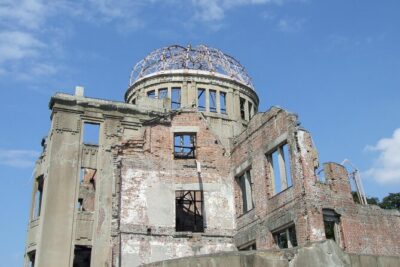
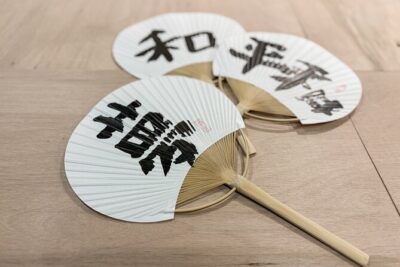
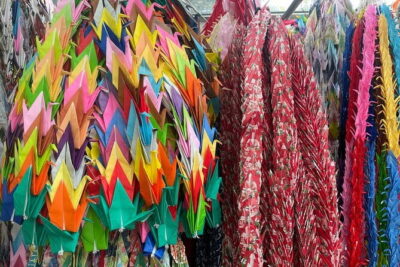
Hiroshima and Miyajima Day Trips, side by side.
 ★ 5.0Peaceful Hiroshima & Miyajima UNESCO 1 Day Bus TourFrom $1295,309 reviews
 ★ 4.9Hiroshima and Miyajima UNESCO Sites 1-Day TourFrom $1222,330 reviews
 ★ 5.0Hiroshima / Miyajima Full-day Private Tour with Government Licensed GuideFrom $2021,298 reviews
 ★ 4.7Osaka/Kyoto: Hiroshima Miyajima Bus Tour & Shinkansen TicketFrom $277919 reviews
 ★ 4.8Hiroshima Historical Walking Tour – Why A-Bomb was DroppedFrom $35893 reviews
 ★ 5.0Hiroshima Peace (Heiwa) Walking Tour at World Heritage SitesFrom $94872 reviews
 ★ 5.0Hiroshima in a Nutshell: Morning Bike AdventureFrom $72524 reviews
 ★ 5.0Hiroshima City 4hr Private Walking Tour with Licensed GuideFrom $122437 reviews
Filed on these lists too