
REVIEW · ARASHIYAMA AND THE BAMBOO GROVE
Kyoto Arashiyama Bamboo forest & Garden Half-Day Walking Tour
Arashiyama is all about the quiet surprises. This half-day walking tour stitches together bamboo, gardens, and Zen temples with a small group, max seven, so you get time for explanations instead of just rushing photos. I especially like that the temple and garden entrance fees are included, and the day ends with a Kyoto-style lunch near the river.
One thing to consider: this is still real walking in Kyoto. Plan for stamina, and if you have mobility limits, this one may feel like a squeeze.
Small group attention (up to seven people)
Entrance fees included for two temples plus one garden
Kyoto lunch near Togetsukyo Bridge, plus matcha and a small tea snack
Guide-led stops from Hokyoin to Tenryu-ji World Heritage
Photos taken during the walk so you can focus on seeing
In This Review
- Small-group Arashiyama: what max seven really means
- Price and value: what you’re paying for (and what you’re not)
- Meeting near Saga-Arashiyama and how the timing feels
- Hokyoin Garden stop: a quiet taste of Kyoto atmosphere
- Sagaogurayama Donomaecho: where you practice calm walking
- Bamboo Forest Street: how to get photos without losing the plot
- Okochi Sanso Garden: the serene viewpoint break
- Lunch near Togetsukyo Bridge, plus matcha and tea snack
- Tenryu-ji Temple: Zen gardens and World Heritage context
- Ending at Togetsukyo Bridge souvenir street: finish strong, not rushed
- Who this Arashiyama walk suits best, and who should skip it
- Should you book Kyoto Arashiyama Bamboo forest & Garden?
- FAQ
- How long is the Kyoto Arashiyama Bamboo forest & Garden walking tour?
- What is included in the tour price?
- Are temple and garden entrance fees covered?
- What food options are available for lunch?
- Where do I meet the guide and where does the tour end?
- Is this tour suitable for people with mobility issues?
Small-group Arashiyama: what max seven really means
Arashiyama can feel like a theme park if you only hit the bamboo at peak hours. This tour works differently. By keeping the group to seven or fewer, you get a calmer pace, more eye contact from your guide, and chances to ask real questions when something doesn’t make sense.
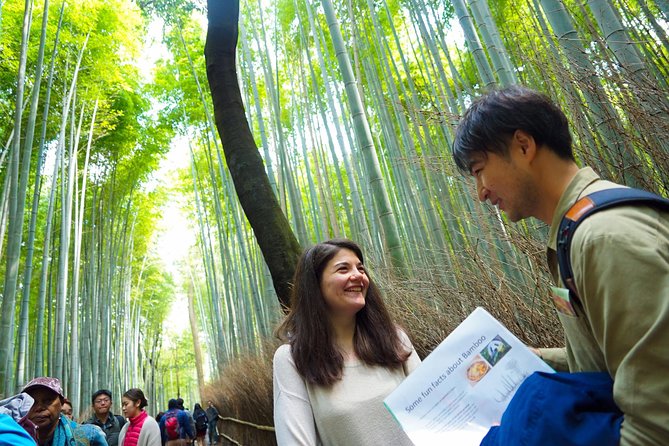
That small size also changes how the temples and gardens feel. Instead of weaving through crowds like a loose backpack train, you can actually pause, look closely, and let the place sink in for a few minutes. Guides on this experience are praised for storytelling, humor, and practical context. I love that you’re not left staring at signs alone.
Still in Arashiyama? Keep going west
- Kyoto: Fushimi Inari, Kinkakuji, Bamboo Grove 1 Day Bus Tour
★ 4.8 · 4,316 reviews - Osaka/Kyoto:Kinkakuji,Arashiyama,FushimiInariShrine,NaraPark
★ 4.1 · 1,596 reviews - Kyoto/Osaka: Nara, Fushimi Inari Taisha, Arashiyama Bus Tour
★ 4.7 · 1,275 reviews - Kyoto Arashiyama Walking Tour: Bamboo, Monkeys, Gardens & Secrets
★ 5.0 · 1,216 reviews
Price and value: what you’re paying for (and what you’re not)
At $129.33 per person for about five hours, the price is easiest to justify when you focus on what’s included. You’re not just buying a walking route. You’re getting:
- Entrance fees covered for two temples and one Japanese garden
- A Kyoto-style lunch near Togetsukyo Bridge
- A matcha drink plus a small tea ceremony snack
- A certified guide (MagicalTrip)
- Tour photos provided after your walk
If you were to do Arashiyama on your own, you’d likely pay for temple/garden admission, spend time figuring out the best order, and still end up negotiating crowds at the bamboo. This tour bundles the “hard parts,” so you spend your effort on enjoying the scenery instead of logistics.
Meeting near Saga-Arashiyama and how the timing feels
The tour starts at Sagatenryuji Station North Exit, at the taxi stand area. It’s convenient because it’s tied to public transit, not a complicated “meet me at the hidden alley” setup.
The total time is listed as about five hours, but the day is paced around short, meaningful stops. Some segments are brief (like a garden peek), while others give you time to sit, look, and listen (like Okochi Sanso Garden and Tenryu-ji). One review noted the walk can add up, so bring comfortable shoes and don’t treat this like a casual stroll.
Weather matters in Kyoto. The tour info calls out temperature extremes, and it may be canceled for safety in unsuitable conditions. I’d plan clothing that works both for sun and sudden shade in the river corridor.
Hokyoin Garden stop: a quiet taste of Kyoto atmosphere
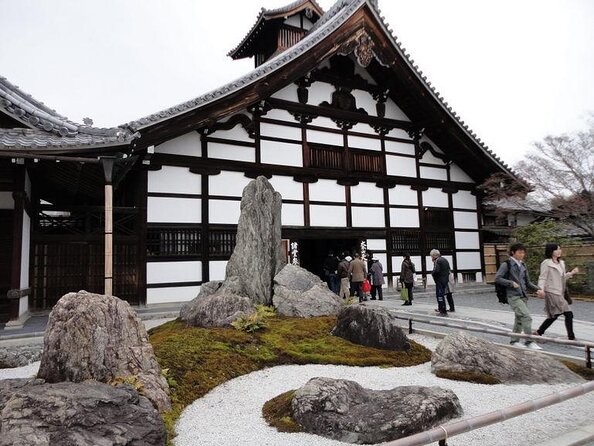
Your first real mood shift is Hokyoin (Hokyoin Temple), a smaller garden stop that many people miss. This is the kind of place that makes you understand why Arashiyama became a destination for centuries of temple visitors.
Expect a hidden garden vibe and an “arrive, slow down, and look” feel. The visit is short, about 15 minutes, but with a guide there to translate what you’re seeing, it doesn’t feel like a rushed checkbox. Entrance is included, so you’re not forced into extra payments before you even settle in.
Practical note: the tour includes Buddhist and Shinto spaces, and they explicitly ask for respectful clothing. That doesn’t mean formal dress, but it does mean dress like you’re visiting sacred sites, not just sightseeing in whatever is comfortable.
Slower gardens, if the schedule allows
- Kyoto Arashiyama Walking Tour: Bamboo, Monkeys, Gardens & Secrets★ 5.0 · 1,216 reviews
- Kyoto Zen Meditation & Garden Tour at a Zen Temple with Lunch★ 5.0 · 441 reviews
- Kyoto: Zen Experience in a Hidden Temple★ 5.0 · 437 reviews
- Kyoto Arashiyama Bamboo forest & Garden Half-Day Walking Tour★ 5.0 · 413 reviews
- Kyoto: Tea Ceremony Meditation – Make Matcha with Tea Master★ 4.8 · 406 reviews
Sagaogurayama Donomaecho: where you practice calm walking
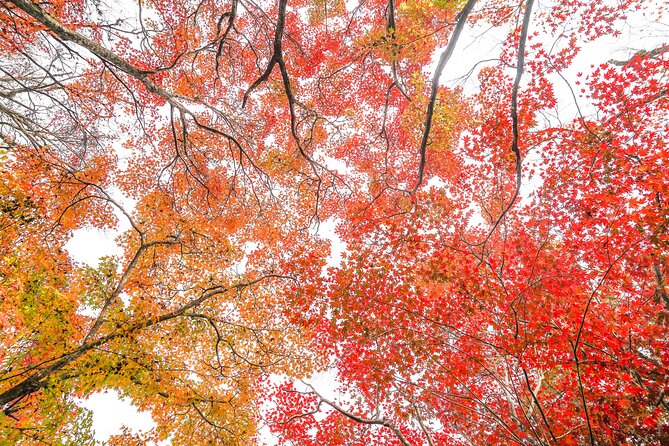
Next comes Sagaogurayama Donomaecho, described as having hidden gems and a local feel. This portion is about an hour, and it’s a nice breather between major landmark photo moments.
Because it’s mostly free to enter, you get a more spontaneous walking experience. Your guide’s job here is to help you notice details. In Arashiyama, those details are the difference between a generic bamboo visit and a real sense of place: the angles of rooftops, the flow of small side streets, and the way people move when they’re not in a big crowd.
If you like photography, this is useful too. You can practice framing and wait for good light without dragging your feet at the busiest spots.
Bamboo Forest Street: how to get photos without losing the plot
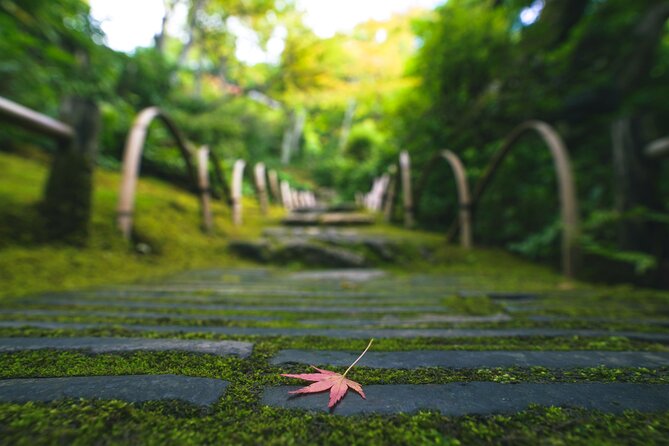
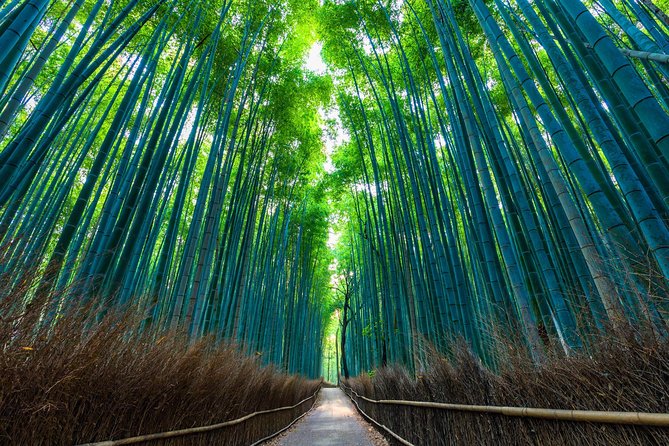
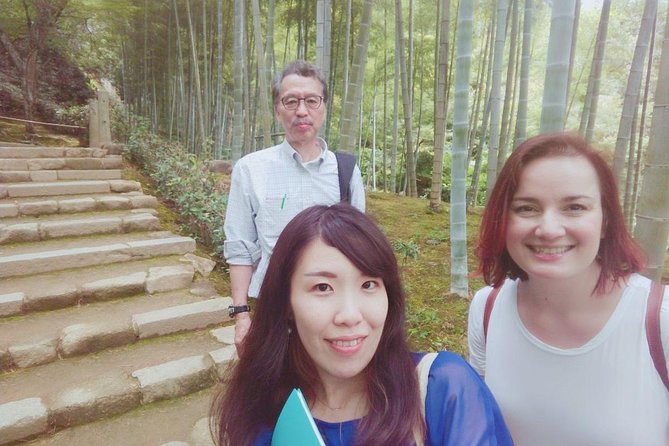
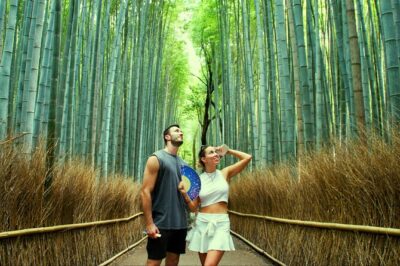
Yes, you came for the bamboo. This tour gives you about 15 minutes at Bamboo Forest Street, focusing on walking through the grove and getting good pictures.
Here’s the practical truth: bamboo is easy to overdo if you treat it like a single photo mission. With a guide, the time feels more intentional. You’ll get tips for where to stand, how to work the lines of the grove, and how to capture images that don’t look like every other bamboo shot.
One big theme from the positive feedback is seeing Arashiyama beyond the bamboo alone. That matters because bamboo can be intense. The rest of the day helps you balance the energy with temples, gardens, and calmer viewpoints.
My advice: treat the bamboo like the opening scene. Spend your minutes well, then enjoy what comes after.
Okochi Sanso Garden: the serene viewpoint break
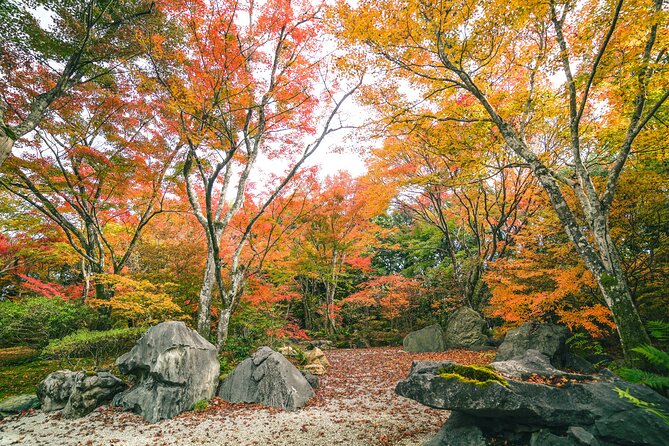
Then you move into Okochi Sanso Garden, with around 45 minutes on-site. This is the kind of garden stop that turns Arashiyama from “pretty” into “memorable,” because it’s designed for slow looking.
Okochi Sanso is known for garden planning and layered views, and the tour includes the garden entrance fee. You’re not just walking through shrubs. You’re seeing how the space stages scenery, like a living set.
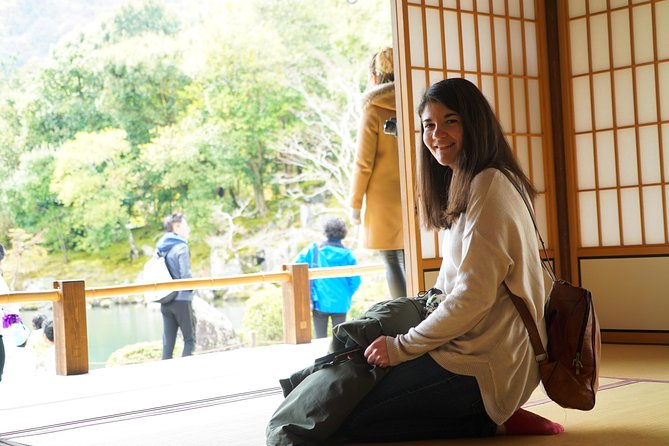
The best time to enjoy gardens is when you can sit for a minute and stop trying to photograph everything at once. You’ll get that opportunity here, and the guide’s commentary can help you understand why certain plants and angles matter.
I also like this segment because it balances the bamboo’s excitement. The garden feels like a reset button.
Lunch near Togetsukyo Bridge, plus matcha and tea snack
Around Togetsukyo Bridge, the tour builds in about an hour for lunch, and it’s framed as an authentic Kyoto-style meal. This is a smart choice. The river area is scenic, and stopping here means you’re not eating in a random convenience-store gap.
A matcha drink and a small tea ceremony snack are included as well, giving you a taste of Kyoto rituals without turning the day into a formal class. If you’ve ever been disappointed by “matcha” that’s just sugar and green color, this is the chance to do it properly.
Diet matters. The tour offers vegetarian, vegan, and gluten-free options, but they’re limited. You’re asked to request at least one day in advance, and requests made on the tour day cannot be guaranteed. Also, the info notes they can’t guarantee allergy-free meals because the food is prepared in kitchens that do not belong to the operator. If you have serious allergies, you’ll want to plan carefully and confirm directly with the tour team ahead of time.
Reviews praise the lunch as impressive and even fancy. Whether you’re traveling solo, as a couple, or with friends, a well-run lunch stop is one of the biggest markers of tour quality, and this one seems to deliver.
Tenryu-ji Temple: Zen gardens and World Heritage context
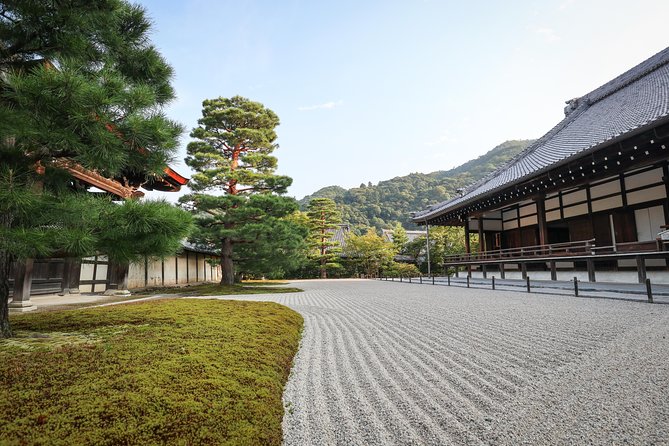
After lunch, you head to Tenryu-ji Temple, a World Heritage site. This is your heavier cultural stop, with about 30 minutes plus guide commentary.
Tenryu-ji is famous for Japanese garden design and also for Zen-related visual culture, including Zen paintings discussed with your guide. The value here is interpretation. Without someone to explain the ideas, you might just see beautiful scenery. With the commentary, you start to understand what the garden layout is trying to communicate and why these spaces were built for contemplation.
Reviews often highlight guides who make the temple feel alive. Names that came up include Masa, Yuki, Josh, Hiroko, Yumi, and Kana, all praised for connecting history and culture to what you’re standing in. Even if your guide’s style differs, the structure stays the same: you’re not sent in alone with a ticket. You get context, then time to look.
This stop is also a reminder to slow your pace. Shrines and temples ask a quieter tone. If you show up in tourist-speed mode, the place won’t feel right.
Ending at Togetsukyo Bridge souvenir street: finish strong, not rushed
The tour wraps at Togetsukyo Bridge with about 20 minutes to close out. You end around the main souvenir street, and the end point can vary slightly depending on where your lunch restaurant is.
This final stretch is useful. The bridge area is a classic Arashiyama photo spot, and those last minutes help you transition from “guided walking” to “free explore.” It’s also a good time to pick up small souvenirs without being forced to shop while everyone is still moving.
My favorite way to use these minutes is simple: stand where the river view lines up, take one or two good photos, then actually look at the movement of boats and pedestrians rather than only your camera screen.
Who this Arashiyama walk suits best, and who should skip it
This tour fits you best if you want:
- A small-group Kyoto experience that avoids the crush feeling
- A route that includes bamboo, gardens, and a World Heritage temple
- Clear structure, with entrance fees and lunch handled
- Photos provided afterward, so you’re not stuck being the photographer
It may not fit as well if:
- You have mobility issues. The tour explicitly says it’s not recommended for travelers who struggle with walking. If that’s your situation, a private tour is recommended so you can control pace and seating breaks.
- You dislike eating in scheduled windows. Lunch is included and built into the flow.
It also helps if you like learning a bit along the way. Some guides are praised for adding extras like a quick kanji lesson or pointing out small local treats such as an acidic yogurt drink. You don’t have to be a culture-history superfan, but you’ll enjoy it more if you’re curious.
Should you book Kyoto Arashiyama Bamboo forest & Garden?
If you’re trying to decide between DIY Arashiyama and a guided walk, I’d lean guided for this one. The reason is value plus timing. You’re not only seeing the bamboo, you’re also getting Hokyoin, Okochi Sanso Garden, and Tenryu-ji, with entrance fees covered and a real lunch included. Add in matcha, the tea snack, and photos after, and it becomes a well-rounded half day.
Book it if you want a calmer experience, guided context at key temple stops, and a day that feels more like Kyoto than like a scavenger hunt. Skip it if you want maximum flexibility with zero structure, or if your walking stamina is limited.
If you do book, do one more thing for your own comfort: pack water, plan respectful temple clothing, and wear shoes you’d trust on uneven garden paths. Then go enjoy what Arashiyama does best, big nature drama in bamboo, followed by the quiet intelligence of Zen gardens.
FAQ
How long is the Kyoto Arashiyama Bamboo forest & Garden walking tour?
It runs for about 5 hours (approx.).
What is included in the tour price?
Entrance fees to temples and a Japanese garden, a matcha drink with a small tea ceremony snack, photos during the tour, and lunch (with limited vegetarian/vegan/gluten-free options) are included.
Are temple and garden entrance fees covered?
Yes. Entrance fees are included for two temples and one Japanese garden.
What food options are available for lunch?
Vegetarian, vegan, and gluten-free options are available but limited. You should request dietary needs at least one day before the tour.
Where do I meet the guide and where does the tour end?
You meet at 嵯峨嵐山駅北口タクシー乗り場 (Sagatenryuji Station North Exit taxi stand area). The tour ends near Togetsukyo Bridge, around the main souvenir street, and it may vary depending on the lunch location.
Is this tour suitable for people with mobility issues?
The tour is not recommended for people with mobility issues. If walking is difficult for you, the information suggests booking a private tour instead.
Gardens Worth Slowing For
Further Into Arashiyama

Newest Kyoto write-ups from the Loving Japan desk

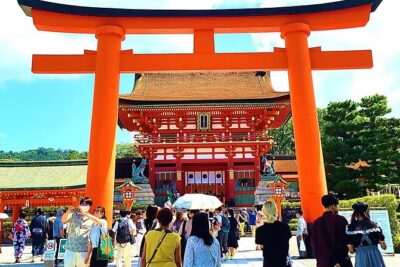
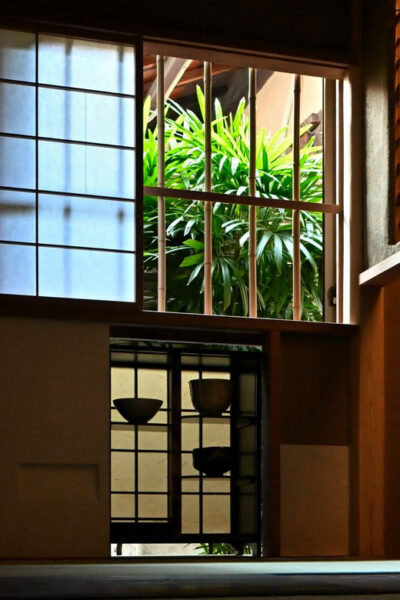
Arashiyama and the Bamboo Grove, side by side.
 ★ 4.8Fushimi Inari, Kinkakuji, Bamboo Grove 1 Day Bus TourFrom $1224,316 reviews
 ★ 4.1Osaka/Kyoto:Kinkakuji,Arashiyama,FushimiInariShrine,NaraParkFrom $661,596 reviews
 ★ 4.7Kyoto/Osaka: Nara, Fushimi Inari Taisha, Arashiyama Bus TourFrom $521,275 reviews
 ★ 5.0Kyoto Arashiyama Walking Tour: Bamboo, Monkeys, Gardens & SecretsFrom $651,216 reviews
 ★ 4.8Arashiyama Bamboo, Temple, Monkeys, or Secret Sake BreweryFrom $87886 reviews
 ★ 5.0Arashiyama Bamboo Forest, Monkeys, Matcha & Temple TourFrom $53759 reviews
 ★ 4.4Osaka/Kyoto: Arashiyama, Nara & Fushimi Inari Shrine w/LunchFrom $61754 reviews
 ★ 5.0Nijo, Kinkaku-ji, Arashiyama, Kiyomizu & Fushimi InariFrom $51699 reviews
Filed on these lists too