
REVIEW · FOOD & DRINK
Tokyo After 5: Authentic Japanese Food & Drink Night Tour
Food hunts in Tokyo beat pure sightseeing. This after 5 walking tour strings together monjayaki sizzle, yakitori alley energy, and a real local-food rhythm in neighborhoods where nightlife actually lives. It’s built for people who want Tokyo food culture, not just photos.
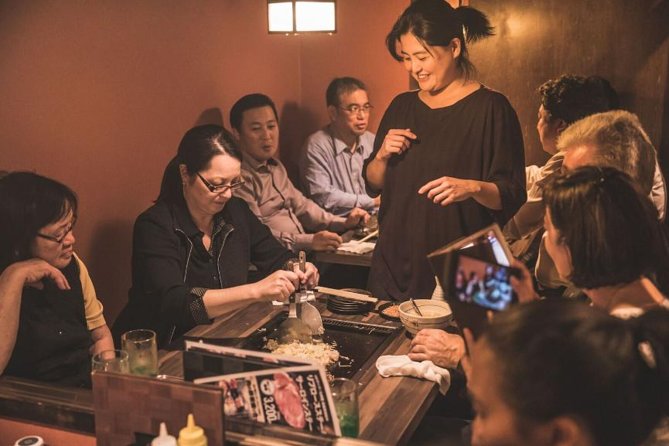
Two things I like a lot: you get hands-on with monjayaki on a hot grill at Tsukishima Monja Street, and you finish with yakitori plus drinks in Yurakucho’s small-bar lanes. Add in a guide who can help translate menus and explain food customs, and the night feels easier to navigate.
One possible drawback to think about first: this tour does not offer vegetarian, vegan, or gluten free options. If your meal needs are strict, you’ll want to plan something else.
In This Review
- Key highlights that make this tour worth your evening
- Ginza after 5, with a food plan that actually works
- Price and value: what $122.33 buys you in real terms
- Meeting point at Mitsukoshi Ginza: start on time, start together
- Stop 1: Mitsukoshi Ginza and wagashi to set the tone
- Stop 2: strolling Ginza and the Itoya stationery detour
- Stop 3: Tsukishima Monja Street, where cooking monjayaki is the main event
- Stop 4: Yurakucho’s Yakitori Alley, tare sauce, and a final drink
- Guides make the difference: you might want to ask for Yuko
- Pacing and walking: what 3.5 hours feels like in the real world
- Food and drink reality check: what is included, and what is not
- What to do with the knowledge you gain on this tour
- Who this tour suits best, and who should skip it
- Should you book Tokyo After 5? My practical take
- FAQ
- What is the duration of the Tokyo After 5 night tour?
- Where does the tour start and where does it end?
- What food is included on the tour?
- What drinks are included?
- Are alcoholic drinks served to everyone?
- Does the tour have vegetarian, vegan, or gluten free options?
- How many people are in the group?
- Is there a lot of walking involved?
- Can I cancel for a full refund?
- Does the tour run in any weather?
Key highlights that make this tour worth your evening
- Three food stops with real local flavors: yakitori, monjayaki, and wagashi
- Tsukishima Monja Street cooking moment: you’ll watch and cook your monjayaki at the table
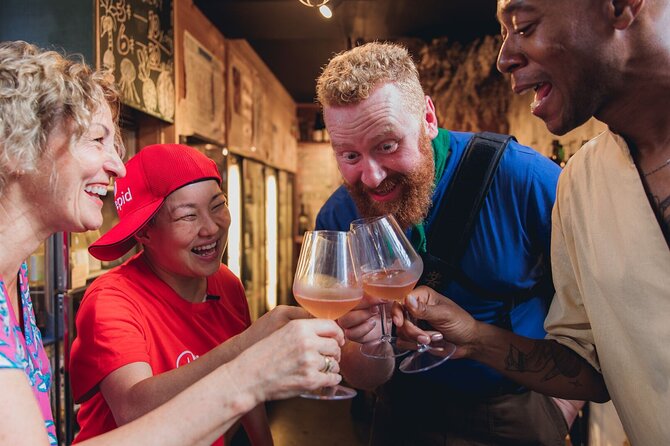
- Two included drinks: beer or sake (plus soft drink options if needed)
- Ginza at the right time: you meet right after the shops and office crowds start their evening shift
- Public transport built in: you get subway tickets so you are not figuring it out solo
- Small group size (up to 8): easier questions, easier pacing, less waiting around
Still weighing up options in Tokyo? These are the ones our reviewers rated highest.
- Mt Fuji and Hakone 1-Day Bus Tour Return by Bullet Train
★ 5.0 · 26,383 reviews - 1-Day Tokyo Bus Tour
★ 5.0 · 14,250 reviews - Tokyo: teamLab Planets TOKYO Digital Art Museum Entry Ticket
★ 4.6 · 9,779 reviews - Mt Fuji & Hakone Cruise, Drum Show Bullet Train 1 Day from Tokyo
★ 4.0 · 7,413 reviews
Ginza after 5, with a food plan that actually works
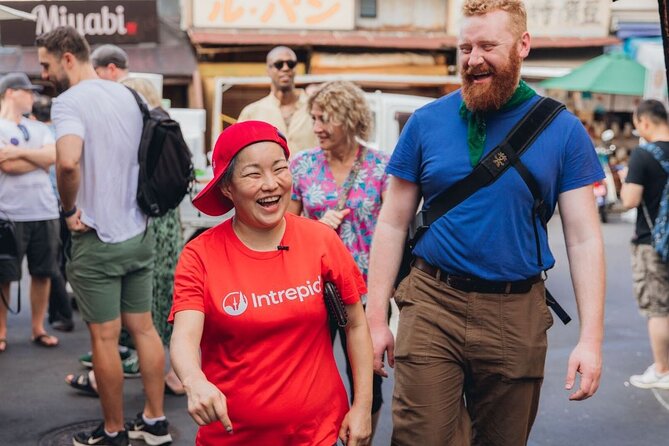
Tokyo at night can feel like a maze, especially in Ginza, where everything looks polished and expensive. This tour helps you swap guesswork for a clear sequence of bites, starting at a major landmark and ending in a classic izakaya-style bar zone.
I like that the itinerary is structured around what you can do at night. You’re not just walking through bright streets. You’re timing the meal stops with the city’s after-work energy, so you get the atmosphere that makes Japanese bar food fun.
Price and value: what $122.33 buys you in real terms
At $122.33 per person, this is not a bargain snack crawl. But it also isn’t just a long walk with a few samples.
In about 3 hours 30 minutes, you’re paying for:
- Three local food tastings across different styles (sweet wagashi, savory monjayaki, grilled yakitori)
- Two included drinks (beer or sake, with non-alcoholic service for those under 20)
- A guide to translate menus and explain food customs
- Transport support with 2 subway tickets included
- A small-group setup (max 8), which usually makes interaction smoother
If you enjoy sake or beer and you like learning what you’re actually eating, the price can make sense fast. If you’re not interested in alcohol and you are only looking for one big meal, you may feel like it is more tasting-focused than dinner-focused.
Meeting point at Mitsukoshi Ginza: start on time, start together
You meet at Mitsukoshi Ginza in central Tokyo, right in front of the Lion statue facing Chuo Street. The tour notes stress starting on time, so arrive a few minutes early, grab a rest break if you need one, and then lock in with your group.
This matters because you’ll be moving quickly after the first stop. A tiny delay can ripple, especially once the route shifts from Ginza into other areas by subway.
- Mt Fuji and Hakone 1-Day Bus Tour Return by Bullet Train★ 5.0 · 26,383 reviews
- 1-Day Tokyo Bus Tour★ 5.0 · 14,250 reviews
- Tokyo: teamLab Planets TOKYO Digital Art Museum Entry Ticket★ 4.6 · 9,779 reviews
- Mt Fuji & Hakone Cruise, Drum Show Bullet Train 1 Day from Tokyo★ 4.0 · 7,413 reviews
- Tokyo: Shinjuku Food Tour (13 Dishes at 4 Local Eateries)★ 5.0 · 6,603 reviews
Stop 1: Mitsukoshi Ginza and wagashi to set the tone
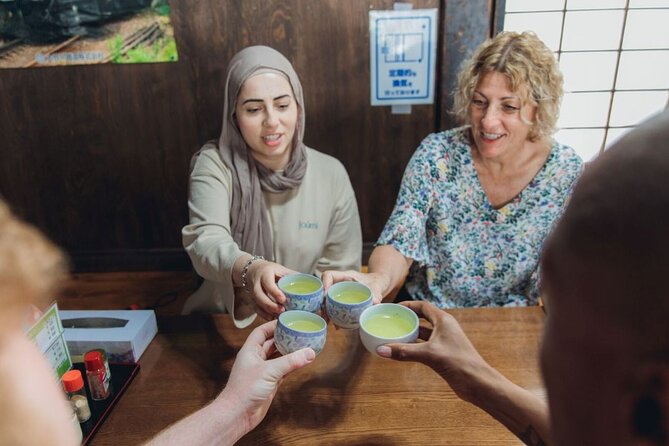
The first bite zone is Mitsukoshi Ginza, one of those department-store landmarks that feels like Tokyo on a postcard. You’ll have a wagashi sampling here, which is a smart opener because it teaches you how Japanese sweets fit into the culture of the evening.
Wagashi can be delicate, so it’s not about filling you up. It’s about changing your palate and getting you into the mindset of tasting rather than rushing.
Practical note: Mitsukoshi is a busy retail environment. If you like photos, you’ll have better chances before the group starts moving.
Stop 2: strolling Ginza and the Itoya stationery detour
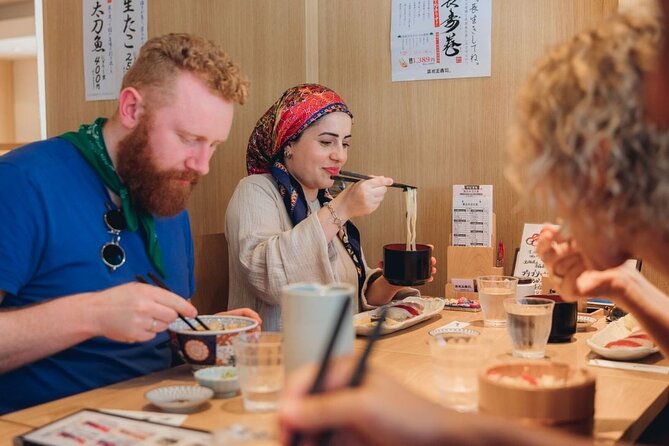
After wagashi, the tour keeps you in Ginza for a short stroll with lights, people, and that high-polish Tokyo vibe. There may be a stop at Itoya, the famous stationery store. Even if you are not a stationery person, it’s a fun sensory break because it shows how Tokyo treats everyday items like they matter.
This leg is also your “settle in” period. You’ll get a bit of walking context, a sense of where you are relative to major streets, and time for your guide to set up what comes next at Monja Street.
Stop 3: Tsukishima Monja Street, where cooking monjayaki is the main event
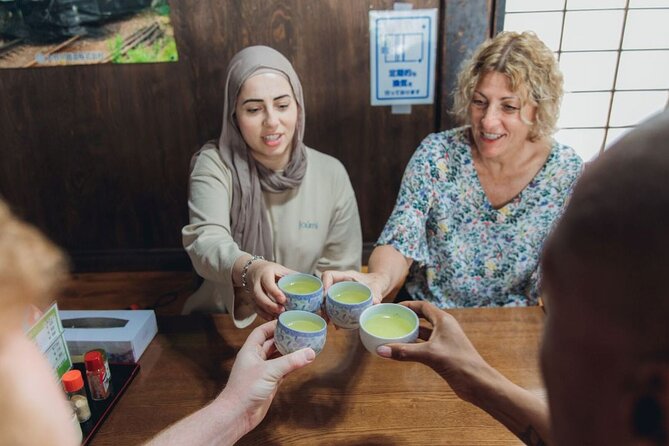
This is the heart of the night.
You take the subway to Tsukishima Monja Street, a Tokyo specialty area known for monjayaki, a pan-fried pancake that differs from many visitors’ expectations. The food is cooked at the grill in front of you, and you get to work with it at the table while chatting with your chef and guide.
What I like about this stop is that it turns food into an experience you can understand. You hear how monjayaki’s origin and style connect to the local food scene, and you watch the sizzle, smell the sauce, and see the texture change as it cooks.
A couple of practical tips:
- Come hungry enough to enjoy the texture and not just the taste. Monjayaki can be a little different in feel than you might expect.
- Expect the cooking to be interactive. If you are shy about speaking, you can still follow along with the guide doing the translation.
- If you do not love cabbage-based dishes, this is where you decide whether you are game. Some monjayaki styles include cabbage.
Stop 4: Yurakucho’s Yakitori Alley, tare sauce, and a final drink
From Tsukishima, you head to the finishing zone in Yurakucho, in the direction of Yakitori Alley and the farm-to-table dining alley area. The focus here shifts from pancake cooking to grilled skewers and bar atmosphere.
You’ll sample yakitori, and you’ll notice the flavor differences from place to place because each spot can use its own tare sauce. That’s a big part of why this stop feels like more than one type of chicken on a stick.
Then comes the drink portion. You’ll sip sake or beer with the yakitori, in a setting that fits Tokyo’s after-hours crowd. The goal is to let the food and conversation slow down just enough to make the meal feel like an evening out, not a rushed sprint.
The tour ends at Ginza Station area, but you can keep the night going in the area if you want. It’s one of those routes where you leave with energy, plus some clear ideas of where to eat next.
Guides make the difference: you might want to ask for Yuko
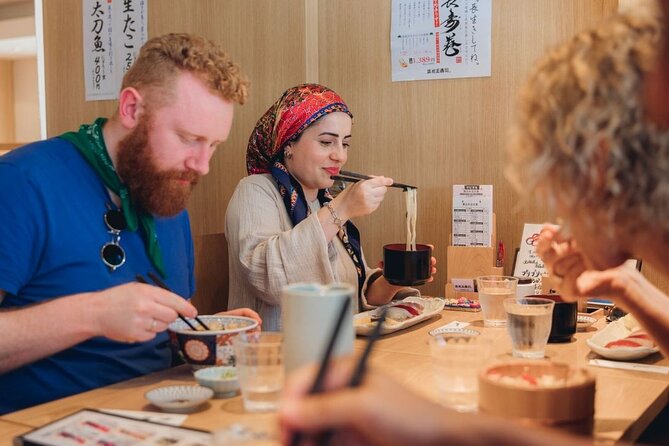
This tour can feel like a highlight or a blur, and the guide is a big part of that swing.
From the named guides you may see attached to this experience, Yuko is repeatedly recommended for making the subway and neighborhood transitions smooth, plus for guiding you through monjayaki and the sake experience in a way that feels fun and not confusing. Other guide names you might encounter include Mizuki, Rocky, Shohei, and Yuki. Different guides bring different styles, but the best ones do two things well: they translate clearly and they connect the food to local habits.
If you want the most value, go with questions. Ask how to order, what to try first, and what you should focus on as you eat. The tour’s structure is built to make those conversations natural.
Pacing and walking: what 3.5 hours feels like in the real world
This is a moderate walking tour. It’s not a couch-to-couch museum stroll.
You should expect a fair amount of street time plus stair-and-sidewalk transitions while moving between neighborhoods. Even with subway rides, you will be on your feet. Comfortable shoes matter here, especially if you are the type who likes to wander slowly after dinner.
Also, the timing can be tight around first stops. If your group is late, it can throw off the smooth flow. This is why arriving early at Mitsukoshi helps your whole night.
Food and drink reality check: what is included, and what is not
You’ll get:
- Three local dishes: yakitori, monjayaki, and wagashi
- Two included drinks: beer or sake (soft drinks if alcohol service is not available for your age)
- Subway tickets to cover key transfers
What is not included:
- Additional drinks beyond the two included
Alcohol details are important in Tokyo. The legal drinking age is 20, and if you are under 20, you’ll be served non-alcoholic drinks instead. If that applies to someone in your group, it’s good to know the tour still works because the beverage part is adjusted.
Dietary restrictions are the tougher part. This experience does not offer vegetarian, vegan, or gluten free options, so you should treat it as a meat and wheat-friendly outing.
What to do with the knowledge you gain on this tour
The guide’s job is not just to feed you. It’s to help you read the food culture.
By the end of the night, you should better understand:
- How Japanese bar snacks pair with drinks like sake and beer
- How monjayaki cooking works and why it feels social at the table
- Why yakitori isn’t one-size-fits-all because sauce and grilling style matter
- How wagashi fits into the food story, even if it is a sweet stop rather than a full dessert
That’s useful because you’ll likely eat Japanese food again later. Having context makes your second and third meal more satisfying, and it helps you order with confidence instead of pointing at a picture and hoping.
Who this tour suits best, and who should skip it
This tour is a strong match if you:
- Want a guided night in Ginza, plus local flavors in Tsukishima and Yurakucho
- Like hands-on food (monjayaki cooking) and don’t mind tasting rather than feasting
- Enjoy grilled items like yakitori
- Are comfortable with the idea that it includes some alcohol or drink culture
It may be a weak match if you:
- Need vegetarian, vegan, or gluten free food options, because none are offered
- Prefer a slower pace with more sit-down time, since the night mixes walking with short meal windows
- Are expecting a heavy restaurant-style dinner instead of multiple tastings
Should you book Tokyo After 5? My practical take
If you want a fun, structured way to eat your way through parts of Tokyo that you’d be unlikely to line up on your own, this is an easy yes. The mix of department store sweets, Tsukishima monjayaki, and yakitori alley drinking gives you variety without random detours.
Book it if you can handle moderate walking, you are comfortable eating the tour’s included foods, and you want the guide to help with menu translation. Skip it if your diet has limits this tour cannot accommodate, or if you hate the idea of an evening that is more tasting and experience than big dinner and long seating.
If you do book, show up hungry and ask your guide what to expect at each stop. You’ll get more out of the night, and you’ll waste less time guessing what something is supposed to be like.
FAQ
What is the duration of the Tokyo After 5 night tour?
It runs for about 3 hours 30 minutes.
Where does the tour start and where does it end?
The tour starts at Mitsukoshi Ginza, in front of the Lion statue facing Chuo Street. It ends near Ginza Station, also in the Ginza area.
What food is included on the tour?
You’ll taste three local dishes: yakitori, monjayaki, and wagashi.
What drinks are included?
The tour includes two drinks, such as sake or beer. Soft drinks are an option as well.
Are alcoholic drinks served to everyone?
No. The legal drinking age in Tokyo is 20. If a customer is under 20, they will only be served non-alcoholic drinks.
Does the tour have vegetarian, vegan, or gluten free options?
No. The tour does not cater all dietary requirements, and vegetarian, vegan, or gluten free options are not available.
How many people are in the group?
The tour has a maximum of 8 travelers, so it stays small.
Is there a lot of walking involved?
There is a moderate amount of walking, and comfortable shoes are recommended.
Can I cancel for a full refund?
Yes, you can get a full refund if you cancel at least 24 hours in advance of the experience’s start time.
Does the tour run in any weather?
It requires good weather. If it is canceled due to poor weather, you’ll be offered a different date or a full refund.
Newest Tokyo write-ups from the Loving Japan desk
Food & Drink, side by side.
 ★ 5.0Shinjuku Food Tour (13 Dishes at 4 Local Eateries)From $866,603 reviews
 ★ 5.0Tokyo Tsukiji Fish Market Food and Culture Walking TourFrom $993,184 reviews
 ★ 4.8Shinsekai Food Tour with 13-15 Dishes at 5 EateriesFrom $532,204 reviews
 ★ 5.0Osaka Food Tour: 13 Dishes at 5 Local EateriesFrom $732,149 reviews
 ★ 4.9Shinjuku Food Tour (15 Dishes and 4 Eateries)From $852,033 reviews
 ★ 5.0Kyoto Night Foodie Tour in Gion (9+ dishes + 6 Sake tastings)From $1631,762 reviews
 ★ 5.0Hungry Osaka Street Food Tour:15 Tastings & 3 Drinks with a LocalFrom $731,727 reviews
 ★ 5.0Tsukiji Fish Market Food and Walking tourFrom $301,724 reviews
Filed on these lists too