
REVIEW · MOUNT FUJI DAY TRIPS
Tokyo: Full-Day Tour of the Six Majestic Spots of Mt Fuji
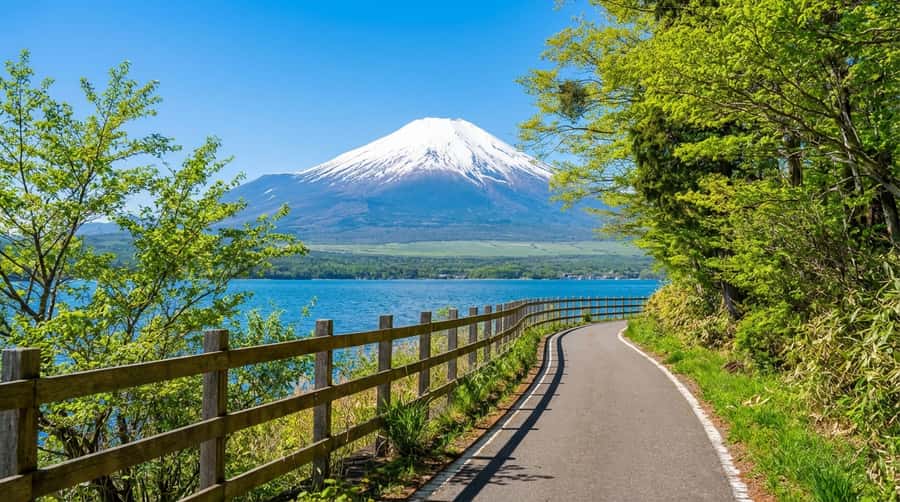
Fuji photos start early, not late. This full-day tour stitches together multiple Mt Fuji viewpoints around Lake Yamanaka and Lake Kawaguchi, with morning light as the main character.
I especially like the morning-only chance at Hirano Beach, where you can line up Mount Fuji with a near-mirror reflection on the water. I also like the cinematic feel of the Higashikawa street, where the road leads your eye toward Fuji before you even get there.
Next, Arakurayama Pagoda views give you a classic “Fuji framed by seasons” moment, then Oshino Hakkai slows the pace with UNESCO springs and quiet wooden bridges. After that, Oishi Park brings the payoff with seasonal flower fields and another wide Fuji backdrop.
One drawback to plan around: if the weather turns cloudy, you can still enjoy the sites, but the famous Fuji views can fade fast, and that’s the whole point of the day.
In This Review
- Key moments that make this tour worth considering
- The value of this $45 Fuji day trip from Tokyo
- Hirano Beach at Lake Yamanaka: the morning reflections you plan around
- Higashikawa Clock Shop and Lawson: postcard views plus an easy selfie stop
- Arakurayama Sengen Park: red pagoda views with seasonal framing
- Oshino Hakkai: the UNESCO springs break in the middle of your Fuji loop
- Oishi Park in Kawaguchiko: flowers that change by month
- How the day runs in real life: pacing, guides, and comfort
- Who should book this tour, and who might skip it
- Price and logistics: what you get for $45, and what you pay extra
- Should you book this Mount Fuji full-day tour?
- FAQ
- What is included in the tour price?
- Is hotel pickup or drop-off included?
- Is food and drinks included?
- Where does the tour start and end?
- What is the best time to go for Mt Fuji reflections at Hirano Beach?
- What languages are available on the tour?
- Is this tour suitable for wheelchair users?
- Who might need to avoid this tour?
Key moments that make this tour worth considering
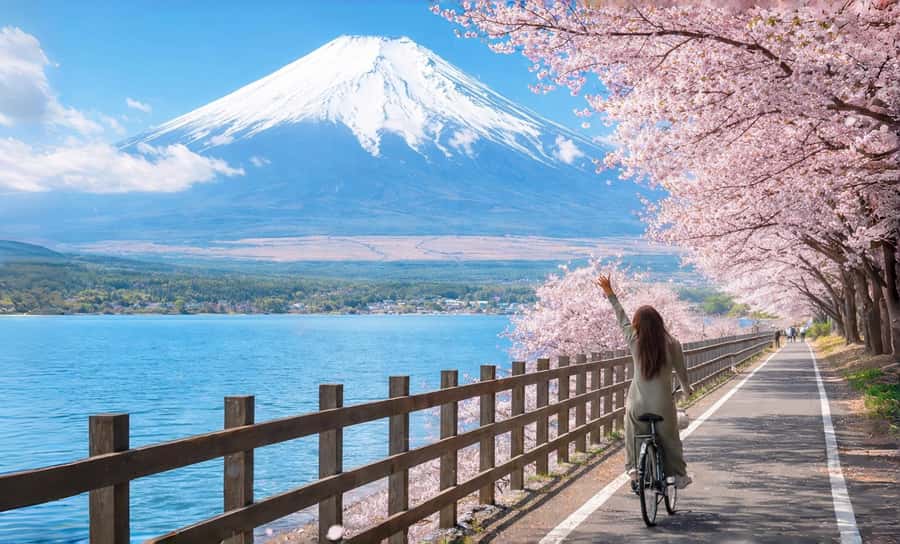
- Hirano Beach morning reflections, a gravel shoreline built for Fuji-and-reflection photos
- Resident swans at Lake Yamanaka, adding an extra nature moment beyond photos
- Higashikawa Clock Shop straight-road illusion, a postcard-style sightline toward Fuji
- Arakurayama red pagoda steps, seasonal framing with cherry blossoms or autumn color
- UNESCO Oshino Hakkai eight springs, turquoise water and a traditional thatched village vibe
- Oishi Park seasonal flower backdrops, with flowers changing by month (tulips, lavender, begonias, and more)
Fuji from Tokyo: the other approaches
- Mt Fuji and Hakone 1-Day Bus Tour Return by Bullet Train
★ 5.0 · 26,383 reviews - Mt Fuji & Hakone Cruise, Drum Show Bullet Train 1 Day from Tokyo
★ 4.0 · 7,413 reviews - Tokyo Mt Fuji 5th St & Hakone Cruise Bus Tour w/Bullet Train
★ 4.4 · 5,024 reviews - From Tokyo: Mount Fuji Full-Day Sightseeing Trip
★ 4.5 · 4,970 reviews
The value of this $45 Fuji day trip from Tokyo
At $45 per person, this is one of the more budget-friendly ways to cover several “Fuji classics” in a single day. You are paying mostly for transportation, a guide, and a driver, which matters because Lake Yamanaka and Lake Kawaguchi are not exactly next door to Tokyo.
You also get a route design that makes sense for photographers. The day leans into morning timing at Lake Yamanaka, then spreads the rest of the time across lookouts, springs, and flower fields. That variety helps if the mountain is partly hidden some of the day, since you still get strong places to walk, photograph, and reset.
Hirano Beach at Lake Yamanaka: the morning reflections you plan around
Hirano Beach sits on the northeastern side of Lake Yamanaka. It is a gravel shoreline, which means the ground is different than you might expect, so bring comfortable shoes and be ready to stand and shift your framing.
This is the tour’s most time-sensitive stop. The real “wow” is the dual shot setup, where Mount Fuji and its reflection can line up on the lake surface. The key is that it is a morning game, not an afternoon one. If you care about that mirror effect, you should treat the morning departure as a must.
You also get a bonus that is not just photo-related: swans live here. When you watch them glide close to shore, the whole place feels less like a checklist and more like being in nature with a soundtrack of water and soft movement.
Higashikawa Clock Shop and Lawson: postcard views plus an easy selfie stop
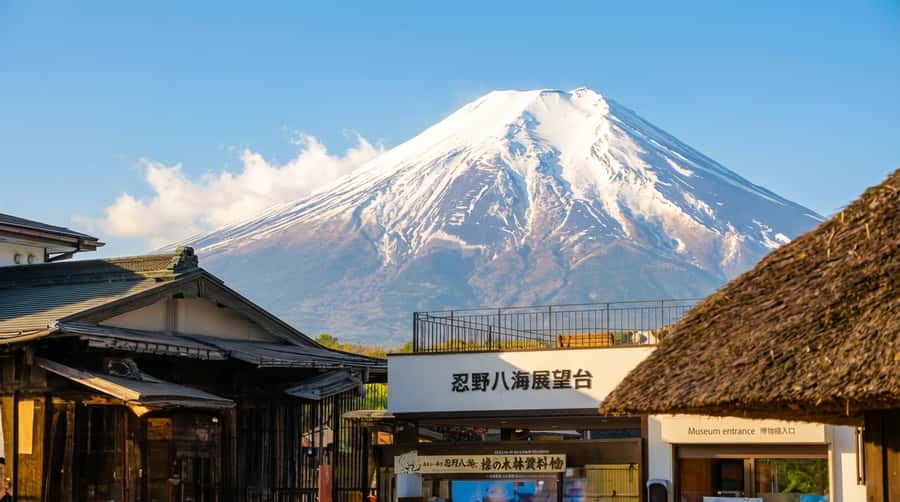
The Higashikawa portion is all about the “sky ladder town” feeling. The standout is the Higashikawa Clock Shop sitting at the end of a quiet road that seems to stretch straight toward Mount Fuji. Even when you are not standing at a direct Fuji peak, the sightline creates that illusion of being closer than you really are.
Right after that, you hit a Lawson store that acts like the day’s quick visual reward. The store is known for its minimalist design and Fuji-facing windows, which makes it a simple place to grab an effortless photo backdrop. It is the kind of stop where you can do a quick snack, take a few relaxed shots, and get back on the move without losing the flow of the day.
- Mt Fuji and Hakone 1-Day Bus Tour Return by Bullet Train★ 5.0 · 26,383 reviews
- 1-Day Tokyo Bus Tour★ 5.0 · 14,250 reviews
- Tokyo: teamLab Planets TOKYO Digital Art Museum Entry Ticket★ 4.6 · 9,779 reviews
- Mt Fuji & Hakone Cruise, Drum Show Bullet Train 1 Day from Tokyo★ 4.0 · 7,413 reviews
- Tokyo: Shinjuku Food Tour (13 Dishes at 4 Local Eateries)★ 5.0 · 6,603 reviews
Arakurayama Sengen Park: red pagoda views with seasonal framing
From Shimoyoshida Station, it is a short walk to Arakurayama Sengen Park, then you start moving up. The famous centerpiece is the red five-story pagoda, and to reach the best views you climb stone steps.
This stop shines because Fuji is framed by whatever season is happening outside your window. In spring, you get cherry blossom vibes. In autumn, you get warm foliage tones around the pagoda area. Even if Fuji is hazy, the pagoda itself and the stepped viewpoint area still give you a strong “Japan postcard” feel.
One practical note: those steps are not for everyone. If you have mobility limits, you will likely feel it here more than at the springs or parks. The tour info also flags wheelchair access issues, which usually makes this the hardest location for that group.
Oshino Hakkai: the UNESCO springs break in the middle of your Fuji loop
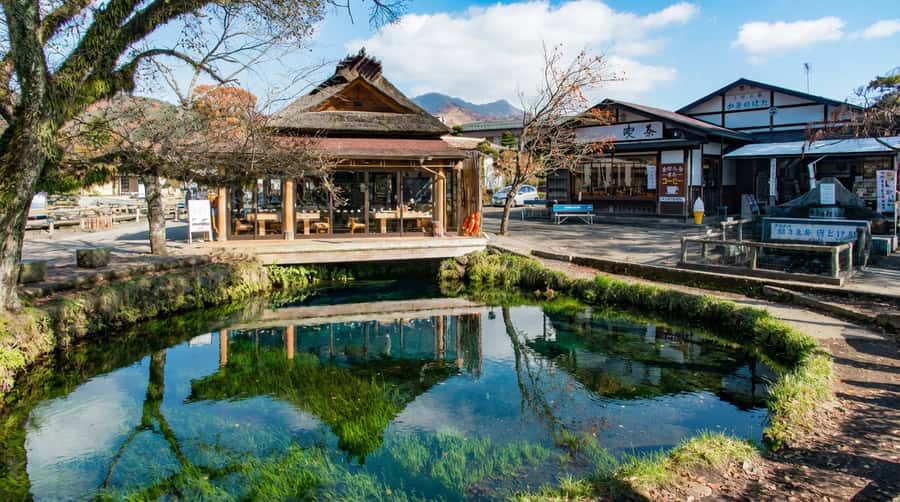
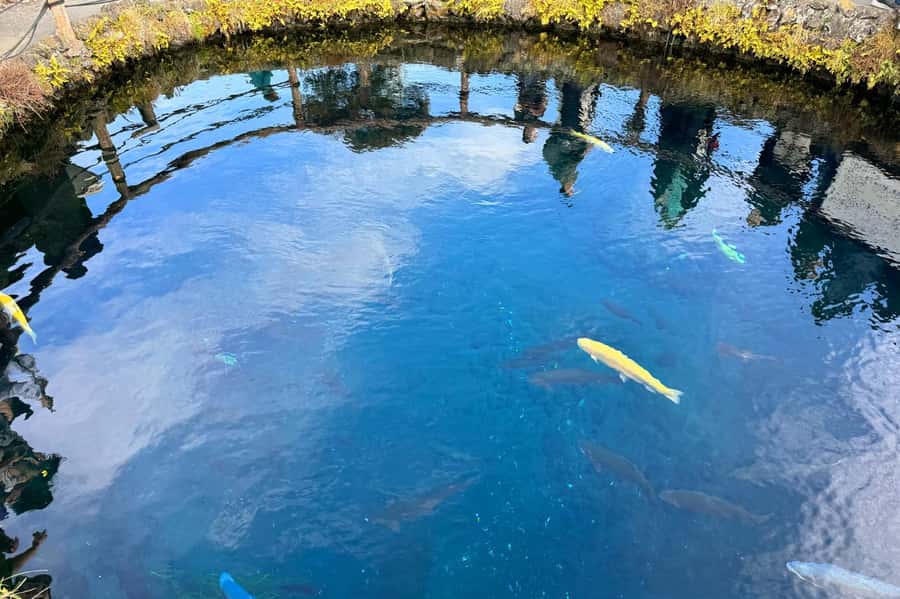
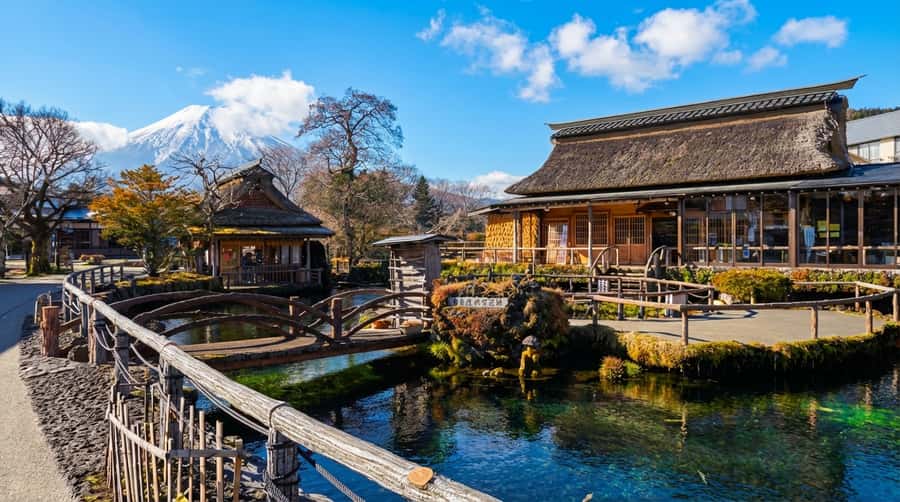
After photo stops and stair stops, Oshino Hakkai feels like a reset. This UNESCO-designated area centers on eight springs fed by melted snow from Mount Fuji. The water is described as clear, and the look is often described with a turquoise feel, especially around the viewing spots and wooden bridges.
A big part of why I think this stop works for most people is the pace. You can walk slowly, look down into the water, and wander through the traditional village layout with thatched-roof houses. There is a natural rhythm here, and it breaks up the more “shoot and move” feeling of the earlier stops.
It is also a good moment to cool down mentally. If Fuji is partially hidden on a given day, Oshino Hakkai still delivers because it is about water, village texture, and calm walking, not just distant mountain views.
Oishi Park in Kawaguchiko: flowers that change by month

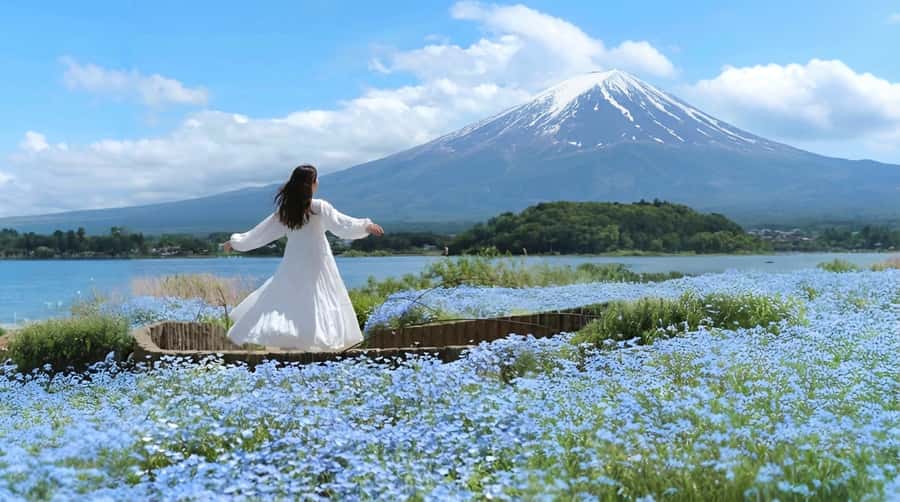
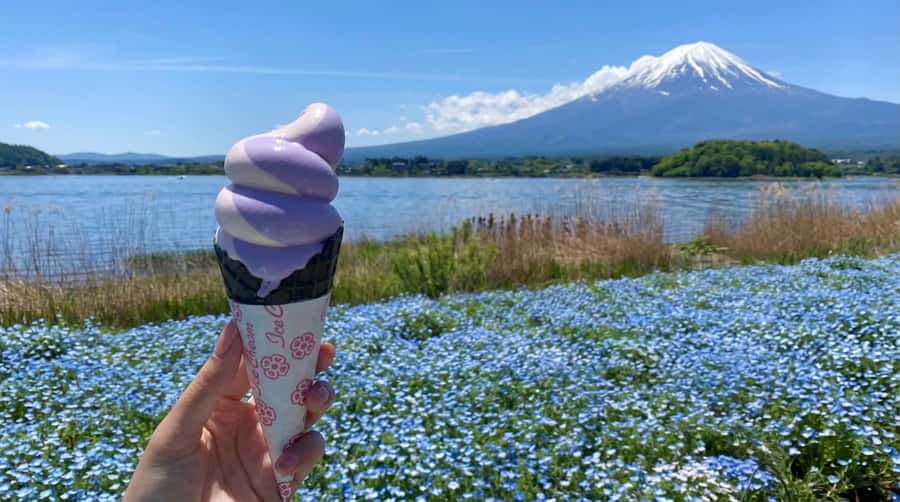
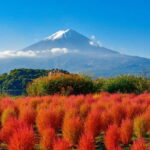
Oishi Park is where the tour turns scenic and colorful, with flower fields that change through the year. If you time your trip right, you get Fuji in the background plus a foreground carpet of seasonal blooms.
Here’s what to expect by season:
- April: tulips, daffodils, and rapeseed flowers
- May: moss phlox in a carpet-like look
- June to July: lavender fields, tied into the Kawaguchiko Herb Festival vibe
- August to October: begonias
- November: scarlet maple leaves
Even when weather is not perfect, flower fields still give you strong visuals and a place to take your time. This stop is also where the day’s earlier effort starts to feel balanced. You got the morning reflections, the street illusions, the pagoda viewpoint, and the springs. Oishi Park is where you wrap it up with something soft, colorful, and easy to photograph.
How the day runs in real life: pacing, guides, and comfort
This is a full-day route, so comfort matters. You are traveling by air-conditioned vehicle, and you have a guide plus a driver. In small daily groups, the driver may also act as the guide with limited English commentary, and there is no commentary while the vehicle is driving. For international guests, it is described as multilingual support, not one single language.
I like that the tour is designed for you to keep moving without feeling rushed at every stop. The schedule prioritizes key viewpoints, but you still have time to look around, take photos, and enjoy each location rather than just passing through.
Still, there are a couple of real-world comfort considerations. One review noted the bus air-conditioning did not work, and another mentioned bus speaker volume. These are not guaranteed, but if you are sensitive to heat or sound, it is smart to be ready for minor vehicle quirks on the day.
Guide quality seems to be a standout. Reviews specifically mention guides such as Tim, Will, Agnes, and Sakuragi, with praise for being helpful and giving key information on each site. That kind of guidance matters because Mt Fuji viewing is weather-dependent, and a good guide helps you get the most from the conditions you get.
Who should book this tour, and who might skip it
This tour suits you if you want a single-day Mt Fuji hit with variety: water reflections, photo-friendly streets, a classic pagoda viewpoint, UNESCO springs, and seasonal flowers. It also works well if you are short on time in Tokyo and want to escape the city heat.
It may not be a great fit if you want minimal walking. Arakurayama involves stone steps, and the tour info flags that wheelchair access does not work well overall. The experience also states it is not suitable for pregnant women, people with high blood pressure, and people over 70 years.
If you are traveling with mobility concerns, do not assume every stop is easy. Even with mostly accessible areas, the tour explicitly identifies the pagoda steps as a limitation, and the overall suitability rules are strict.
Price and logistics: what you get for $45, and what you pay extra
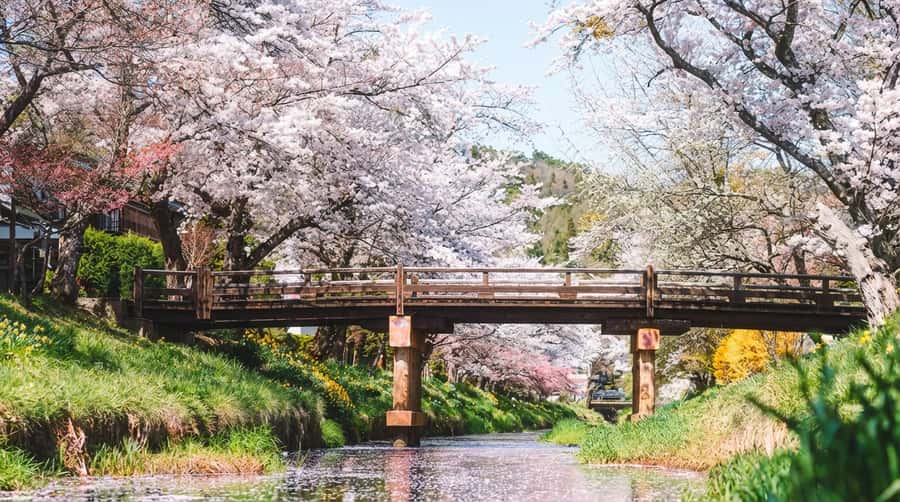
Let’s talk value plainly. For $45, you get:
- transportation in an air-conditioned vehicle
- a tour guide
- a driver
What you do not get includes hotel pickup and drop-off, food and drinks, and personal expenses. You also need to plan for travel or accident insurance separately. If you are on a tight food budget, it is still manageable since several stops offer chances for quick snacks or breaks, but you should not count on meals being included.
Meeting point timing is also flexible. The meeting point may vary depending on your option, and the tour returns you back to the meeting point at the end. Your departure-day meeting point cannot be changed, so double-check what you are assigned before you leave the hotel.
Should you book this Mount Fuji full-day tour?
Yes, you should book it if you want the classic Fuji route with smart variety and you can handle a full day away from Tokyo. The morning emphasis at Hirano Beach is a big reason this tour stands out, especially if you care about reflections and not just mountain sightings.
You might skip it if you are expecting Fuji in any weather no matter what. Clouds can shut down the main payoff, and the day’s value depends heavily on seeing the mountain clearly at least part of the time.
FAQ
What is included in the tour price?
Transportation in an air-conditioned vehicle, plus a tour guide and a driver are included.
Is hotel pickup or drop-off included?
No, hotel pickup and drop-off are not included. You meet at the tour’s meeting point and return there at the end.
Is food and drinks included?
No, food and drinks are not included.
Where does the tour start and end?
The meeting point can vary depending on the option you book, and the tour ends back at the meeting point.
What is the best time to go for Mt Fuji reflections at Hirano Beach?
A morning departure is recommended because Hirano Beach reflections are best in the morning.
What languages are available on the tour?
Chinese and English are listed as available languages.
Is this tour suitable for wheelchair users?
The tour is not suitable for wheelchair users, and the pagoda steps at Arakurayama are noted as a specific barrier.
Who might need to avoid this tour?
It is listed as not suitable for pregnant women, people with high blood pressure, and people over 70 years.
Mount Fuji, Three More Ways
Newest Tokyo write-ups from the Loving Japan desk
Mount Fuji Day Trips, side by side.
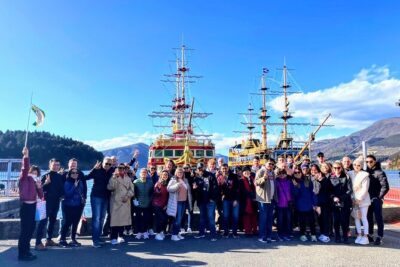 ★ 5.0Mt Fuji and Hakone 1-Day Bus Tour Return by Bullet TrainFrom $16326,383 reviews
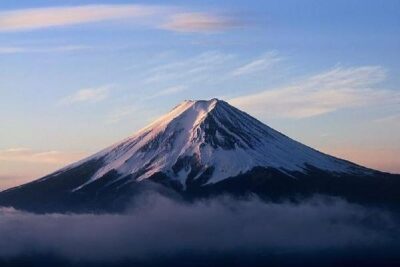 ★ 4.0Mt Fuji & Hakone Cruise, Drum Show Bullet Train 1 Day from TokyoFrom $1497,413 reviews
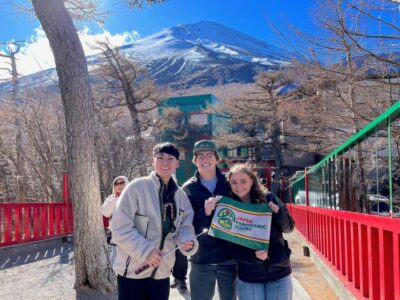 ★ 4.4Tokyo Mt Fuji 5th St & Hakone Cruise Bus Tour w/Bullet TrainFrom $1545,024 reviews
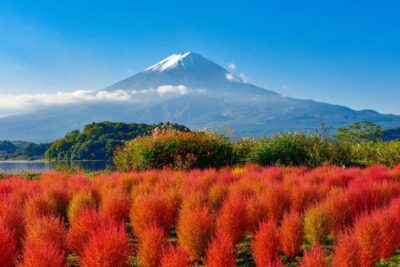 ★ 4.5From Tokyo: Mount Fuji Full-Day Sightseeing TripFrom $684,970 reviews
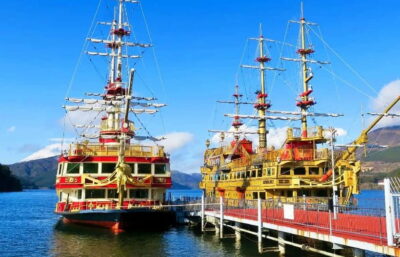 ★ 4.7Mt. Fuji Tour, Hakone Ropeway, Owakudani, Lake AshiFrom $544,002 reviews
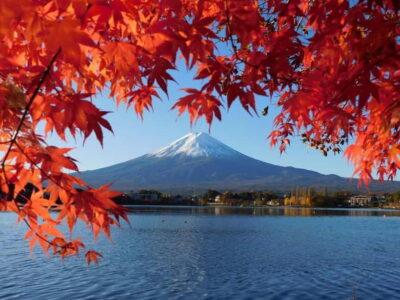 ★ 4.4Mt.Fuji,Kawaguchiko Oishi Park,Arakurayama Sengen ParkFrom $542,682 reviews
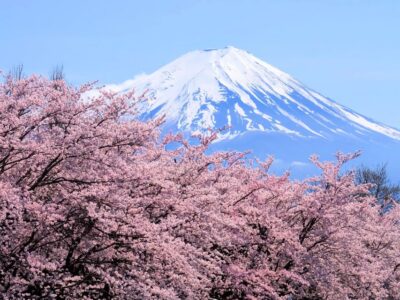 ★ 4.2Mt. Fuji 5th Station & Hakone Cruise 1-Day Bus TourFrom $1292,381 reviews
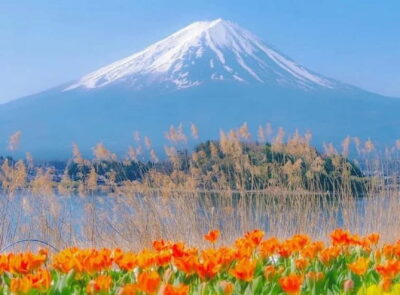 ★ 4.7Mt Fuji Top 5 Spots Day Tour: Arakurayama Park,Oshino HakkaiFrom $532,066 reviews
Filed on these lists too