
REVIEW · MOUNT FUJI DAY TRIPS
Tokyo: Mount Fuji Must-see Attractions One Day Sightseeing Tour
Mount Fuji from Tokyo sounds hard, until it is organized for you. This one-day coach tour strings together the big-name Fuji views plus village and shrine stops, with live commentary along the way.
I like the round-trip transfers that save you from train-timing headaches, and I like the guide-led stories that connect what you see to why it matters. One thing to keep in mind, Fuji visibility can be hit or miss, so you are signing up for the region, not a guaranteed mountain-silhouette.
In This Review
- Key things I’d prioritize before you go
- Why a One-Day Mount Fuji Tour Feels Effortless From Tokyo
- What $60 Buys You (And What It Does Not)
- The Rhythm of the Day, and Why Timing Matters
- Saiko Iyashi no Sato Nemba, The Post-Typhoon Story Village
- Lake Kawaguchiko View Windows, and the Art of Spotting Fuji
- Oishi Park Seasonal Flower Color in a Short 25 Minutes
- A Quick Torii-Framed View at Kawaguchiko Natural Living Center
- Arakurayama Sengen Park and Chureito Pagoda: The Photo You Came For
- Arakura Fuji Sengen Shrine, Old Faith Tied to Fuji’s Power
- Oshino Hakkai Springs, World Heritage Water From Mount Fuji’s Snowmelt
- Guide Commentary: Where the Day Becomes More Than Stops
- Tips to Improve Your Odds of a Great Fuji Day
- Should You Book This Tokyo to Mount Fuji Tour?
- FAQ
- How long is the Mount Fuji one-day tour from Tokyo?
- Does this tour include round-trip transfers from Tokyo?
- What is included in the price?
- Is lunch included?
- Is a mobile ticket provided?
- Which stop includes an admission ticket?
- Do the other stops have admission fees?
- What is the maximum group size?
- Can I cancel for a full refund?
Key things I’d prioritize before you go
- You get a full day plan built around classic Fuji-area landmarks, so you do not have to map your own route.
- Round-trip coach transfers reduce friction, especially if you are short on time in Tokyo.
- Live commentary helps you understand each stop instead of treating it like a checklist.
- Timing is tight by design: multiple stops with short visits means you should be ready to move.
- One paid admission stop is included, while several others are free to enter.
Fuji from Tokyo: the other approaches
- Mt Fuji and Hakone 1-Day Bus Tour Return by Bullet Train
★ 5.0 · 26,383 reviews - Mt Fuji & Hakone Cruise, Drum Show Bullet Train 1 Day from Tokyo
★ 4.0 · 7,413 reviews - Tokyo Mt Fuji 5th St & Hakone Cruise Bus Tour w/Bullet Train
★ 4.4 · 5,024 reviews - From Tokyo: Mount Fuji Full-Day Sightseeing Trip
★ 4.5 · 4,970 reviews
Why a One-Day Mount Fuji Tour Feels Effortless From Tokyo
If you have ever tried to plan a Fuji day from Tokyo, you know the real enemy is logistics. This tour is built to remove that work by handling the main transport between Tokyo and the Fuji area with round-trip coach transfers. You also receive a mobile ticket, which is a small thing that makes your morning smoother.
The group size is capped at 45 travelers, which is big enough to feel social, but small enough that you still move as a unit. And since it runs for about 10 hours, it gives you a full day without the stress of figuring out transfers multiple times.
What $60 Buys You (And What It Does Not)
At $60 per person, the best value angle here is not just the sightseeing. It is the combination of air-conditioned vehicle plus all fees and taxes, which helps keep the day from turning into a surprise expense puzzle.
That said, lunch is not included. I strongly suggest you bring a plan for food, because the day flows from stop to stop and you will not want to spend the best views searching for a meal.
The Rhythm of the Day, and Why Timing Matters
This is a “see a lot in one day” format. You will spend about an hour at the traditional village (with admission included), then much shorter windows at the lake and parks. When the day is that scheduled, your best strategy is simple: be ready when you arrive, and do not treat every stop like you have unlimited wandering time.
Expect the pacing to feel especially relevant for the Fuji photo hotspots. Some stops are famous for a reason, and that fame can mean lines or crowds when visibility is good.
- Mt Fuji and Hakone 1-Day Bus Tour Return by Bullet Train★ 5.0 · 26,383 reviews
- 1-Day Tokyo Bus Tour★ 5.0 · 14,250 reviews
- Tokyo: teamLab Planets TOKYO Digital Art Museum Entry Ticket★ 4.6 · 9,779 reviews
- Mt Fuji & Hakone Cruise, Drum Show Bullet Train 1 Day from Tokyo★ 4.0 · 7,413 reviews
- Tokyo Mt Fuji 5th St & Hakone Cruise Bus Tour w/Bullet Train★ 4.4 · 5,024 reviews
Saiko Iyashi no Sato Nemba, The Post-Typhoon Story Village

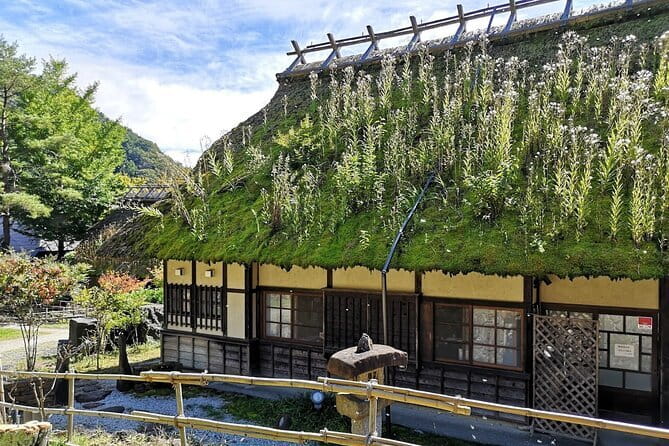
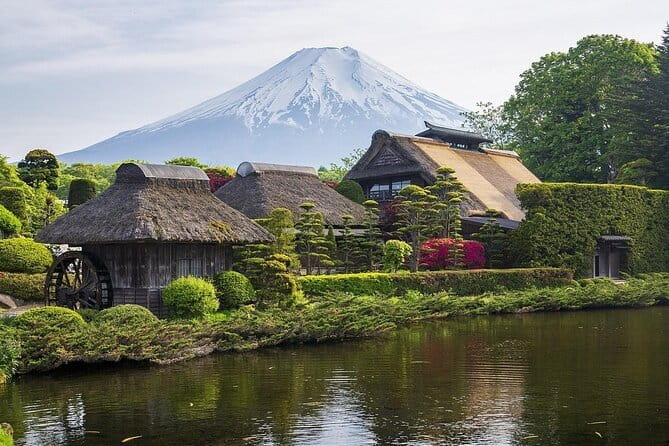
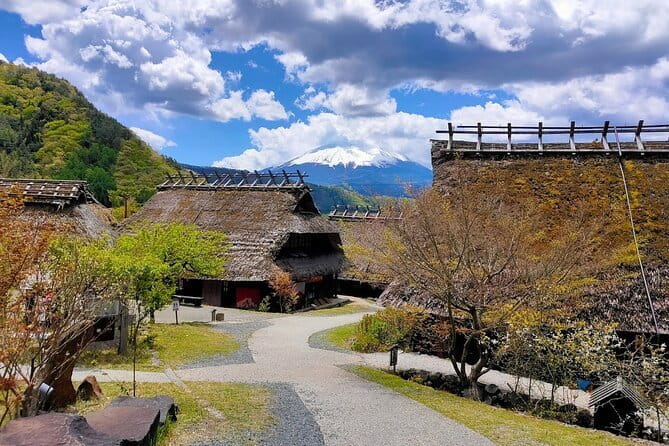
Your day starts at Saiko Iyashi no Sato Nemba, a traditional Japanese village in Fujikawaguchiko Town with Mount Fuji in the backdrop. It is known as one of the most beautiful villages in Japan, and you are not just looking at pretty rooftops. The site also carries history, since the village was destroyed by a landslide caused by a typhoon in 1966.
Why I think this stop works well early: it sets the tone. Before you chase the famous shoreline views and pagoda photos, you get a sense of what daily life around Fuji looks like, and how the region rebuilds after disaster.
The visit is about 1 hour, and admission is included. That is enough time to stroll, take photos from the angles the village naturally offers, and read the “why this place looks like this” context from your guide.
Lake Kawaguchiko View Windows, and the Art of Spotting Fuji
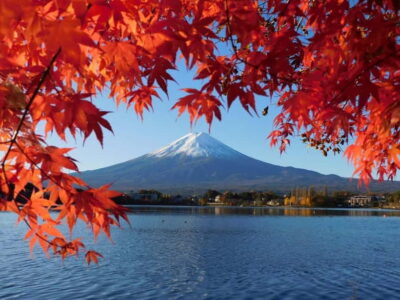
Next comes Lake Kawaguchiko, one of the five Fuji lakes, often described as the shining pearl of the group. You get around 20 minutes here, and the value is in choosing good viewpoints quickly rather than trying to cover the whole shoreline.
This is where you learn an important Fuji lesson: sometimes the lake looks calm, sometimes Fuji appears sharply, and sometimes clouds steal the drama. Even when the mountain is hidden, the lake still gives you that volcanic-region feeling, with clear water and shoreline lines that frame your photos.
Lake entry is free, so you are paying only in time and attention. I would treat those minutes like a photo sprint plus a quick scenic walk, then move on.
Oishi Park Seasonal Flower Color in a Short 25 Minutes
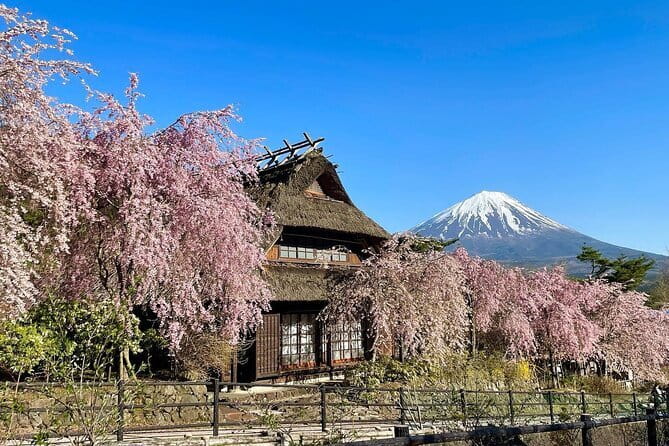
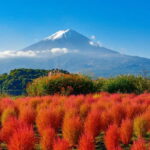
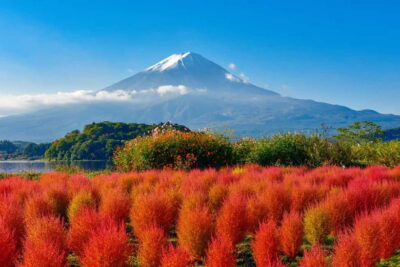
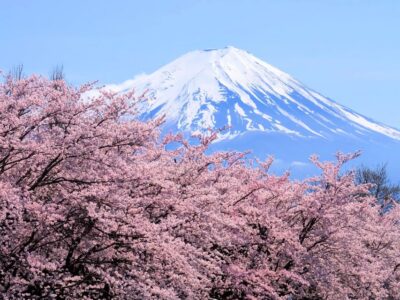
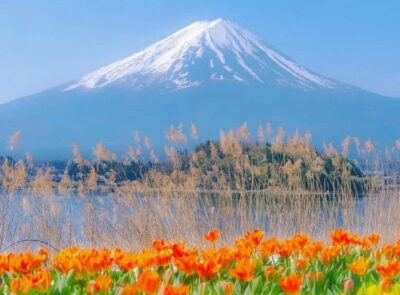
Oishi Park is famous for seasonal flower displays, and the fun is that the plant cast changes with the year. Expect the park to cycle through different looks like cherry blossoms, lavender, red leaves, kochia, and even snow and reeds depending on the season.
You are there for about 25 minutes, which means you are not going to see every corner. But that short window can be perfect if your priority is color with Fuji-in-the-frame energy.
A practical tip: if you are visiting during peak blossom season, you will likely see lots of photo seekers. Go to the most obvious vantage first, then circle for different angles once you have your main shot.
A Quick Torii-Framed View at Kawaguchiko Natural Living Center
This stop is short but memorable: Kawaguchiko Natural Living Center. You spend about 10 minutes here, and the highlight is a picture you can often recognize instantly, a red torii blending with Mount Fuji.
Why this works: it is a different type of view from the lake. Instead of shoreline composition, you get a shrine element in the scene, which adds a sense of place and culture to your Fuji day.
Entry is free. Use the time to get your photo quickly, and then listen to any guide pointers about when and where to position yourself for the best framed shot.
Arakurayama Sengen Park and Chureito Pagoda: The Photo You Came For
No Fuji day feels complete without the famous pagoda angle. Here, the star is Arakurayama Sengen Park, known for the Chureito Pagoda. The park sits in Fujiyoshida City, and it is widely regarded as one of the places many photographers want on their lifetime list.
You get about 1 hour at this stop, which is a good amount of time compared to the faster lake parks. Use it wisely: find the main photo spot, then allow time for the walkways and nearby viewpoints. That is where the experience stops being just about one postcard image.
One realistic consideration: if the weather turns overcast or rainy, crowds can still show up, and your mountain view might be limited. Still, the pagoda and the steps leading up to it can be striking even without perfect visibility, especially when light changes quickly.
Arakura Fuji Sengen Shrine, Old Faith Tied to Fuji’s Power
After the park, you head to Arakura Fuji Sengen Shrine, built in 705 and connected to more than 1,300 years of tradition. It is a holy place where people pray for well-being and family happiness, so it feels less like a scenic set and more like an active spiritual stop.
You only have about 15 minutes here, but that short time can be enough to slow down. Read what you can, notice the shrine details, and take in the stillness compared with the photo-focused park nearby.
The shrine’s long timeline is also tied to Mount Fuji’s history, including a major eruption in 807. Even if you only catch a summary from your guide, it gives the area an added layer beyond views.
Oshino Hakkai Springs, World Heritage Water From Mount Fuji’s Snowmelt
Your last big landmark is Oshino Hakkai, a World Heritage Site made up of eight clear springs formed by the snow melt of Mount Fuji. It is also known as one of the 100 Famous Waters of Japan, and the experience includes the chance to taste the spring water for free.
You spend about 1 hour here, which is just enough time to understand the layout and still linger. This is one of those places where your eyes and your hands both help. Watching the water channels and then tasting the water is a rare “you experience it, not just look at it” moment.
If visibility for Fuji was limited earlier in the day, Oshino Hakkai helps balance your day. Even without the classic mountain silhouette, the water system and the volcanic context still feel like the real Fuji story.
Guide Commentary: Where the Day Becomes More Than Stops
The tour’s biggest strength is not any single viewpoint. It is the way the guide explains what you are seeing and why it exists in that exact spot.
In the feedback I saw reflected through different guide names like Kevin, Maddy, Andrew, and Yulina, the consistent theme was clear, organized storytelling and helpful travel tips for what to do next. That matters because Fuji days can be chaotic if you are on your own. With commentary, you get the practical heads-up, plus cultural context, which helps your photos feel more meaningful.
One more point: the guide does not try to keep you glued to the bus the whole time. Several stops include time to explore independently, so you can choose your pacing while still getting direction on what matters most.
Tips to Improve Your Odds of a Great Fuji Day
You cannot control the weather in the Fuji area, and Mount Fuji is known for being unpredictable for visibility. So plan like a grown-up: bring layers, a light rain shell, and something warm even if Tokyo feels mild.
Then focus on how you move through each stop:
- For photo hotspots, be ready to step quickly into position. The best views usually come and go fast.
- For parks and gardens, do the main vantage first, then explore sideways for alternate frames.
- For shrines, take 3 minutes to slow down and read. Even short shrine time can feel richer when you are not rushing.
Since the day is tight, comfort items matter. I like a small daypack and comfortable shoes, especially for the stairs and viewpoints around the Arakurayama Sengen Park area.
Should You Book This Tokyo to Mount Fuji Tour?
Book it if you want a classic Mount Fuji highlights day without planning the route. This is a strong choice for first-time visitors who value convenience, like round-trip transfers, and who also want the meaning behind the scenery through live guide commentary.
Skip it or think twice if your top priority is slow, unhurried wandering at every location. The timing is built for coverage, and some stops can feel short if you love lingering. Also, if you are expecting a guaranteed mountain view in every minute, accept that clouds can roll in and still affect the photos.
Overall, I’d call this a good-value way to experience the Fuji region from Tokyo in one organized day. If you treat the day like a sampler and show up prepared, you will come home with more than just one great picture, you will understand the region a bit better too.
FAQ
How long is the Mount Fuji one-day tour from Tokyo?
The tour runs for about 10 hours.
Does this tour include round-trip transfers from Tokyo?
Yes. It includes round-trip coach transfers from the Tokyo area.
What is included in the price?
The price includes an air-conditioned vehicle and all fees and taxes.
Is lunch included?
No, lunch is not included.
Is a mobile ticket provided?
Yes, the tour uses a mobile ticket.
Which stop includes an admission ticket?
Saiko Iyashi no Sato Nemba includes an admission ticket.
Do the other stops have admission fees?
Lake Kawaguchiko, Oishi Park, Kawaguchiko Natural Living Center, Arakurayama Sengen Park, Arakura Fuji Sengen Shrine, and Oshino Hakkai are listed as free.
What is the maximum group size?
The tour has a maximum of 45 travelers.
Can I cancel for a full refund?
Yes. You can cancel up to 24 hours in advance for a full refund.
Mount Fuji, Three More Ways



Newest Tokyo write-ups from the Loving Japan desk






Mount Fuji Day Trips, side by side.
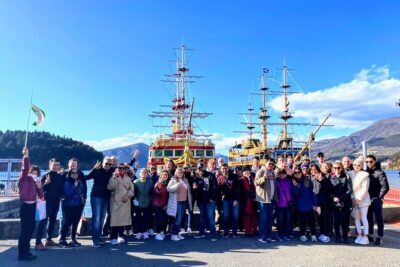 ★ 5.0Mt Fuji and Hakone 1-Day Bus Tour Return by Bullet TrainFrom $16326,383 reviews
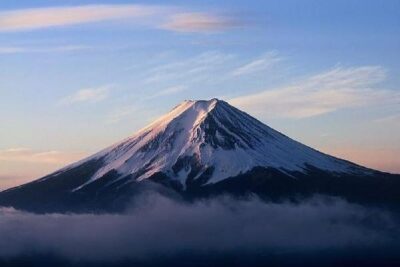 ★ 4.0Mt Fuji & Hakone Cruise, Drum Show Bullet Train 1 Day from TokyoFrom $1497,413 reviews
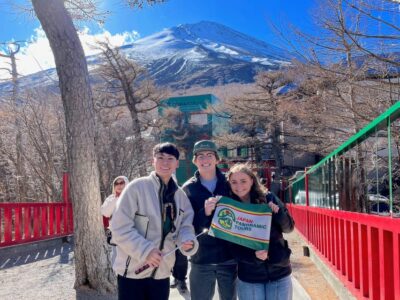 ★ 4.4Tokyo Mt Fuji 5th St & Hakone Cruise Bus Tour w/Bullet TrainFrom $1545,024 reviews
 ★ 4.5From Tokyo: Mount Fuji Full-Day Sightseeing TripFrom $684,970 reviews
 ★ 4.7Mt. Fuji Tour, Hakone Ropeway, Owakudani, Lake AshiFrom $544,002 reviews
 ★ 4.4Mt.Fuji,Kawaguchiko Oishi Park,Arakurayama Sengen ParkFrom $542,682 reviews
 ★ 4.2Mt. Fuji 5th Station & Hakone Cruise 1-Day Bus TourFrom $1292,381 reviews
 ★ 4.7Mt Fuji Top 5 Spots Day Tour: Arakurayama Park,Oshino HakkaiFrom $532,066 reviews
Filed on these lists too