
REVIEW · MOUNT FUJI DAY TRIPS
Tokyo: Mount Fuji Private Tour with Scenic Lunch Experience
A Fuji day works best when it is paced for photos, not rushed. This private tour is built around scenic Mount Fuji moments plus a countryside lunch you do not just pass by.
I like the mix of iconic viewpoints with slower, quieter places, especially around Iyashi no Sato and the lakes. The one thing to watch is language and pace, since private guides can vary, and one review noted an English communication issue that shortened the day.
In This Review
- Key highlights worth planning around
- Why this private Fuji plan feels different from bus tours
- Getting out of Tokyo: the van ride that sets up the views
- Mt. Fuji 5th Station: the classic photo stop you should take seriously
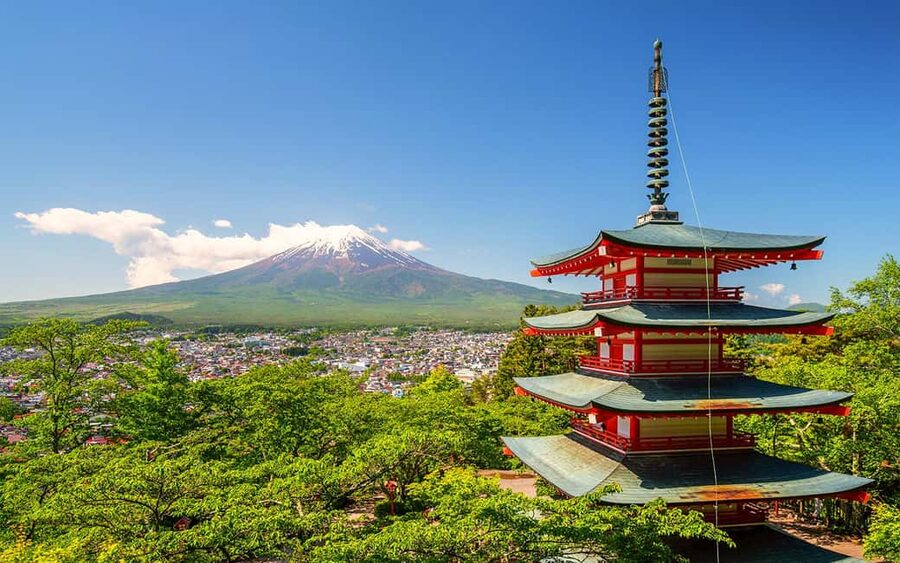
- Arakura Fuji Sengen Shrine and Pagoda: the viewpoint with stairs and payoff
- Lakes Kawaguchi and Saiko: where Fuji turns from icon to atmosphere
- Iyashi no Sato Healing Village: artisan workshops in a restored thatched hamlet
- Oshino Hakkai and Kitaguchi-hongu Fuji Sengen Shrine: short walks, big meaning
- Yamanakako, hot spring time, and the evening unwind back toward Tokyo
- Scenic lunch with Fuji views: the pause that makes the day feel worth it
- Price and value: what $330 per group really buys you
- Guide quality and flexibility: the difference between a smooth day and a frustrating one
- Practical tips that keep the day comfortable
- Who should book this Fuji private tour
- Should you book this Mount Fuji private tour with scenic lunch?
- FAQ
- How long is the Mount Fuji private tour?
- How much does the tour cost?
- Where does pickup happen in Tokyo?
- What does the tour include?
- Is there hot spring time during the tour?
- Do you get help with photos during the day?
- Is the tour wheelchair accessible?
- What should I bring for the day?
- Are there any restrictions?
Key highlights worth planning around
- Scenic lunch with real Fuji views from a countryside restaurant or farmhouse-style meal
- Private, flexible routing so you can linger or skip based on energy levels
- Arakura Fuji Sengen Shrine and Pagoda with a viewpoint that rewards the walk (and stairs)
- Saiko Lake and the Bat Cave area for forest atmosphere instead of only crowds
- Iyashi no Sato Healing Village for artisan workshops in a restored thatched setting
- Guide help with photos so you get your shots, not just blurry memories
Fuji from Tokyo: the other approaches
- Mt Fuji and Hakone 1-Day Bus Tour Return by Bullet Train
★ 5.0 · 26,383 reviews - Mt Fuji & Hakone Cruise, Drum Show Bullet Train 1 Day from Tokyo
★ 4.0 · 7,413 reviews - Tokyo Mt Fuji 5th St & Hakone Cruise Bus Tour w/Bullet Train
★ 4.4 · 5,024 reviews - From Tokyo: Mount Fuji Full-Day Sightseeing Trip
★ 4.5 · 4,970 reviews
Why this private Fuji plan feels different from bus tours
A big group tour can be efficient, but you often spend your time in line, walking as fast as everyone else, and checking your phone for the next stop. With this one, you get a private van and a private English-speaking guide, so the day has room to breathe.
The guide also helps with timing at viewpoints and photos, which matters a lot at Mount Fuji stops where clouds can roll in fast. In several accounts, guides such as Ali, Sarfy, and Rana were praised for being patient and flexible, including adjusting the schedule when plans needed a tweak.
That flexibility is the main reason I think this tour is worth considering, especially if your group includes different ages or you want a more personal pace.
Getting out of Tokyo: the van ride that sets up the views
Pickup runs from hotels and accommodations in the Tokyo 23 wards, and you head out in a private van with Wi-Fi and bottled water. The drive is part of the experience because it buys you time to settle, check the weather, and get your camera ready before the first major Fuji viewpoints.
You start with time to reach the Fuji area, then you transition into stops that are timed for visibility and scenery. The tour includes photo stops plus visits, so you are not only driving past places.
One practical note: even though the tour is designed for smooth pacing, it is still a full day. If you hate long travel stretches, build in the mindset that you are trading speed for a more complete circuit.
Mt. Fuji 5th Station: the classic photo stop you should take seriously
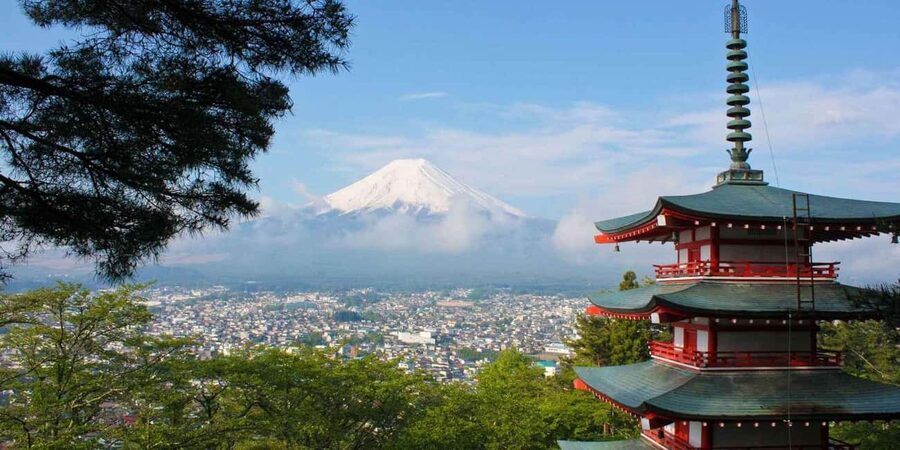
The day includes a stop at Mt. Fuji 5th Station for about an hour, including both a photo moment and time to visit. This is one of the most recognizable ways to experience Fuji up close, and it is often where first-timers feel the scale of the mountain.
The guide’s photography assistance is useful here because everyone tries to recreate the same iconic angles, and you really want a steady setup. If weather is clear, you get those dramatic, crisp lines that make Fuji feel real and not like a postcard.
The drawback is simple: this station area can be busy, and the walk and crowd flow can affect how much time you personally want. Still, it is a high-value stop for the overall arc of the day.
- Mt Fuji and Hakone 1-Day Bus Tour Return by Bullet Train★ 5.0 · 26,383 reviews
- 1-Day Tokyo Bus Tour★ 5.0 · 14,250 reviews
- Tokyo: teamLab Planets TOKYO Digital Art Museum Entry Ticket★ 4.6 · 9,779 reviews
- Mt Fuji & Hakone Cruise, Drum Show Bullet Train 1 Day from Tokyo★ 4.0 · 7,413 reviews
- Tokyo Mt Fuji 5th St & Hakone Cruise Bus Tour w/Bullet Train★ 4.4 · 5,024 reviews
Arakura Fuji Sengen Shrine and Pagoda: the viewpoint with stairs and payoff
Next comes the Arakura Fuji Sengen Shrine and Pagoda area, including photo time and a visit. This is the kind of viewpoint that group tours sometimes rush, but it is also the kind that rewards patience, especially if the light turns right.
One review specifically called out the 400 stairs to reach the best angle. That is not a dealbreaker, but it is a real planning detail. Wear shoes with good grip, and bring water, since you may be working up a sweat even if the air feels cool.
This stop also includes the kind of on-site treats and small purchases that make the area feel more lived-in. One guide tip from a review: bring cash for gacha-style items near the area.
Lakes Kawaguchi and Saiko: where Fuji turns from icon to atmosphere
The itinerary then moves through Lake Kawaguchi, with a photo stop and a visit. This is where Fuji often looks like it is sitting right behind the water, and the scenery helps you understand why this region is so beloved for landscape views.
After that, you head to Saiko Lake and the Bat Cave area. This is a big shift in mood, from viewpoint crowds to a more nature-forward setting surrounded by forests. If you want a calmer feel after shrine stairs and station crowds, this is usually where your day gains depth.
The practical tip: keep your expectations flexible. On clear days, Fuji can look sharp from multiple points. On cloudier days, you still get a beautiful lakeside and forest walk, just with a different look.
Iyashi no Sato Healing Village: artisan workshops in a restored thatched hamlet
A standout part of the tour is Iyashi no Sato Healing Village, a restored thatched-roof hamlet with artisan workshops and Fuji views. This is not only about looking at buildings. It is about stepping into a quieter local rhythm, where you can watch crafts and take your time.
Because it is part of a private day, you are more likely to slow down and actually browse rather than speed through. The thatched-roof setting also gives you great photo backdrops without needing the most crowded postcard angles.
If you like cultural stops that feel human-scale, this is one of the best reasons to book this specific itinerary. It also gives your legs a break after stairs and uneven walks at other stops.
Oshino Hakkai and Kitaguchi-hongu Fuji Sengen Shrine: short walks, big meaning
The tour includes a stop at Oshino Hakkai for a photo stop and visit time. This area is popular for a reason, with walking paths and places to shop, but you should assume it can be busy. The upside of busyness is that you get energy and convenience; the downside is less quiet time.
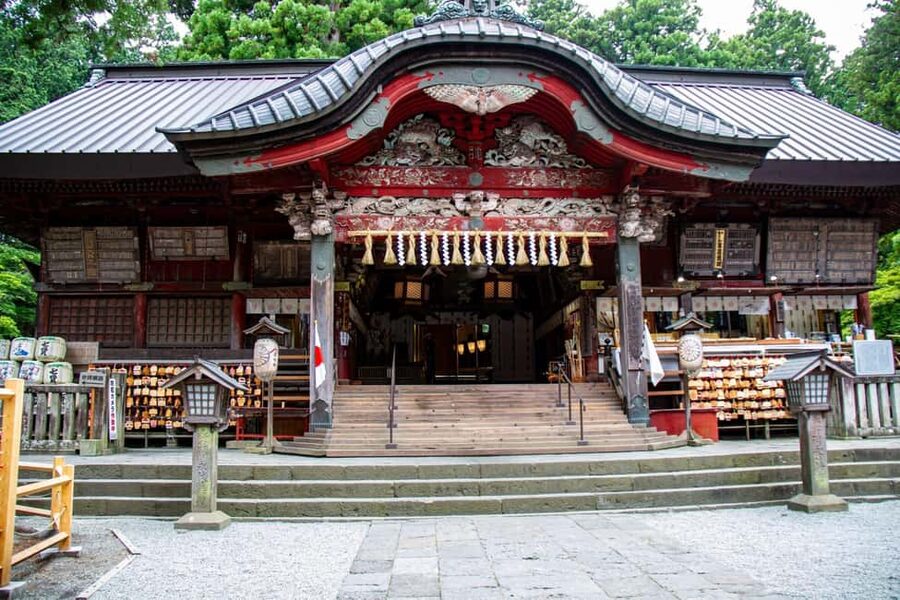
You then visit Kitaguchi-hongu Fuji Sengen Shrine, described as a 1,900-year-old shrine at the base of Mount Fuji. This is a grounding stop, because it shifts your attention from views to place. Shrines also teach you something practical: you may need to remove shoes before entry.
A good guide will help you move smoothly through the stop without turning it into a checklist. In general, I like keeping one cultural anchor like this on a Fuji day, because it makes the mountain feel more rooted in local life.
Yamanakako, hot spring time, and the evening unwind back toward Tokyo
The itinerary includes Yamanakako with photo time and a visit, then a hot spring stop with a guided tour plus free time for about two hours. This is the recovery block you want on a long day, especially after stairs, lakeside walking, and shrine routes.
You do not have to treat the hot spring like a strict schedule. The “guided tour” component helps orient you, and the free time gives you control over how long you stay. If you travel with older family members, this kind of break is a real quality-of-life feature.
After that, the tour continues toward Hakone with a photo stop, then Lake Ashi with photo time and a visit. You get that classic end-of-day scenery, which helps the day feel like more than just Mount Fuji photocopy stops.
Scenic lunch with Fuji views: the pause that makes the day feel worth it
The lunch stop is built to be a highlight, not a rushed stop. You will enjoy a countryside lunch at a hidden restaurant with views of Mount Fuji, with options that can vary by routing: one approach is a meal overlooking Lake Kawaguchi with Mount Fuji in the background, while another is a family-run farmhouse eatery serving seasonal Japanese dishes with garden views.
This is the best kind of payoff. By the time you reach lunch, you have walked enough to earn it and you are usually ready for something warm and comfortable. A meal with Fuji in view gives you a natural reset, and it is easier to enjoy conversation when you are not constantly moving.
Practical tip: bring some yen even if you prefer cards. The tour notes that not all countryside shops and restaurants accept credit cards, and you may also want cash for small purchases around the day.
If your group has specific food needs, the tour does not list dietary accommodations. I would ask your guide in advance what the lunch options typically look like for your stop.
Price and value: what $330 per group really buys you
The price is $330 per group up to 6, for a 10-hour private tour. That sounds straightforward, but the value comes from what is included: a private vehicle with Wi-Fi and bottled water, hotel pickup and drop-off, a private English-speaking guide, parking fees, tolls, and fuel costs.
Here is the math that helps you judge value:
- If you fill the van at 6 people, it is about $55 per person.
- If you are 2 people, it becomes $165 per person.
- If you are 4 people, it is $82.50 per person.
For families and small groups, that per-person cost can feel extremely reasonable for the range of stops. Even if it is a smaller group, you are paying for a full-day private route with multiple destinations, photo help, and customization.
What is not included is mostly personal spending and any optional activities. So you can generally plan your day without unexpected costs beyond what you choose to buy.
Guide quality and flexibility: the difference between a smooth day and a frustrating one
The tour offers English and Japanese, and you get a private guide. In multiple reviews, guides like Ali were described as friendly and patient, and Sarfy as relaxing and experienced in how to structure the day. Rana was praised for recommendations shaped by weather and season, which is exactly what you want on a Mount Fuji trip.
Still, one review noted an issue with English ability and ended up shortening the tour. That does not mean every guide will have the same language comfort level, but it is a reminder to set expectations. If clear communication matters, message the provider before your trip and ask for an English-speaking guide who can explain the sights comfortably.
Flexibility is another common praise. One review mentioned schedule changes to accommodate needs, and another noted skipping some options for kids and grandparents. If your group has anyone with mobility limits or you just want a slower rhythm, this private format is the main advantage.
Practical tips that keep the day comfortable
This tour runs year-round in rain or shine, and it notes that the route may adjust in severe weather. That means you should pack for real conditions, not ideal photos.
Bring comfortable walking shoes, since some stops have steps and uneven paths. Expect shoes-off rules at some shrines and temples, and plan your socks and footwear accordingly.
Also, bring cash in yen. Not all shops and restaurants in the countryside accept credit cards, and you might want to buy small souvenirs or items near viewpoints.
For clothing, use light layers in summer and warm layers in winter. Fuji can feel colder at altitude viewpoints, even when Tokyo feels mild.
Who should book this Fuji private tour
I think this tour is best for people who want a full Fuji circuit without feeling like they are herding through checkboxes. It is especially good for small groups who value control, like couples, families with mixed ages, and friends who want time for photos and questions.
If you care about hitting multiple iconic areas, you get plenty: Mt. Fuji 5th Station, Arakura Fuji Sengen Shrine and Pagoda, Lake Kawaguchi, Saiko Lake and the Bat Cave area, and Oshino Hakkai. If you also want quieter atmosphere, you get Iyashi no Sato and the forested Saiko region.
One more fit point: if you like hot springs, this itinerary gives you a guided plus free-time break, not just a quick stop.
Should you book this Mount Fuji private tour with scenic lunch?
Book it if you want a private, flexible day that combines classic Fuji viewpoints with calmer, countryside atmosphere and a lunch that actually feels like a highlight. The $330 group price can be a great deal when you share the van, and the included guide, transportation, and photo help make it easier to get good results without extra planning.
Skip it or think twice if you have zero tolerance for stairs and long walking, or if your group needs very high-confidence English explanations throughout. In that case, ask about guide language comfort before you go, and tell the provider exactly what matters most to you.
FAQ
How long is the Mount Fuji private tour?
The duration is 10 hours.
How much does the tour cost?
It is $330 per group up to 6.
Where does pickup happen in Tokyo?
Pickup is available from any hotel or accommodation in Tokyo 23 wards.
What does the tour include?
It includes visits to Iyashi no Sato Healing Village, Arakura Fuji Sengen Shrine and Pagoda, Saiko Lake and the Bat Cave, and Kitaguchi-hongu Fuji Sengen Shrine, plus a scenic countryside lunch with Fuji views, a private English-speaking guide, and hotel pickup and drop-off.
Is there hot spring time during the tour?
Yes. There is a hot spring stop with a guided tour and free time for about 2 hours.
Do you get help with photos during the day?
Yes. The guide provides photography assistance to help you take pictures at the best spots.
Is the tour wheelchair accessible?
The tour is wheelchair accessible, but not all locations are wheelchair accessible. You should contact in advance for special arrangements.
What should I bring for the day?
Wear comfortable walking shoes, and bring some cash in yen since not all countryside shops and restaurants accept credit cards.
Are there any restrictions?
Alcohol and drugs are not allowed.
Mount Fuji, Three More Ways
Newest Tokyo write-ups from the Loving Japan desk






Mount Fuji Day Trips, side by side.
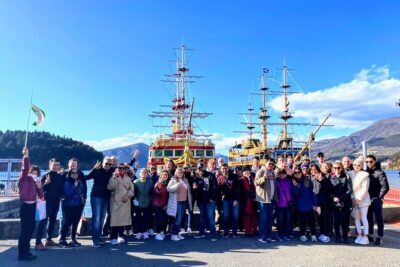 ★ 5.0Mt Fuji and Hakone 1-Day Bus Tour Return by Bullet TrainFrom $16326,383 reviews
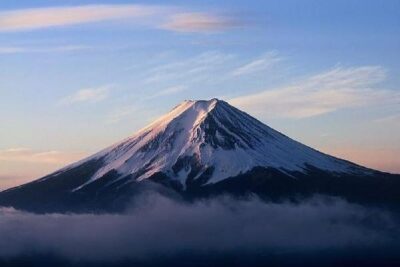 ★ 4.0Mt Fuji & Hakone Cruise, Drum Show Bullet Train 1 Day from TokyoFrom $1497,413 reviews
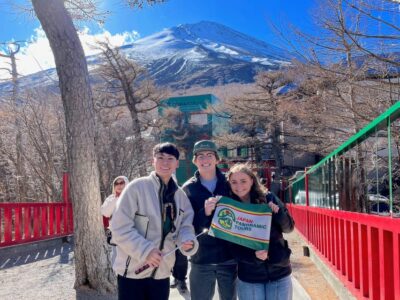 ★ 4.4Tokyo Mt Fuji 5th St & Hakone Cruise Bus Tour w/Bullet TrainFrom $1545,024 reviews
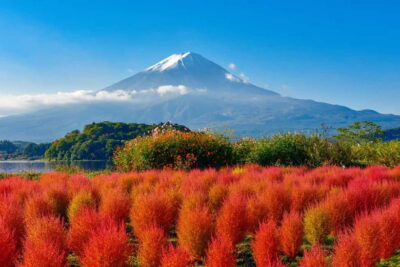 ★ 4.5From Tokyo: Mount Fuji Full-Day Sightseeing TripFrom $684,970 reviews
 ★ 4.7Mt. Fuji Tour, Hakone Ropeway, Owakudani, Lake AshiFrom $544,002 reviews
 ★ 4.4Mt.Fuji,Kawaguchiko Oishi Park,Arakurayama Sengen ParkFrom $542,682 reviews
 ★ 4.2Mt. Fuji 5th Station & Hakone Cruise 1-Day Bus TourFrom $1292,381 reviews
 ★ 4.7Mt Fuji Top 5 Spots Day Tour: Arakurayama Park,Oshino HakkaiFrom $532,066 reviews
Filed on these lists too