
REVIEW · MOUNT FUJI DAY TRIPS
Tokyo: Mt. Fuji, Arakurayama Sengen Park, Oshino Hakkai Tour
Mount Fuji shows up fast on this day trip. You get classic viewpoints at Arakurayama Sengen Park and Oshino Hakkai, plus a guided route that keeps the day feeling manageable. One real consideration: Oishi Park is only open on weekdays, and it can be canceled if traffic delays the schedule.
I like how this tour stacks big-picture scenery with short, timed breaks. You are not stuck on a single stop for hours, and you do get free time to wander and take photos at each major spot. At a price of $50 per person for a long day with roundtrip transport, it can be good value if you want someone else to handle the driving and sequencing.
If you are sensitive to walking, plan ahead. There are long stairs and uphill sections, and the tour is not suitable for people over 70, plus it is not ideal if you need crutches.
In This Review
- Key Things I’d Focus on Before You Go
- One Long Day With a Practical Route From Shinjuku
- Arakurayama Sengen Park: Pagoda Views That Change With the Season
- Fujiyoshida Culture Time: Hikawa Clock Shop and Honcho Street Atmosphere
- Oshino Hakkai: The Calm Between Fuji Moments
- Oishi Park Weekday-Only Reality, and How It Affects Your Plan
- Saiko Iyashi-no-Sato Nenba: Thatched Roofs With a Slower Tempo
- Timing, Transport, and Why This Tour Feels Worth It
- Meals, Shopping, and the Cash-First Approach
- Photo Tips That Match the Actual Stops
- Who Should Book This, and Who Might Want to Skip
- Should You Book This Mount Fuji Day Tour?
- FAQ
- How long is the tour?
- What is the price per person?
- Where does the tour start and where does it end?
- What languages does the guide use?
- What’s included in the tour price?
- Is Oishi Park guaranteed to be visited?
- Do I need cash?
- Are meals included?
- Is Saiko Iyashi-no-Sato Nenba admission included?
- How much luggage can I bring?
Key Things I’d Focus on Before You Go
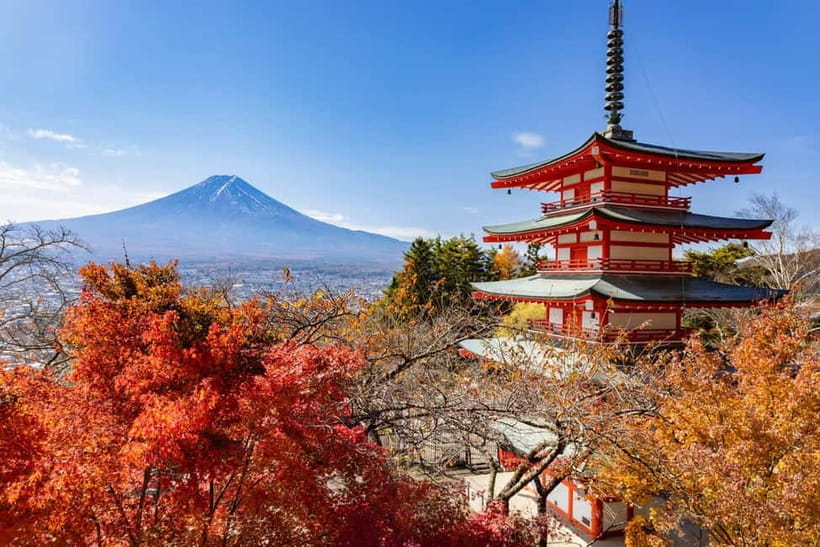
- Arakurayama Sengen Park in every season, including the five-story pagoda framed by Mount Fuji.
- Oshino Hakkai’s calm spring water, with seasonal reflections and a quieter pace.
- Saiko Iyashi-no-Sato Nenba, where thatched-roof houses and winter steam-from-hot-spring vibes set the mood.
- Oishi Park’s weekday-only rule, which can change your day depending on your travel date.
- A Fujiyoshida culture stop, including Hikawa Clock Shop time and a chance to wander the historic street scenes.
- A guide that helps with stress-free timing, in either Chinese or English.
Fuji from Tokyo: the other approaches
- Mt Fuji and Hakone 1-Day Bus Tour Return by Bullet Train
★ 5.0 · 26,383 reviews - Mt Fuji & Hakone Cruise, Drum Show Bullet Train 1 Day from Tokyo
★ 4.0 · 7,413 reviews - Tokyo Mt Fuji 5th St & Hakone Cruise Bus Tour w/Bullet Train
★ 4.4 · 5,024 reviews - From Tokyo: Mount Fuji Full-Day Sightseeing Trip
★ 4.5 · 4,970 reviews
One Long Day With a Practical Route From Shinjuku
This is a full-day tour based in Shinjuku, built around watching Mount Fuji from multiple angles. The day runs about 570 minutes, so think 9.5 hours, with bus time between stops. It is a good setup if you want a tidy plan without doing trains and bus transfers on your own.
Your base is Shinjuku, meeting at Front of Kogakuin University Shinjuku Station West Exit. You start from the west exit area near Keio Plaza Hotel, and you will look for a Wonder Tour flag. The tour also finishes back in Shinjuku, which helps if you are continuing on later that night.
Because the schedule is tight, your biggest “energy tax” is not just the sightseeing. It is the moving. You spend time on the bus, but you also spend time walking between viewpoints and up stairs, especially at the park-style locations.
Arakurayama Sengen Park: Pagoda Views That Change With the Season
This is the Mount Fuji moment you came for. Arakurayama Sengen Park combines the five-story pagoda view with Mount Fuji in the background, and your time there is about 1 hour of free wandering and sightseeing.
What makes it feel special is how much the setting changes depending on when you go.
- Spring: The park is famous here for dramatic cherry blossom scenery, with 650 cherry blossom trees blooming and a dreamy view of pagoda plus Mount Fuji.
- Summer: You trade blossoms for lush greenery, and the goal becomes Mount Fuji against a summer-blue sky and white clouds.
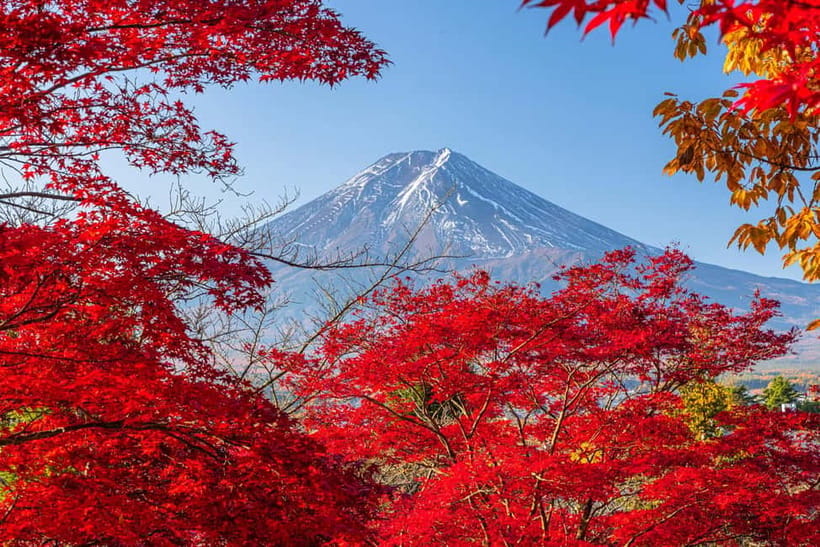
- Autumn: The hillside turns red and orange, and the five-story pagoda blends with orange maple leaves for a highly romantic feel.
- Winter: Snow can cover the pagoda roof and the mountain peak, giving you that crisp, pure-white Mount Fuji look.
If you want great photos, wear shoes that handle uneven paths and stairs. Even when you only have an hour, you will likely be climbing and positioning yourself for the shot. Also, bring a little patience for crowd flow, because these Fuji viewpoints attract everyone.
Fujiyoshida Culture Time: Hikawa Clock Shop and Honcho Street Atmosphere
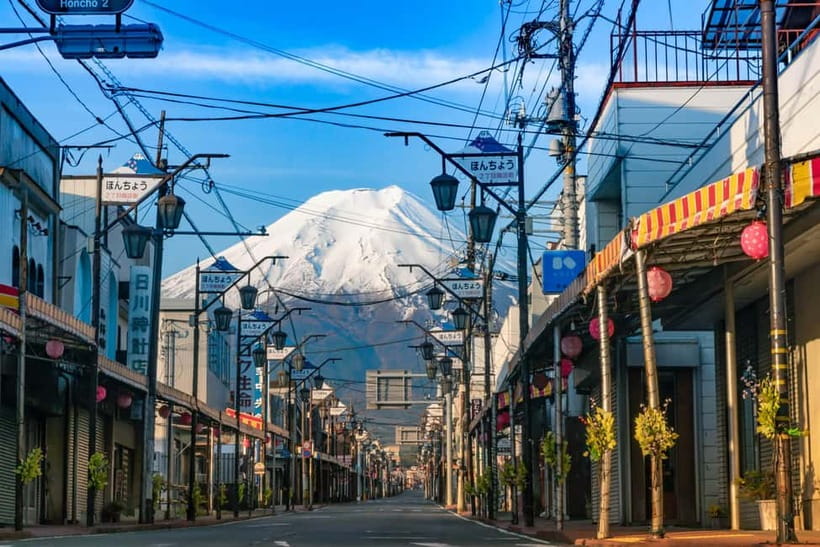
After your first Fuji stop, you get a bit of breathing room with a small, culture-friendly add-on. There is a Hikawa Clock Shop stop with about 30 minutes of free time, and the tour also includes time for Fujiyoshida Honcho Street vibes.
What I like about this portion is that it stops the day from being only viewpoints. Instead, you get an “ordinary Japan” feel through street atmosphere and seasonal changes.
Here is how the street scene shifts in the tour description:
- Spring: Cherry blossoms line the street and shops, with Mount Fuji quietly watching at the end.
- Summer: You get a more festival energy, with fireworks and lively stalls shaping the atmosphere.
- Autumn: Yellow and red leaves frame the street, with the first hint of winter snow on Mount Fuji appearing far in the distance.
- Winter: The early morning air is crisp, and you can catch a snow-covered Mount Fuji view from afar.
This is a good place to slow down, buy small snacks if you want, and just reset your eyes after the big landscapes. Keep your expectations realistic, though. Even a “street stroll” here can still involve uneven sidewalks and some walking.
- Mt Fuji and Hakone 1-Day Bus Tour Return by Bullet Train★ 5.0 · 26,383 reviews
- 1-Day Tokyo Bus Tour★ 5.0 · 14,250 reviews
- Tokyo: teamLab Planets TOKYO Digital Art Museum Entry Ticket★ 4.6 · 9,779 reviews
- Mt Fuji & Hakone Cruise, Drum Show Bullet Train 1 Day from Tokyo★ 4.0 · 7,413 reviews
- Tokyo: Shinjuku Food Tour (13 Dishes at 4 Local Eateries)★ 5.0 · 6,603 reviews
Oshino Hakkai: The Calm Between Fuji Moments
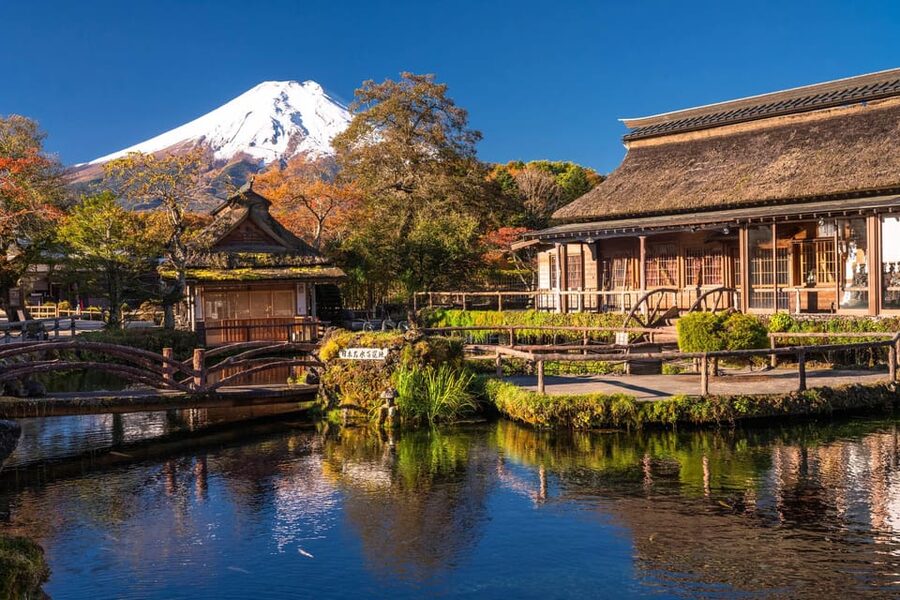
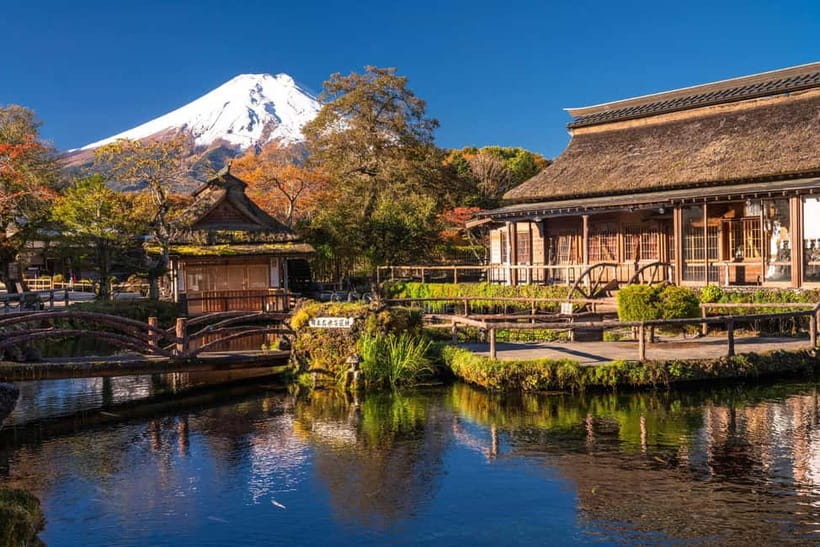
Next comes Oshino Hakkai, and this stop is all about the gentler side of the Fuji area. You get about 1.5 hours of free time, which is plenty to wander and pick a few photo spots without feeling rushed.
The highlight for Oshino Hakkai is the spring-water setting, plus the Mount Fuji reflections. Depending on the season, the water changes the whole mood:
- Spring: Cherry blossoms near the spring water, with Mount Fuji mirrored on the surface.
- Summer: Clear and cool spring water with summer greenery reflected, feeling peaceful and refreshing.
- Autumn: Red leaves drift down onto the water for a quiet, elegant scene.
- Winter: Snow blankets the village while the spring water stays crystal clear, creating a snowy still-life look.
I love that this is not just “another viewpoint.” It has a slower rhythm. If you tend to rush when you travel, this stop helps. Take a few minutes to stand back from the crowd at the water edge and let your eyes adjust. The reflections look best when you give them time.
Practical tip: bring something warm in winter and light layers in summer. The scene may look calm, but the walking plus open-air viewing can still be chilly or windy.
Oishi Park Weekday-Only Reality, and How It Affects Your Plan
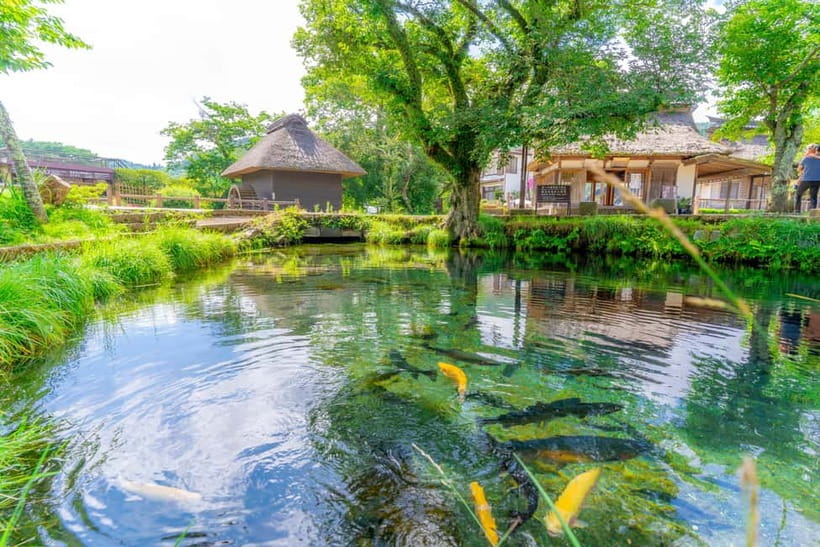
Oishi Park is a quick photo stop plus about 30 minutes of free time, but it comes with the biggest scheduling rule of the entire tour.
Oishi Park is open for visits only on weekdays. It is closed on weekends and holidays, and it is also closed during Golden Week, specifically April 29 to May 5. The tour description also warns that the visit may be canceled on weekdays if traffic delays you.
So here is the honest planning advice: if your travel dates are on a weekend or a holiday week, you should not build your entire “Fuji photo dream” around Oishi Park. You will still see other Mount Fuji spots, but your exact final checklist of photos may change.
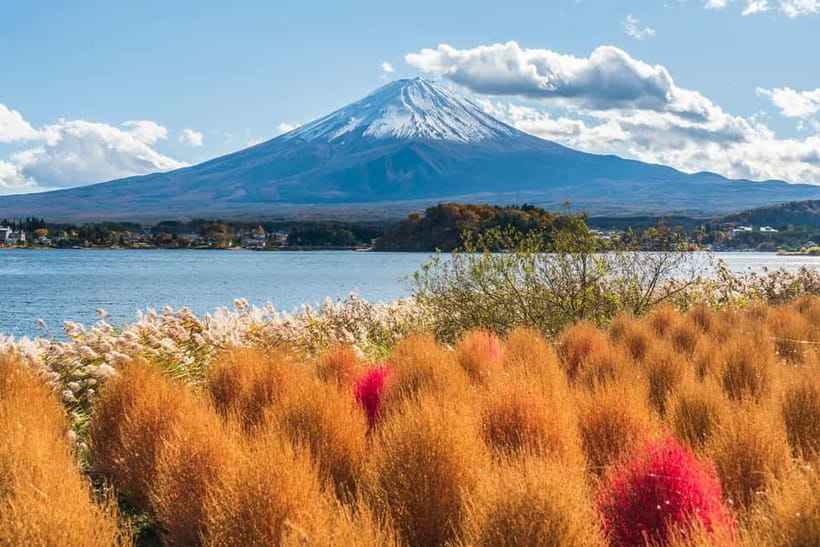
When you do visit, the visual theme is the same every season: Lake Kawaguchi in the frame with Mount Fuji depending on conditions. Seasonal notes provided:
- Spring: Tulips and moss phlox at the lakeside.
- Summer: Lavender blooms and fragrance.
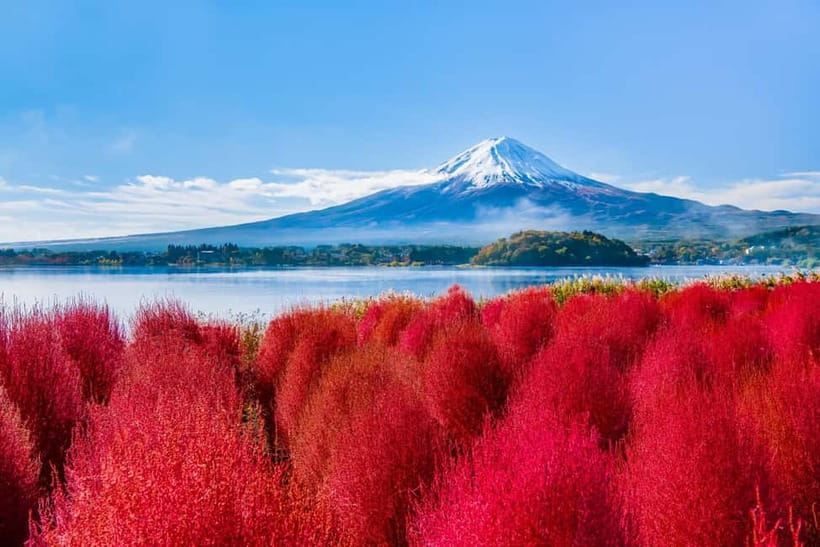
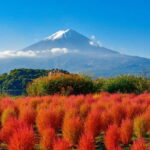
- Autumn: Golden lakeside grass with Mount Fuji’s first snow appearing in the distance.
- Winter: Snowy mountain views reflected in a quiet lake scene.
If Oishi Park does get cut due to timing, the tour usually still keeps moving. That is the trade-off for a day that covers multiple destinations.
Saiko Iyashi-no-Sato Nenba: Thatched Roofs With a Slower Tempo
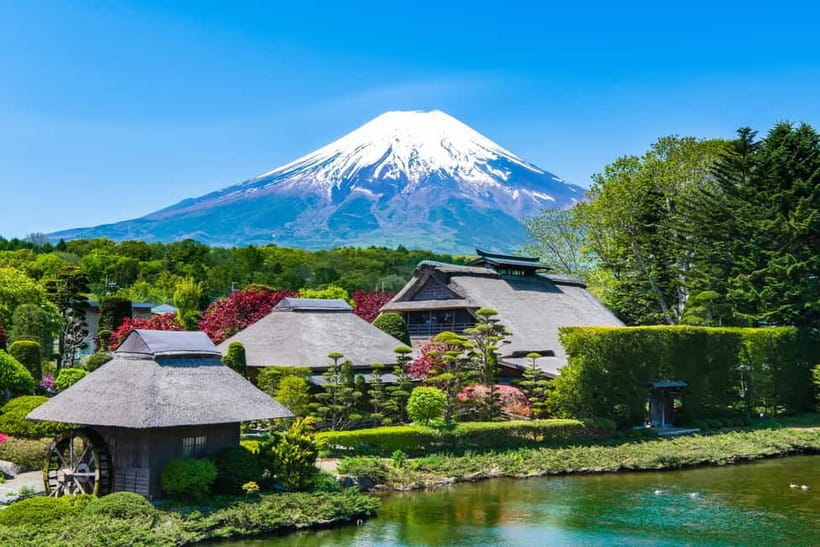
This stop feels like a reset button. Saiko Iyashi-no-Sato Nenba is included with a ticket, and you have about 1 hour to explore.
The setting is all about traditional rural atmosphere, with thatched-roof houses and seasonal changes that make it feel like a different place each time of year:
- Spring: Ancient thatched-roof houses mixed with cherry blossoms.
- Summer: Rice fields, clear streams, and mountain breezes bringing fresh natural scents.
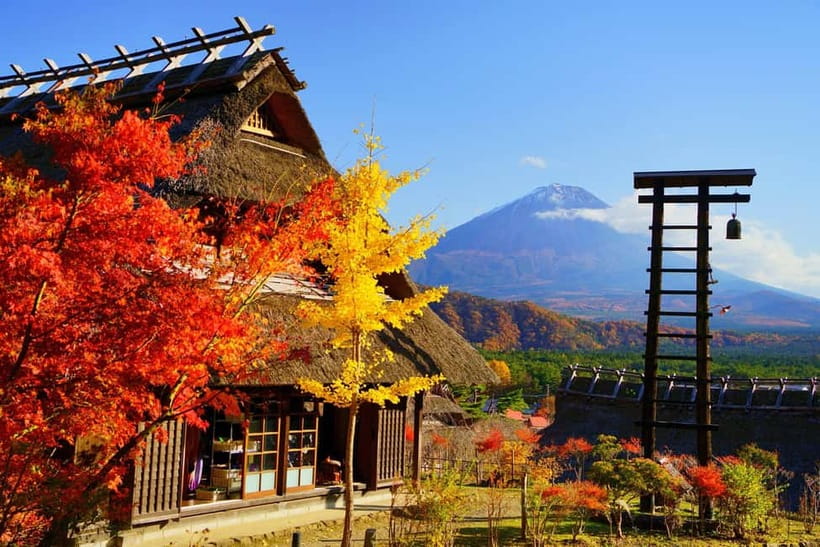
- Autumn: Red leaves over the hillside, with the thatched roofs creating a time-warp feeling.
- Winter: Snow on the rooftops, and steam rising from hot spring vibes that create a fairy-tale atmosphere.
I like that this is not only a photo moment. It is a chance to stand somewhere longer and feel like you are stepping away from the city. If your day is packed with Fuji photography, you will appreciate the calmer pace.
Dress for comfort. Even if you are not trekking all over, you are moving around a village setting, and you do want stable shoes.
Timing, Transport, and Why This Tour Feels Worth It
At $50 per person, this is not a luxury itinerary. It is built for practical value: roundtrip transportation, an English-speaking guide, and the Saiko Iyashi-no-Sato Nenba ticket. Meals are not included, so you should budget a bit extra for snacks and lunch.
The real value is that you avoid the stress of coordinating multiple stops across the Fuji region. You board in Shinjuku, then the day is structured around planned travel and set sightseeing windows.
One more “read this twice” detail: the live guide is described as Chinese and English. And depending on the vehicle type, commentary may be delivered by the driver rather than a professional guide. So if you care a lot about deep explanations, keep your expectations aligned with a basic guided day, with the guide support varying by bus setup.
Also, Oishi Park visits can be canceled due to traffic delays on weekdays. That is not unique to this company, but it matters for planning your photo goals.
Meals, Shopping, and the Cash-First Approach
Meals are not included, so you will want a simple plan for food. Because cash is requested, you are better off carrying some yen for snacks, drinks, and anything you want to purchase.
The tour is designed to keep you moving, and that usually means fewer sit-down options. So think “grab and go.” If you dislike surprises, bring a small snack with you and treat meals as flexible.
Shopping wise, the tour includes time at at least one stop that feels like a dedicated shop visit, plus street time where you may find seasonal festival energy. You should expect personal expenses to add up if you are the type who likes to pick up local treats and small souvenirs.
Photo Tips That Match the Actual Stops
If you plan your outfits around the scenery described, you will have a smoother time.
- For spring, think light layers and good grip shoes. Blossoms can create scenic backdrops, but ground conditions can still be slippery depending on weather.
- For summer, bring sun protection and water. The tour includes long viewing moments outdoors and a lot of walking time spread across parks.
- For autumn, orange and red scenery is part of the visual plan. It is a great time to shoot, but temperatures can swing, so layer up.
- For winter, the Mount Fuji promise includes snow on rooftops and pagoda roofs in the descriptions. That usually means cold air and colder wind, even if the sky looks clear.
Also, the itinerary includes stops with stairs and uphill sections. Plan your pace. If you want photos and still feel comfortable, slow down early so you are not sprinting later.
Who Should Book This, and Who Might Want to Skip
This tour is a strong fit if you are:
- Doing your first trip to the Mount Fuji area and you want the “classic hits.”
- Short on time and you do not want to piece together transport across multiple destinations.
- The kind of traveler who likes seasonal scenes, from cherry blossoms to autumn leaves to winter snow.
It may not be your best choice if you:
- Need an itinerary with minimal stairs and uphill walking. The tour description clearly mentions long stairs and uphill sections.
- Are over 70 years. The tour says it is not suitable for that age group.
- Are traveling on a weekend or holiday week and you specifically want Oishi Park, because it is weekday-only and can be canceled.
Should You Book This Mount Fuji Day Tour?
Book it if you want a structured day that moves through the area’s most photogenic Fuji settings, with an English or Chinese-speaking guide helping you stay on track. The value is real when you factor in the transport, guide support, and a paid ticket to Saiko Iyashi-no-Sato Nenba.
Skip or rethink it if your dates are on weekends or during Golden Week, since Oishi Park may not be available. Also, if you have mobility limits, the stairs and uphill sections are a key factor.
For the right dates and the right energy level, this is a classic “see the Fuji and breathe” kind of day trip.
FAQ
How long is the tour?
The total duration is about 570 minutes.
What is the price per person?
The price is listed as $50 per person.
Where does the tour start and where does it end?
It starts at Front of Kogakuin University Shinjuku Station West Exit and ends at Shinjuku Station.
What languages does the guide use?
The tour is described as having a live guide in Chinese and English.
What’s included in the tour price?
Included items are roundtrip transportation, a Saiko Iyashi-no-Sato Nenba ticket, and an English-speaking guide.
Is Oishi Park guaranteed to be visited?
Oishi Park is only open for visits on weekdays. The visit may also be canceled on weekdays if there are traffic delays.
Do I need cash?
Yes. You should bring cash.
Are meals included?
No. Meals are not included.
Is Saiko Iyashi-no-Sato Nenba admission included?
Yes. The Saiko Iyashi-no-Sato Nenba ticket is included.
How much luggage can I bring?
Each passenger may bring one suitcase with a maximum of 30 kg and 155 cm total. The tour notes that valuables should not be stored in the bus trunk.
Mount Fuji, Three More Ways

Newest Tokyo write-ups from the Loving Japan desk

Mount Fuji Day Trips, side by side.
 ★ 5.0Mt Fuji and Hakone 1-Day Bus Tour Return by Bullet TrainFrom $16326,383 reviews
 ★ 4.0Mt Fuji & Hakone Cruise, Drum Show Bullet Train 1 Day from TokyoFrom $1497,413 reviews
 ★ 4.4Tokyo Mt Fuji 5th St & Hakone Cruise Bus Tour w/Bullet TrainFrom $1545,024 reviews
 ★ 4.5From Tokyo: Mount Fuji Full-Day Sightseeing TripFrom $684,970 reviews
 ★ 4.7Mt. Fuji Tour, Hakone Ropeway, Owakudani, Lake AshiFrom $544,002 reviews
 ★ 4.4Mt.Fuji,Kawaguchiko Oishi Park,Arakurayama Sengen ParkFrom $542,682 reviews
 ★ 4.2Mt. Fuji 5th Station & Hakone Cruise 1-Day Bus TourFrom $1292,381 reviews
 ★ 4.7Mt Fuji Top 5 Spots Day Tour: Arakurayama Park,Oshino HakkaiFrom $532,066 reviews
Filed on these lists too